Posts tagged EducationOnMove
Nature Custodianship through Capacitating Community-rooted Guides

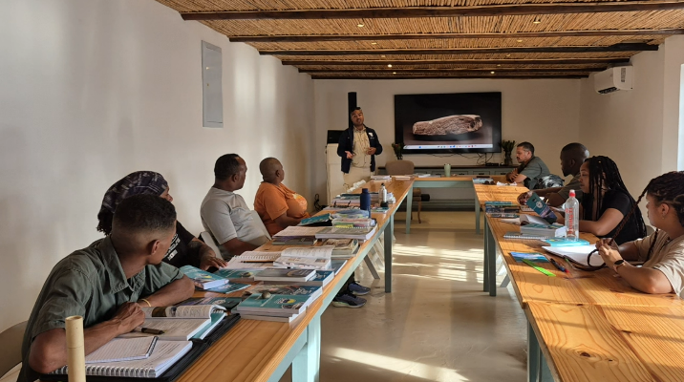
In July, the Cape Winelands Biosphere Reserve team will be hosting a graduation, celebrating the seven graduates of the recently co-facilitated qualified guides’ course. Since January, the participants have done weekly pre-assignments aligned with the course syllabus, followed by an intensive in-person programme, and engaged themselves in firsthand lived experiences in the tourism industry and natural world. Covering areas in the Cape Winelands, Klein karoo, Garden Route and parts of the Eastern Cape.

COURSE INTRODUCTION

South Africa’s natural heritage is one of the most biologically diverse on Earth, from the rich marine ecosystems of the southern coastline to the globally unique Fynbos biome. These environments play a vital role in eco-tourism, conservation, and community livelihoods. Yet they are under increasing pressure, and the need for knowledgeable, responsible and community-rooted guides has never been greater.

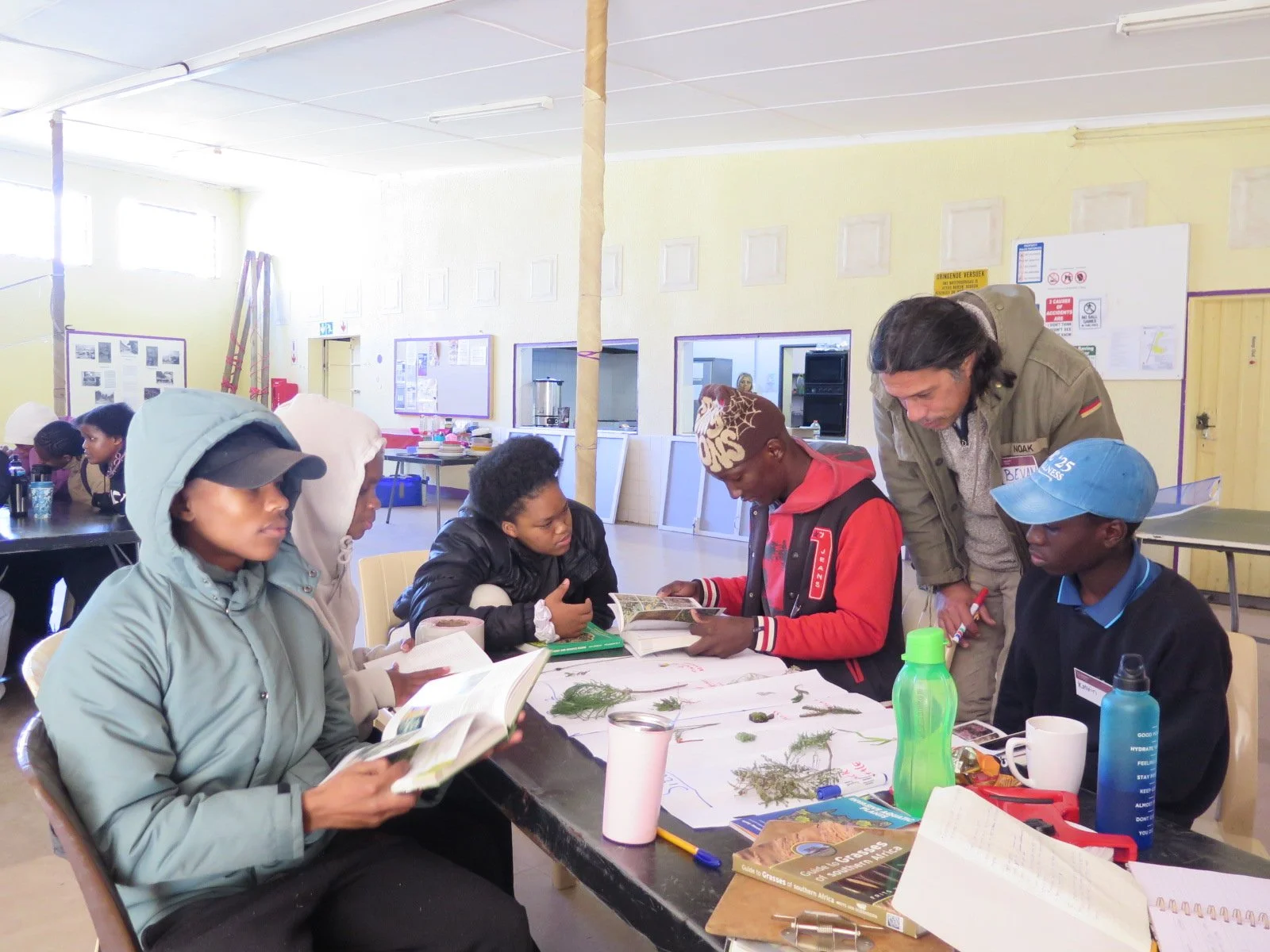
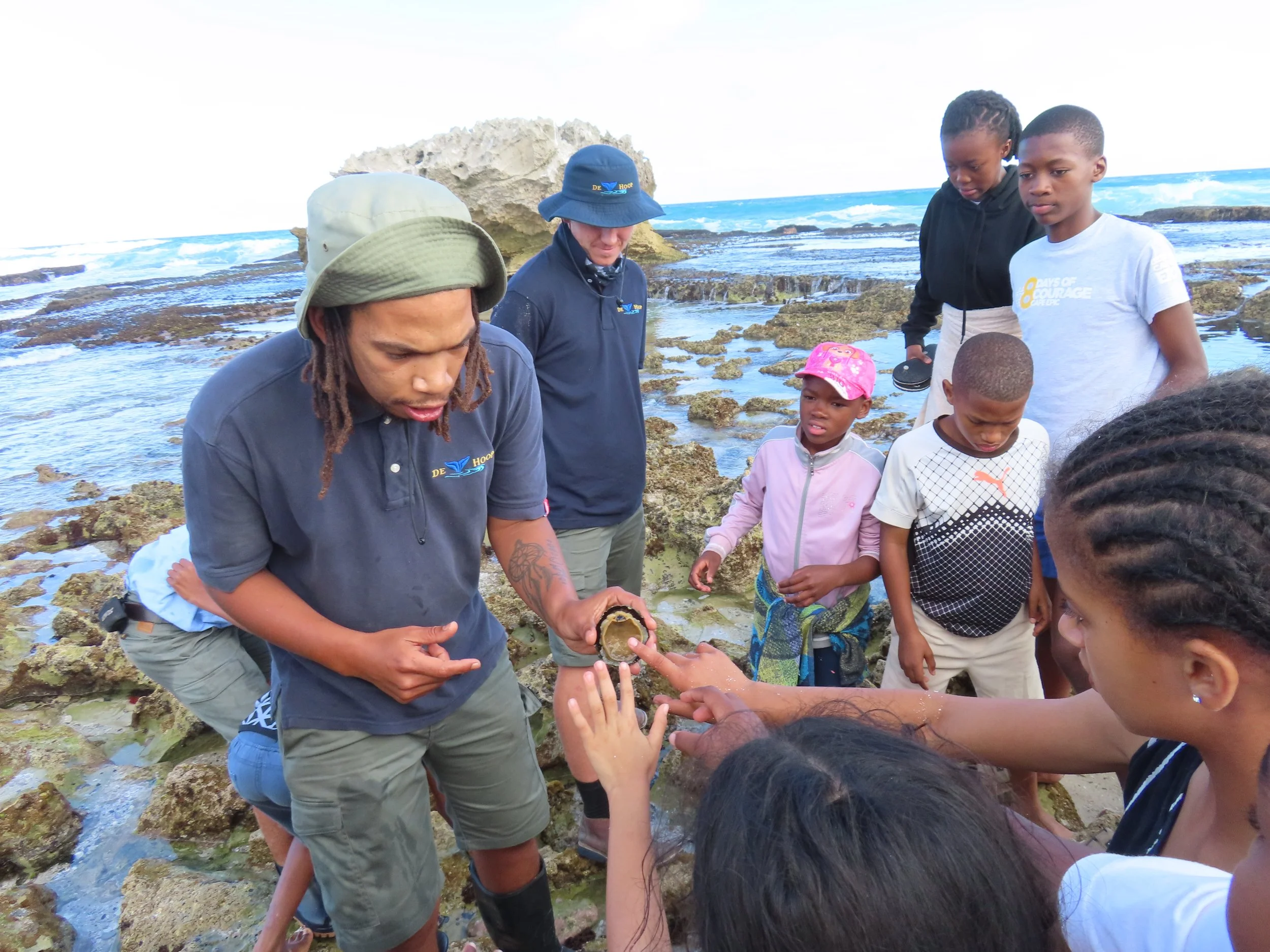
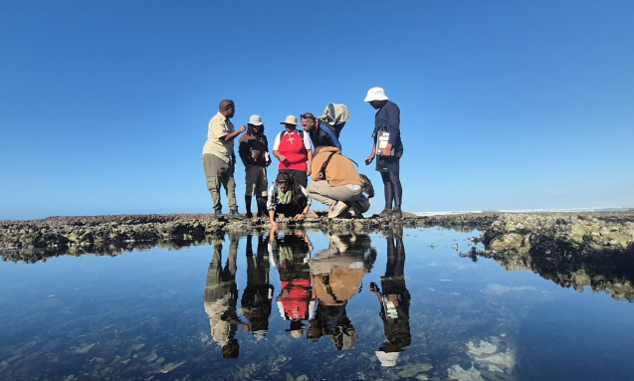
Followed by two months of pre-course work, the combined Field Guides Association of Southern Africa (FGASA) Marine and Nature Guiding 26-day intensive course was designed to meet this need. Hosted within the inspiring landscapes of De Hoop Nature Reserve, a place where rolling dunes, pristine marine ecosystems, limestone fynbos, wetlands, whales, birds, and coastal history converge, this course immersed learners in one of the most ecologically rich training environments in South Africa. Academic learning became a lived experience.
WHY THIS COURSE IS DIFFERENT

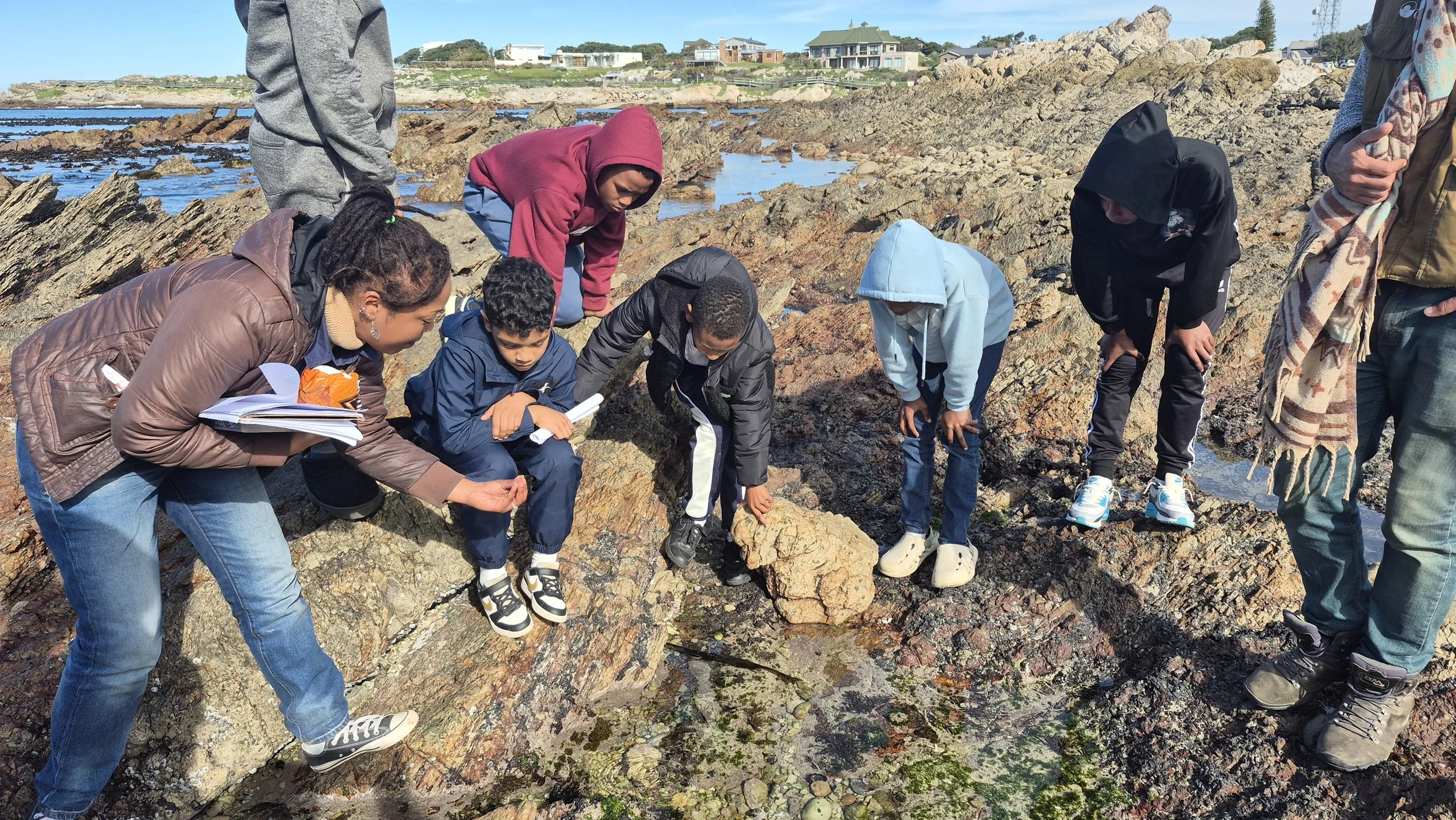
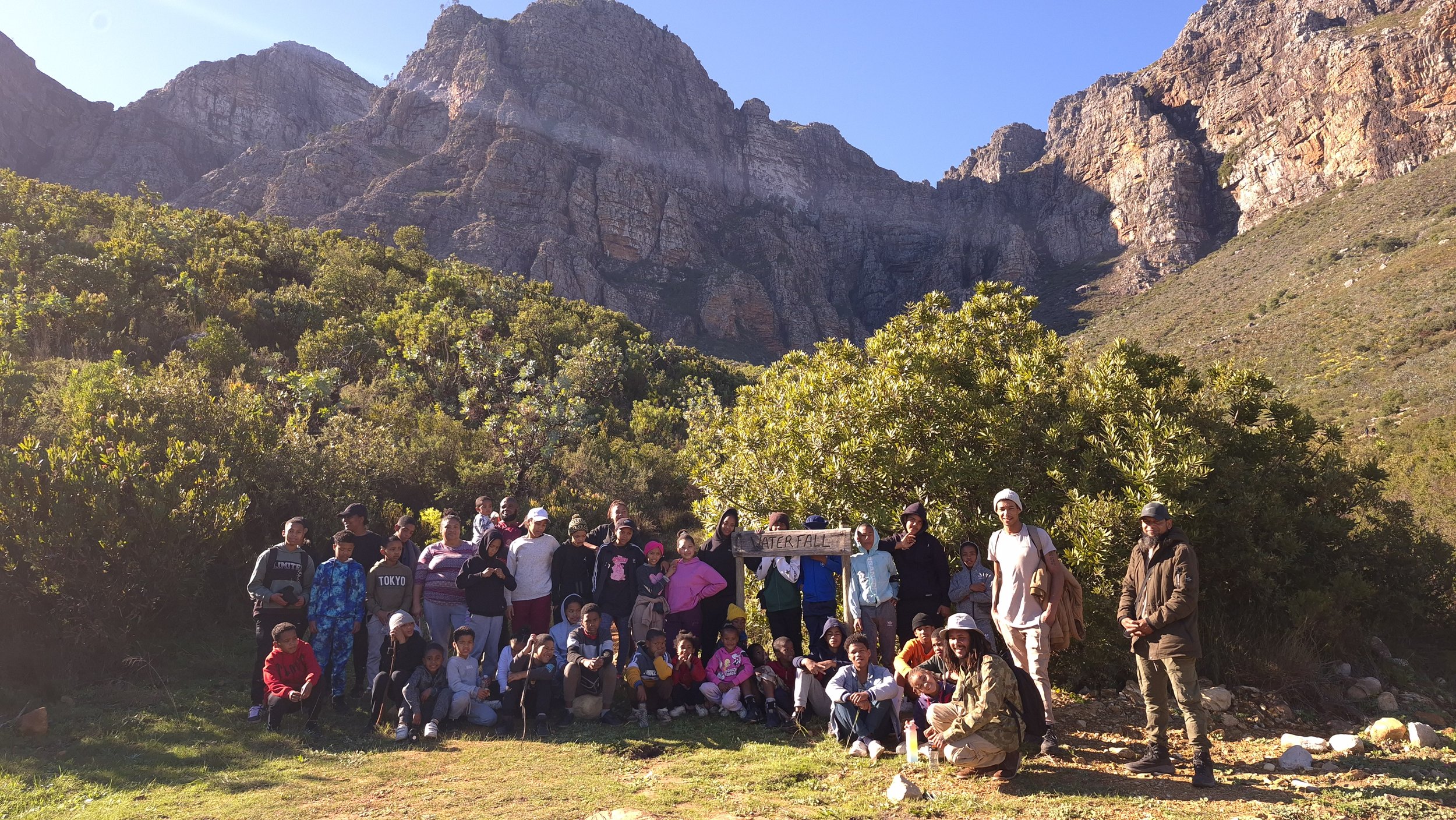
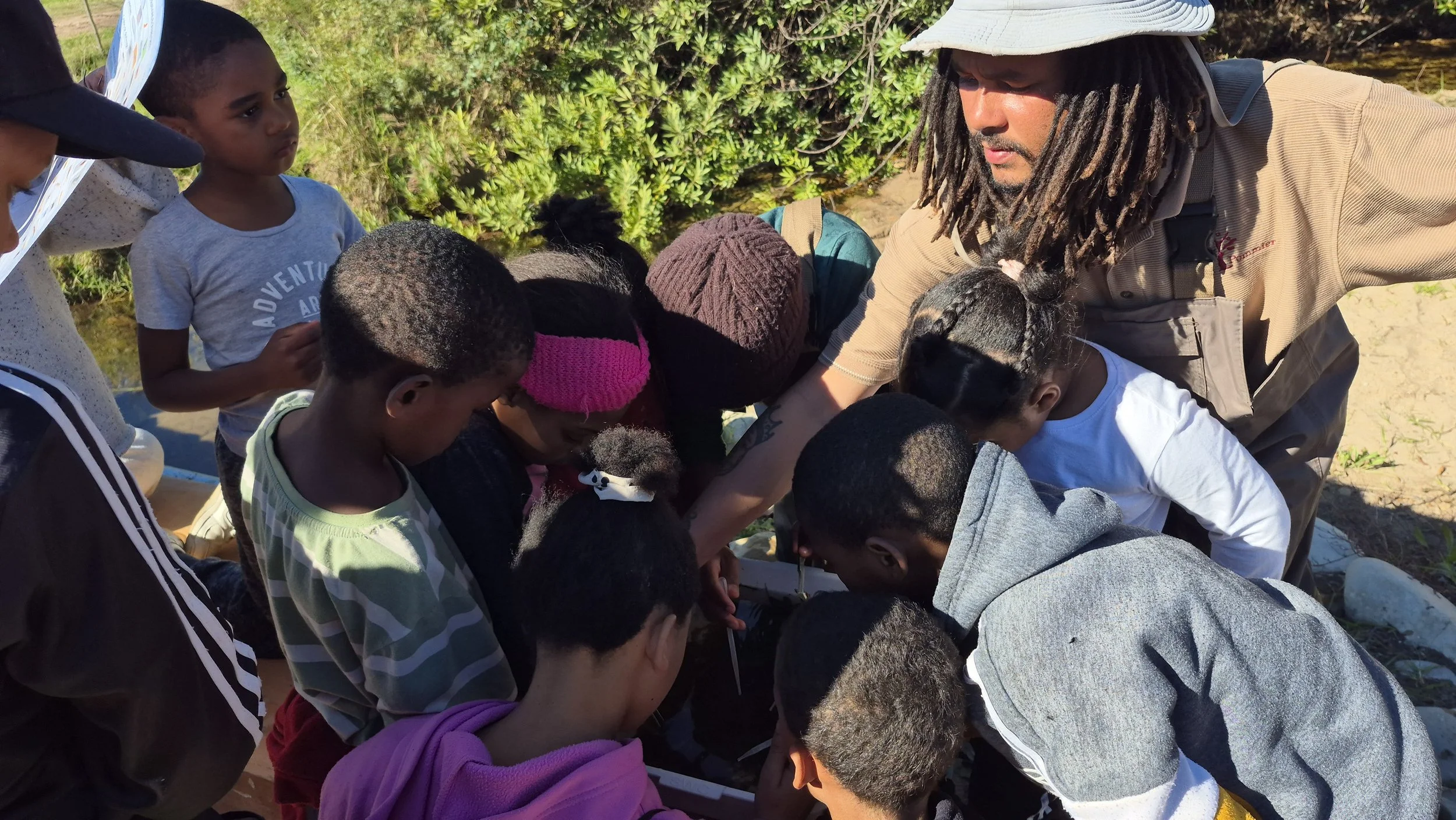
The programme went beyond simply training guides. It built up individuals, supports community development, and creates pathways to employment within conservation, eco-tourism, guiding, hospitality, and environmental education. Three of the graduates recently co-facilitated environmental and coastal education activities for youth in their community as part of Youth Month activities.
THE GRADUATES LEAVE WITH

A deep connection to their natural environment, confidence and professionalism, knowledge that can uplift their communities, and skills that open real job opportunities.

CONCLUSION & TRAINING OUTCOME

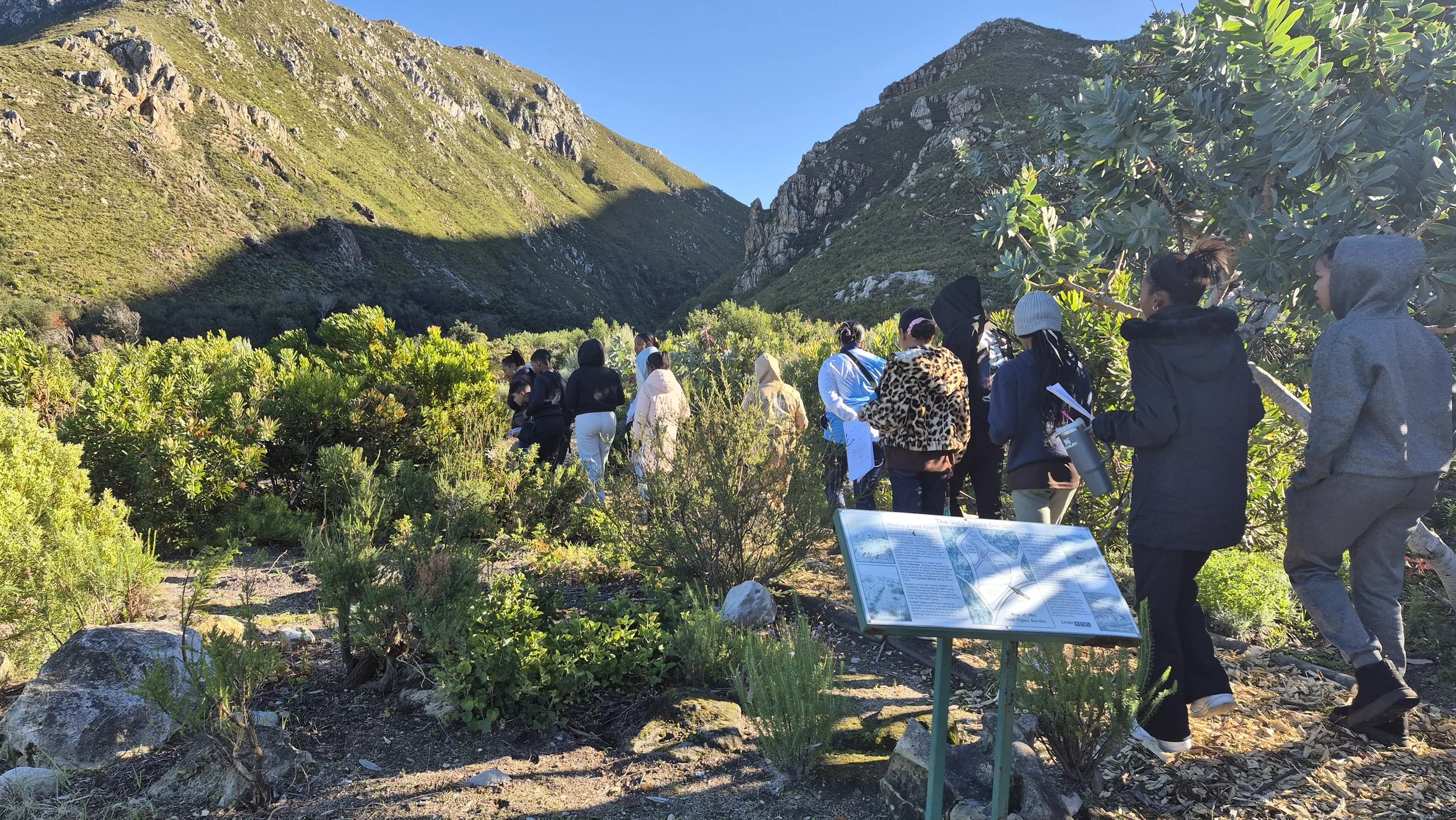
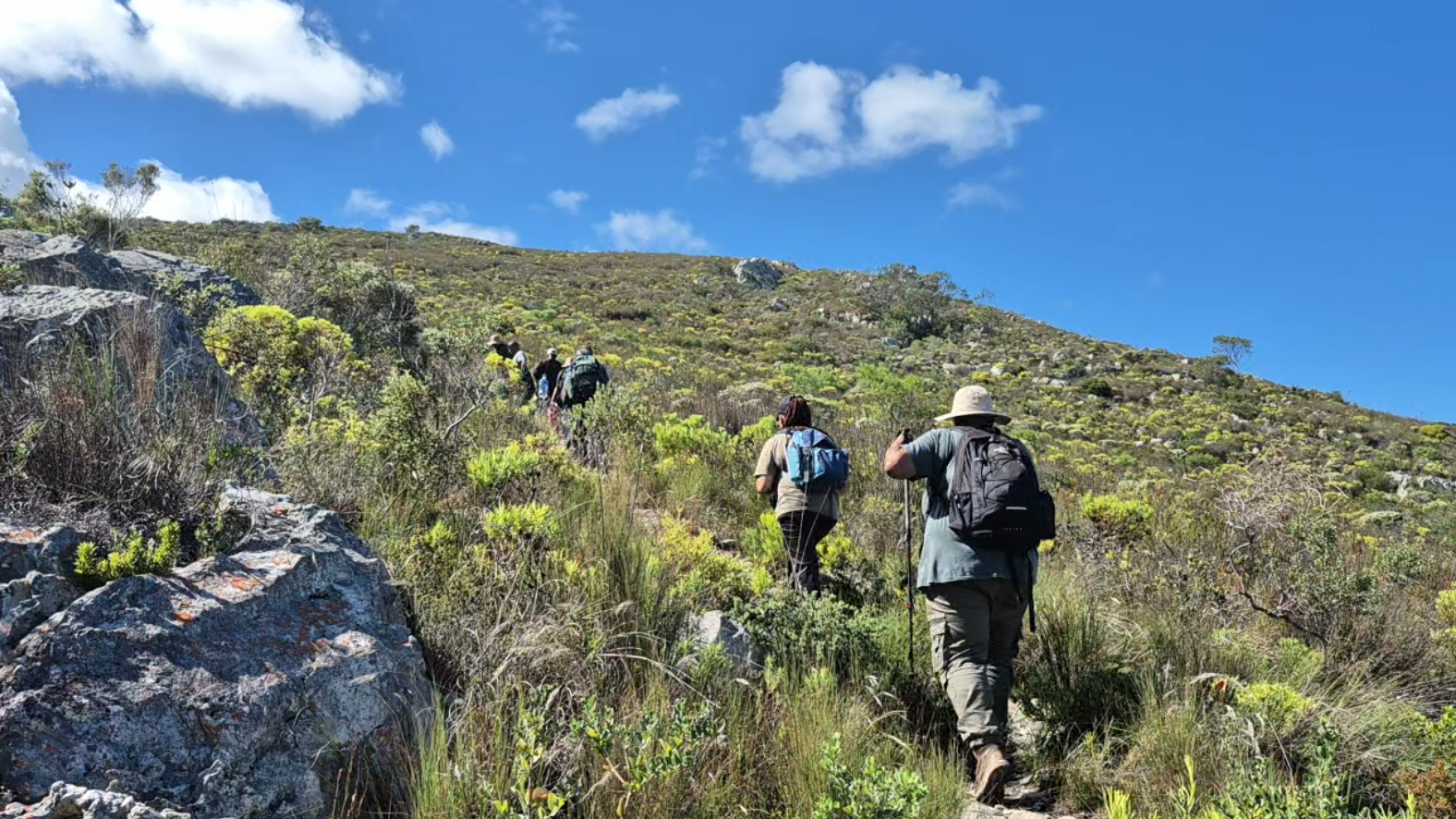
By the end of course, each participant completed all FGASA requirements and gained meaningful exposure to four highly diverse ecosystems including Afromontane Forest, Fynbos, Renosterveld, and Marine.

The learners gained strong species identification skills, developed ecological understanding, and mastered the FGASA unit standards that define professional guiding practice.

Through guided walks, field practical’s, nightly learning sessions, and workbook integration, the students refined their interpretive abilities, strengthened their safety awareness, and built confidence in real guiding scenarios.
Introductory Guiding Course: Environmental and Cultural Stewardship

In October, the Cape Winelands Biosphere Reserve team wrapped up the five-month introductory course in field and culture guiding, co-funded by Stellenbosch Municipality. The programme was designed to equip emerging guides with foundational knowledge of the region’s natural and cultural heritage, helping to build local capacity within Stellenbosch’s growing eco-tourism and community-led tourism sectors.

Stellenbosch, nestled within the globally renowned Cape Floristic Fynbos Kingdom, is a landscape of dramatic mountains, sweeping vistas, and a flourishing culinary and wine culture. In recent years, the region has seen a remarkable surge in tourism—particularly adventure and nature-based experiences. Every day, a growing number of tour operators can be seen on the road, responding to rising visitor demand for immersive, authentic, and community-led activities.

Against this backdrop of opportunity, the CWBR facilitated introductory course aimed to give participants a strong foundation they could use to pursue a guiding career or enrich their existing professions connected to tourism, culture, or environmental stewardship.

A Diverse Cohort Rooted in Their Communities

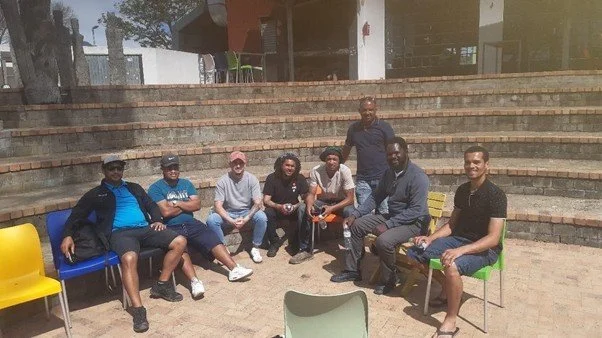
Participants were selected from across Stellenbosch’s vibrant communities, including Devon Valley, Kayamandi, Cloetesville, Idas Valley, Kylemore, and Lanquedoc. Their representation ensured a diversity of lived experiences—an essential ingredient in a programme centred on place-based storytelling, cultural authenticity, and environmental awareness.

At the outset, participants were encouraged to share their motivations for joining. This collaborative process enabled facilitators to co-design aspects of the course, tailoring content and experiences to individual needs and ambitions. What emerged was an interactive, learner-driven environment where curiosity, community pride, and personal growth shaped the learning journey.

Learning Through Place: Workshops, Field Trips, and Practical Skills

In total, 20 contact sessions took place during the programme. These consisted of:

  • 10 workshops led by experienced guides, authors, and local practitioners

  • 4 lectures delivered by academic experts from Stellenbosch University and the University of Cape Town, focusing on ecology, geology, and climate change

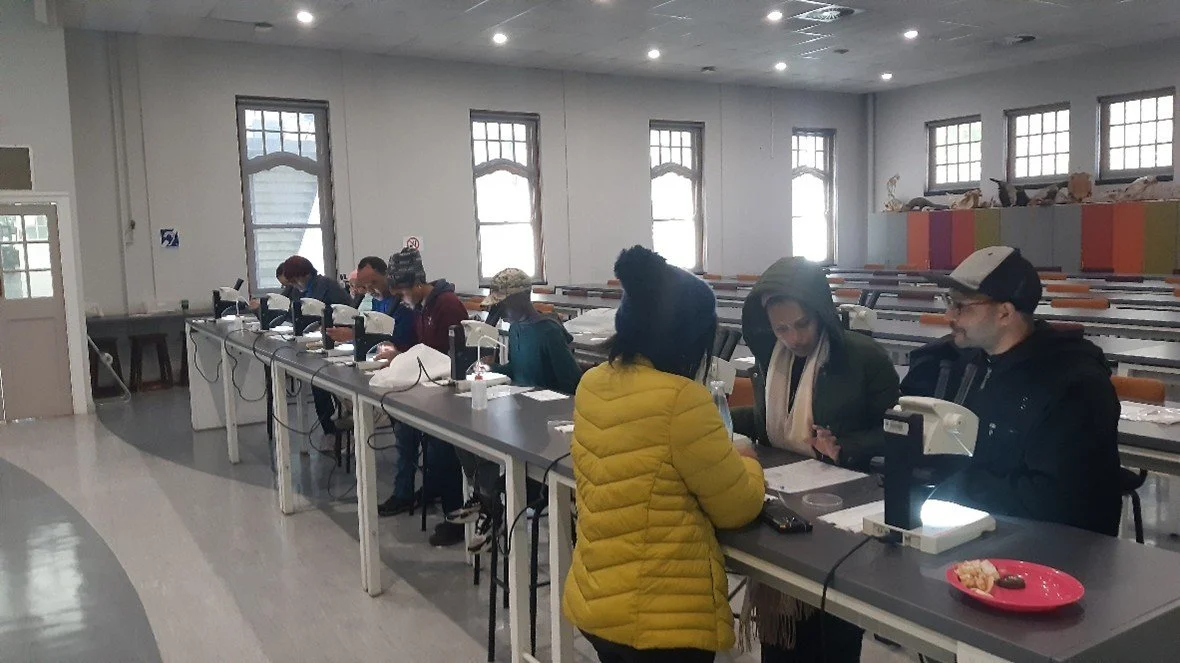
  • 2 practical sessions providing hands-on exposure to guiding skills and environmental interpretation

  • 2 outings, including extended field explorations across the broader Winelands and into coastal ecosystems

  • 1 certified First Aid Level 1 course, equipping participants with essential safety and emergency response skills

  • 1 culinary day including the Certificate of Completion ceremony and lunch.

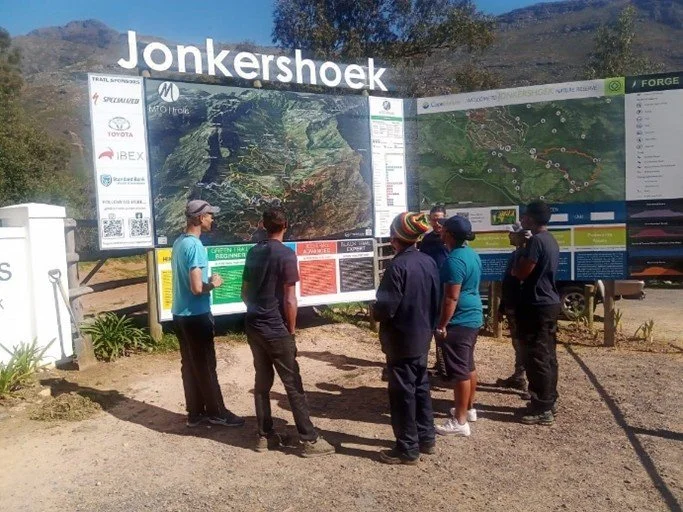
Close to home, participants explored Stellenbosch Central, Jonkershoek, Franschhoek, Simonsberg, Khayamandi, Pniel, and Paarl—each offering different ecological, cultural, and historical layer to interpret.

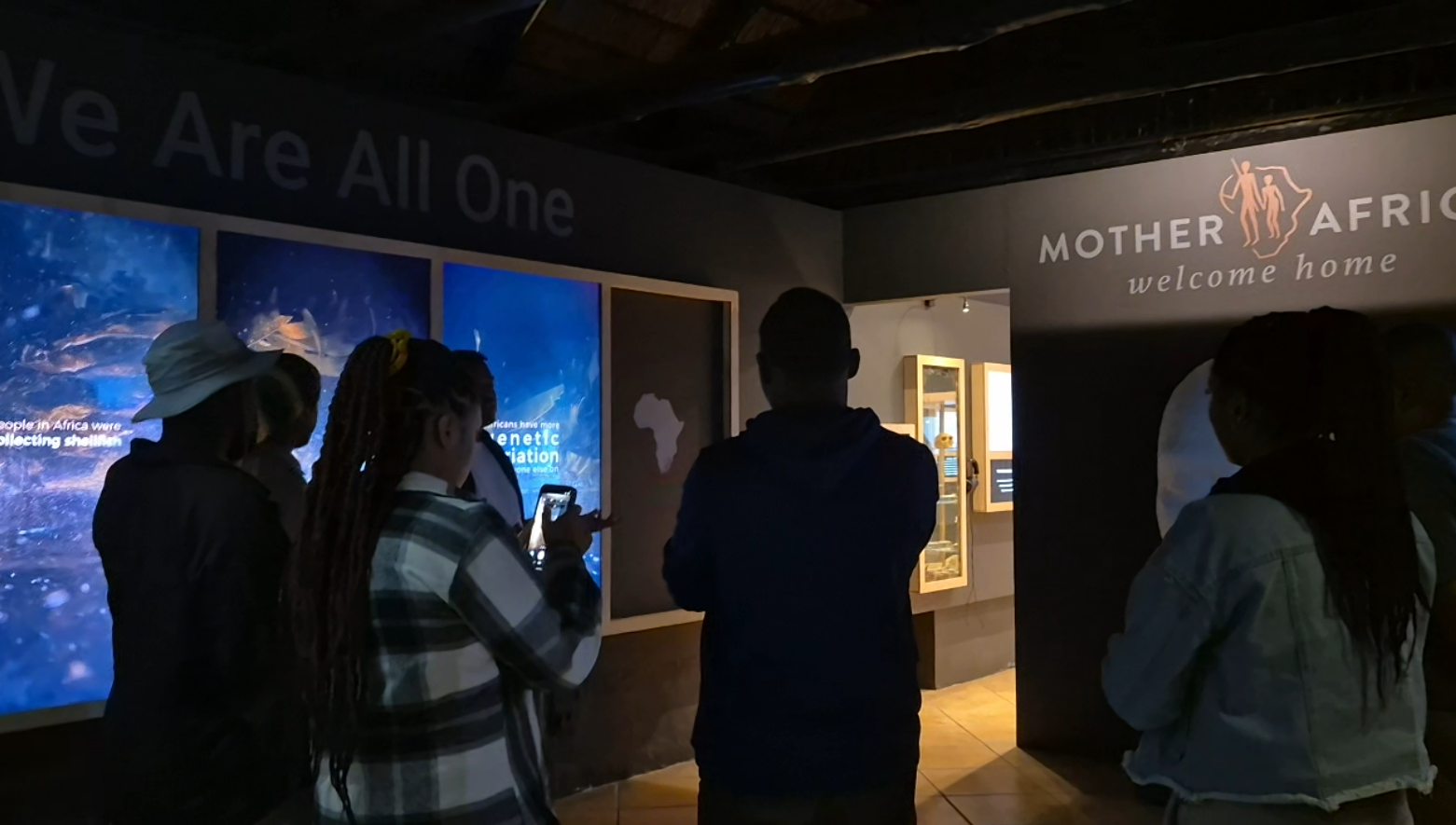
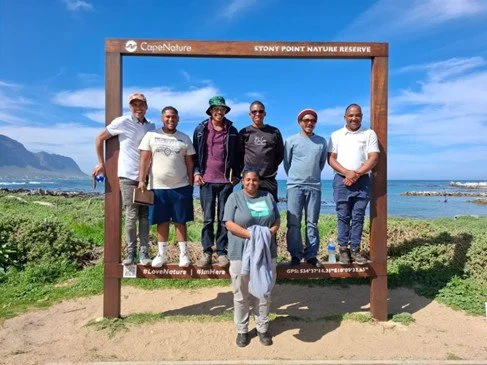
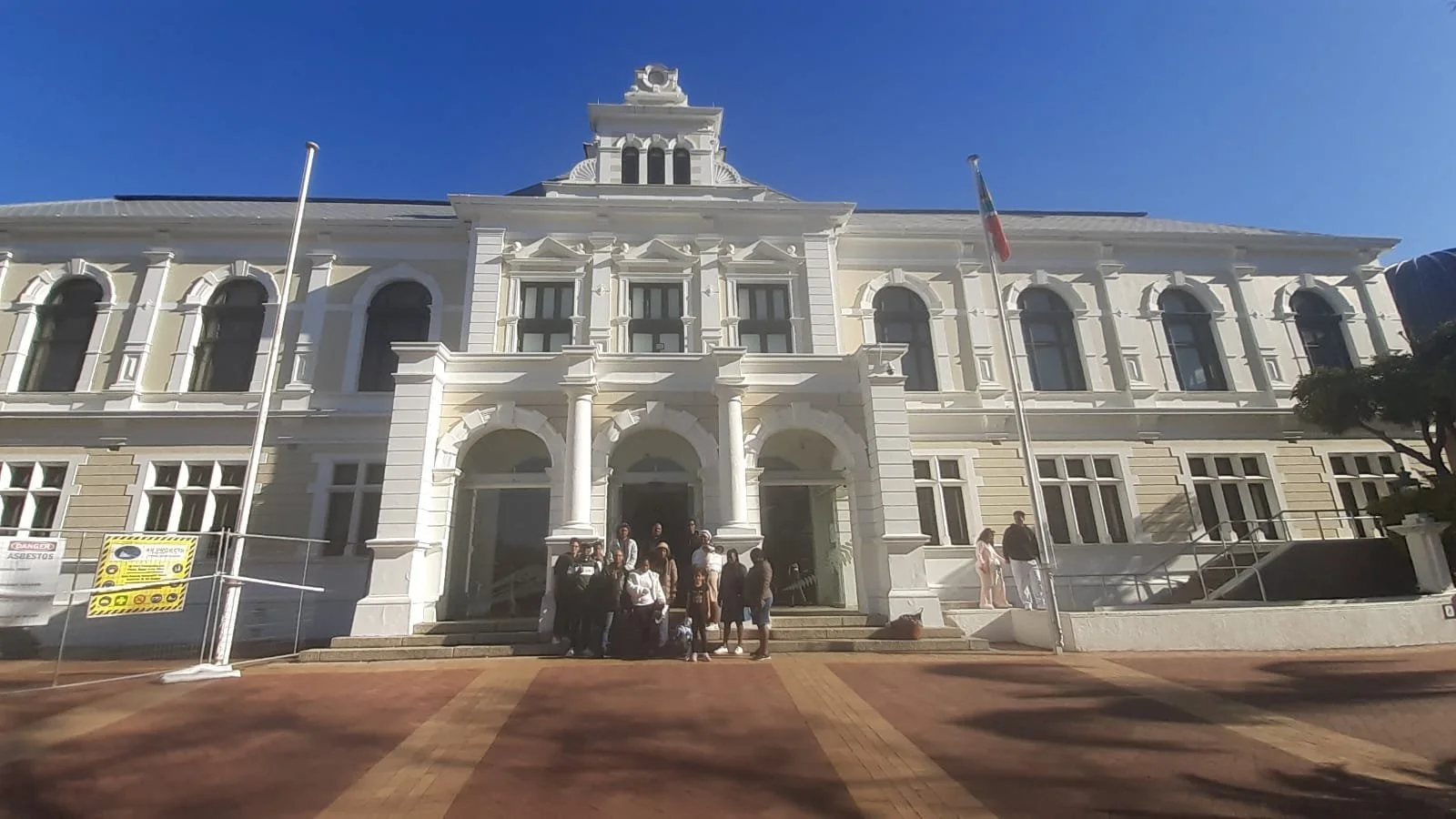
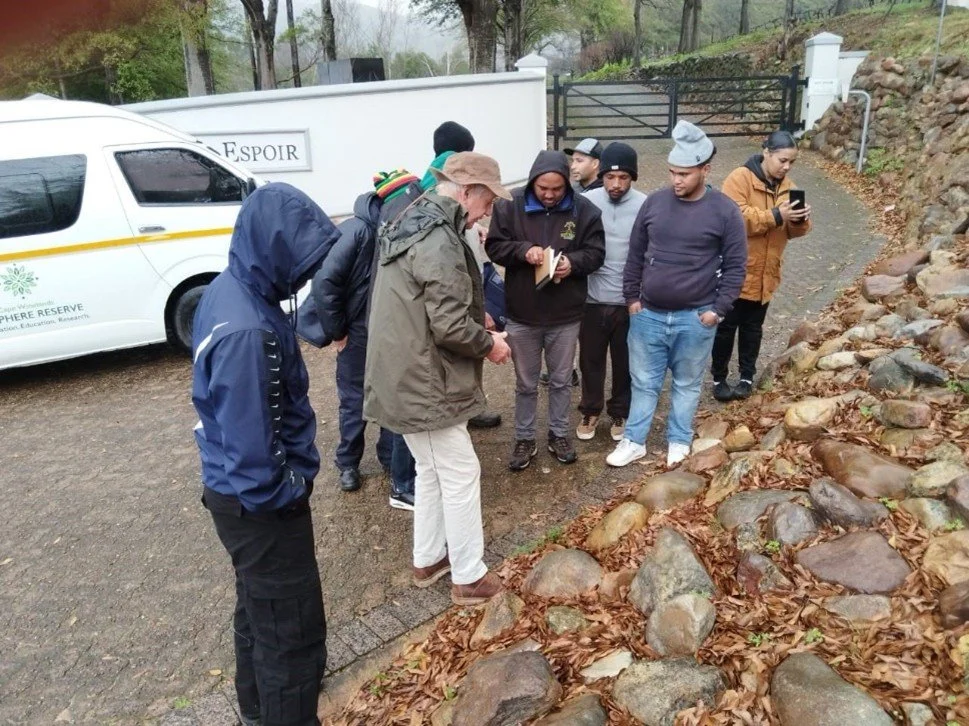
Two excursions extended the learning beyond Stellenbosch. The first was a visit to the Iziko Natural History Museum in Cape Town, where participants engaged with exhibits that deepened their understanding of South Africa’s geological and biodiversity heritage. The second took the group to Betty’s Bay, forming part of a “Source to Sea Journey” following the Palmiet River above Grabouw to its mouth, before connecting with the Eerster River system back toward Stellenbosch. Along the way, participants engaged with the Environmental Education Department of the Harold Porter Botanical Gardens and met Field Guides at the Stony Point Coastal Reserve to learn about coastal ecology, conservation, and species protection.

Guided by Experts, Inspired by Local Voices

The training was enriched through the involvement of seasoned field guides, environmental educators, academic researchers, authors of respected field guidebooks, and community-based entrepreneurs. Their combined expertise exposed participants to the scientific, cultural, and practical dimensions of guiding.

Local entrepreneurs shared their journeys of building community-focused tourism initiatives, offering valuable insight into collaborative development and sustainable business practices. Participants were encouraged to ask questions, engage in dialogue, and connect the teachings to their own communities—helping them gain confidence as emerging interpreters of their natural and cultural landscapes.

Cultivating Future Eco-Leaders

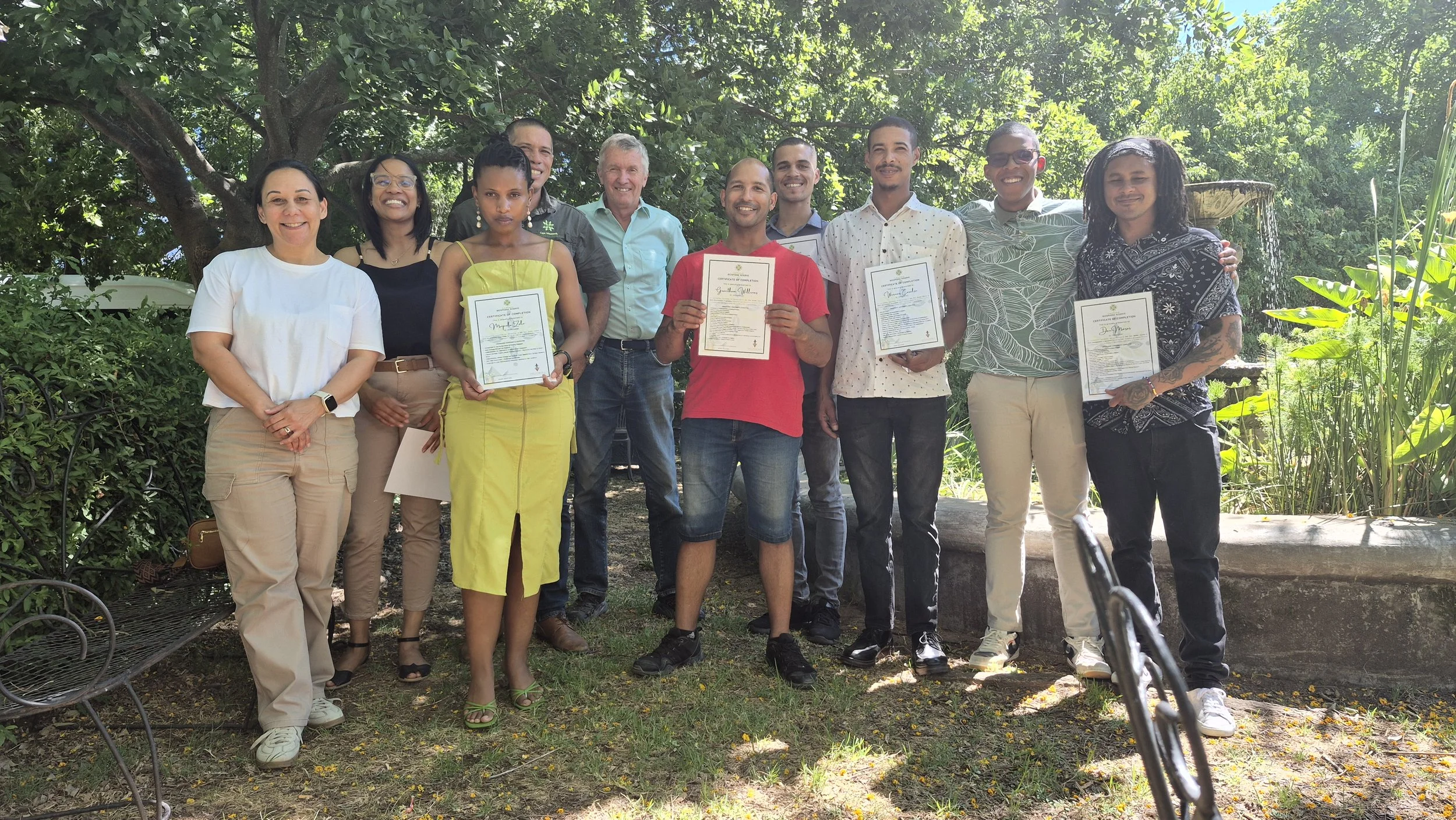
The programme concluded with seven candidates successfully completing the Skills Development Programme. With strengthened ecological knowledge, practical skills, and a deeper understanding of the region they call home, these individuals are now well positioned to contribute to a more inclusive, responsible, and environmentally conscious tourism landscape.

During the handing out of certificates, one participant expressed that he “wants to be a leader one day, and to be a leader, one needs to be a learner first.” 

As Stellenbosch continues to grow as a destination where nature, culture, and community intersect, initiatives like this not only build local capacity but also ensure that tourism development benefits—and is led by—the very communities that shape the region’s identity. With global recognition already shining on Stellenbosch’s community-driven tourism efforts, these new Eco Guides represent the next generation of storytellers and custodians of the natural world.

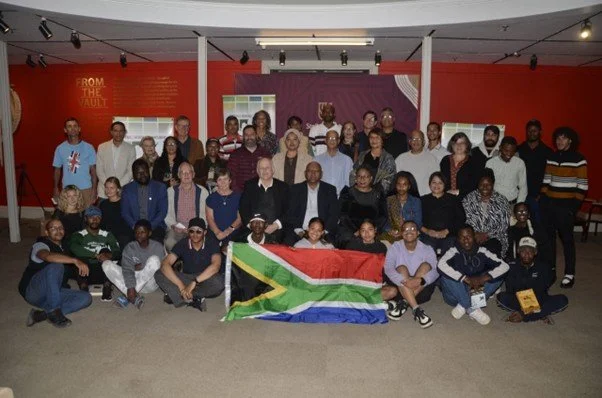
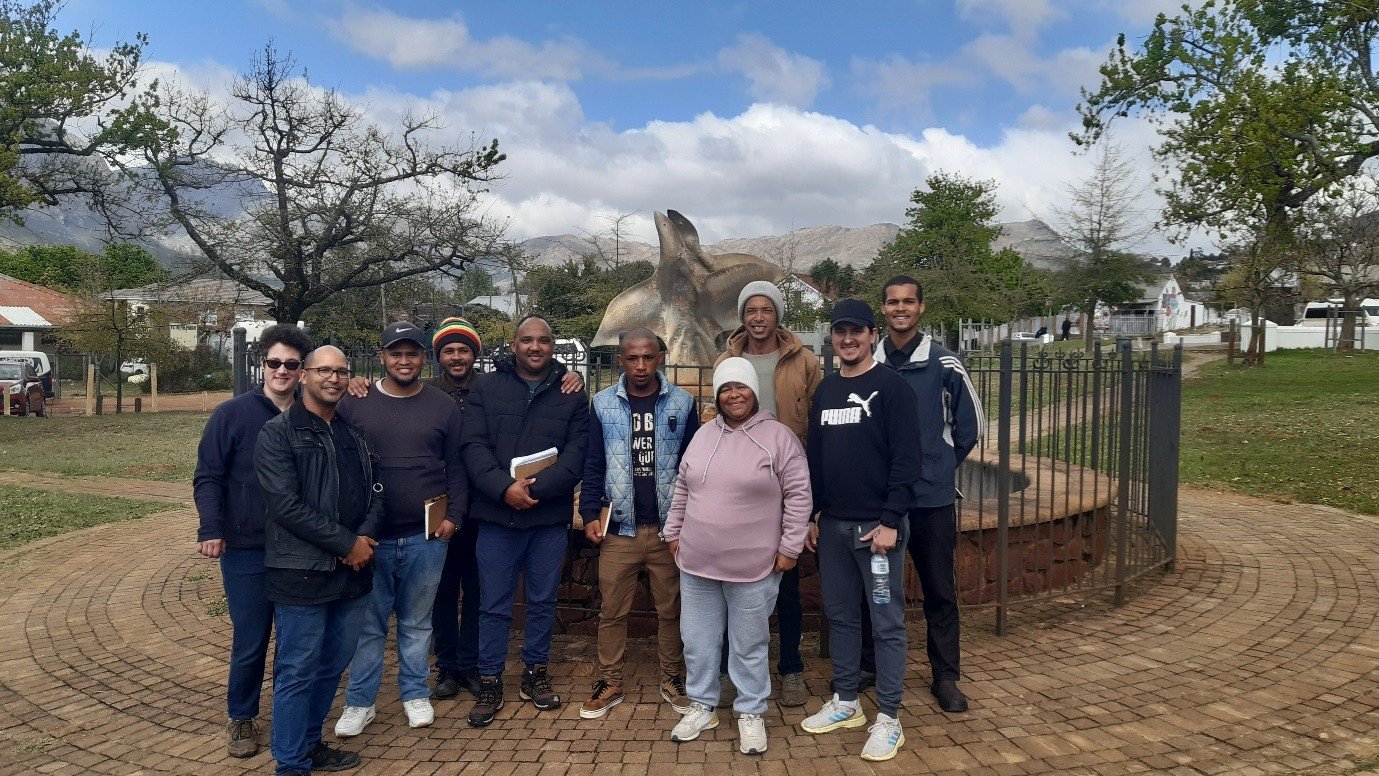
The graduates, representatives from Stellenbosch Municipality, and the CWBR

2025 UNESCO Japan Prize

Earlier in the year, the Cape Winelands Biosphere Reserve (CWBR) Education on the Move (STEAM-Y Mobile classroom) was one out of 120 nominations world-wide submitted for the 2025 UNESCO Japan Prize. In November, we were honoured to be mentioned as one of the top nine finalists showcasing outstanding work in advancing sustainability through education and community engagement.

Background

The UNESCO–Japan Prize on Education for Sustainable Development (ESD), established in 2014 and funded by the Government of Japan, honors outstanding projects that use education as a tool to drive sustainable development. Each year, the Prize celebrates three innovative initiatives that demonstrate how learning can empower communities, strengthen resilience, and contribute to a more sustainable future.

About this years prize

The 2025 laureates reflect this mission through a wide range of educational contexts and approaches. Their work spans cultural heritage conservation, sustainable consumption, and youth-led environmental restoration—together showcasing the transformative power of education to reshape societies and build climate resilience.

This year’s laureates were selected from 120 nominations submitted by UNESCO Member States and organizations in official partnership with UNESCO. An independent international jury of five Education for Sustainable Development (ESD) experts reviewed all submissions and ultimately recognized the three winning initiatives for their excellence in advancing sustainability through education and community engagement.

These awardees exemplify how education can be a driving force for meaningful, lasting change and stand as global models for impactful ESD practices.

Check out the three winning contributions and our honourable mention: UNESCO awards outstanding education for sustainable development projects in Benin, Brazil and Panama

Learn more, watch the video about the three winners.

UNESCO YouTube channel: Laureates of the 2025 UNESCO-Japan Prize on Education for Sustainable Development

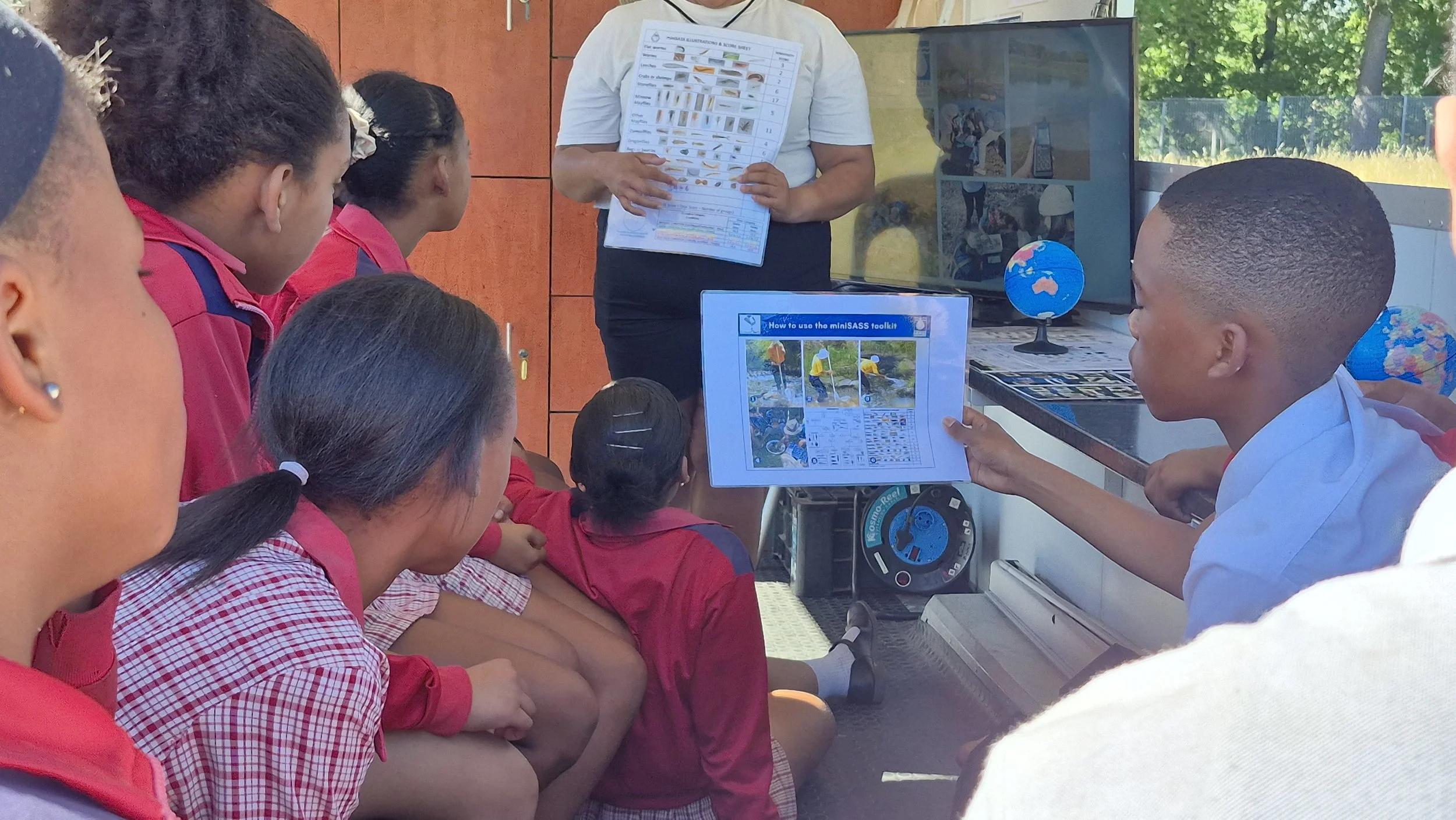
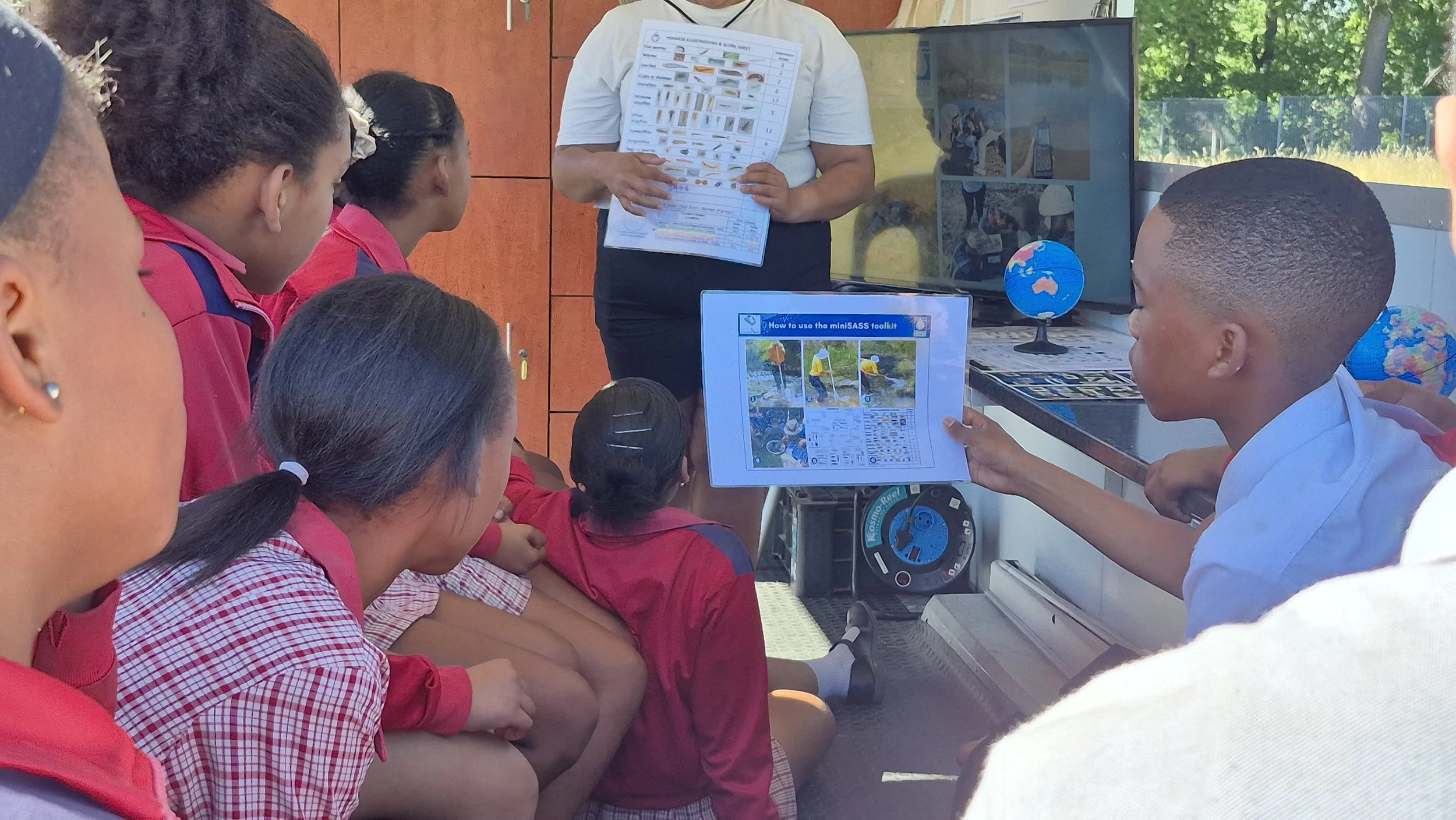
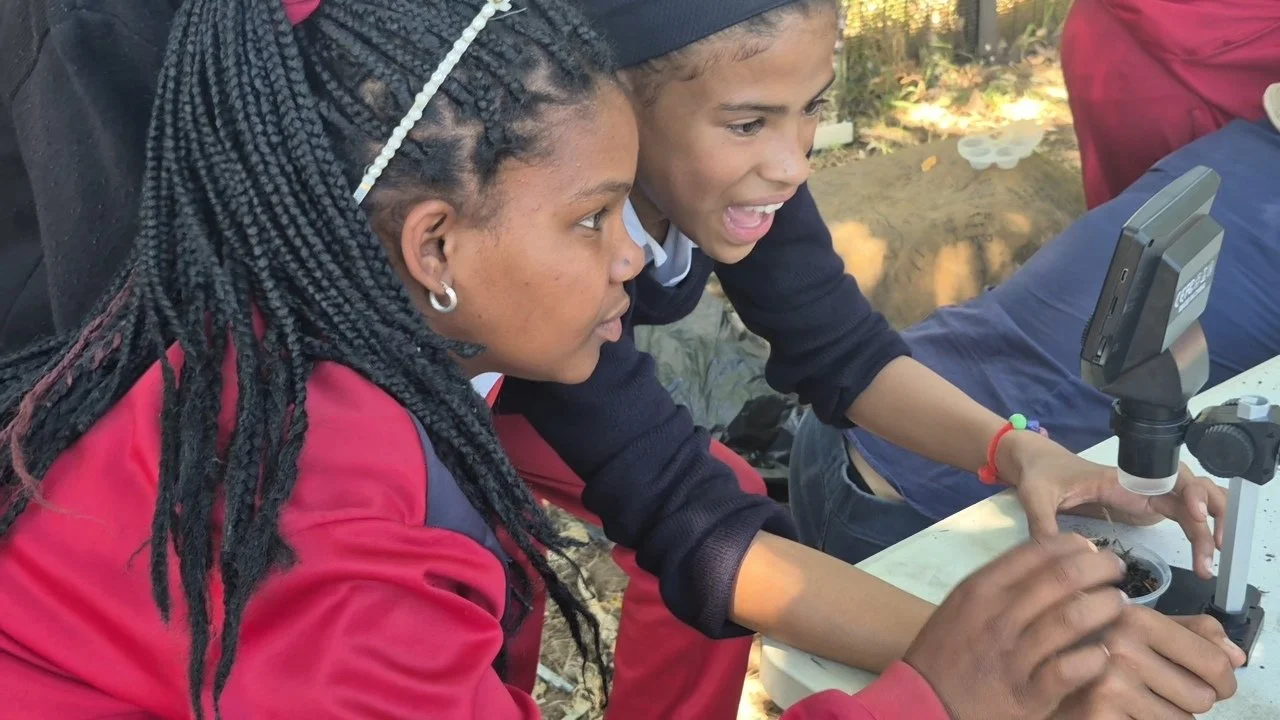
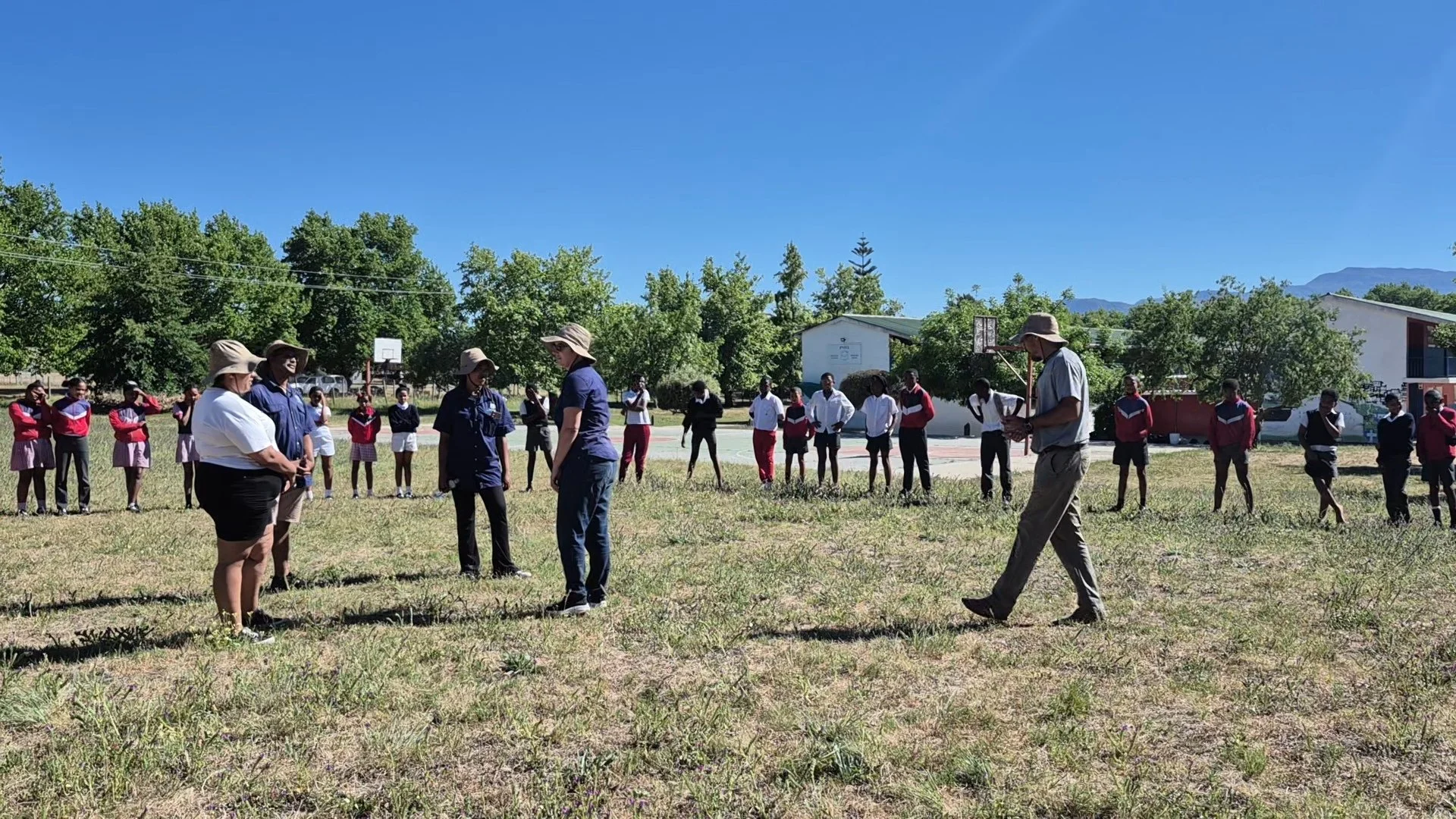
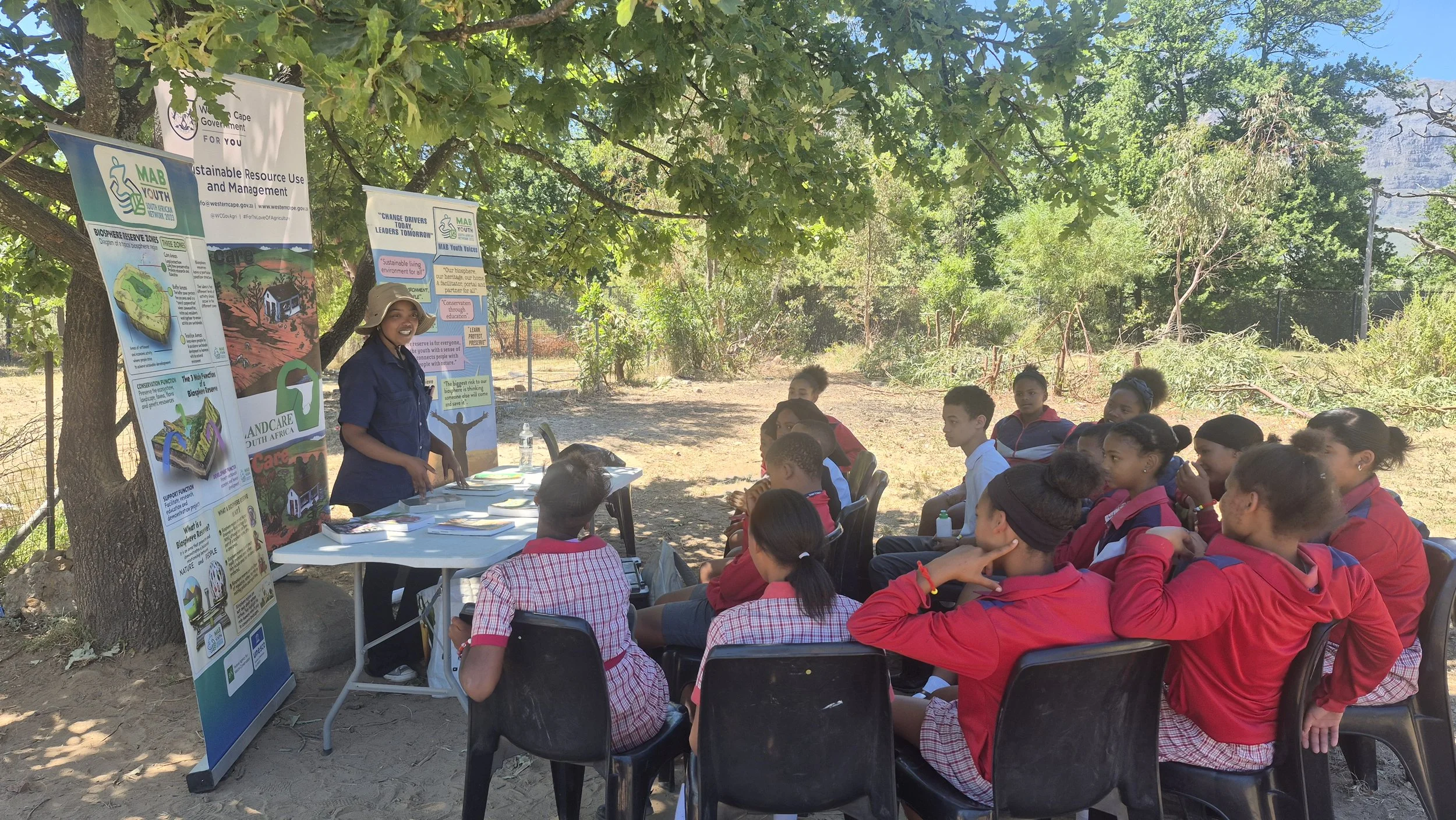
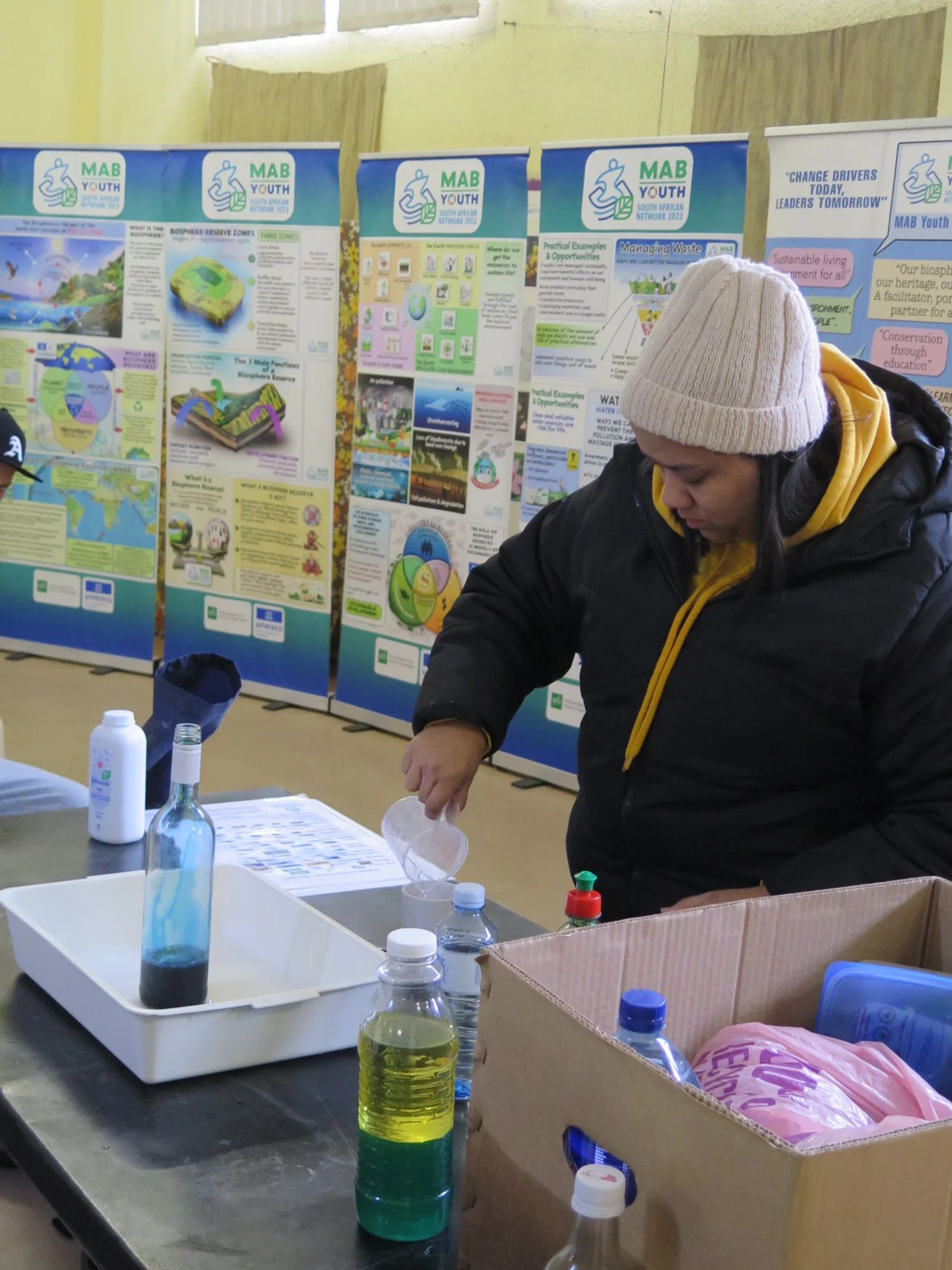
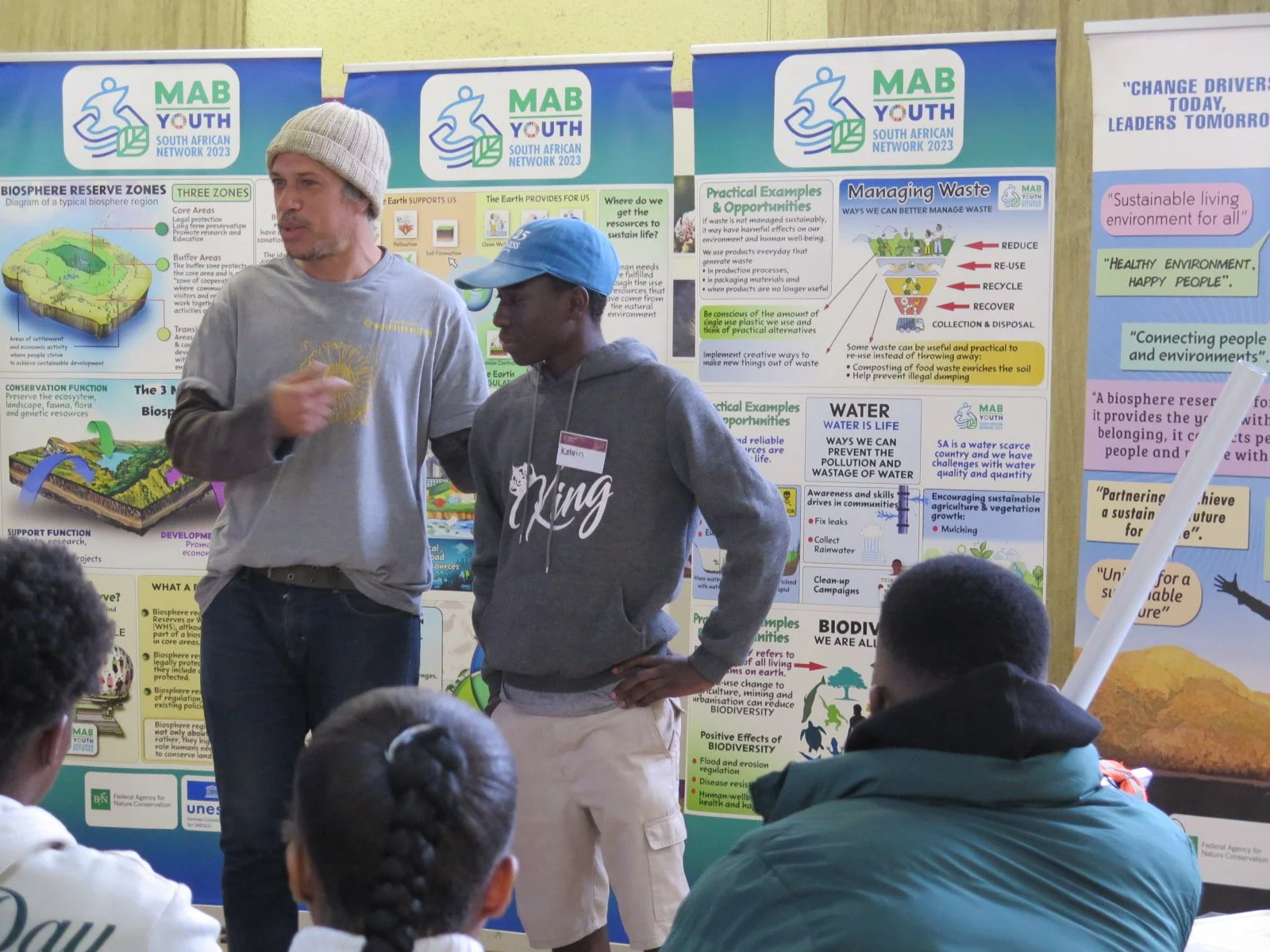
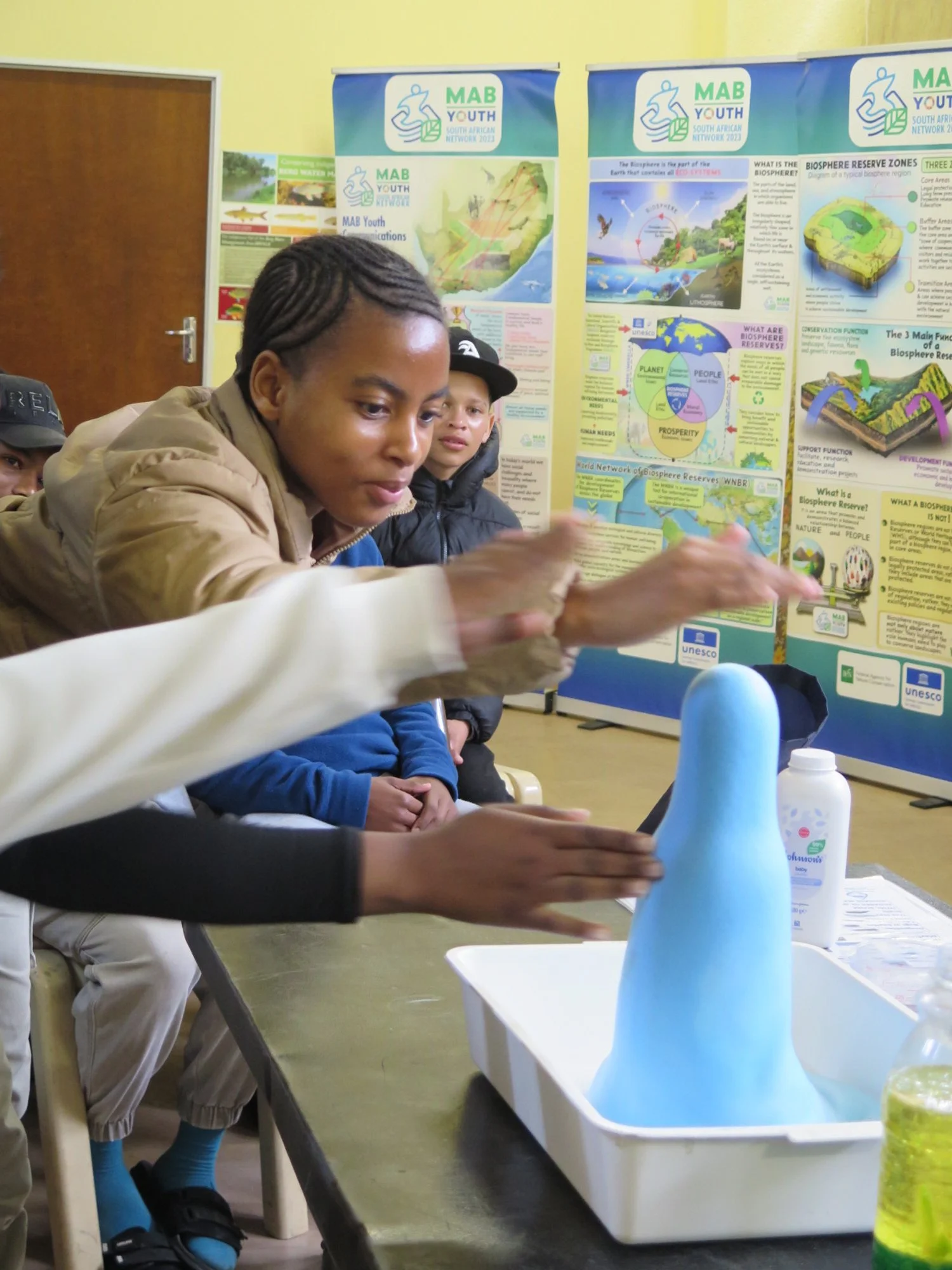
Photos below feature recent CWBR Education on the Move activities at local primary schools.

Focusing on the following Education on the Move topics: Water Conservation with Droppie the Water Mascot, Soil Ecology and Conservation, Fynbos, Fire, and Alien Invaders: Understanding Our Unique Ecosystem, Pollution and Waste Management: Protecting Our Land, Water, and Farms

Building skills for biodiversity conservation

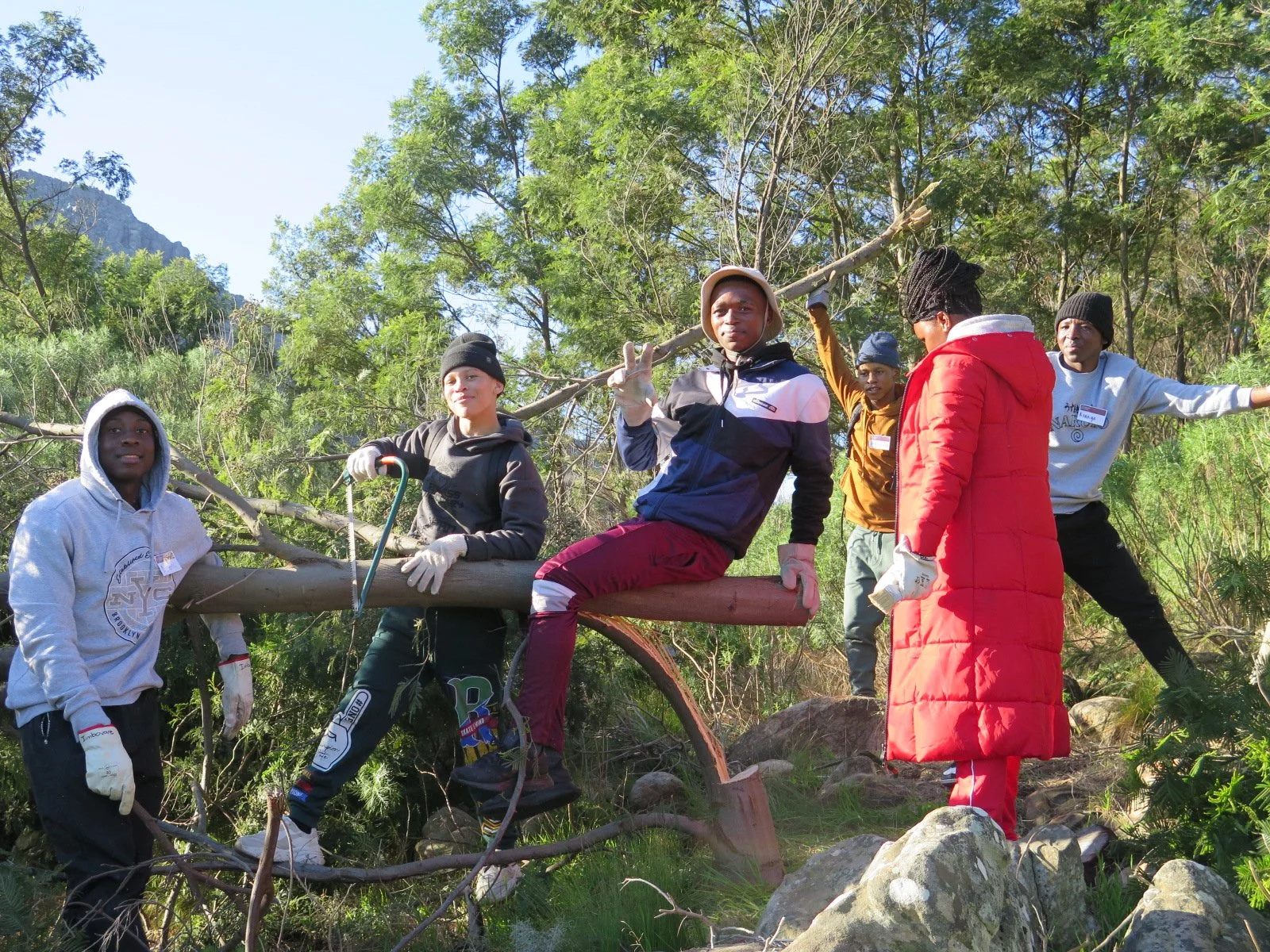
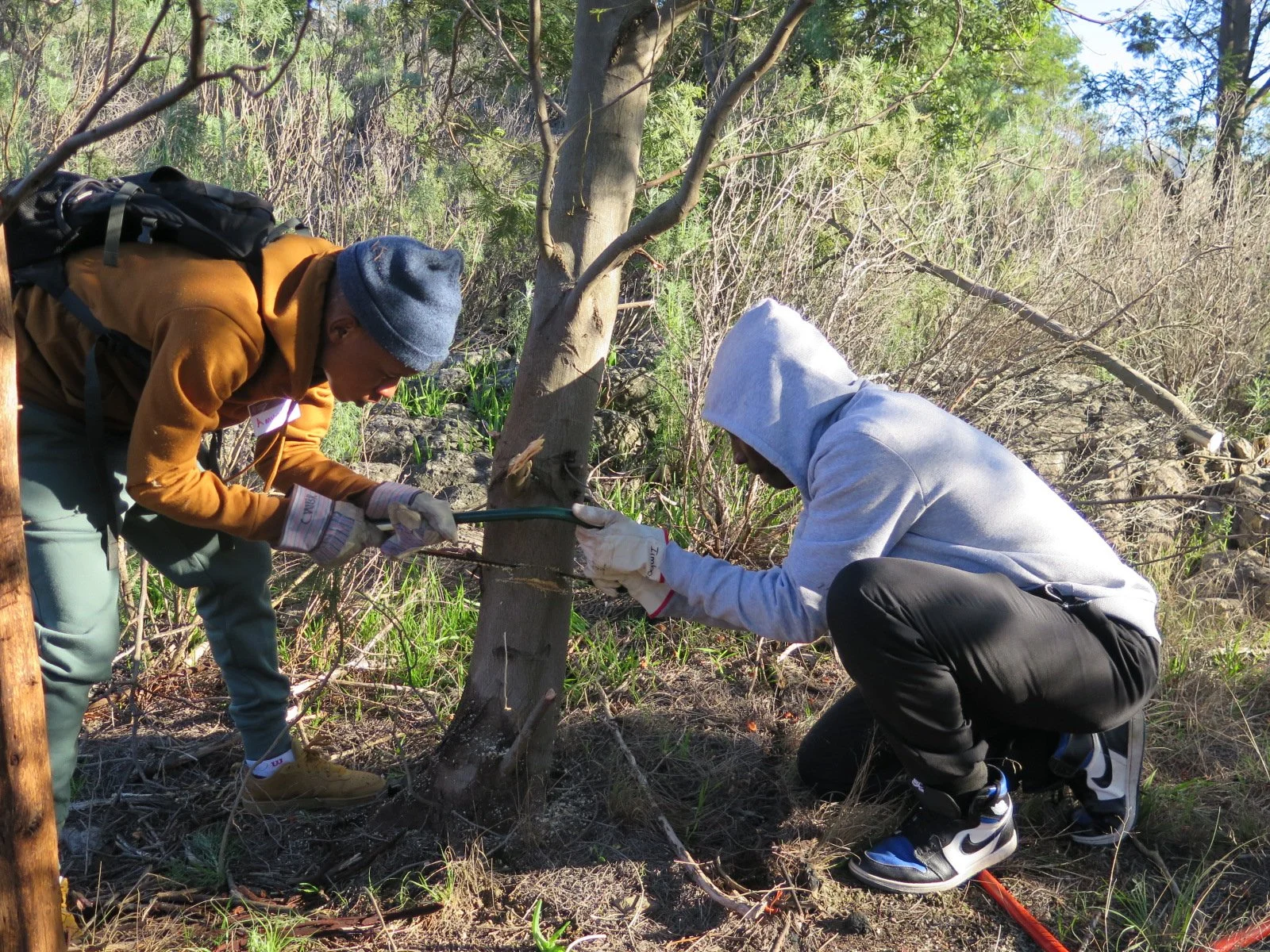
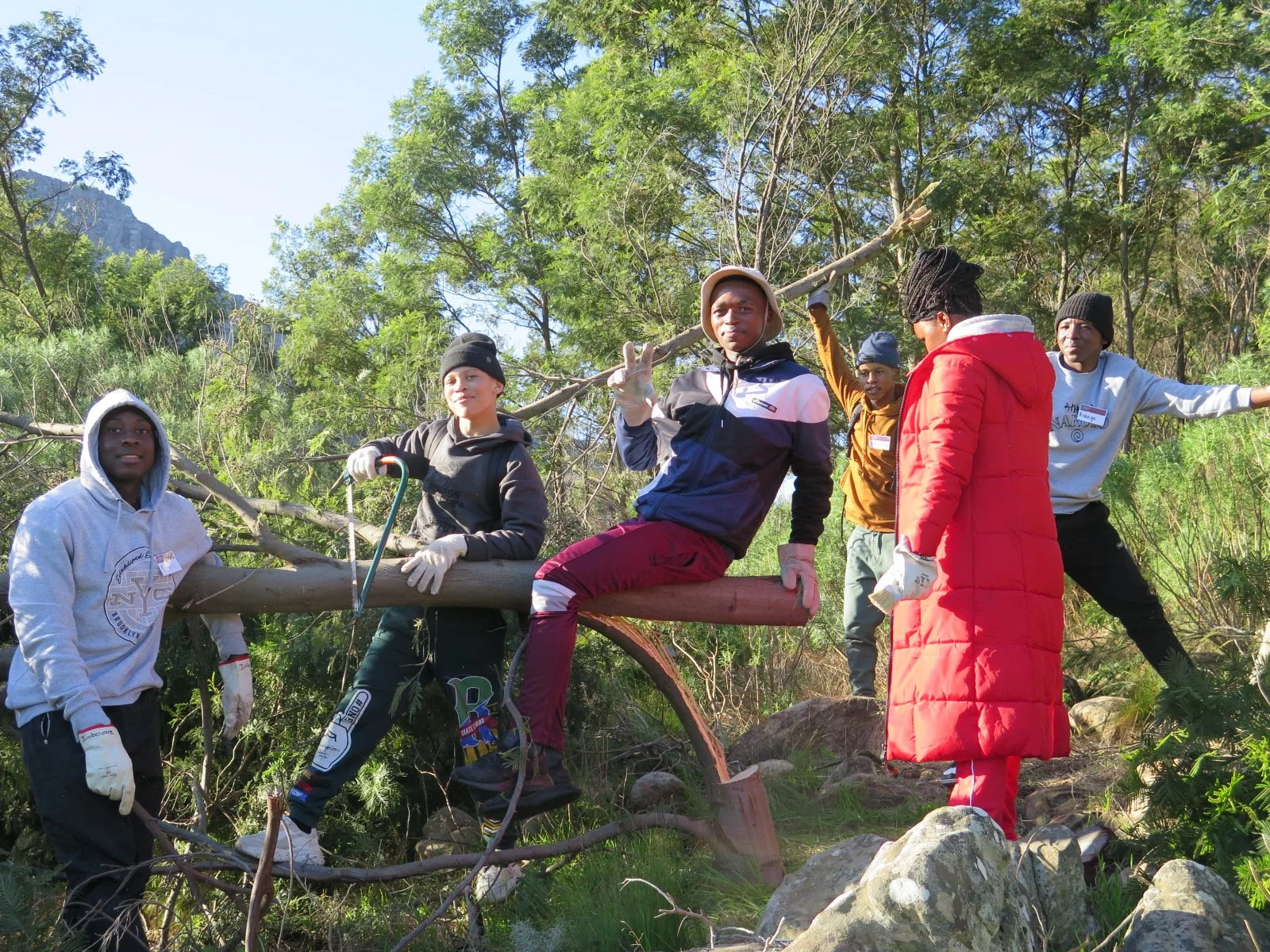
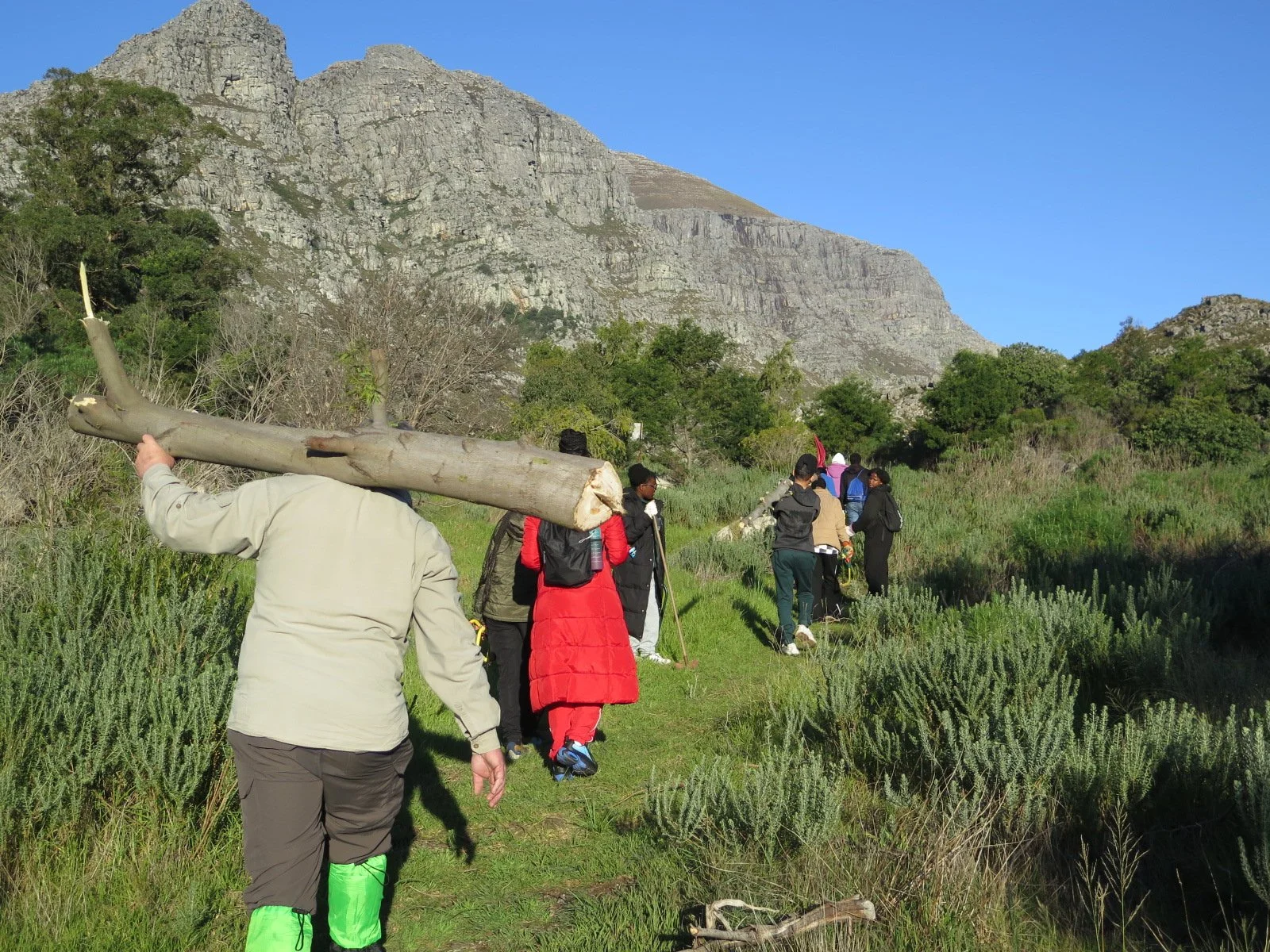
In July 2025, Iimbovane, in collaboration with the education team of the Cape Winelands Biosphere Reserve, hosted a youth camp for learners to develop important conservation and life skills. The camp provided learners with direct experience in biodiversity conservation work, environmental education, and collaborative problem-solving.

To find out more about the camp’s activities and the collaboration, check out the Iimbovane news blog: Building skills for biodiversity conservation

Or download the article here: Building Skills for biodiversity conservation

Education from source to sea

The core of Cape Winelands Biosphere Reserve (CWBR), the Boland Mountain range, hosts the most incredible biodiversity in the world. The Fynbos biome, forming part of the Cape Floristic Region. In addition, the Berg Catchment is the source of fundamental rivers, that course through towns, cities, and three other Western Cape biosphere reserves, eventually flowing out into the Indian and Atlantic Ocean.

As part of facilitated eco-educational outings in the region, the CWBR incorporates source to sea education. The CWBR team, in collaboration with partners, regularly facilitate excursions for youth from underrepresented vulnerable inland communities, bringing them to the sea. Exposing them to the immense biodiversity along the shore, fostering the link between inland rivers and ocean health.

This includes a yearly camp in partnership with a marine nature reserve, a lowland fynbos area that hosts a marine protected area. The field guides, some initially trained through the field guide training offered through the CWBR, give back during the eco-educational outings through sharing marine, flora, and fauna education of the area. Some of the field guides, having grown up in inland communities, become role models for the youth in fostering curiosity for conservation and education careers.

Extract from a Noember 2024 camp

Travelling from the inland mountain community they call home, at the base of Jonkershoek along the Eerste river, 15 after-school group youth, and their teacher, were brought by the CWBR team to De Hoop Nature Reserve for a weekend camp at De Hoop Collection. A first-time experience for them all.

Arriving on a late Friday afternoon, the group set up camp for three days, tenting amongst the ancient milkwood trees under a vast stary sky. The weekend’s activities were co-facilitated by the De Hoop Collection guides and CapeNature facilitators. Activities included a guided nature drive, a marine walk along the rocky shores discovering the abundant life that lives there, and experiencing first-hand all the biodiversity the area has to offer.

Eco-educational outings are an important catalyst in fostering curiosity and learning about the interconnectedness between humans and nature, their role in preserving the natural environment.