
Nature Custodianship through Capacitating Community-rooted Guides
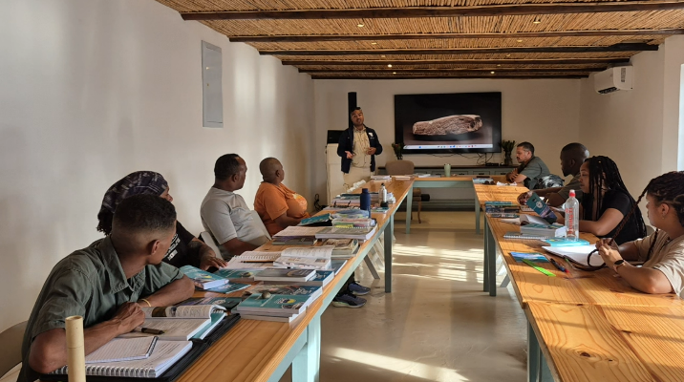
In July, the Cape Winelands Biosphere Reserve team will be hosting a graduation, celebrating the seven graduates of the recently co-facilitated qualified guides’ course. Since January, the participants have done weekly pre-assignments aligned with the course syllabus, followed by an intensive in-person programme, and engaged themselves in firsthand lived experiences in the tourism industry and natural world. Covering areas in the Cape Winelands, Klein karoo, Garden Route and parts of the Eastern Cape.
COURSE INTRODUCTION
South Africa’s natural heritage is one of the most biologically diverse on Earth, from the rich marine ecosystems of the southern coastline to the globally unique Fynbos biome. These environments play a vital role in eco-tourism, conservation, and community livelihoods. Yet they are under increasing pressure, and the need for knowledgeable, responsible and community-rooted guides has never been greater.
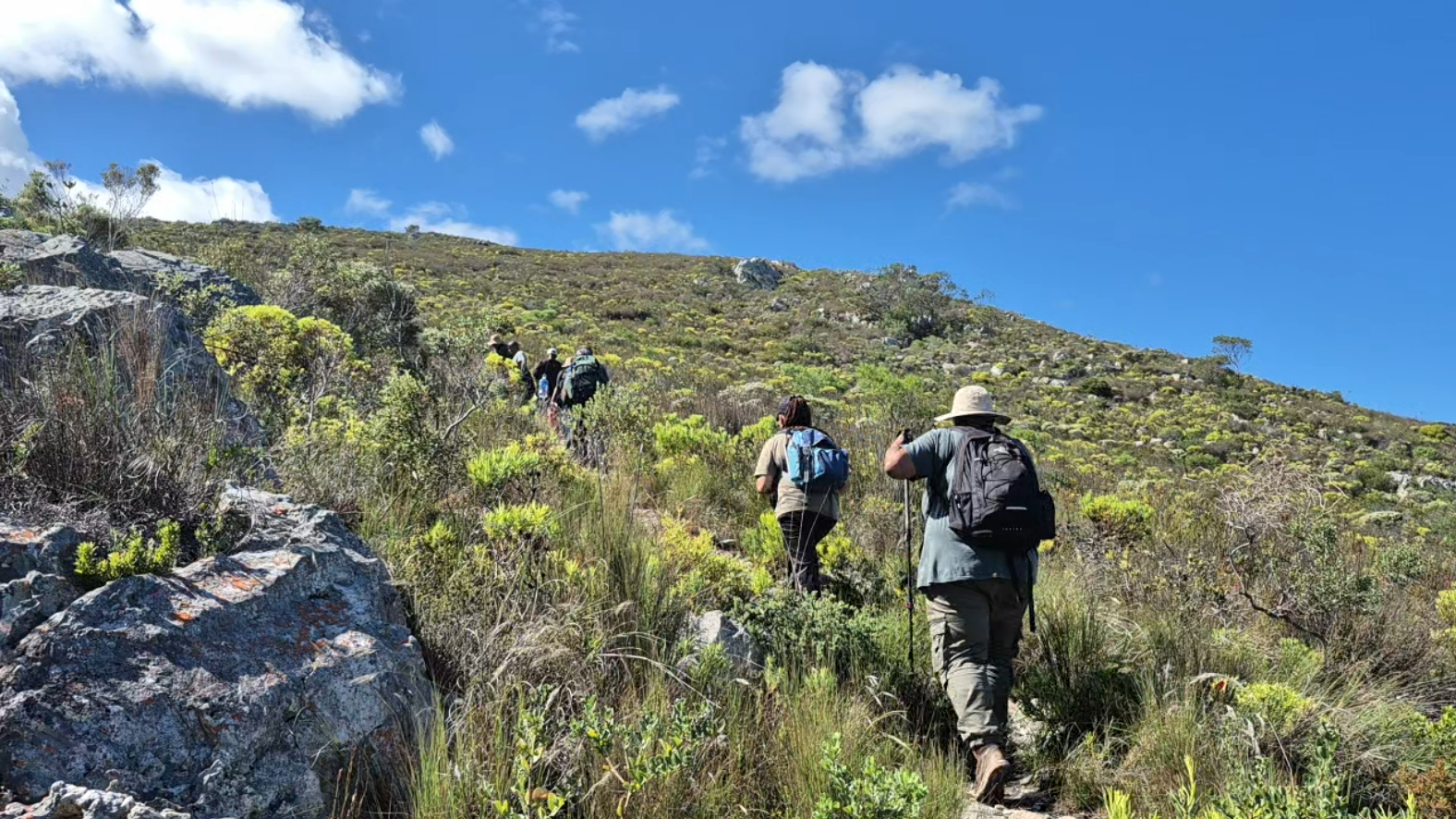
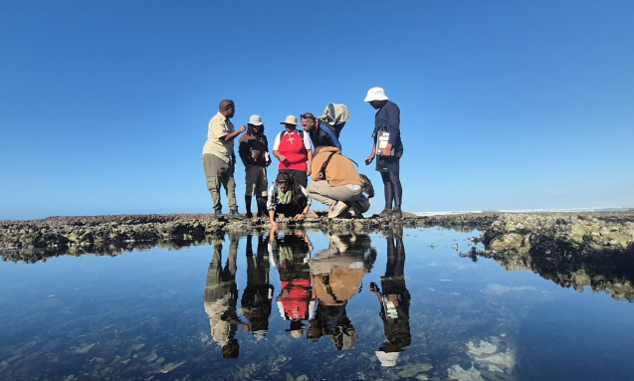
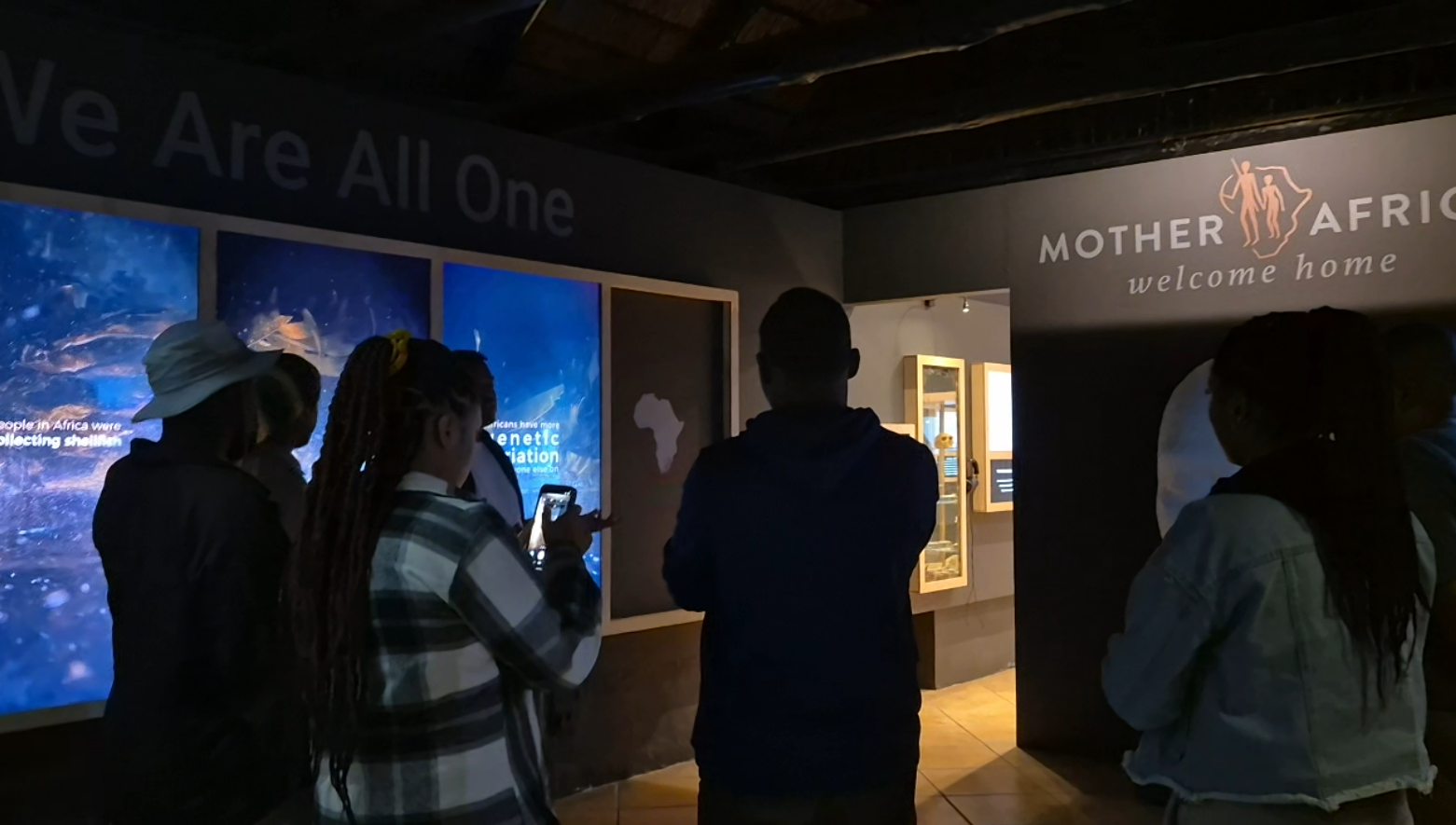
Followed by two months of pre-course work, the combined Field Guides Association of Southern Africa (FGASA) Marine and Nature Guiding 26-day intensive course was designed to meet this need. Hosted within the inspiring landscapes of De Hoop Nature Reserve, a place where rolling dunes, pristine marine ecosystems, limestone fynbos, wetlands, whales, birds, and coastal history converge, this course immersed learners in one of the most ecologically rich training environments in South Africa. Academic learning became a lived experience.
WHY THIS COURSE IS DIFFERENT
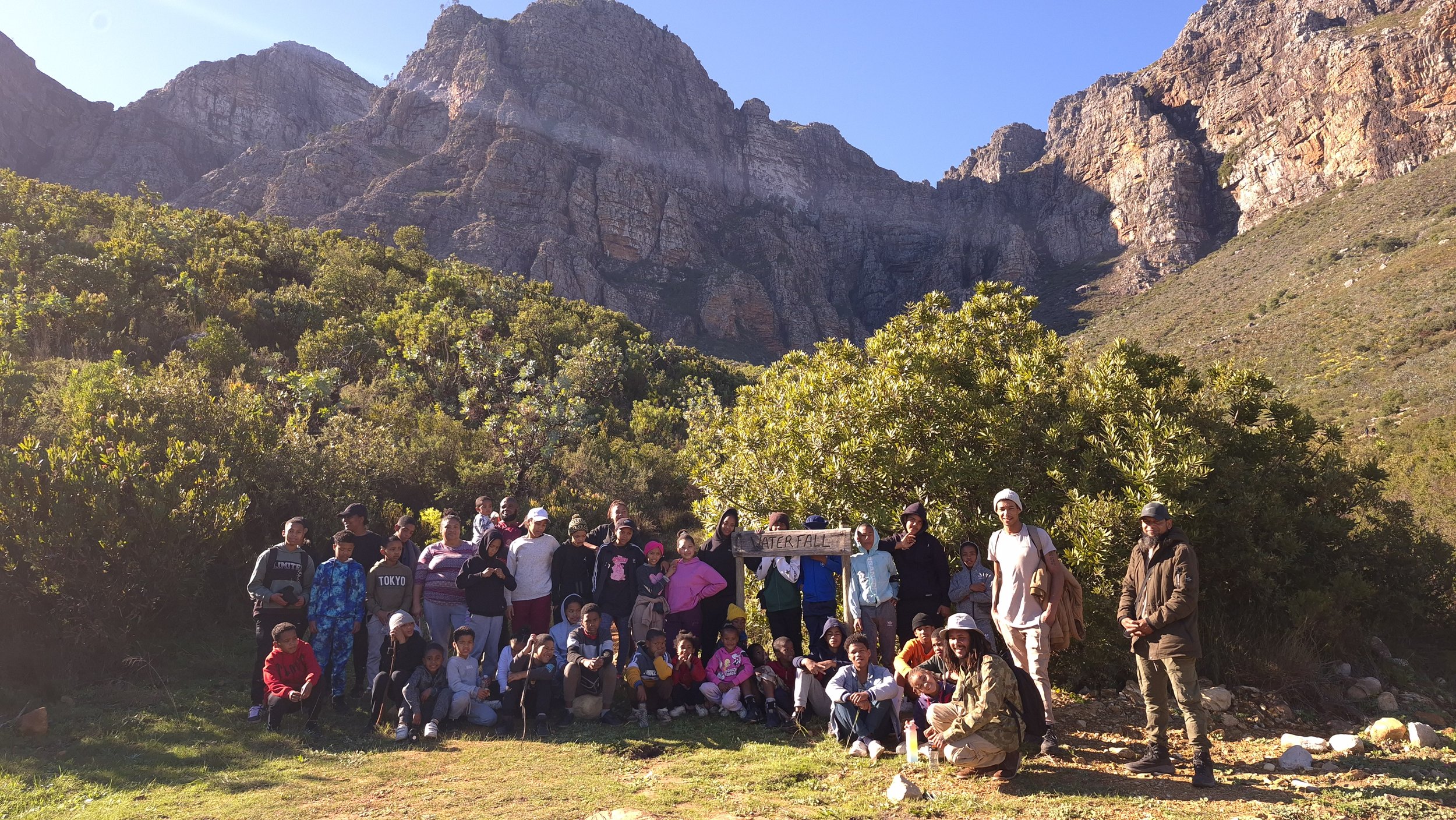
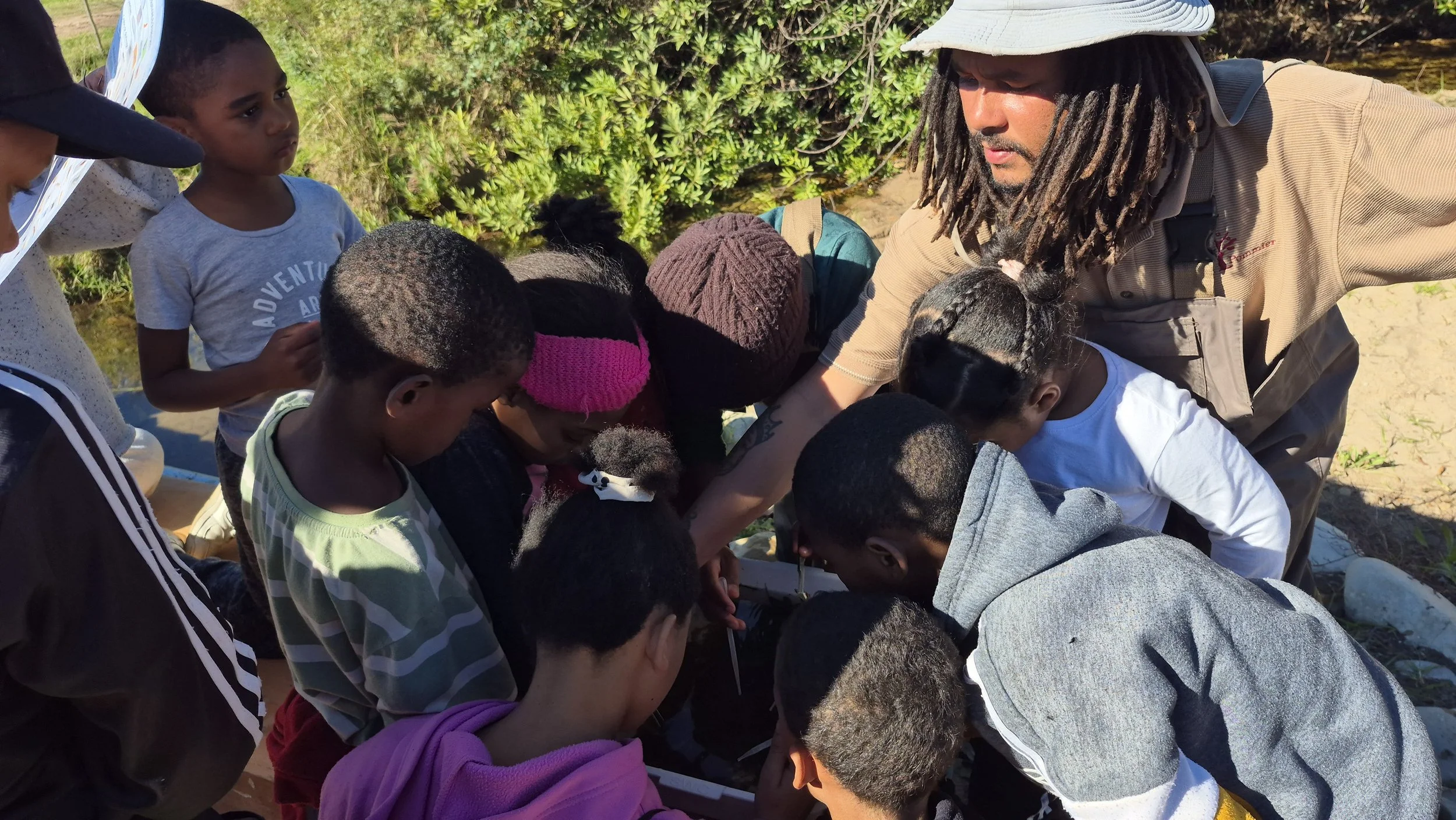
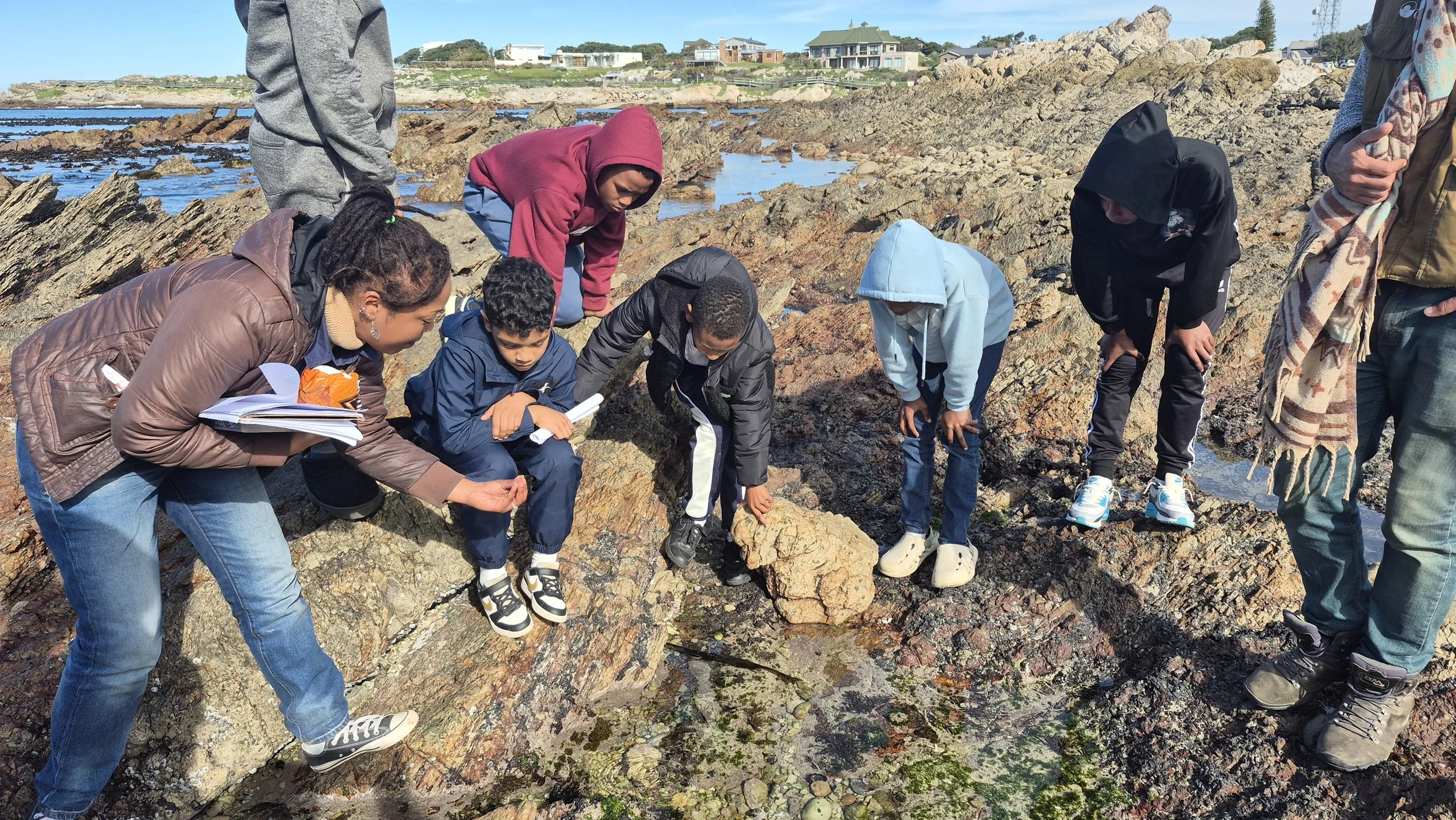
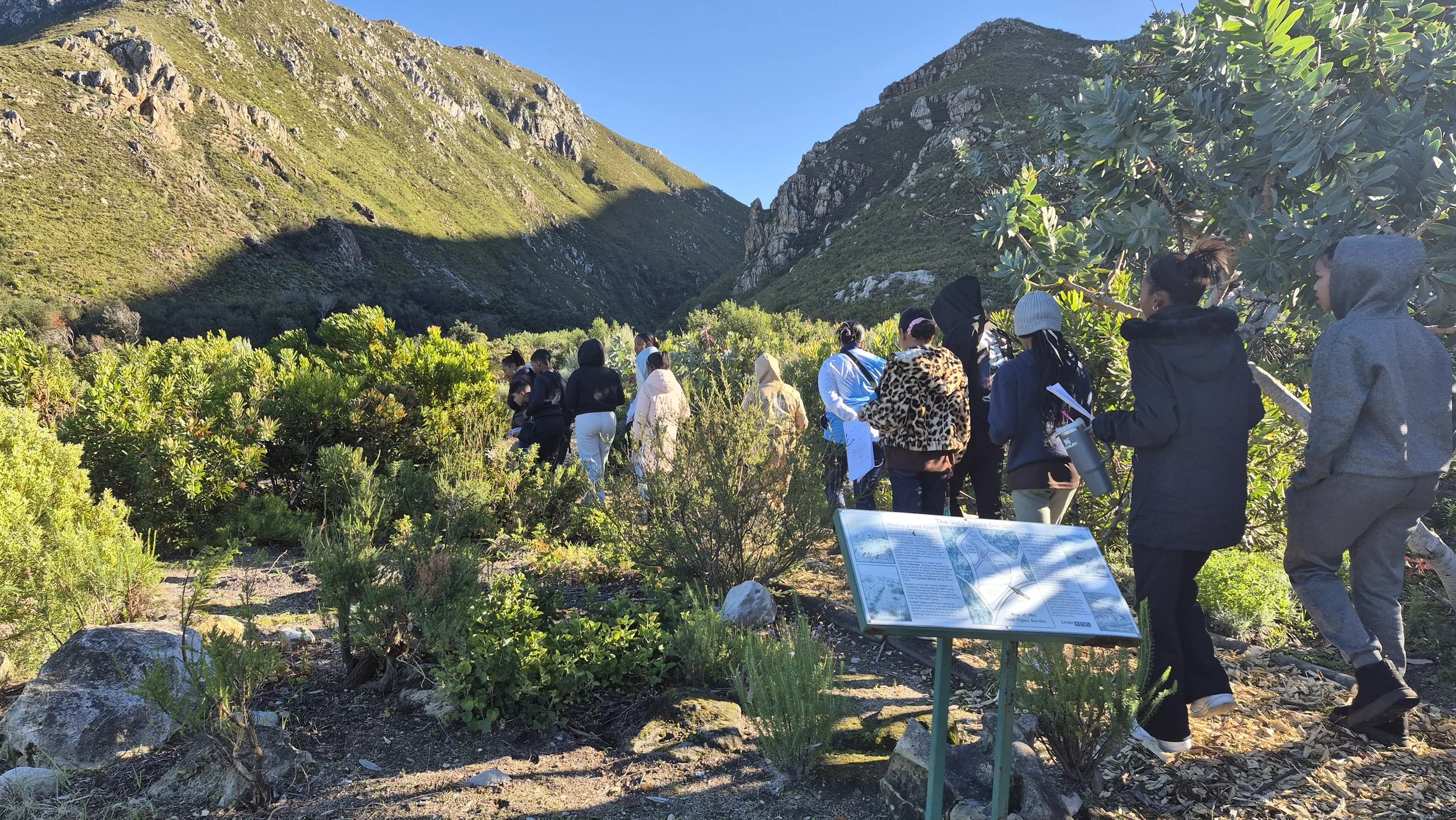
The programme went beyond simply training guides. It built up individuals, supports community development, and creates pathways to employment within conservation, eco-tourism, guiding, hospitality, and environmental education. Three of the graduates recently co-facilitated environmental and coastal education activities for youth in their community as part of Youth Month activities.
THE GRADUATES LEAVE WITH
A deep connection to their natural environment, confidence and professionalism, knowledge that can uplift their communities, and skills that open real job opportunities.
CONCLUSION & TRAINING OUTCOME
By the end of course, each participant completed all FGASA requirements and gained meaningful exposure to four highly diverse ecosystems including Afromontane Forest, Fynbos, Renosterveld, and Marine.
The learners gained strong species identification skills, developed ecological understanding, and mastered the FGASA unit standards that define professional guiding practice.
Through guided walks, field practical’s, nightly learning sessions, and workbook integration, the students refined their interpretive abilities, strengthened their safety awareness, and built confidence in real guiding scenarios.