
Introductory Guiding Course: Environmental and Cultural Stewardship
In October, the Cape Winelands Biosphere Reserve team wrapped up the five-month introductory course in field and culture guiding, co-funded by Stellenbosch Municipality. The programme was designed to equip emerging guides with foundational knowledge of the region’s natural and cultural heritage, helping to build local capacity within Stellenbosch’s growing eco-tourism and community-led tourism sectors.
Stellenbosch, nestled within the globally renowned Cape Floristic Fynbos Kingdom, is a landscape of dramatic mountains, sweeping vistas, and a flourishing culinary and wine culture. In recent years, the region has seen a remarkable surge in tourism—particularly adventure and nature-based experiences. Every day, a growing number of tour operators can be seen on the road, responding to rising visitor demand for immersive, authentic, and community-led activities.
Against this backdrop of opportunity, the CWBR facilitated introductory course aimed to give participants a strong foundation they could use to pursue a guiding career or enrich their existing professions connected to tourism, culture, or environmental stewardship.
A Diverse Cohort Rooted in Their Communities
Participants were selected from across Stellenbosch’s vibrant communities, including Devon Valley, Kayamandi, Cloetesville, Idas Valley, Kylemore, and Lanquedoc. Their representation ensured a diversity of lived experiences—an essential ingredient in a programme centred on place-based storytelling, cultural authenticity, and environmental awareness.
At the outset, participants were encouraged to share their motivations for joining. This collaborative process enabled facilitators to co-design aspects of the course, tailoring content and experiences to individual needs and ambitions. What emerged was an interactive, learner-driven environment where curiosity, community pride, and personal growth shaped the learning journey.
Learning Through Place: Workshops, Field Trips, and Practical Skills
In total, 20 contact sessions took place during the programme. These consisted of:
10 workshops led by experienced guides, authors, and local practitioners
4 lectures delivered by academic experts from Stellenbosch University and the University of Cape Town, focusing on ecology, geology, and climate change
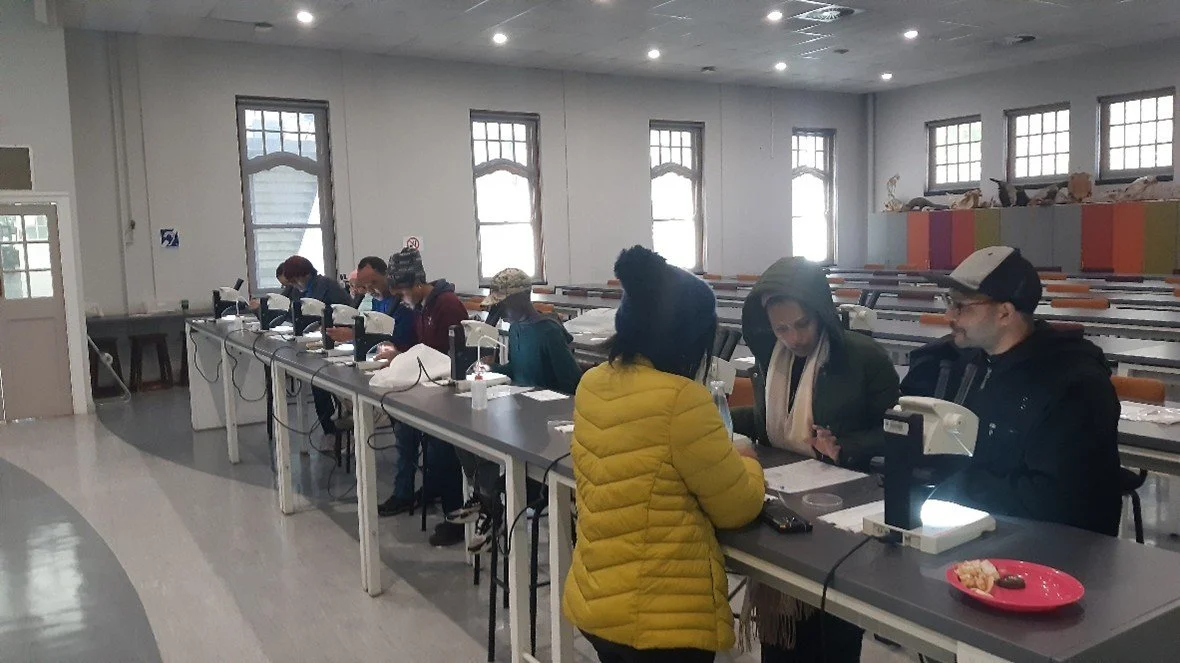
2 practical sessions providing hands-on exposure to guiding skills and environmental interpretation
2 outings, including extended field explorations across the broader Winelands and into coastal ecosystems
1 certified First Aid Level 1 course, equipping participants with essential safety and emergency response skills
1 culinary day including the Certificate of Completion ceremony and lunch.
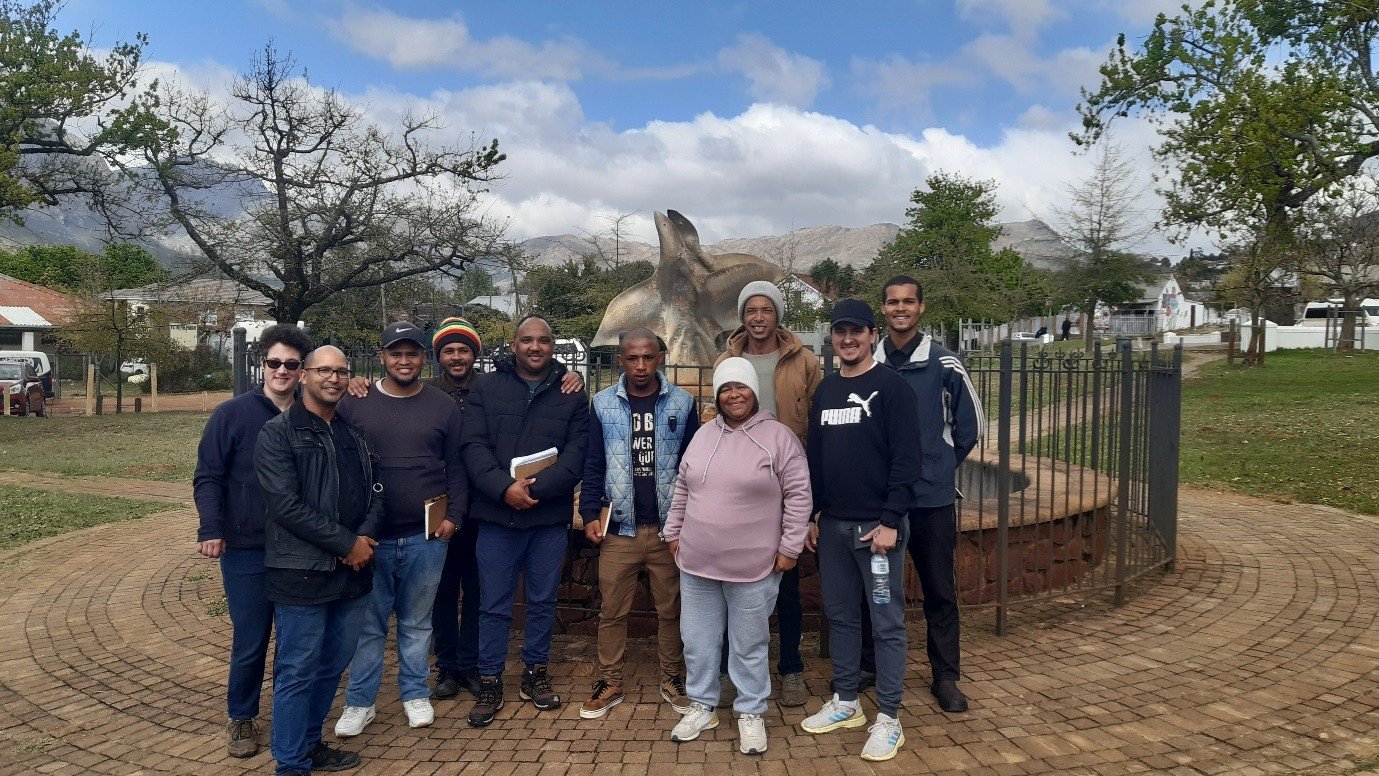
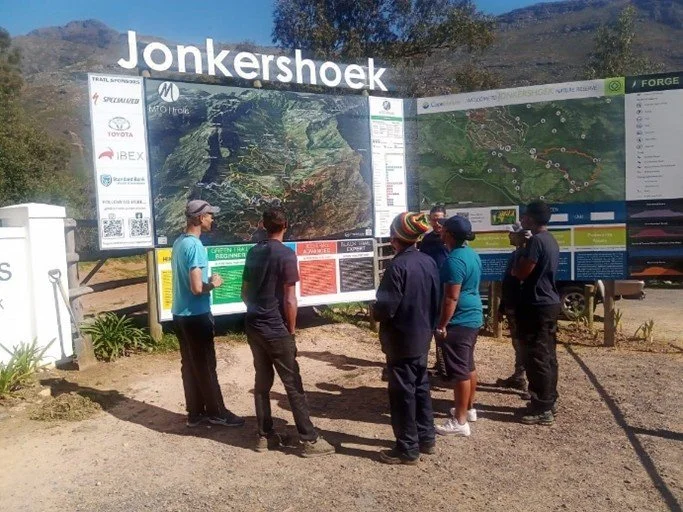
Close to home, participants explored Stellenbosch Central, Jonkershoek, Franschhoek, Simonsberg, Khayamandi, Pniel, and Paarl—each offering different ecological, cultural, and historical layer to interpret.
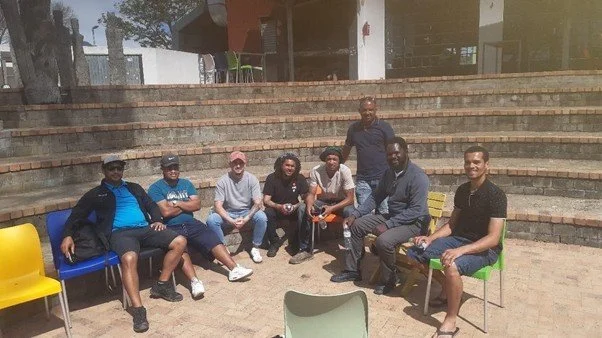
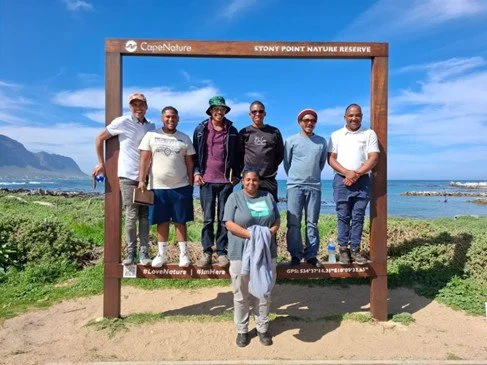
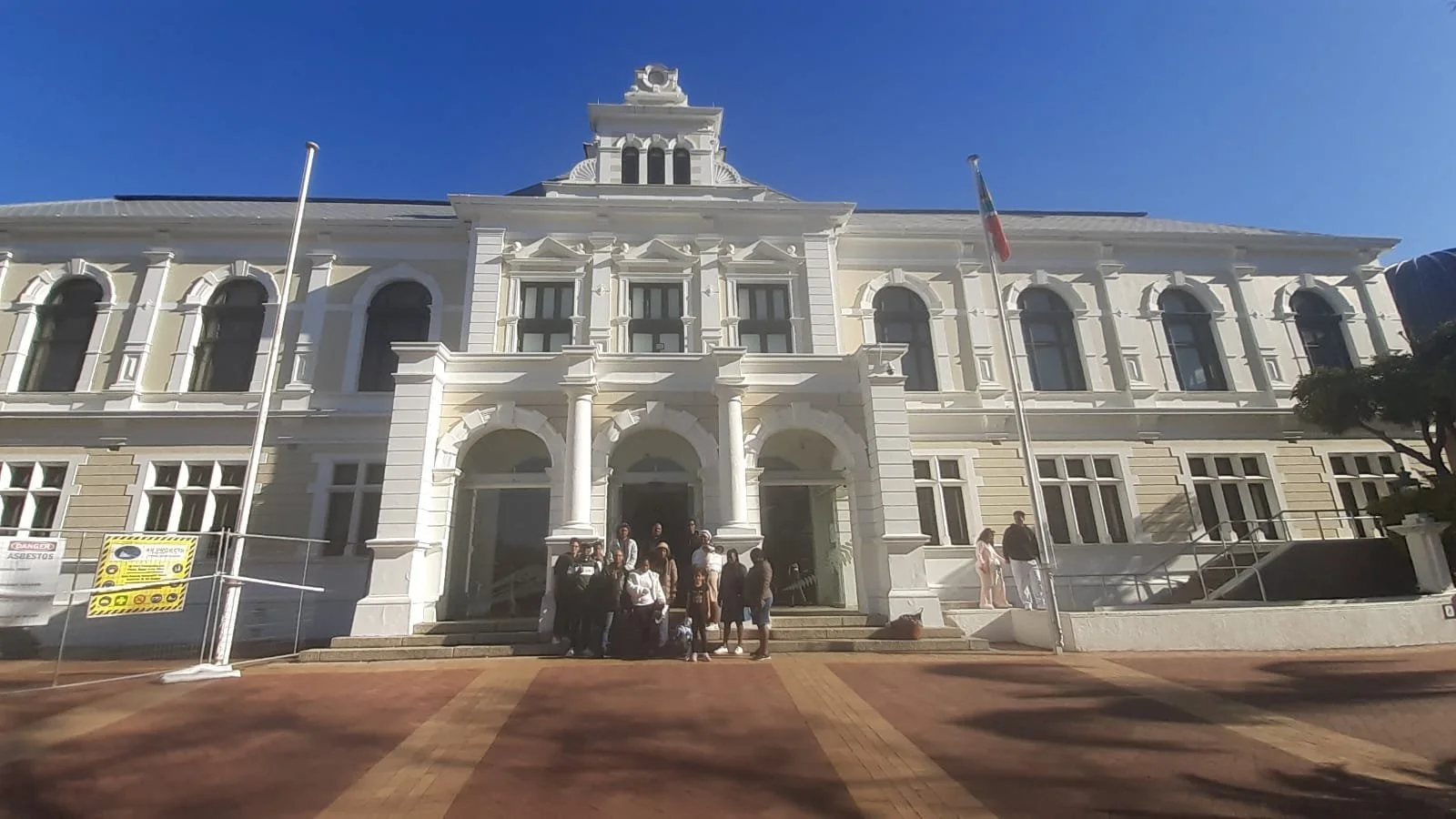
Two excursions extended the learning beyond Stellenbosch. The first was a visit to the Iziko Natural History Museum in Cape Town, where participants engaged with exhibits that deepened their understanding of South Africa’s geological and biodiversity heritage. The second took the group to Betty’s Bay, forming part of a “Source to Sea Journey” following the Palmiet River above Grabouw to its mouth, before connecting with the Eerster River system back toward Stellenbosch. Along the way, participants engaged with the Environmental Education Department of the Harold Porter Botanical Gardens and met Field Guides at the Stony Point Coastal Reserve to learn about coastal ecology, conservation, and species protection.
Guided by Experts, Inspired by Local Voices
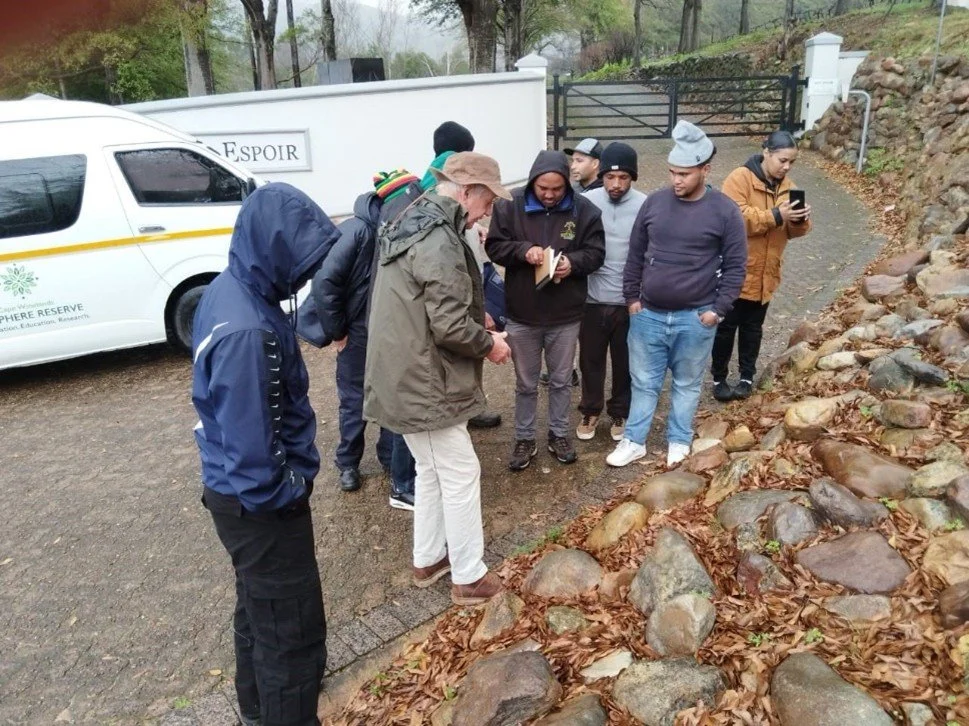
The training was enriched through the involvement of seasoned field guides, environmental educators, academic researchers, authors of respected field guidebooks, and community-based entrepreneurs. Their combined expertise exposed participants to the scientific, cultural, and practical dimensions of guiding.
Local entrepreneurs shared their journeys of building community-focused tourism initiatives, offering valuable insight into collaborative development and sustainable business practices. Participants were encouraged to ask questions, engage in dialogue, and connect the teachings to their own communities—helping them gain confidence as emerging interpreters of their natural and cultural landscapes.
Cultivating Future Eco-Leaders
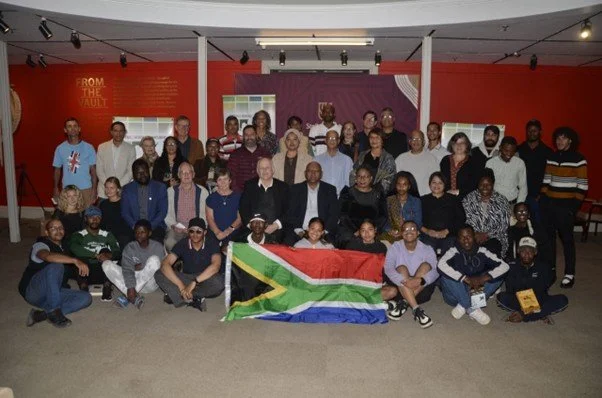
The programme concluded with seven candidates successfully completing the Skills Development Programme. With strengthened ecological knowledge, practical skills, and a deeper understanding of the region they call home, these individuals are now well positioned to contribute to a more inclusive, responsible, and environmentally conscious tourism landscape.
During the handing out of certificates, one participant expressed that he “wants to be a leader one day, and to be a leader, one needs to be a learner first.”
As Stellenbosch continues to grow as a destination where nature, culture, and community intersect, initiatives like this not only build local capacity but also ensure that tourism development benefits—and is led by—the very communities that shape the region’s identity. With global recognition already shining on Stellenbosch’s community-driven tourism efforts, these new Eco Guides represent the next generation of storytellers and custodians of the natural world.

The graduates, representatives from Stellenbosch Municipality, and the CWBR