Posts tagged HIkes&Camps
Education from source to sea

The core of Cape Winelands Biosphere Reserve (CWBR), the Boland Mountain range, hosts the most incredible biodiversity in the world. The Fynbos biome, forming part of the Cape Floristic Region. In addition, the Berg Catchment is the source of fundamental rivers, that course through towns, cities, and three other Western Cape biosphere reserves, eventually flowing out into the Indian and Atlantic Ocean.

As part of facilitated eco-educational outings in the region, the CWBR incorporates source to sea education. The CWBR team, in collaboration with partners, regularly facilitate excursions for youth from underrepresented vulnerable inland communities, bringing them to the sea. Exposing them to the immense biodiversity along the shore, fostering the link between inland rivers and ocean health.

This includes a yearly camp in partnership with a marine nature reserve, a lowland fynbos area that hosts a marine protected area. The field guides, some initially trained through the field guide training offered through the CWBR, give back during the eco-educational outings through sharing marine, flora, and fauna education of the area. Some of the field guides, having grown up in inland communities, become role models for the youth in fostering curiosity for conservation and education careers.

Extract from a Noember 2024 camp

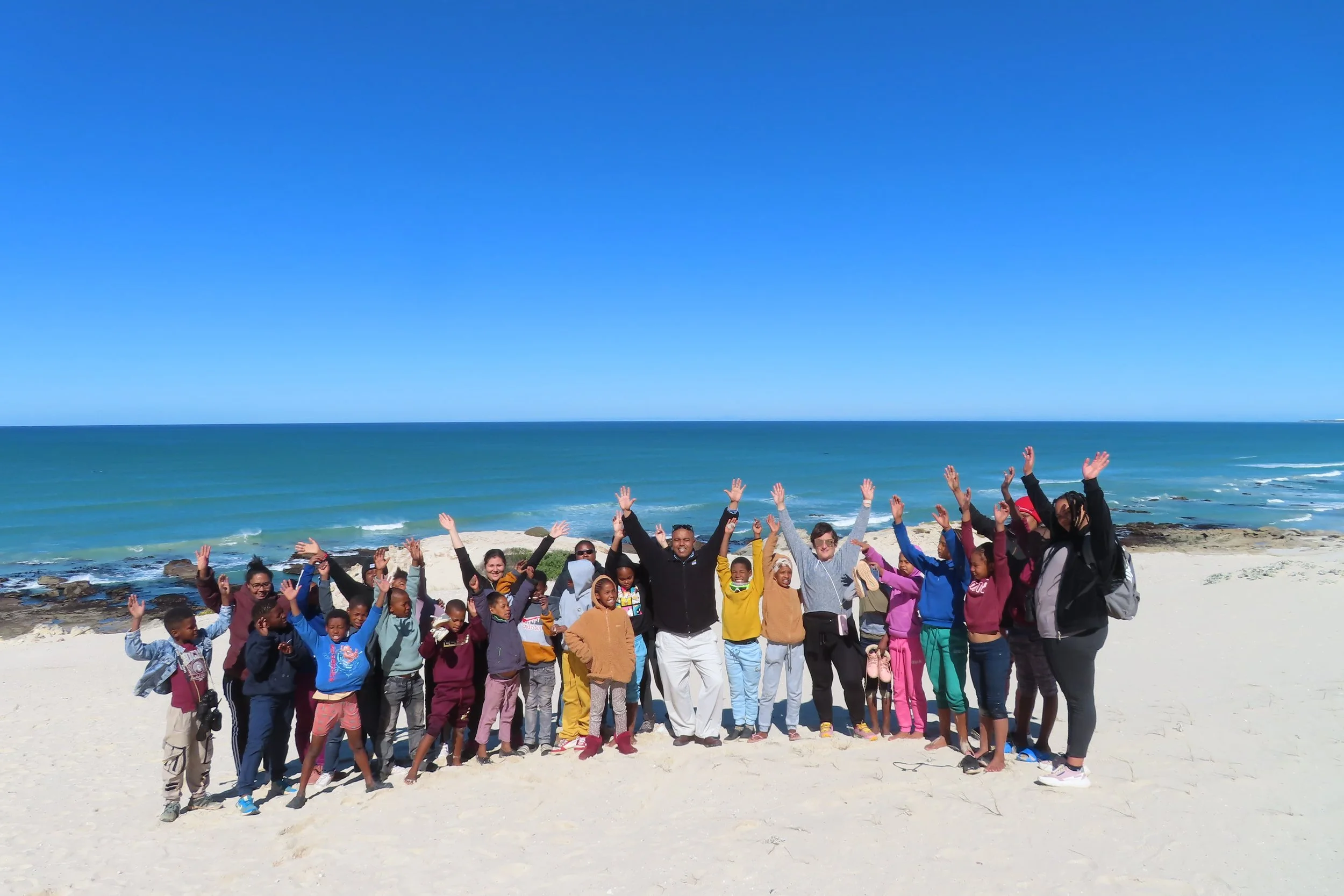
Travelling from the inland mountain community they call home, at the base of Jonkershoek along the Eerste river, 15 after-school group youth, and their teacher, were brought by the CWBR team to De Hoop Nature Reserve for a weekend camp at De Hoop Collection. A first-time experience for them all.

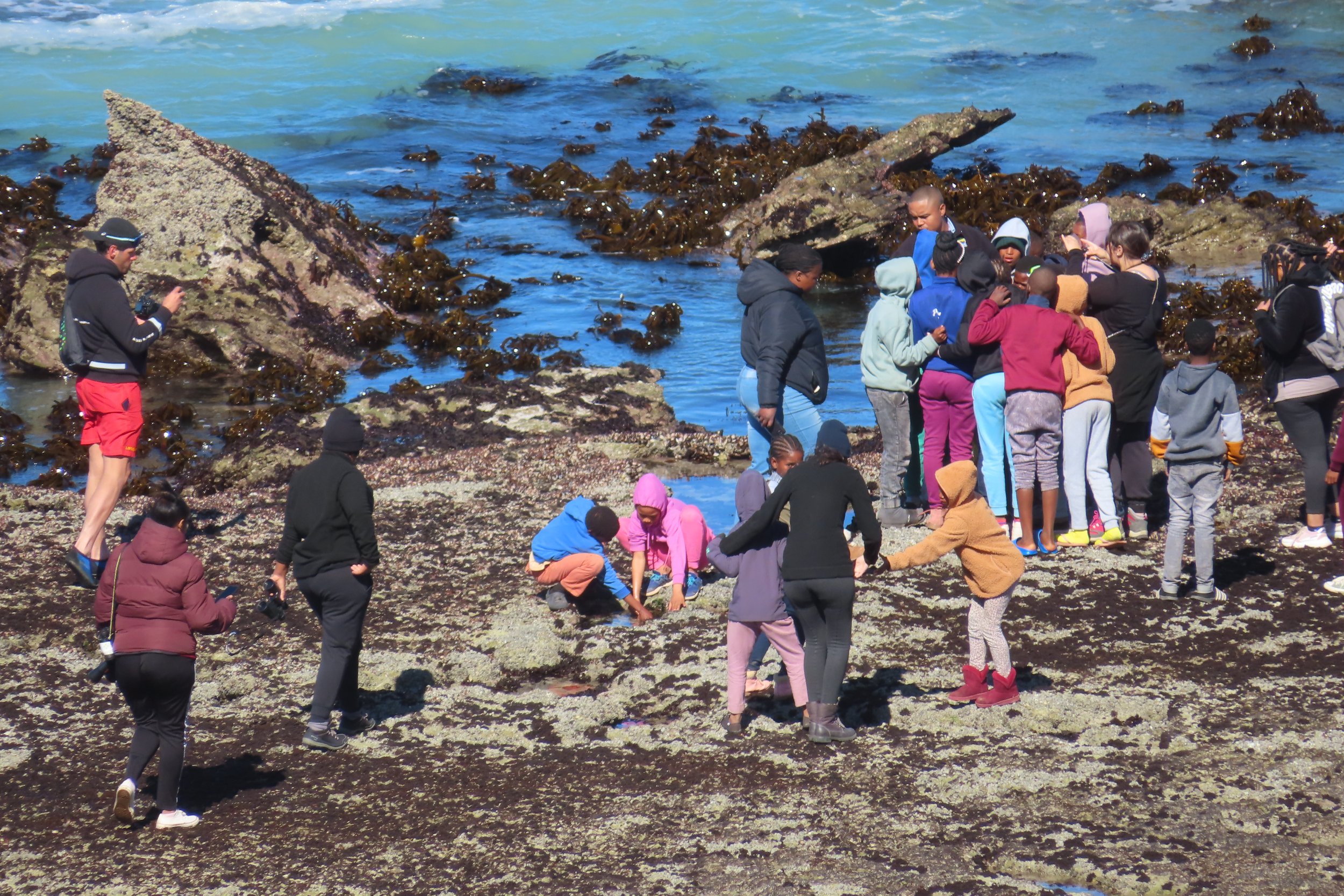
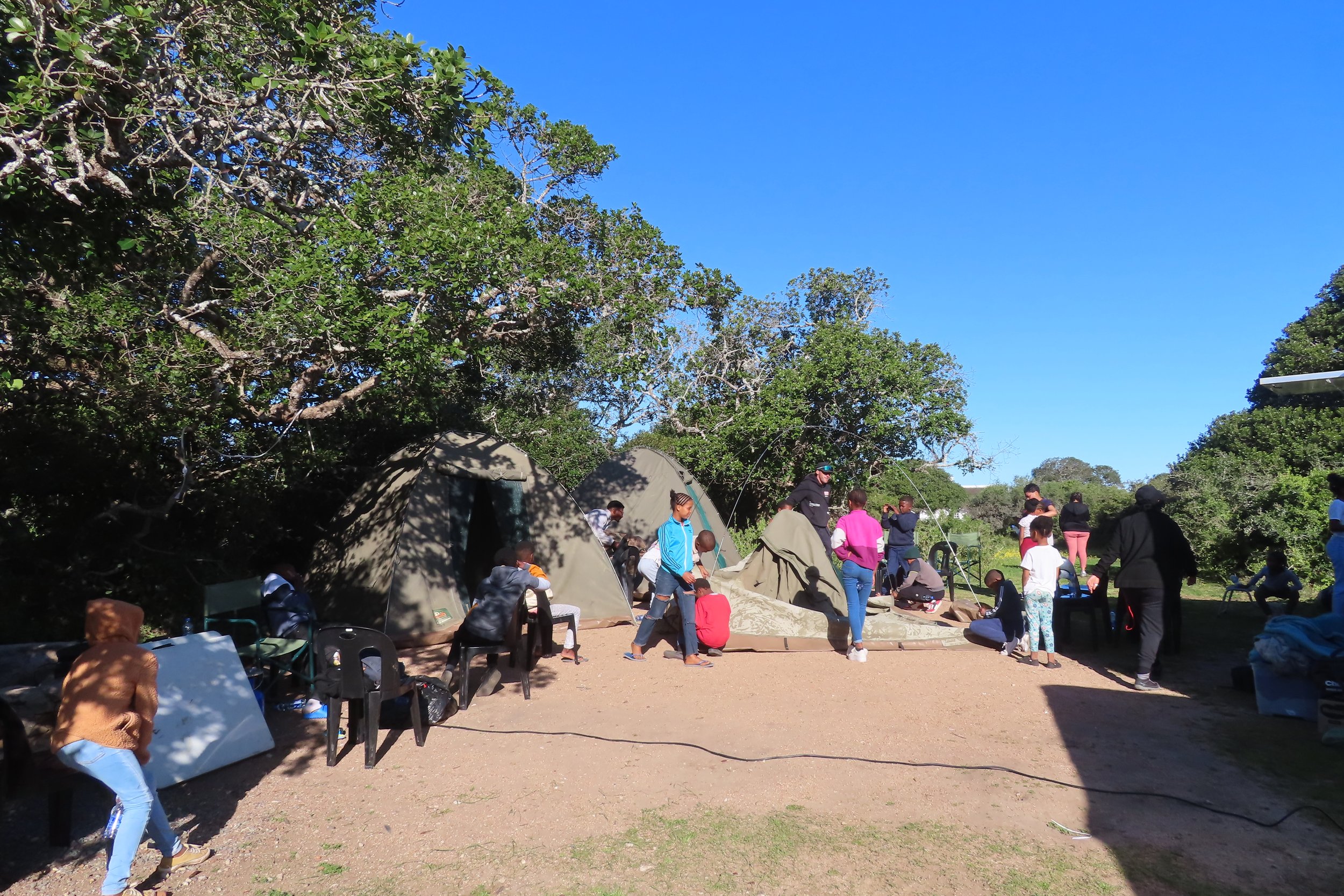
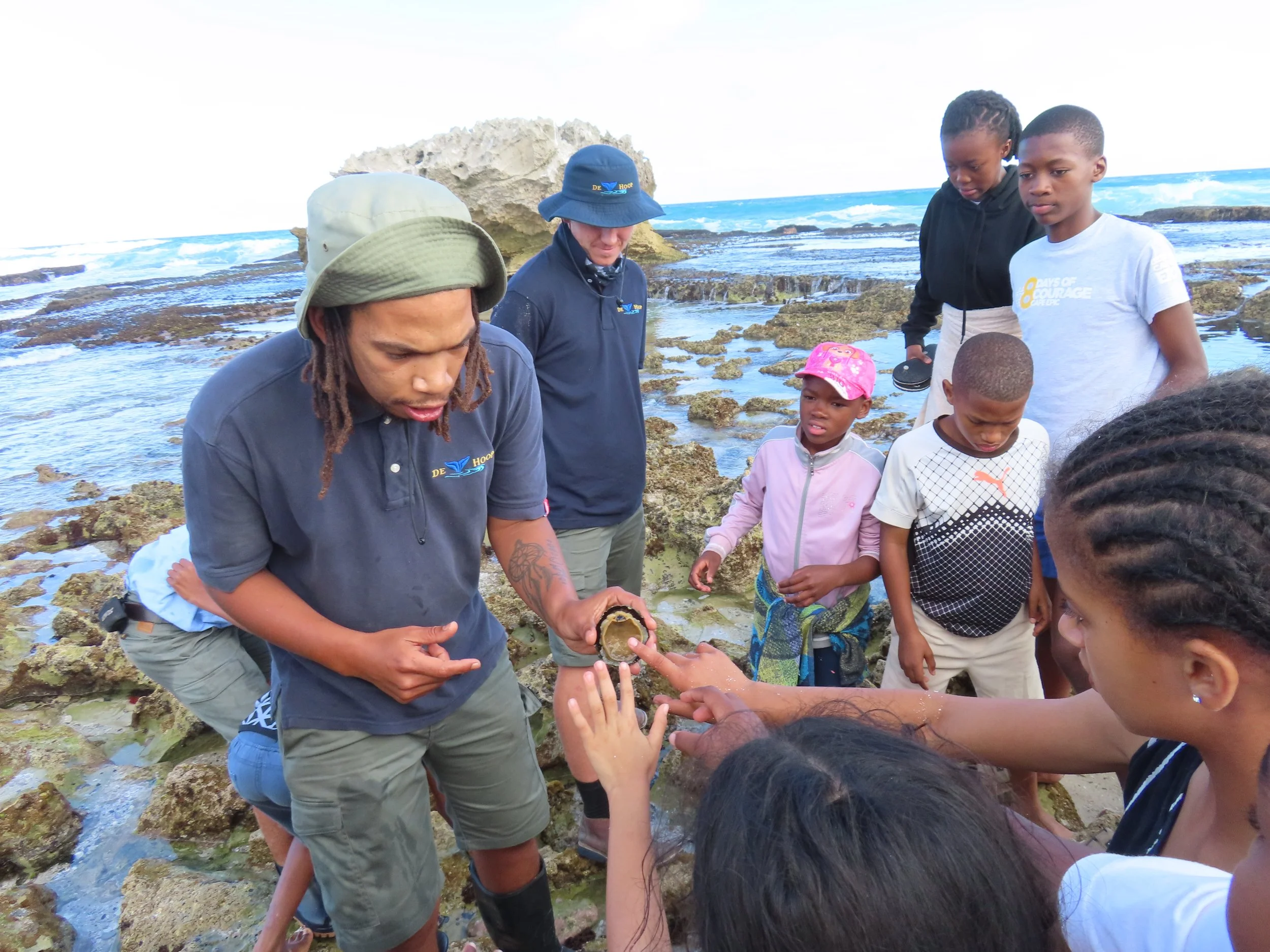
Arriving on a late Friday afternoon, the group set up camp for three days, tenting amongst the ancient milkwood trees under a vast stary sky. The weekend’s activities were co-facilitated by the De Hoop Collection guides and CapeNature facilitators. Activities included a guided nature drive, a marine walk along the rocky shores discovering the abundant life that lives there, and experiencing first-hand all the biodiversity the area has to offer.

Eco-educational outings are an important catalyst in fostering curiosity and learning about the interconnectedness between humans and nature, their role in preserving the natural environment.

Exploring biodiversity at De Hoop

The Cape Winelands Biosphere Reserve team took 23 participants from Bonnie Peoples Project, based in Bonnievale, and four visiting guests from Aidons Tous Solidarité, Luxembourg, to De Hoop Nature Reserve for a very special weekend of camping.

On route, the group stopped at what is known as the most Southern tip of South Arica – Cape Agulhas. The children were excited by the 3D monument: a big map of Africa, showcasing the mountains and rivers on the continent.

Once the group arrived at De Hoop, the participants set up their tents at the camping grounds, a first time-experience for them all. Even for our visiting Luxembourg guests, it was their first time camping! The head guide at De Hoop took the group on an exploratory expedition, sharing knowledge about the wildlife spotted along the inland Vlei.

Returning to the camp, the participants settled in and were ready for the evening’s activities. A steaming hot curry chicken stew cooked in a potjie pot over the campfire was enjoyed for dinner. Then the group did star-gazing and were shown star constellations including the southern cross and Scorpio, as well as galaxies visible in the clear night sky: the Milky Way and Clouds of Magellan.

The evening ended off with the mobile Science unit STEAM-Y* transformed into an open air cinema, for a screening of life under the sea. The clip fostered respect for marine animals and hinted at the next day’s activities which included a marine guide walk.

The next day…

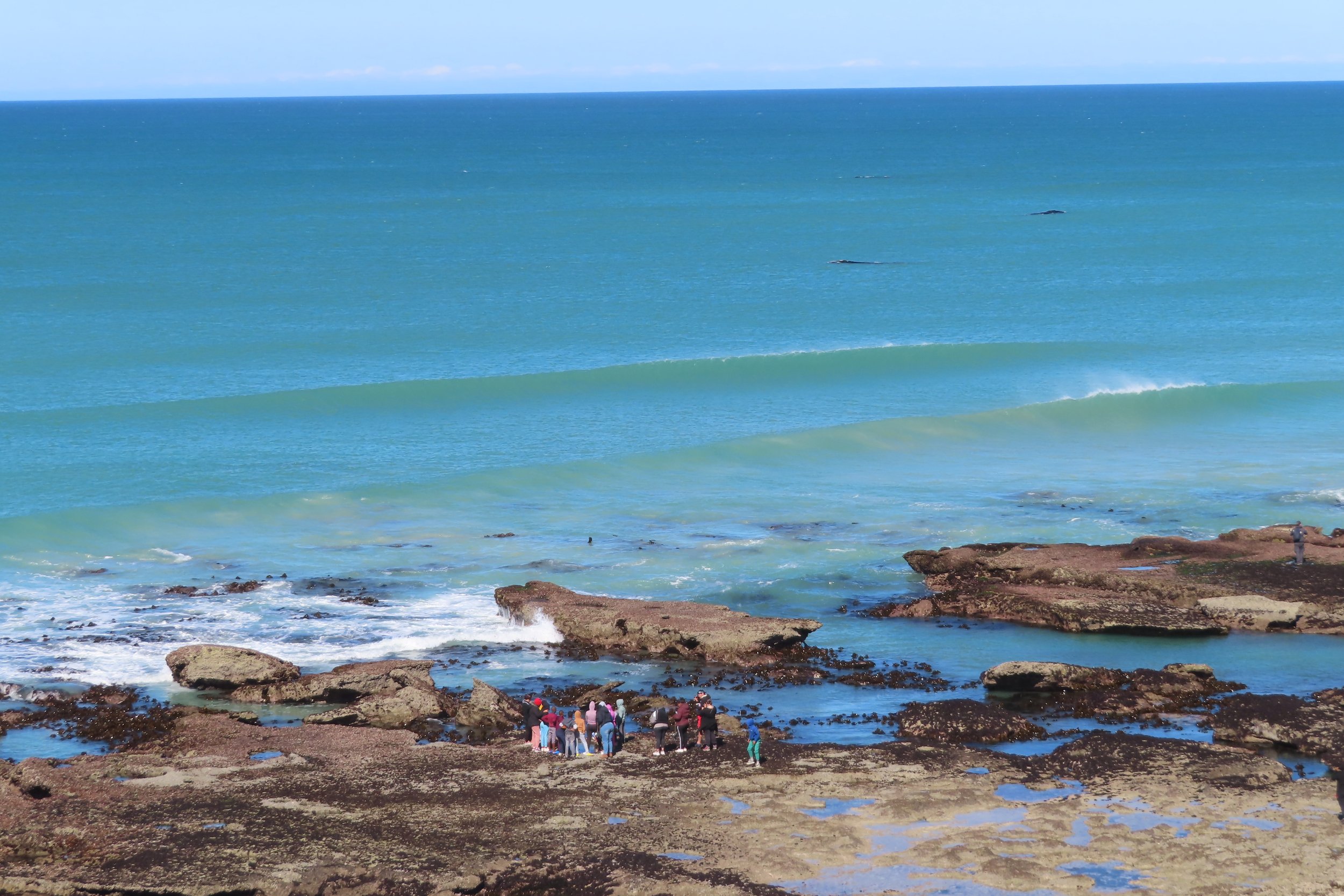
For all of the participants, it was their first time experiencing a pristine marine environment with abundant wildlife and colourful biodiversity in the rockpools at the rocky shores Koppie Alleen in De Hoop Nature Reserve.

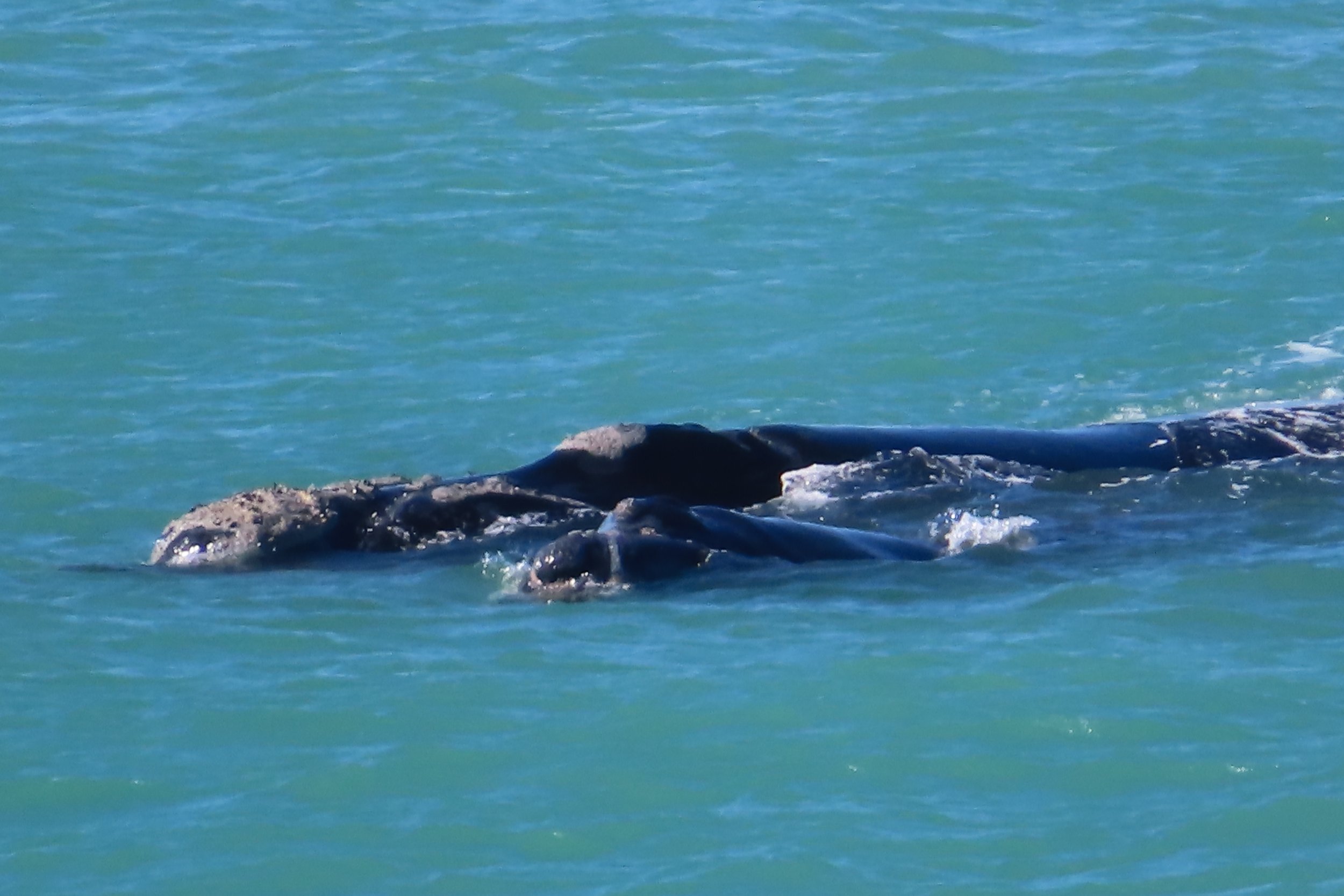
A very special time of the year, many Southern Right Whales and their calves were within sight of the shoreline for the group to see even more up close using binoculars. Creating unattainable excitement amongst the group as a whale breached the water. Being a marine protected area and World Heritage Site, the shores at De Hoop Nature Reserve is one of the world’s most important nurseries for the Southern Right whale.

The group enjoyed a picnic lunch together before returning home to Bonnie Vale, excited to share an unforgettable weekend with their families.

*Science Technology Engineering Art and Mathematics for Youth

Thank you Aidons Tous Solidarité!

The following weekend, a camp was facilitated in Kleinmond for 20 youth from the Bonnie People Project After-care School Programme, three facilitators, and the four visiting participants from Aidons Tous Solidarité, Luxembourg.

The first day, the CWBR team took the group to see penguins at Stony Point and to explore the marine biodiversity along the rocky shoreline of Bettys Bay. A CapeNature ranger joined the group sharing the history of the penguins: how the penguin colony established itself at Stoney Point. As well as some knowledge about the life of a penguin. Why they malt seasonally and go without food for that period – living off their fat reserves.

Then the group went for a very refreshing spring dip in the ocean at a beach further down the town, and later had edu-tainment playing a multitude of fun games, and ended the evening learning to create a melody alongside a song using different instruments.

The next day, before returning to Bonnie Vale, the group stopped in Hermanus for whale watching, an exploratory educational walk along Grotto beach, and fish and chips for lunch!

Celine MacdonaldHIkes&Camps
The first camp of 2023

The Cape Winelands Biosphere Reserve team has hosted its first two-day camp of 2023 in January, bringing together local youth from two different communities in Franschhoek. Just in time for starting school, the camp focused on helping them set positive intentional goals for the new year.

The first day started with spending time at the back of the Berg Dam. The youth were asked to close their eyes and listen to the silence surrounding them in the nature reserve – far away from the usual sounds that surrounds the everyday life in their community. They then explored the area and enjoyed a refreshing swim in the pristine river. Then a group activity - reflecting on what dreams they have for themselves and what they would like to achieve.

Spilt into four groups, each team read the Dream about Bees Life Goals Story, taking the group on a journey with girl their age who wants to become a beekeeper. The story had a personal touch, as it’s based on real life and created by one of our current interns, who wrote it specifically for the camp. The youth were encouraged to write down their own goals and dreams, and for those who felt comfortable, to share what they wrote with the group. Together, they looked first at the bigger picture, then breaking it down to yearly goals and planning, that can then lead to daily actions.

The evening pursued with a reflection session about first impressions of the camp and fun games, integrating youth from two communities who usually do not get along.

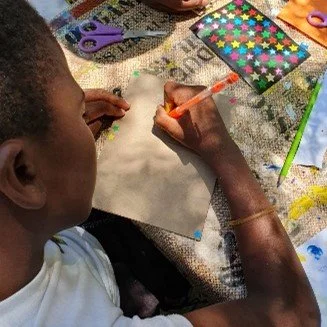
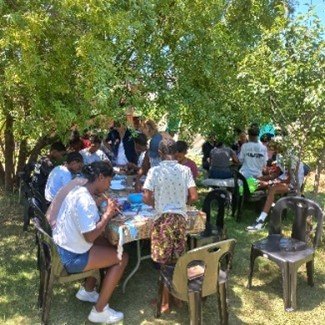
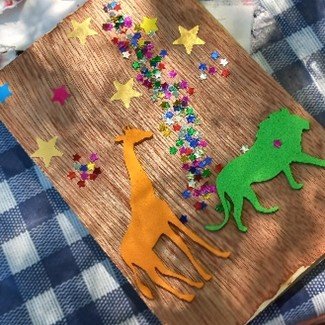
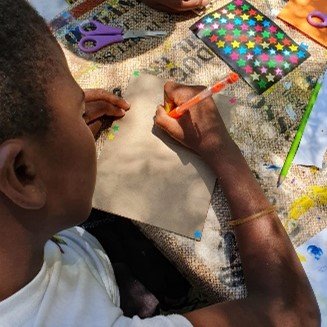
The following day they were tasked with creating individualized books for themselves to keep with them as reminders for their goals and dreams they want to accomplish. The group particularly enjoyed this activity, working together, and helped each other create the books.

In the last reflecting session, before returning home, the participants were asked to choose a person and share what they have learned from them. The group who initially did not get along, could share and appreciate each other at the end of the camp.

Celine MacdonaldHIkes&Camps