WC FGASA Meeting Recap

On the 3rd of August, CWBR facilitated the Bi-annual Western Cape FGASA Meeting. The event took place at Drakenstein Groot Games Club, an old cricket ground based just outside of Franschhoek.

With an abundance of rain in the last few weeks, we were lucky to have a day of sunshine and warm weather!

It was yet another great meeting, with familiar and new faces attending the event. Fantastic speakers who came to share their passion and ignite more curiosity in all of us.  CWBR volunteers made delicious potjie and a special cake for tea, a Jordanian family recipe, which became a favorite amongst the attendees.

Three recently graduated FGASA & Life Skills students shared their experience of the course, how it changed their lives and perspectives. They received their Level 1 FGASA certificates from Michelle Du Plessis, FGASA Managing Director.

The three speakers talks tied together extremely well and ignited curiosity and enthusiasm to go exploring in the Western Cape and learn more about the magical world of fynbos, bees, and rock formations.


THE SPEAKERS

Patrick Shone

Through his many years of experience, Patrick shared an excellent understanding of integrated fire management, the importance it holds, the effects of fires on the fynbos biome, alien vegetation, surrounding communities, and tourism.

“We live in a highly fragmented landscape, and the challenge now, is to understand fire and its relationship within the ecosystem in order to best be able to manage it for the long-term survival of all existing plants and animals”.

Not practicing Integrated Fire Management risks the loss of biodiversity, spread of aliens’ invader plant species, and reduction in water quality and volume.

Though the impact of fire has several negative effects on tourism, such as decline in wildlife, biodiversity, safety and aesthetics, it does however present an opportunity for community development and outreach, partnerships, and awareness.

Patrick’s talk pinpointed the intricate hard work and understanding that goes into maintaining the fynbos biome and fire management.


Jenny Cullinan

Jenny has researched wild honeybees and the native solitary bees in their natural environment for the past 5 years. She, with two colleagues, started Ujubee. Based mostly in Cape Point Nature Reserve.  Ujubee and its extension, COMB (Caretakers of Mellifera Bees) endeavor to learn from all species of bees in the wild and what they need to be healthy. Often when one thinks of bees, it is about hives and honey. But this is an agricultural perspective. The true wonderment of bees is their wildness and their interconnectedness to their ecology; their choice of natural nesting sites; their use of plant resins for propolis walls and for their nest hygiene; their interaction with all other creatures and with the richness and variety of the fynbos flora.

Passionate about what she does, her talk was captivating, with unique insight and knowledge of the world of bees.

For further reading, beautiful photo’s, and video’s depicting the world of wild bees, check out their blog:

http://ujubee.com/


John Rogers

Having an interest in geology since when he was a young man, John shared his knowledge with the humor and ease of a University lecturer, one of the many professions he has had.

His book, published in 2018, takes the reader on a journey throughout the Western Cape, and describes how the different rock formations, koppies, and mountains, formed.

Using his book as the catalyst for the talk, he took everyone on this adventure, showcasing different areas with rock formations, grave sites, important people in history, and the environment surrounding the areas in question.

He also referenced other books, articles, and debates, so for the experienced geologist as well as the amateur with enthusiasm, there was more to investigate. A selection of rocks was available to see and touch.

For those who are interested to pick up a copy of his book, visit: http://www.geoscience.org.za/

To read a review:https://www.wildcard.co.za/geological-adventures-book-review/

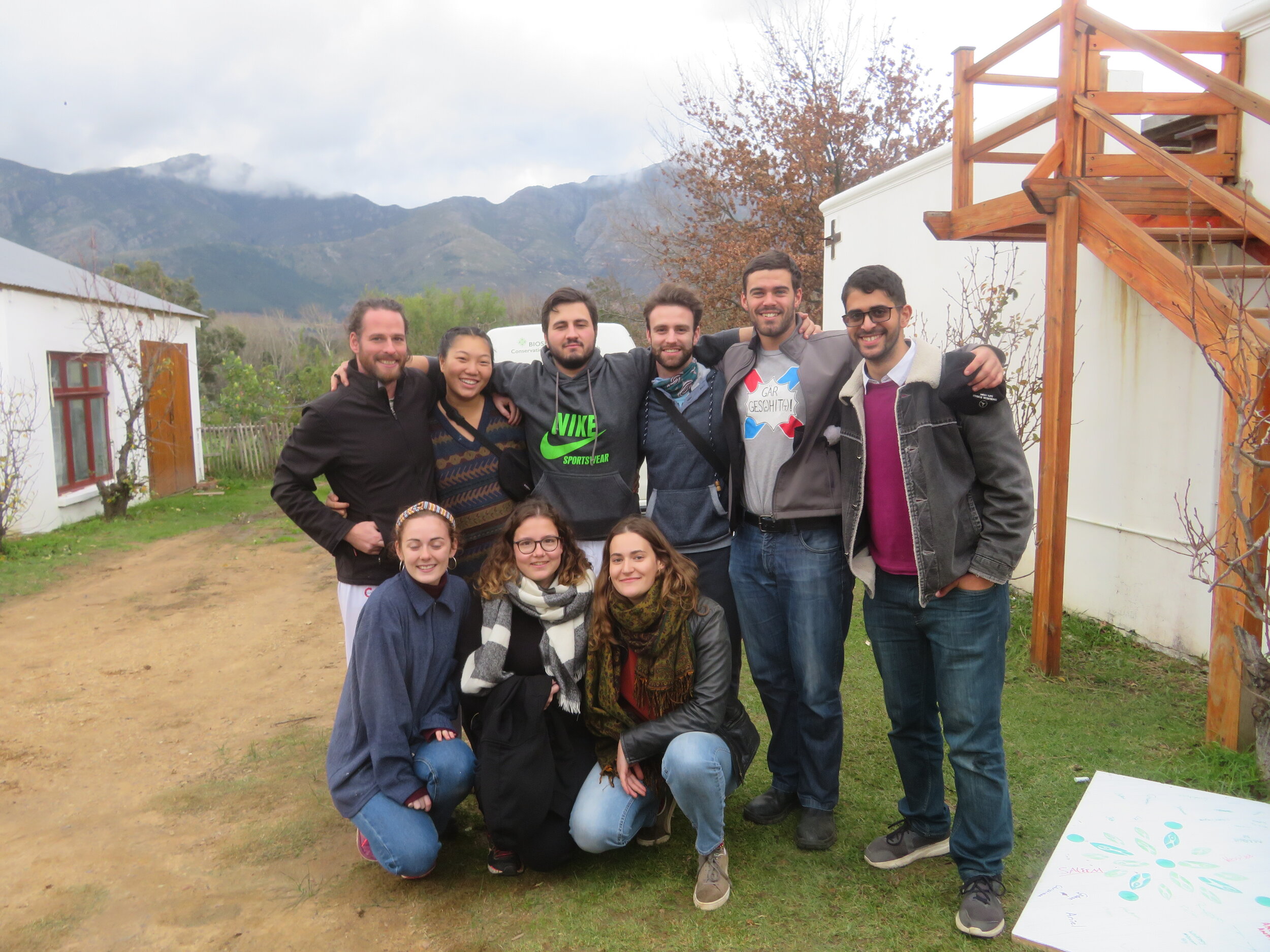
Left to right:

Photo 1: There was a lot of buzz about the day’s topics and lecturers over lunch.

Photo 2: Parents of graduate proudly received the certificate in her stead as she is over-landing with Nomad tours, previous graduate received his Cathsseta certificate at the event, and three graduates who received certificates on behalf of the rest of the group.

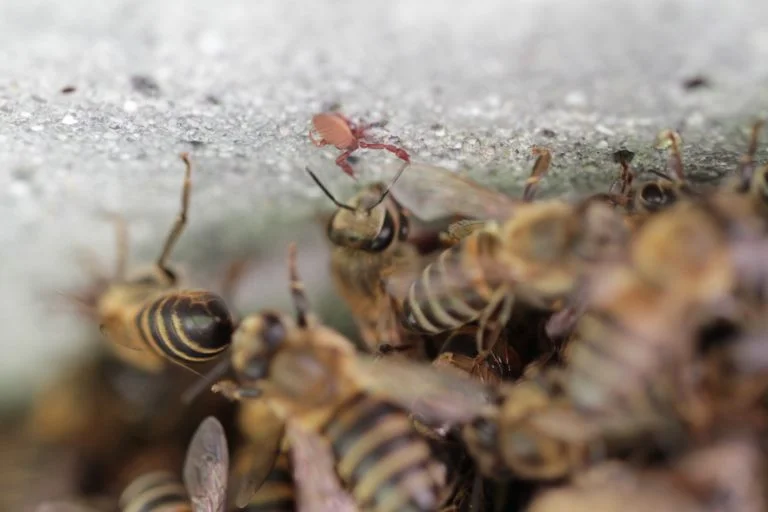
Photo 3: Pseudoscorpions and bees have a symbiotic relationship. To read the article ‘Swarming Bees and Pseudoscorpions‘ go to Ujubee.com
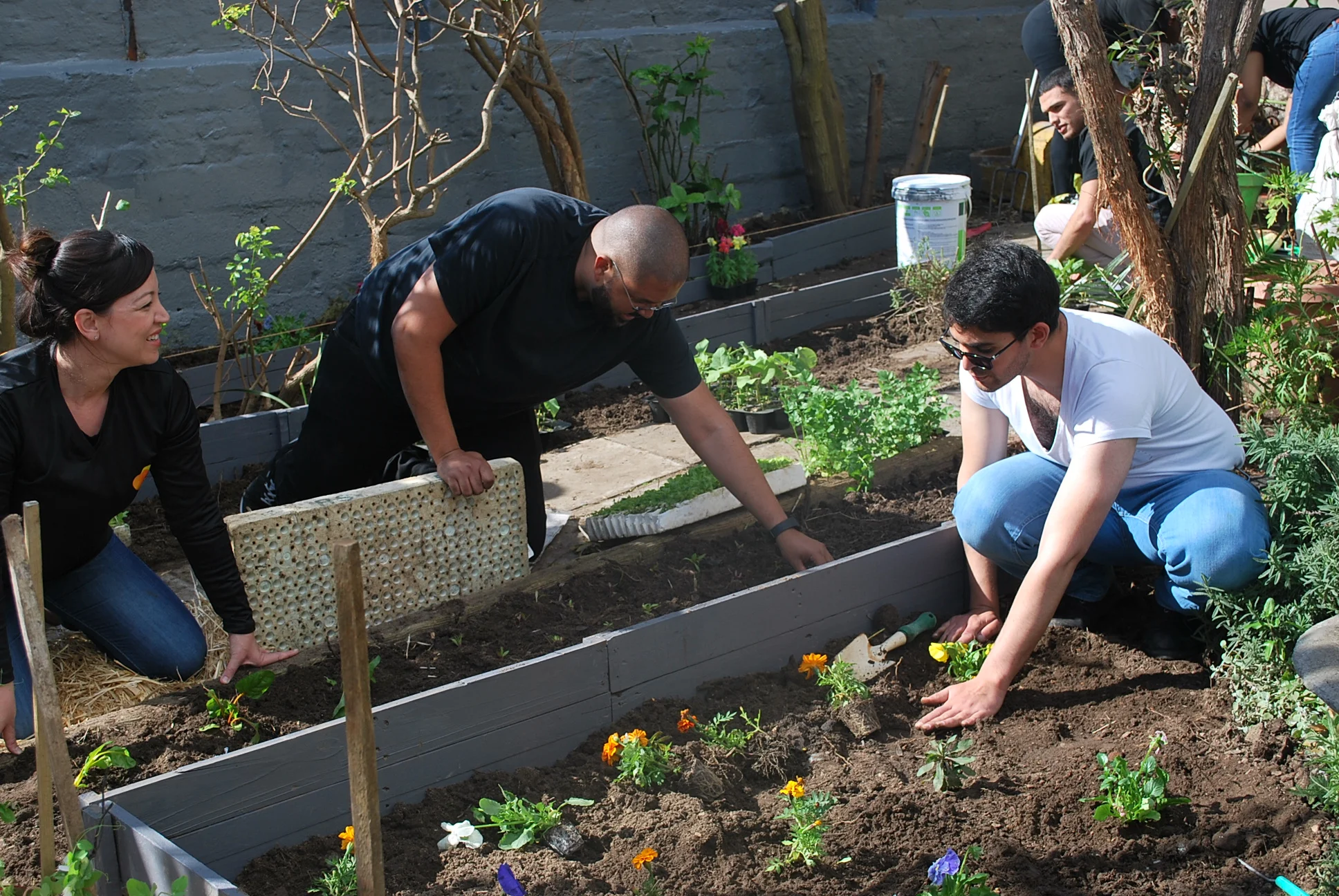
A Space of Environmental Awareness and Greenery

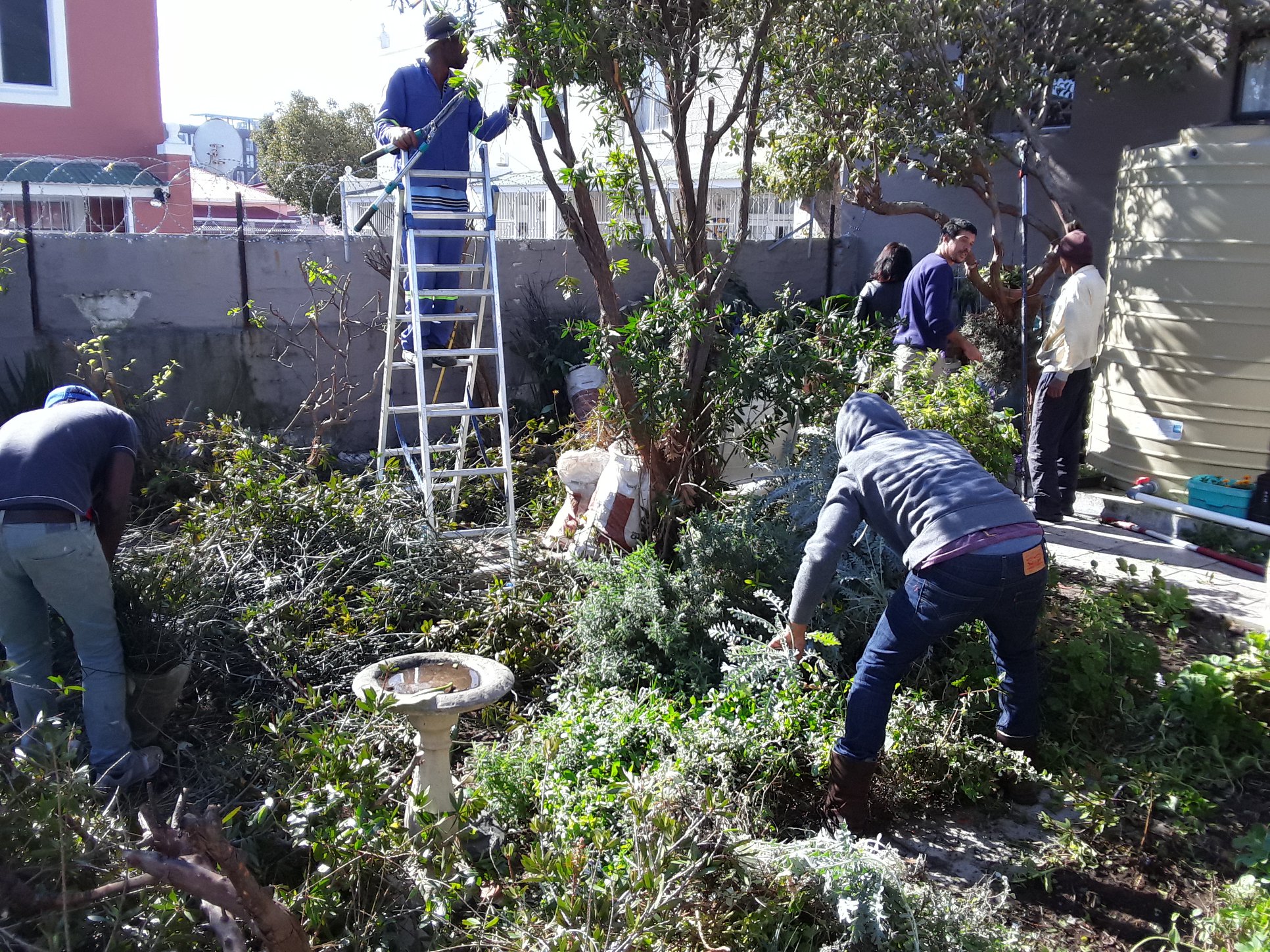
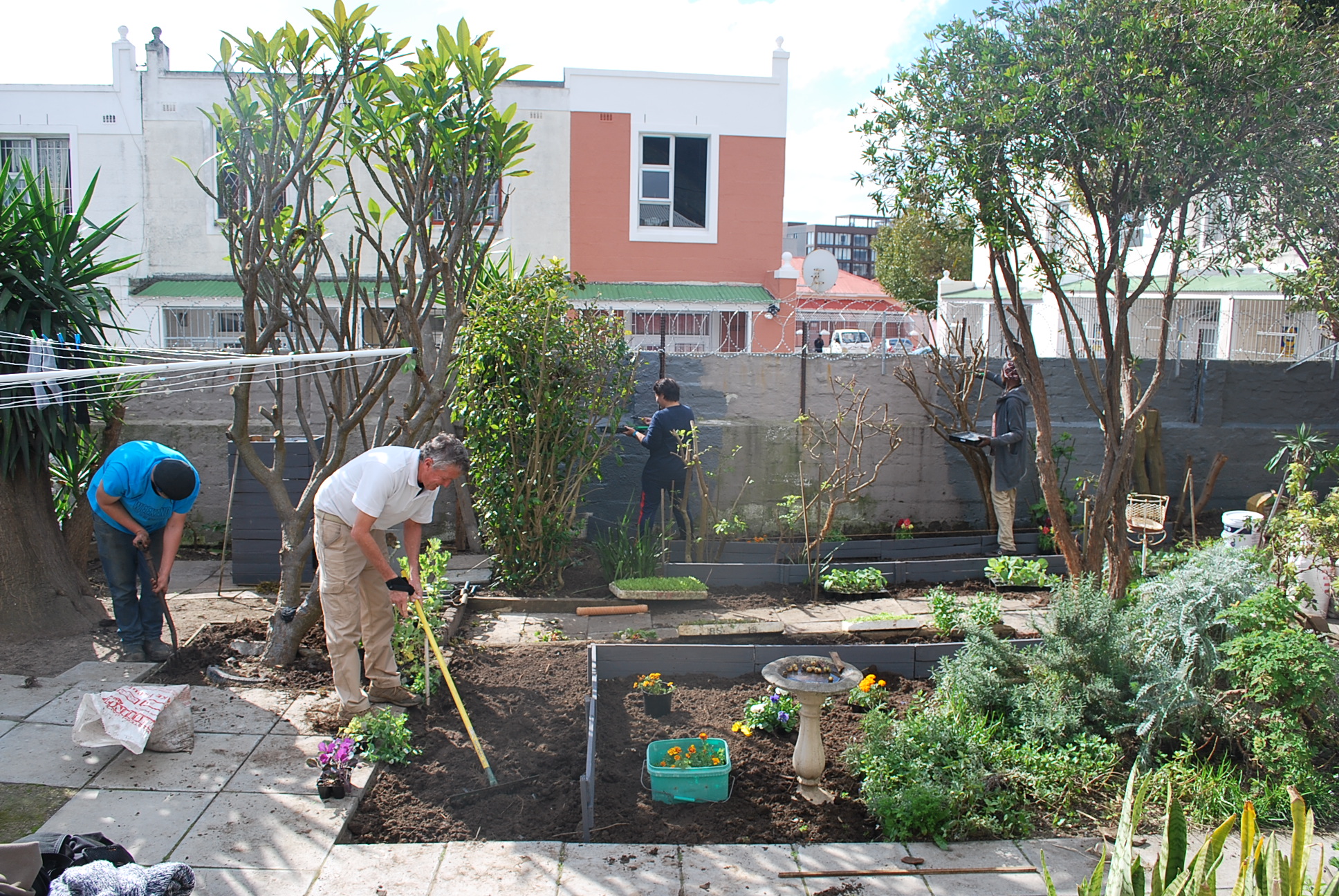
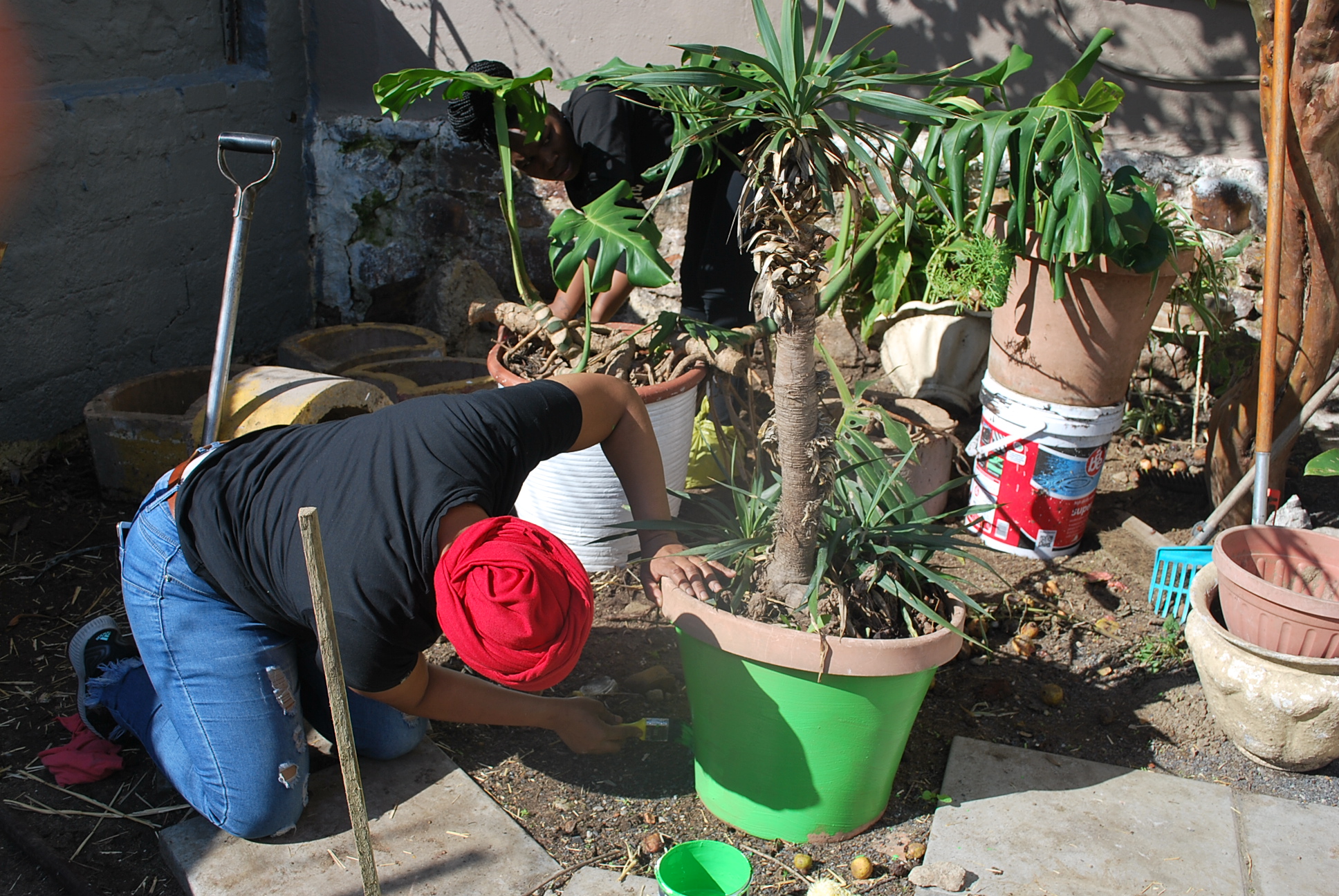
Arranged by Balance the Future PTY Ltd, for Mandela Day this year, CWBR joined with a voluntary team from Taquanta again. The project was to revamp the outdoor space in Noah Old Age Home. Through team work, the garden has been filled with vegetable seedlings, herbs and colourful flowers. The surrounding walls and flower pots have been painted, a wormery has been built and installed, and the weathered memorial bench has been sanded and varnished. A new, spacious garden for the residents to take a stroll in and enjoy has been created. The veggies, once grown to full size, will feed the community through both NOAH Take Away and the community kitchen.

Everyone was treated to muffins, coffee and tea by NOAH after the planting had been done.

Through CWBR’s assistance with budget and finding a local landscaping maintenance company to keep the garden flourishing, Taquanta’s sponsorship has been extended to a year of monthly follow-ups. The Old Age home has also sourced a volunteer with green fingers to do the weekly upkeep of the garden. CWBR will visit with more seedlings and regular follow-ups to see how the garden is progressing.

Attention all guides and nature enthusiasts!

It’s the time of year for the bi-annual Western Cape Field Guides Association of South Africa meeting! Justbefore the annual fynbos forum, so a great opportunity to get your minds stimulated if you are also going to that event.

This year’s theme: DRIVERS OF FYNBOS.

This meeting is always a wonderful opportunity to catch up, re-connect and listen to interesting talks and discussions.

Date: Saturday, 3rd August 2019

Time: 8:00 AM - 14:00 PM

Venue: Groot Drakenstein Games Club (R45, Simondium, Western Cape,7680)

For the invite, please click here.

Activity Day at the Biosphere Hub

with Bonnie People Project, MAKE, and Care Career Connection

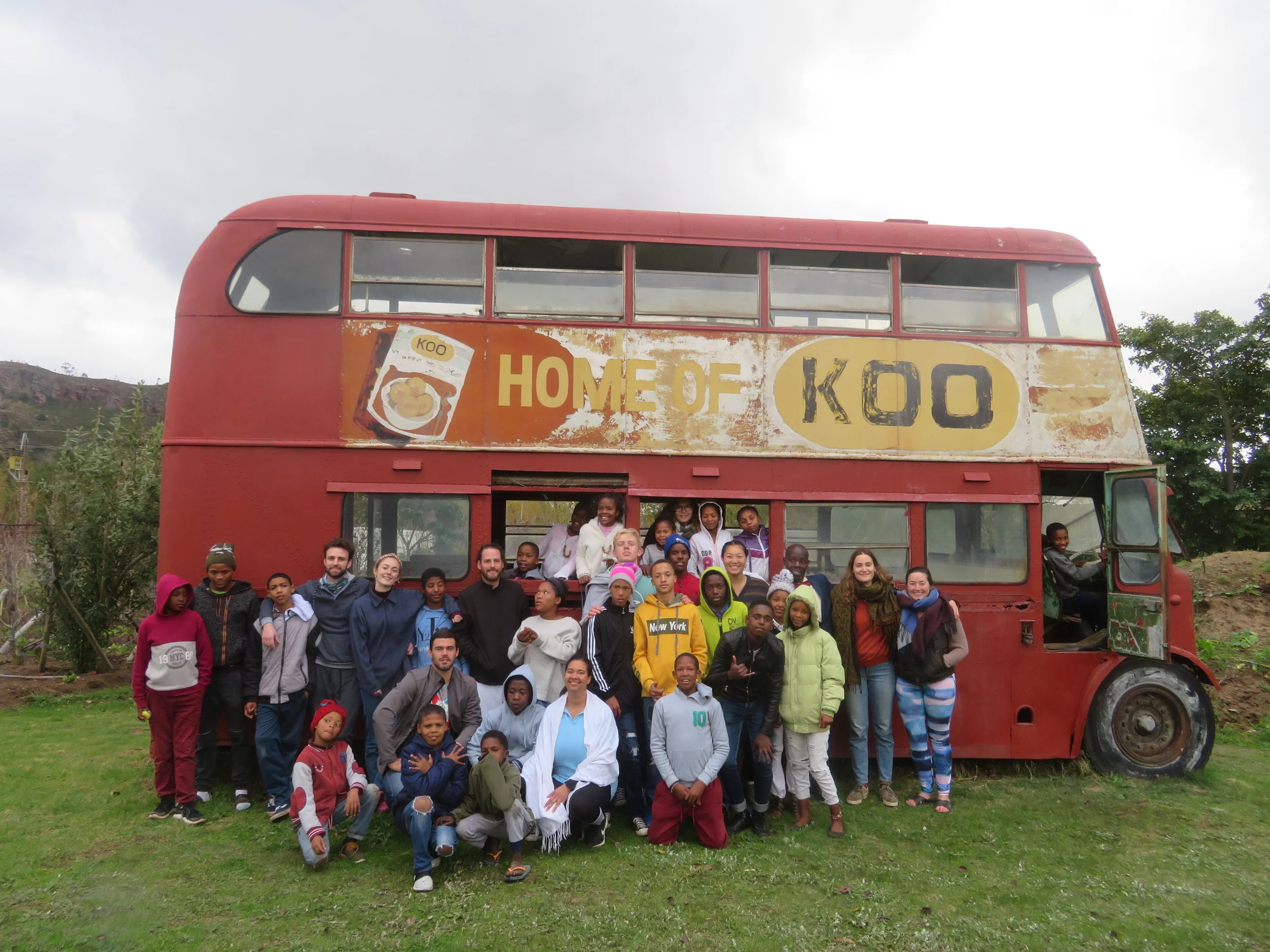
Arranged by Luxembourg volunteers, the purpose was to have a kids’ fun activity day and to provide the opportunity for the facilitators from the organizations to get to know each other better.

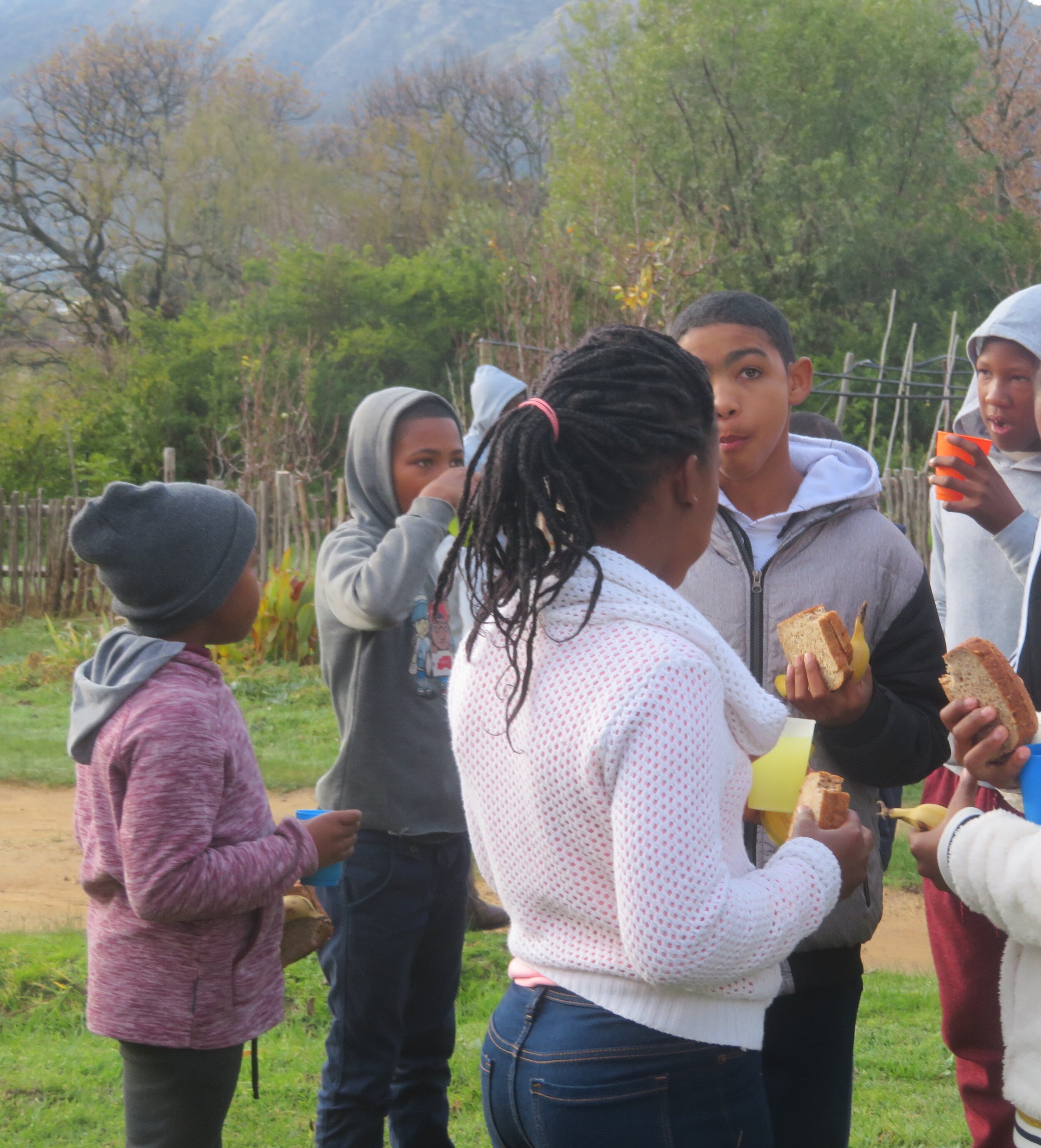
The two groups from different areas arrived just after 9, ready for a packed programme. The kids got to know each other over breakfast and were excited about the day ahead.

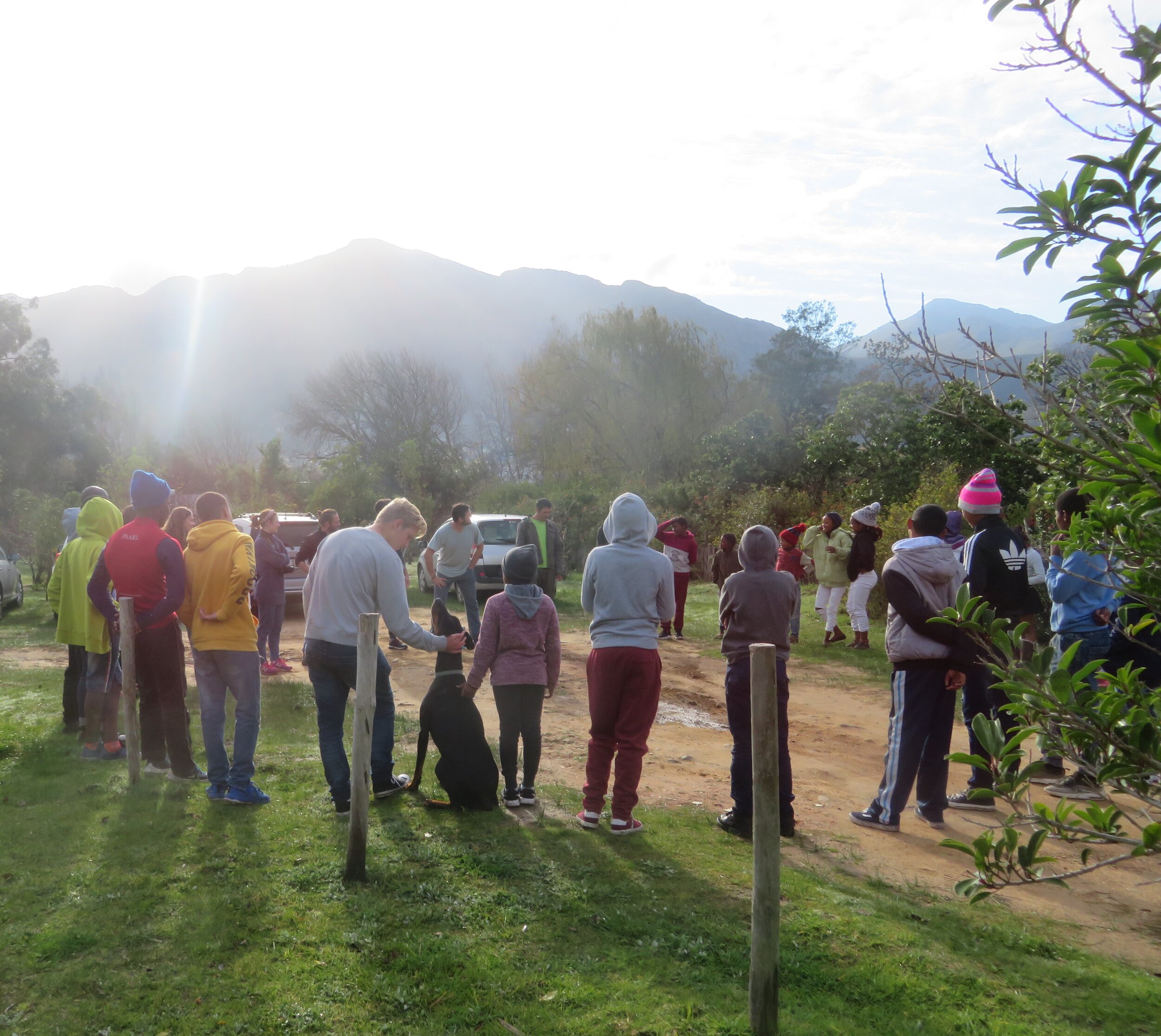
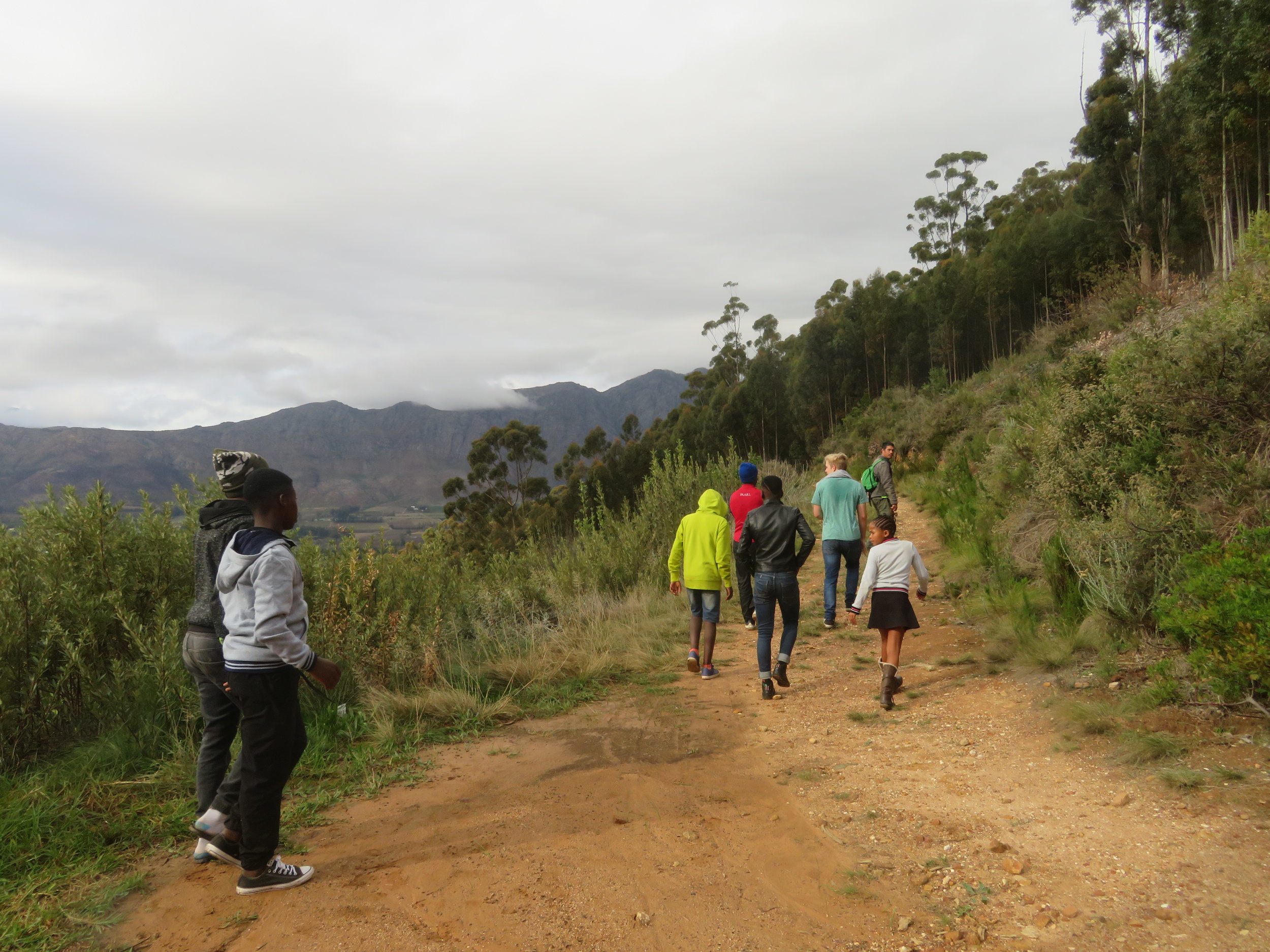
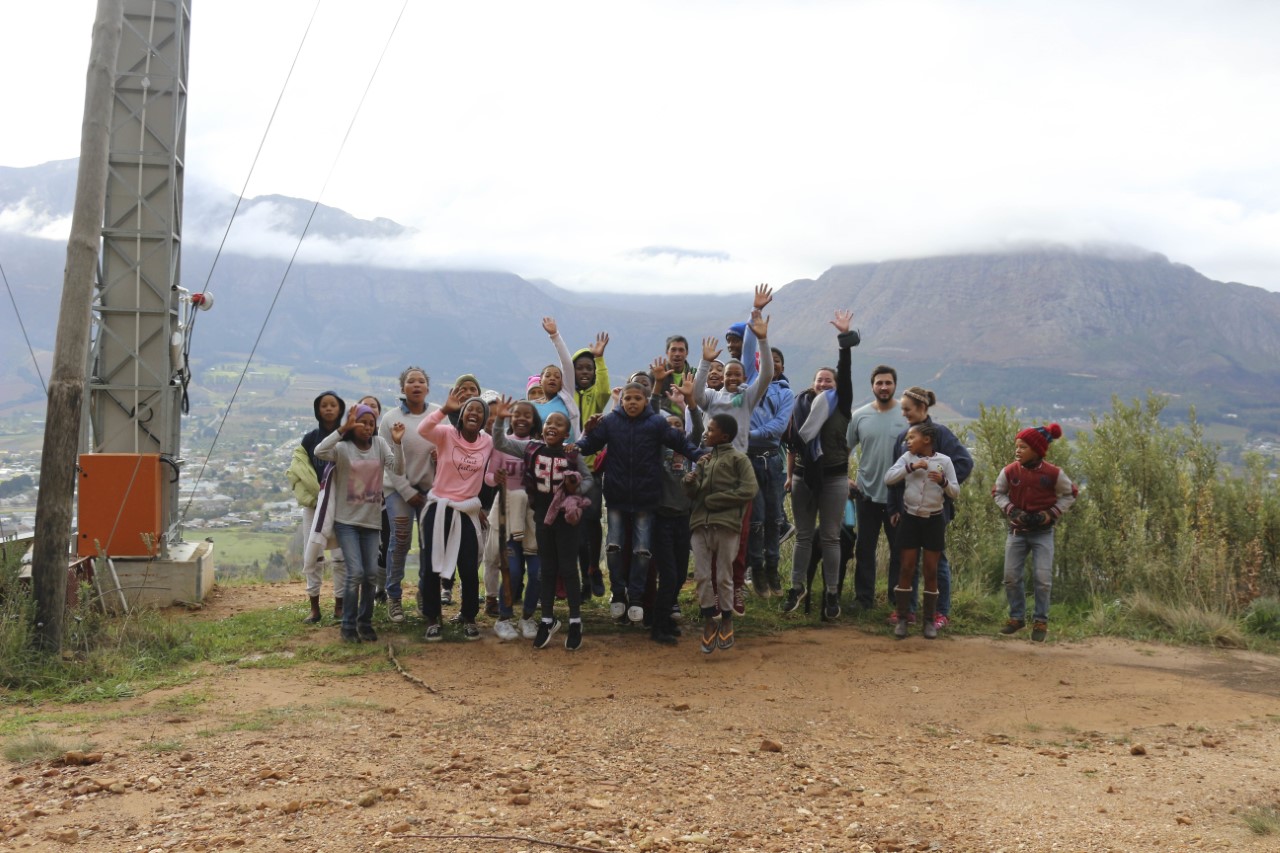
They were split into groups for the hike up to a viewpoint overlooking the valley. The purpose of splitting into smaller groups was to encourage the children from the different areas to interact with each other.

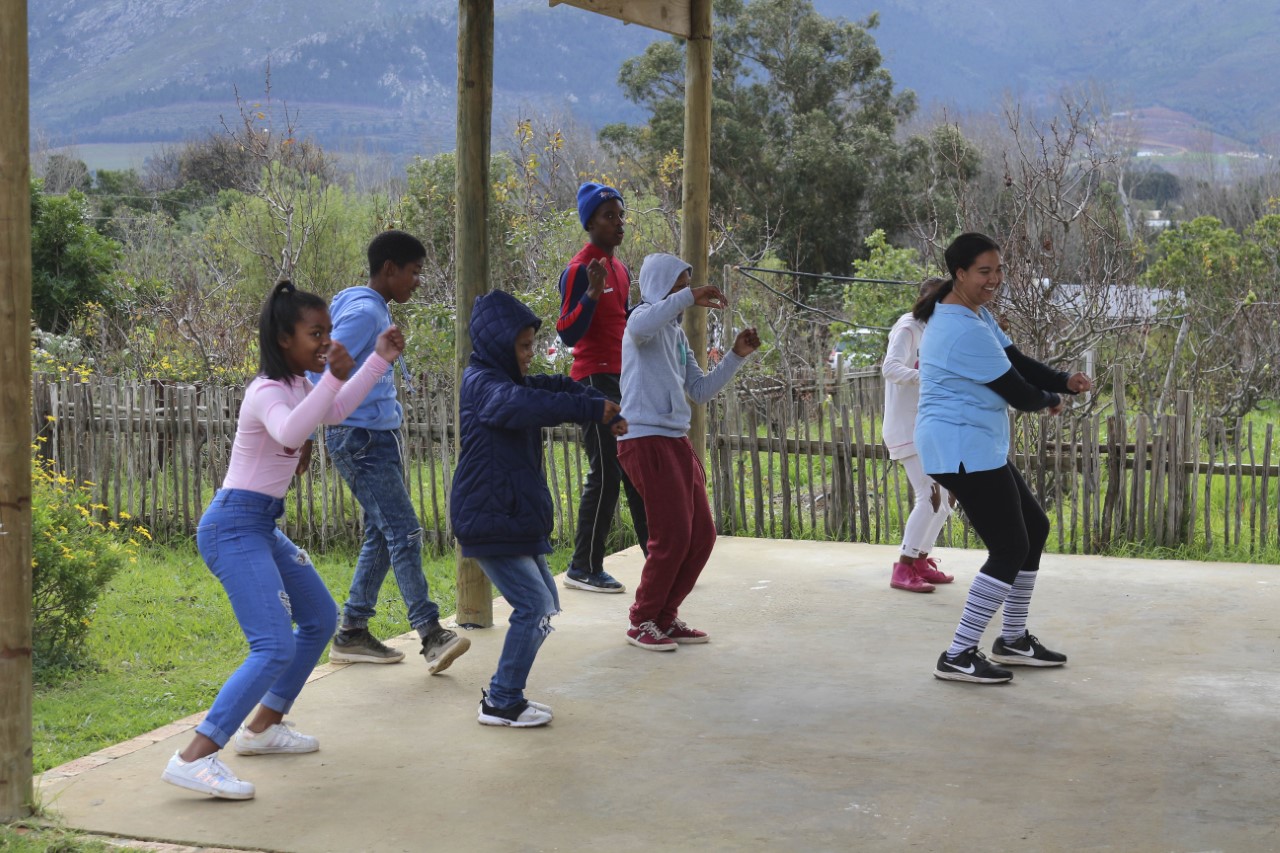
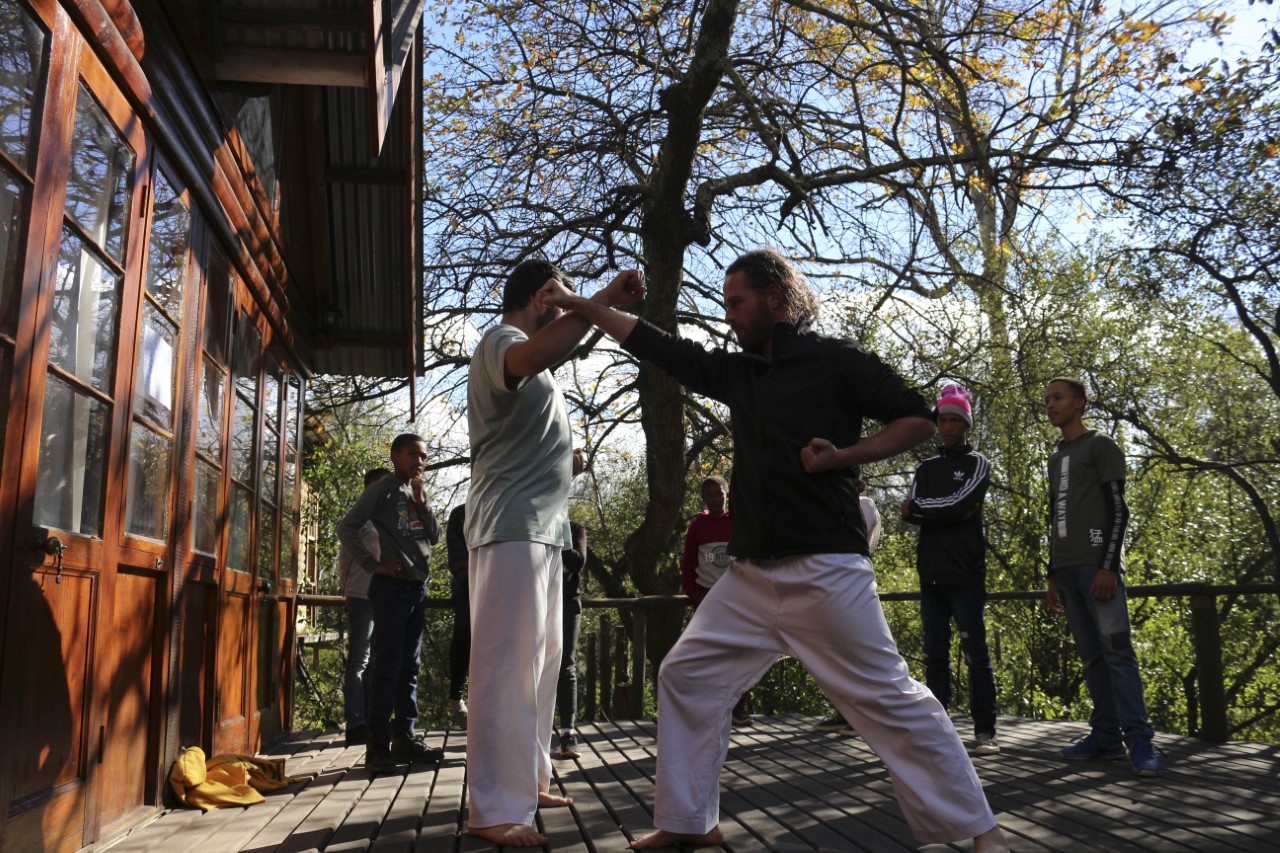
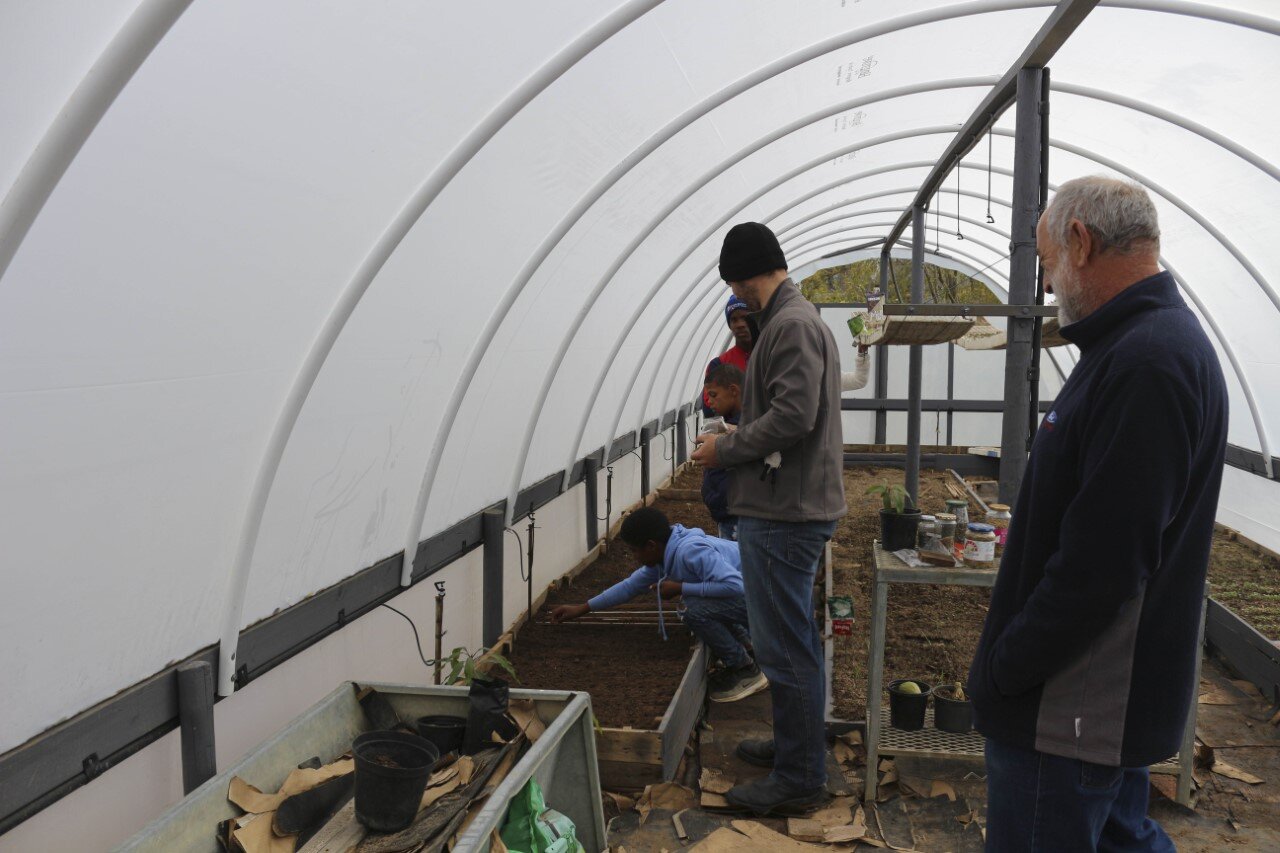
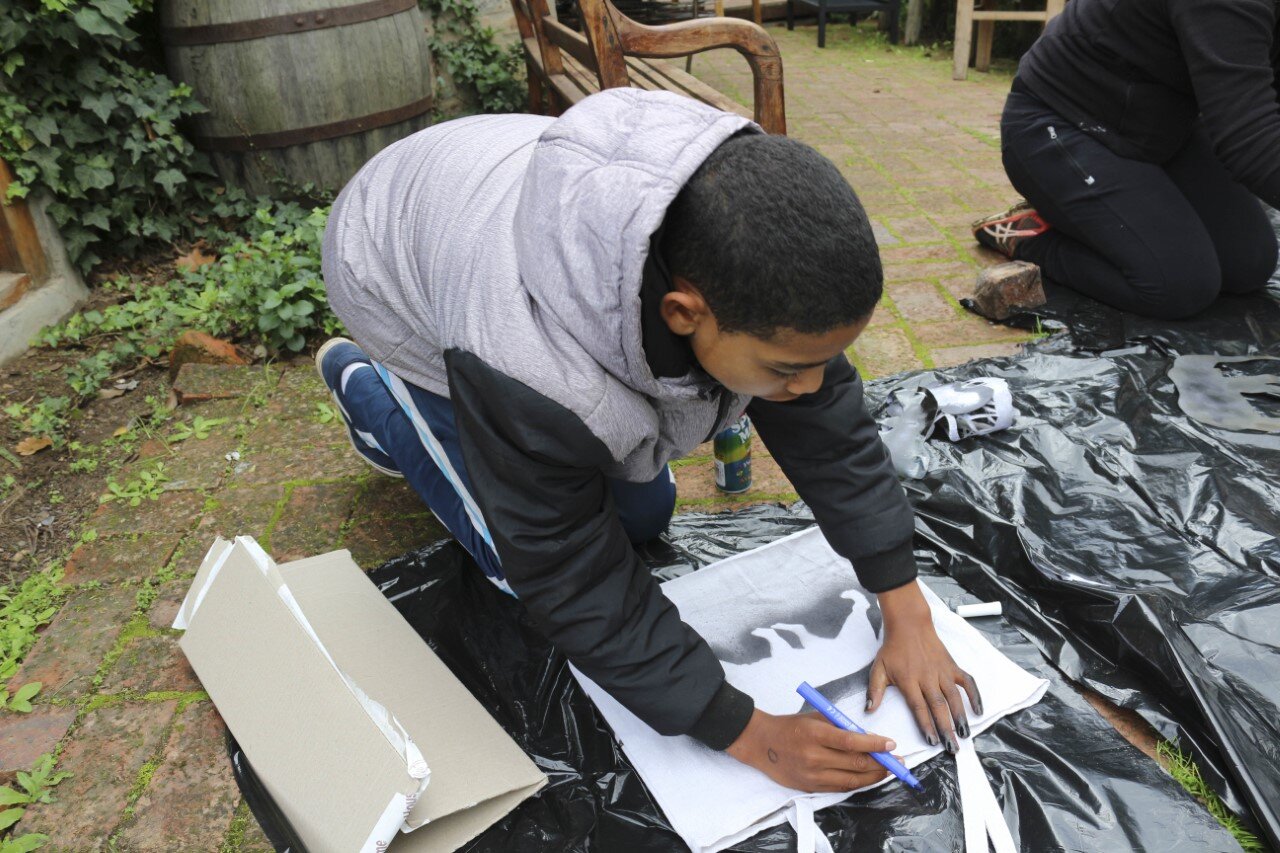
Once back, the children rotated between activities which included karate, dance, art and crafts and food gardening. Members of Care Career Connections arrived just in time for lunch and had time to join in some of the activities.

For lunch the volunteers prepared hamburgers, salads, and for dessert, a delicious ice-cream!

To mark the event with a memorable item to take home, the children left with tote bags on which they had made personalized prints and an apple for the road.

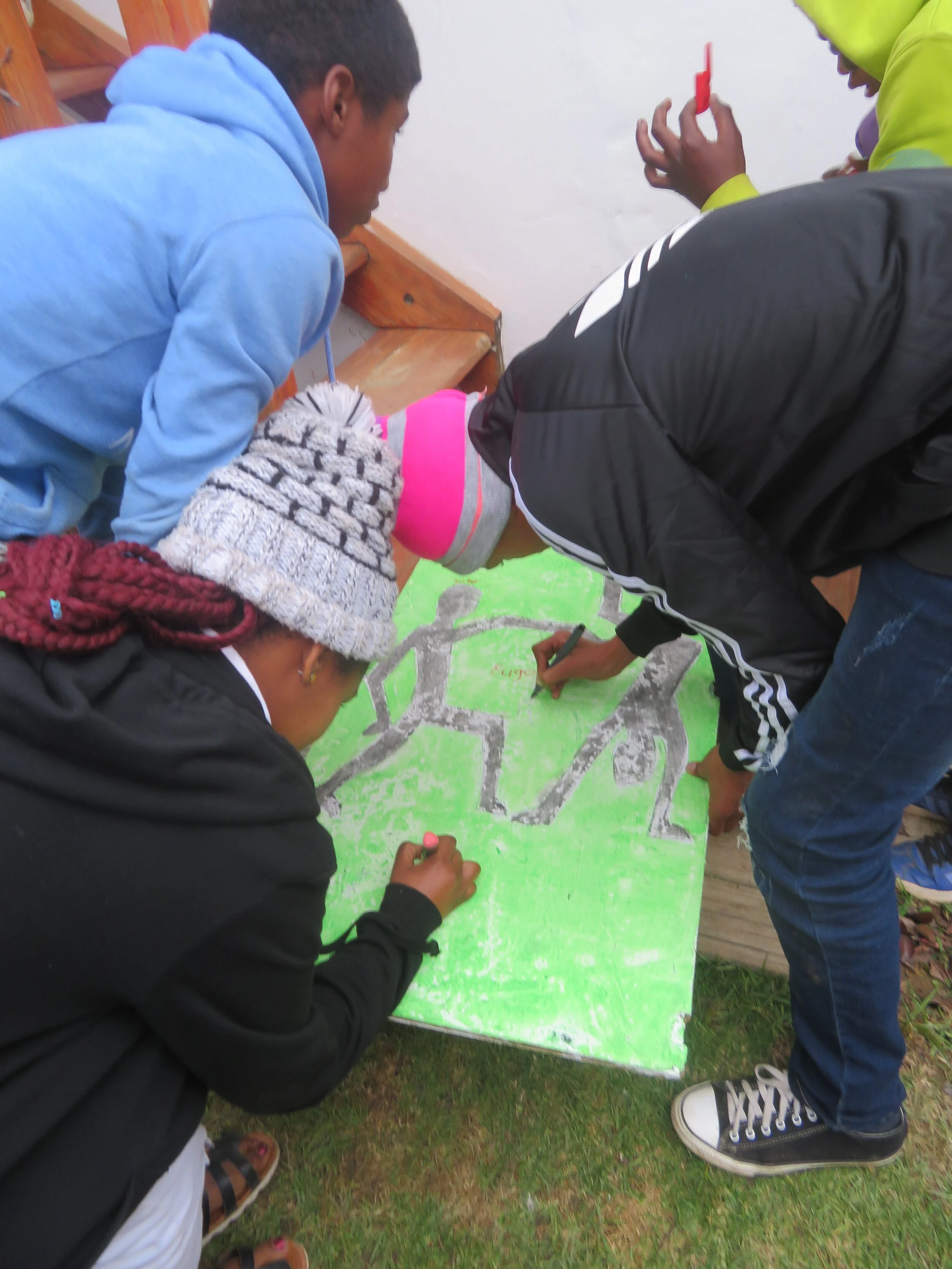
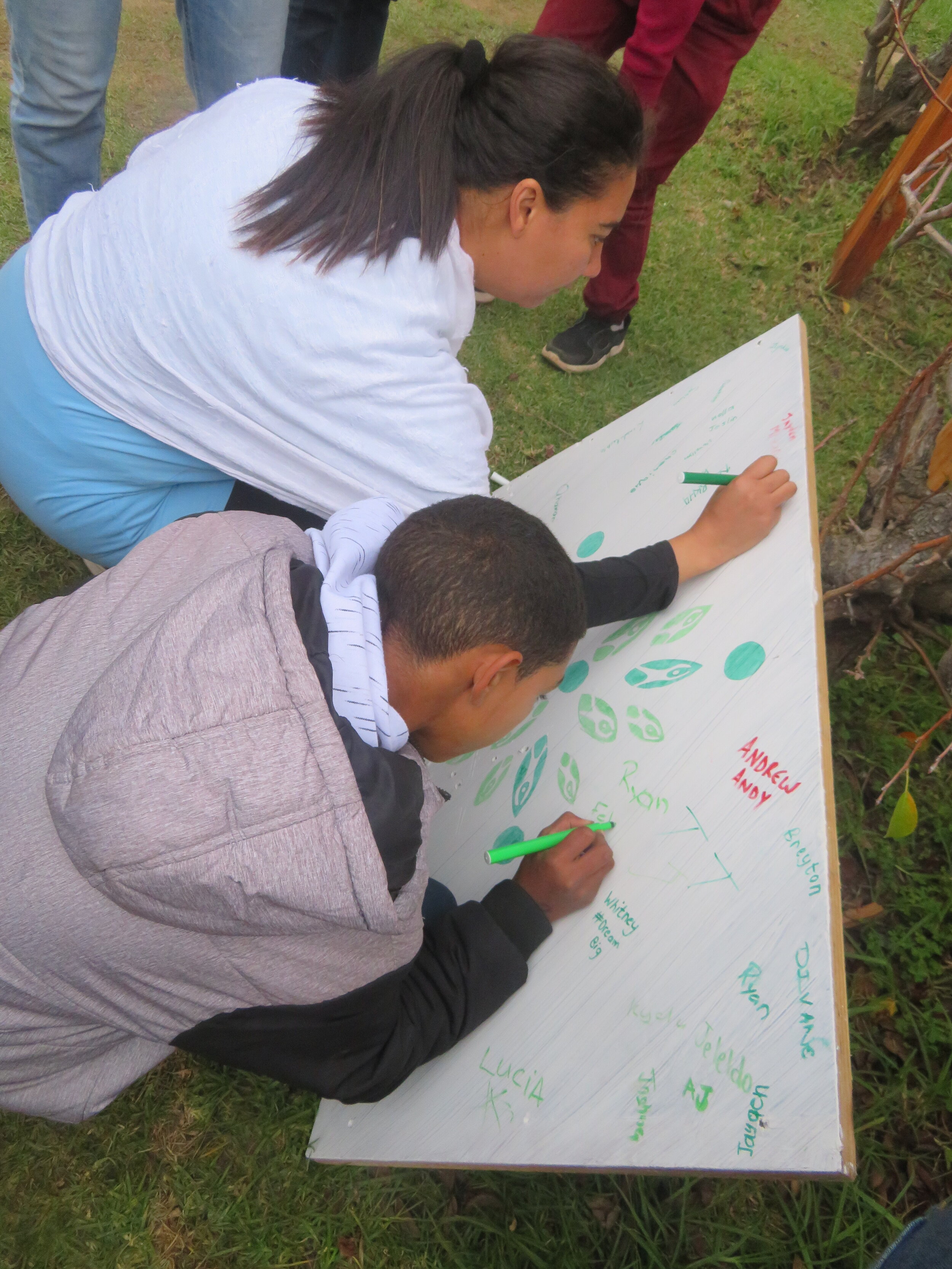
It was a very successful day with laughter, play, learning new things, and getting to know new people. Two boards, with the Bonnie and CWBR logo were also signed by all who attended the day.

New additions to the family of biosphere reserves

There are additions to the number of Biosphere Reserves in the world, and some biospheres are expanding!

Read the links to find about where and who they are and why they have been named a Biosphere Reserve.

Extract from UNESCO website -

UNESCO’s Man and the Biosphere (MAB) programme today added 18 new sites in 12 countries to the World Network of Biosphere Reserves, which now numbers 701 biosphere reserves in 124 countries around the globe.

The International Co-ordinating Council of UNESCO’s Man and the Biosphere Programme (MAB-ICC) meeting in Paris from 17 to 21 June approved these additions along with the extension of eight existing biosphere reserves, which in most cases also led to a change in their official names.

UNESCO Director-General, Audrey Azoulay said, “There is a pressing need to take action for biodiversity, for our shared environmental heritage. After diagnosing the issue at stake, highlighted by the recent report of the Intergovernmental Science-Policy Platform on Biodiversity and Ecosystem Services (IPBES), the vitality of the World Network of Biosphere Reserves gives us cause for hope. Each UNESCO biosphere reserve is an open sky laboratory for sustainable development, for concrete and lasting solutions, for innovation and good practices. They seal a new alliance between the world of science and youth, between humans and the environment.”

https://en.unesco.org/news/18-new-sites-join-unescos-world-network-biosphere-reserves

Extract from UN article –

Nature is declining globally at rates unprecedented in human history – and the rate of species extinctions is accelerating, with grave impacts on people around the world now likely, warns a landmark new report from the Intergovernmental Science-Policy Platform on Biodiversity and Ecosystem Services (IPBES), the summary of which was approved at the 7th session of the IPBES Plenary, meeting last week (29 April – 4 May) in Paris.

“The overwhelming evidence of the IPBES Global Assessment, from a wide range of different fields of knowledge, presents an ominous picture,” said IPBES Chair, Sir Robert Watson. “The health of ecosystems on which we and all other species depend is deteriorating more rapidly than ever. We are eroding the very foundations of our economies, livelihoods, food security, health and quality of life worldwide.”

“The Report also tells us that it is not too late to make a difference, but only if we start now at every level from local to global,” he said. “Through ‘transformative change’, nature can still be conserved, restored and used sustainably – this is also key to meeting most other global goals. By transformative change, we mean a fundamental, system-wide reorganization across technological, economic and social factors, including paradigms, goals and values.”

https://www.un.org/sustainabledevelopment/blog/2019/05/nature-decline-unprecedented-report/

De Hoop Collections Community Outreach Camp
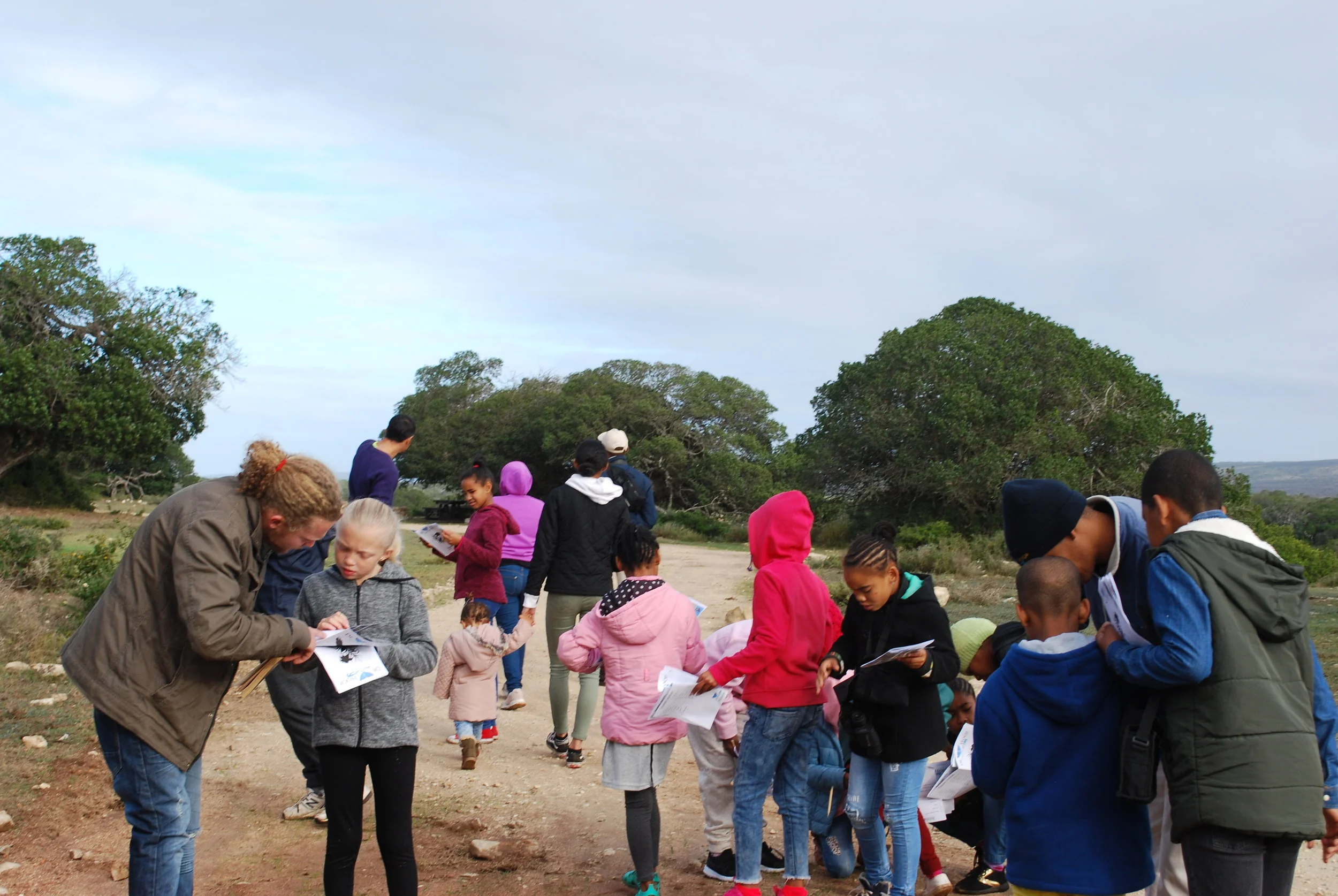
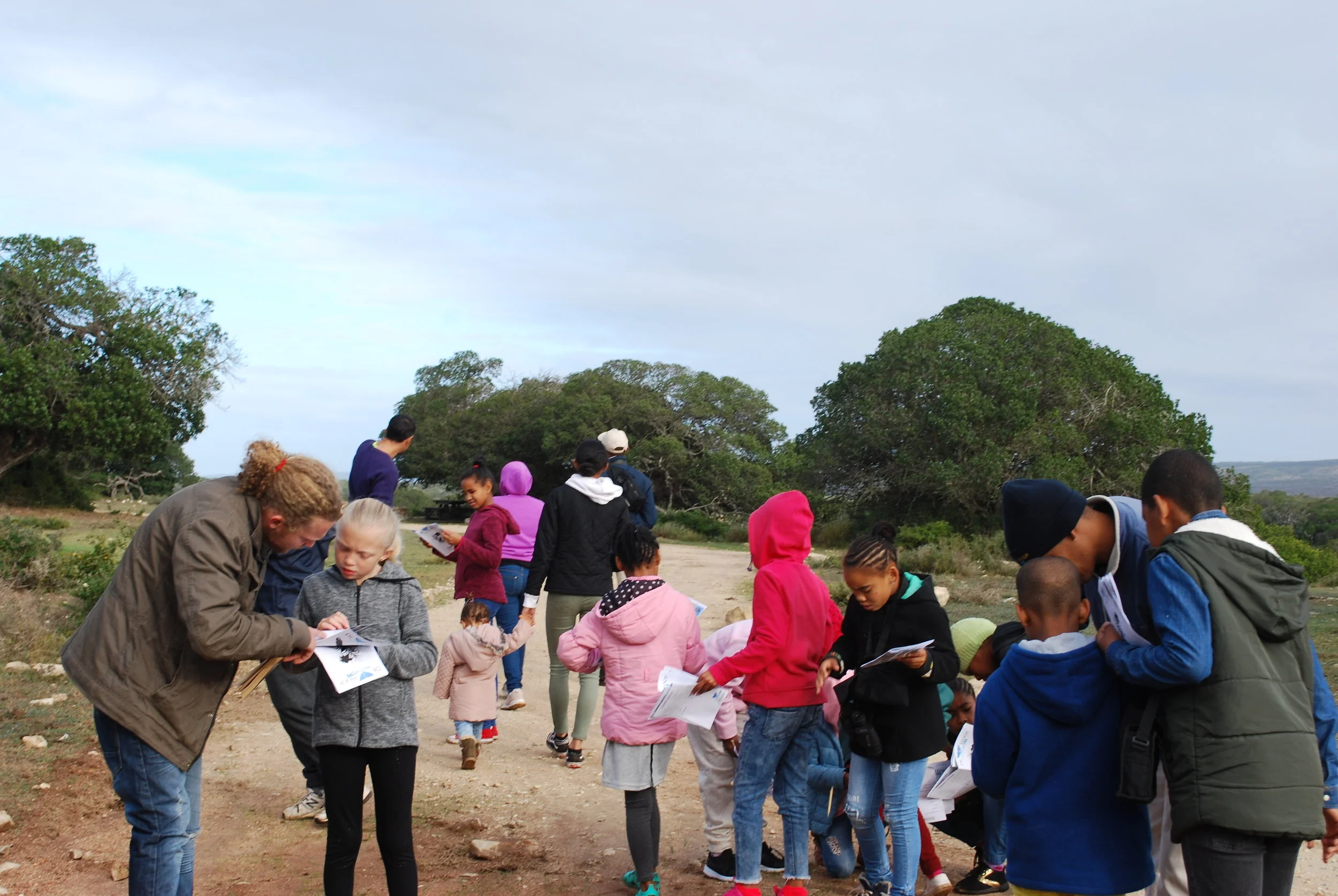
Identifying and naming new finds.

Identifying and naming new finds.

Cape Winelands Biosphere Reserve has co-facilitated and collaborated with organizations to arrange camps for youth from many different areas and backgrounds. Below is the recollection by a CWBR guide of a memorable camp. It was the first of its kind at De Hoop Collections, as part of a local outreach programme instigated by the De Hoop Collection guides, who had themselves already taken part in FGASA and Life Skill courses.  

De Hoop Community Outreach Camp June 2019

Recognising the CWBR bus and trailer approaching, the young girl increased her pace. She was still on her way to school with her bags for the weekend camp. As we pulled the bus into Nuwerus Napier Day Care Centre, her speed increased to meet us, as did her excitement and the size of the smile on her face.

To make a weekend camp possible, CWBR provided transport and equipment to De Hoop Collections, within De Hoop Nature Reserve. The camp was for 15 young people (aged between 2 and 14) and 2 teachers from the Day Care Centre. The principle of Nuwerus Napier Day Care Centre is herself a graduate from the first CWBR FGASA & Life Skills Guiding course. Before attending the course, she worked at the Day Care Centre as an assistant, and later at De Hoop Nature Reserve as a guide. However, feeling her deep conviction to make a difference in the lives of vulnerable young people in her community was not being fulfilled, she returned home to Napier and to the Day Care Centre.

Arriving at De Hoop, we were greeted with a magnificent view of the ocean, bright pink Protea repens and a wonderful welcome from the resident guides. They were anxious to get to know their young clients and prepare for the first camp activities. Without hesitation, the young people leapt on to the game-drive Landcruiser to go to the campsite. The sun would be setting soon. There were tents to erect and meals to cook.

That evening, the Team (Centre teachers, De Hoop guides and CWBR representatives) built a big fire in the middle of the boma and laid out a long table to seat everyone. They made a potje, and with an evening of games and great laughter, the young people were introduced to De Hoop, the Team and the weekend ahead.

Next morning the group rose early brimming with excitement to explore their surrounds. First, they ate a healthy breakfast at the long table and cleaned up to leave nothing for the baboons. Whilst CWBR made and cooked burgers for lunch, the group headed off for their first adventure – a walk around the inland lagoon.

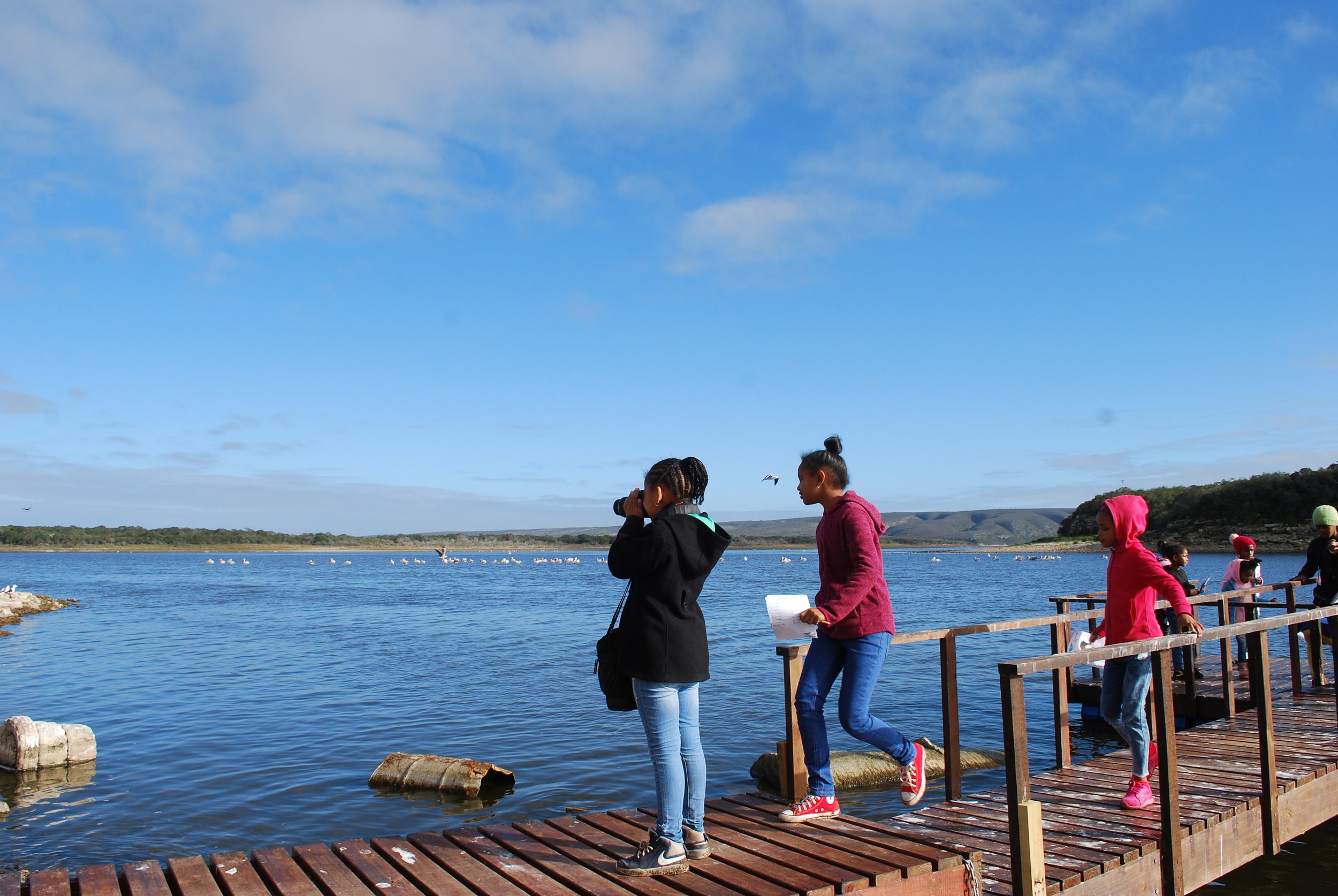
The walk gave an opportunity to watch hundreds of Dung Beetle grubs. There were sightings of giant Ostrich and many Bontebok. We watched great Pelicans and many other coastal birds diving for fish close to us in the lagoon. In the distance, clearly visible with binoculars, Flamingos displayed their pink beauty. The wonderful sights at the lagoon kept the group fascinated until it was time to head off for the rocky shore tour.

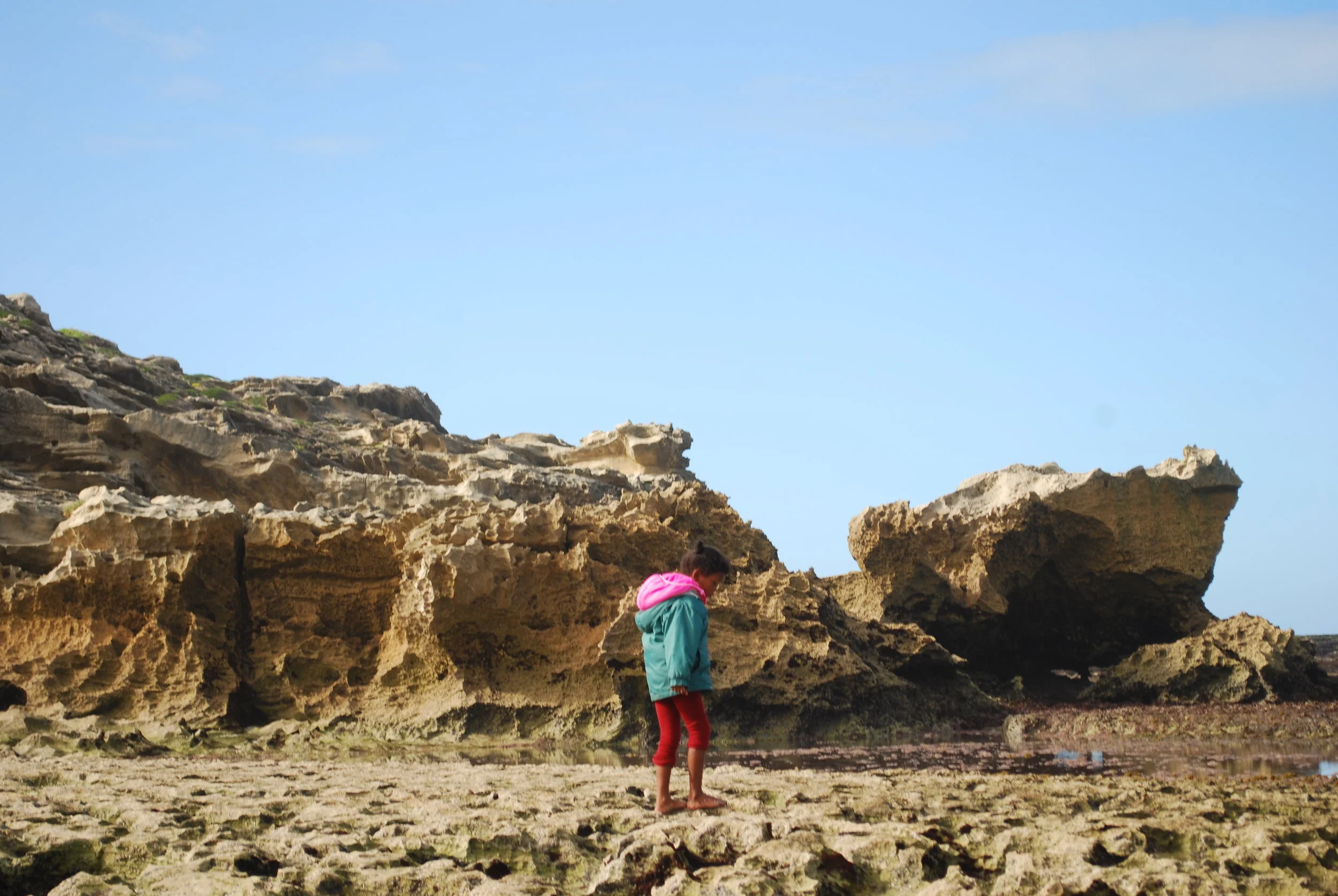
Being transported from inland adventure to seashore by game-drive vehicle - the group was thrilled! The principal guide for the seashore walk is a seasoned professional at De Hoop and has become a hero and role model for the young people of Napier. He and his colleagues explained some of the rich and diverse forms of life on the rocky shores.  They discovered many creatures of all colours and shapes previously unknown to the group. A lucky find was an Octopus! Along the walk the group collected rubbish washed up on the beach and learned what happens when we pollute.

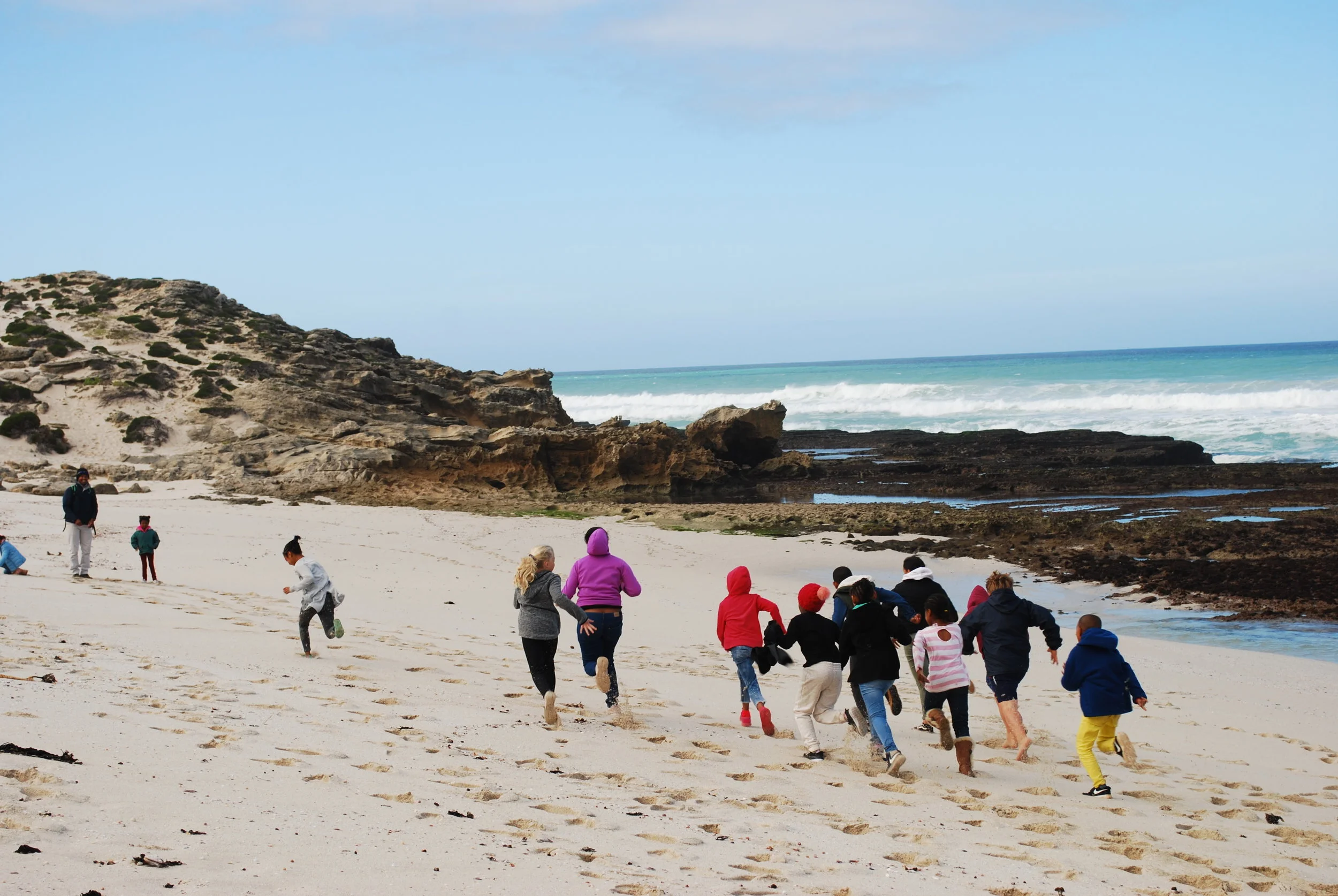
When we reached the sandy beaches, the urge to swim overcame inhibitions and the children splashed in the shoreline of the ocean. Returning to camp, the group warmed up with cups of tea.

With energy levels revived, the group put together ingredients for that night’s meal and headed, with their guides, for the protection of the boma. As the food was cooking, the group was introduced to the night skies – an experience enhanced by the arrival of marshmallows for the fire.

Packing and a hearty breakfast feast followed an early rise and shower next morning.  The group set off for another short adventure, which enabled the remaining guides and CWBR staff to discuss our work together, share experiences and learn from each other. It was a great opportunity to show off and test individual skills and knowledge.

Saying farewell to our hosts and colleagues was hard. Nobody wanted the weekend to end. With great joy, appreciation and fond memories, we waved goodbye to De Hoop and headed back to Napier.

Back at the Centre, we said our goodbyes to the principle and her colleagues.

Many thanks indeed to all who made the weekend possible, especially the wonderful people of Nuwerus Napier Dagsorg.

Using binoculars and cameras throughout the camp to see and document the animal and plant life

Using binoculars and cameras throughout the camp to see and document the animal and plant life

The beach was a highlight for most, with discovery of new creatures, fresh saltwater and sand.

The beach was a highlight for most, with discovery of new creatures, fresh saltwater and sand.

Experiencing new environments and textures.

Experiencing new environments and textures.