Posts in 2022 Archive
A day in the life of a MARINE BIOLOGIST

World Ocean Day, 8th June 2022

"The best scientists and explorers have the attributes of kids. They ask questions and have a sense of wonder. They have curiosity. Who, what, where, why, when, and how!" – Dr Sylvia Earle, American marine biologist, explorer, author and lecturer

Many people around me or who I meet, grew up wanting to be a marine biologist. On asking why, the most common answer is “to work with the whales and dolphins”. Confession: I am, in fact, one of those kids who wanted to work with the whales and dolphins. However, I continued to dream about studying marine biology and yes, I still got to work with and on whales and dolphins during my career, but I also got to work on other interesting animals, mainly on marine invertebrates (i.e. an animal without a backbone). After years of academic studies, I finally became a marine biologist specialising in tiny marine creatures called moss animals or bryozoans. The most familiar marine invertebrates include crabs, corals, sea anemones, jellyfish, sea stars, sea urchins and shrimp.

As a marine biologist, my journey to studying the ocean started from a young age. Like other marine biologists, we all share a fascination for marine life and study anything from the largest whale down to tiny plankton, microbes, and even the seawater itself. We may also assess the impacts of human activities on our marine life. We are obsessed with data collection and data analysis, because marine biology is not just about exploration, it is a science.

Now, let's take a closer look at what a day for a marine biologist is like.

Preparing for the Day

Most of my fellow marine biologists would agree, a good cup of coffee is how we start the day! Whether it be caffeinated or not, we believe in a good coffee ritual. Not surprisingly, in an annual survey done in 2011 on U.S. coffee consumption trends in the workplace, they found that scientist and lab technician professions are the heaviest coffee drinkers.[1]

There is no such thing as a ‘typical day’ for most marine biologists. How and what you prepare for your day is also dependent on what type of marine biologist you are. That’s right, there are different types of marine biologists like you have different types of medical doctors who specialises in a field, for example paediatricians, cardiologists and obstetrician-gynecologists.[2]

Many marine biologists work under job titles such as wildlife biologist, zoologist, fish and wildlife biologist, fisheries biologist, conservation biologist and so forth. As a curator of marine invertebrates working with biological museum collections, I spend my time caring for and managing the collections, dealing with queries from researchers interested in the collections, and assist in coordinating scientific exhibitions. Marine biologists may also spend a significant amount of time outdoors when conducting research.

In the Field

Fieldwork often involves working on sea vessels (i.e. boats and ships) to locate, tag, and monitor marine animals and their movements, to collect seawater samples and collect samples of plants and animals. Some people experience seasickness or motion sickness on sea vessels, while others do not. Seasickness can affect anyone and may cause nausea and vomiting, and fortunately there is anti-nausea medication available to reduce the risk of getting sick.

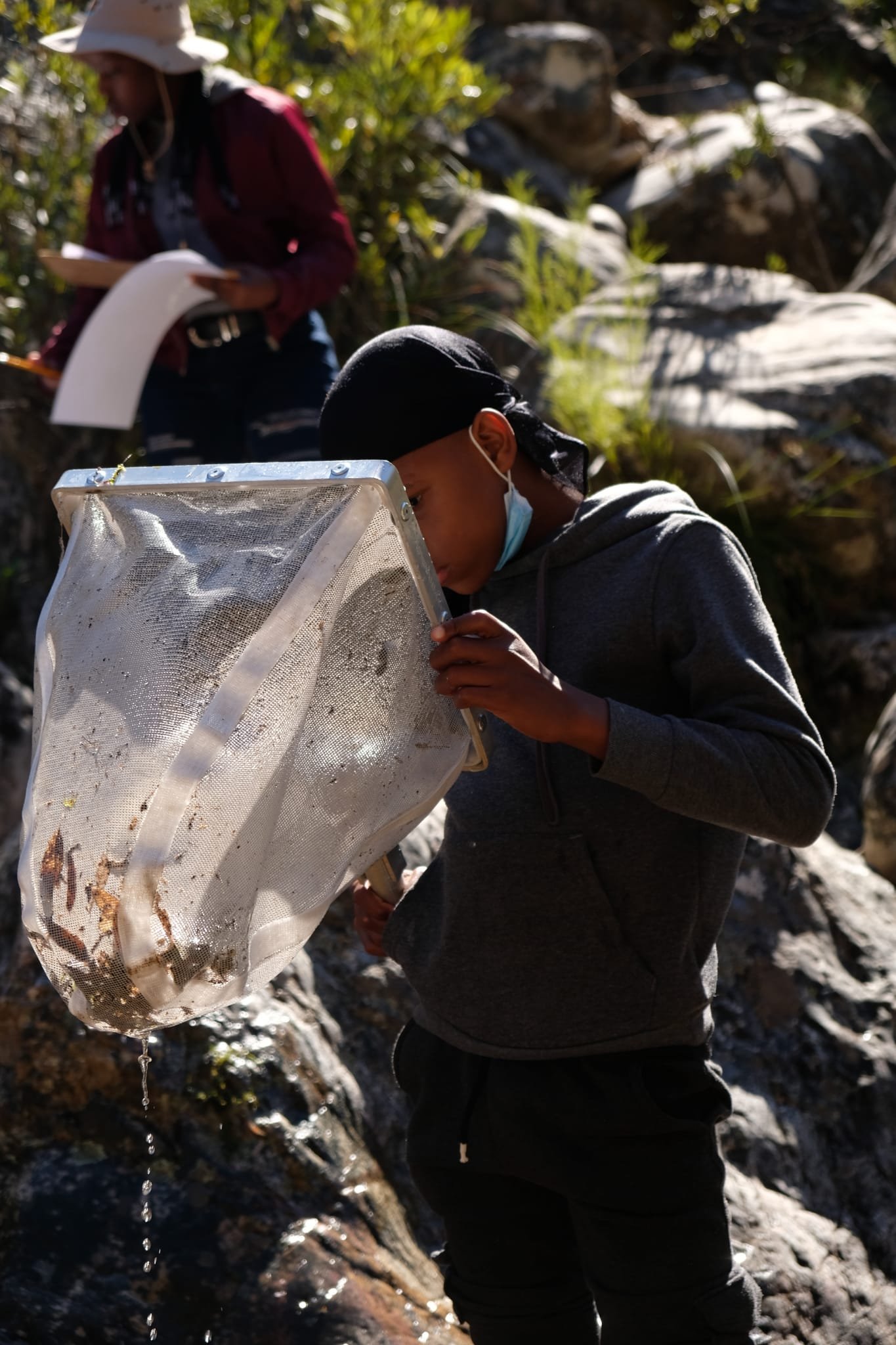
Fieldwork is planned ahead of time because we need fairly good weather conditions – it would be difficult to collect any samples in gale force winds or storms! Some days we have to SCUBA[3] dive and collect samples up to 30 meters deep. We also need research assistants, equipment, and tools for the field. The amount of time spent in the field varies greatly depending on the data being collected.

(Left) An early morning start to the day during low tide at the rocky shore with buckets to collect specimens. (Right) Dense mussel beds are a common sight in some parts of the coast. This is the invasive Mediterranean mussel, Mytilus galloprovincialis Lamarck, 1819. Photo credits: Dr Kevin Ma

(Left) An example of packing for fieldwork including air cylinders and weight belts for SCUBA diving, containers and small tools. (Right) Some people get seasick, while others (clearly) do not.

As much as we plan our fieldwork, sometimes there are animals that wash up onto the shore and we are contacted by the authorities to assist and collect the (dead) specimens for research. There are many reasons animals – sometimes hundreds at a time – wash up on beaches worldwide, and may include an illness, injury or disorientation. Common animals that wash ashore are whales, giant squid, jellyfish, and sharks – sometimes these animals are still alive, and authorities are able to assist them. The most recent story that made headlines is the giant squid that washed up at Kommetjie Beach in Cape Town.

In the Laboratory

The samples collected needs to be sorted, labelled and stored typically in glass jars or bottles with seals until further examination. We commonly use ethanol or isopropyl alcohol as a fluid preserve. This method of preservation causes a chemical alteration of the specimen and can lead to discolouration, shrinking, or swelling of the specimen, but ultimately these collections are able to last for hundreds of years! As for time spent in the field and laboratory, this may only be about 20-30% of our time.

(Left) Orange thread-gilled worm Cirriformia capensis (Schmarda, 1861) collected in Kleinzee, Northern Cape. Photo credit: Kevin Ma (Right) The same specimen after being fixed and stored in ethanol, note the discolouration and shrinkage.

At the Desk

In reality, we spend nearly 80% of our time at our desk! Analysing data, writing scientific papers for publication in scientific journals, budgeting, writing reports and funding proposals, as well as designing, supervising and implementing research projects are part of a marine biologist’s life. It sounds tedious, some tasks are, but overall I love being a marine biologist! According to a survey, marine biologists in the U.S. are one of the happiest careers.[4] Scientific careers can be challenging, but it is worth noting that “No matter what comes your way, let passion drive your profession, and never forget to have fun while doing it.” – Leila Nefdt, South African marine biologist and Director of Sea the Bigger Picture NPO

[1] Robbie Gonzalez. 10 February 2012. Here are the fifteen professions that drink the most coffee. Guess who's number one. Accessed on 6 June 2022, https://gizmodo.com/here-are-the-fifteen-professions-that-drink-the-most-co-5948206.

[2] Kathryn Whitbourne. 26 January 2020. What Are the Different Types of Doctors? Accessed on 6 June 2022. https://www.webmd.com/health-insurance/insurance-doctor-types

[3] The acronym ‘SCUBA’ stands for “self-contained underwater breathing apparatus”.

[4] CareerExplorer. Are marine biologists happy? Accessed 9 June 2022, https://www.careerexplorer.com/careers/marine-biologist/satisfaction/

Weekend at De Hoop

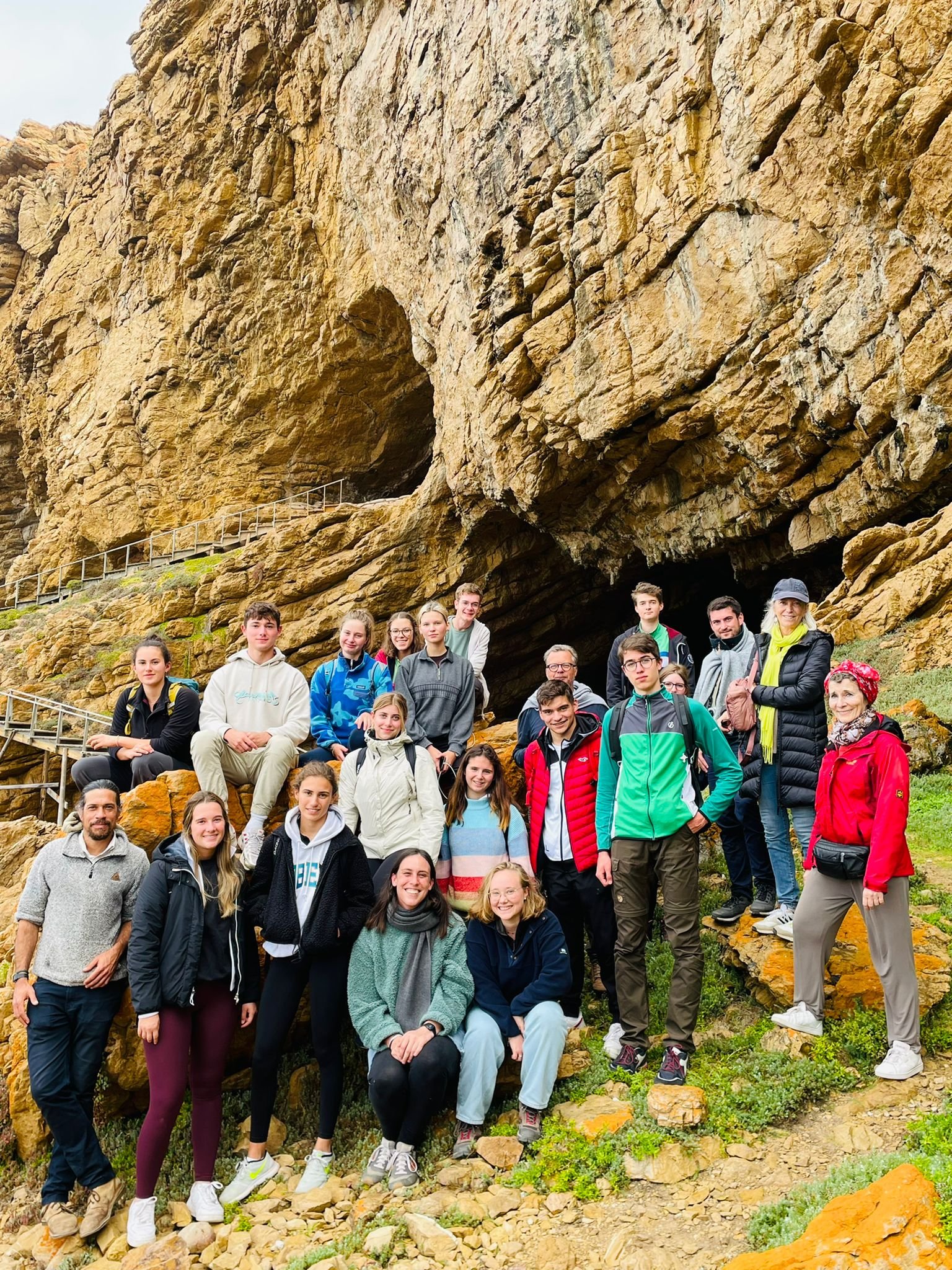
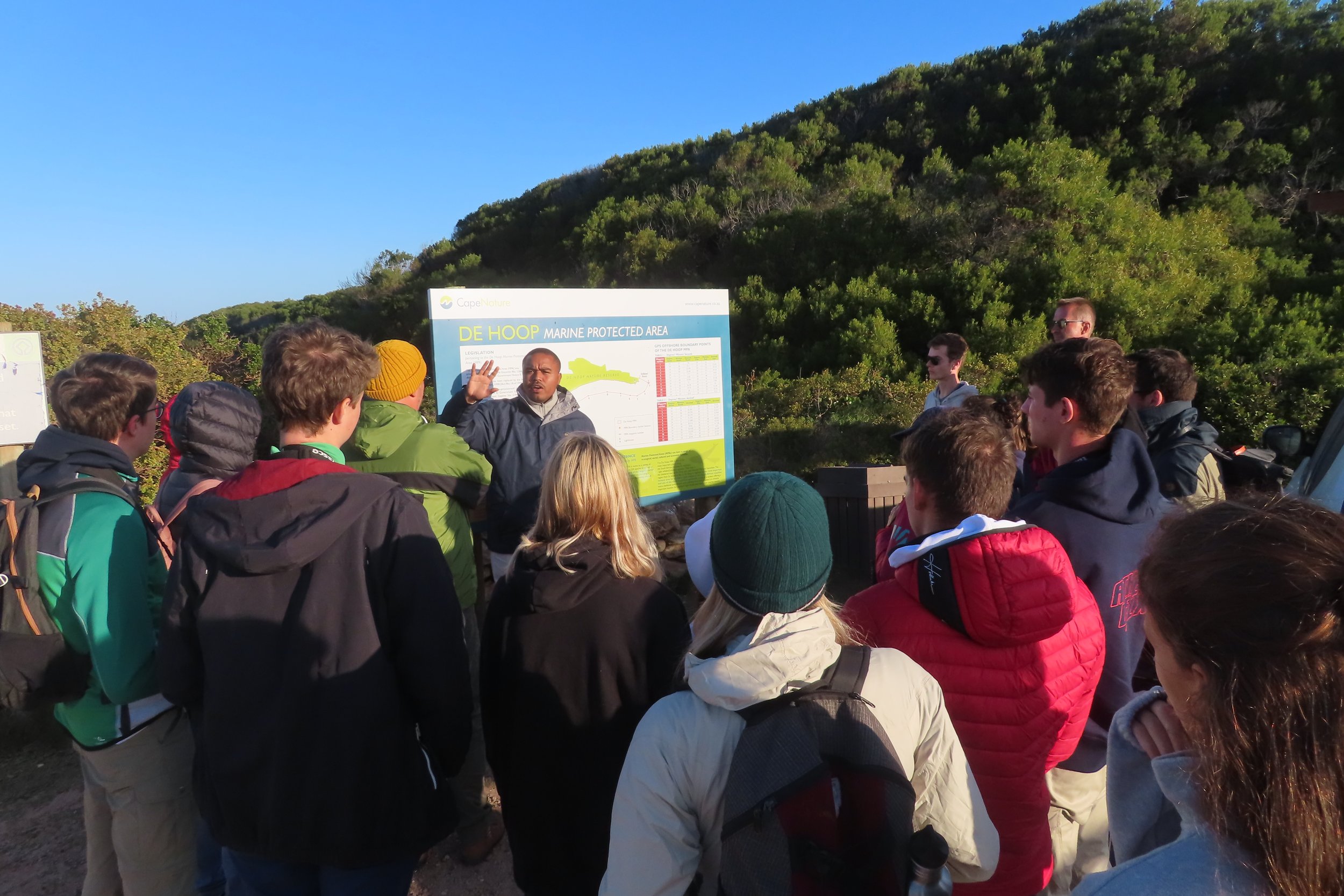
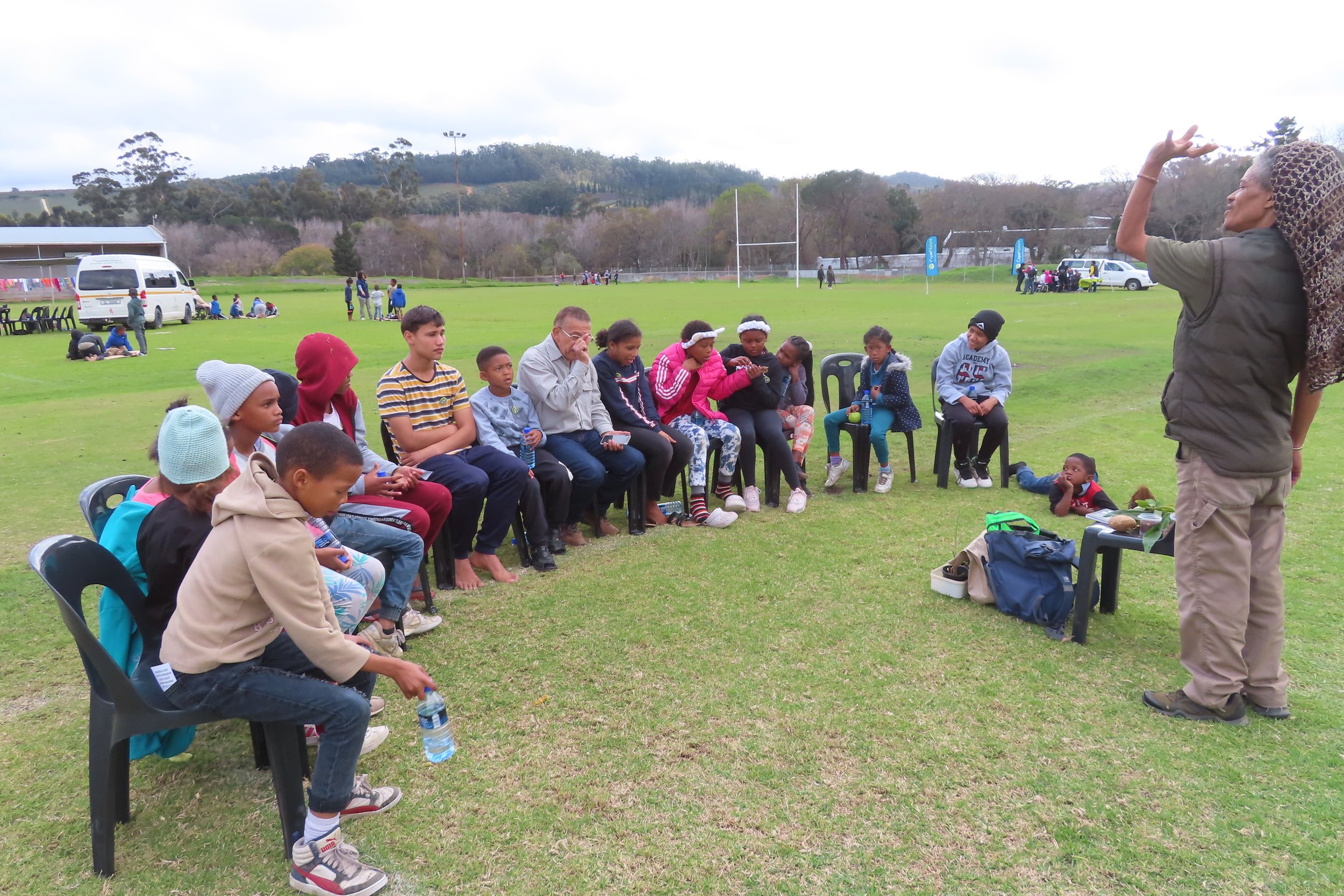
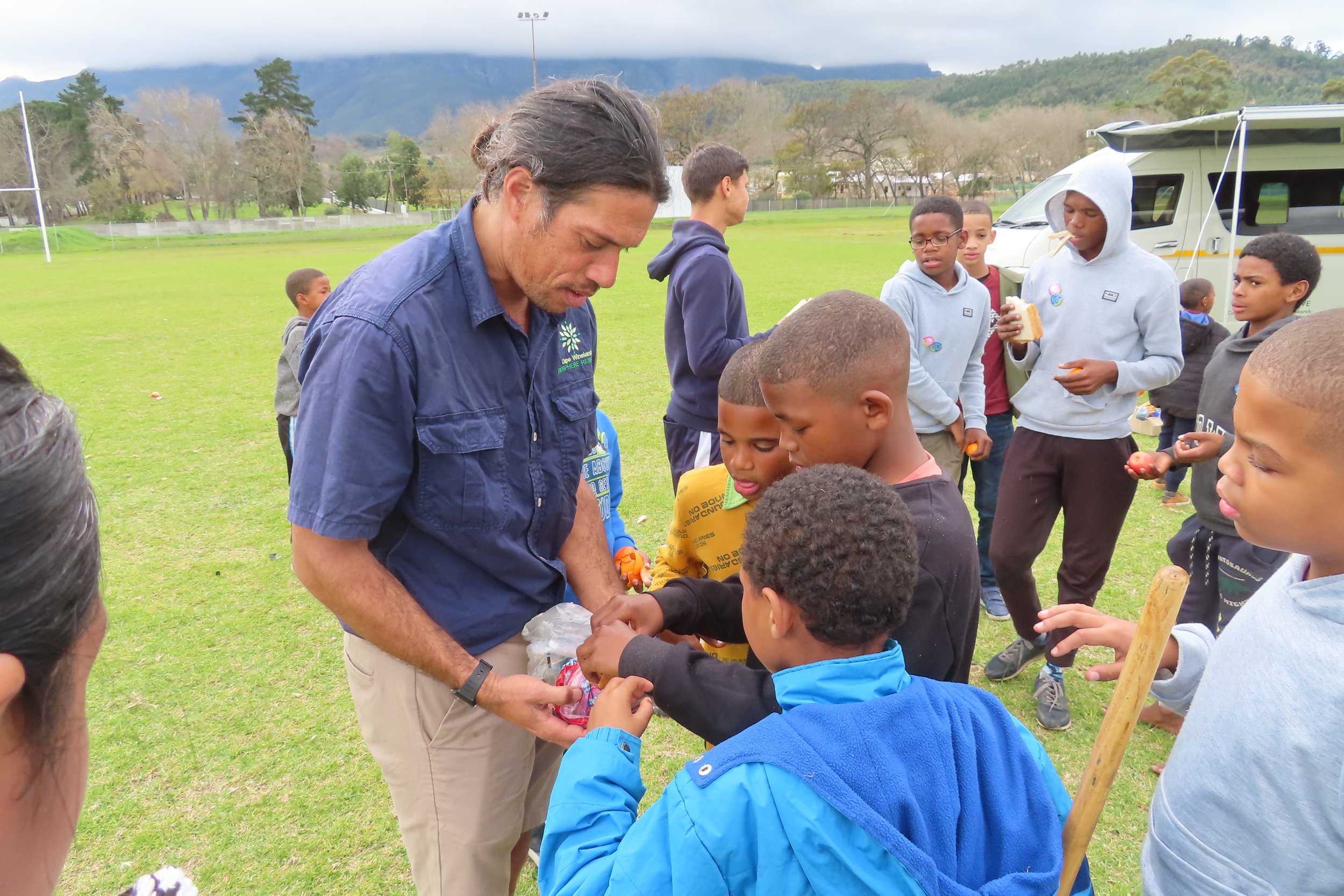
The CWBR team and volunteers, together with four students from a Belgian University, travelled to another area of the Cape Floristic Region this weekend: De Hoop Nature Reserve. An area known for its lowland fynbos. The whole team assisted De Hoop Collection with their Social Outreach Programme. Children from Napier, an inland town, part-took in a weekend of camping, exploring, and experiencing the pristine rocky shores and ocean.

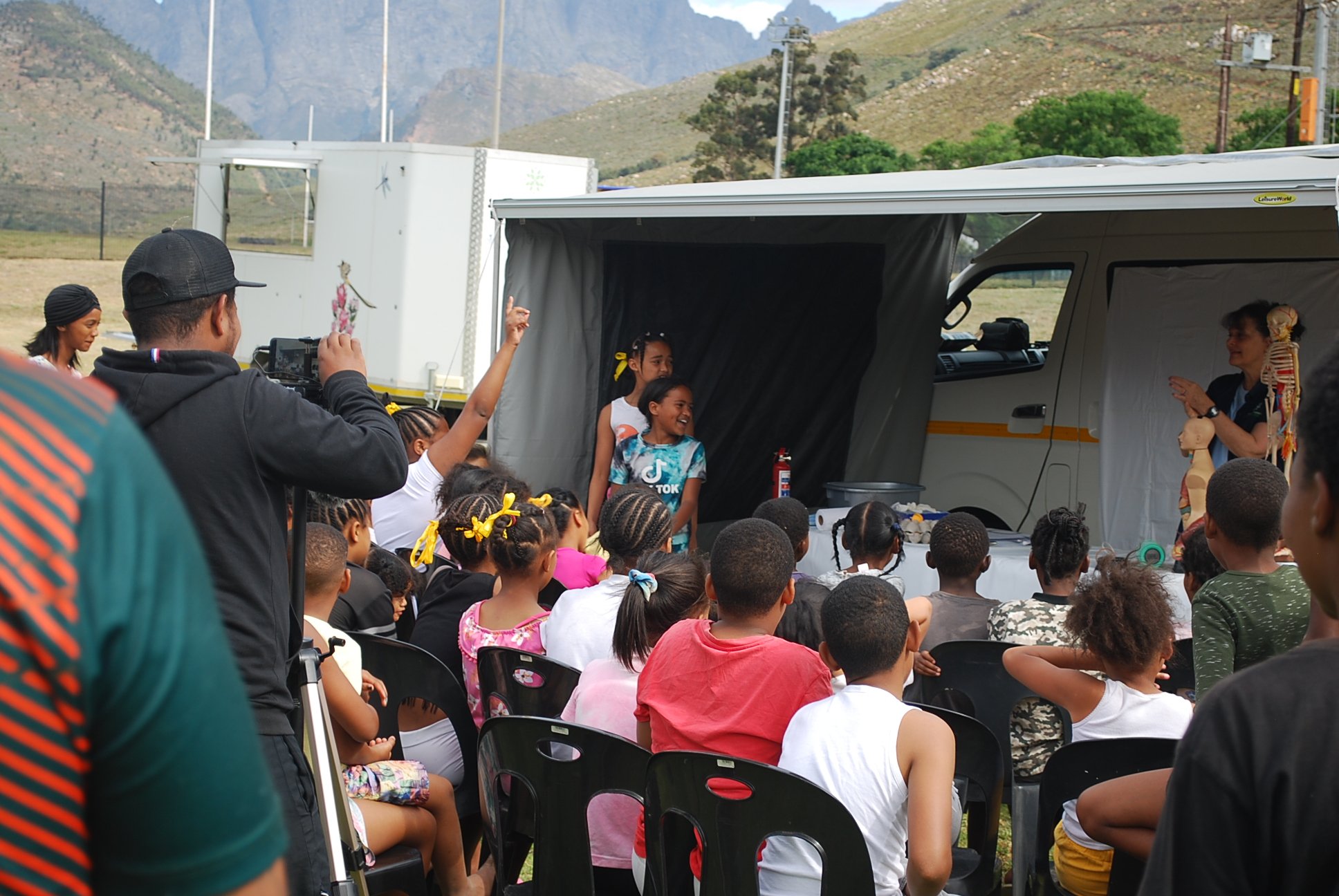
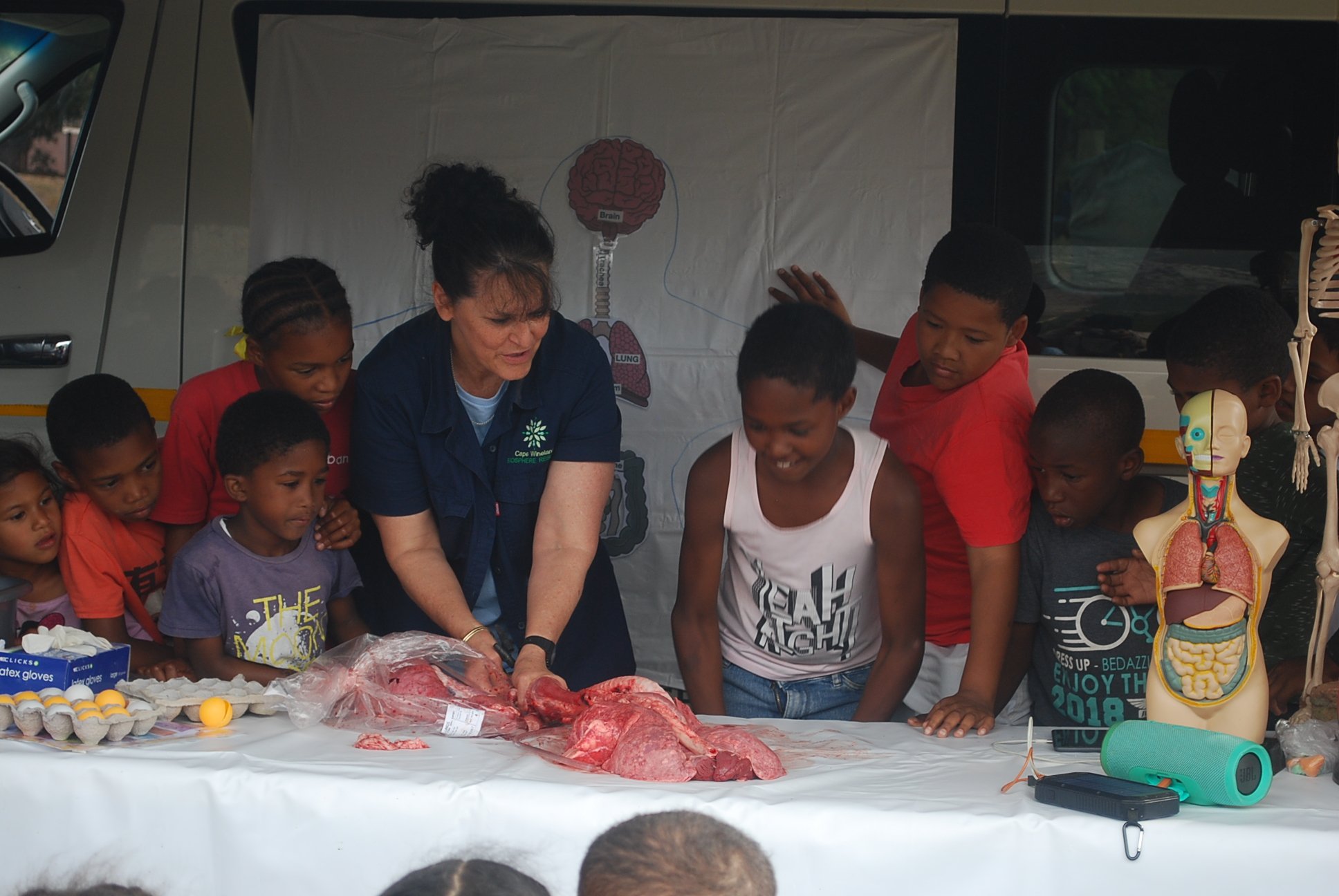
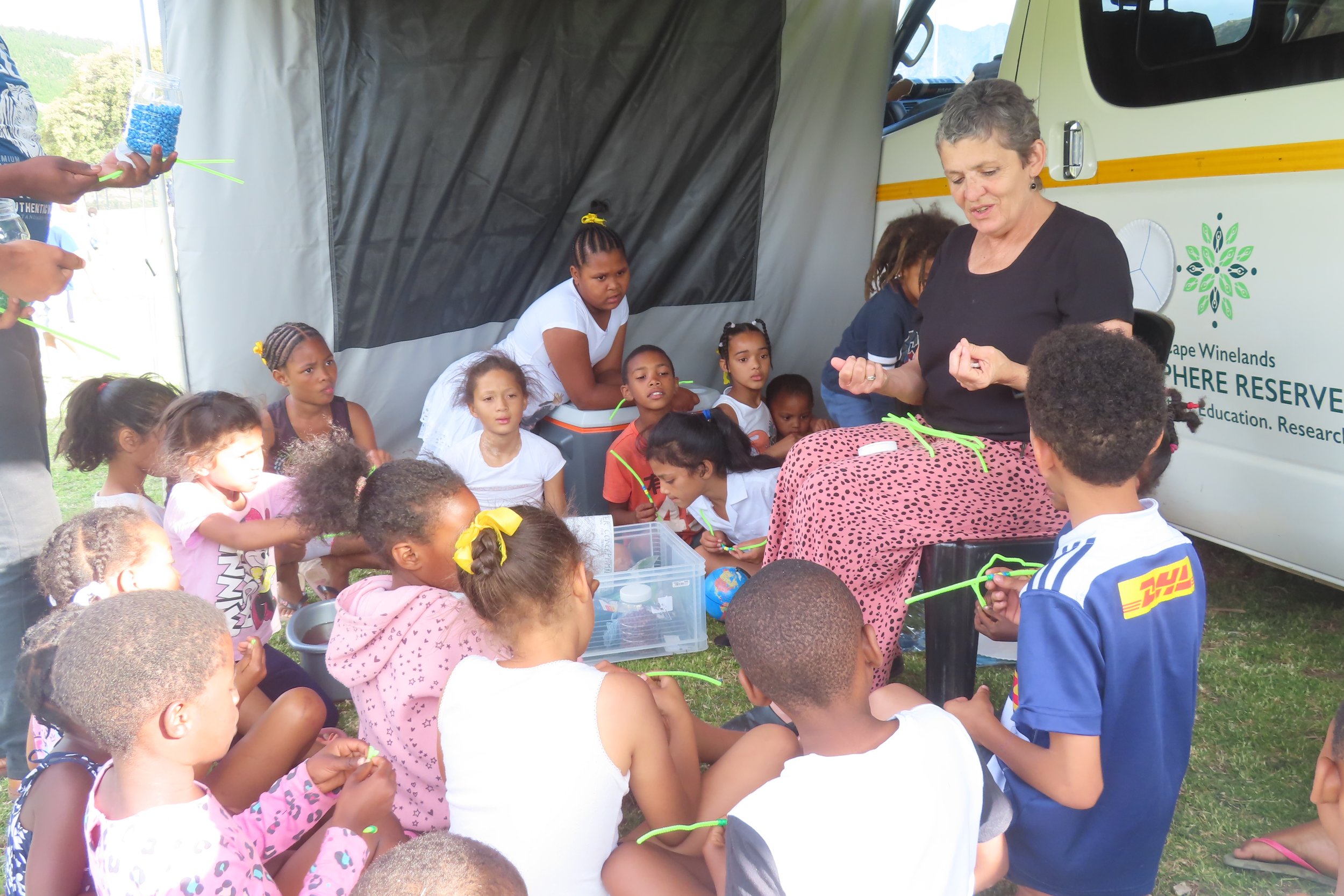
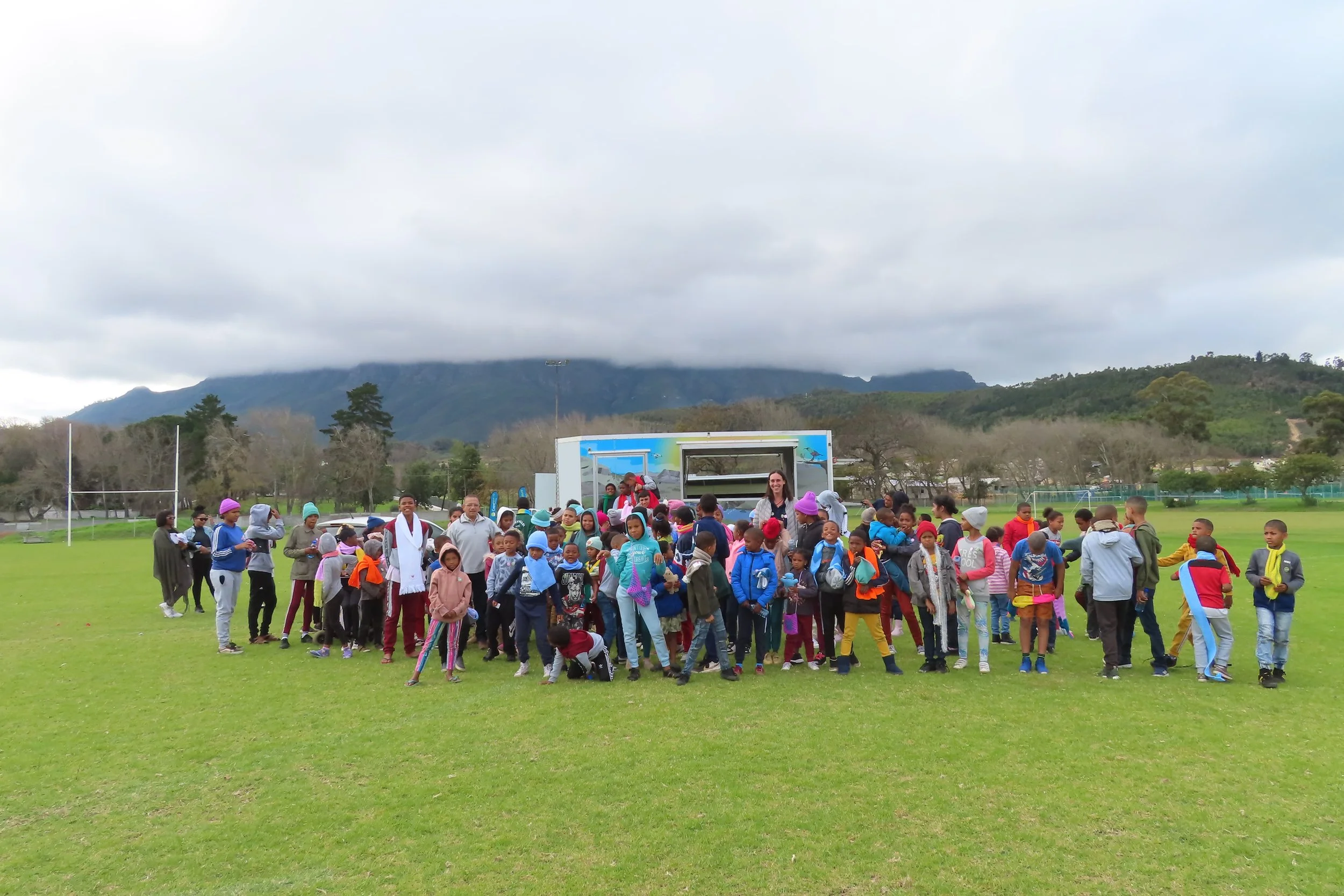
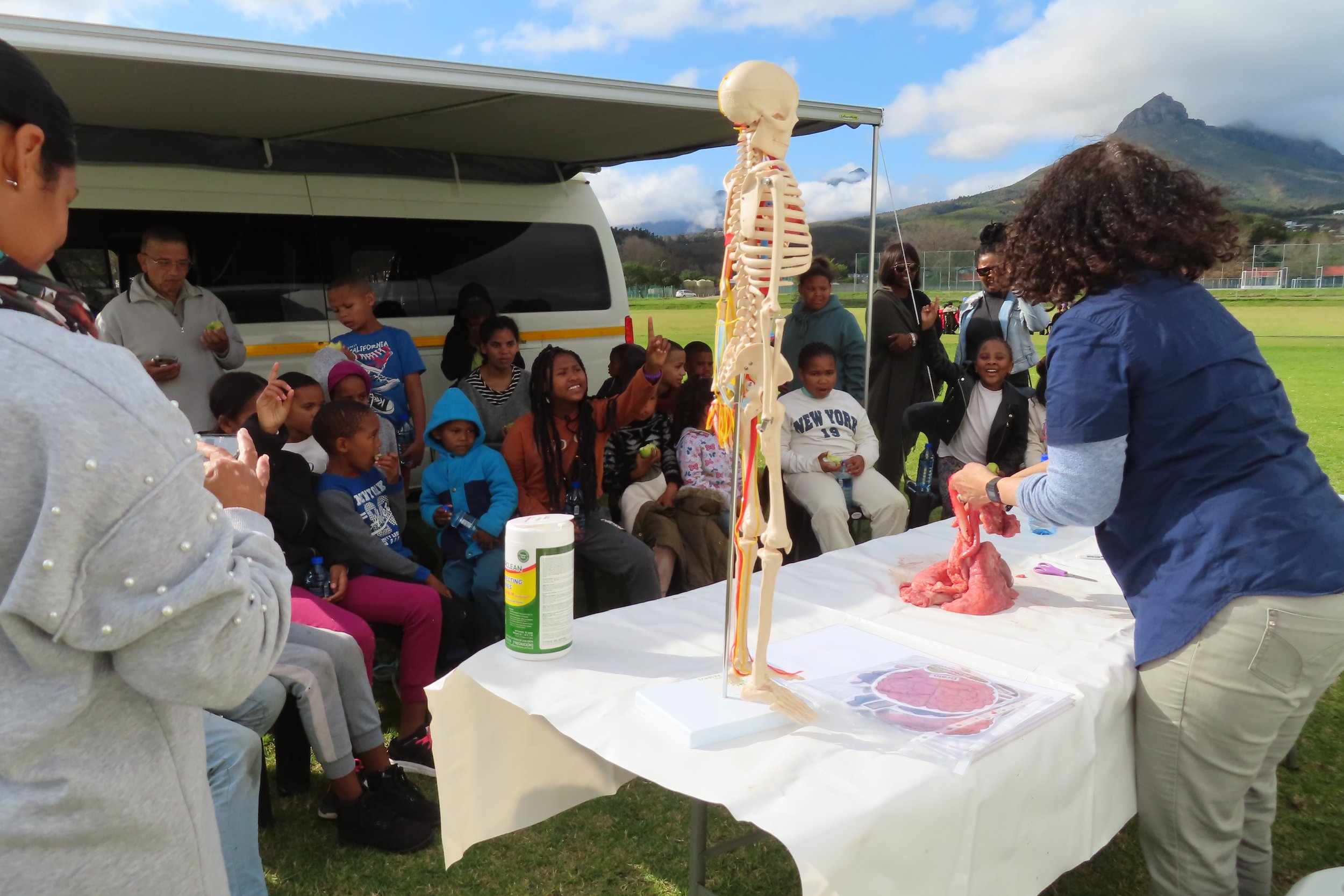
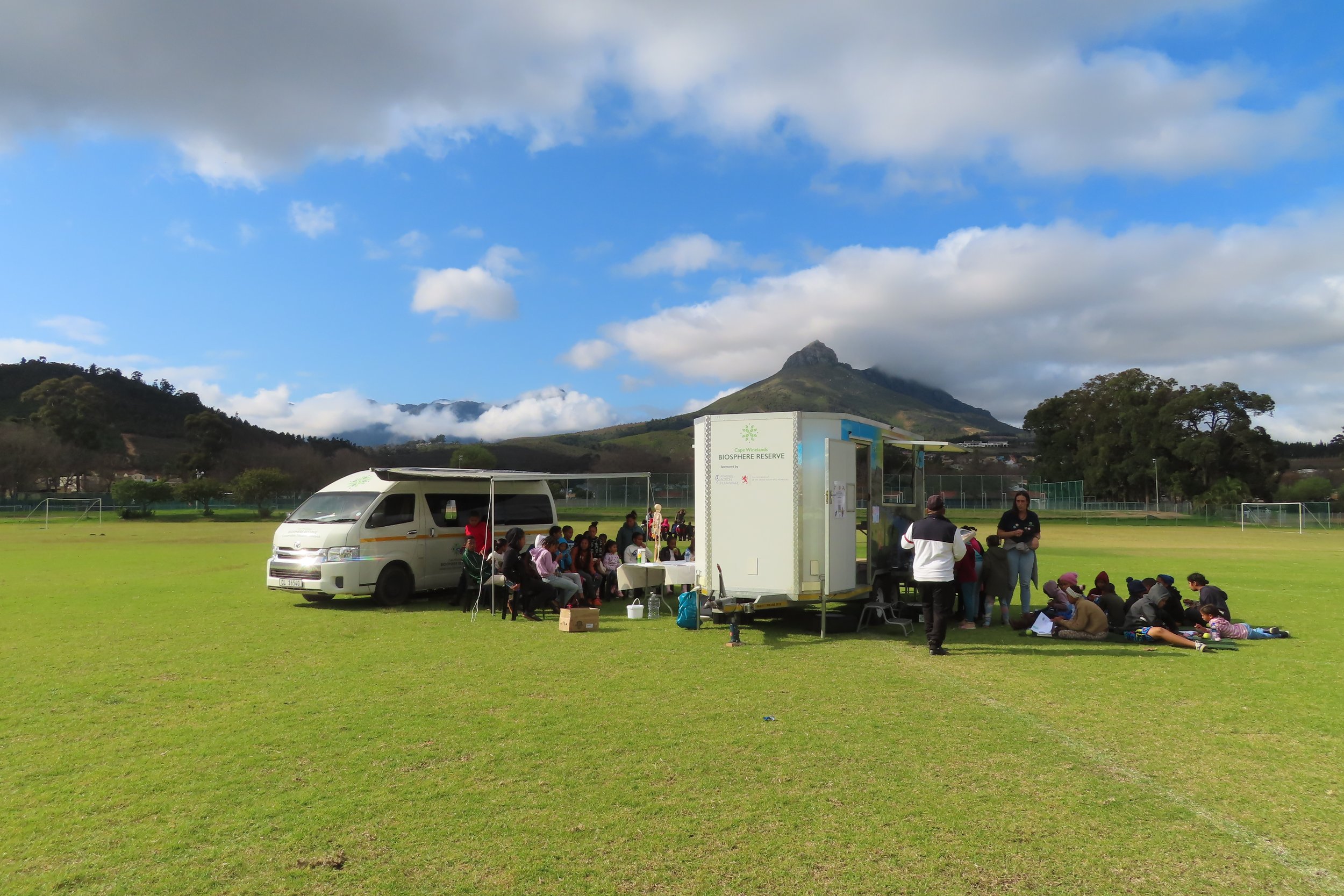
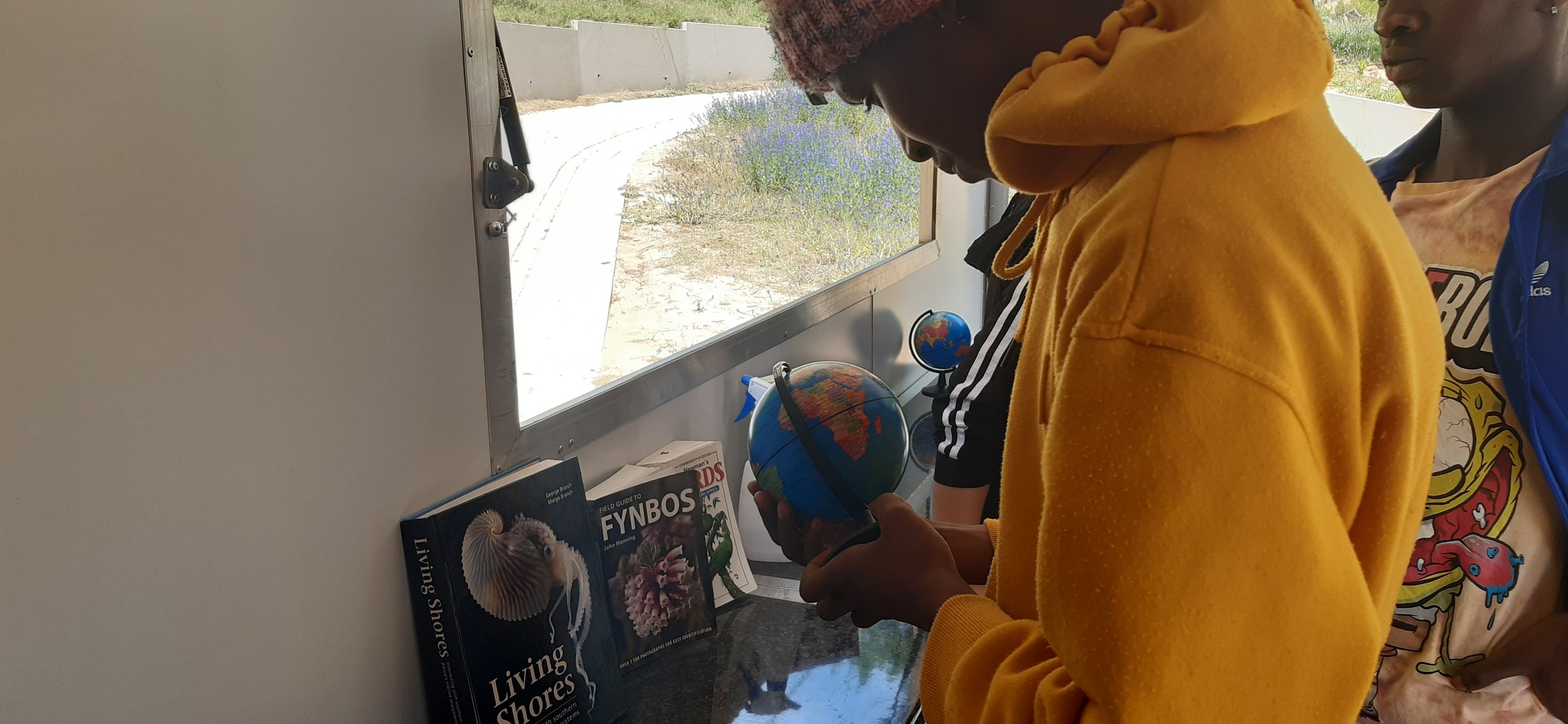
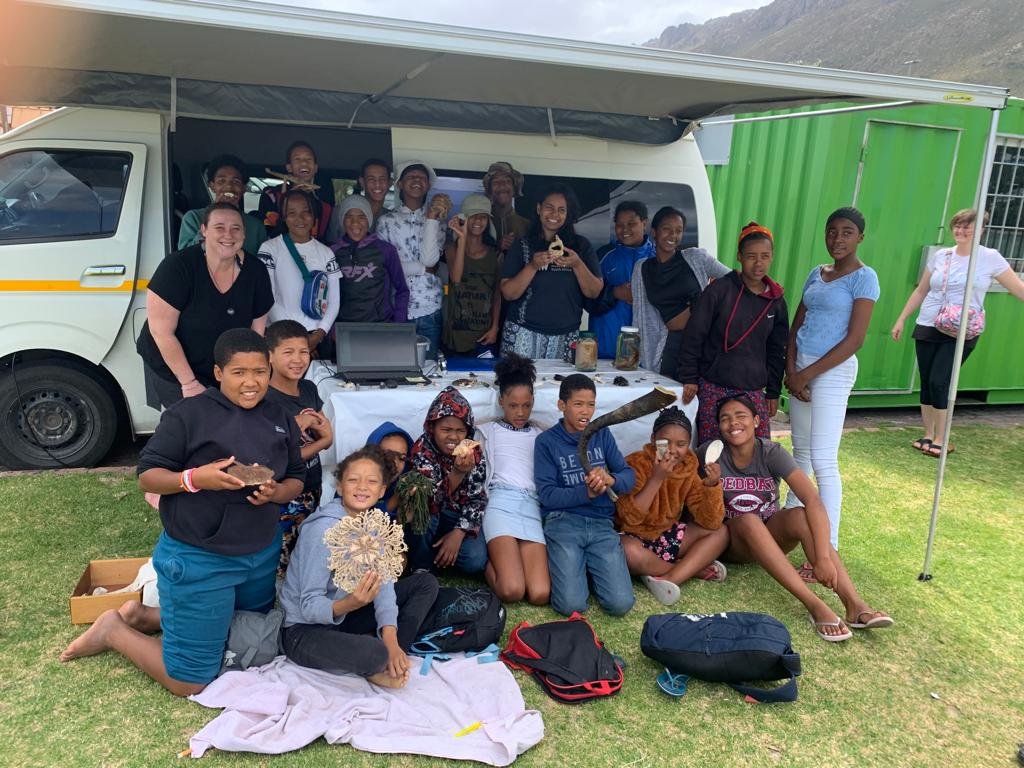
The CWBR educational trailer STEAM-Y was brought along for fun-filled hands-on activities and learning about human and animal anatomy. Big thank you to all involved! Check out the clip from the weekend, filmed and produced by our volunteers.

City Nature Challenge 2022

We would like to share some exciting news from our biosphere reserve! In 2021, the Cape Winelands Biosphere Reserve (CWBR) team joined the iNaturalist community. A project page of our biosphere reserve was created, promoting Citizen Science. This year we entered the worldwide City Nature Challenge and alongside other members of the Stellenbosch community in different areas of Stellenbosch, we competed together for the title of most biodiverse city in the world.

Each year, the competition takes place over four days, from the end of April until the beginning of May. The goal is to have the most participants in the competition, and photograph as well as identify as many species of fauna and flora as possible. The rich beautiful biodiversity we are surrounded by is shared globally, while also having the opportunity to contribute to important research through the iNaturalist app. 

On Saturday, with the educational STEAM-Y* unit, set up outside of the Jonkershoek Nature Reserve entrance, the CWBR team spread awareness of the City Nature Challenge and engaged with the public to part-take in the competition. Before entering the reserve, people passing by could see the live statistics on the TV screen by STEAM-Y, as the competitors photographed and uploaded different species of plants, reptiles, insects, and birds. The CWBR team photographed the biodiversity in the area to contribute to the competition. 

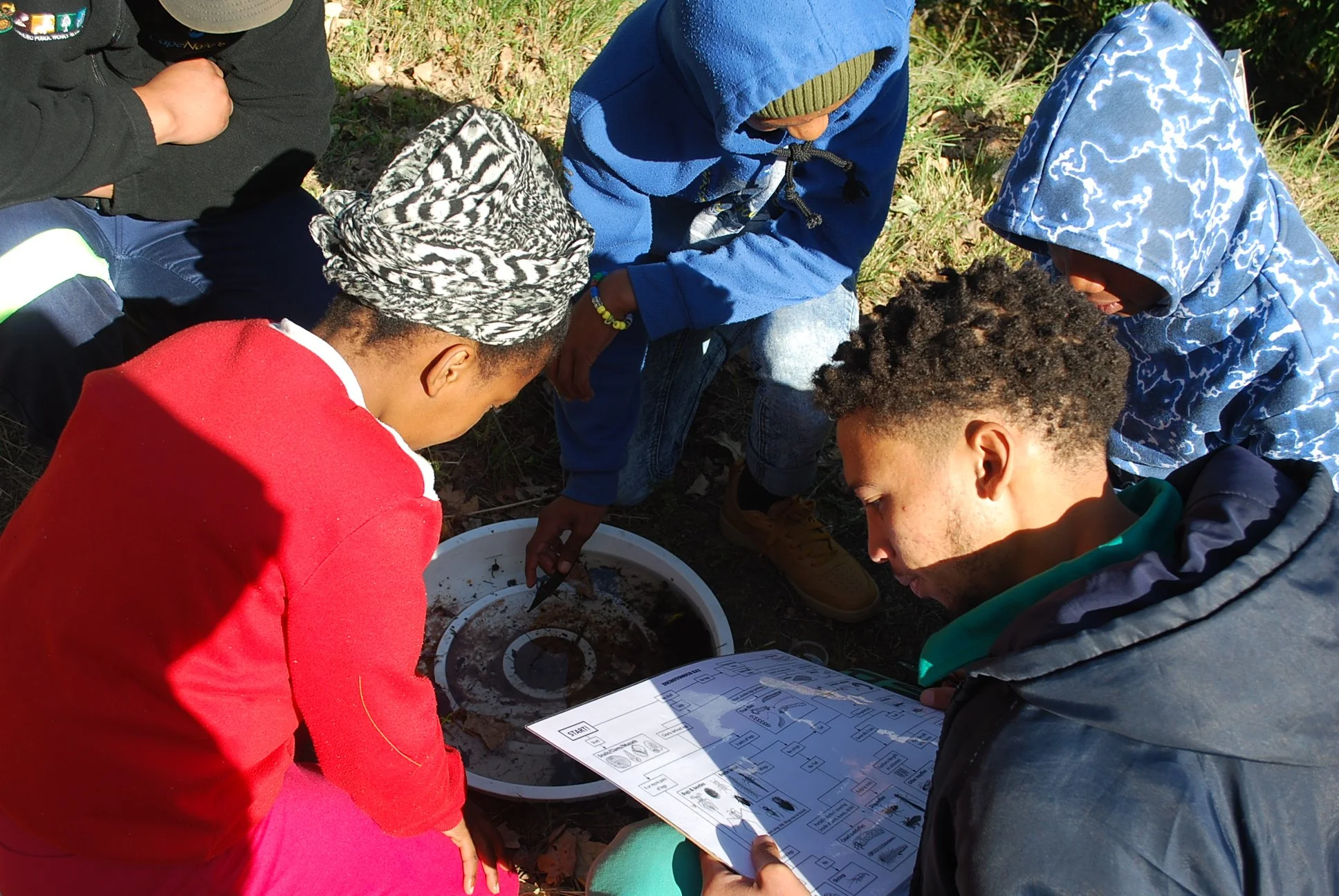
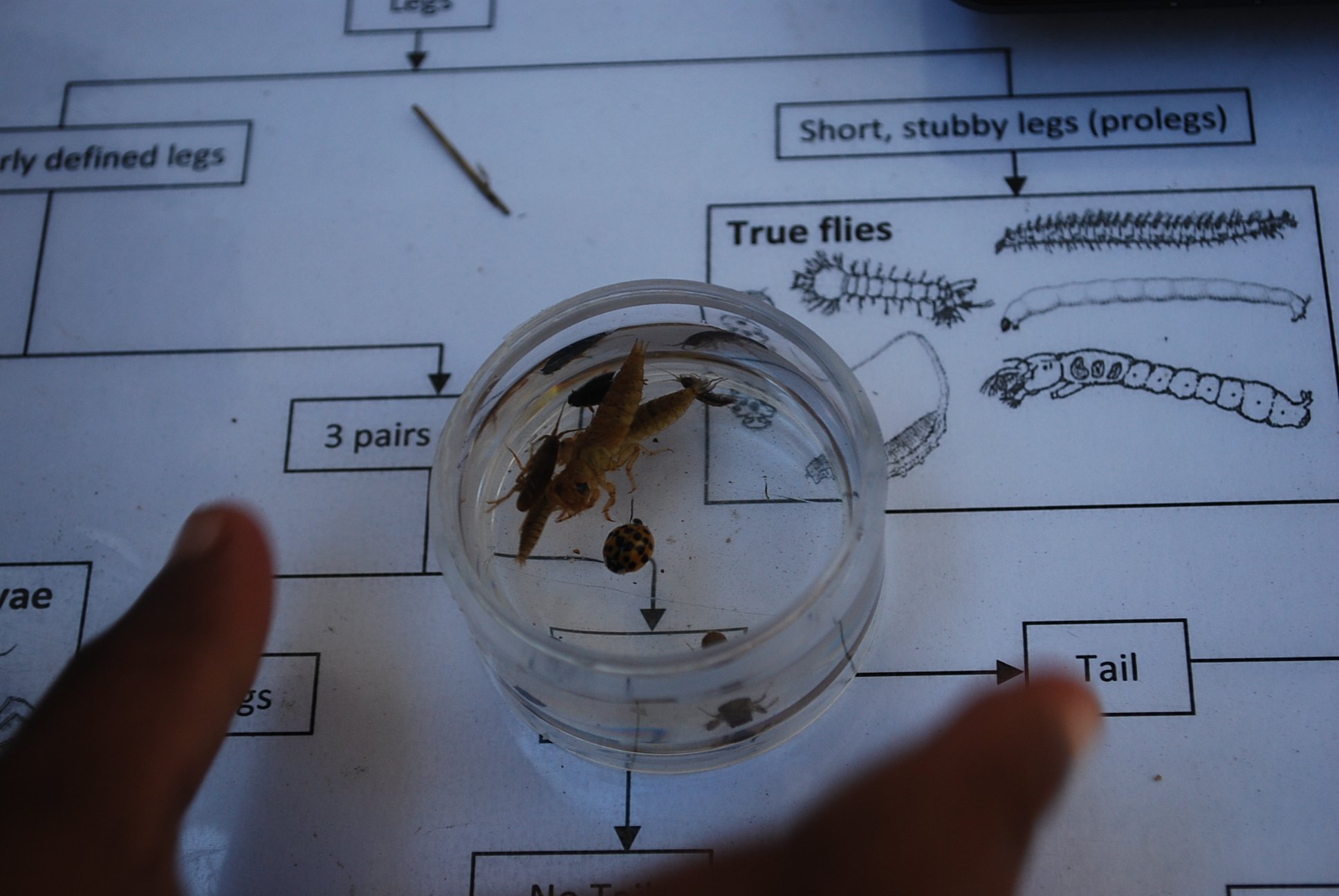
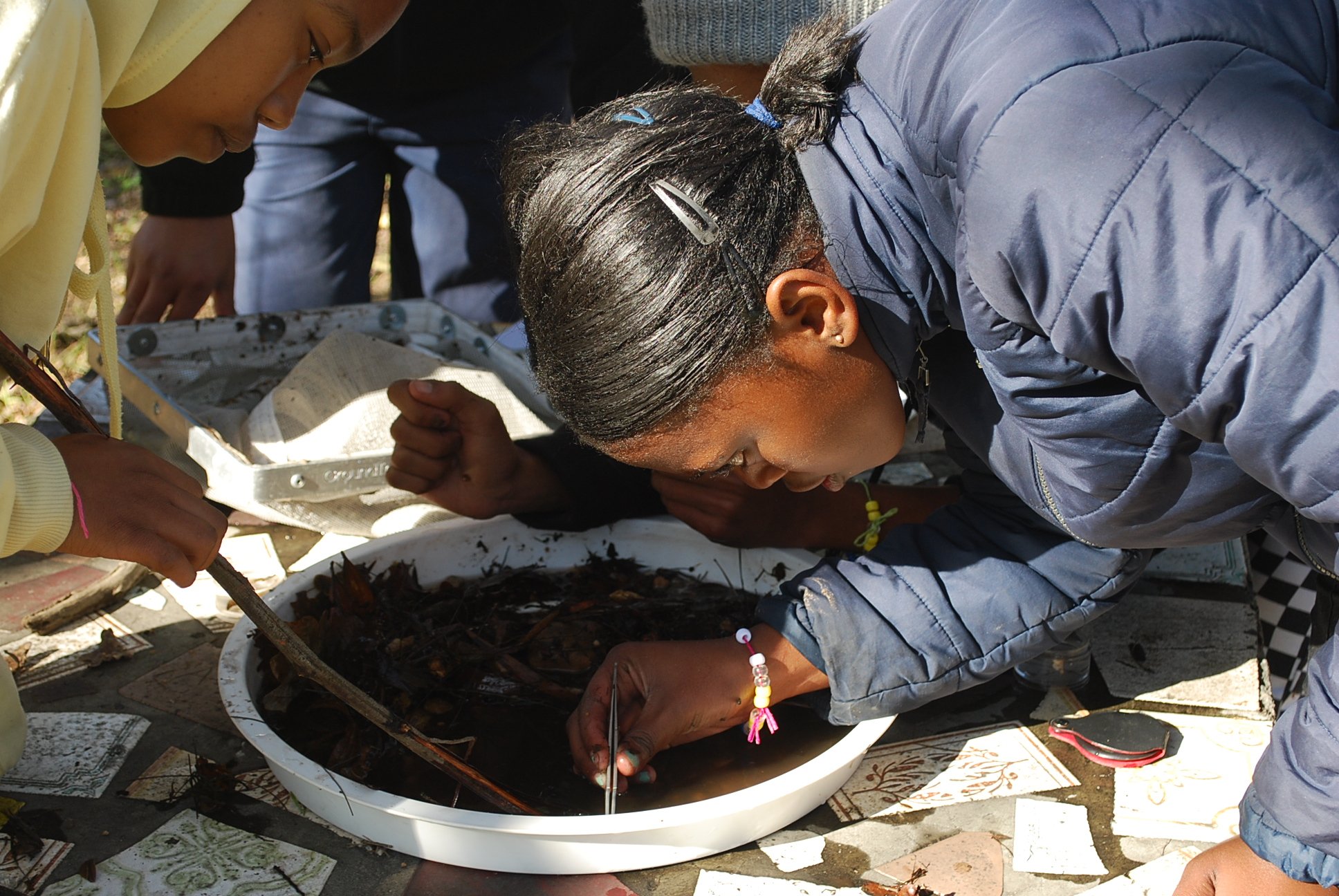
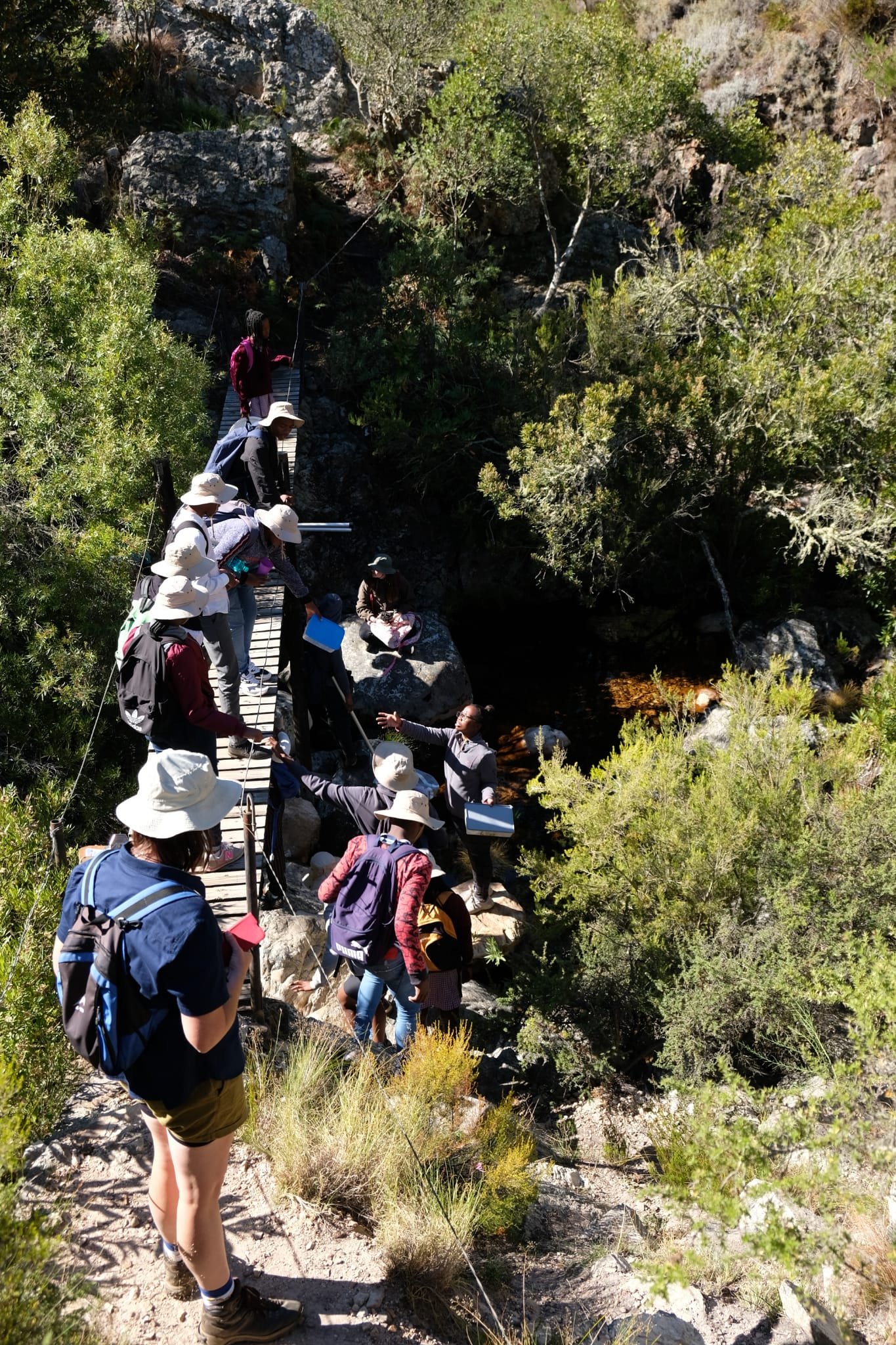
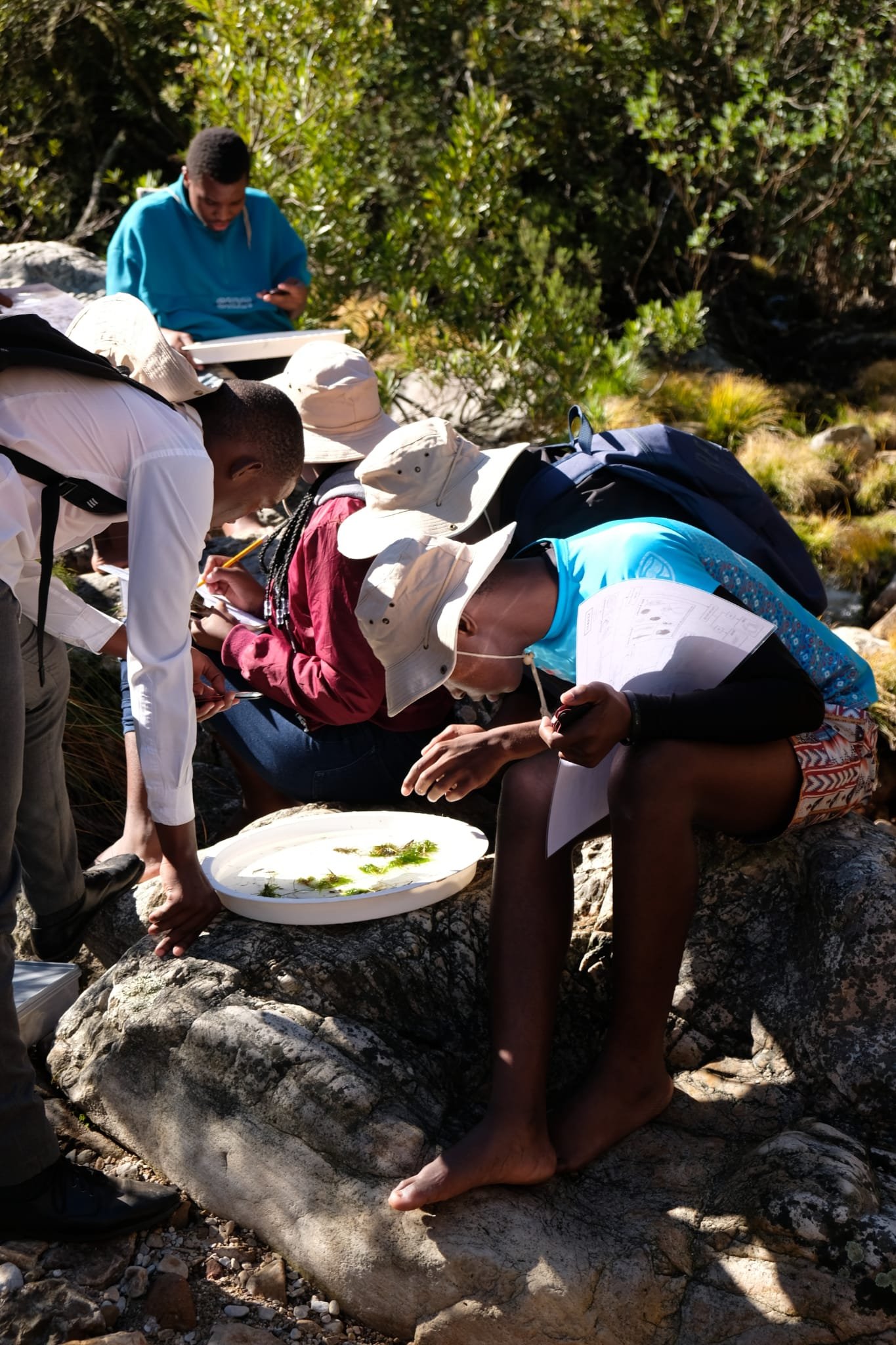
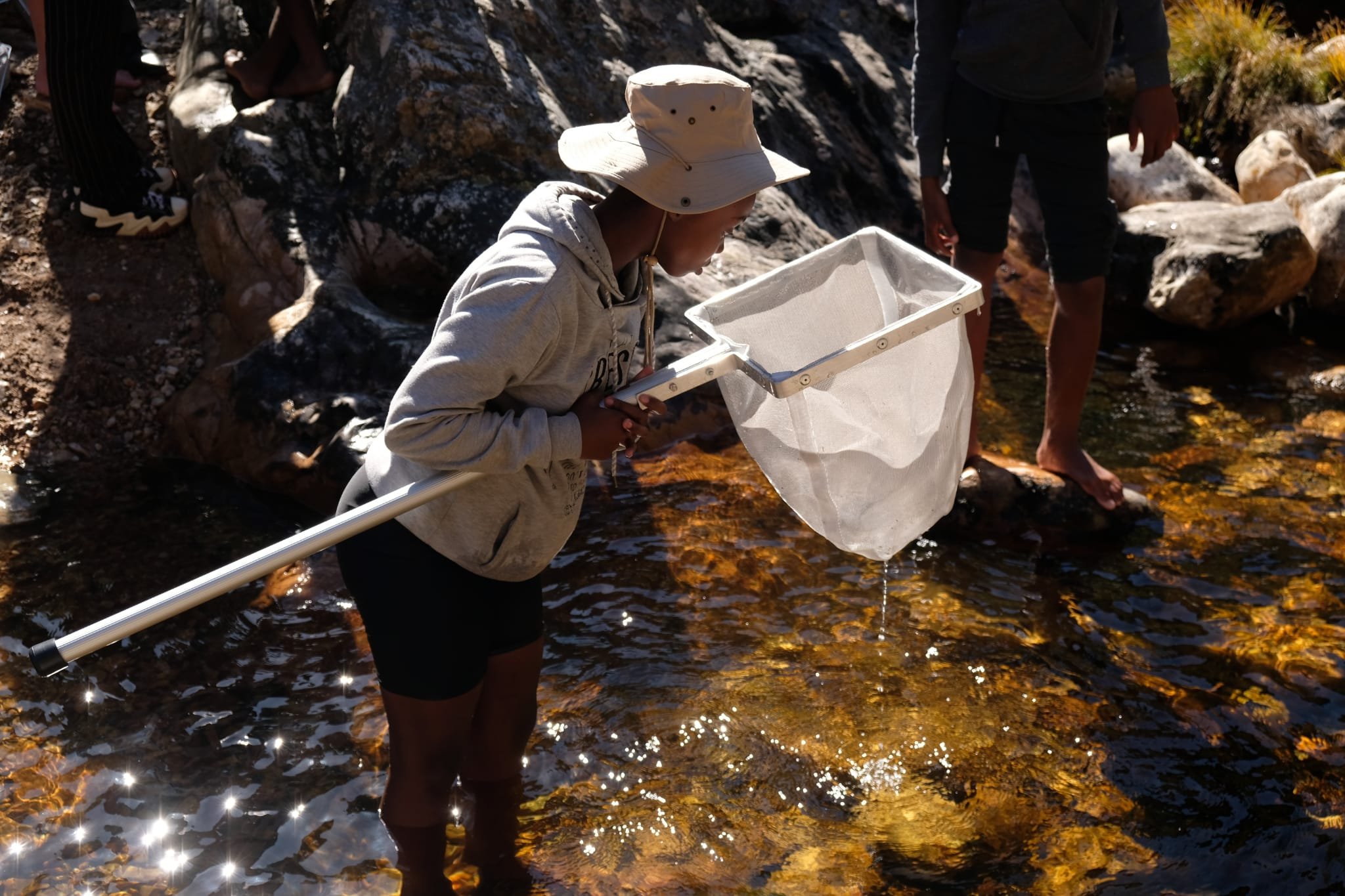
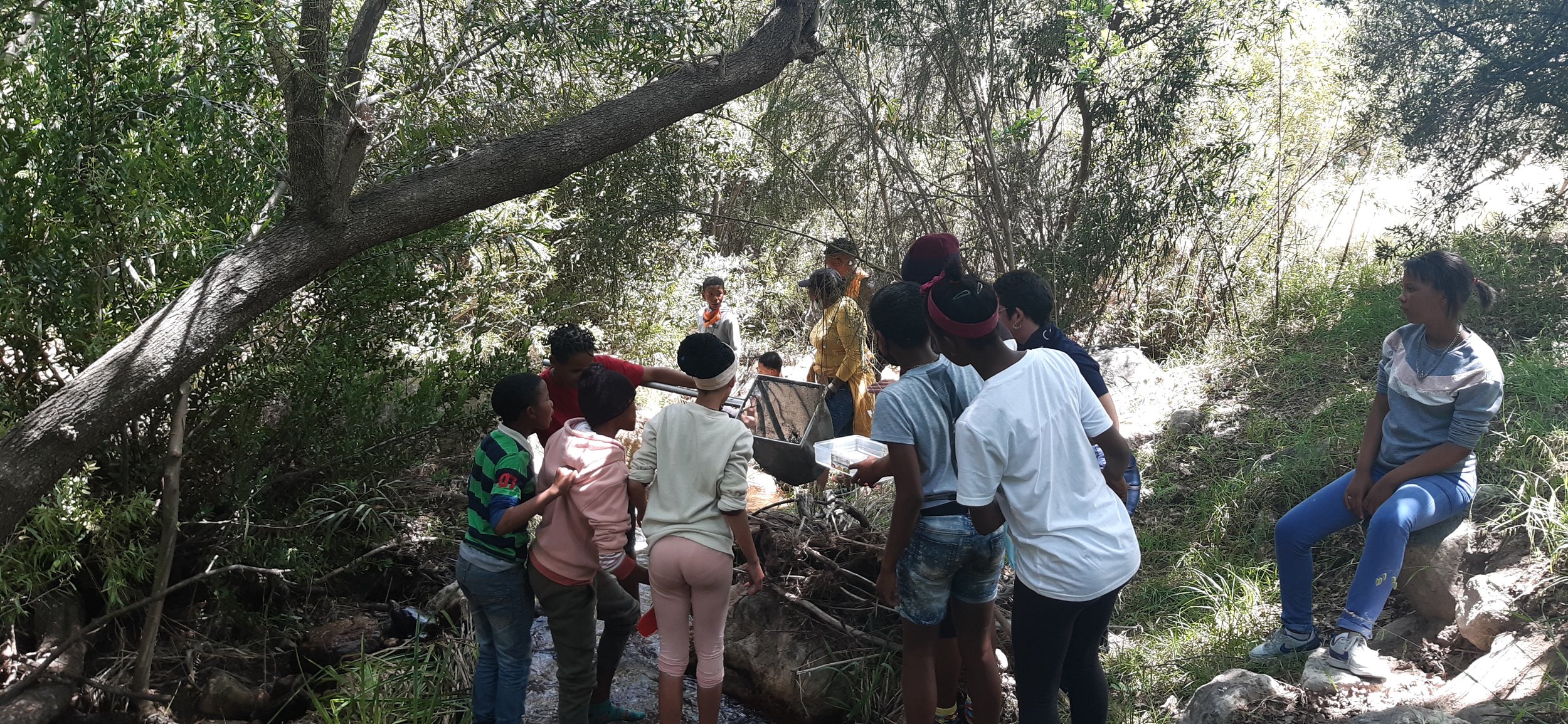
On Sunday, together with the CWBR facilitators, eighteen participants from the Mbeko Eco-Club, based in Mbekweni Paarl, part-took in Franschhoek at Mont Rochelle Nature Reserve. Hiking up the mountain, the group contributed to the City Nature Challenge by photographing the biodiversity which sparked curiosity in them. They also did a miniSASS exercise in the river to explore the biodiversity present there.

*Science, technology, engineering, art, mathematics – for youth

The Cape Winelands Biosphere Reserve team, invited to speak about the City Nature Challenge event on RSG Sondergrense Radio on Friday morning, spread more awareness of the event and Citizen Science.

Check out how we did in the competition!

Links

City Nature Challenge Stellenbosch Project page, Cape Winelands Biosphere Reserve Project page

Biodiversity gathered by Citizen Scientists within Cape Winelands Biosphere Reserve

Highlights

A Weekend for Teachers

The classroom can be a safe space for curiosity, investigative learning through play, and building confidence in a child.

In the last year, the CWBR team discovered the need for preschool teachers to have a similar experience, especially after a very difficult couple of years due to Covid-19. The need to come together and have exposure through different shared activities, igniting their own inquisitiveness as well as gaining access to resources to take back to their classrooms and share with the children.

The Bonnie People Project, based in Bonnievale, asked the CWBR team to share the opportunity of the teach-the-teacher outings and to host a group from Bonnievale in April 2022. The outings were originally offered to early childhood development (ECD) teachers in Franschhoek as part of a development programme in 2021. The Franschhoek teachers were given the opportunity to attend monthly outings to educational institutions and pristine areas in nature reserves to broaden their perspectives and gain insight into how and where to obtain educational resources, tools, and services.

The impact of the outings so far has not only had a positive impact at the ECD Centres but in their personal development and immediate families as well.

The monthly teach-the-teacher outings inspired a packed weekend programme for the ECD teachers based in Bonnievale.

The Bonnievale ECD Teachers Weekend

Thirteen nervous but excited Early Childhood Development teachers arrived in Franschhoek on a late Friday afternoon, ready for the weekend’s activities. A traditional South African braai and live music set the mood for the weekend. 

After dinner, the teachers were split into two teams and played games to encourage team spirit, with lots of small prizes won by all. The games, which could also be used in their classrooms, involved balance, coordination, and speed! Balancing as many apples as possible on a plate, as many cookies as possible on the forehead, picking up macaroni with a piece of spaghetti held between your teeth, putting together a puzzle, and many more.

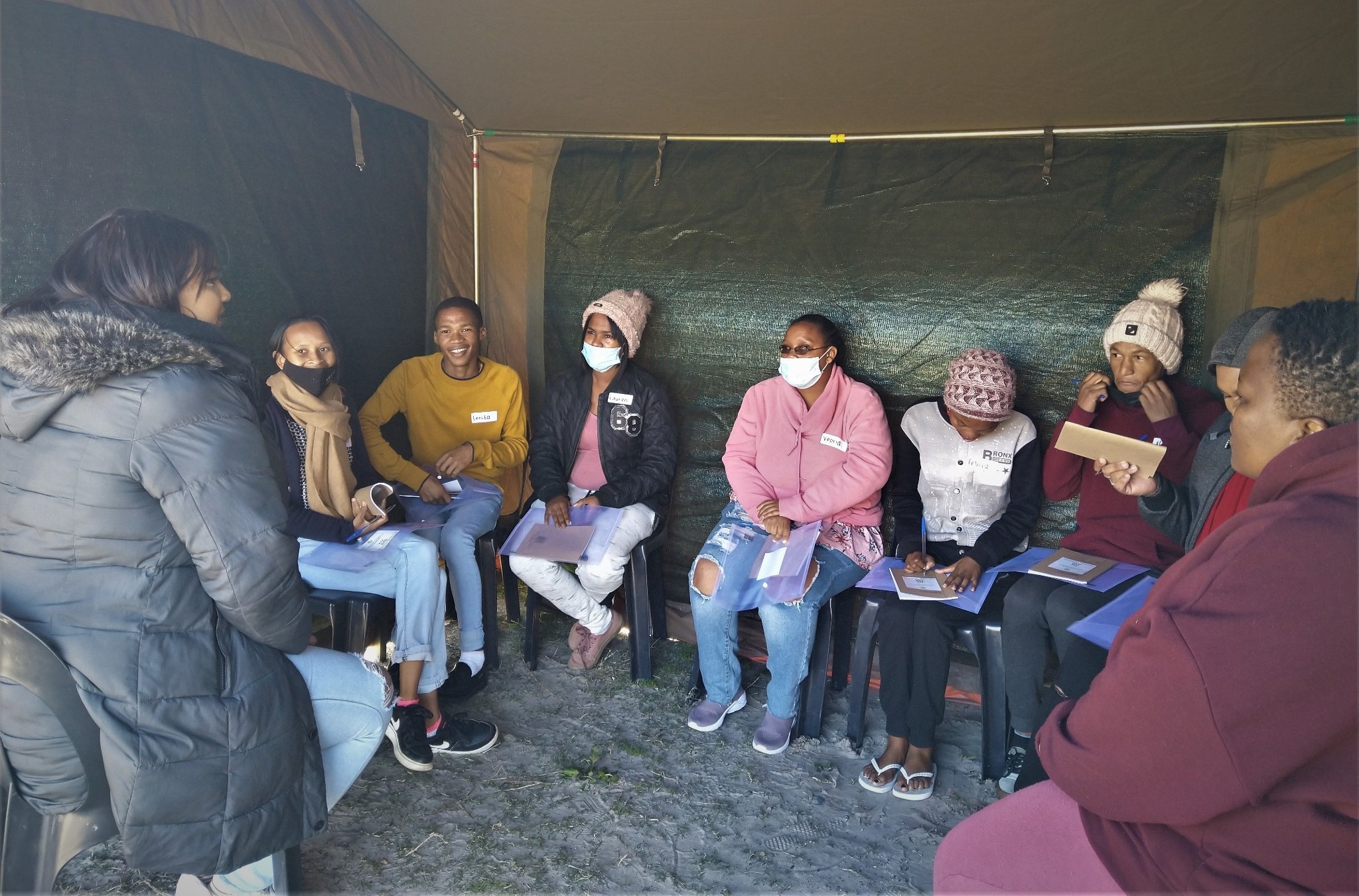
On Saturday the group set off to Cape Town. First on the programme was Iziko South African Museum, and a show at the Planetarium. The screening was followed by a guided tour of the museum’s exhibitions and then a visit to the popular Discovery Room filled with tactile experiences and encouraged exploration through sensory learning. The group also explored the Company’s Gardens before venturing to Cape Town Science Centre, where they took part in two workshops that included making instruments from recycled materials and an introduction to the Lego activity, Six Bricks. The teachers were treated to a Science Show and the Camera Obscura experience as well as exploring the exhibitions open to the general public.

Before heading back to Franschhoek, the group made a last stop at the Two Oceans Aquarium and went on a guided tour facilitated by a Marine Biologist, exploring ocean systems and life below the water. This activity gave them an insight into their rocky shore outing to be held on the Sunday.

Upon returning to Franschhoek, the day ended with a common kid’s favourite, Spaghetti Bolognaise, and a quiz on the day’s activities. Each teacher received a goodie bag which included a cooler bag, a set of Six Bricks, a notebook, colourful pens, and an Afrikaans and English version of Footprints in the Fynbos (a book recently published by the Cape Leopard Trust).

Packed and ready to return to Bonnievale, on Sunday morning, the group headed off to Betty’s Bay where they were met by Marine Biologist Dr M Boonzaaier-Davids and Anton Fortuin, a biology teacher who runs an ocean program at the Centre for Conservation Education with youth from the Cape Town area. Together, the group explored the rocky shore were allowed to carefully touch and learn about the creatures that call it home. The teachers were encouraged to take their classes out on discovery journeys in Bonnievale, and that learning about the wonders of the environment does not only have to be at the beach.

Lunch was at Harold Porter Botanical Gardens and became a guarded affair as the CWBR facilitators had to keep a lookout for the opportunistic baboons. What an experience! After lunch the group explored the wonders and uses of South African indigenous flora.

Before heading back home, the teachers had a final meet and greet with another ocean inhabitant at the Stony Point Penguin Colony; the African penguin.

With such a packed programme, the teachers had a lot to digest, and feeling inspired by the activities they had taken part in over the weekend, they expressed that they were excited to share their experience and use what they had learned in their classrooms.

Bonnie People Project started in 2003 and will celebrate their 20 years next year.  It was built-up from a 2-room building where all the children were accommodated.
Currently there are 3 ECD schools: Bonnie People with 117 children, Teletubbies with 50 children, and Kapteintjies with 83 children. The Bonnie People Project also has an aftercare program that runs from Monday to Thursday where extra attention is given to 30-40 children.

To find out more , check out the articles about the Franschhoek teachers outings and how NPO’s and organizations are investing resources in education.

Further reading

A New Outlook in the Classroom, published 28 May 2021

The ECD Legacy Project: Educational Outings Continued…, published 12 November 2021

Teacher Development Workshop: Sharing Environmental Education, published 23 July 2021

Let’s talk magnification

It’s officially available to view! The Edu-bite clip produced by Cape Winelands Biosphere Reserve in partnership with Iziko Museums of South Africa on the use of scanning electron microscope (SEM) technology by researchers at the Iziko South African Museum.

The 10-minute Edu-bite will take you on a journey behind the scenes in the Iziko South African museum and give insight into their research, why it is important, and the fascinating world of microscopes. 

This Edubite is a Cape Winelands Biosphere Reserve Youth Board Project spearheaded by D Jørgensen.

To find out more about what he does, visit zadea.co.za

Instagram handle: Sarahanddean

Other links of interest

Iziko museums new website

Iziko Museums Twitter

Environmental education from source to ocean

Much of the Cape Winelands Biosphere Reserve (CWBR) environmental outings take place at the source of a river and in the mountains, in and around the Cape Winelands. Through collaboration and meaningful partnerships, groups are also taken to the ocean for rocky and sandy shore environmental education.

Dr Melissa Boonzaaier-Davids, the newest CWBR board member, has received a National Geographic Society Early Career Grant to perform research on the marine invertebrate communities of the rocky shores of South Africa’s understudied coastal regions.
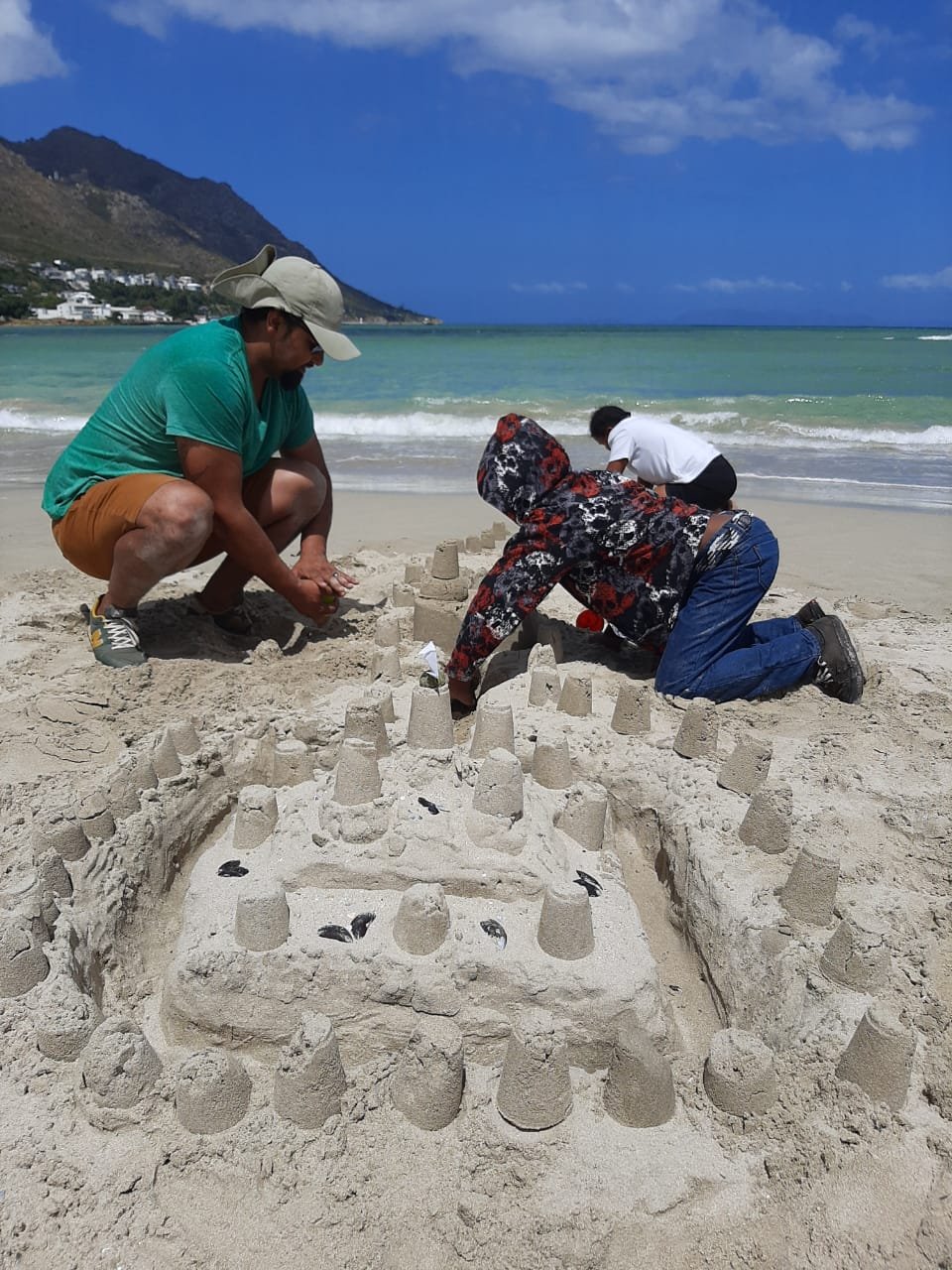
As part of this research project, the CWBR team will facilitate Marine Science Engagement outings at some of the rocky shore sampling sites, in particular where the hand collections will take place. Because of its accessibility, visiting groups can see the marine biology team collecting specimens and in doing so, may also learn about different sampling methods in the field. In addition, visits to the Iziko South African Museum (who are also a partner in the project) will be facilitated for the groups. The youth will learn about the research done at Iziko Museums, have a guided tour of the museum and explore the exhibitions. 

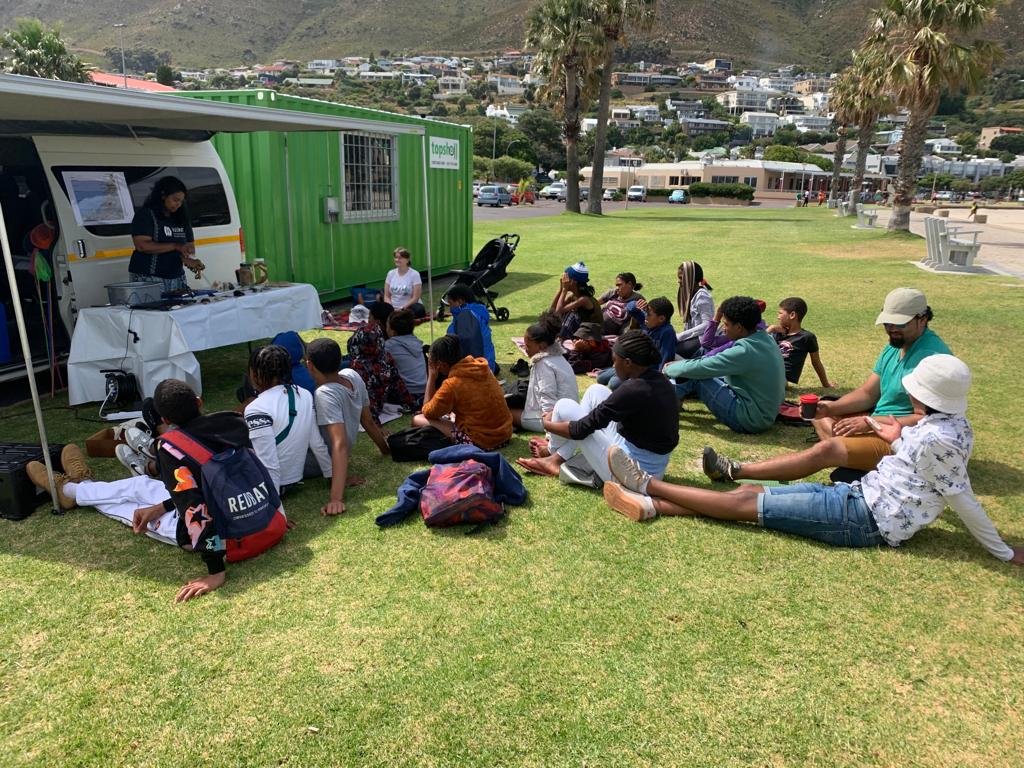
The first marine outing took place on Friday last week, alongside Melissa and her team who were completing their first week of sampling in Gordons Bay. The Helderberg Eco Rangers Club, based in Helderberg, joined for the morning to explore the rocky shores, learning hands-on about the biodiversity and life that resides there. A local marine scientist joined the CWBR team and facilitated the educational component.
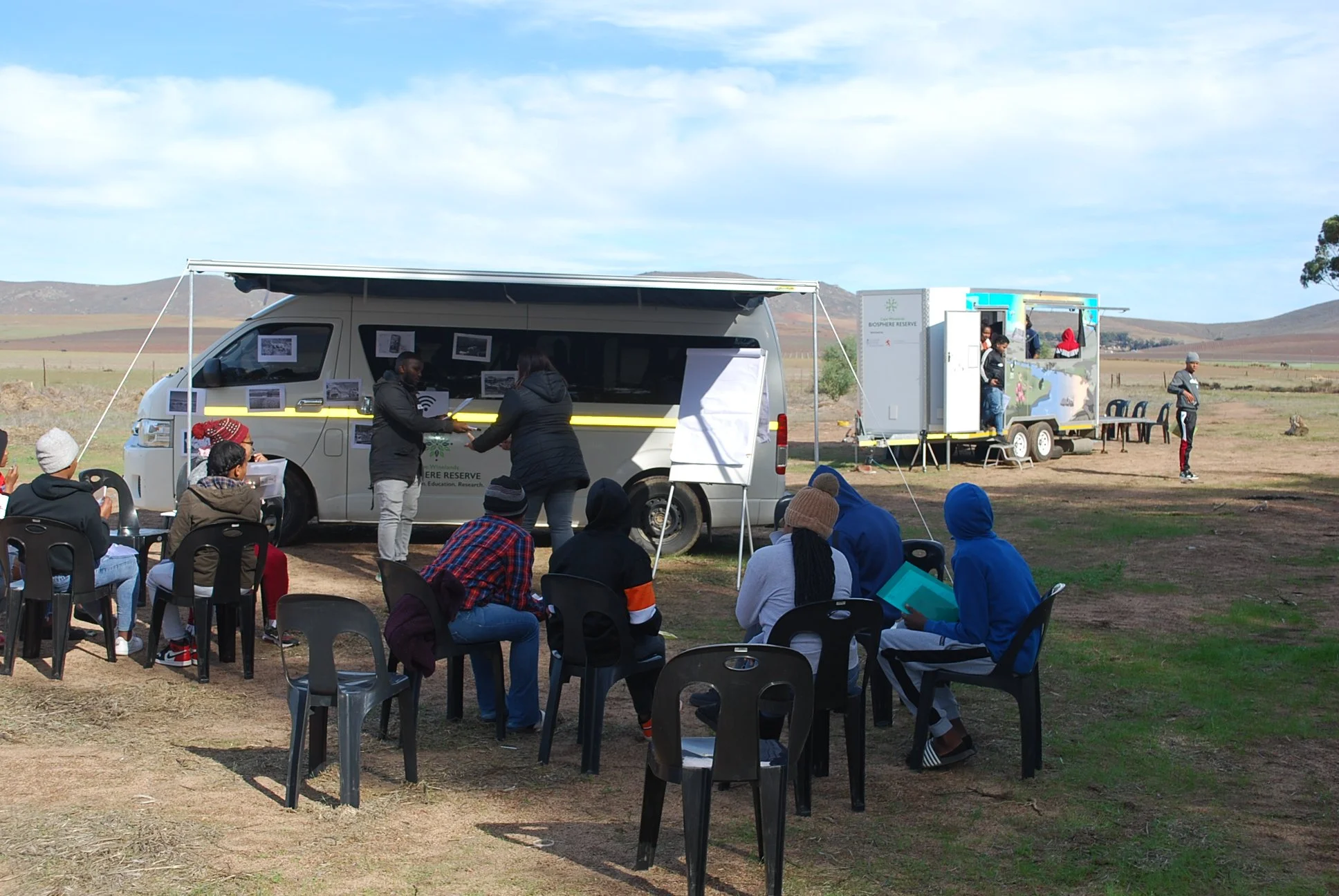
The group was briefly introduced to the research project led by Melissa, where she explained who her team is made up of and the marine sciences work done at the museum. The group was treated to a preview of an Edubite on the use of Scanning Electron Microscopy in natural history collections within Iziko Museums.
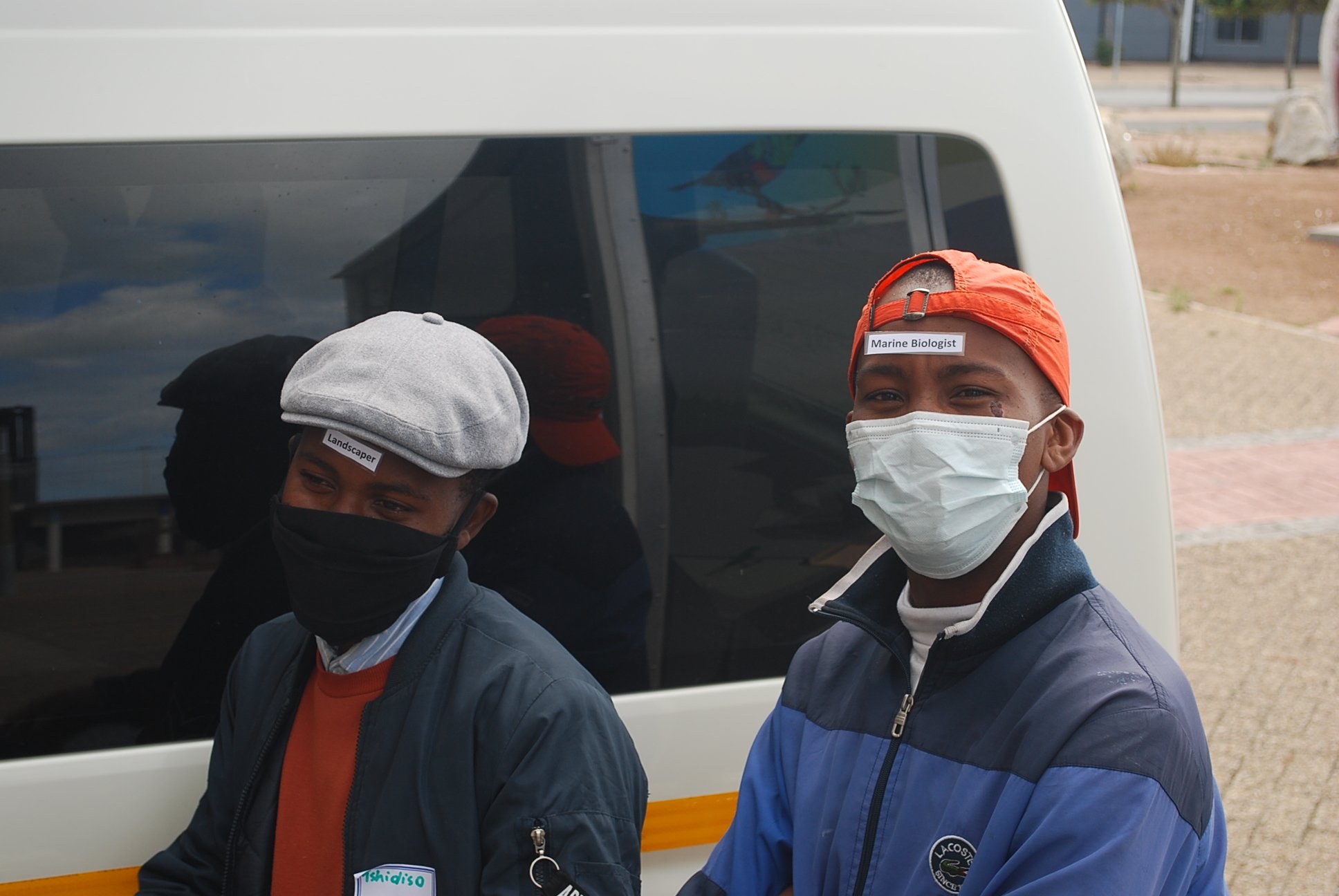
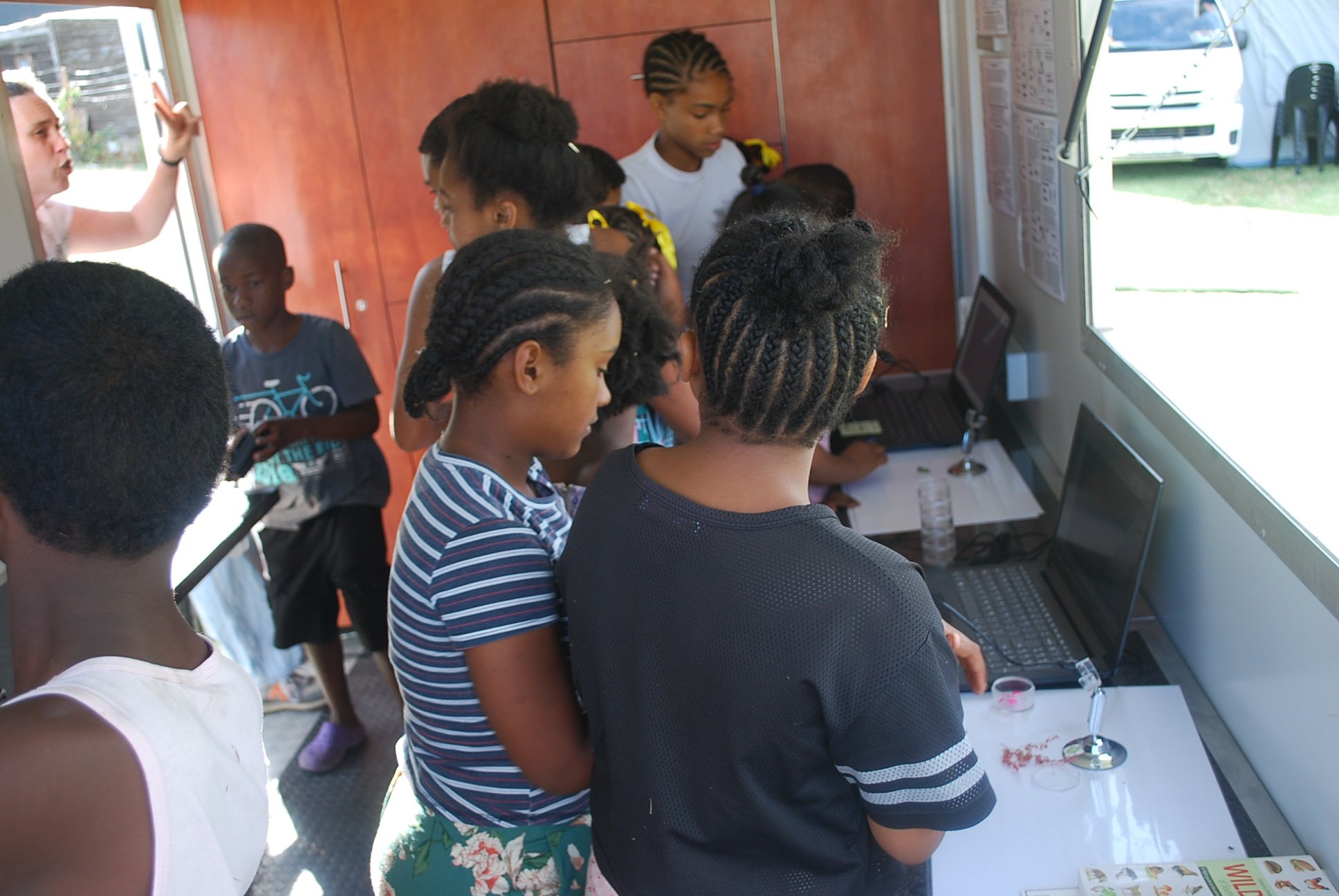
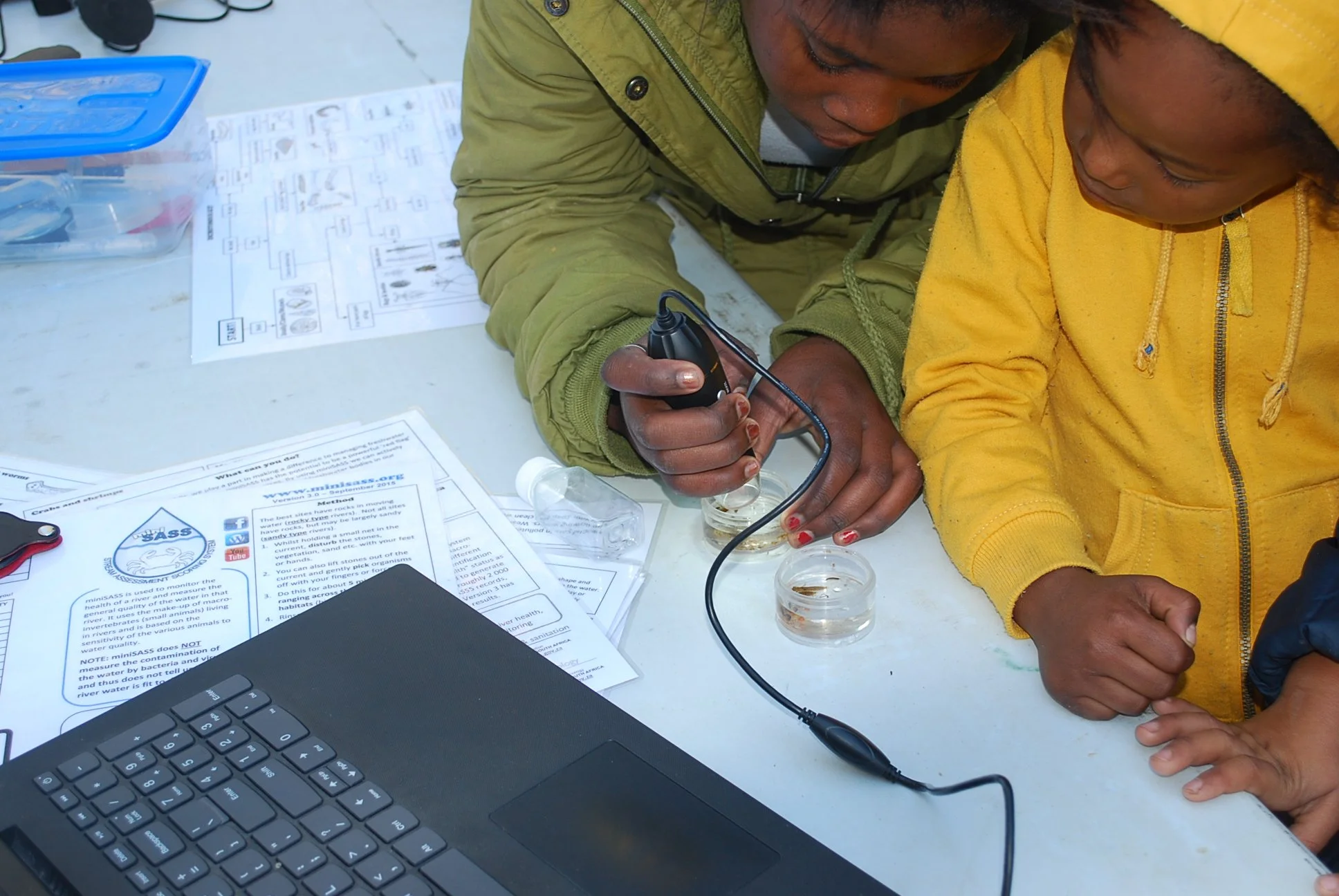
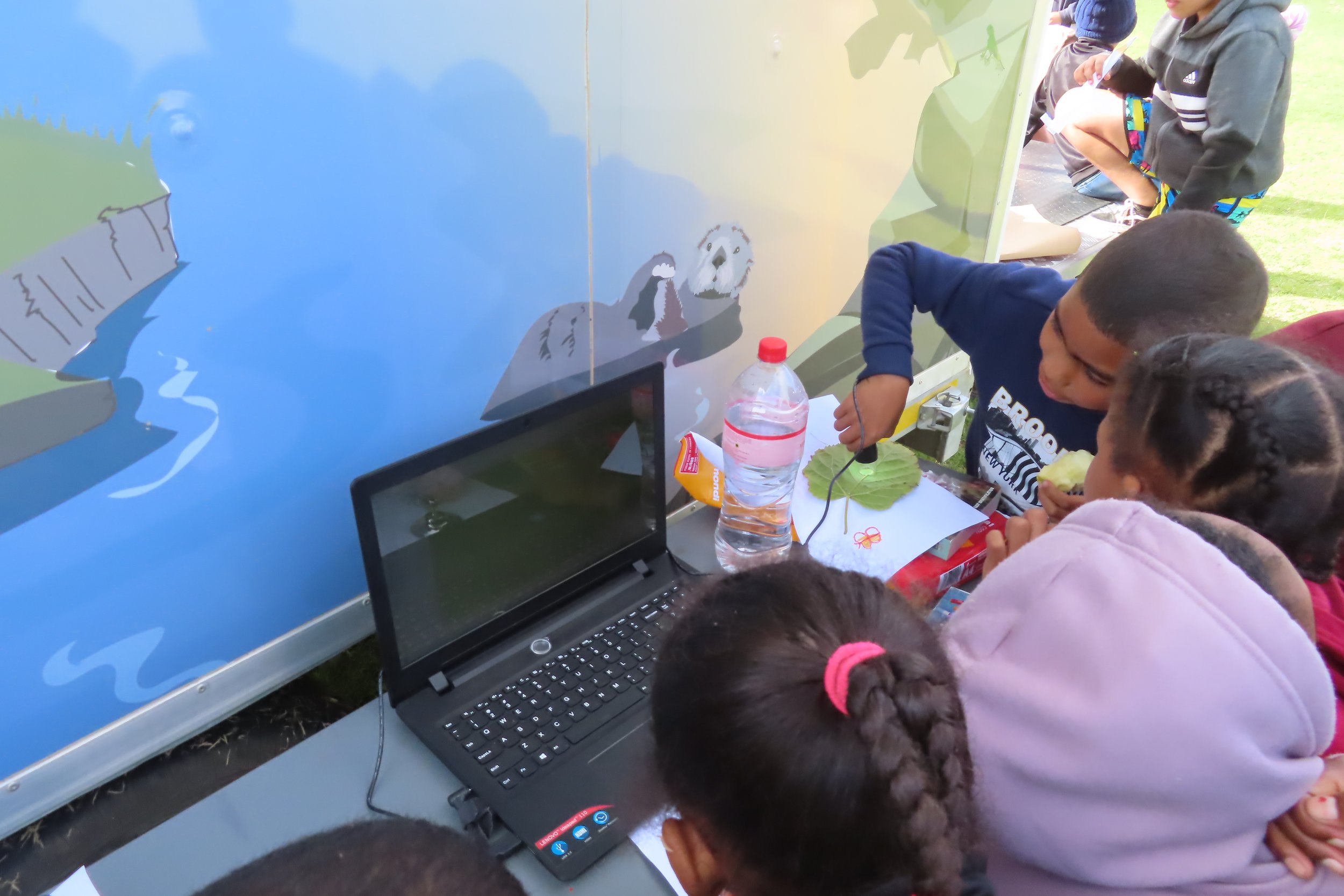
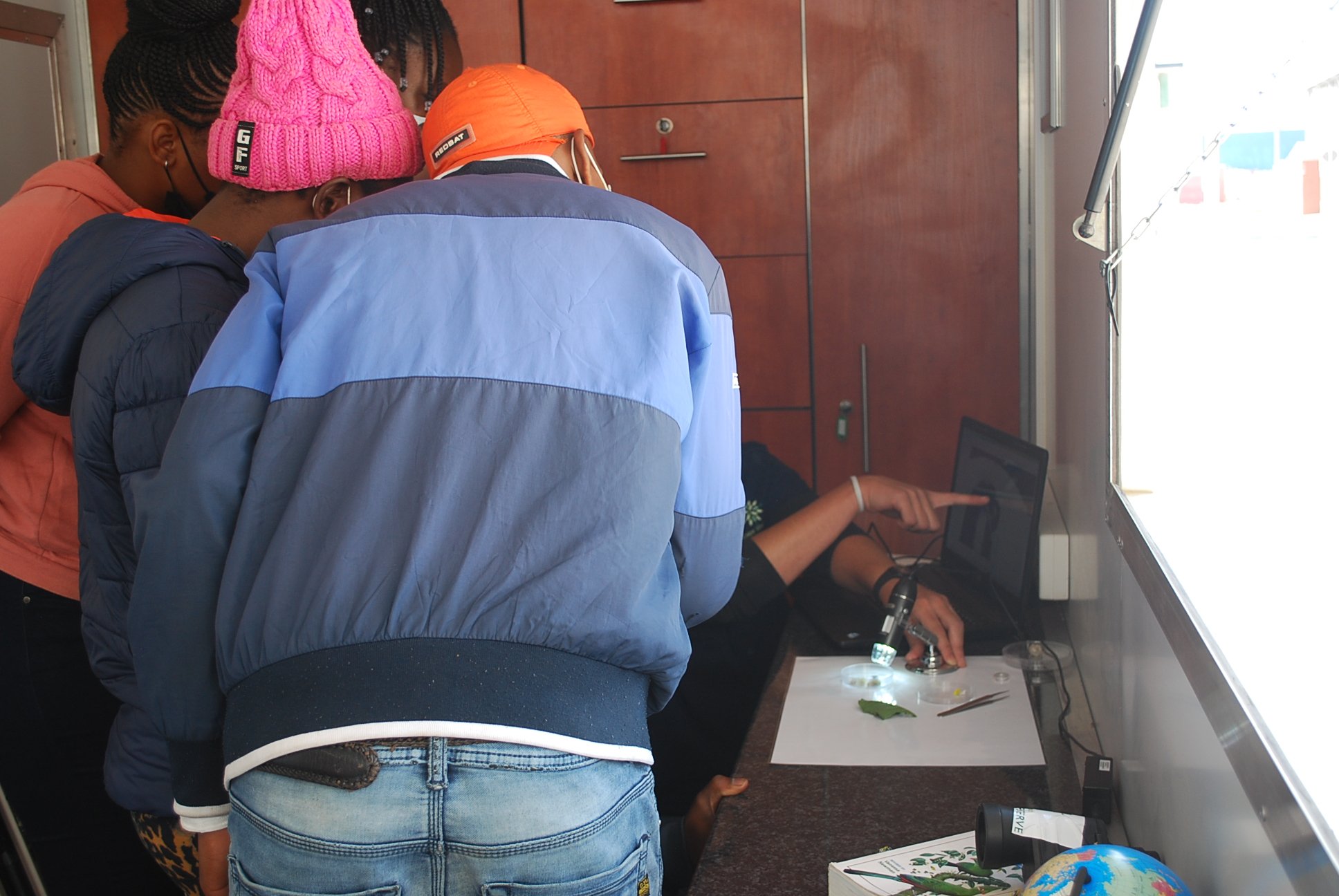
The children and CWBR facilitators were excited to see the marine life exceptionally up-close, using a handheld digital microscope with a 1000x magnification. The latest addition to our mobile educational unit STEAM-Y.  The microscope can be connected to cellphones, iPads, computers, and used to take videos or photos while on hikes.

To find out more about the NatGeo Grant, read UWC Alumna Receives National Geographic Society Grant To Study Marine Life Of South Africa’s Coastline

And stay posted for an article by Melissa sharing about the research!