2025 UNESCO Japan Prize

Earlier in the year, the Cape Winelands Biosphere Reserve (CWBR) Education on the Move (STEAM-Y Mobile classroom) was one out of 120 nominations world-wide submitted for the 2025 UNESCO Japan Prize. In November, we were honoured to be mentioned as one of the top nine finalists showcasing outstanding work in advancing sustainability through education and community engagement.

Background

The UNESCO–Japan Prize on Education for Sustainable Development (ESD), established in 2014 and funded by the Government of Japan, honors outstanding projects that use education as a tool to drive sustainable development. Each year, the Prize celebrates three innovative initiatives that demonstrate how learning can empower communities, strengthen resilience, and contribute to a more sustainable future.

About this years prize

The 2025 laureates reflect this mission through a wide range of educational contexts and approaches. Their work spans cultural heritage conservation, sustainable consumption, and youth-led environmental restoration—together showcasing the transformative power of education to reshape societies and build climate resilience.

This year’s laureates were selected from 120 nominations submitted by UNESCO Member States and organizations in official partnership with UNESCO. An independent international jury of five Education for Sustainable Development (ESD) experts reviewed all submissions and ultimately recognized the three winning initiatives for their excellence in advancing sustainability through education and community engagement.

These awardees exemplify how education can be a driving force for meaningful, lasting change and stand as global models for impactful ESD practices.

Check out the three winning contributions and our honourable mention: UNESCO awards outstanding education for sustainable development projects in Benin, Brazil and Panama

Learn more, watch the video about the three winners.

UNESCO YouTube channel: Laureates of the 2025 UNESCO-Japan Prize on Education for Sustainable Development

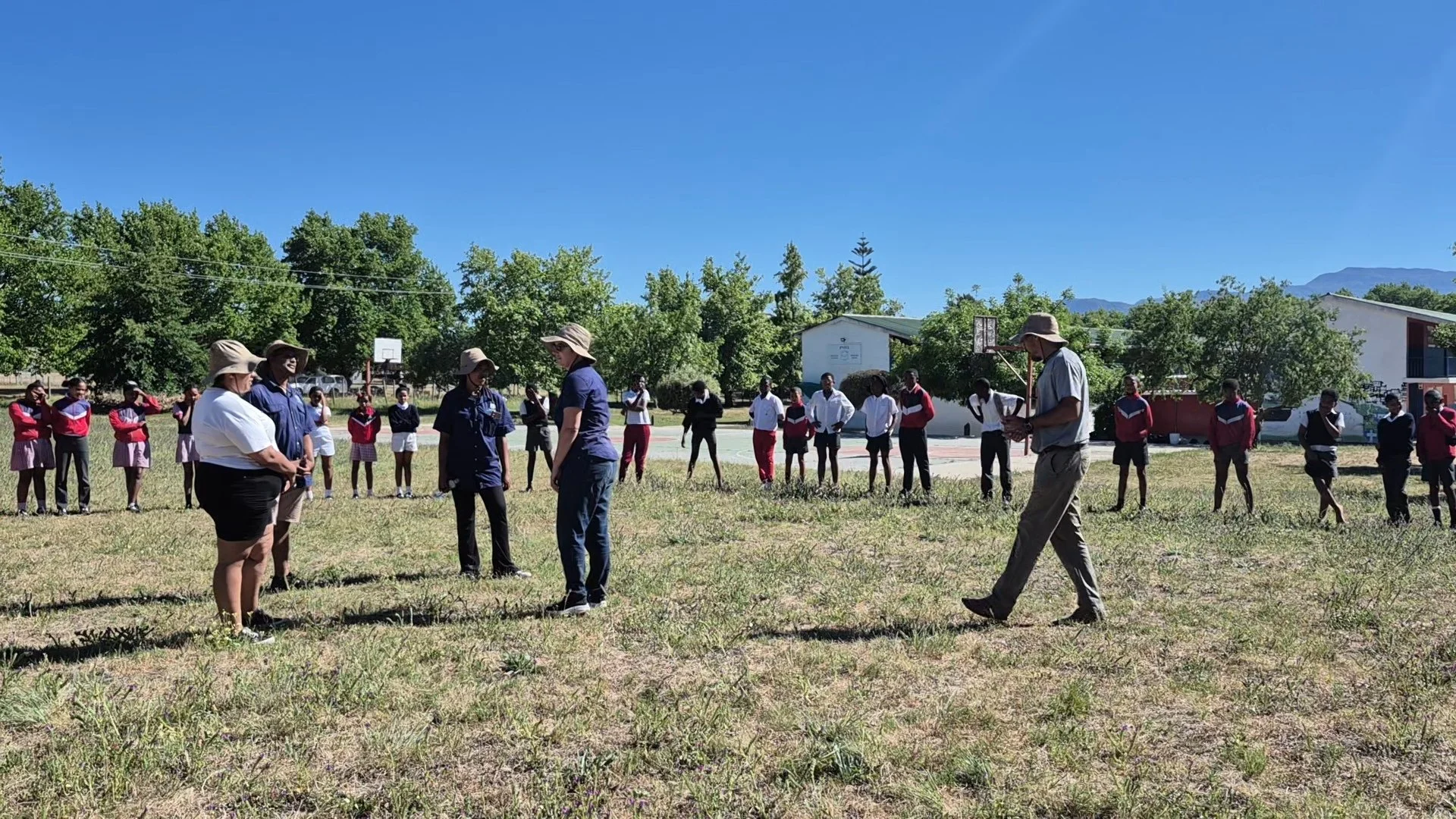
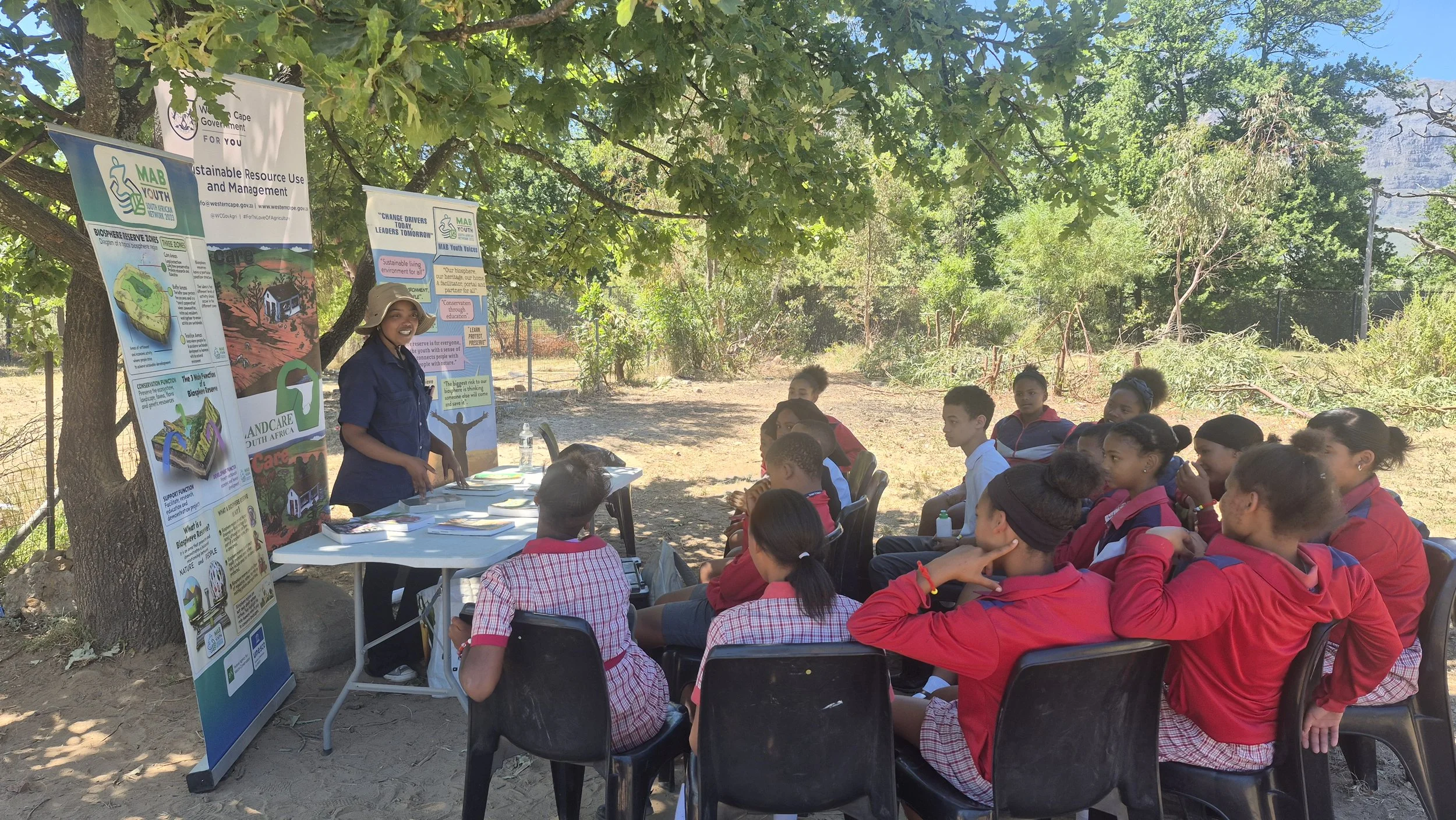
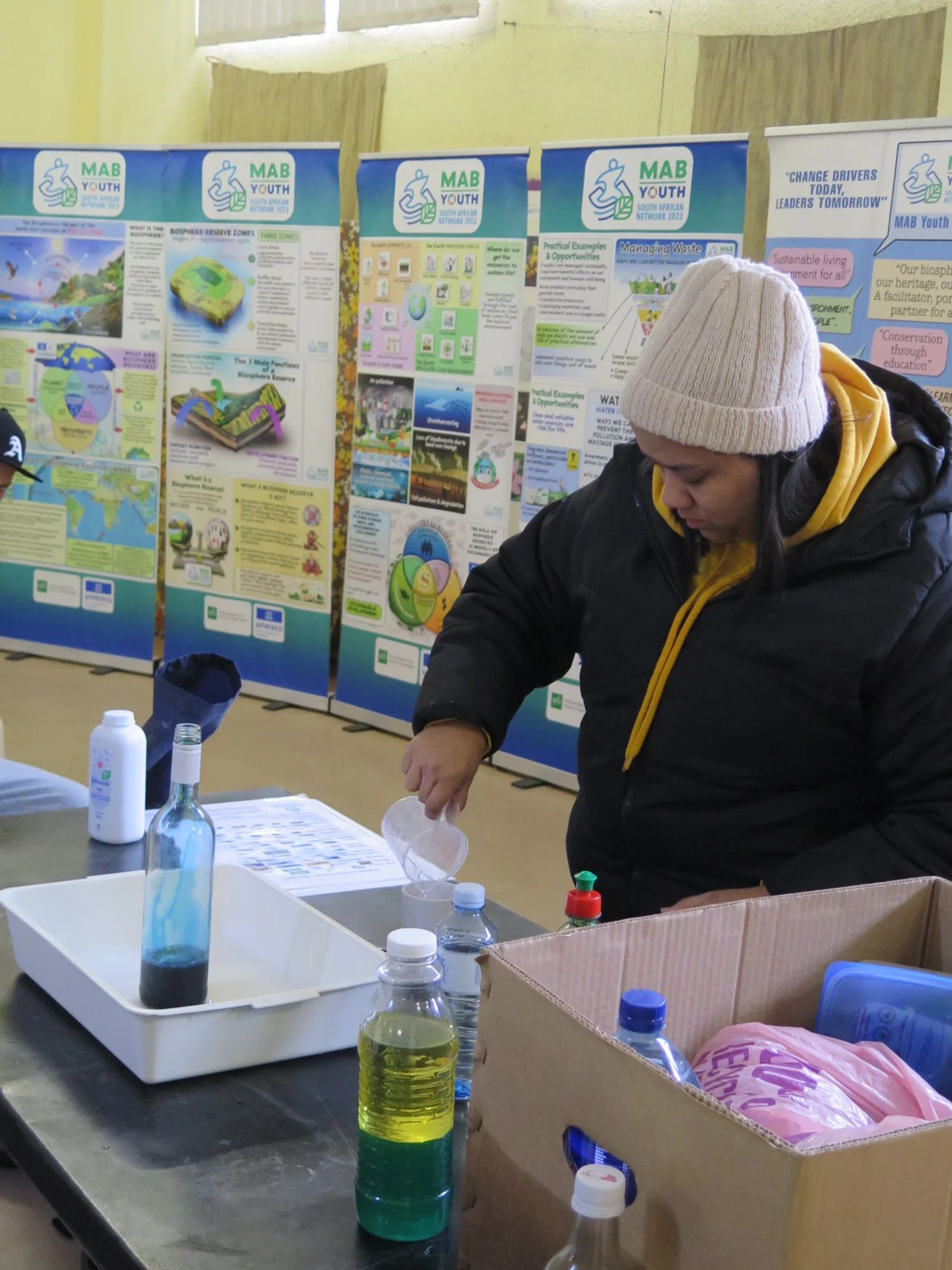
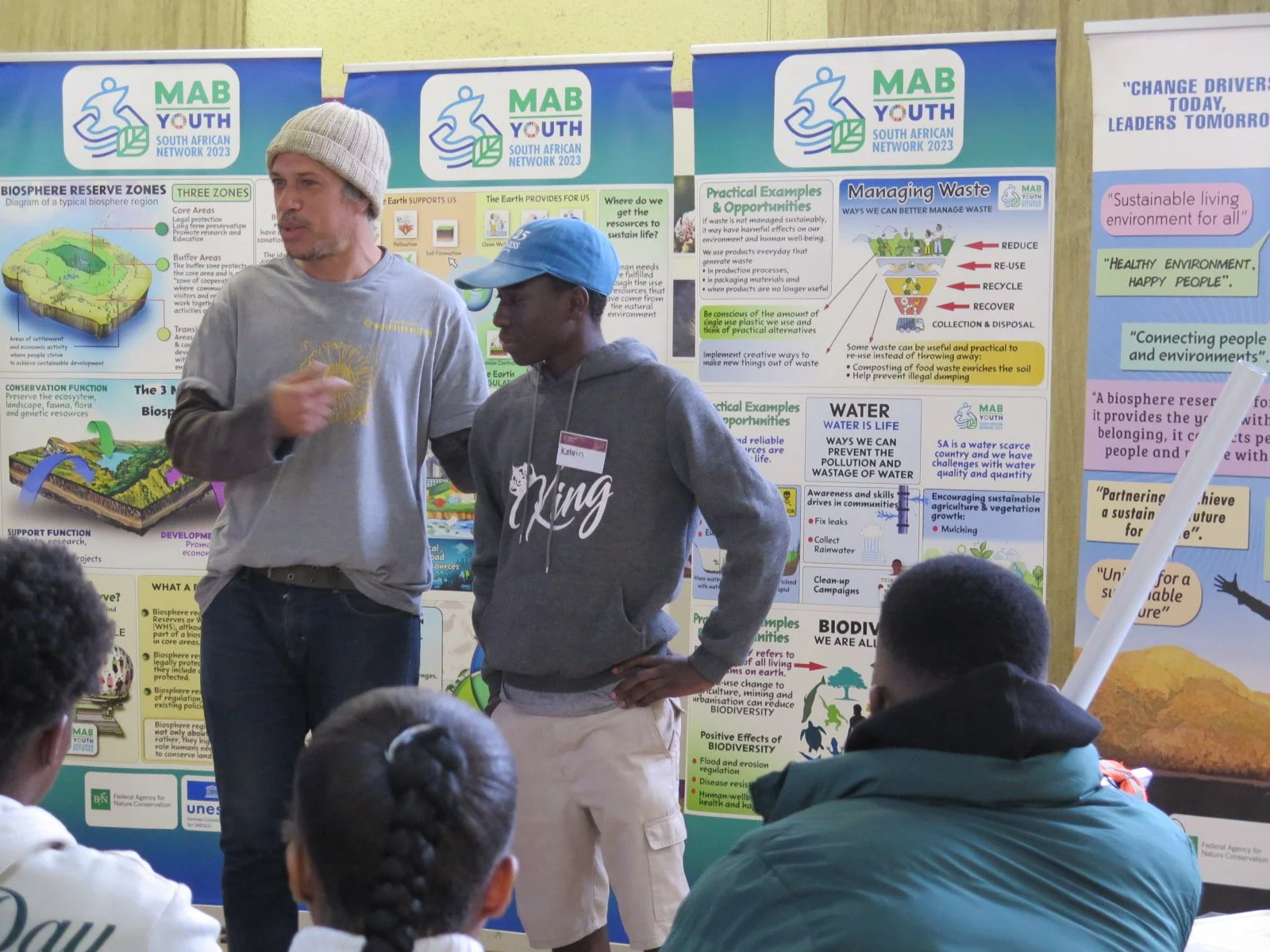
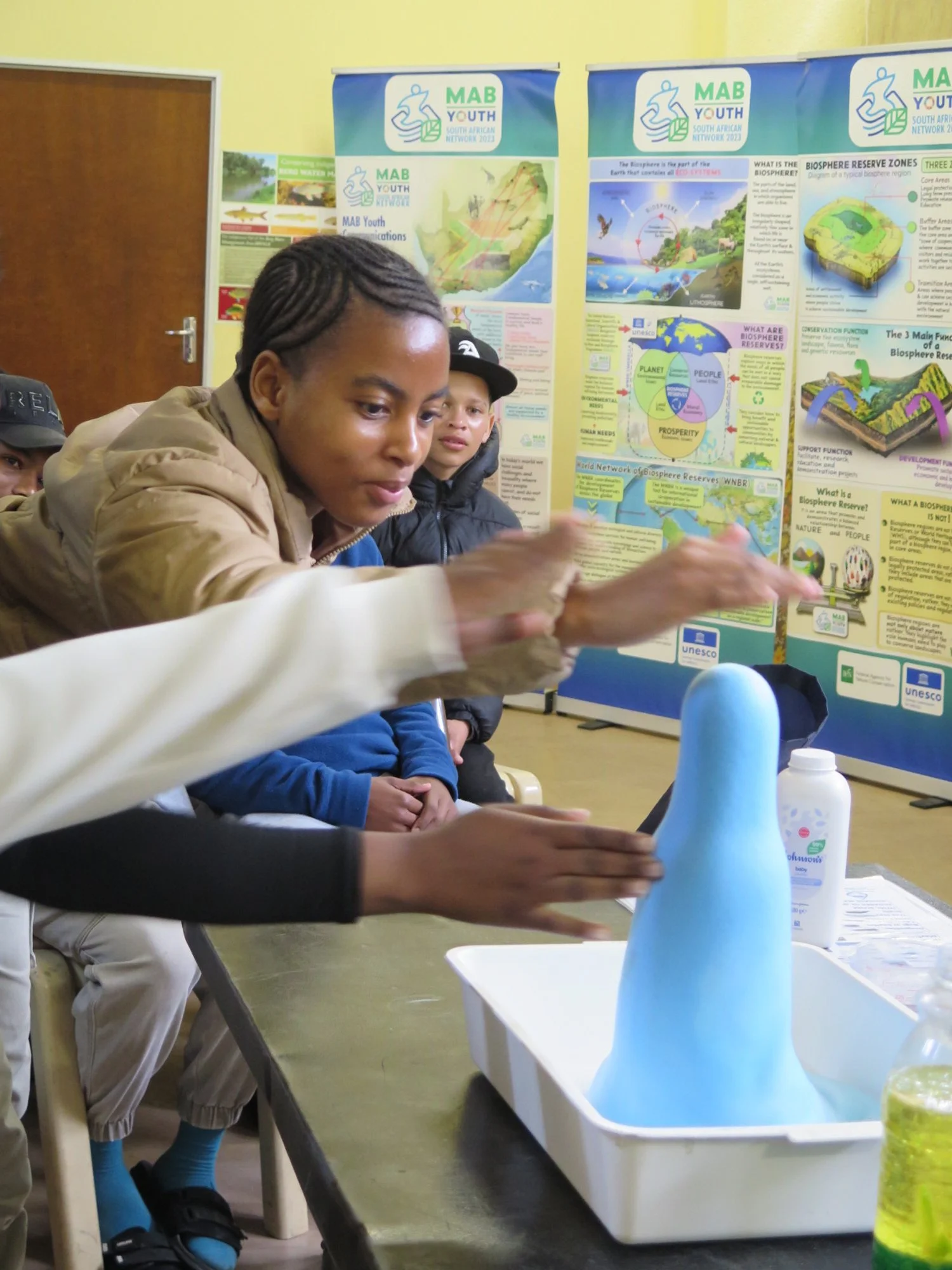
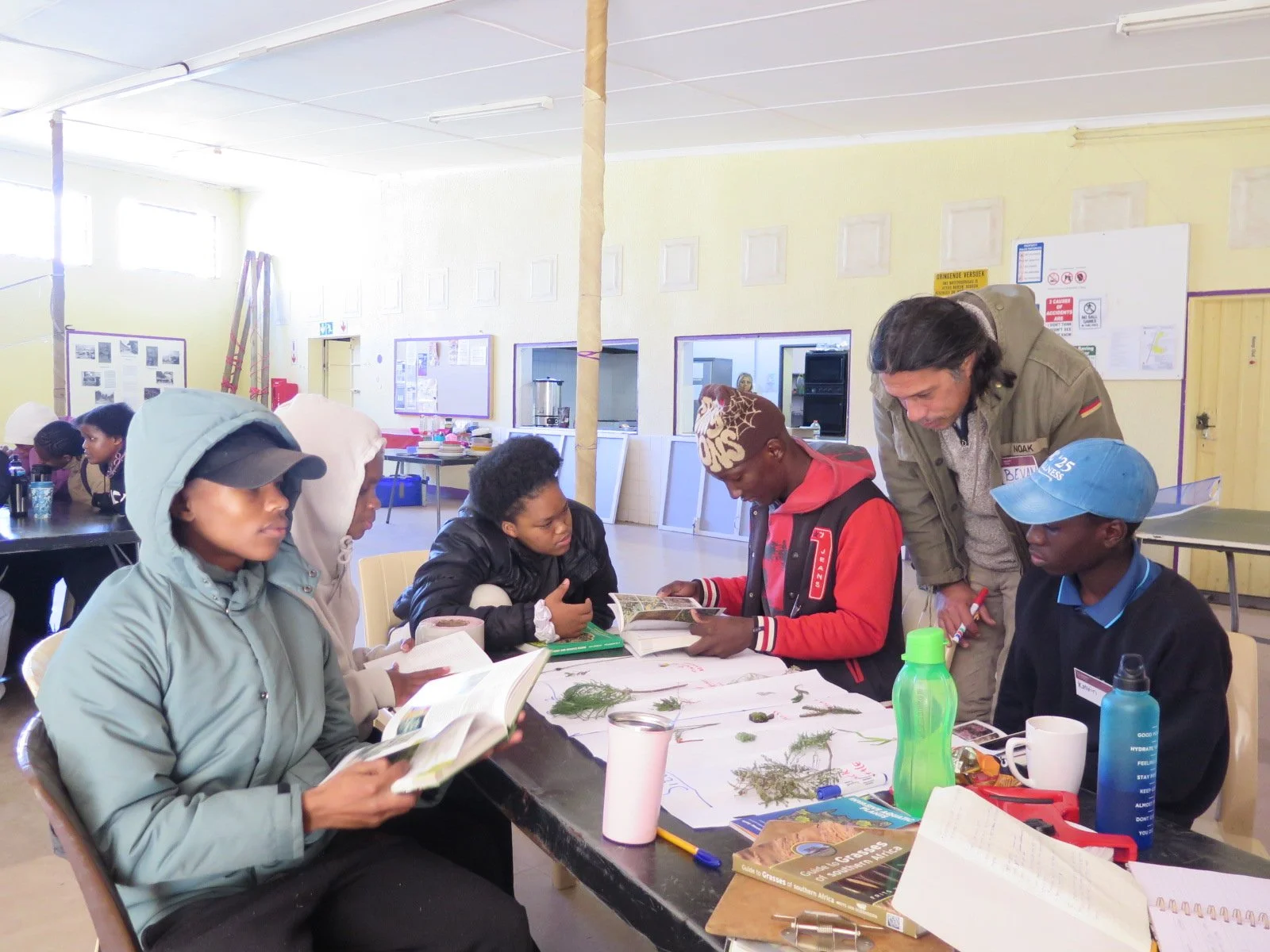
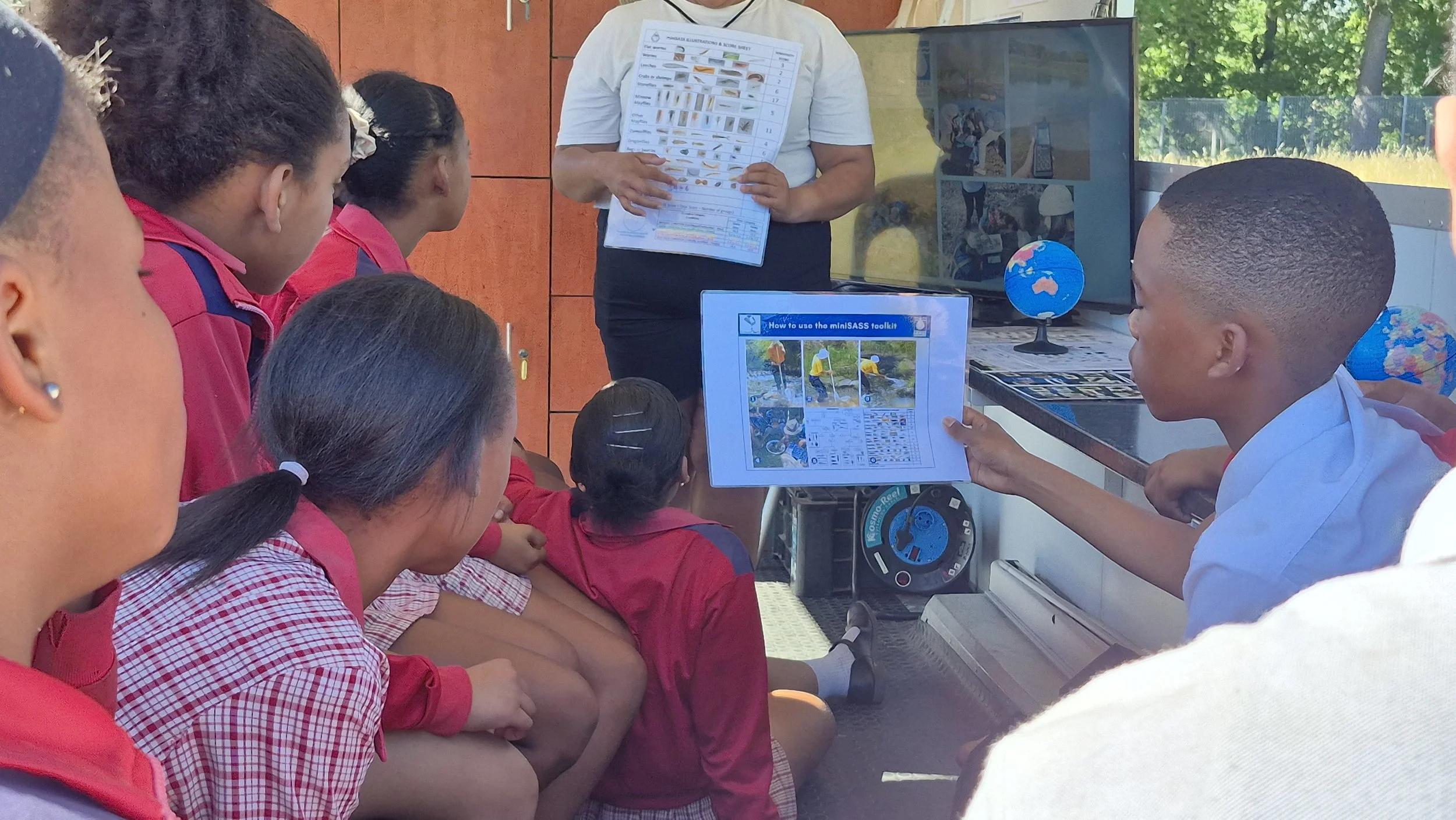
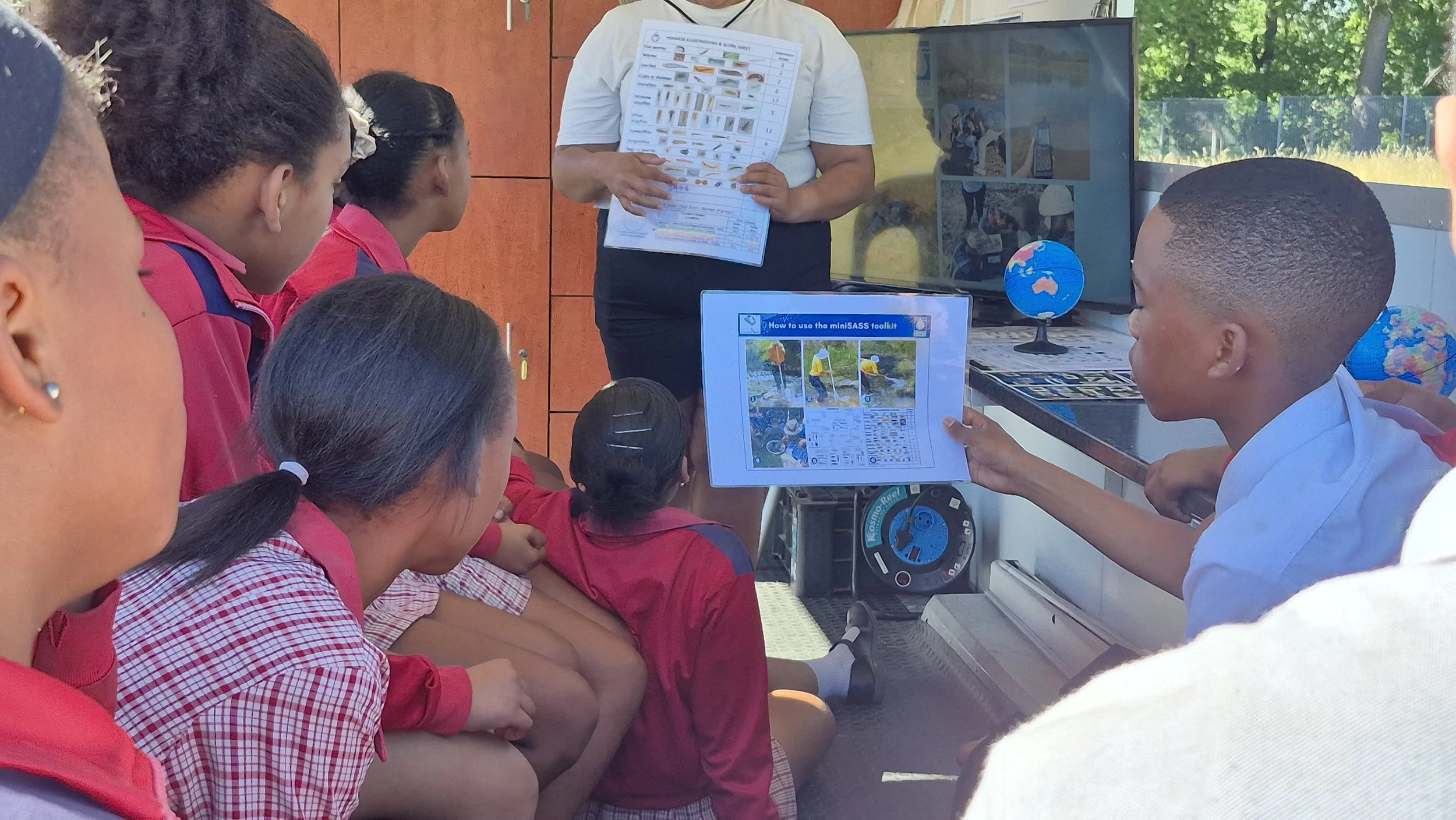
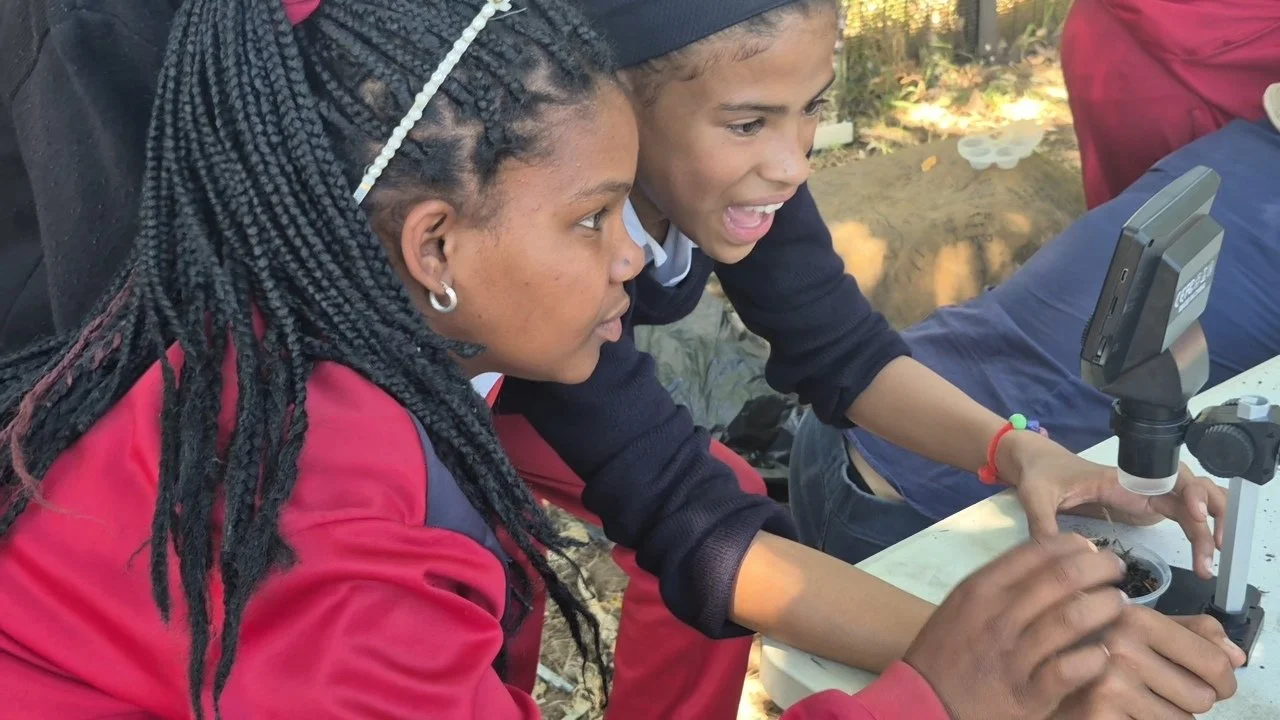
Photos below feature recent CWBR Education on the Move activities at local primary schools.

Focusing on the following Education on the Move topics: Water Conservation with Droppie the Water Mascot, Soil Ecology and Conservation, Fynbos, Fire, and Alien Invaders: Understanding Our Unique Ecosystem, Pollution and Waste Management: Protecting Our Land, Water, and Farms
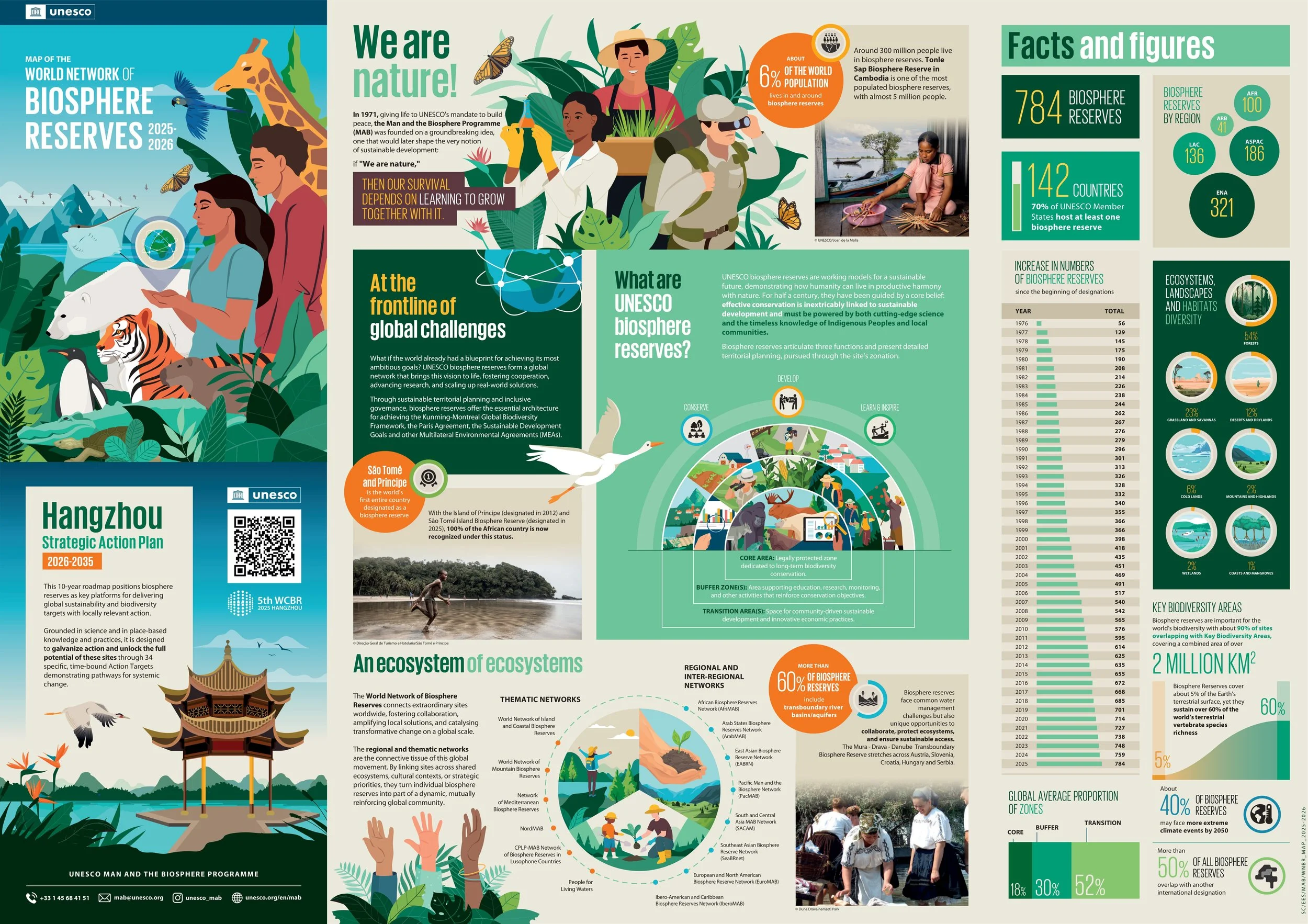
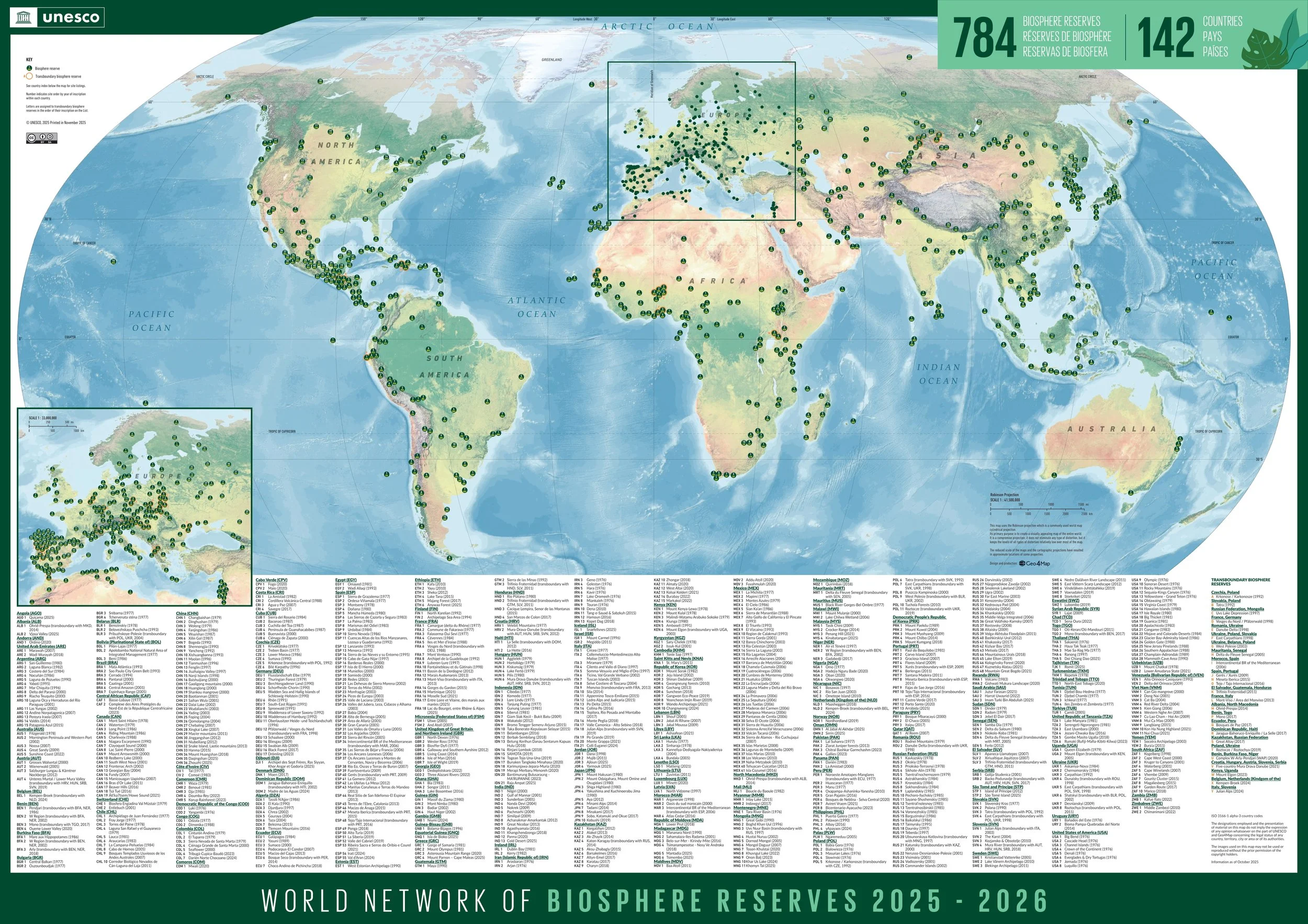
2025-2026 map launched of the world network of biosphere reserves

UNESCO has unveiled its 2025–2026 Map of the World Network of Biosphere Reserves, highlighting 784 biosphere reserves across 142 countries. These sites are globally recognized as living laboratories where people and nature work in harmony to tackle some of the planet’s most urgent challenges. Working together towards a sustainable future.

Understanding UNESCO’s Man and the Biosphere (MAB) Programme

At the heart of this network lies UNESCO’s Man and the Biosphere (MAB) Programme, launched in the 1970’s. Its goal is deeply rooted in a simple yet powerful vision: to improve the relationship between humans and their environments.

Through its World Network of Biosphere Reserves (WNBR), MAB supports sites that fulfill three complementary functions:

  1. Conservation – preserving biological and cultural diversity

  2. Sustainable Development – supporting economic growth that respects people and the environment

  3. Logistic Support – providing space for research, education, monitoring, and capacity building

Over the decades, biosphere reserves have grown into hubs of innovation, where local communities, scientists, governments, and the private sector collaborate to scale up nature-based solutions.

Cape Winelands Biosphere Reserve was nominated in 2007 as part of the UNESCO Man and Biosphere Reserve programme, and is one of five biosphere reserves in the Western Cape, South Africa.

Explore or download the 2025 - 2026 map: UNESCDOC Digital Library

Learn more about the UNESCO Man and Biosphere reserve Programme

Exploring further, read an article that we published in 2021 SHORT HISTORY OF THE UNESCO MAN AND THE BIOSPHERE PROGRAMME AND ITS IMPLEMENTATION IN SOUTH AFRICA

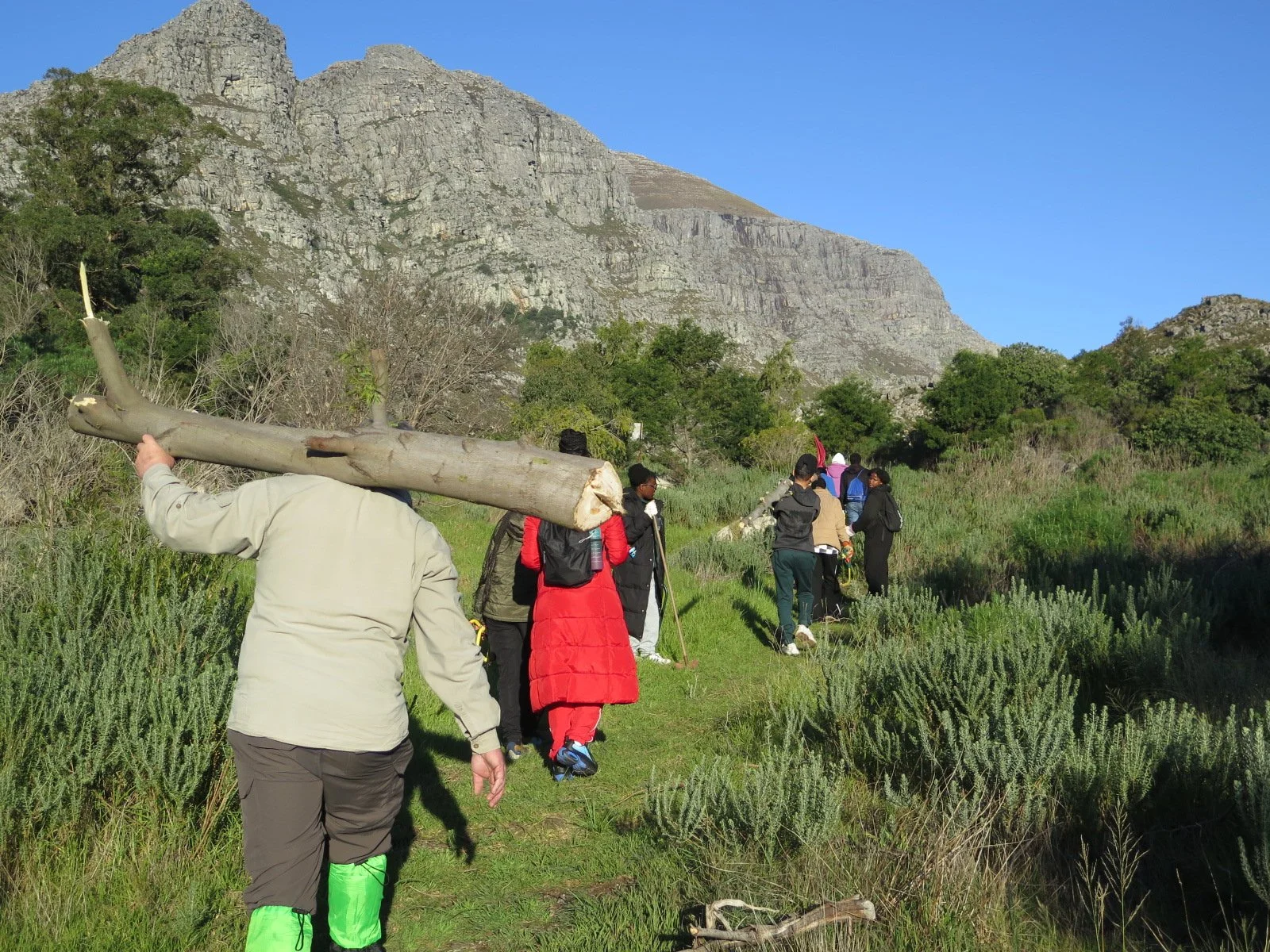
Youth on a hike in the core of Cape Winelands Biosphere Reserve, forming part of the Boland Mountain range

Celine MacdonaldConservation
About Conservancies

Conservancies represent a vital model of collaborative conservation, where private landowners voluntarily unite to manage their properties in ways that sustain and protect biodiversity, ecosystems, and natural heritage. Many Conservancies function as a non-profit conservation community, fostering collective action and shared responsibility for the environment. These partnerships form an important part of South Africa’s conservation network, complementing the efforts of formally protected areas.

Within the Western Cape, more than 80 registered conservancies operate under the Conservation at Work network, each contributing to habitat preservation, sustainable land use, and community awareness. The Cape Winelands Biosphere Reserve (CWBR), is home to several of these conservancies. Among them are two within the Stellenbosch area — the Bottelary Hills Renosterveld Conservancy and the Greater Simonsberg Conservancy.

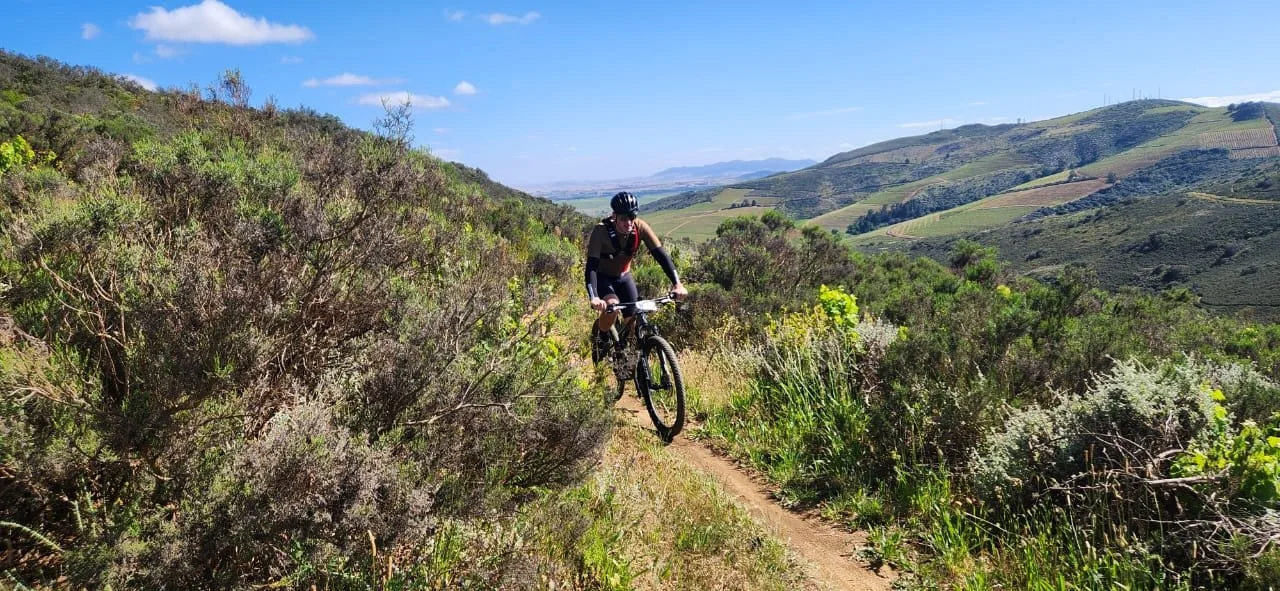
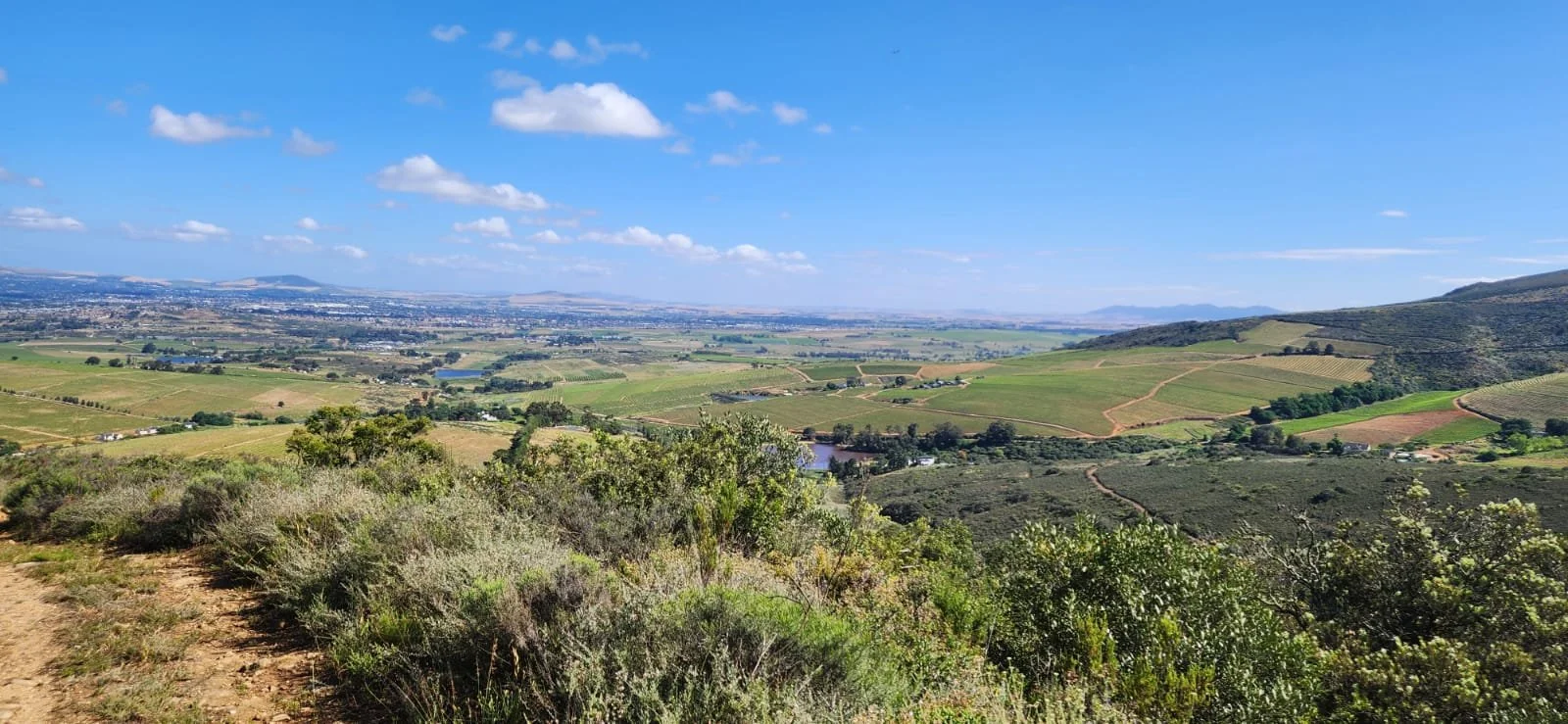
Established in 1992, the Bottelary Hills Renosterveld Conservancy safeguards 1,500 hectares of critically endangered Renosterveld within the heart of the world’s smallest and most diverse floral kingdom. Home to over 8,600 plant species—many found nowhere else on Earth—the Conservancy offers a sanctuary of natural beauty and biodiversity. Visitors can explore 130 km of mountain bike trails, scenic hiking routes, and immersive wine experiences across 55 member farms, making it an essential destination for nature and adventure enthusiasts visiting the Stellenbosch area.

The Greater Simonsberg Conservancy (GSC), established in 2004 near Stellenbosch in the Cape Winelands, covers nearly 5,000 hectares of farmland, with about 1,562 hectares dedicated to conservation. It protects critically endangered vegetation, including Swartland Shale Renosterveld and Boland Granite Fynbos, and features a 300-year-old yellowwood forest on Klapmutskop. The GSC manages alien vegetation, fire planning, and environmental education, and offers hiking and mountain-biking trails.

To find out more:


Celine Macdonald
Building skills for biodiversity conservation

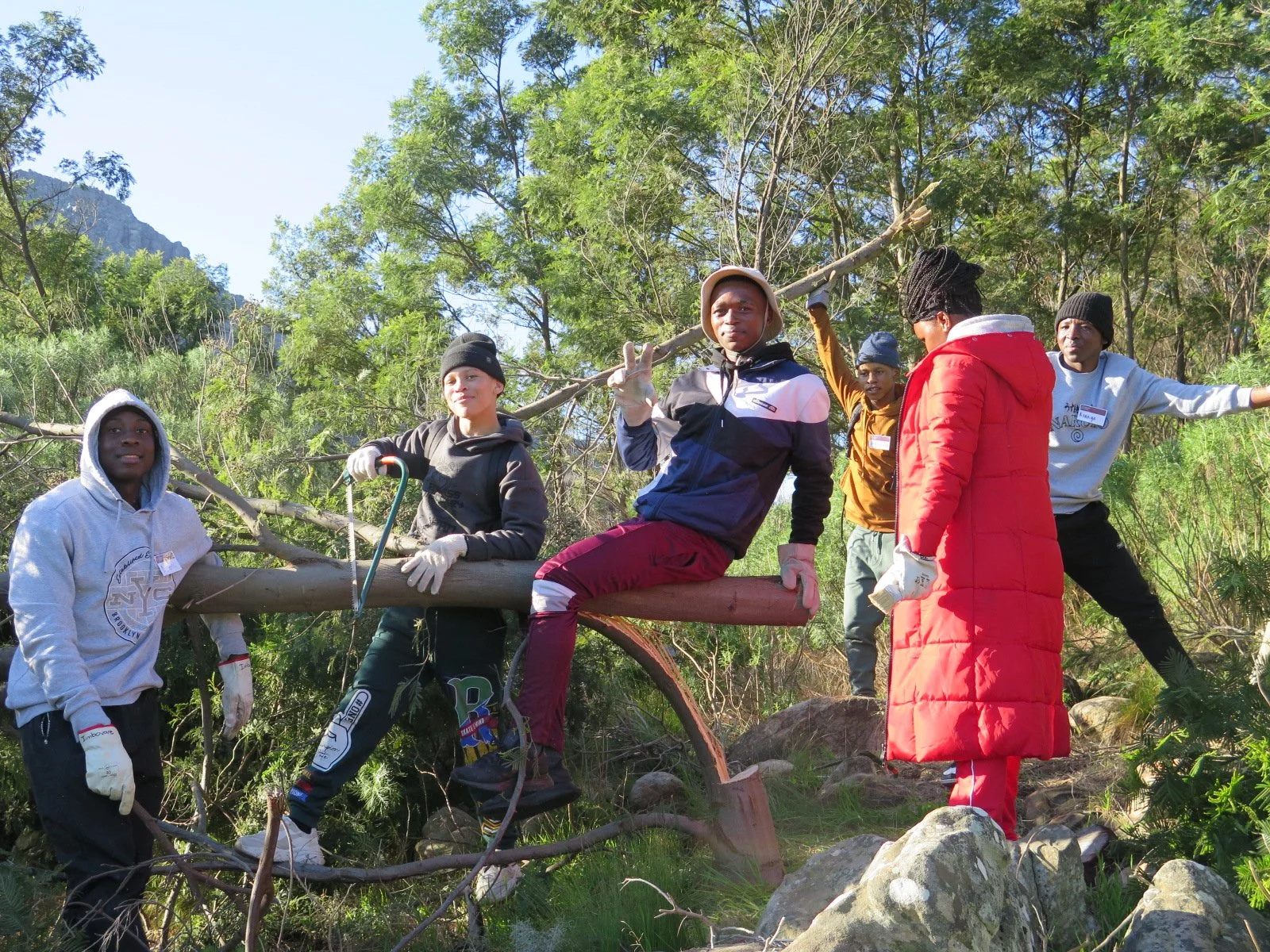
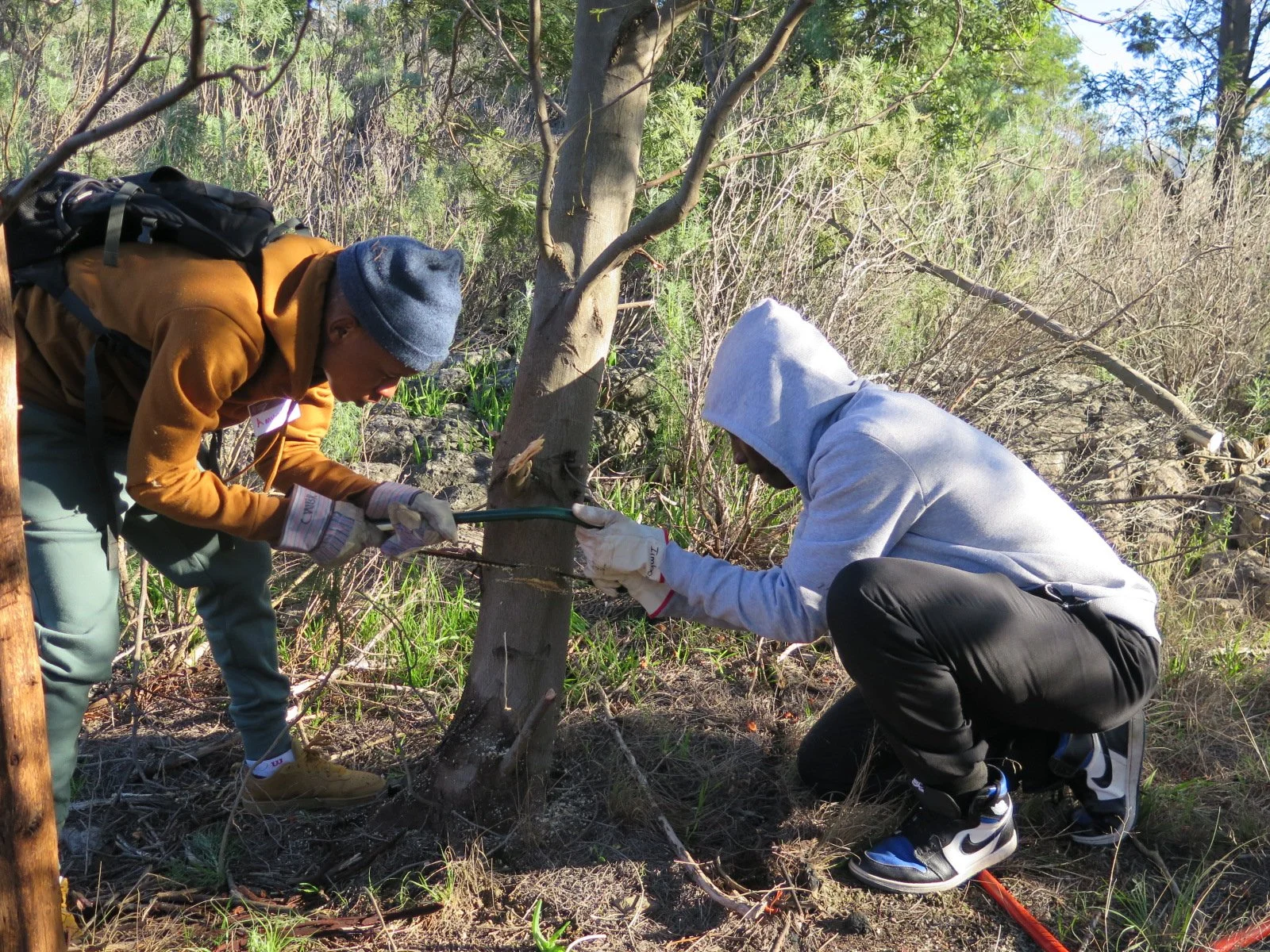
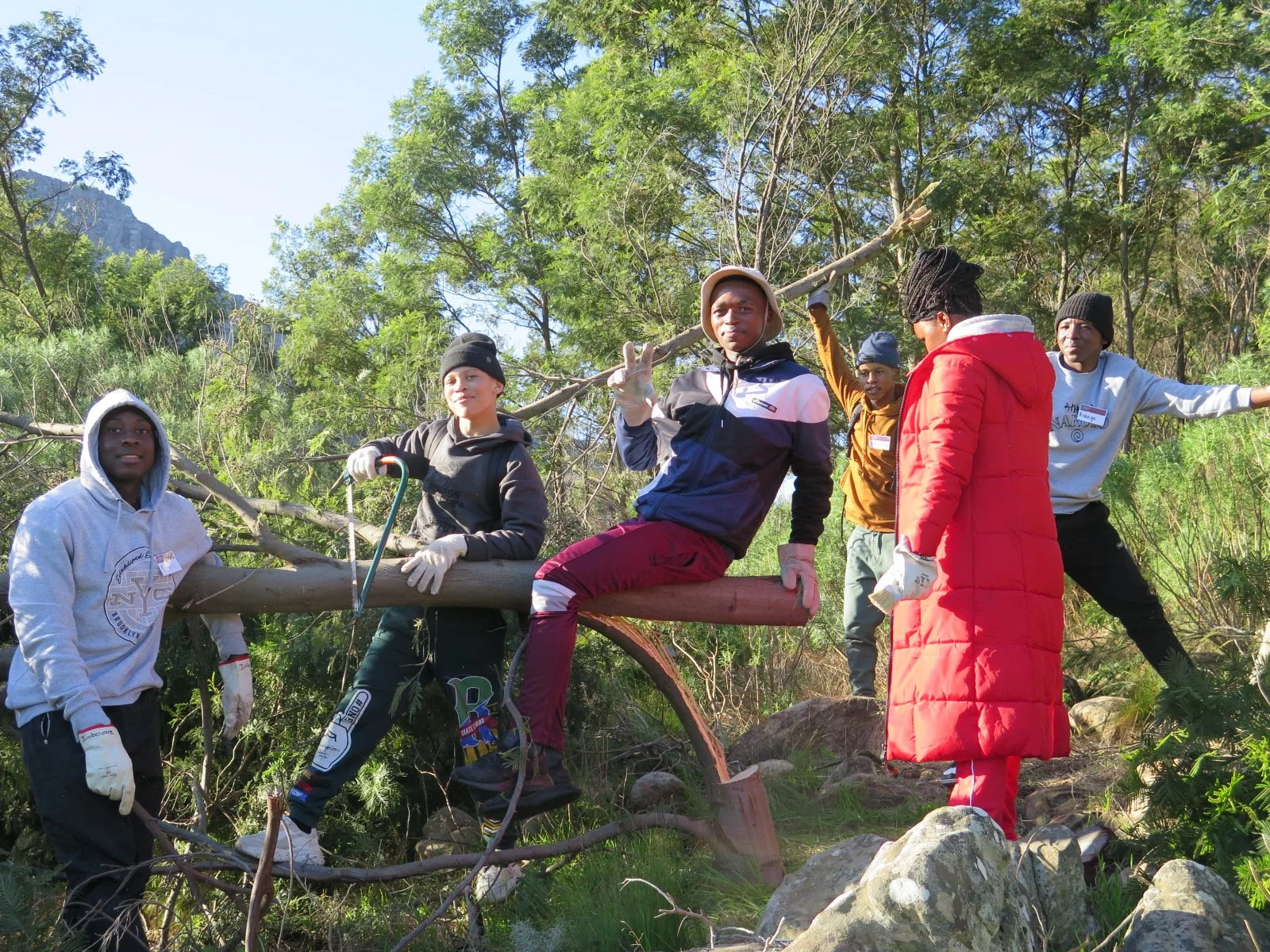
In July 2025, Iimbovane, in collaboration with the education team of the Cape Winelands Biosphere Reserve, hosted a youth camp for learners to develop important conservation and life skills. The camp provided learners with direct experience in biodiversity conservation work, environmental education, and collaborative problem-solving.

To find out more about the camp’s activities and the collaboration, check out the Iimbovane news blog: Building skills for biodiversity conservation

Or download the article here: Building Skills for biodiversity conservation

A journey of volunteering

On my third day of volunteering in the Cape Winelands Biosphere Reserve, I joined an early morning hike through the fynbos vegetation, endemic to South Africa. Surrounded by thick mist, the path was barely visible, the air heavy with quiet, the sky and earth blurred into one. Immersed in this unfamiliar landscape, it felt as if I had stepped onto a different planet. I couldn’t see far ahead, only where to place my next step. At the time, I didn’t realise that this hike would become the perfect metaphor for my volunteering journey I was about to begin.

That fog mirrored the uncertainty I felt upon arriving as a volunteer - unsure of how I could contribute with my background in psychology rather than ecology, and unsure where I would find my place in it all.

As I kept walking, the trail led uphill at first. Learning to follow conversations in languages I didn’t speak fluently, attempting tasks I’d never done before, growing more sensitive to different perspectives. Volunteering in a Biosphere Reserve, my tasks were as diverse as the landscape: assisting with environmental education, supporting communication efforts, helping coordinate field trips, engaging with local communities in various ways. But beyond completing tasks, it was a matter of being present - to observe, to listen and to remain curious.

Eventually, the fog began to lift, and my steps grew more confident. The path opened up, as I learned how conservation work isn’t solely about nature, but most importantly it’s about people. About collaborative efforts across cultures and generations, rooted in mutual respect and shared purpose.

Somewhere along that trail, just after we turned back, I was rewarded with seeing a single King Protea, South Africa’s national flower, with its pink colour glowing majestically against the green vegetation. It turned out to be the only one I’d see in the wild throughout my entire stay. In hindsight, that moment has become symbolic for the many small, unexpected encounters and meaningful relationships that quietly shaped this volunteering experience into a deeply personal journey.

Lisa Ripoll
Blossom Café

An international student reflects on her experience after having the opportunity to visit one of the Young Mother Support initiatives in Villiersdorp, the Blossom Café. Co-created and supported by Cape Winelands Biosphere Reserve.

This afternoon, we met a larger group of young girls at the “Blossom Café.” The girls meet every two weeks. The local Flourish host is one of the people responsible for organizing it.

We all sat in a circle, and we started right away with a dance, which helped lighten the mood, especially because some of the girls were shy. After that, we prayed and introduced ourselves. Even if you don’t believe in God, it was a few moments of reflection where you could look within yourself.

I personally felt like part of the group because it was also new for the girls (it had only recently started), and we were given the same task to complete together. We had to write down on a piece of paper what makes us sad or afraid. Even though it was anonymous, I found it hard to write something down. I wasn’t sure if I should open up that much.

I wrote: losing someone I love, Violence, Not being honest, Unfairness.

Looking back, I think I should have written more and allowed myself to be more open. The girls around me didn’t hesitate and wrote a lot. That surprised me because, as a young child, you usually have fewer fears, don’t you? But, of course, this is extremely personal and individual.

Once we were done, we all put our papers in a box, and each person had to take a random one and read it loud anonymously. Almost every girl had written about bullying at school. That made me really sad because it reminded me that I was also excluded at times in elementary school. I’m so grateful that this is no longer the case for me in high school, and I hope the girls will be able to rise above it and build real friendships. It’s heartbreaking how mean children can be and how much they can hurt others…

Some girls wrote that they were afraid of getting pregnant. As an 11-year-old, I never had the fear of getting pregnant or being raped, and that makes me so sad. But the facilitator said she would be there for the girls and support them, which made me really happy.

Two girls have also lost their parents, which reminded me of a question a girl from the Earthlings (Eco-Educational club, Stormsriver, Tsitsikamma) asked me: Do you have a mom and dad? At that moment, I just wanted to hug my parents.

At the end, we had a discussion where we talked about the importance of supporting one another. My classmate summed it up perfectly by saying how important it is for women to use their voices. It felt so good to talk about female empowerment together. I felt personnaly really empowered. The feeling was incredible, I had goosebumps.

(Now that I’m going over this again, International Women’s Day was on March 8th, and this day is just so important! Women can achieve anything they want, and it’s about supporting young women and encouraging them, including myself, because I sometimes have doubts too.)

Further reading and background of the reflection…

In February, the Cape Winelands Biosphere Reserve team had the pleasure of hosting the yearly cross-cultural trip with the Athénée school Edulink class from Luxembourg. The students and teachers’ part-took in various projects and educational activities, learning alongside local youth, having cross-cultural engagements over the course of two weeks.

Athénée Action Humanitaire, the school NGO, have supported Cape Winelands Biosphere Reserve eco-educational and socio-economic projects since 2016, reaching over 26 000 people.

Photo features the first Blossom Cafe outing that took place last year. The girls, accompanied by facilitators, visited Two Oceans Aquarium.

The Blossom café workshops, for girls aged 12 – 16, are co-facilitated bi-weekly with the Flourish host, alongside two additional facilitators. The aim is for the vulneable girls in the community to gain access to available resources, build a strong support system in the community, foster healthy friendships, and recieve nutrition education.

Cape Winelands Biosphere Reserve also supports the Flourish host in her mission to reach and educate at-risk young pregnant mothers, unemployed, or suffering from substance abuse. Flourish is a national Grow Great initiative offering 10-week classes in post and antenatal classes, focusing on the first 1000 days of a baby’s life. They baby and the mother’s health and wellbeing.