Empowering Citizen Scientists

In the heart of Kommetjie, Cape Town, the Freshwater Research Centre (FRC) became our classroom for an in-depth training course in Aquatic Biomonitoring using the South African Scoring System Version 5 (SASS5). Alongside fellow participants from all corners of the country and a dedicated Citizen Scientist, Sinazo Fatyi, we delved into a structured program that explained the complexities of assessing river health.

The Importance of Biomonitoring |    

The training kicked off with an introduction to the fundamentals of biomonitoring. We learned why bioassessment is crucial, distinguishing it from traditional physico-chemical monitoring methods and offering a more nuanced understanding of ecosystem health. Through discussions, we grasped the significance of macroinvertebrates as indicators of ecosystem health, interpreting the subtle cues they provide about the condition of our rivers.

Getting to Know the Critters |
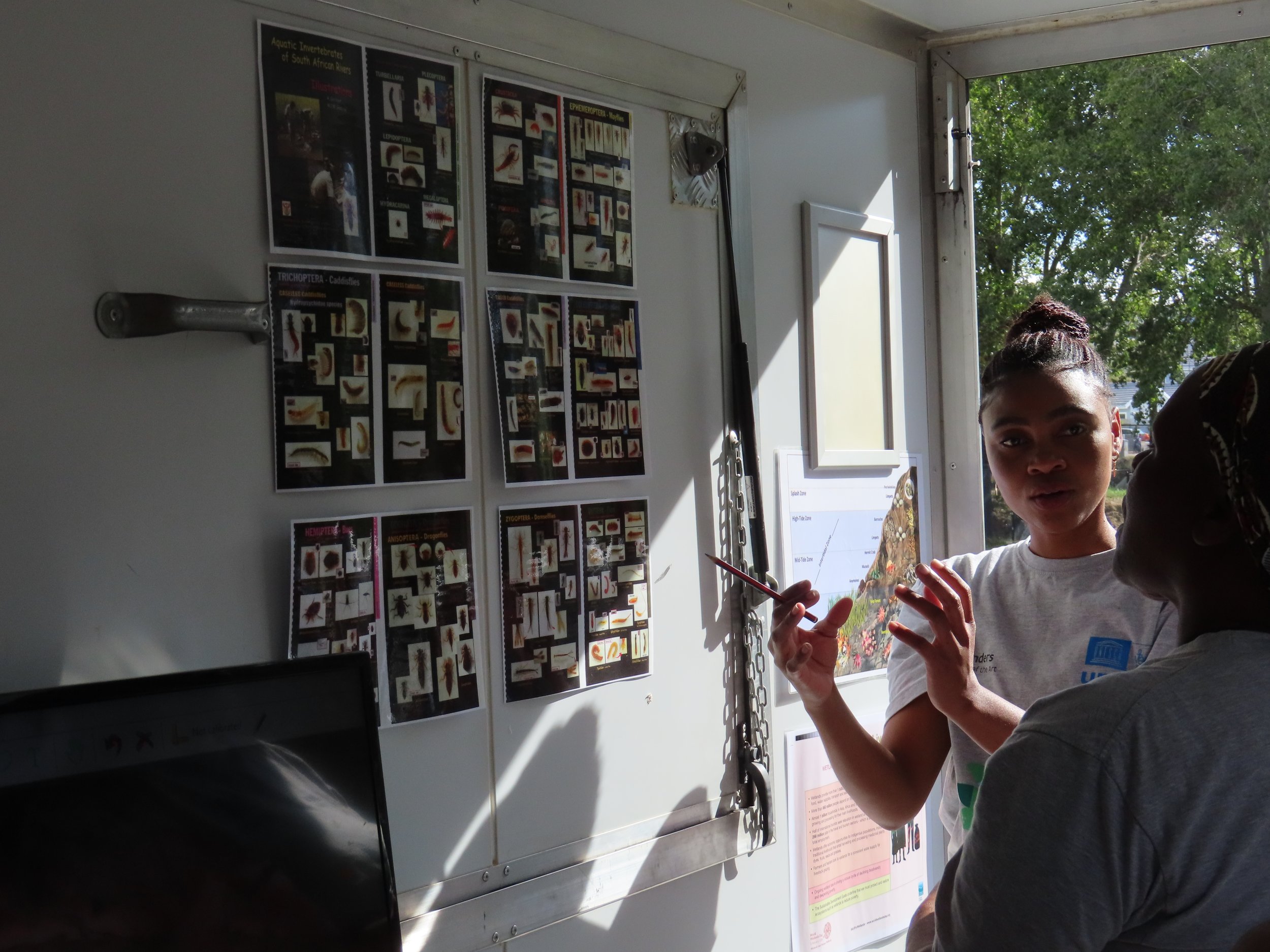
A significant part of the training was dedicated to taxonomic identification of freshwater aquatic invertebrates. From sponges to caddisflies, we familiarized ourselves with the major taxonomic groups inhabiting freshwater environments. Hands-on activities and sessions provided us with the necessary skills to confidently identify these creatures in the field.

Cracking the SASS5 Code |

At the core of our training was a deep dive into the South African Scoring System Version 5 (SASS5). We learned the ins and outs of the scoring system, including sampling protocols and practical applications. Video demonstrations provided a visual guide, preparing us for the field. One pivotal aspect of our training was discovering how to submit our collected data to the Freshwater Biodiversity Information System (FBIS). The FBIS serves as a centralized repository where researchers, policymakers, and the general public can access and analyze data related to freshwater biodiversity.

Field Experience in Silvermine Nature Reserve |
We ventured into the field at Silvermine Nature Reserve, where we put theory into practice. Under the guidance of experienced instructors, we practiced SASS5 protocols and identified macroinvertebrates. Sampling at various sites within the reserve allowed us to gain practical experience in site selection and sampling techniques.

Real-world Application in Eerste River |

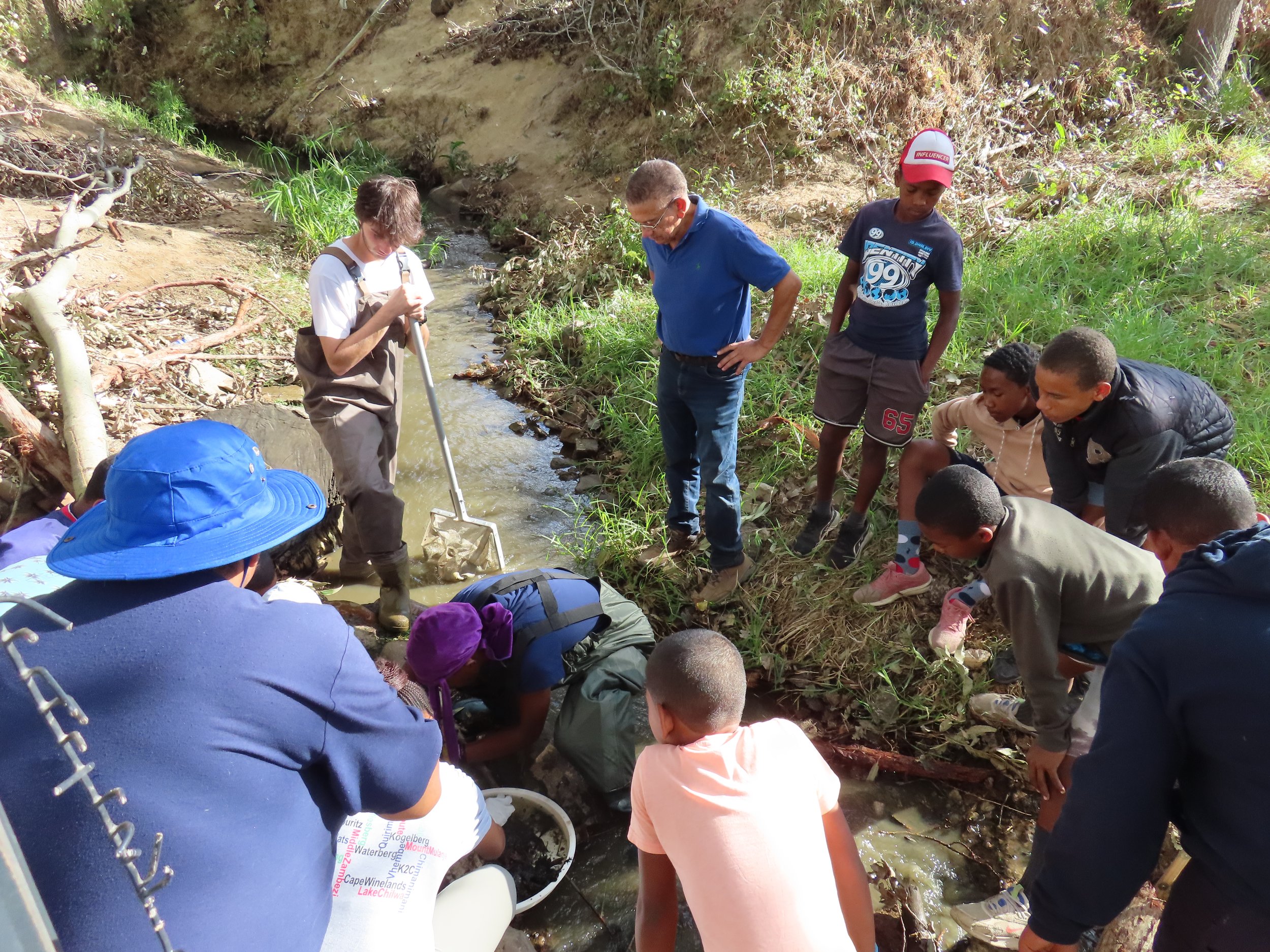
A highlight of the training was a field trip to Eerste River, Stellenbosch, where we put our skills to the test in a real-world environment. Conducting individual sampling and processing samples on-site, we gained firsthand experience in applying SASS to assess river health. The field trip underscored the importance of data-driven monitoring efforts in environmental conservation.

Empowering Citizen Scientists |
Throughout the training, the importance of citizen science in environmental stewardship was emphasized. Sinazo Fatyi's reflection on her experience as a Citizen Scientist resonated with participants, highlighting the transformative impact of community engagement in conservation efforts.

“I am grateful for the opportunities that have been provided and the trust that is shown in my abilities, which allowed me to grow more interested in this field of work. I am honoured to be part of the team and looking to further learning and contributing to the success of the organization. I really appreciate the chance I've been given and grateful to the whole team for believing in my potential.” – Sinazo

Looking towards the future

As the training drew to a close, we reflected on the path ahead. Armed with newfound knowledge and skills, we are prepared to integrate SASS5 into our river monitoring initiatives and projects within the Cape Winelands Biosphere Reserve. Through collaboration and continued learning and practicing, we aim to enhance our understanding of freshwater ecosystems and contribute to their long-term conservation.

In conclusion, our training with the FRC was a comprehensive and enriching experience that deepened our appreciation for the complexity of aquatic ecosystems. As we embark on our respective conservation journeys, we carry with us the lessons learned and a renewed commitment to protecting our precious water resources for future generations.

The SASS5 participants alongside lecturer and field instructor Dr Helen Dallas
Earth Day 2024

The 22nd of April is declared as International Earth Day, a dedicated day to come together as communities and individuals to learn about and celebrate the biodiversity on our beautiful planet Earth through educational activities that foster healthier habits and promoting environmental conservation and sustainable living.

As part of the UNESCO Man and Biosphere Programme, Cape Winelands Biosphere Reserve (CWBR), is a custodian for all of the above, every day, all year around.

For this year’s dedicated international celebration with the broader community, we partnered with Idas Valley Trails, Stellenbosch University, EcoMaties Society, and CapeNature to facilitate activities in Idas Valley with youth and members of their community.

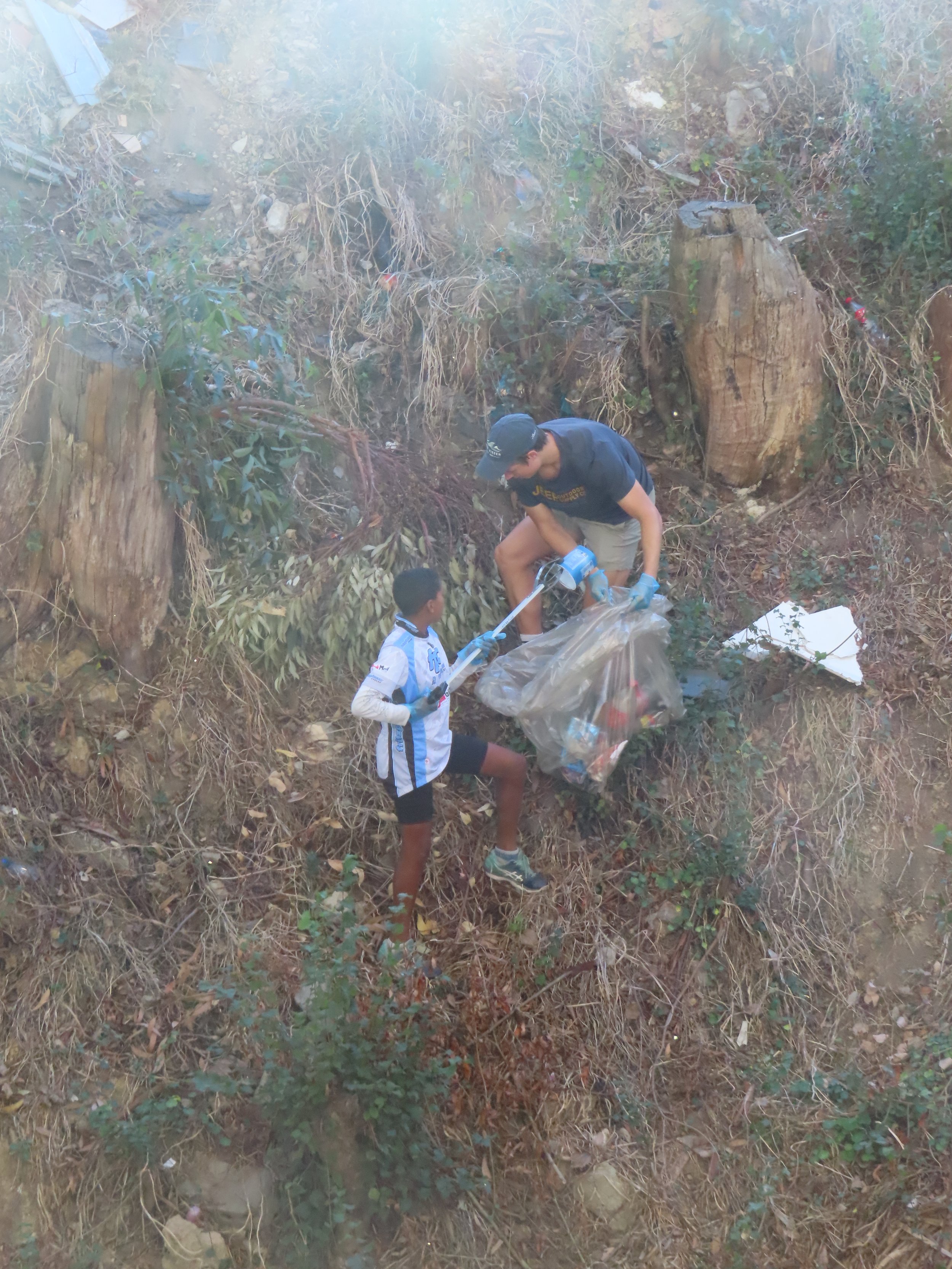
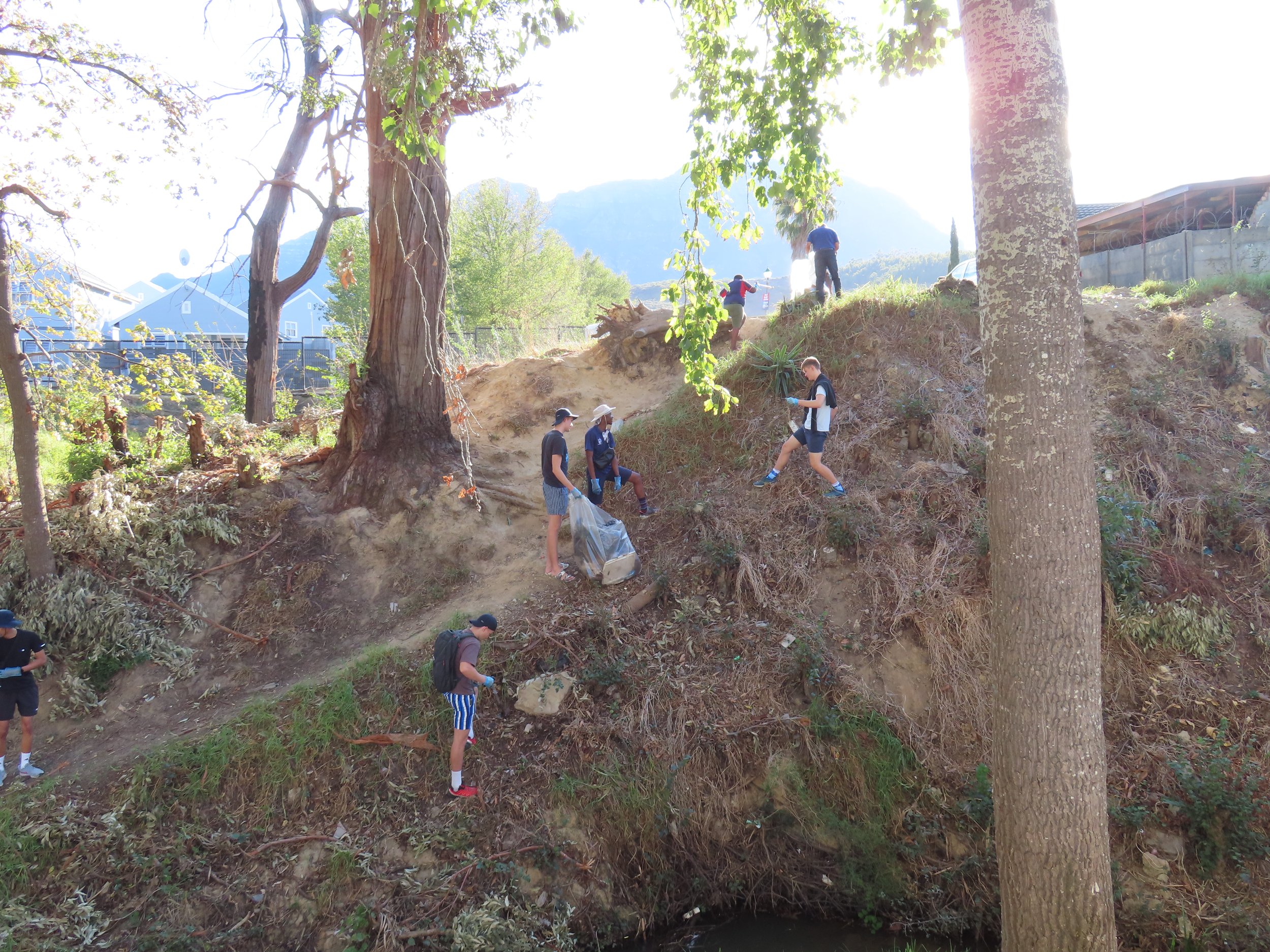
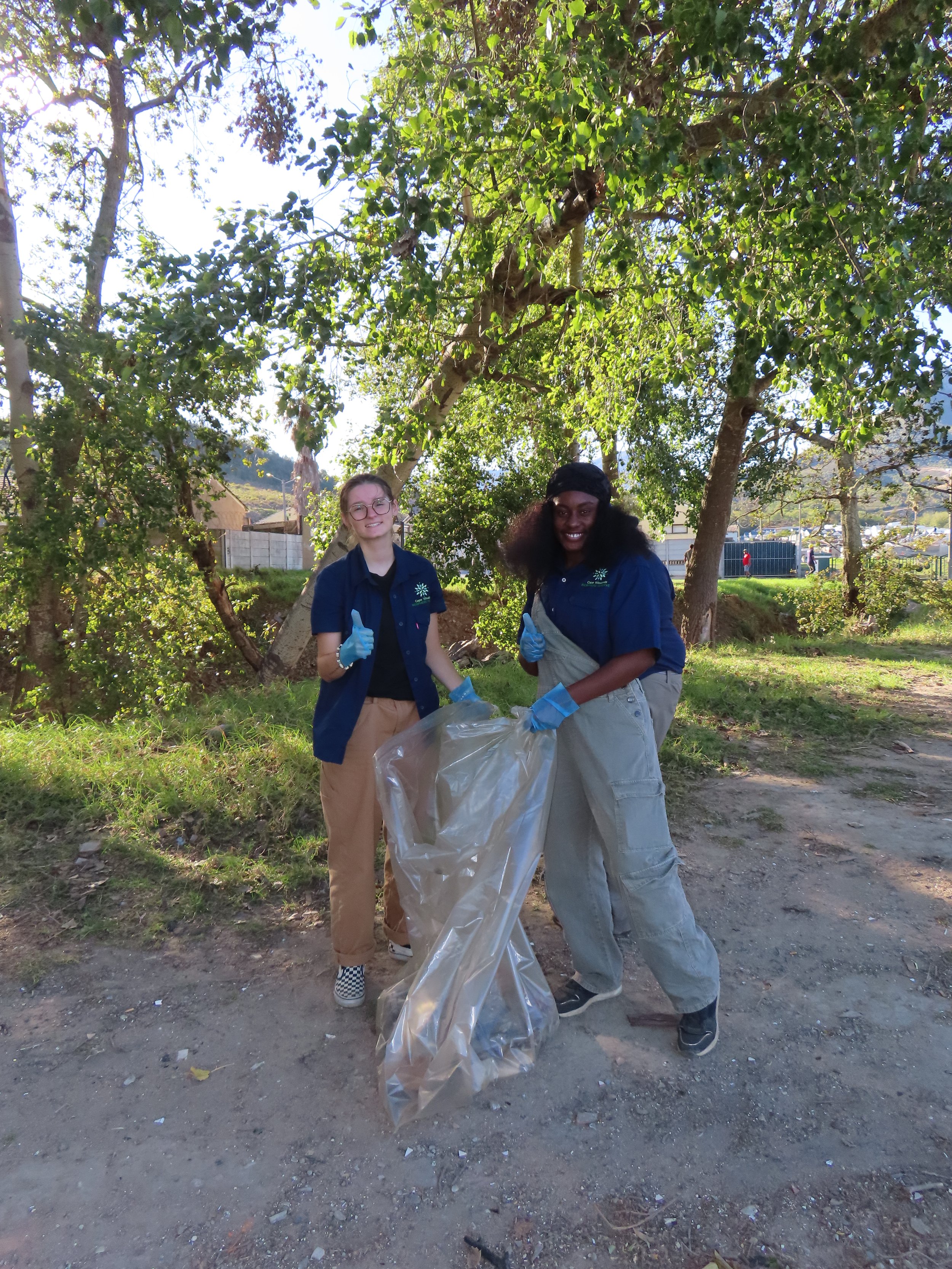
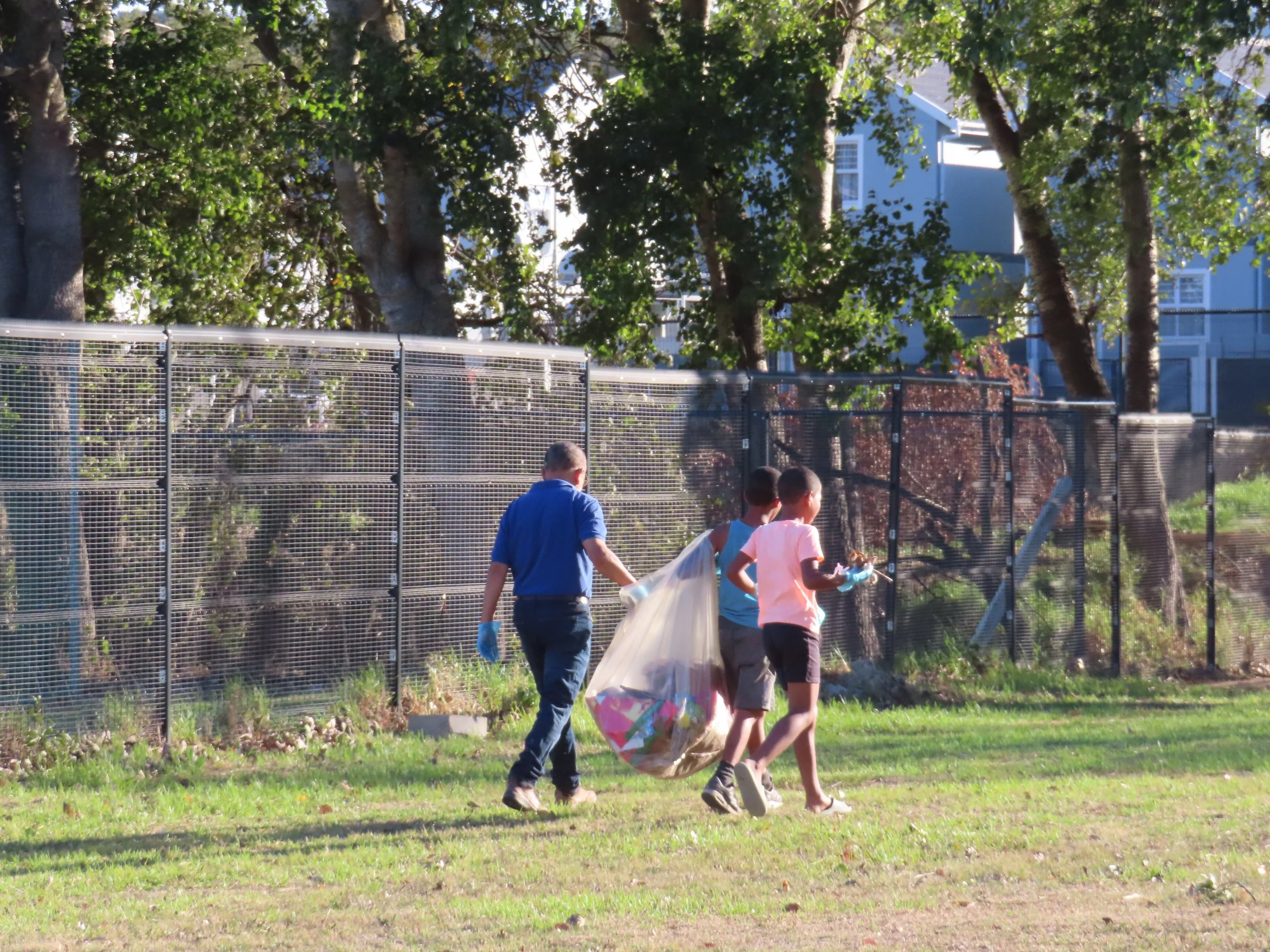
With this year’s theme in mind – Planet vs. Plastics: the morning started with a clean-up of the area where the activities would be hosted. Seven bags, equivilant of 240 litres of trash, were filled from what was collected in the park, along the park’s fence line, and the river. Pinpointing why littering is bad and the importance of a clean environment, so that it can be enjoyed by everyone, and for biodiversity to thrive. Once this was done, the enthusiastic youth were excited to proceed to the rest of the day’s activities. 

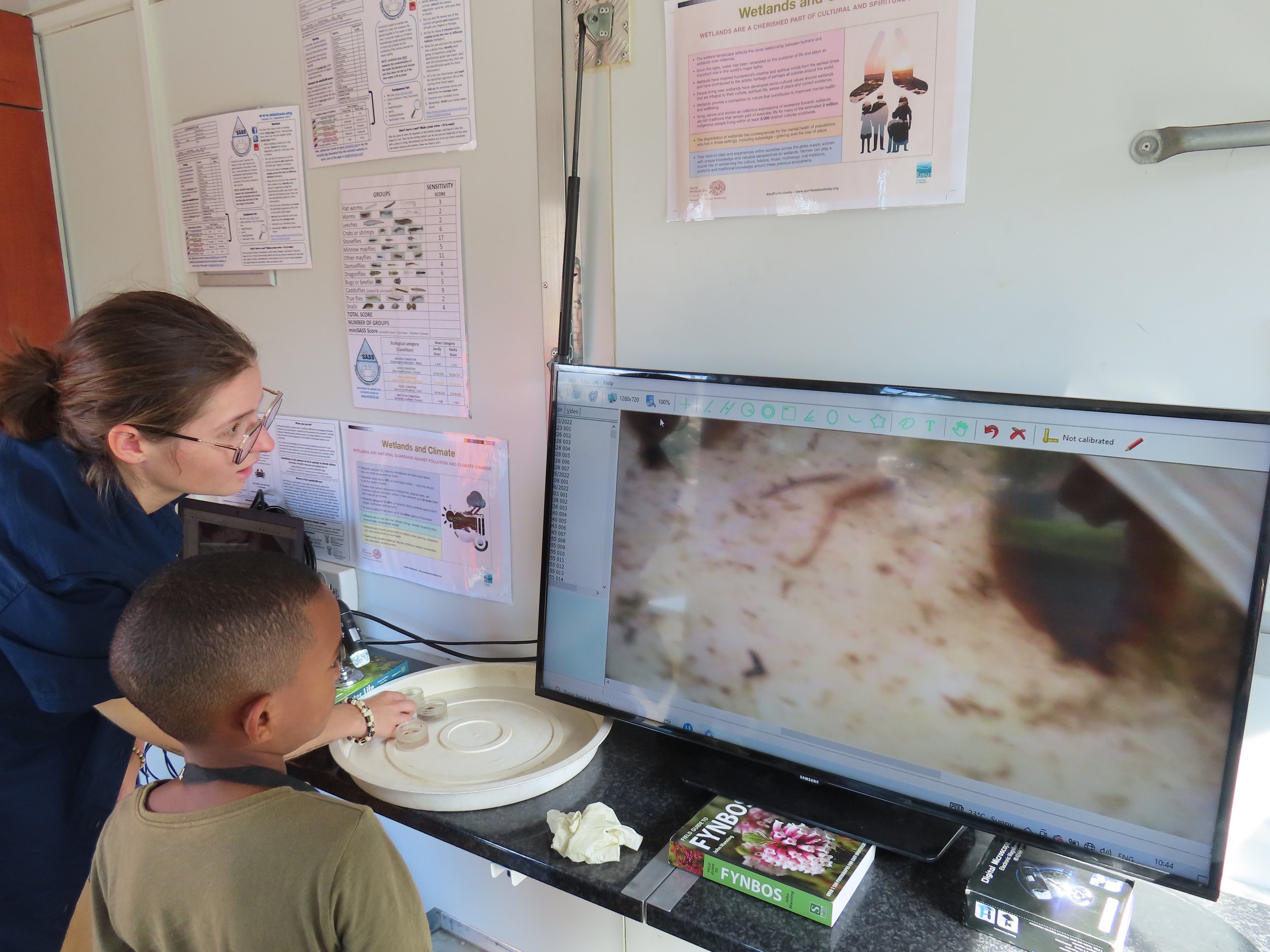
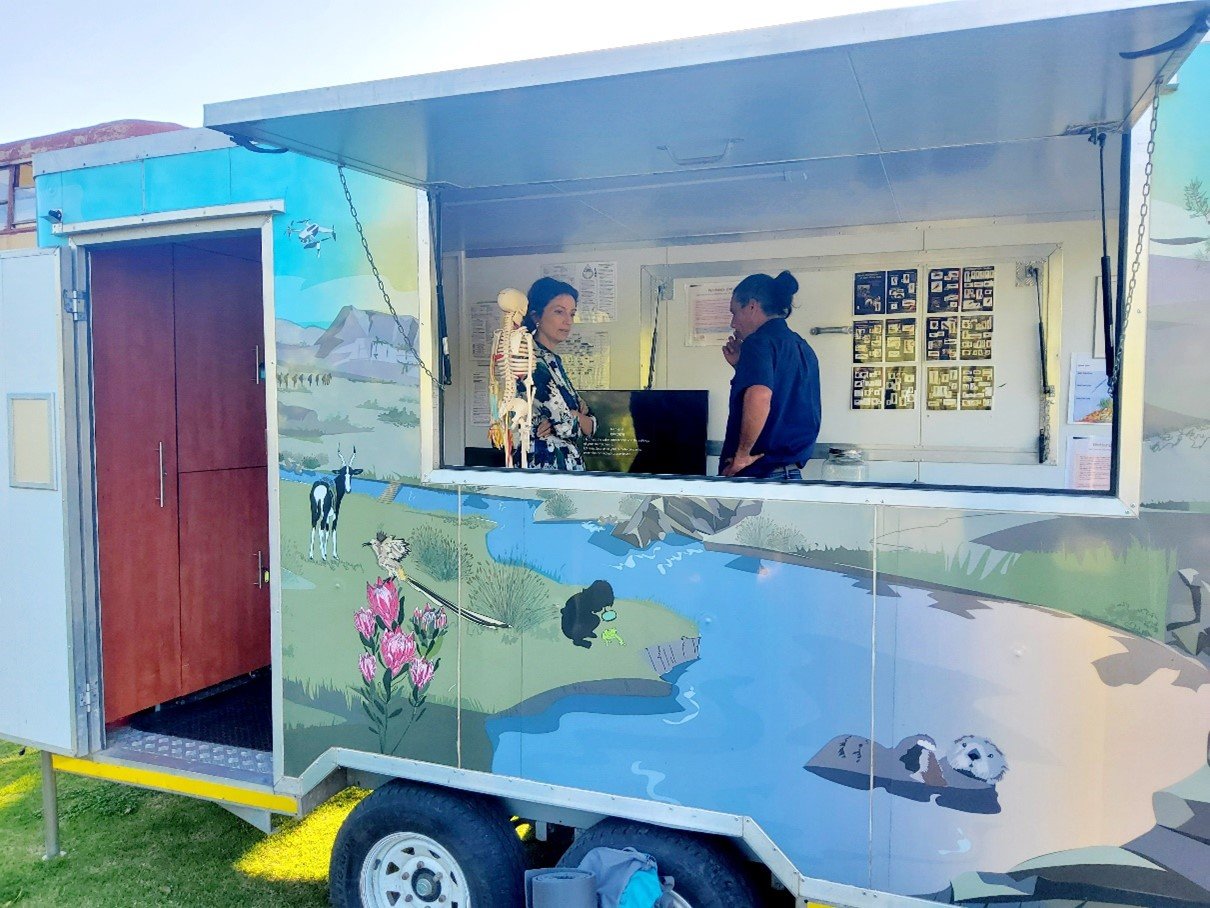
Cape Winelands Biosphere Reserve activities included our trusted mobile educational classroom STEAM-Y* hosting digital microscopes, binoculars, telescopes, books on animals and the environment, and human anatomy models.

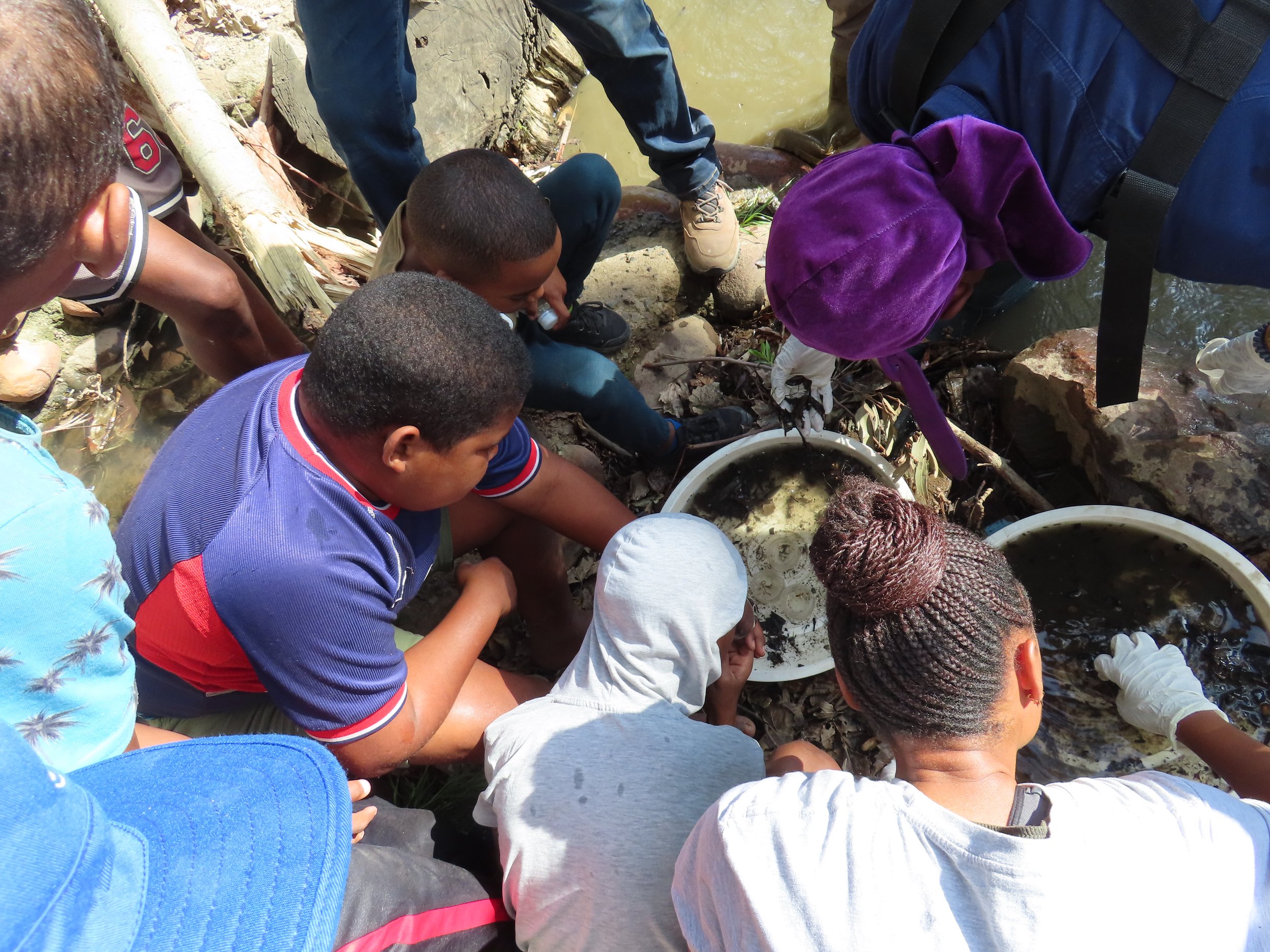
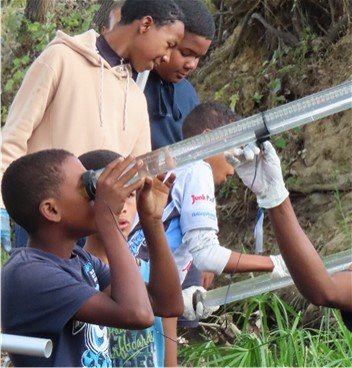
Two CWBR trained community citizen scientists, together with two CWBR international volunteers, led the anticipating youth to the Krom River to discover the biodiversity that lives within it. The MiniSASS method was explained and how it is used to monitor river health. The turbidity tube was also explained, how it determines how clear or murky the river is. With the initial findings indicating quite poor river health, the youth were happy to discover a crab and various nymph’s (a form taken at a stage in a dragonfly’s life). These were later taken to the mobile classroom, to be observed closer under a digital microscope and identified.

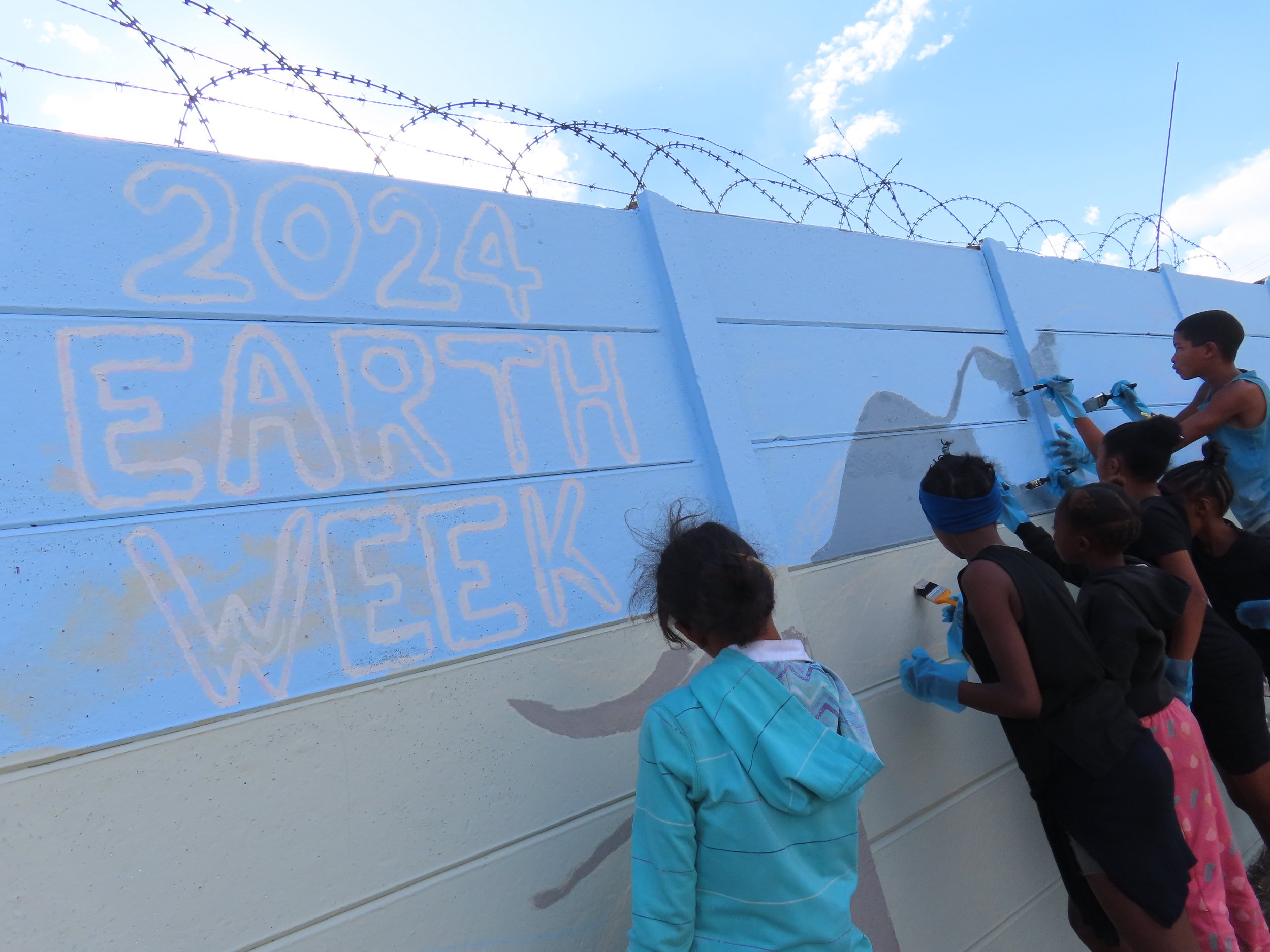
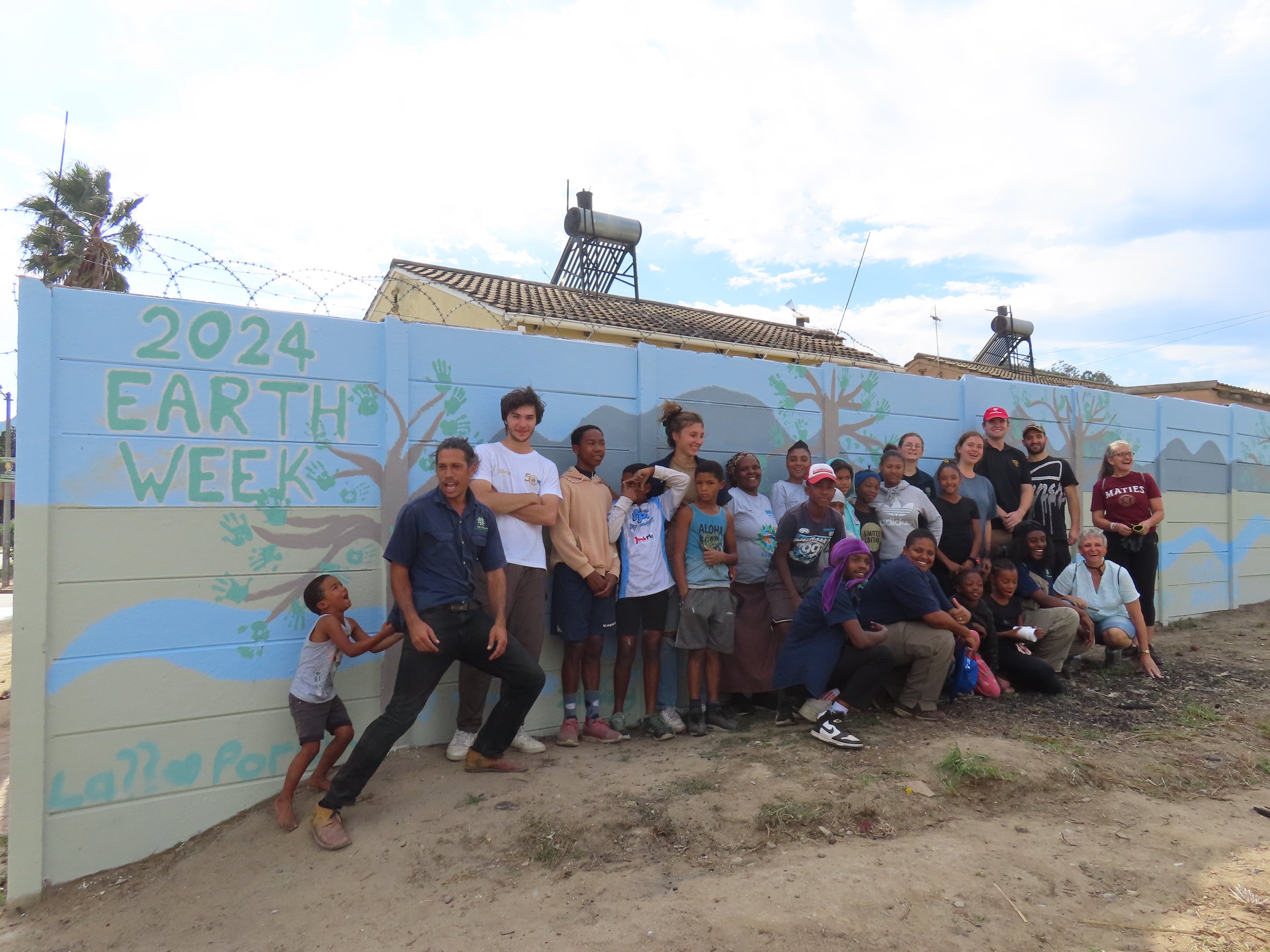
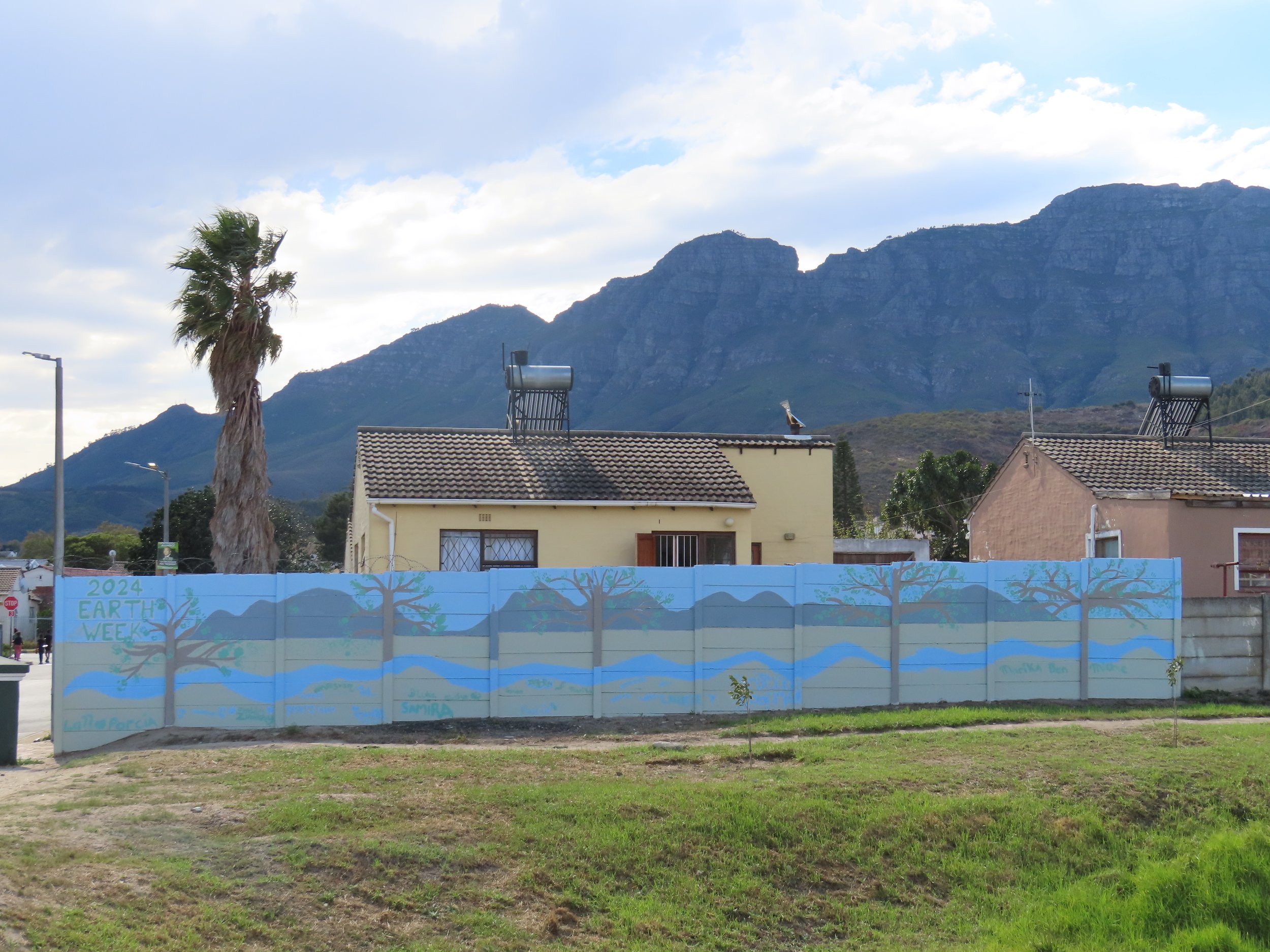
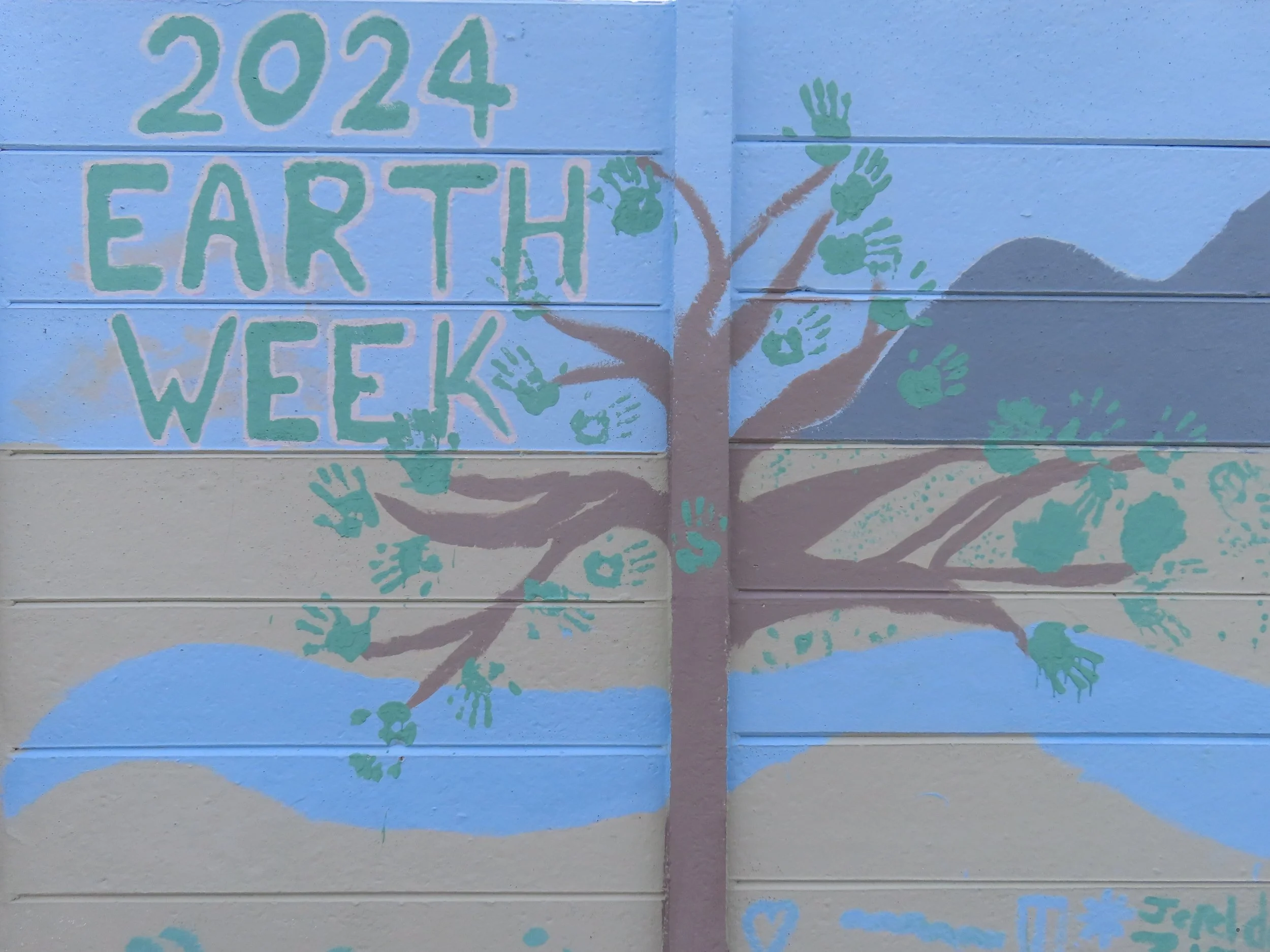
At the mobile classroom, facilitated by two CWBR international volunteers, the youth learned to use binoculars and a telescope. Further along the park, on the other side of the road, Stellenbosch University students and two facilitators, including three representatives from EcoMaties Society, planted trees along the riverbed and, together with several youth, painted a mural in commemoration of the day’s activities.

70 participants altogether joined in on the day’s activities.

*Science, technology, engineering, art, and mathematics – for youth

Celine Macdonald
Expose at Cape Winelands Biosphere Reserve

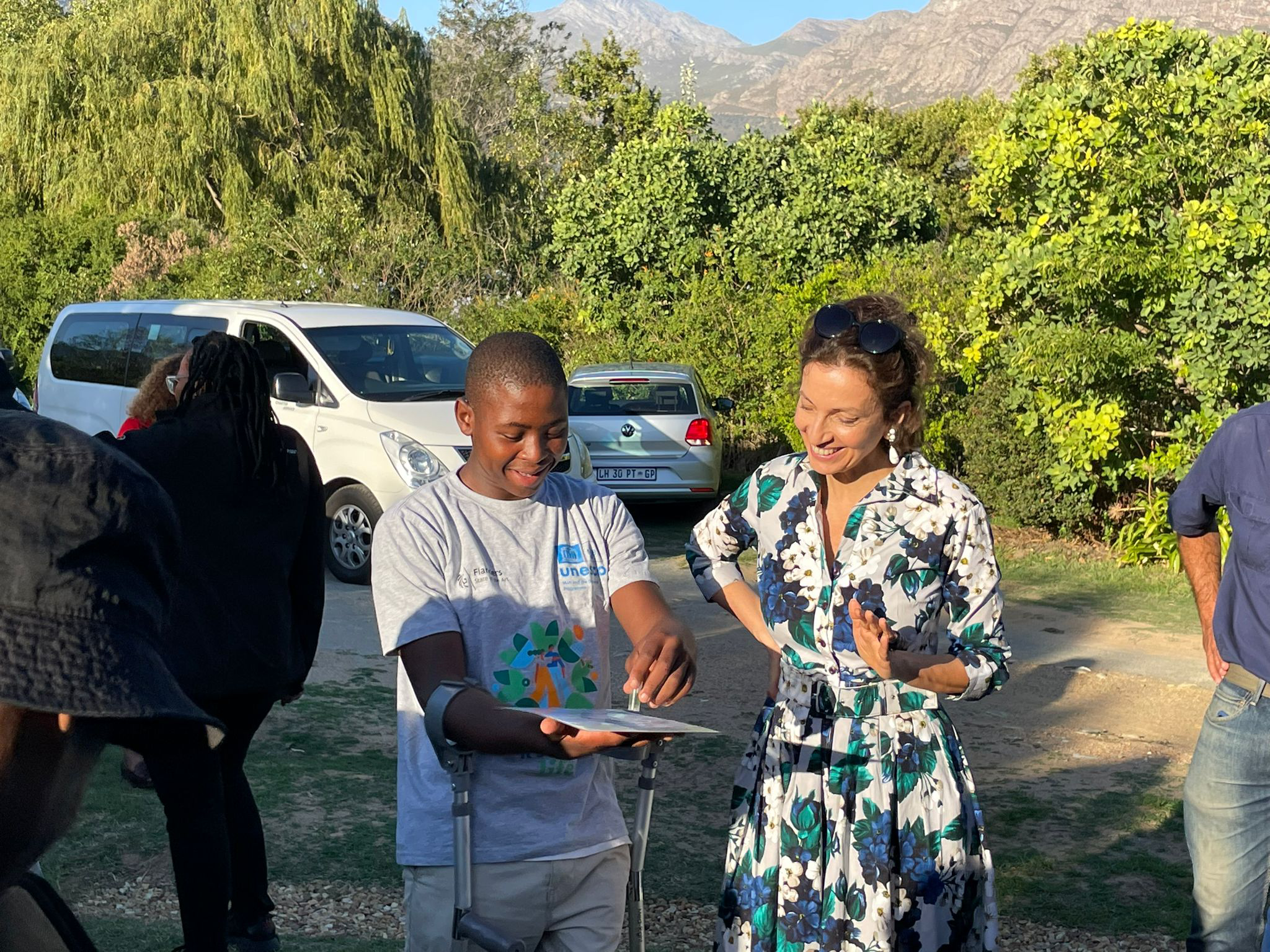
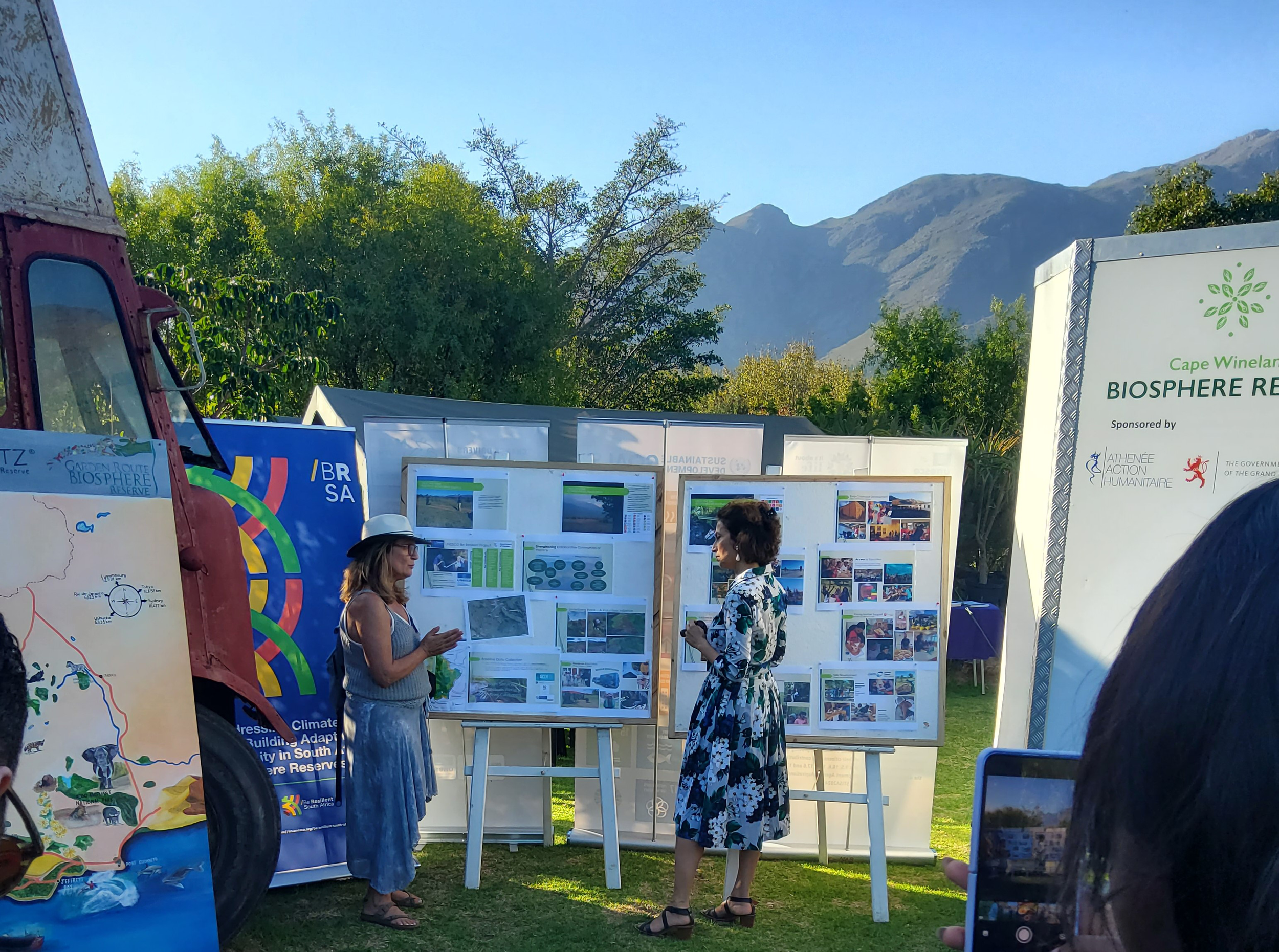
On the 17th of April 2024, Audrey Azoulay the UNESCO Director General, was hosted at the Cape Winelands Biosphere Reserve (CWBR) head office in Franschhoek for an afternoon showcase of the current CWBR activities and projects, as part of her official visit to South Africa.

The event included a presentation of the impact of various efforts undertaken by the CWBR team which was then followed by a hands-on exploration of the educational activities available through the CWBR Mobile Educational Unit STEAM-Y*, and meeting five members of the Jonkershoek and Khayamandi communities, Stellenbosch, who have trained as Citizen Scientists through Cape Winelands Biosphere Reserve opportunities. The highlight of the event, the citizen scientists explained the various tests they do as part of data collection at selected monitoring sites along the Berg and Eerste rivers.

The CWBR team, two CWBR Board Directors, and the citizen scientists were honoured to share time with Ms Azoulay. In addition, representatives from UNESCO Paris, UNESCO Regional Office South Africa, South African Commission for UNESCO, Department of Forestry Fisheries and the Environment, Department of Environmental Affairs and Development Planning, and various officials attended the event.

The visit emphasized the important role of biosphere reserves in fostering access to education and training, support for vulnerable communities, young women, and girls, and strengthening strategic partnerships in biodiversity conservation and strategic water source areas.

These form part of the three functions of the UNESCO Man and Biosphere Reserve programme including: Conservation of Biodiversity and Cultural Diversity, Economic Development that is socio-culturally and environmentally sustainable, and Logistic Support underpinning development through research, monitoring, education, and training.

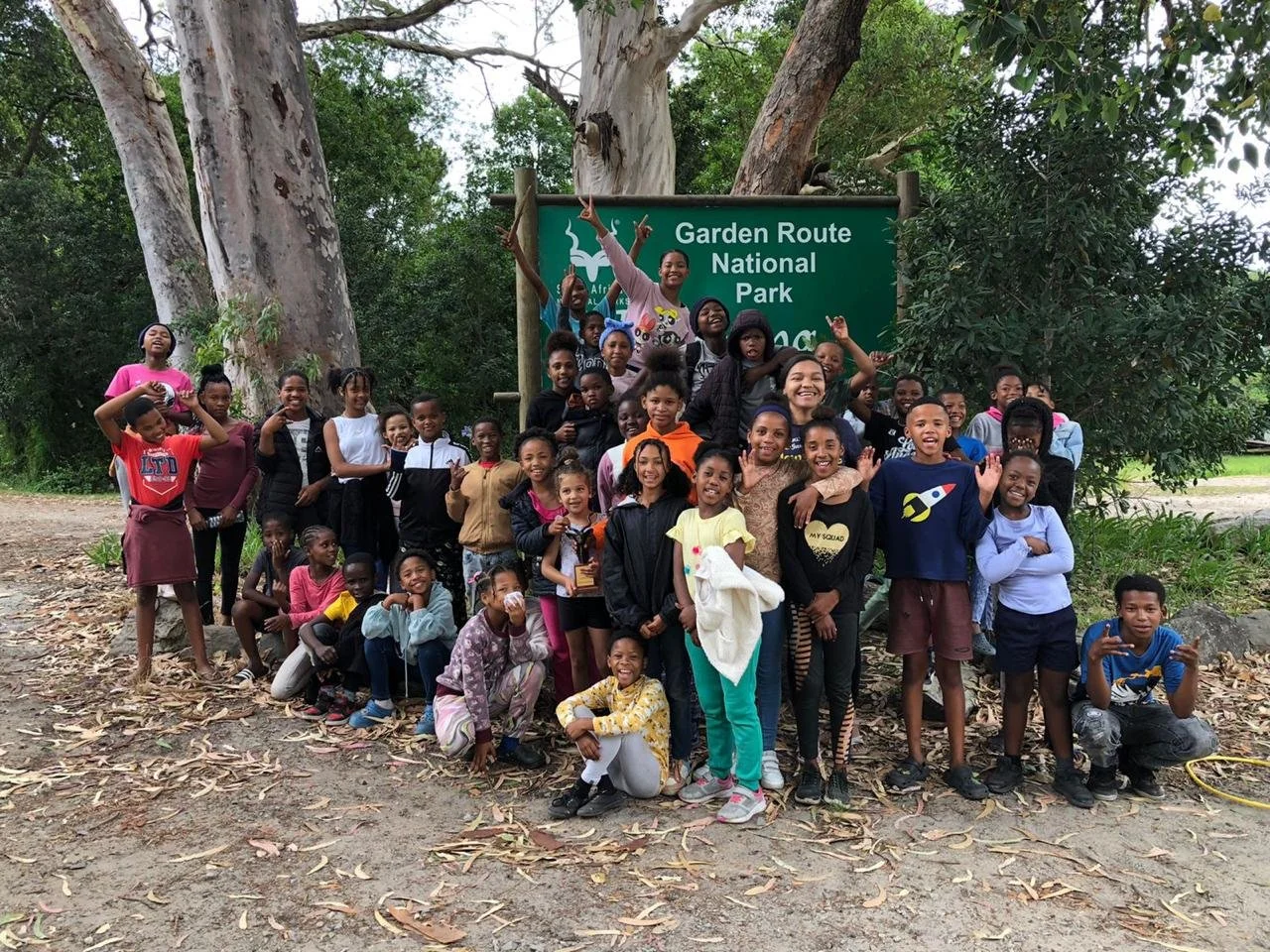
Celebrating the Earthlings and Joslin

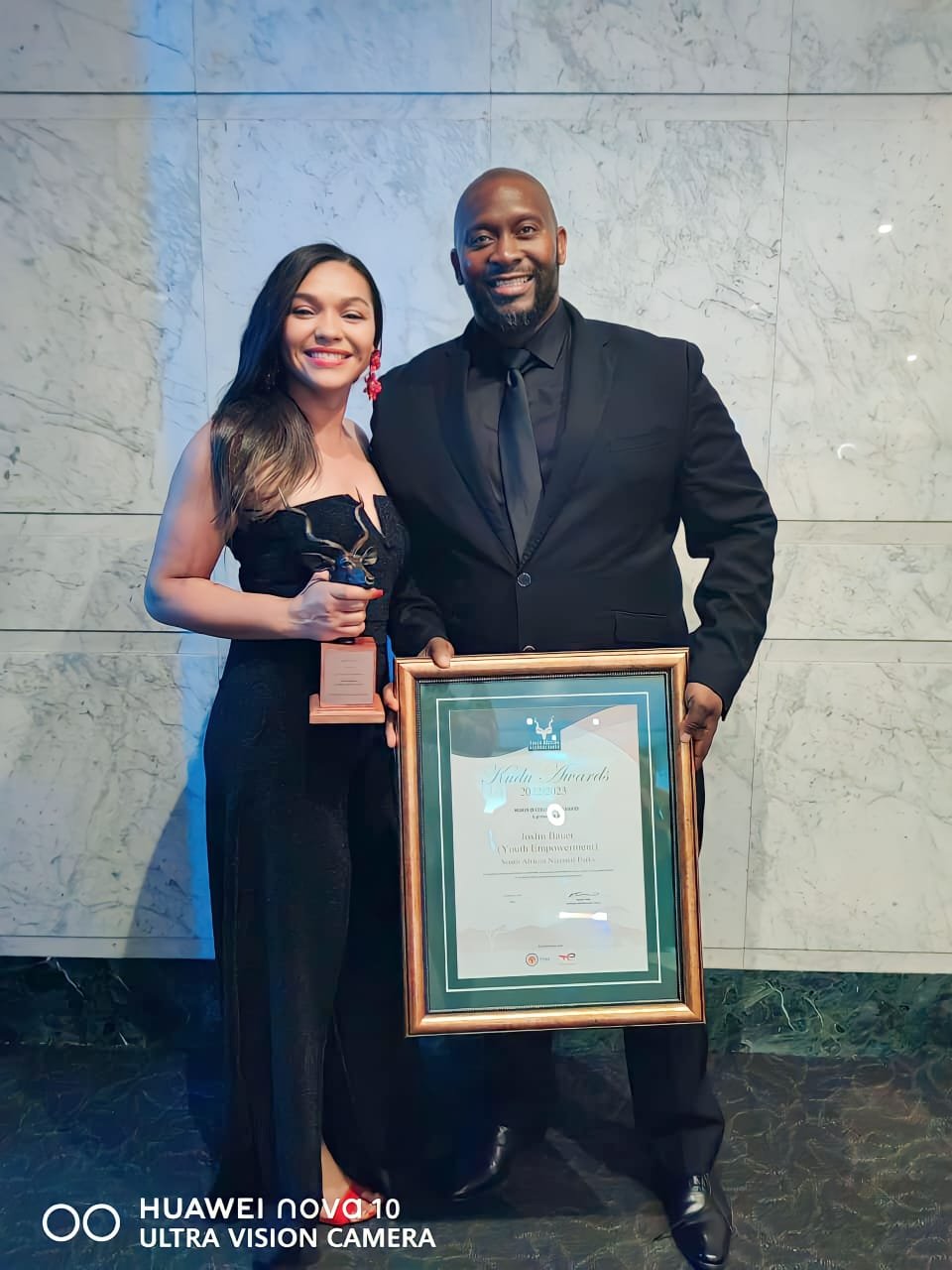
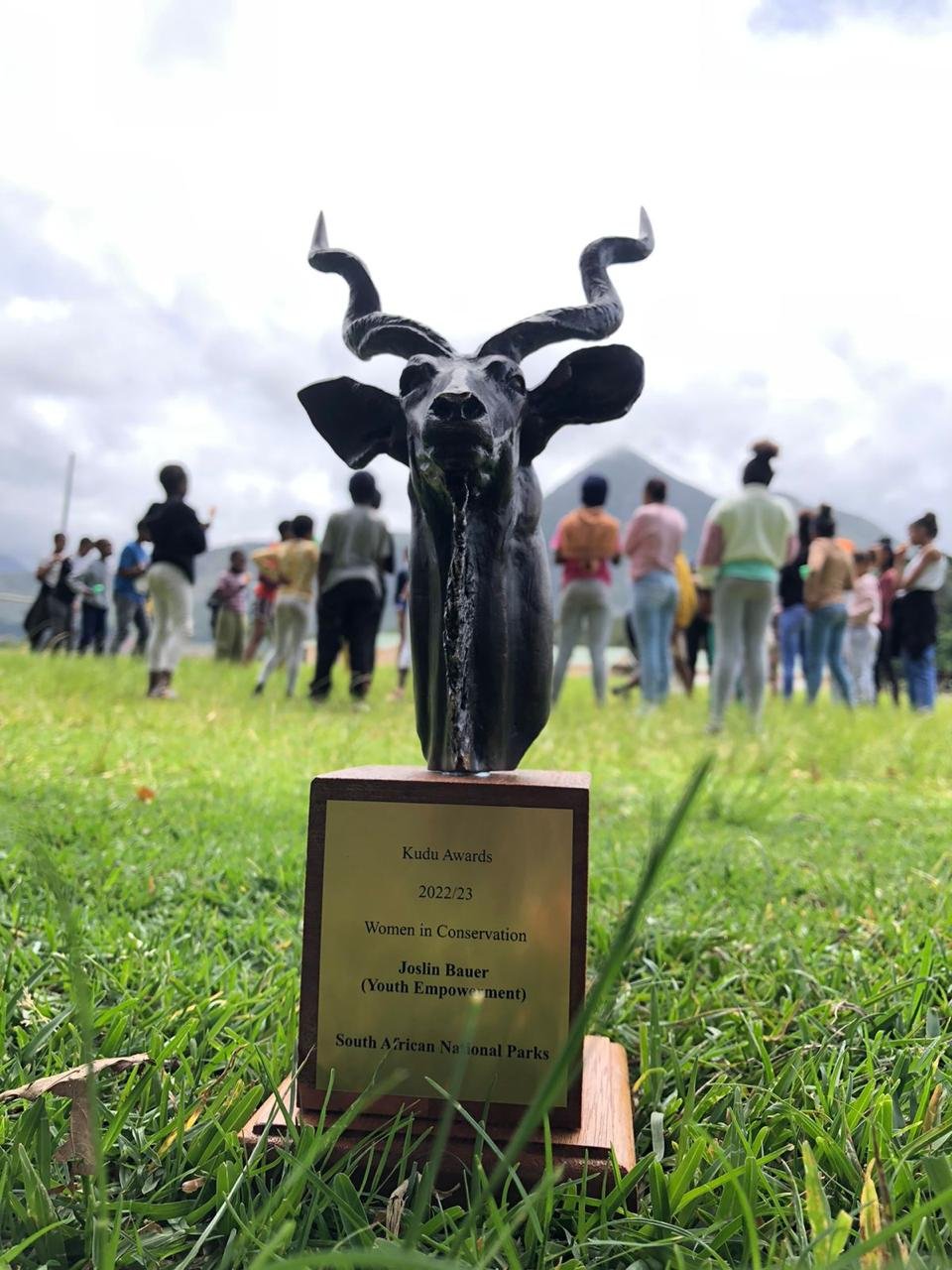
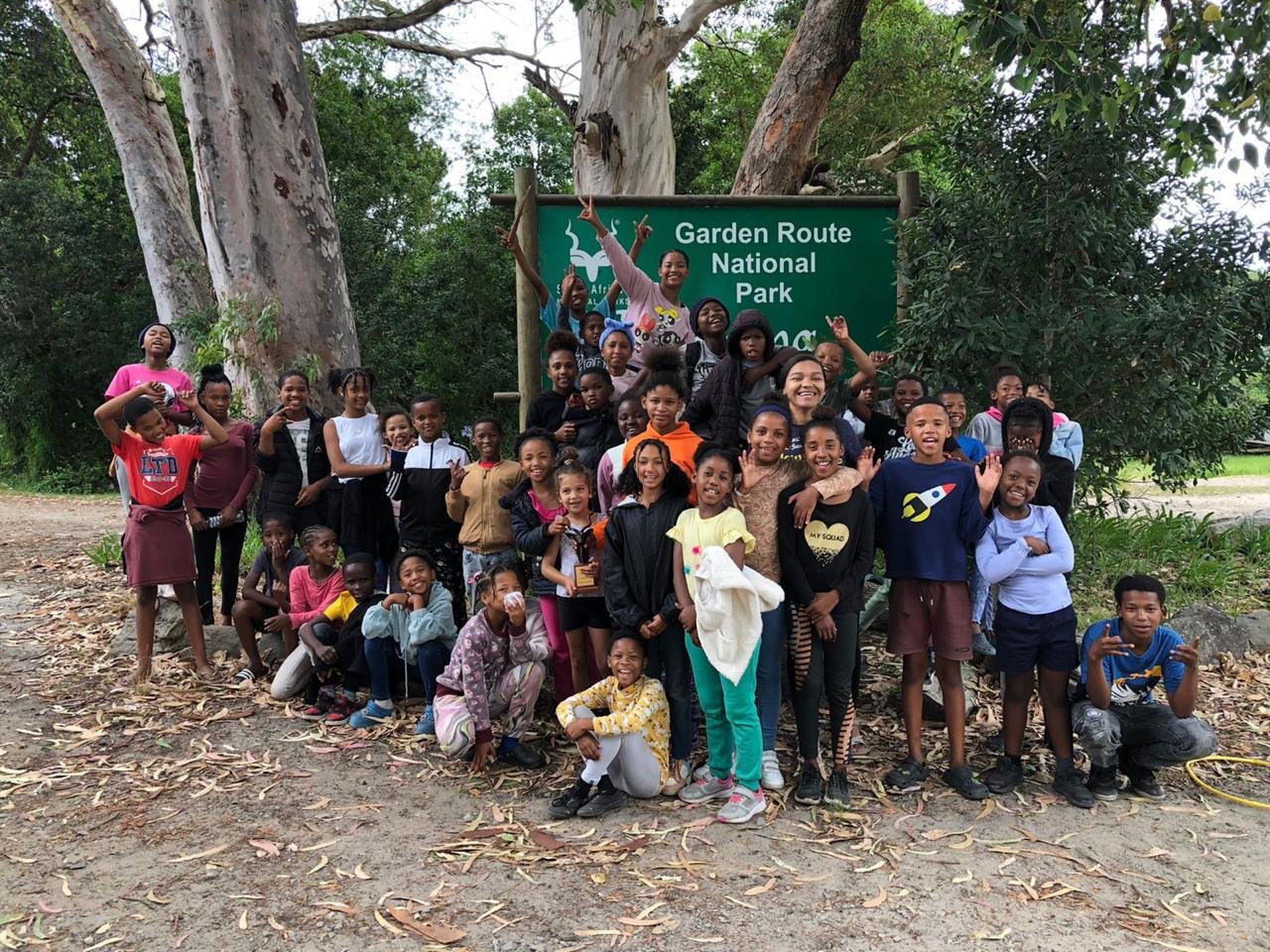
We are so proud and want to share congratulations for Joslin who has won the SANParks Women in Conservation Kudu Award (for Youth Empowerment) 2023!

“The Women in Conservation Kudu Award celebrates and recognises women who are ground-breakers in conservation, environmental education, tourism, and socio-economic development areas. For Bauer the award is for the children and because of the children”.

Joslin: “The award may have my name on it, but it belongs to the Earthlings,” she said.

“Children are the future of our nation. The path we show our children today is the path upon which they will take the nation tomorrow.”

“The Kudu Awards are hosted annually in recognition of both SANParks staff and external stakeholders and individuals for their contributions and efforts in enhancing SANParks”. News24

Further reading:

Storms River Village: Local Earthlings Brings Home Prestigious Kudu Award

News24: Storms River Villages Joslin Takes Top Award

Celine Macdonald
Exploring biodiversity at De Hoop

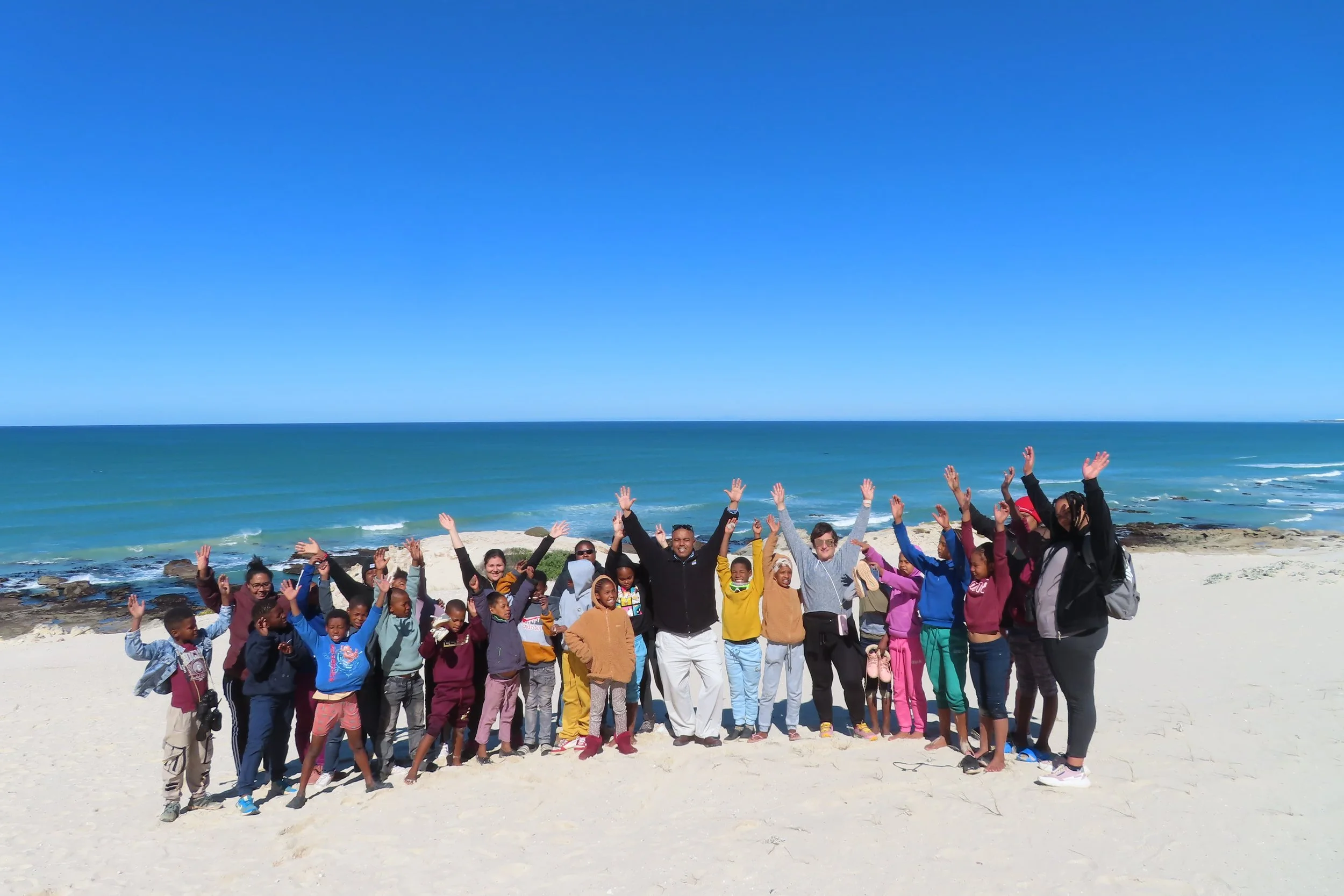
The Cape Winelands Biosphere Reserve team took 23 participants from Bonnie Peoples Project, based in Bonnievale, and four visiting guests from Aidons Tous Solidarité, Luxembourg, to De Hoop Nature Reserve for a very special weekend of camping.

On route, the group stopped at what is known as the most Southern tip of South Arica – Cape Agulhas. The children were excited by the 3D monument: a big map of Africa, showcasing the mountains and rivers on the continent.

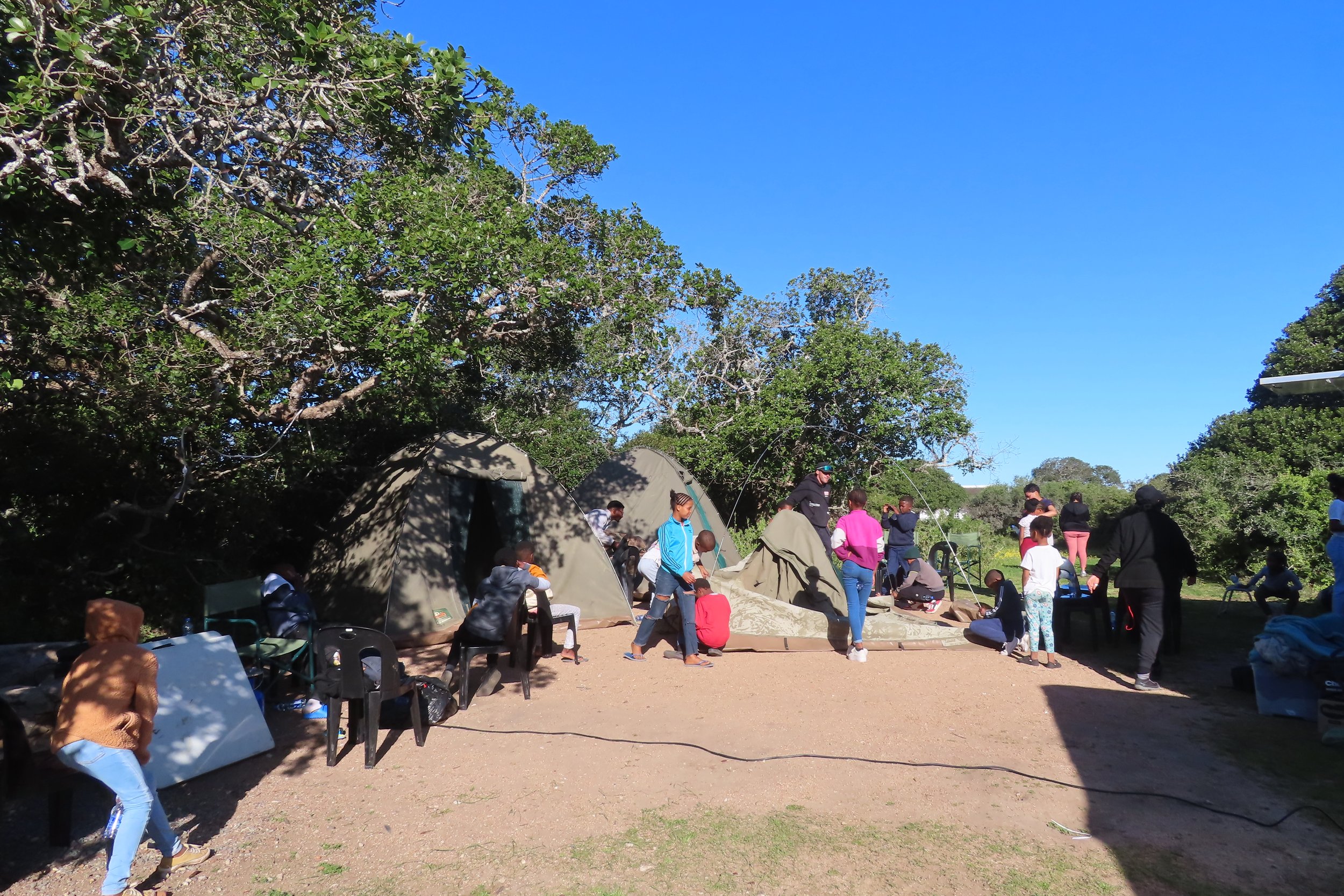
Once the group arrived at De Hoop, the participants set up their tents at the camping grounds, a first time-experience for them all. Even for our visiting Luxembourg guests, it was their first time camping! The head guide at De Hoop took the group on an exploratory expedition, sharing knowledge about the wildlife spotted along the inland Vlei.

Returning to the camp, the participants settled in and were ready for the evening’s activities. A steaming hot curry chicken stew cooked in a potjie pot over the campfire was enjoyed for dinner. Then the group did star-gazing and were shown star constellations including the southern cross and Scorpio, as well as galaxies visible in the clear night sky: the Milky Way and Clouds of Magellan.

The evening ended off with the mobile Science unit STEAM-Y* transformed into an open air cinema, for a screening of life under the sea. The clip fostered respect for marine animals and hinted at the next day’s activities which included a marine guide walk.

The next day…

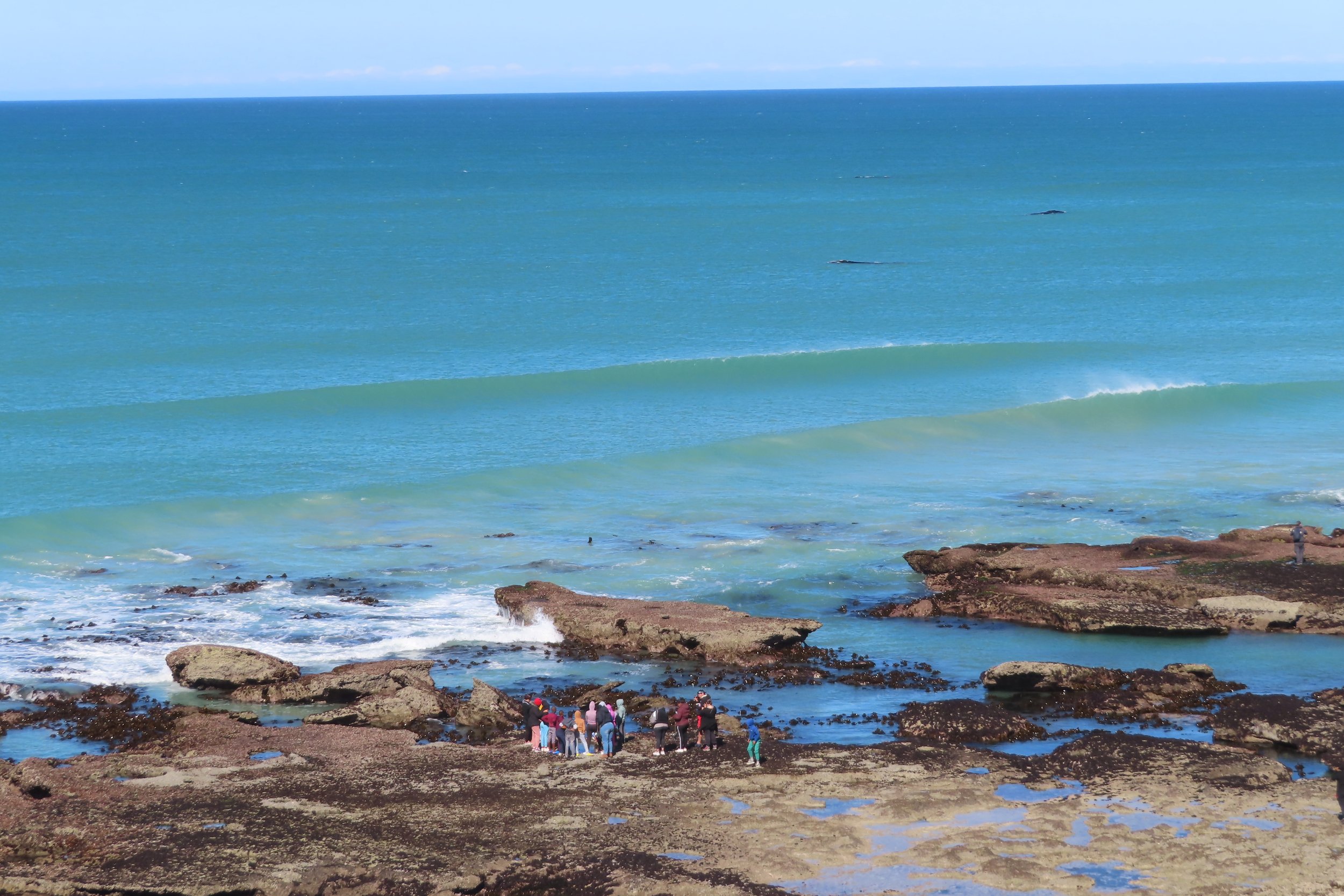
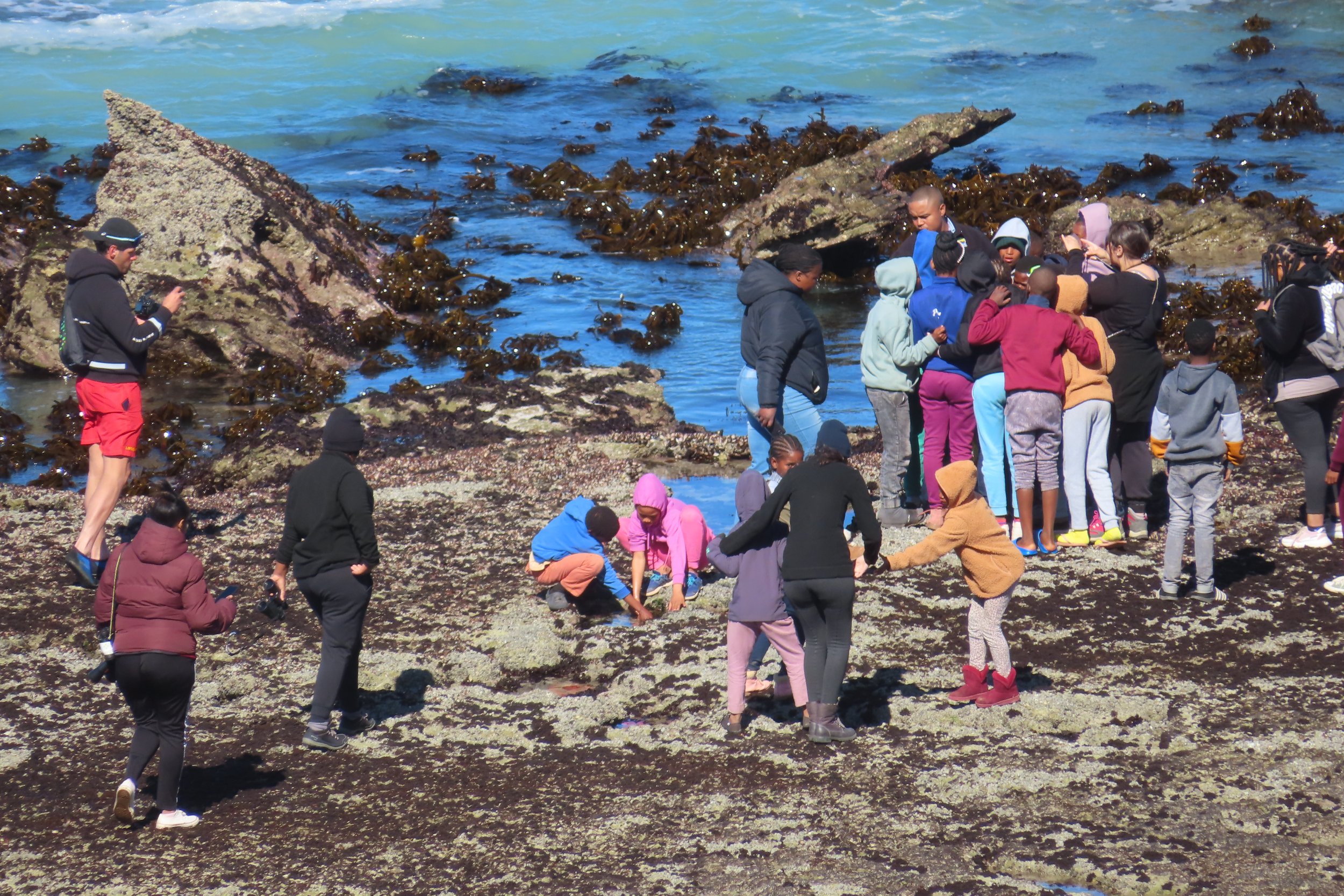
For all of the participants, it was their first time experiencing a pristine marine environment with abundant wildlife and colourful biodiversity in the rockpools at the rocky shores Koppie Alleen in De Hoop Nature Reserve.

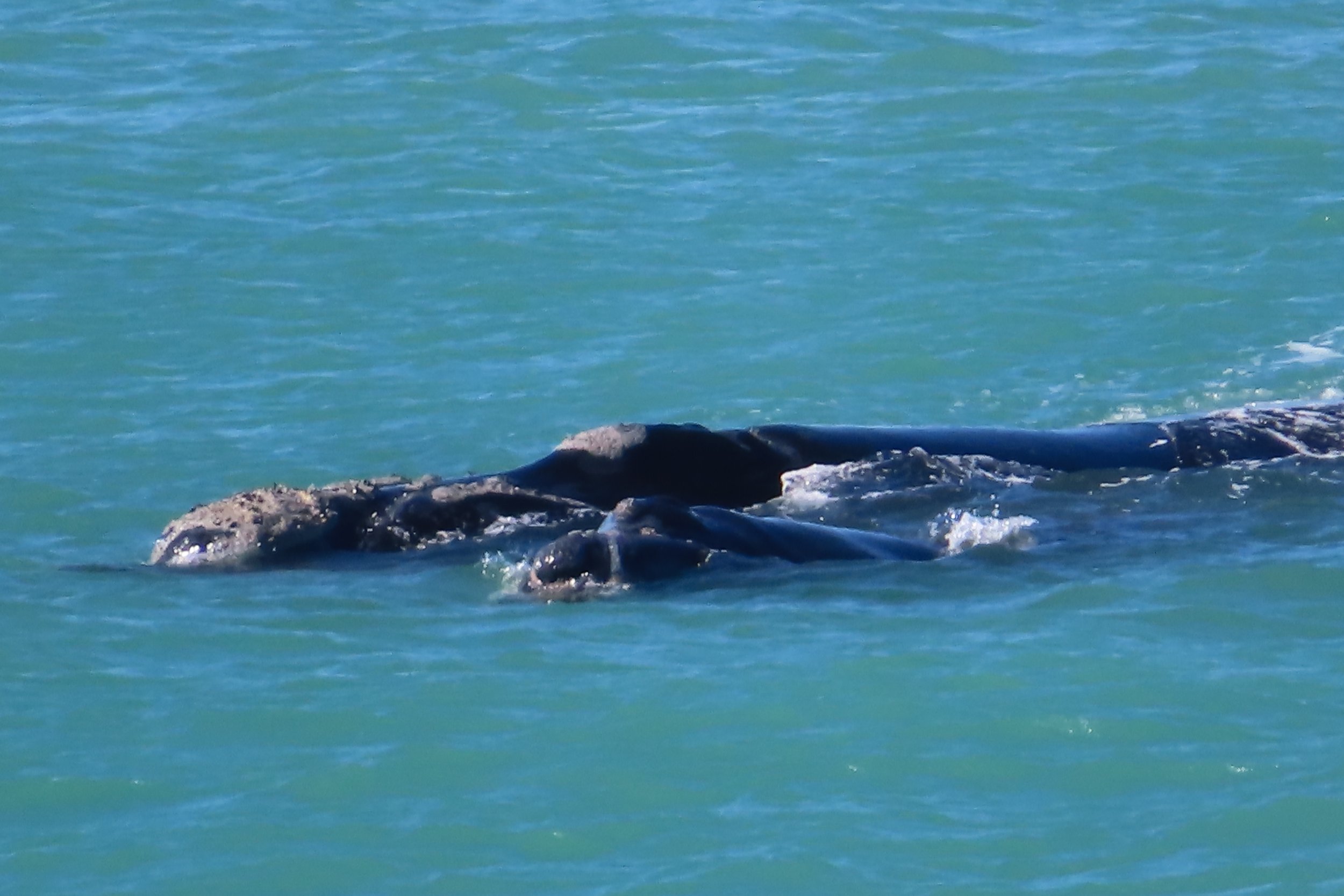
A very special time of the year, many Southern Right Whales and their calves were within sight of the shoreline for the group to see even more up close using binoculars. Creating unattainable excitement amongst the group as a whale breached the water. Being a marine protected area and World Heritage Site, the shores at De Hoop Nature Reserve is one of the world’s most important nurseries for the Southern Right whale.

The group enjoyed a picnic lunch together before returning home to Bonnie Vale, excited to share an unforgettable weekend with their families.

*Science Technology Engineering Art and Mathematics for Youth

Thank you Aidons Tous Solidarité!

The following weekend, a camp was facilitated in Kleinmond for 20 youth from the Bonnie People Project After-care School Programme, three facilitators, and the four visiting participants from Aidons Tous Solidarité, Luxembourg.

The first day, the CWBR team took the group to see penguins at Stony Point and to explore the marine biodiversity along the rocky shoreline of Bettys Bay. A CapeNature ranger joined the group sharing the history of the penguins: how the penguin colony established itself at Stoney Point. As well as some knowledge about the life of a penguin. Why they malt seasonally and go without food for that period – living off their fat reserves.

Then the group went for a very refreshing spring dip in the ocean at a beach further down the town, and later had edu-tainment playing a multitude of fun games, and ended the evening learning to create a melody alongside a song using different instruments.

The next day, before returning to Bonnie Vale, the group stopped in Hermanus for whale watching, an exploratory educational walk along Grotto beach, and fish and chips for lunch!

Celine MacdonaldHIkes&Camps