Western Cape Environmental Education Forum

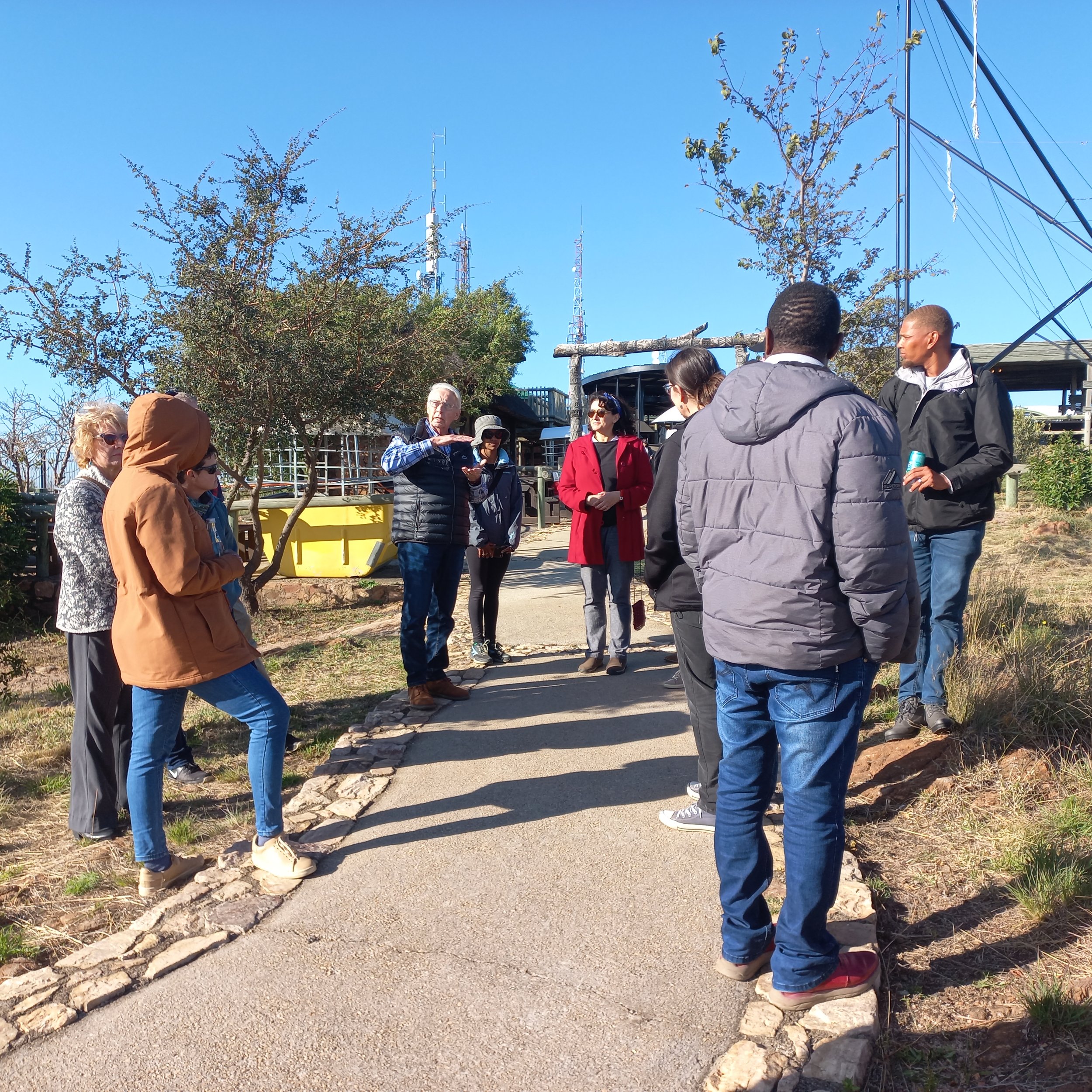
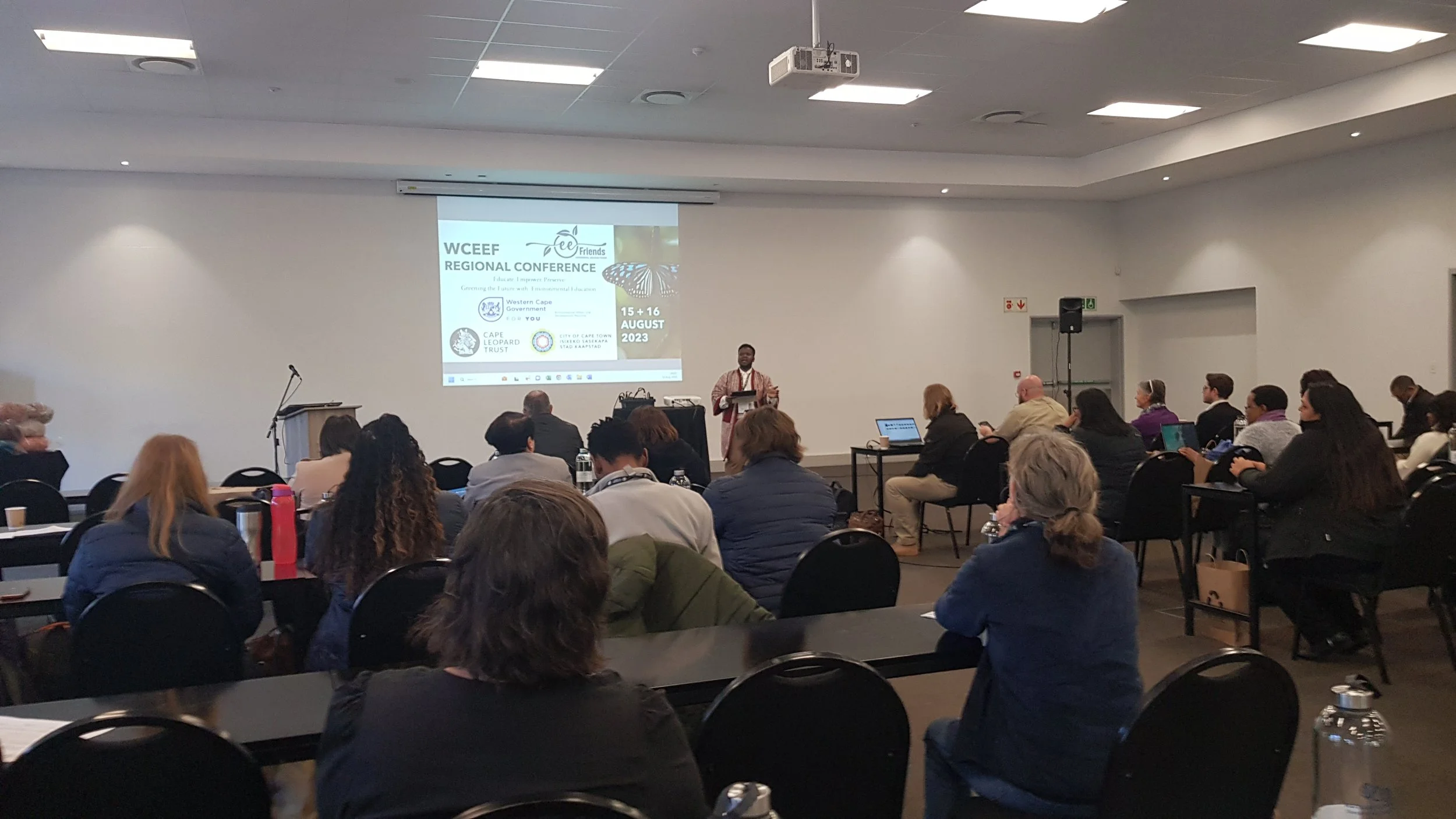
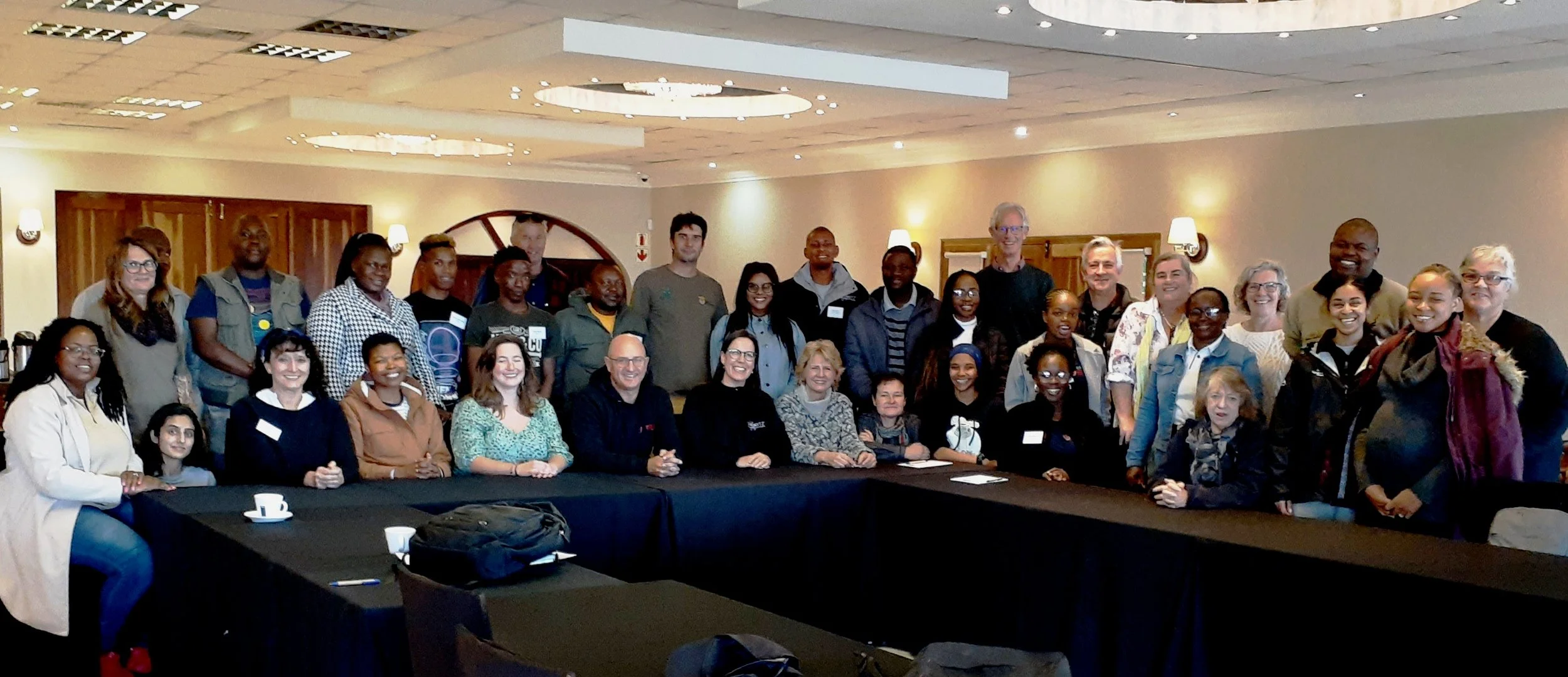
Cape Winelands Biosphere Reserve is now a member of the Western Cape Environmental Education Forum (WCEEF), also known as WC EE Friends! Three CWBR representatives attended the first ever WCEEF Environmental Education/ Education for Sustainable Development Regional Conference mid-August 2023 for some peer-to-peer learning, brainstorming, and networking.


The event took place at the Avenue Conference Centre, Two Oceans Aquarium Foundation, V&A Waterfront. Hosted by one of the WCEEF stakeholder Cape Leopard Trust. With a theme of "Educate, Empower, Preserve: Greening the Future with Environmental Education," the conference brought together 75 representatives from National and Provincial departments, Local and District municipalities, NGOs, Higher Institutions of Learning, and a multitude of EE focused organizations.


The WCEEF is a collaborative platform coordinated by the Department of Environmental Affairs & Development Planning through the Directorate: Sustainability and the City of Cape Town’s Capacity Building Unit.


"The purpose of the Forum is to encourage co-operative governance by improving the quality and quantity of environmental education and ESD activities delivered to communities, schools and other public entities in the Western Cape". Read full WCEEF Conference Report – link below


The City of Cape Town engaged all WCEEF partners to share current areas where they are active with schools’ programmes. The data gathered was used to generate Geographical Information System (GIS) information about the impact and effectiveness of EE programmes and where WCEEF members are collectively active through school programmes and various projects. Through this exercise it was identified that there is a great need to reach under-resourced rural schools in the province.

Together, we can continue to make a positive impact on environmental education in the Western Cape!

WCEEF 2023 Conference Report

WCEEF Handbook: https://wcedeportal.co.za/eresource/230571
Celine Macdonald
Fundraising and Proposal Writing Workshop

Three Cape Winelands Biosphere Reserve (CWBR) team members attended a very special event in May 2023. 

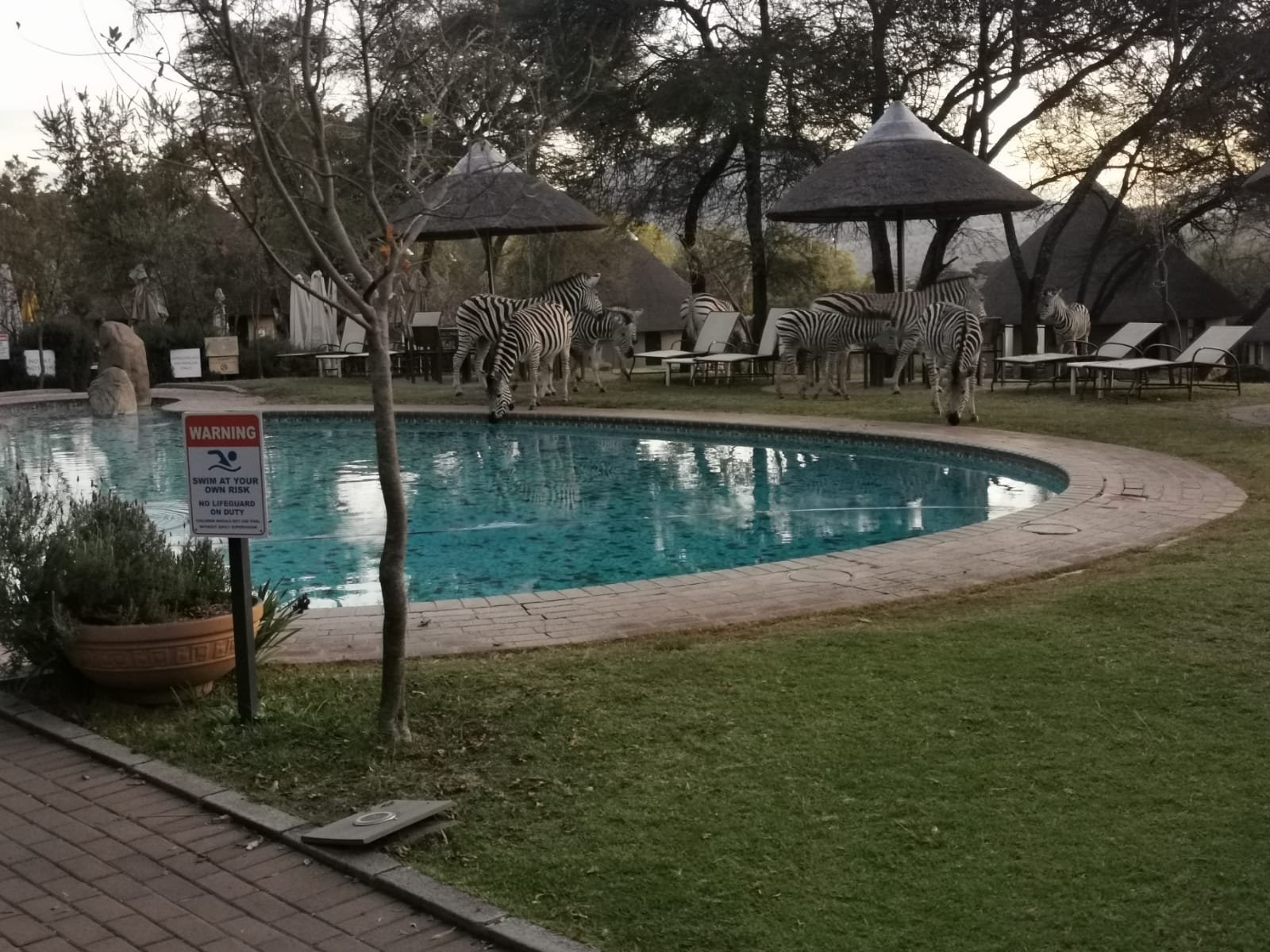
Representatives, including biosphere reserve CEO’s, team-members, project leaders, and AfriMAB Youth, from all ten South African biosphere reserves and the new Chimanimani biosphere reserve in Zimbabwe gathered in Magaliesberg Biosphere Reserve for a workshop on fundraising and proposal writing to improve the sustainability of biosphere reserves. It was an invaluable week with an incredible amount learned from the Sustainable Development Network/ African Sustainability Academy, who led the facilitation, as well as guest speakers. In addition, the peer-to-peer knowledge exchange between biosphere reserves.

The event was made possible by the UNESCO Regional Office for Southern Africa and the Be Resilient South Africa Project.

The knowledge gained will be shared with the rest of the CWBR facilitating team, as part of a Fundraising and Proposal Workshop in July, to introduce them to, and capacitate them in, proposal writing and fundraising.

Celine Macdonald
Being a Citizen Scientist

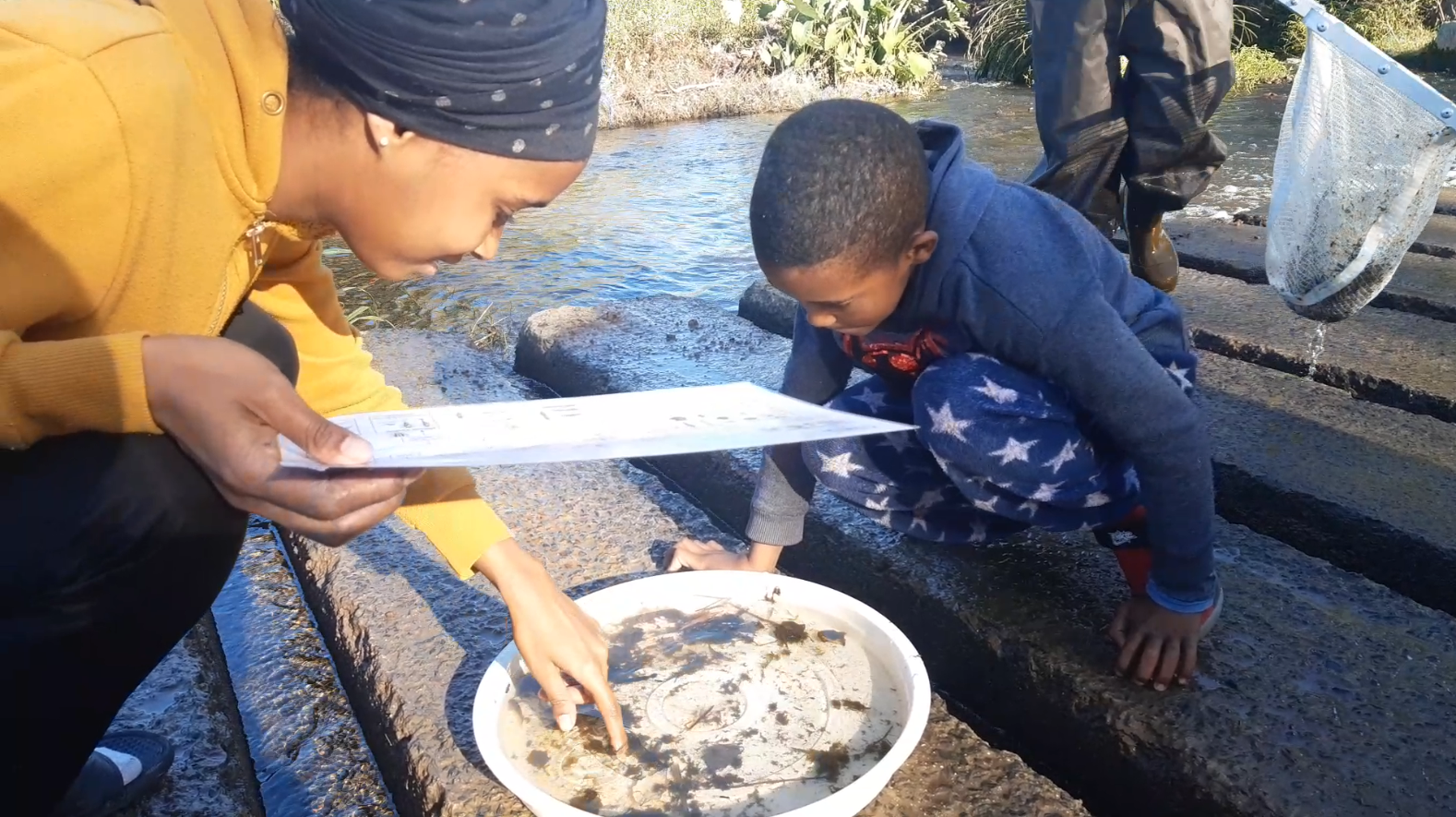
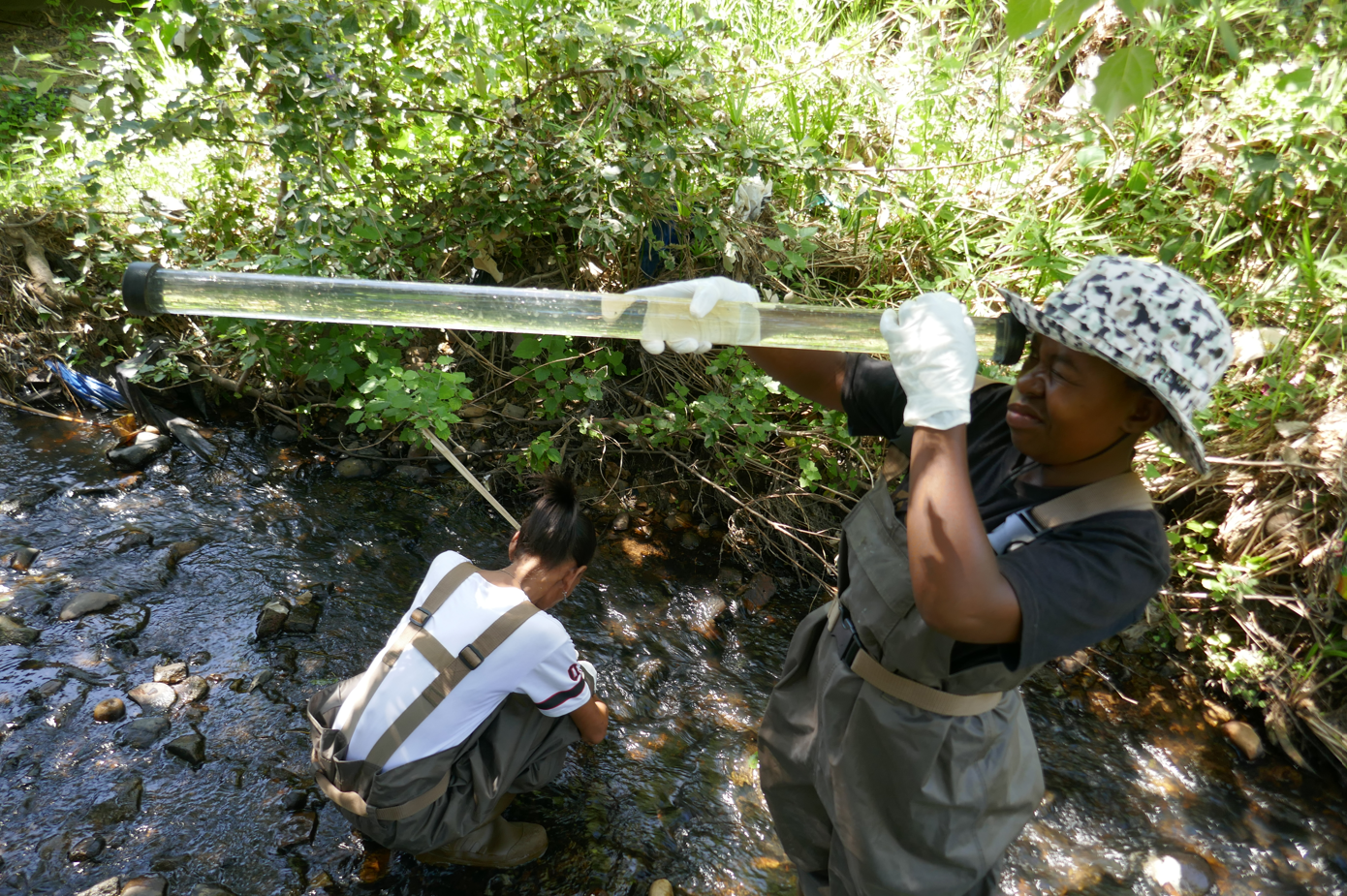
Meet one of the river monitors, who is part of the UNESCO Be Resilient South Africa project.  She has weekly monitored and gathered data on the river health at one of the selected sites along the lower reaches of the Eerste river since 26th January 2023.

Cailin Mentoor

While out on a river monitoring day, Cailin Mentoor from the Faure farm community shared “Being part of the biosphere project is interesting and wonderful because we always find something new and stuff we never thought would live here.” Since the start of the initiative, she has enjoyed connecting with people from other communities along the river. Learning how they are different and what they have in common. She continues, “And I love communicating with other people, it’s fun for me actually because I love to get to know who people are, what they like, what they don’t like, and whatsoever…” When asked what the relationship to water has become to her and what she hopes for her community, she comments: “We all need to stand together. Keep the rivers clean. Not littering. That’s one of the important [things] because we harm the animals that live in the water.”

Up until recent heavy rains, once a week, the community citizen scientists, accompanied by a CWBR facilitator, headed to the different selected sites to collect data. The PH, turbidity, dissolved oxygen, and macro-invertebrates (miniSASS) present are measured and noted down. Later, to be fed onto an app, which will become open-source with the aim to encourage inclusive adaptation management strategies between community, government, decision-makers, public and private stakeholders.

Shy to share amongst each other about how the river monitoring has impacted them, an anonymous survey was done with the group to share what they have achieved from their involvement thus far.

I gained more knowledge and experience. I've benefited in many ways in the project, not only did I get to know how to be a citizen scientist but also to learn how to be myself.”

Stepping out of the river and into the wider community, the CWBR team together with the group will identify ways to share what has been learned and to convey positive messages around the relationship between people and nature, looking after the natural environment, and why keeping rivers clean is important.

When asked for ideas on how to reach their broader community, inspiration has been drawn for planning collaborative events.

“Let's talk to them about the importance of the river and its cleanliness.” And “Get them to the river and working with us on monitoring.”

“Gather youth to learn about water and the environment showing how important water [is] in our lives, how can we save it. Raising awareness to schools talking about water/environment. Gather elders of the community to be aware [of] what is going on in [the] water that we have, how to save, and keep the environment clean”.

To teach the kids about the importance of keeping the rivers clean. To organise a talk of the people.

And what continues to motivate them to be involved and participate in the project, one replied: “Because I want to gain knowledge and I also want to teach other children and if I go to their places they must say to their mom or dad or friend ‘Look, there goes Keira’.”

The citizen scientists have also been involved in co-creating and brainstorming skills development courses for further opportunity and knowledge. The aim is to capacitate them as community ambassadors for change and give them tools to best further their career and entrepreneurial opportunities which they have been exposed to in the course of this initiative.     

Check out the Cape Winelands Biosphere Reserve contribution, about the launch of the Citizen Science initiative, as well as the project partner biosphere reserves updates, in the first UNESCO Regional Office for Southern Africa (ROSA) Be Resilient South Africa newsletter. As part of the UNESCO Be Resilient South Africa project - Biosphere Reserves as Observatories for Climate Change Adaptation in South Africa.

Link: Be-Resilient, South Africa, 2022 newsletter

Ocean Decade 2021 – 2030

“The marine realm is the largest component of the Earth’s system that stabilizes climate and support life on Earth and human well-being”. UNESCO 

Decade of Ocean Science for Sustainable Development (2021-2030) was proclaimed by the United Nations in 2017, after the First World Ocean Assessment released in 2016. The assessment presented that large areas of the ocean are now seriously degraded: affecting not only marine life, but function and benefits from marine systems for human health and wellbeing.

The Ocean Decade initiative is necessary to create an accessible common framework to inform the stakeholders and global community. To foster knowledge in Ocean Literacy which can be transformed into tangible actions for the conservation and sustainability of the ocean. This is where biosphere reserves can play a role in education and awareness. The Ocean Decade highlights the critical role that the ocean has in the survival of the planet’s ecosystem, its impact on ones’ everyday life, and humans’ impact on the ocean. 

Considering the pressing challenges that the ocean is facing, including pollution (often originating from land), over-exploitation of resources, and climate change, awareness in Ocean Literacy addresses the need to foster vital behavioural change in attitudes and values towards the ocean.

The UN Ocean Decade envisages a future where Ocean Literacy is part of formal and non-formal education creating more awareness amongst youth, a motivated empowered global community whose knowledge will result in positive actions to address the most urgent threats to ocean health. Inform and change in behaviour, strategic planning and decision making of governments, businesses, and industries. 

Ultimately fostering the connection between humans and the ocean to ensure its continued biodiverse presence, responsible use, and conservation for future generations.

Delve deeper: https://oceandecade.org/

As part of Logistical Support, one of three pillars of biosphere reserves, Cape Winelands Biosphere Reserve (CWBR), in partnerships, facilitate events by the sea and outings to an aquarium for youth and adults to inspire inquisitiveness and excitement for the ocean and its marine life, create awareness, and introduces participants to marine education and careers in the ocean sciences.

A few highlights from the last year till now:    

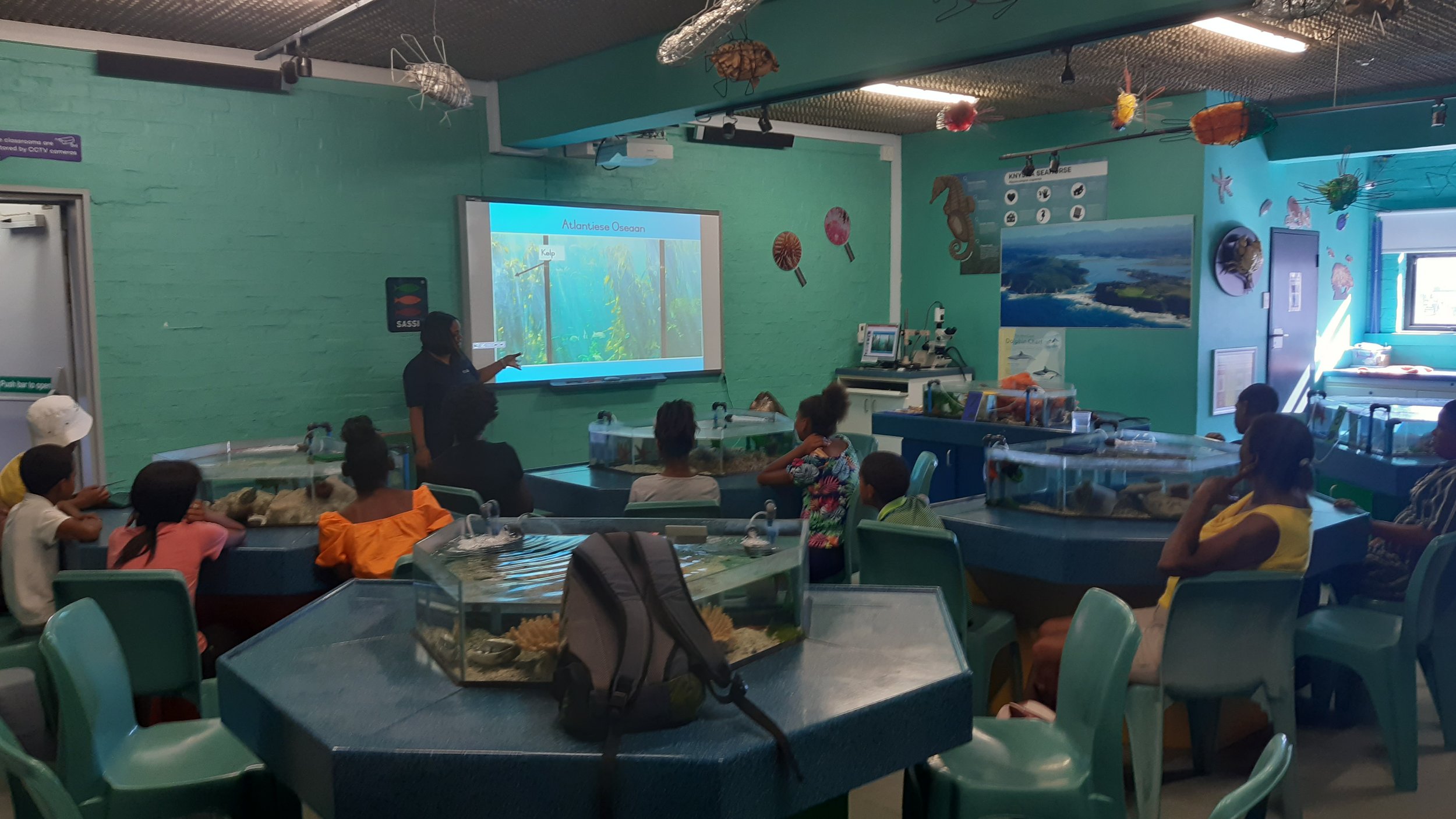
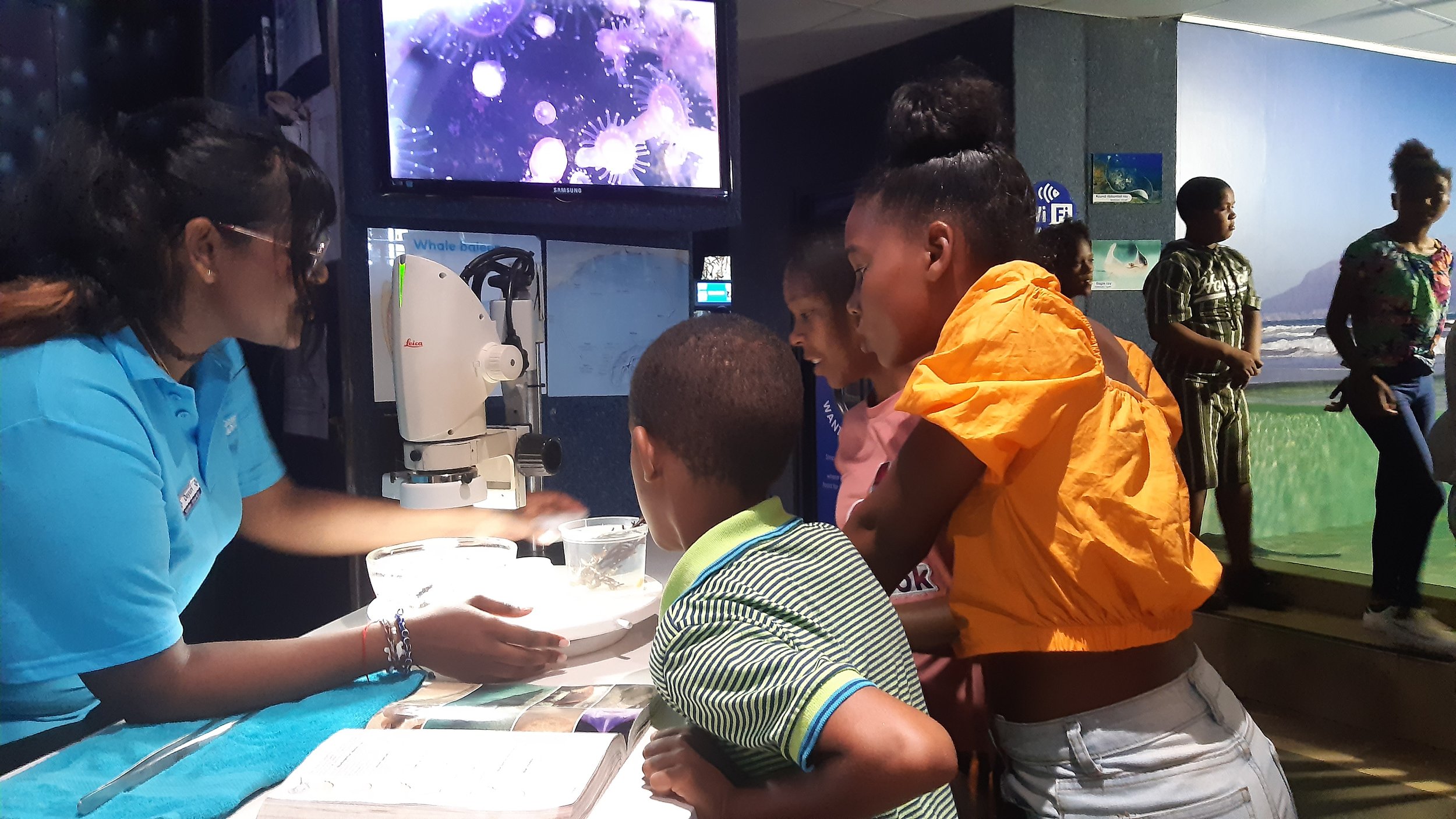
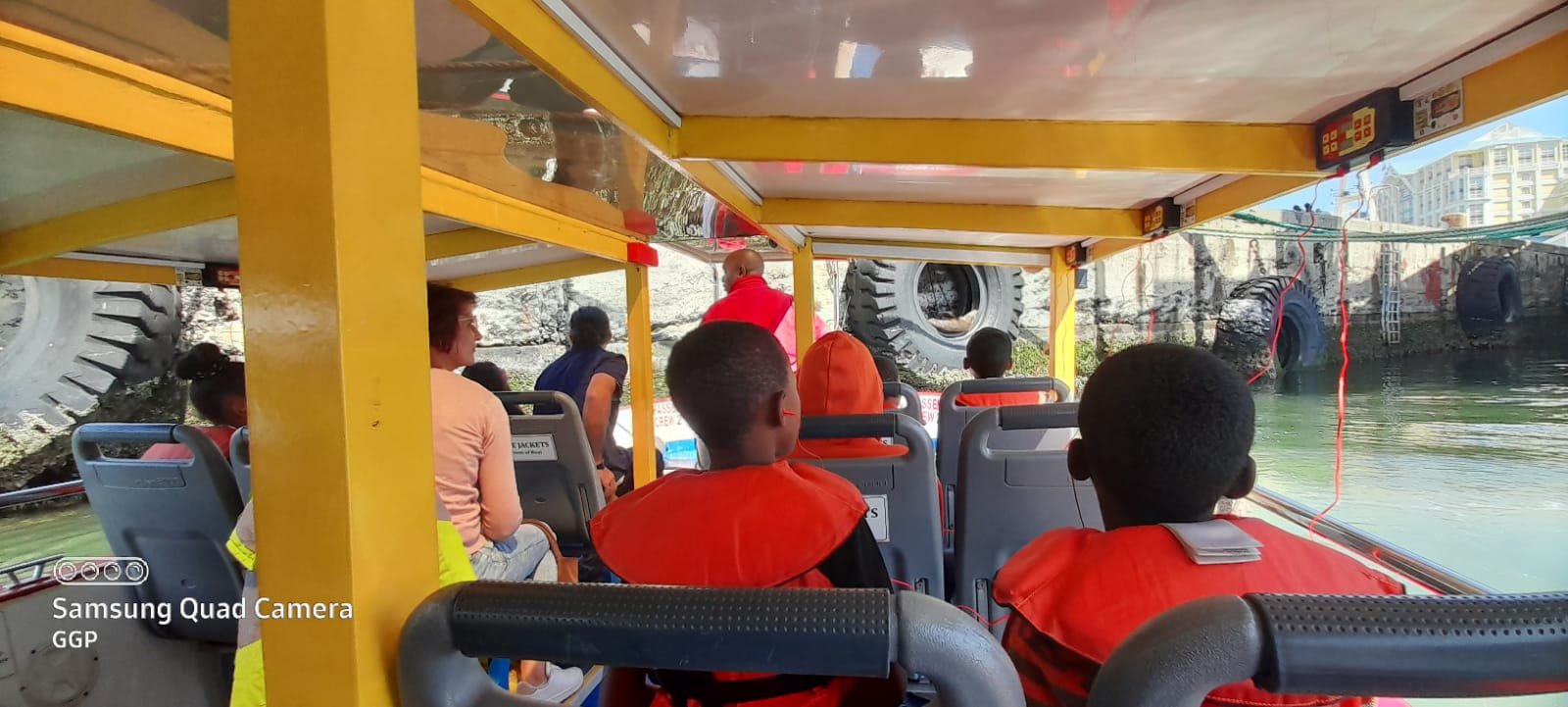
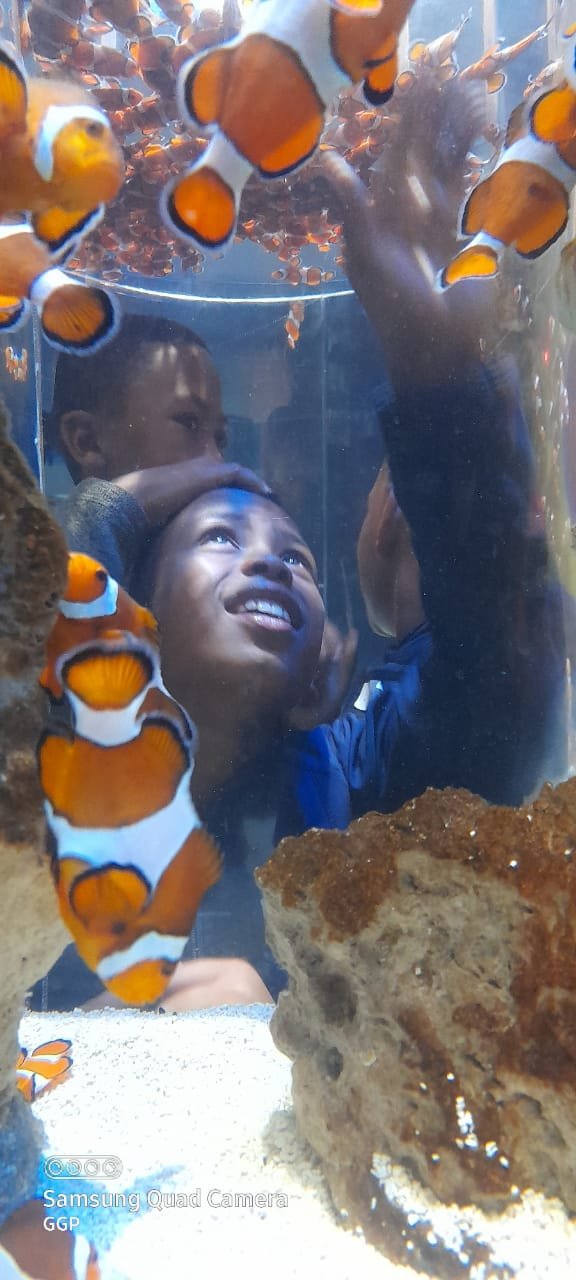
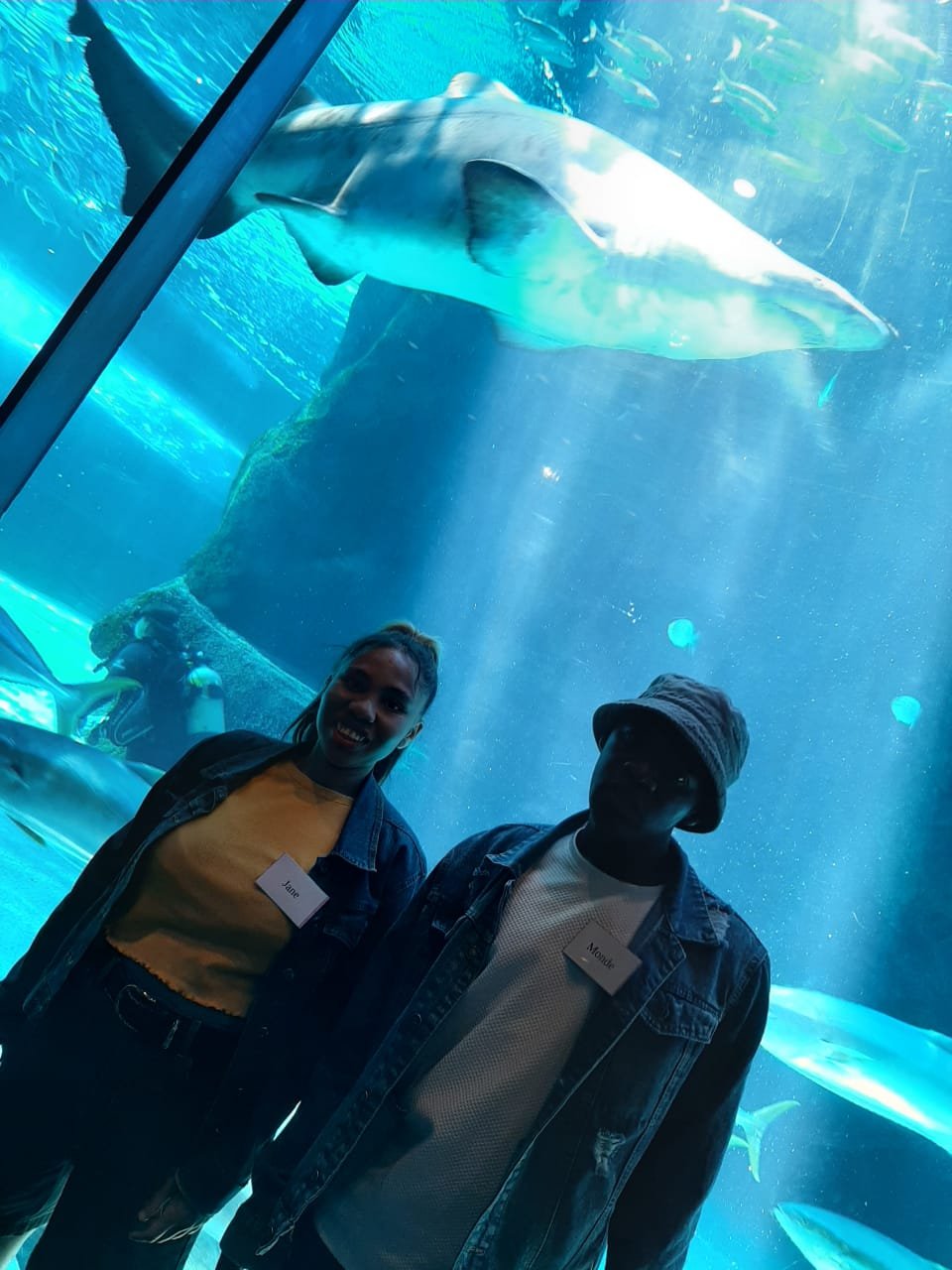
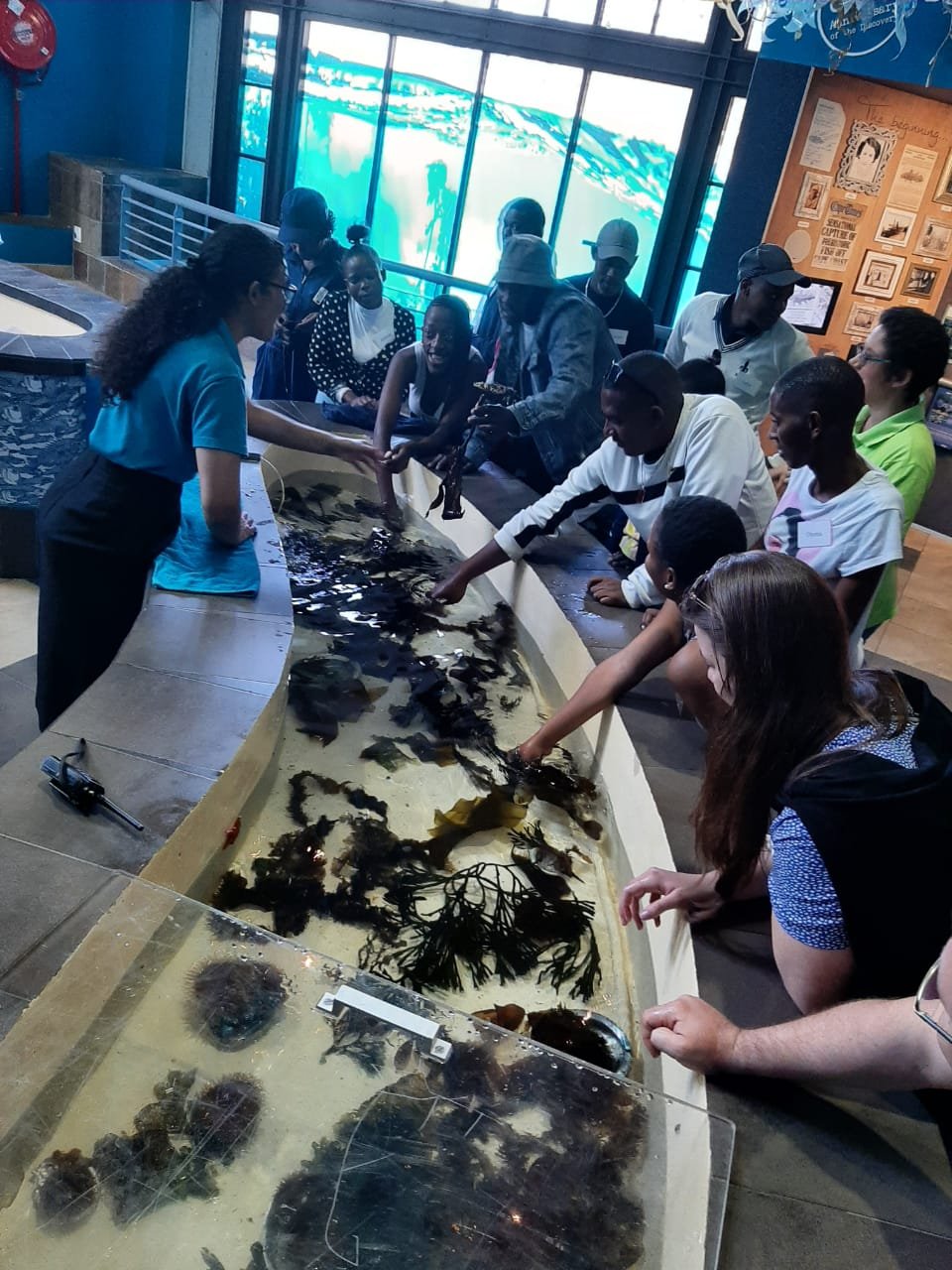
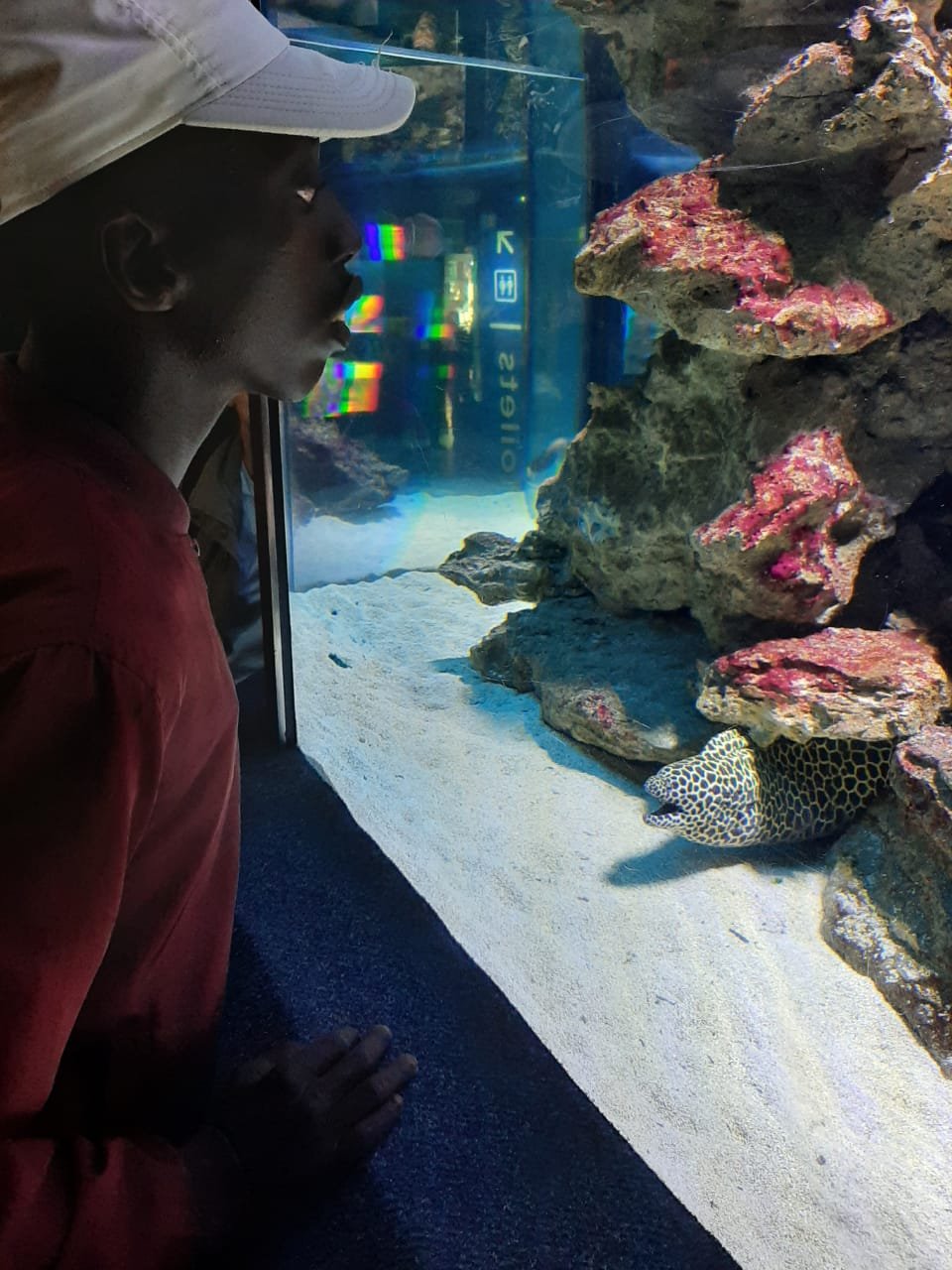
Through the UNESCO Be Resilient Project, the CWBR team has built a strong relationship with community members in Faure. In partnership with the Pearl Project, the CWBR has facilitated three outings in February and March 2023 to Two Oceans Aquarium for fifty-four youth. The activities include a classroom workshop, guided tour of the Aquarium, an educational Puppet Show, and a boat ride along the famous Cape Town Waterfront. Introducing, and exciting youth in the importance of preserving the water cycle, as an essential natural service providing for all living things. 

Two Oceans Aquarium

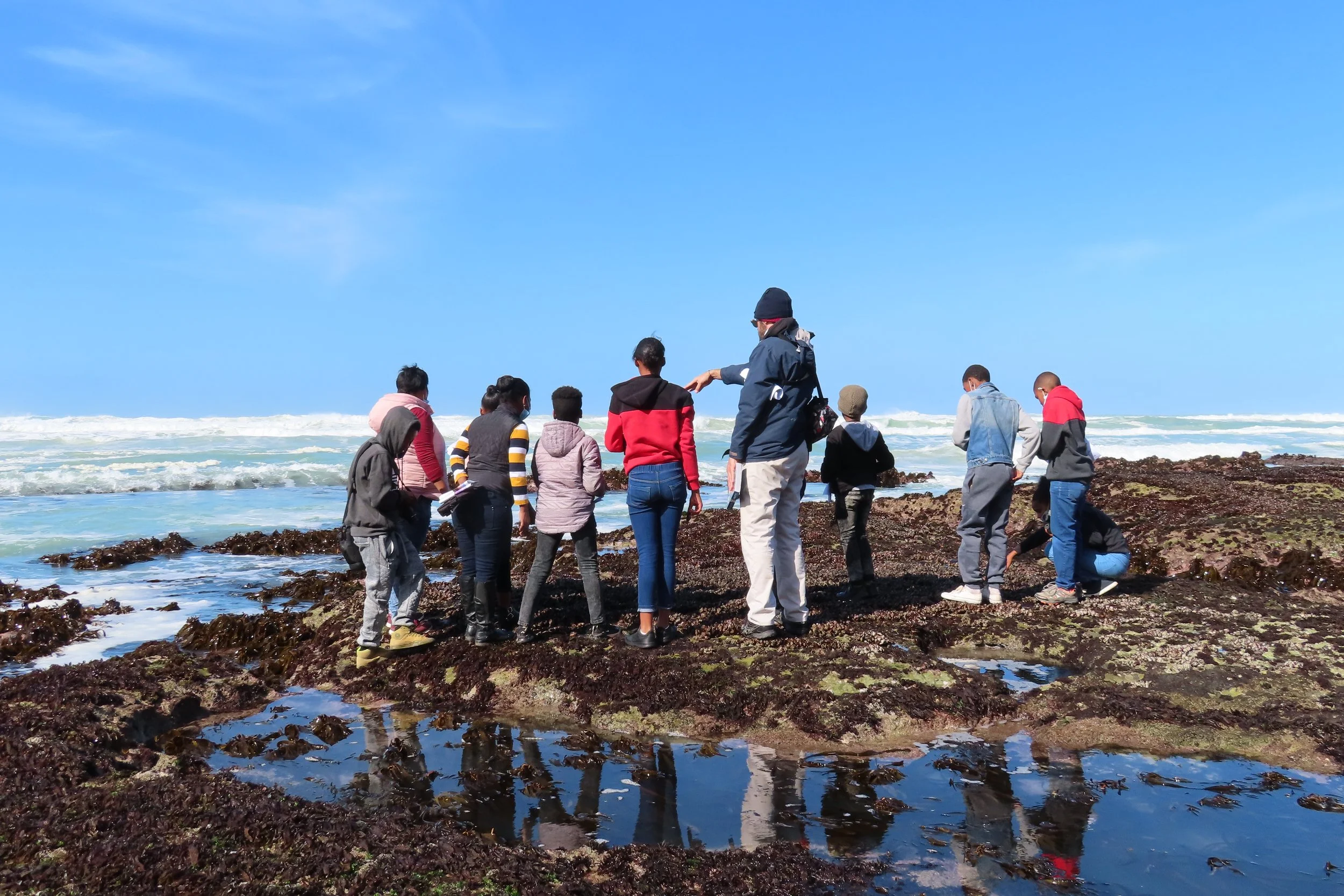
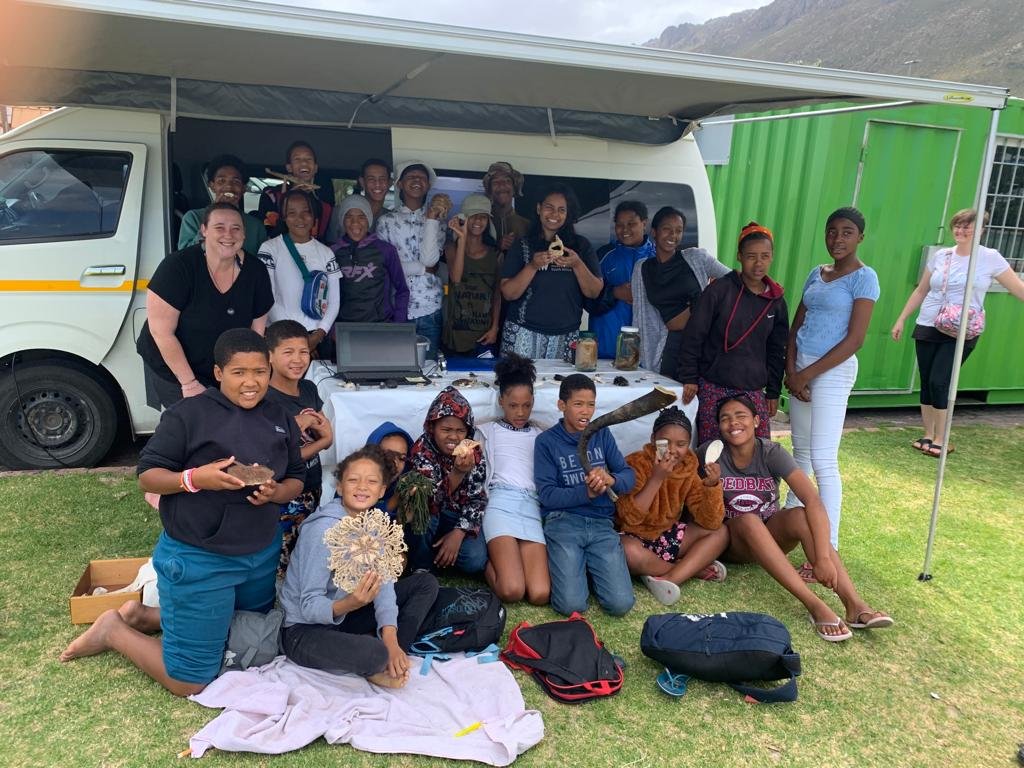
The CWBR facilitated a Marine Science outing for 24 youth from a community in Franschhoek last year at the start of December. The educational component was facilitated by Dr M Boonzaaier-Davids (marine biologist from Iziko Museums of South Africa), and CWBR facilitators. The outing took place at Gordons Bay and the group learned about marine research and museum collections with some teaching specimens from the Iziko South African Museum. These included jars with baby sharks and rays, fish, starfish, octopus and other marine invertebrates the group was able to view up close. There was also a sandcastle competition.

Dr M Boonzaaier-Davids teaching the youth

The group posting with marine specimens

The outing concluded the National Geographic Marine Science Engagements as part of Dr M Boonzaaier-Davids Early Career Grant to perform research on micro-invertebrates.  Her research focused on Filling in the gaps: Investigating benthic faunal diversity of South Africa’s understudied coastal regions. Explore her profile on National Geographic: Dr M Boonzaaier-Davids.

The CWBR facilitated a relaxed day at Gordons Bay beach for fifteen mums and their babies who have attended the December 2023 Flourish classes. For many of the mothers, and all the babies, it was their first time by the ocean. After a short talk about the location, the ocean, tides and the rocky shore organisms, mums were free to enjoy the beach with their babes and some even ventured into the shore break.

An unforgetable day for the whole group, the mums thoroughly enjoyed the excusion to Gordons Bay

As part of end-of-year celebrations, a CWBR partner Care Career Connection who work with people with mental and physical disabilities, were funded a day outing to Two Oceans Aquarium. It was a first-time experience for all beneficiaries who thoroughly enjoyed it.

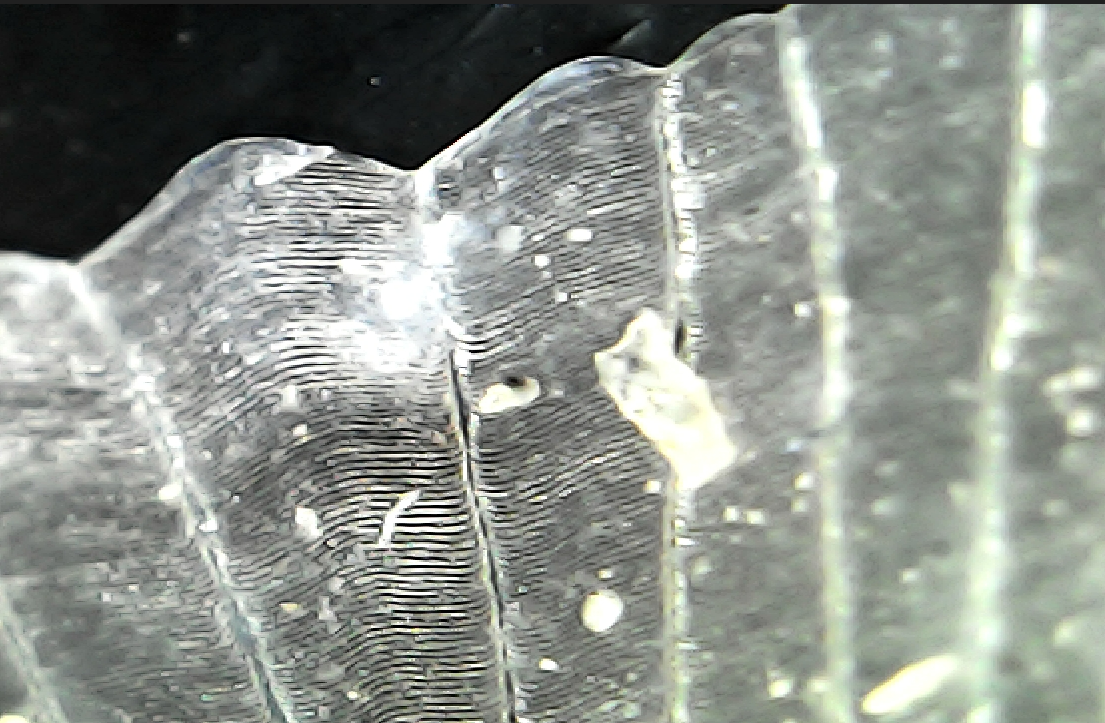
The CWBR team was invited to host a lesson on Fish, utilizing the mobile educational unit STEAM-Y for the Grade 2’s at Bridge House as part of their lesson plan, to add a hands-on component to what they are learning in the classroom. The pupils had a basic knowledge of fish but were excited to be able to see inside a fresh fish as many of them had never been fishing before. The focus was on what makes it possible for fish to live in water. Together with the CWBR team, the students were able to locate the various organs, including the swim bladder, spinal cord, lateral line, gills, ovaries etc. The digital microscope was used to magnify scales. The students saw the lines on the scales that are used to age a fish.

Outdoor classroom

Fish Scales - Digital Microscope

Learning fish anatomy

The CWBR also assists De Hoop with their yearly Social Outreach Programme, bringing youth who have never seen the ocean to the pristine area to experience camping under the stars, a marine guided walk along the Rocky Shore, and a safari drive.  Several of the marine guides were trained through the CWBR facilitated FGASA and Life Skills Programme. Now giving back through the De Hoop Social Outreach Programme.

The CWBR is also a member in the World Network of Island and Coastal Biosphere Reserves, a forum of cooperation and networking to exchange knowledge and share possible solutions.

Celine Macdonald
Stakeholder Workshop

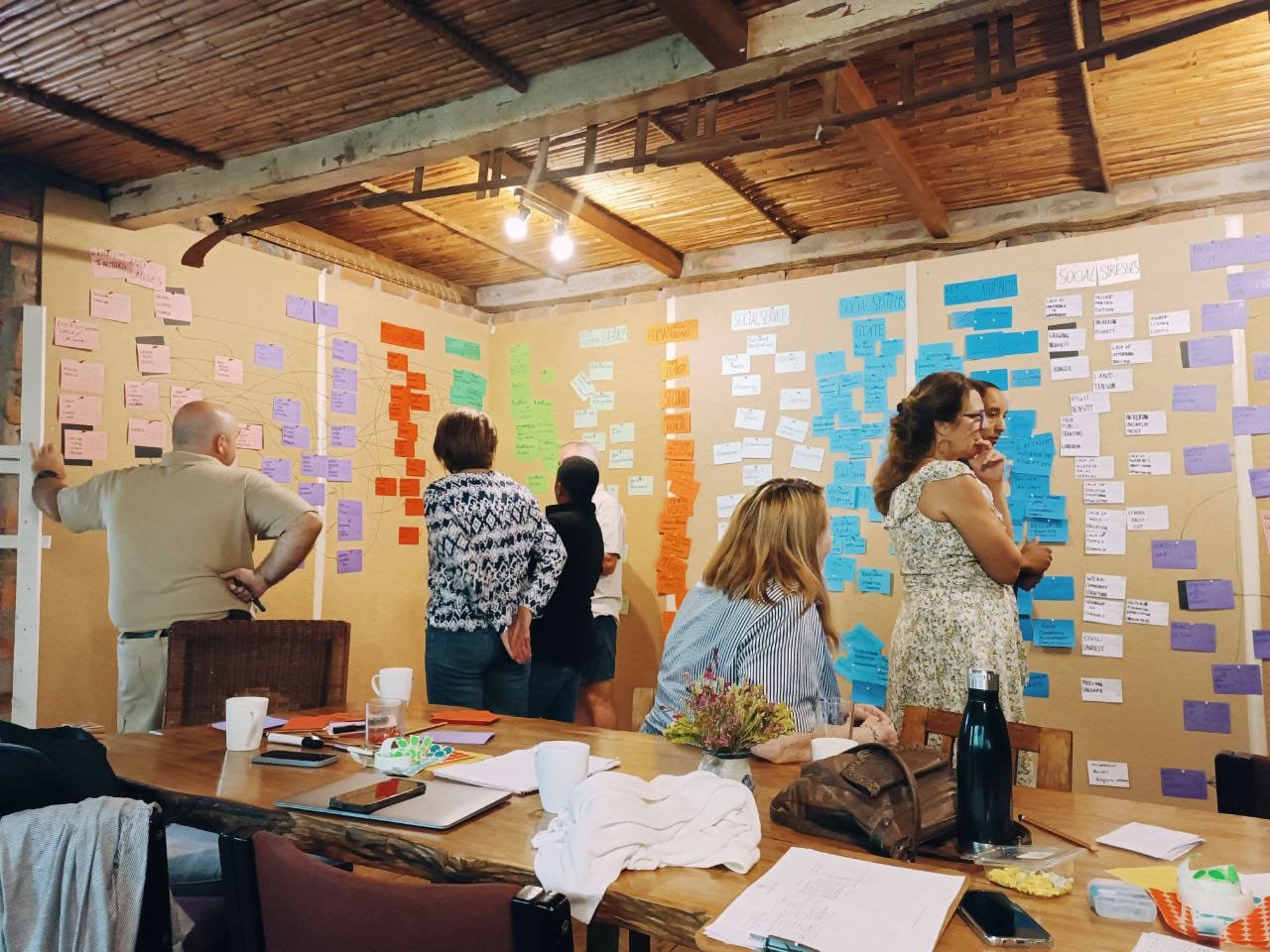
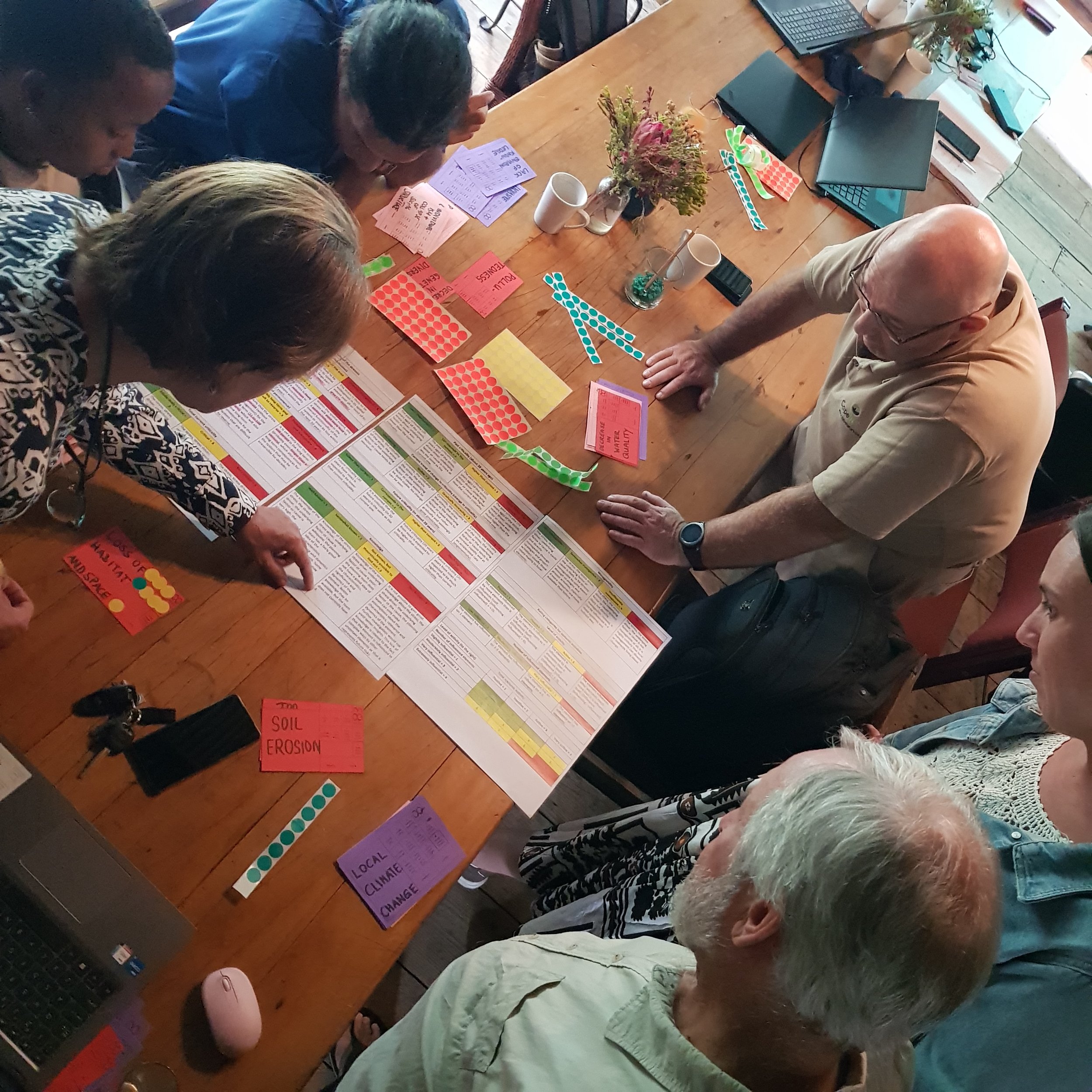
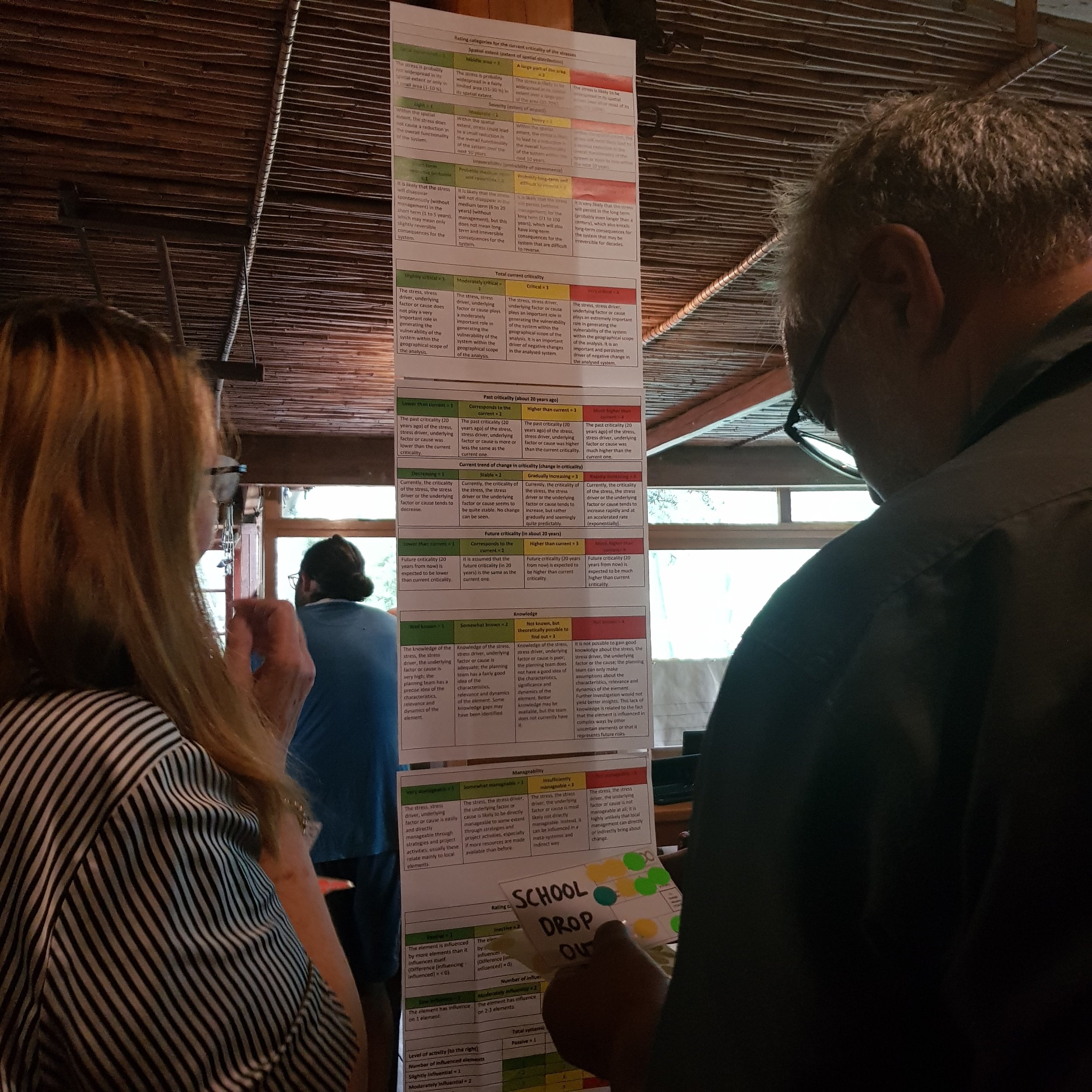
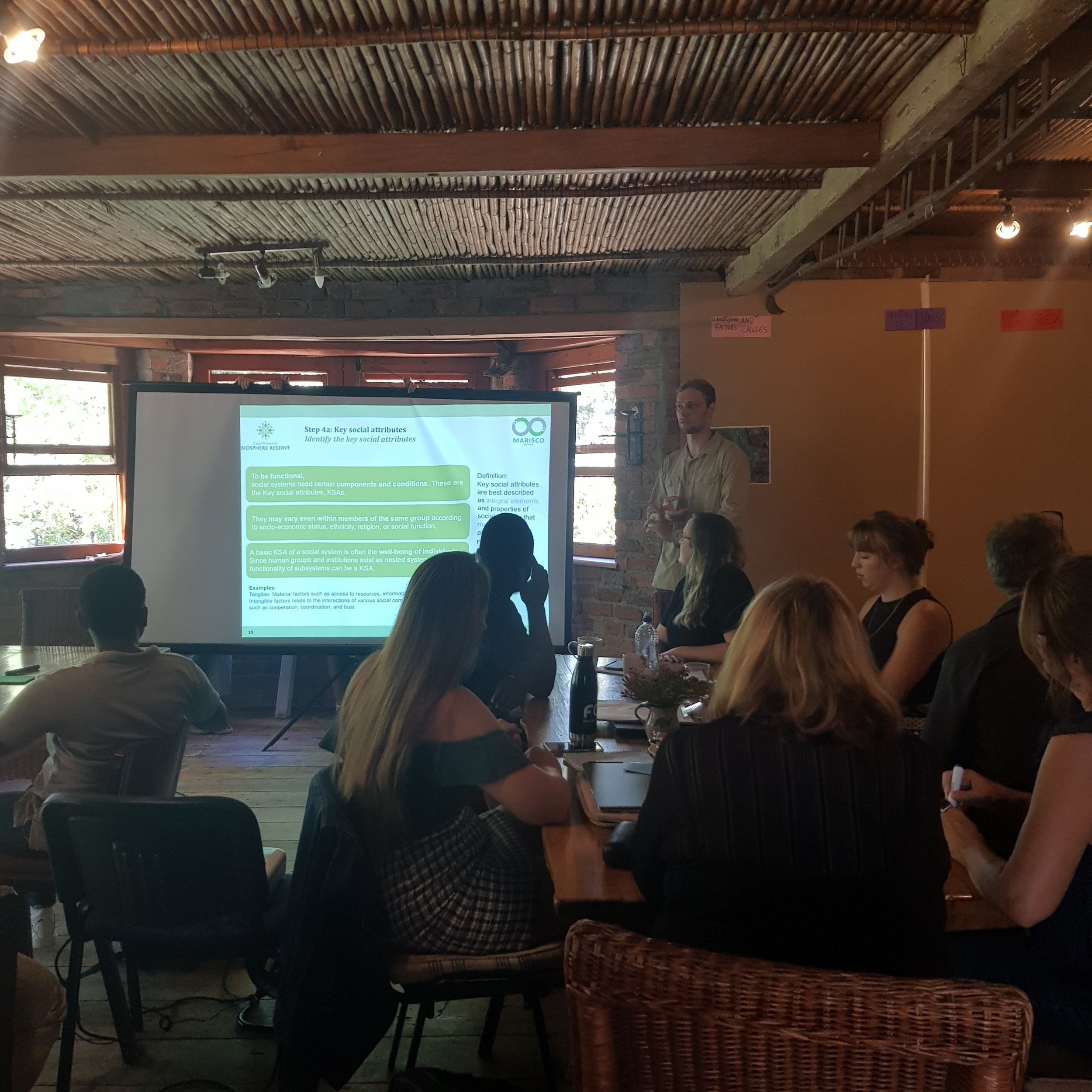
Over the last two days, two of our interns from Eberswalde university, hosted an introductory workshop on the MARISCO method. The workshop was combined with CRIDA, and the information gained will feed into the Be Resilient Project.

The MARISCO method is an approach to adaptive ecosystem-based management which was developed at the University for Sustainable Development in Eberswalde in Germany. The method brings together different stakeholders from the Biosphere Reserve, which are then developing in a joint effort a systemic model of the region. Highlighting current and future risks, threats and stresses, we will generate a shared understanding of the ecosystem around us and its vulnerabilities, enabling us to work on sustainable solutions and strategies for the future.

Find out more:

MARISCO https://www.marisco.training/             

CRIDA https://en.unesco.org/crida

Full document: https://unesdoc.unesco.org/ark:/48223/pf0000265895

Celine Macdonald
The first camp of 2023

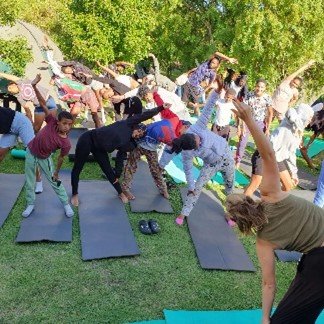
The Cape Winelands Biosphere Reserve team has hosted its first two-day camp of 2023 in January, bringing together local youth from two different communities in Franschhoek. Just in time for starting school, the camp focused on helping them set positive intentional goals for the new year.

The first day started with spending time at the back of the Berg Dam. The youth were asked to close their eyes and listen to the silence surrounding them in the nature reserve – far away from the usual sounds that surrounds the everyday life in their community. They then explored the area and enjoyed a refreshing swim in the pristine river. Then a group activity - reflecting on what dreams they have for themselves and what they would like to achieve.

Spilt into four groups, each team read the Dream about Bees Life Goals Story, taking the group on a journey with girl their age who wants to become a beekeeper. The story had a personal touch, as it’s based on real life and created by one of our current interns, who wrote it specifically for the camp. The youth were encouraged to write down their own goals and dreams, and for those who felt comfortable, to share what they wrote with the group. Together, they looked first at the bigger picture, then breaking it down to yearly goals and planning, that can then lead to daily actions.

The evening pursued with a reflection session about first impressions of the camp and fun games, integrating youth from two communities who usually do not get along.

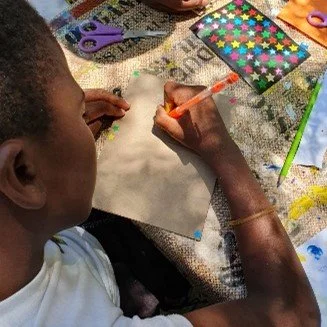
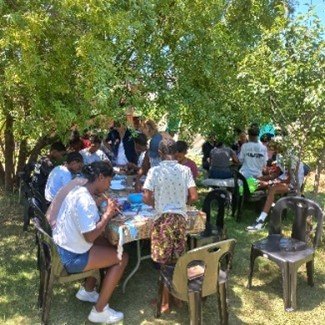
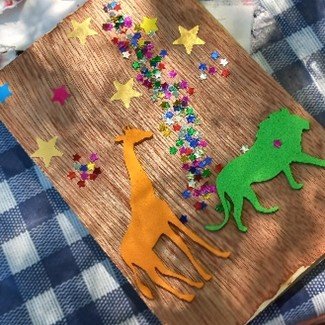
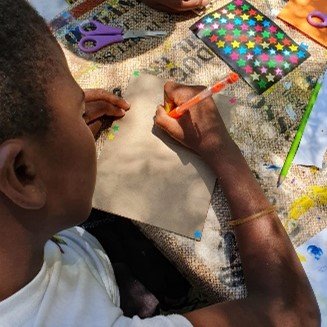
The following day they were tasked with creating individualized books for themselves to keep with them as reminders for their goals and dreams they want to accomplish. The group particularly enjoyed this activity, working together, and helped each other create the books.

In the last reflecting session, before returning home, the participants were asked to choose a person and share what they have learned from them. The group who initially did not get along, could share and appreciate each other at the end of the camp.

Celine MacdonaldHIkes&Camps