A New Space for Learning

With the outbreak of Covid-19, which has drastically interfered with education, health, and has changed methods of communication. Adaptive thinking towards the educational projects will have to include new circumstances and heath practices.

The CWBR has revised the hands-on educational projects to include exciting new ways of engaging and teaching environmental, science and communication subjects.

The Mobile Classroom and the Nutrition and Health Programme

With the onset of the world pandemic, schools have been closed, further widening the gap between those who have access to on line education and those who do not. Many migrant workers have been stranded without work, adding to the poverty in the area.

The Mobile Classroom, a versatile educational tool that merges practice and theory, will focus on Health and Nutrition Programs, which includes food systems, and gardens, but will include various other aspect of science where possible. Helping to create and foster access to spaces that effectively bridge STEM

(science, technology, engineers, mathematics) education with practical applications in rich, healthy, social, cultural and ecological contexts.

Complimenting and building upon the national school syllabus, the lessons will be taught through practical tasks in a fun and engaging way in different pristine environments. Collaborations with schools will be developed to enhance school education in rural areas and become a support to teachers. 

The program will also build a meaningful and generative cross-cultural exchange program between overseas and local partners, and the CWBR. It will promote healthy living, empathy, cultural understanding, and collaborative capacities during the Pandemic period. This will be done through an online platform where films, podcasts, and educational material used will be created and shared between youths and facilitators local and overseas. Connecting learners across the world in a cultural and ecological context.  

As part of this programme, dedicated community STEM educators will be trained and equipped with the necessary tools to facilitate STEM classes for youth and young adults. Film making and podcasting skills will also be taught as a means broadening the outreach of the programme and to build the online platform. 

Nutrition and Health Programme

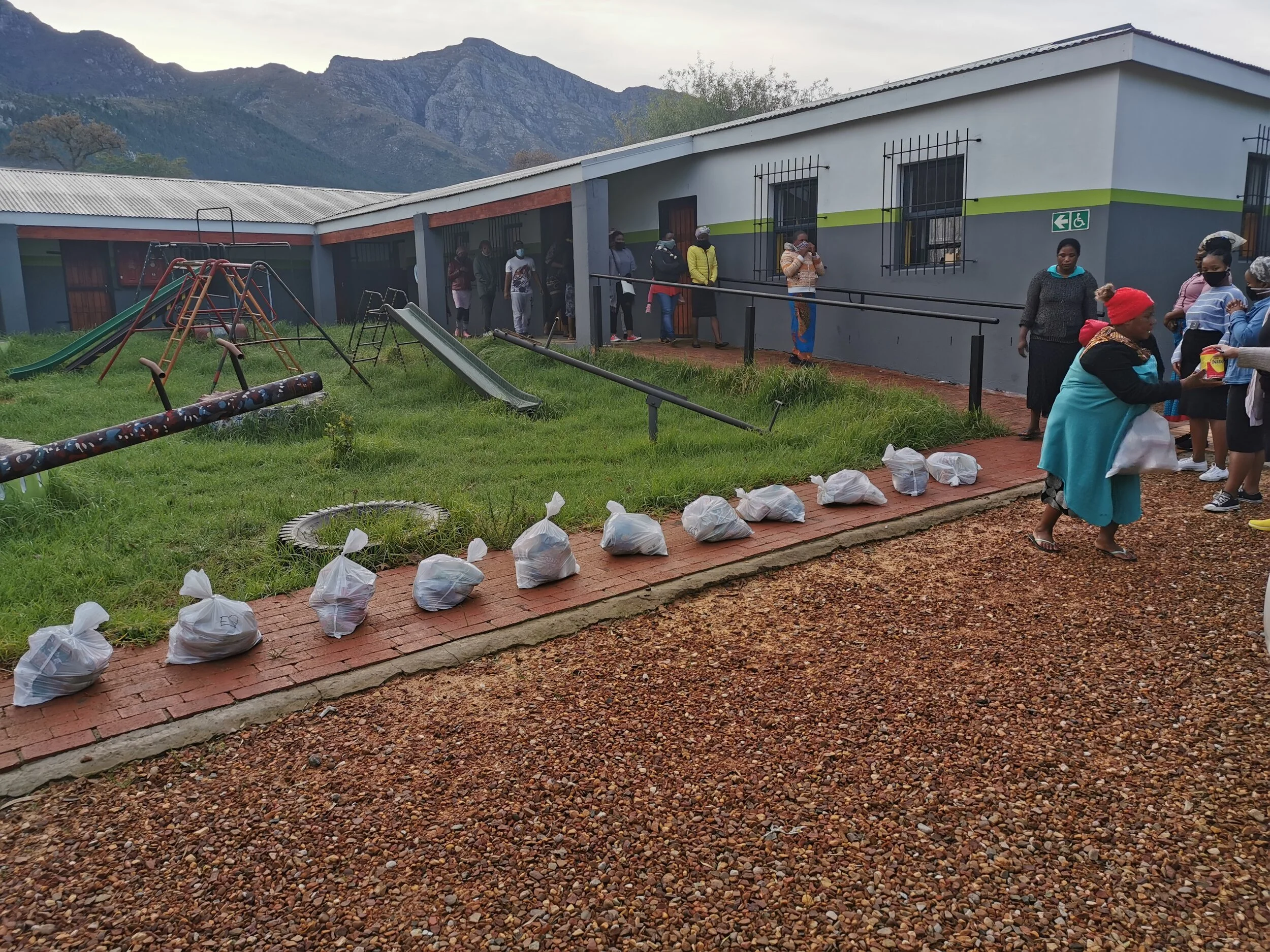
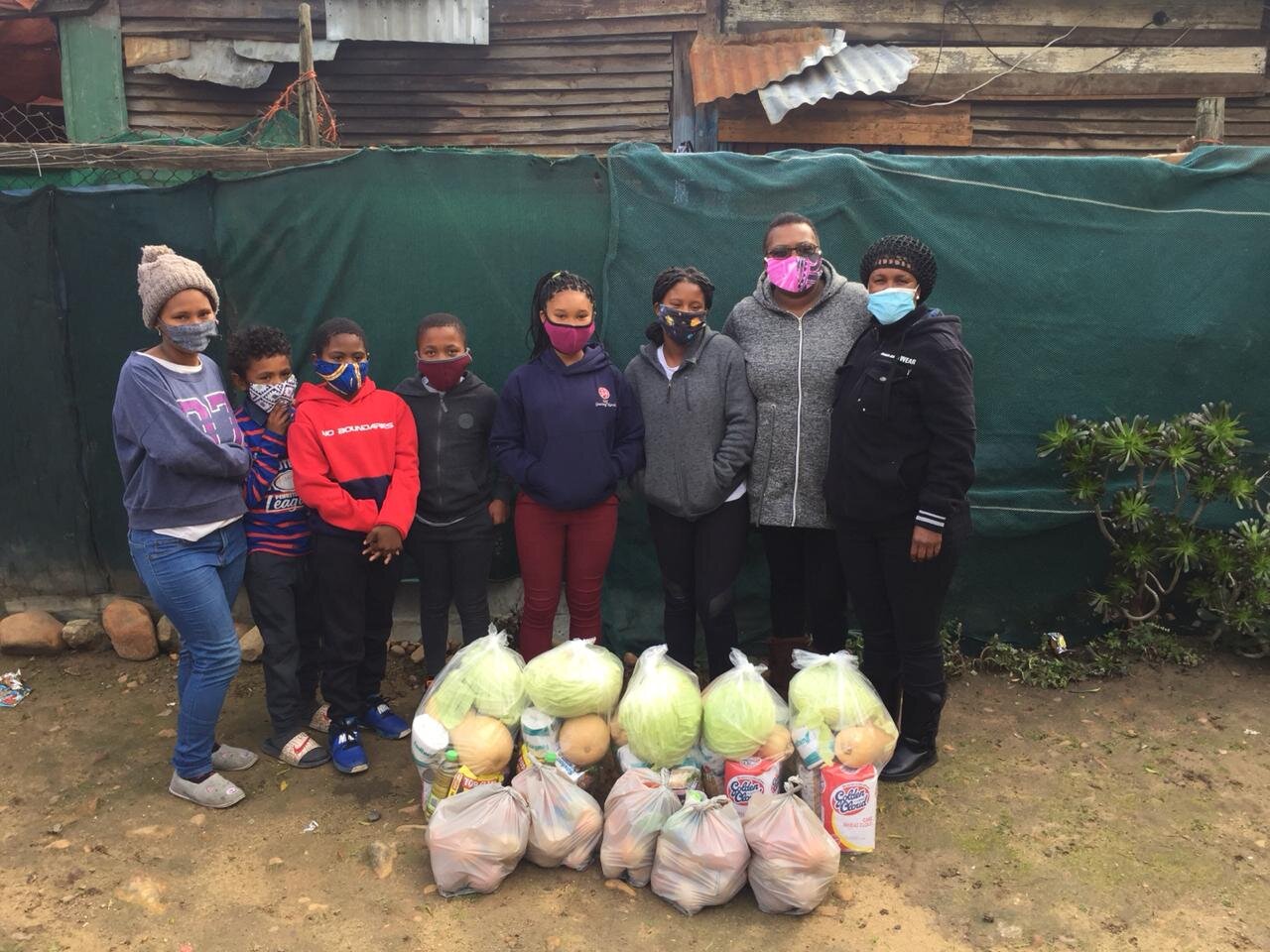
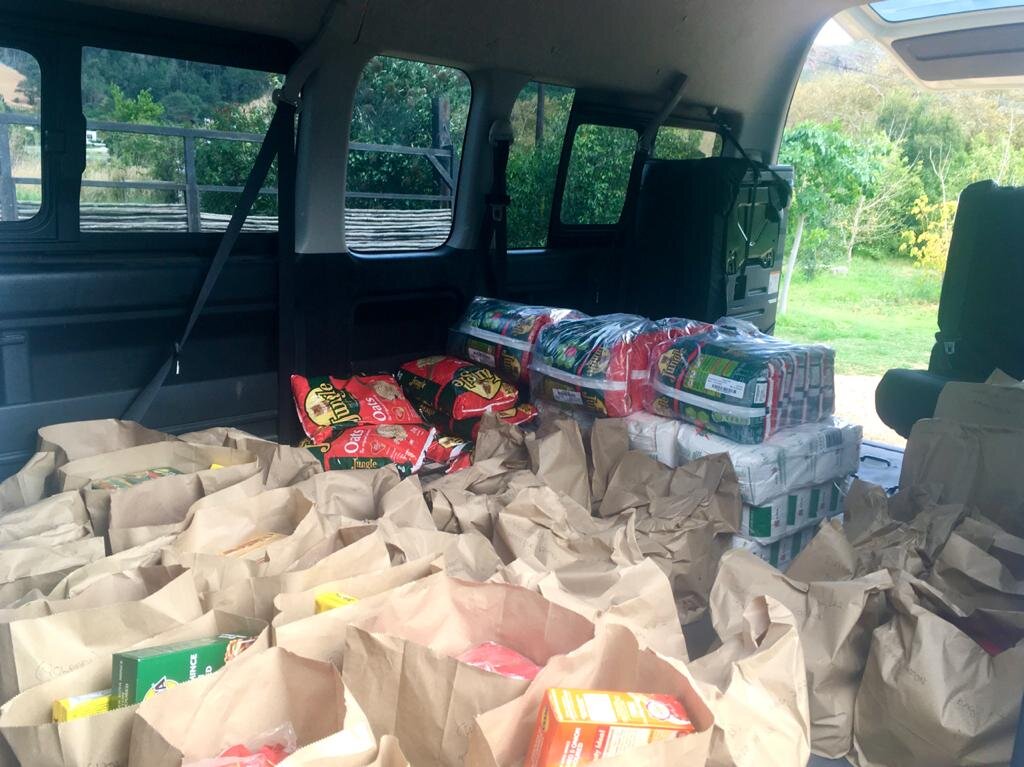
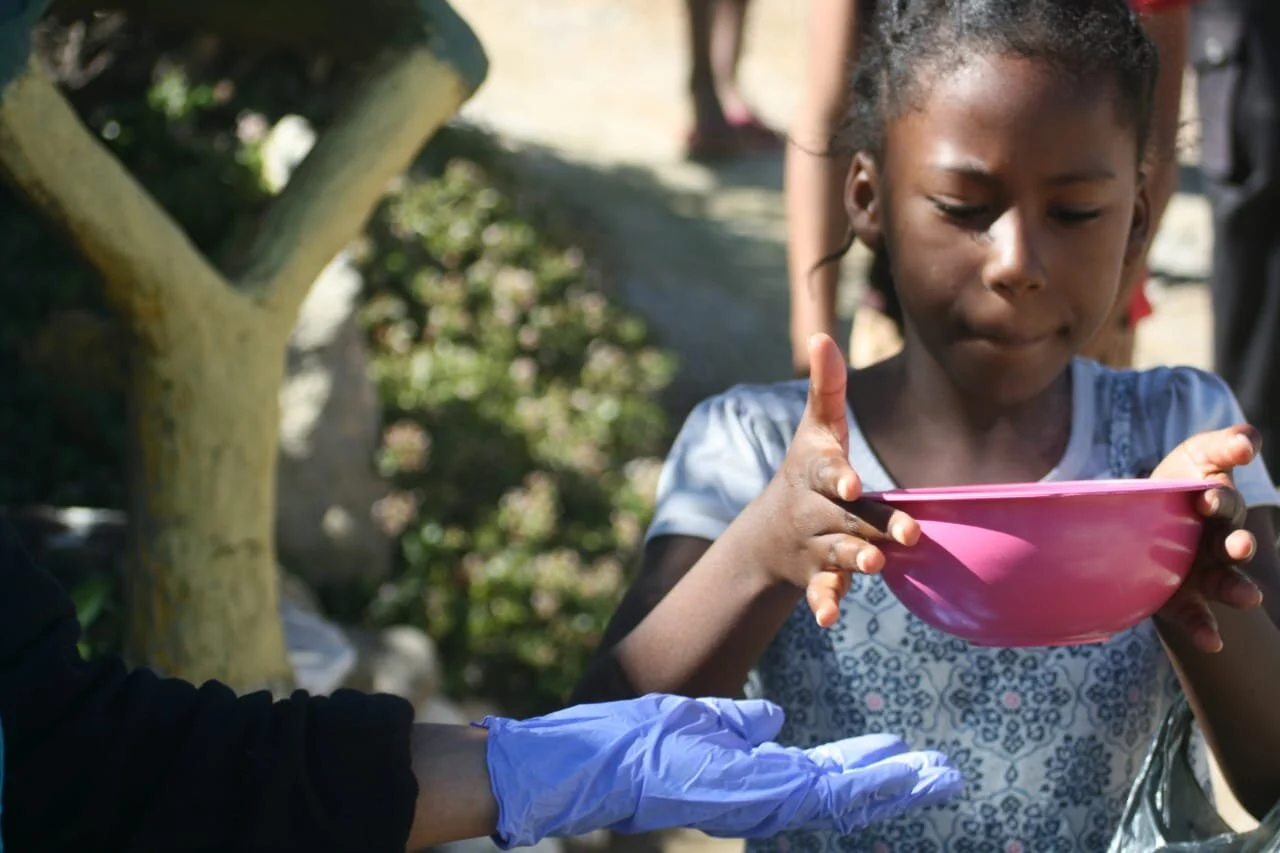
The programme focuses on distribution of food parcels to the neediest, food supply to soup kitchens and feeding programmes in need of additional support, Covid-19 practices and protocol, food garden production, and nutrition programmes.

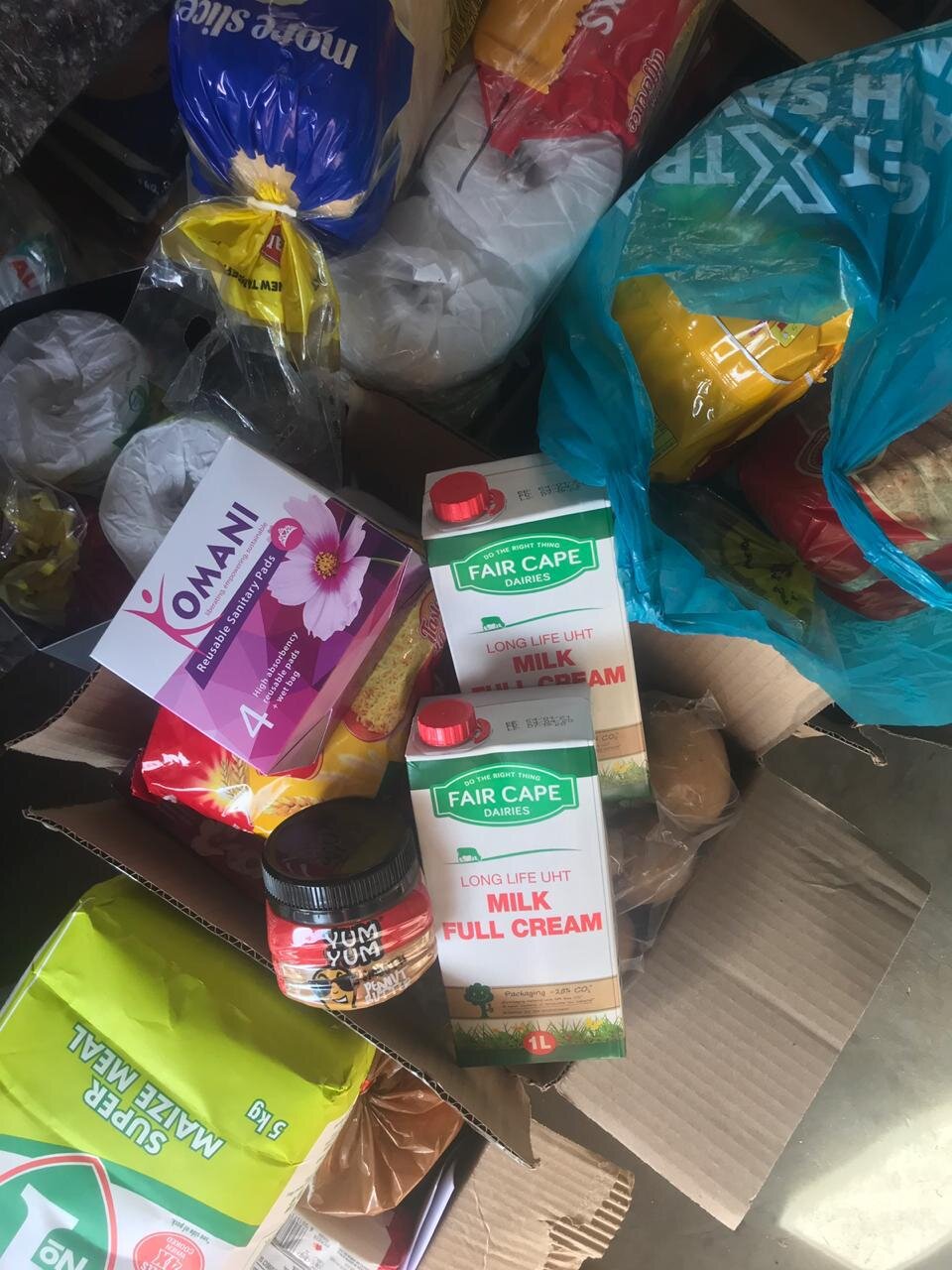
The CWBR currently supports 145 families, elderly, and disabled, whom do not have access to other means of support, with bi-weekly food parcels. The parcels contain the basic needs for a healthy diet.

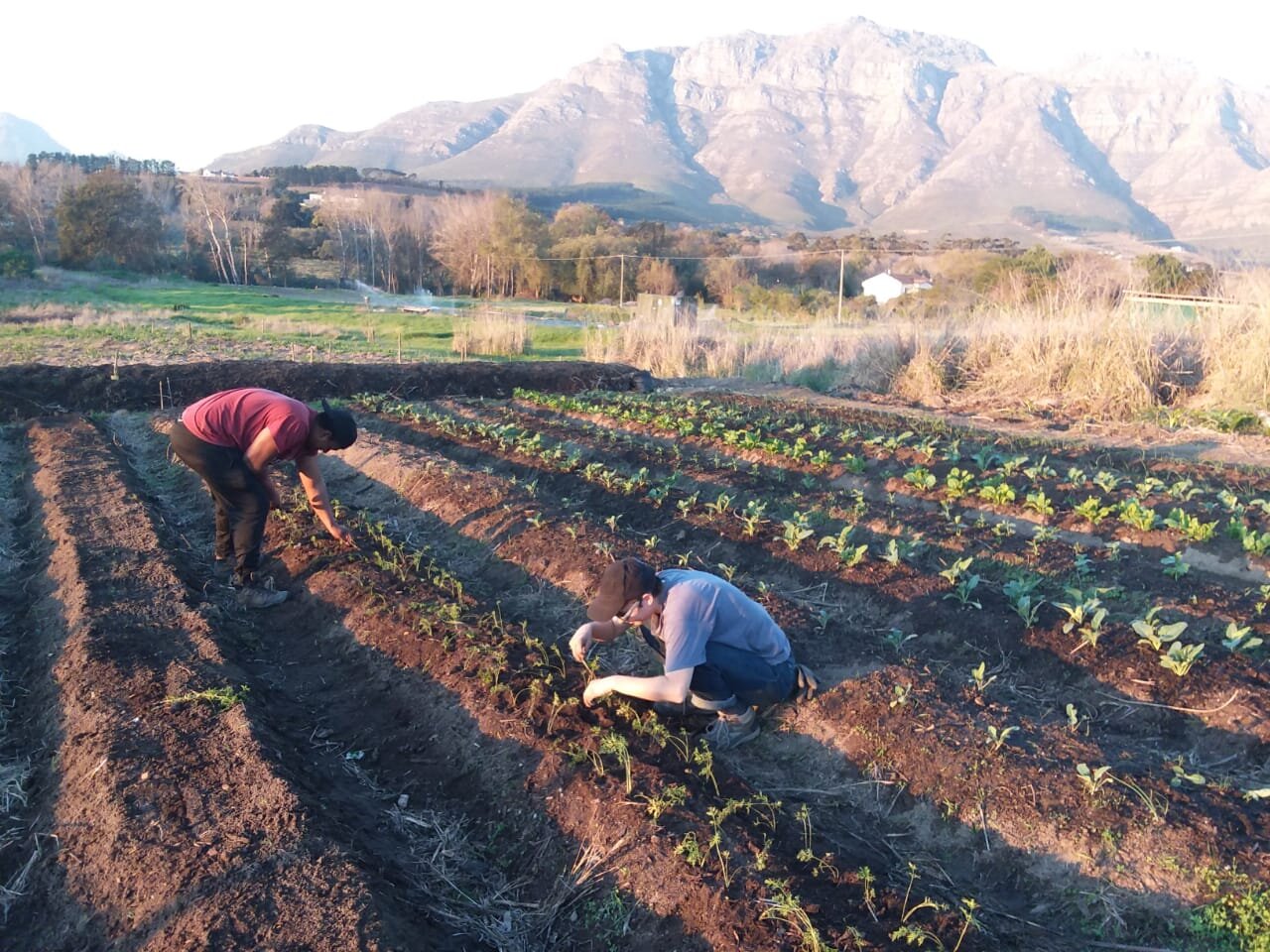
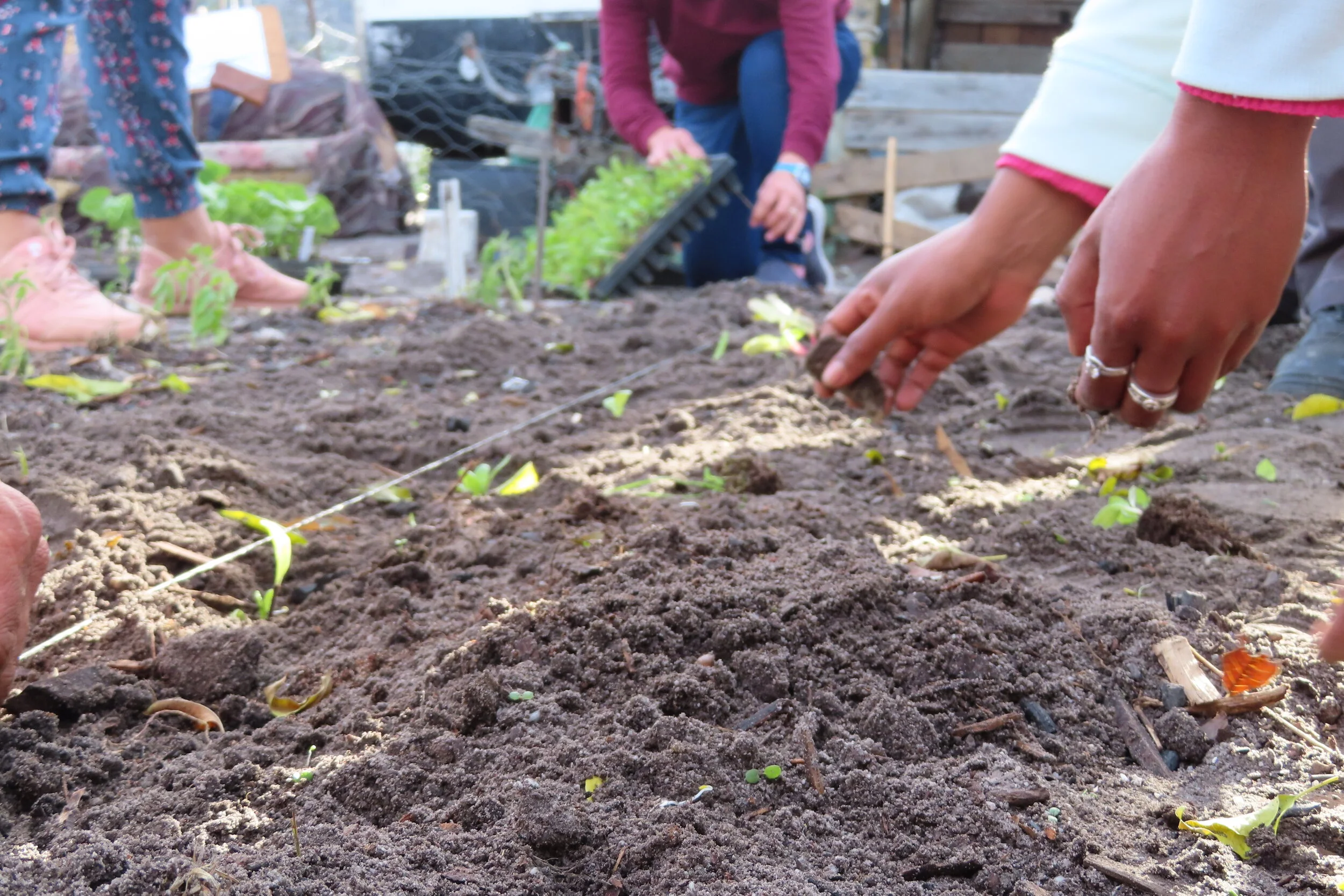
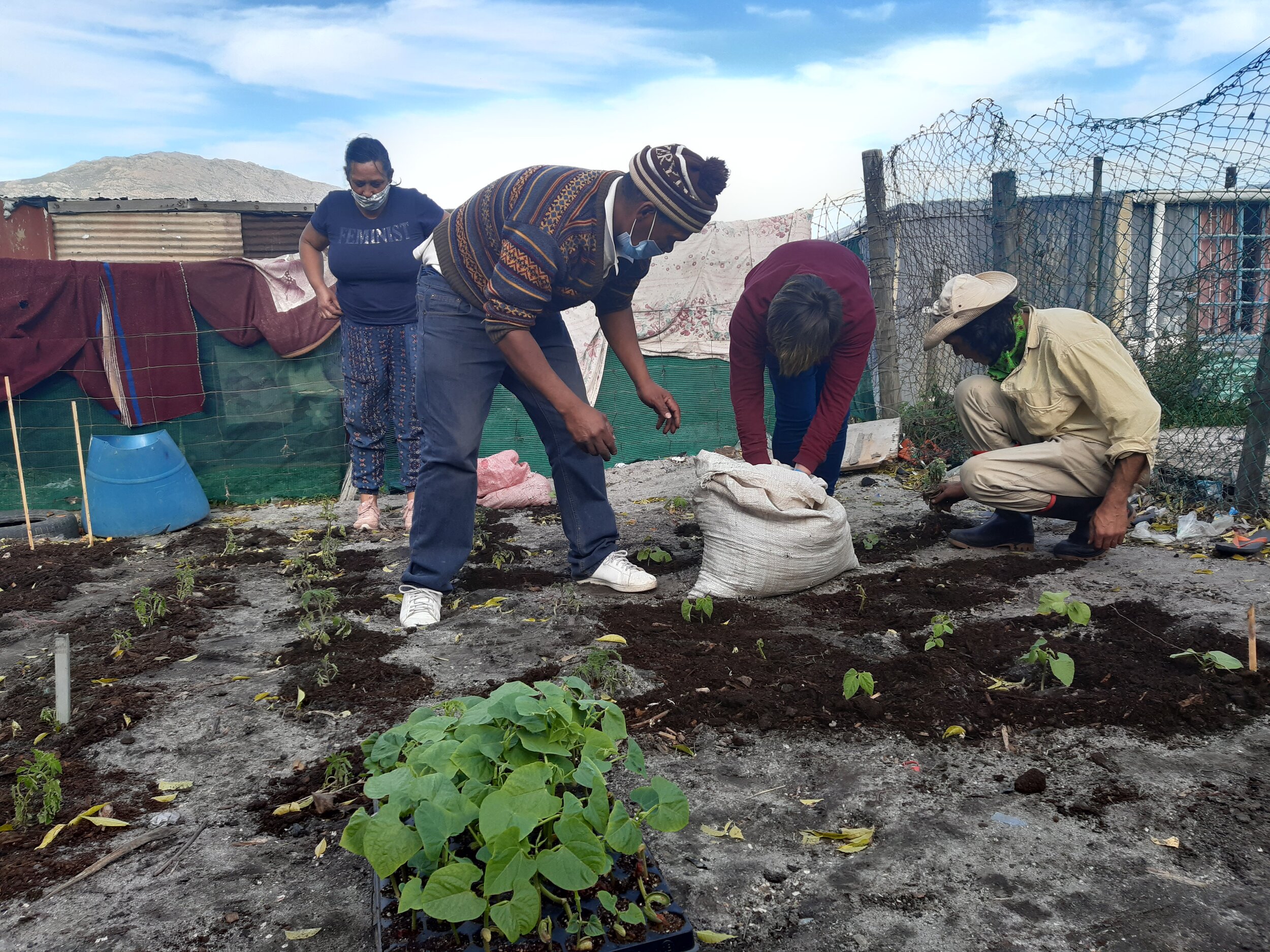
With recognition that the consequences from the pandemic will not be resolved soon, the CWBR is fostering a ‘self-help’ mentality through food garden programmes. Empowering individuals within the communities, youth and young adults, to develop more sustainable local food systems that help ensure food security. This is done through food garden workshops in a donated communal garden space where practical application is taught. Individual gardens are then installed and visited during follow up workshop sessions. 

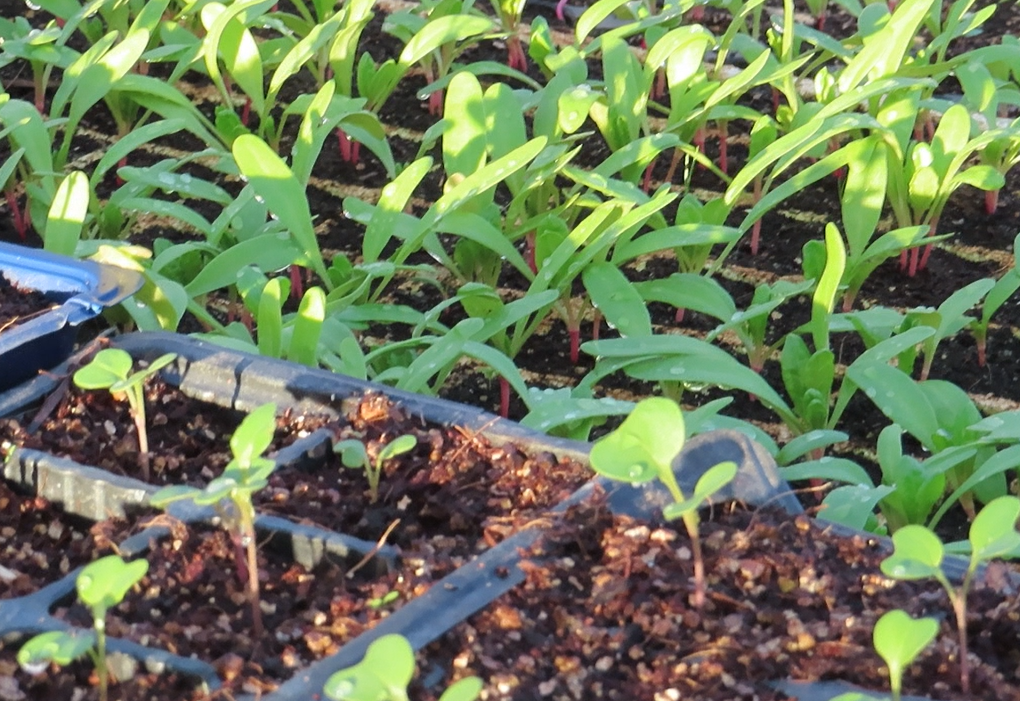
The CWBR Hub Nursery produces over 60 000 seedlings monthly. A portion of the seedlings are planted at the CWBR Hub to contribute to Soup Kitchens, and distributed among individuals, communities during workshops. Seedlings have also been donated to the implementation of the USIKO Nursery and Hub in Jamestown, to support the marginalized in their area.

The Nutrition and Health Programme is currently implemented in Paarl, Villiersdorp Mbekweni, Stellenbosch, and Franschhoek.

In partnership with Athénée Action Humanitaire, the mobile educational classroom program has been in development since 2018.
The Ocean Starts Here

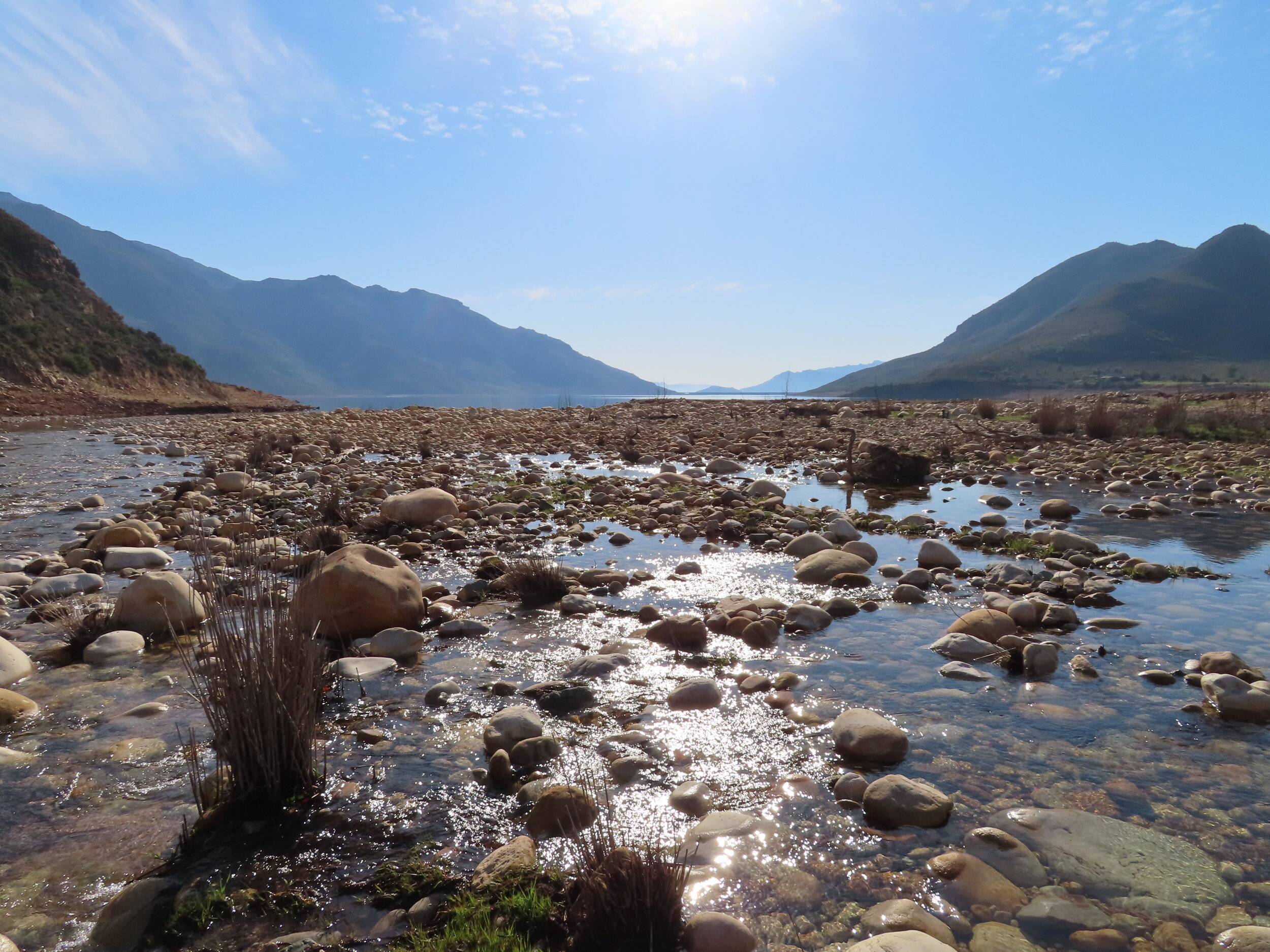
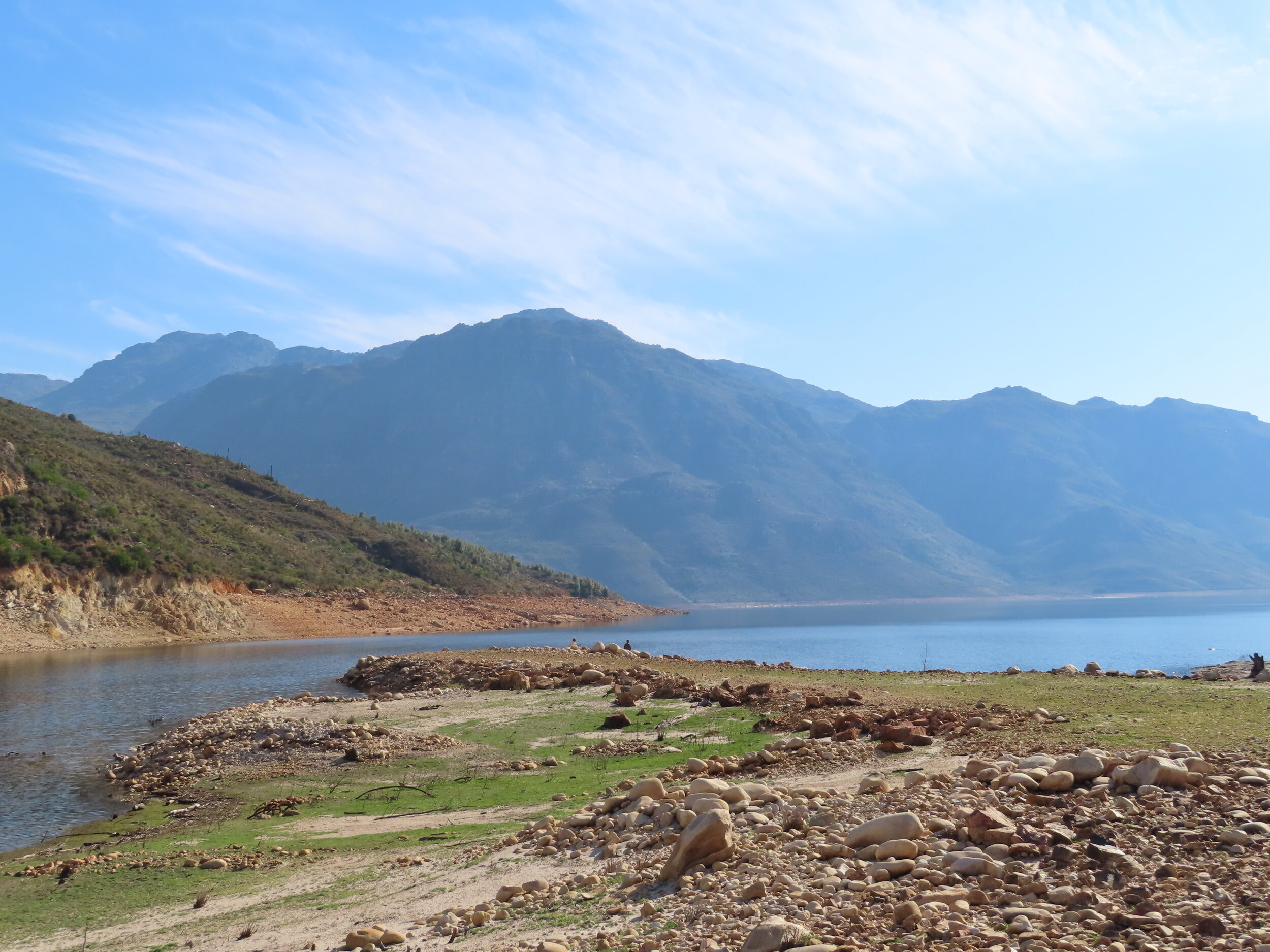
The Cape Winelands Biosphere Reserve, is the source of seven rivers, including the Berg and the Breede. They are not only the life blood to cities, homes, agriculture, and industry but are an integral part of the habitat for the incredible biodiversity along their path to the ocean. The Hottentots Holland Mountain range forms the watershed, with the Berg River flowing into the Atlantic and the Breede flowing into the Indian Ocean.

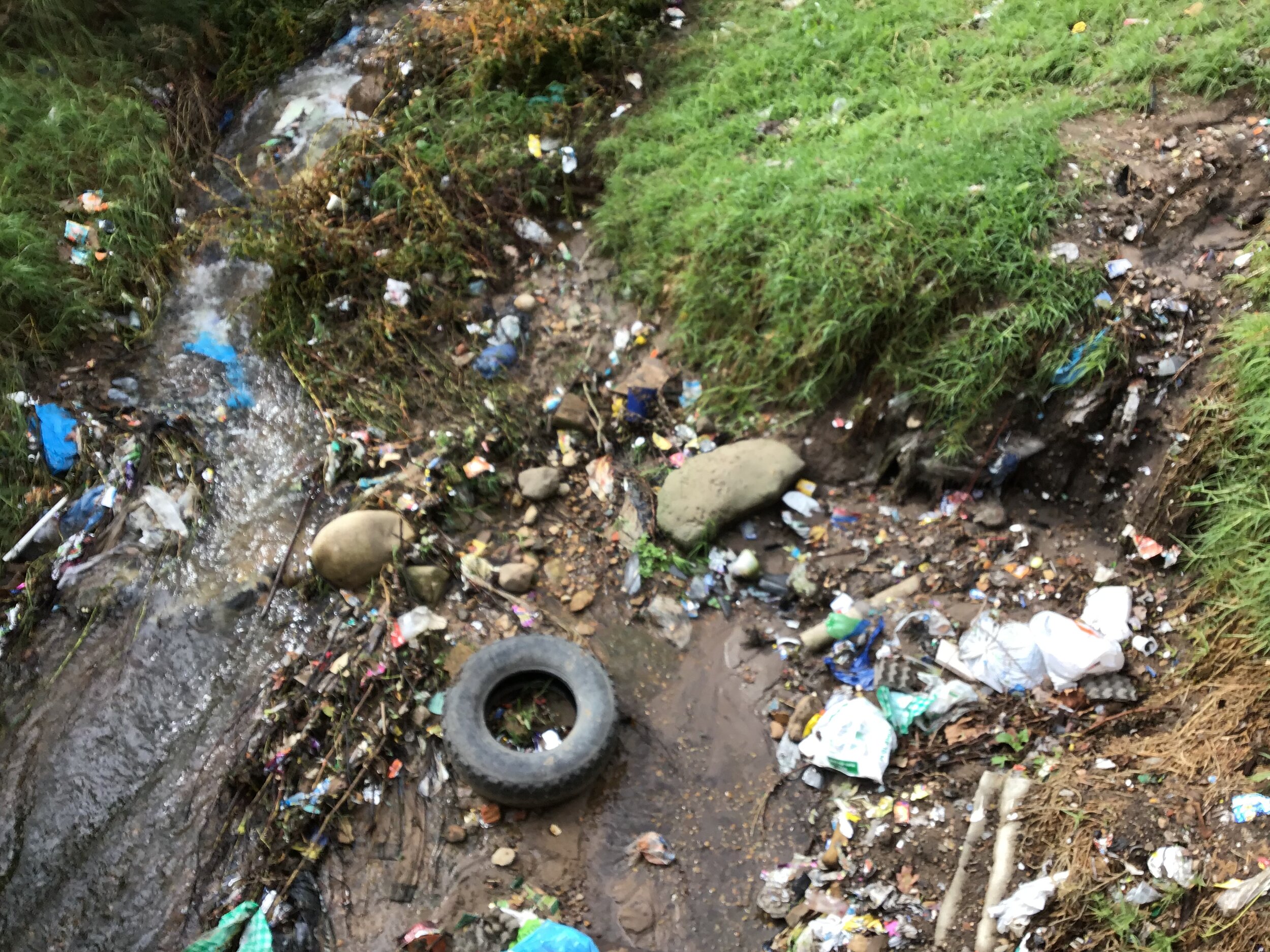
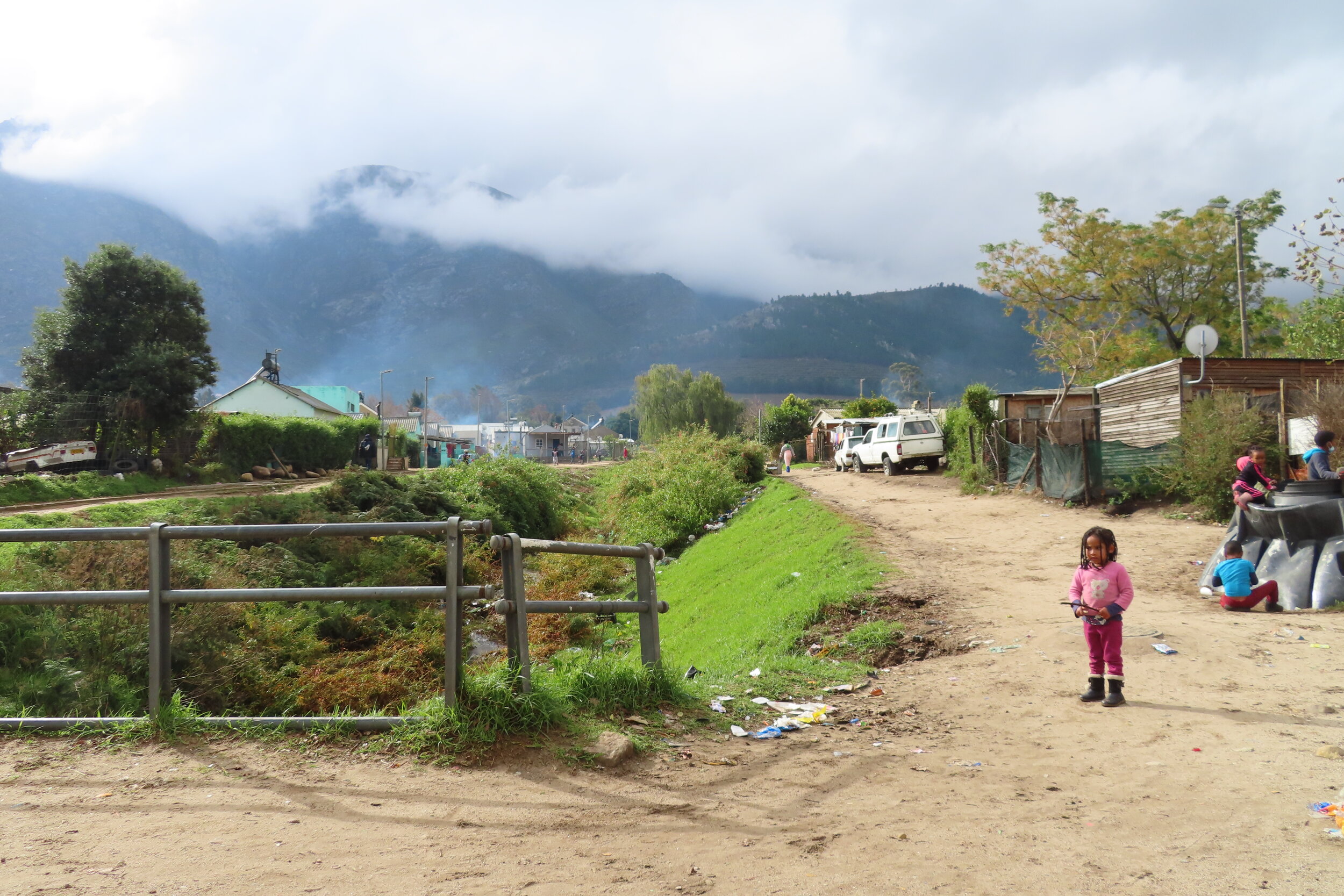
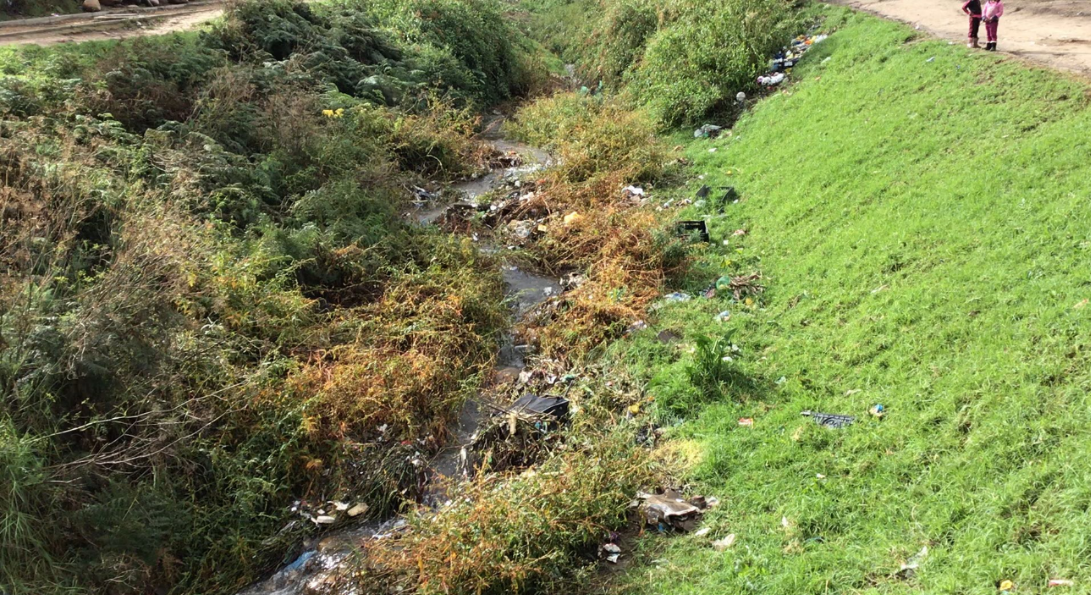
Unfortunately, they are also the arteries delivering the plastics and other detrimental elements into the Oceans. They are connected to, and interact with the ocean many kilometers inland, so one cannot address the pollution problem only within the oceans and on the beaches.

Arianna Olivelli and her team have been measuring plastic, of all sizes, on South African beaches for over 25 years, especially related to the small fragments found in seabirds.

“The country is the 11th worst offender in terms of land- based litter entering the sea. It is important that we understand the sources and movement of plastic in marine systems if we are to devise effective policies to reduce the amounts entering the sea”.

Britta Denise Hardesty, and Chris Wilcox from SCIRO, research has found that 90 percent of marine debris remains with the littoral zone, close to the shoreline. Plastic making up over 50% of it.

It becomes obvious that the most effective efforts to mitigate Ocean pollution should be land based. Attacking the causes at source, even before it enters the rivers. According to WWF, South Africans use about 30kg to 50kg. (about a third of the American average). With a population of 57 million, it is a staggering 2.8 million tons a year. 70,000 interlink trucks full, that is 191 40-ton trucks a day.

Dr Kevin Winter, while paddling down the Black River, says that they were “flabbergasted” by what they saw during their paddle. “We had to dodge all kinds of things – dead dogs, dead cats, crazy stuff… people won’t believe what ends up in those rivers and canals,” he says.

When it goes out to sea, we think we’ve lost it altogether, but we need to think again. If we pollute our oceans, how can we expect to run desalination plants? How can we be expected to create drinking water from polluted water? It’s insane,” he cautions.

How are we as South Africans, and as Biosphere Reserves going to reduce this scourge?

If anyone has a practical and implementable solution, please contact at info@capewinelandsbiosphere.co.za

And we will do our best to make it happen.

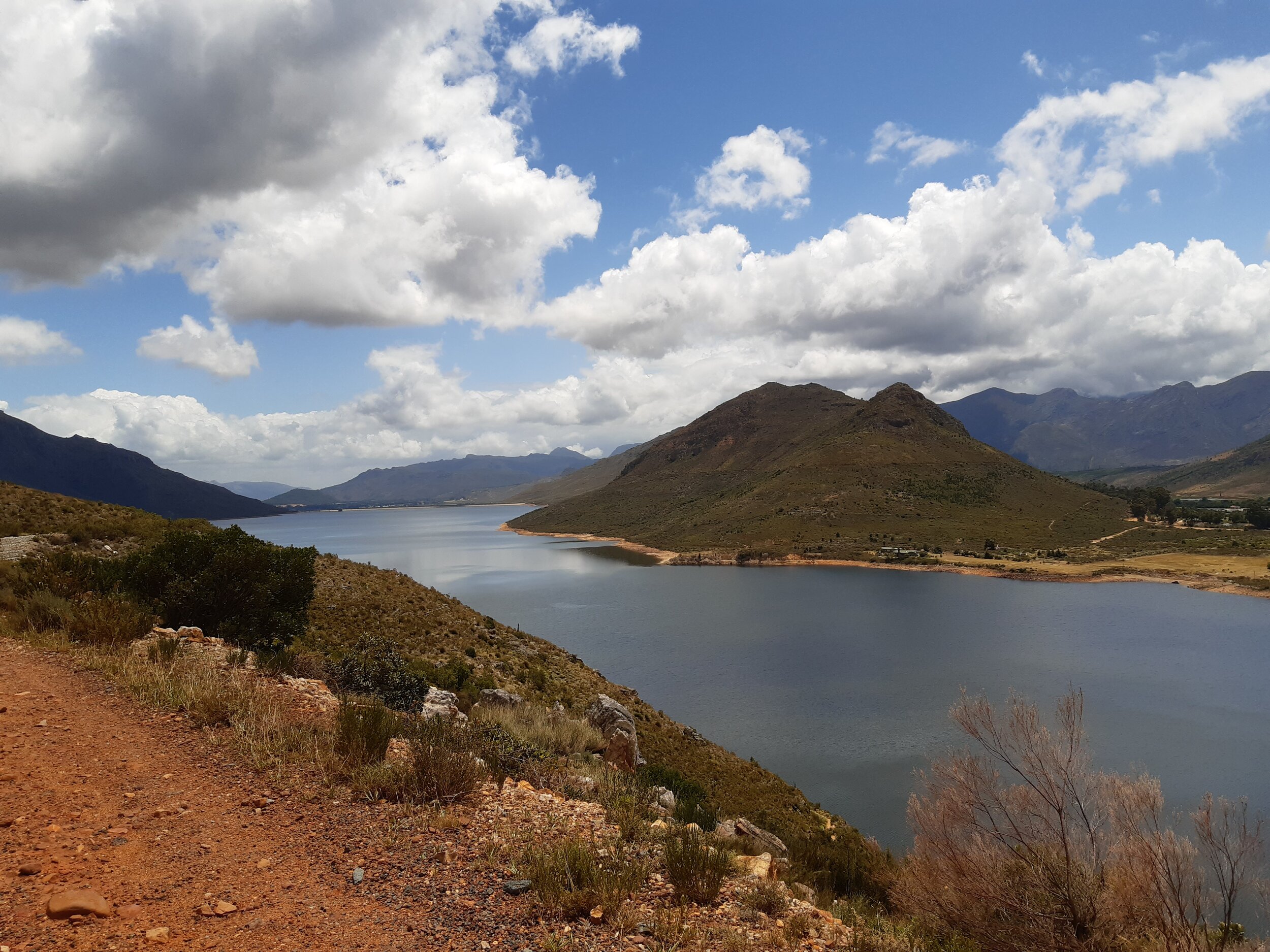
The Berg River Dam. The first dam designed to maintain the ecological integrity of the surrounding landscape and rivers

Stiebeuel River after heavy rain, running through the middle of Groendal Franschhoek

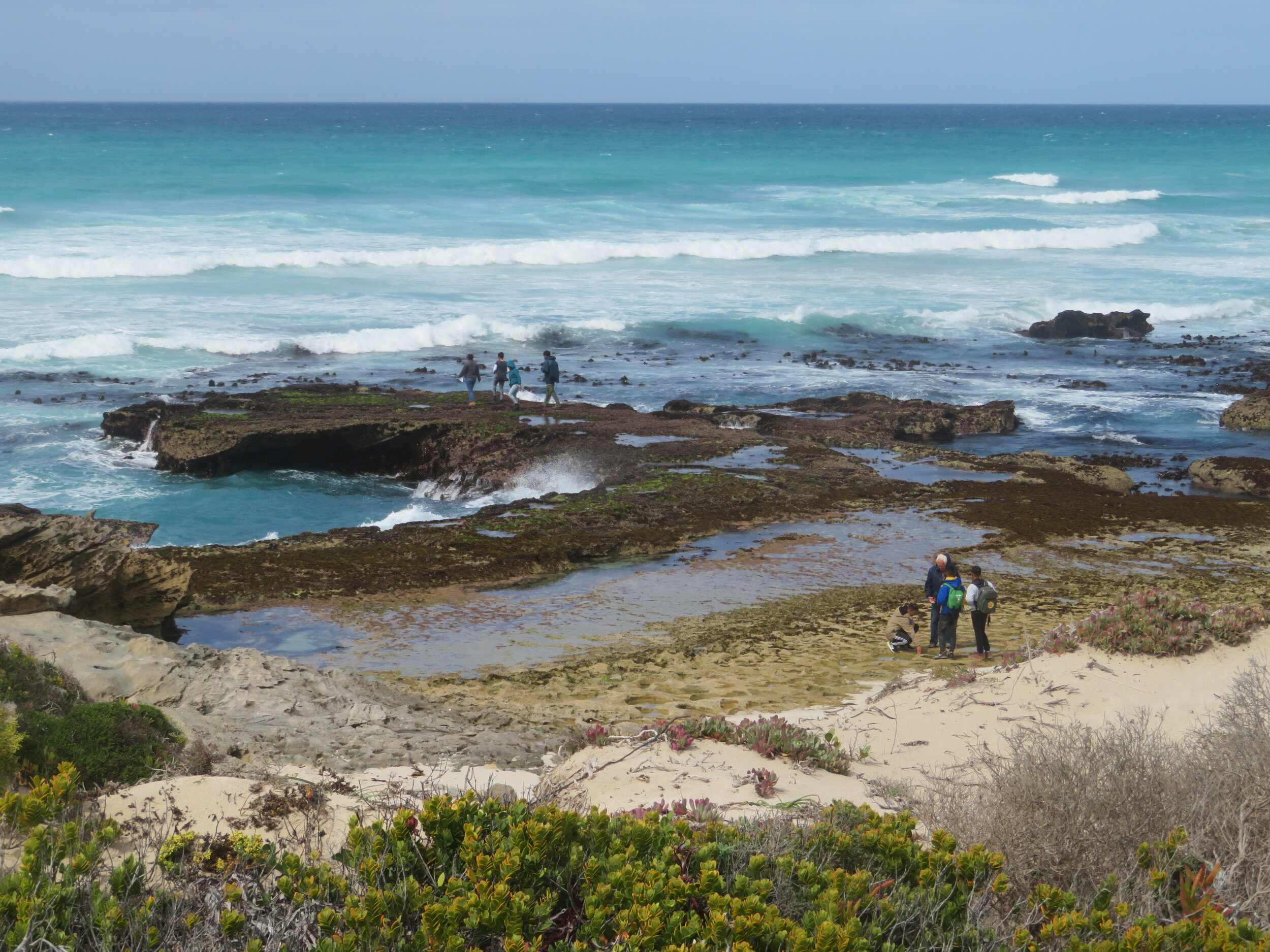
A beautiful Marine-ecosystem in the Indian Ocean by De Hoop Nature Reserve

Our Solutions are in Nature

Biological Diversity Day, 22nd May 2020

“It shows that "Biodiversity remains the answer to a number of sustainable development challenges that we all face. From nature-based solutions to climate, to food and water security, and sustainable livelihoods, biodiversity remains the basis for a sustainable future.” UNESCO

A great way to celebrate today is to remember a World Day earlier this month, World Migratory Bird Day with the theme ‘Birds Connect Our World’ (9th May 2020)

Every year, more than one hundred bird species travel across the globe, stopping along the way in a variety of natural environments, then onto a new destination, to breeding and resting grounds. This incredible journey is made possible through complex reactions between the bird’s beak, eyes, brain, and ears which allows for accurate navigation over thousands of kilometres and varying landscapes.

The patterns of the sun and stars are imprinted through the birds’ eye. Through tiny concentrations of iron in the birds’ inner ear, they can sense magnetic fields and through that figure out true north. Using olfactory maps, maps created through sensory receptors, the bird can navigate by its sense of smell.

To conserve areas that are of high importance to bird species, the international initiative, Important Birds and Biodiversity Areas (IBA) was created. IBA is implemented through Department of Environment and Forestry and Fisheries who partnered with BirdLife SA. There are 13 500 IBA sites world-wide, and 113 are found in Southern Africa. The Boland Mountains located within the CWBR is one such site. The Berg River Estuary in Velddrift, where the Berg River that flows through the CWBR meets the ocean, is another.  

Though we as humans are staying at home with restricted movement, lets celebrate the clear skies and undisturbed sites where birds will travel to this year. Grab a pair of binoculars and see what can be spotted from your window or balcony. Or if fortunate, step into your garden in the early morning or evening to hear and see the birds that surround you.   

‘Worldwide, there are eight recognised flyways along which terrestrial and coastal migratory birds travel. Added to this are the paths taken by marine birds over the Atlantic and Pacific Oceans. Migration is in a north-south direction and is undertaken to escape the cold northern winters. Birds breed in the summer in the far north and spend the non-breeding season in the warmer climates south of the equator.’

~ Extract from Cape Nature Article

Read full article: World Migratory Bird Day

Find out more about Important Birds and Biodiversity Areas

IBA Programme PDF Booklet

Birds that migrate this time of year: Colorful Greater Striped Swallow, Amur Falcon, White-rumped Swift, White Stork, Pygmy Kingfisher, Yellow-billed Kite, Lesser Kestrel, Honey Buzzard, Woodland Kingfisher, Red-chested Cuckoo, and European Bee-eater

Research for this article done through: National Geographic, Environment, Forestry and Fisheries

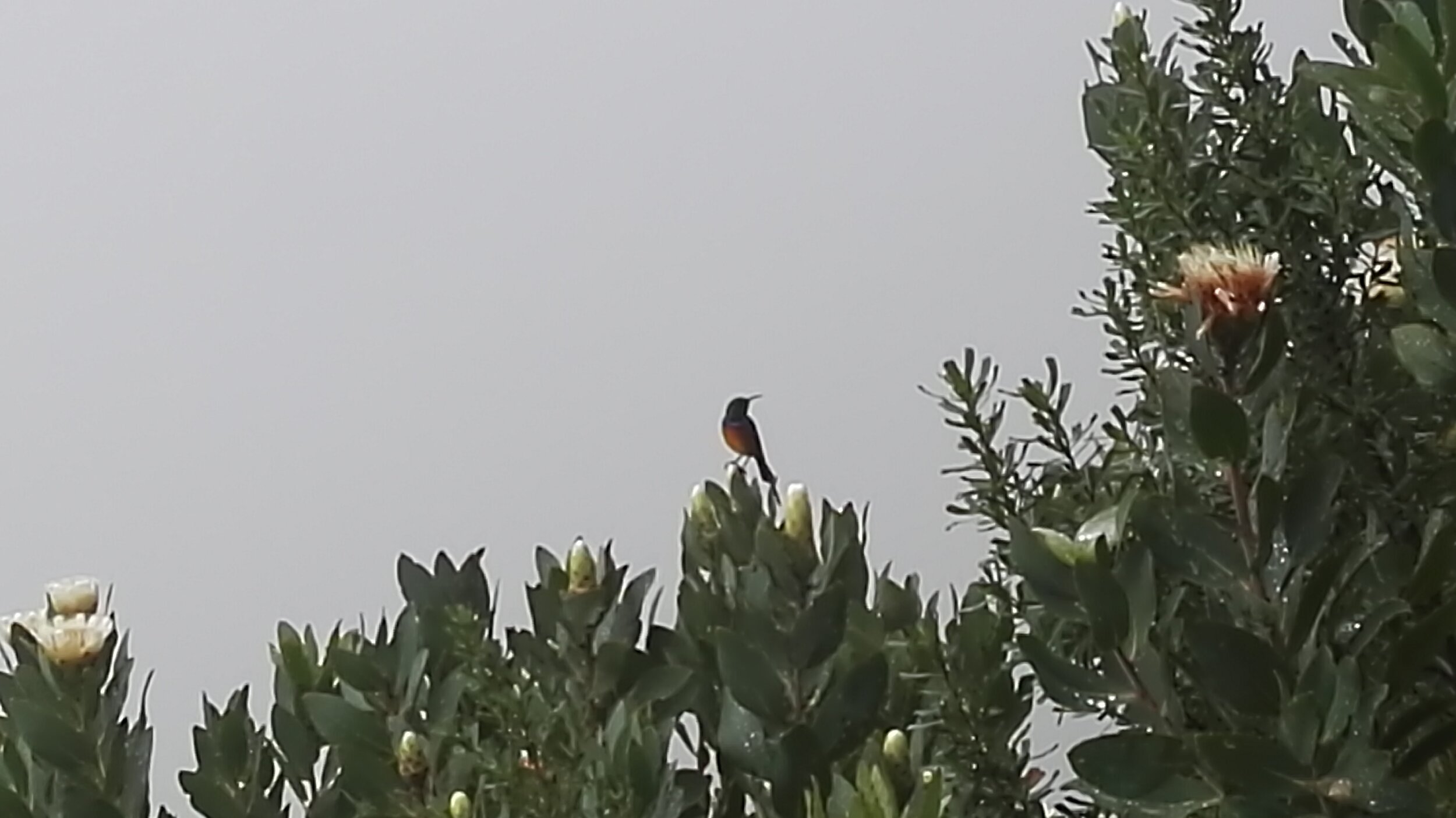
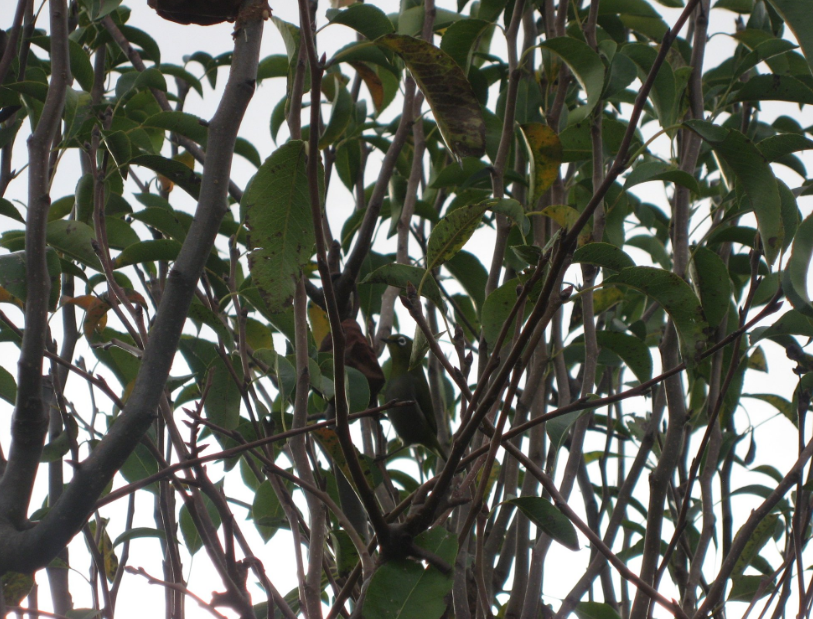
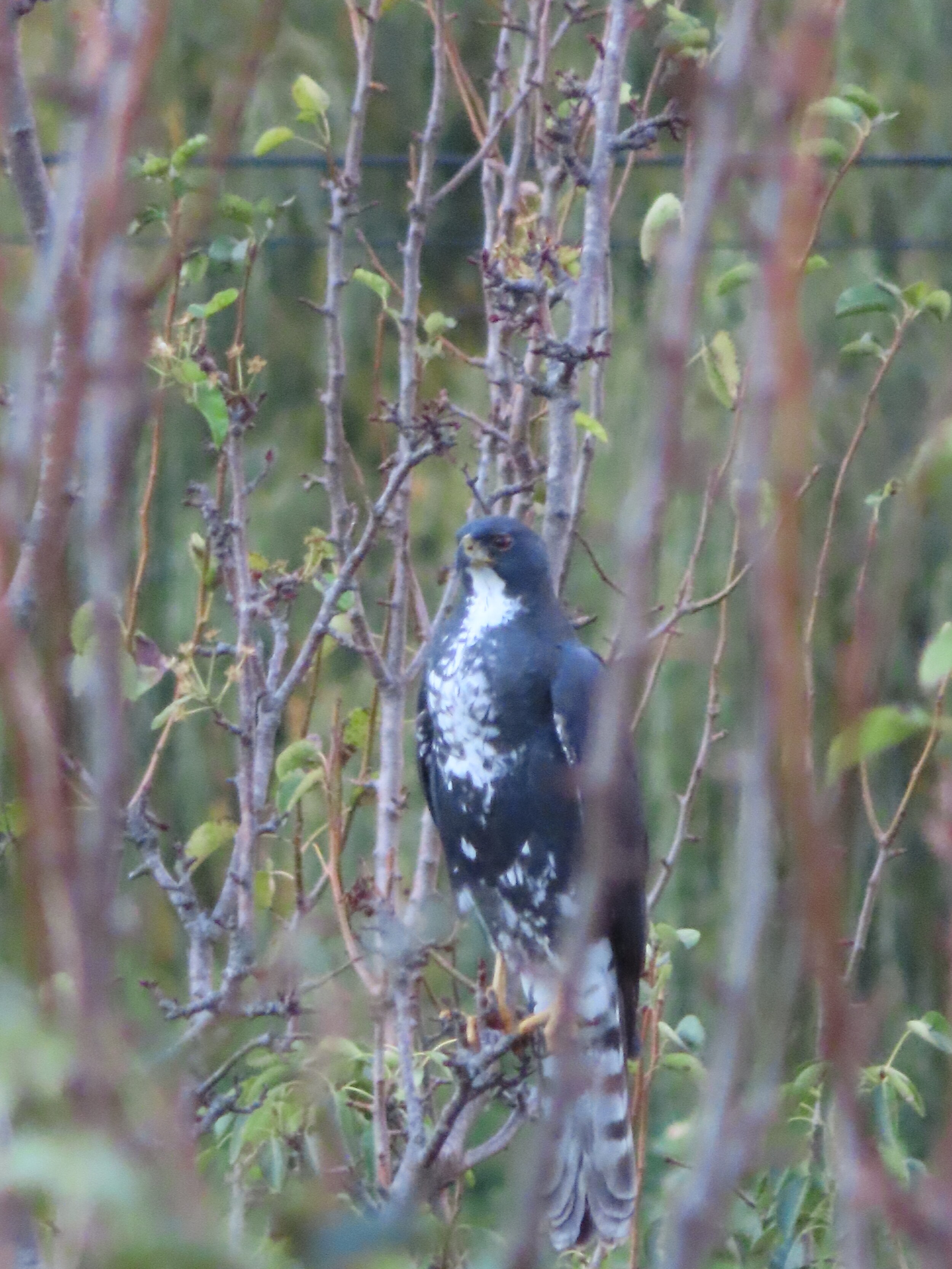
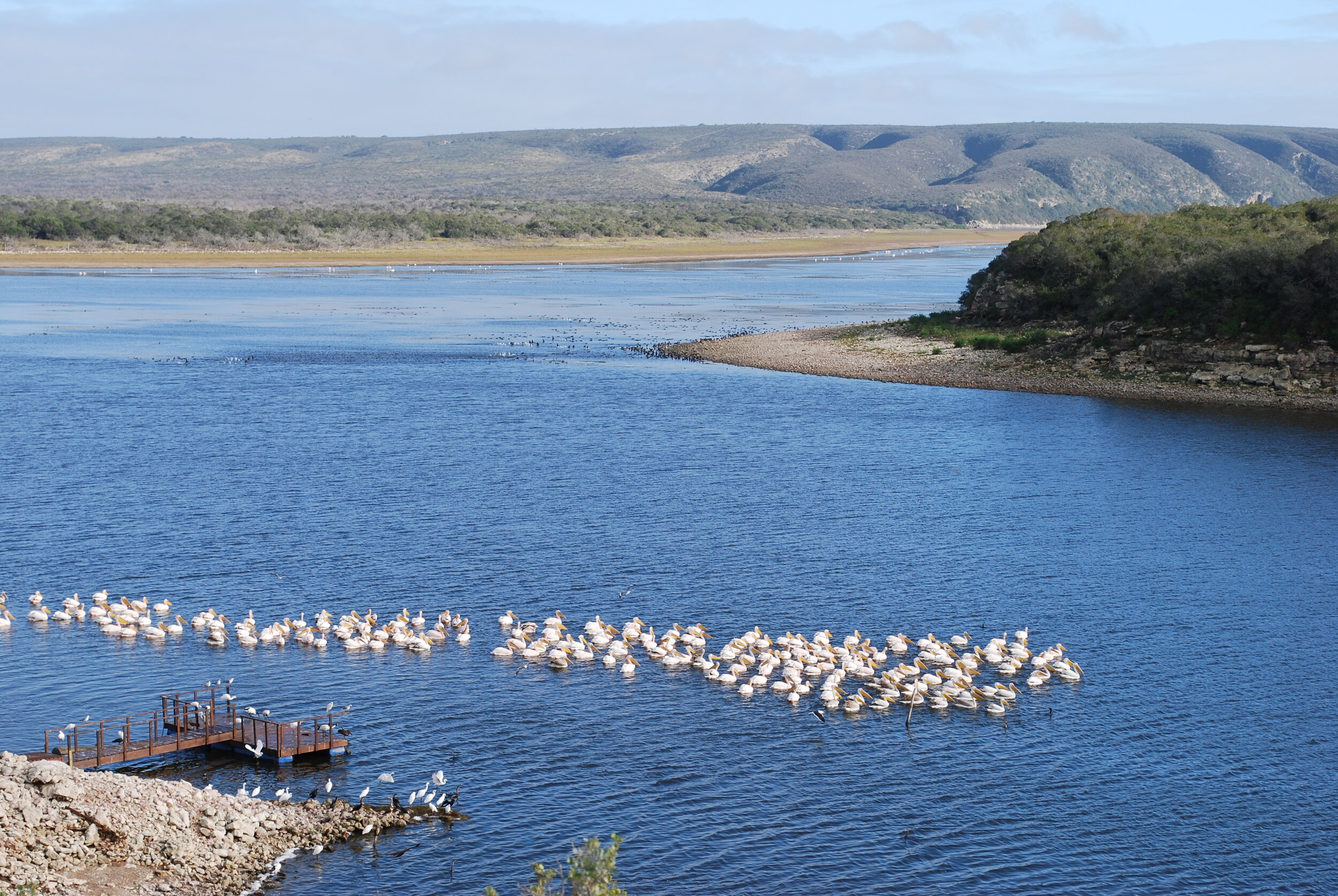
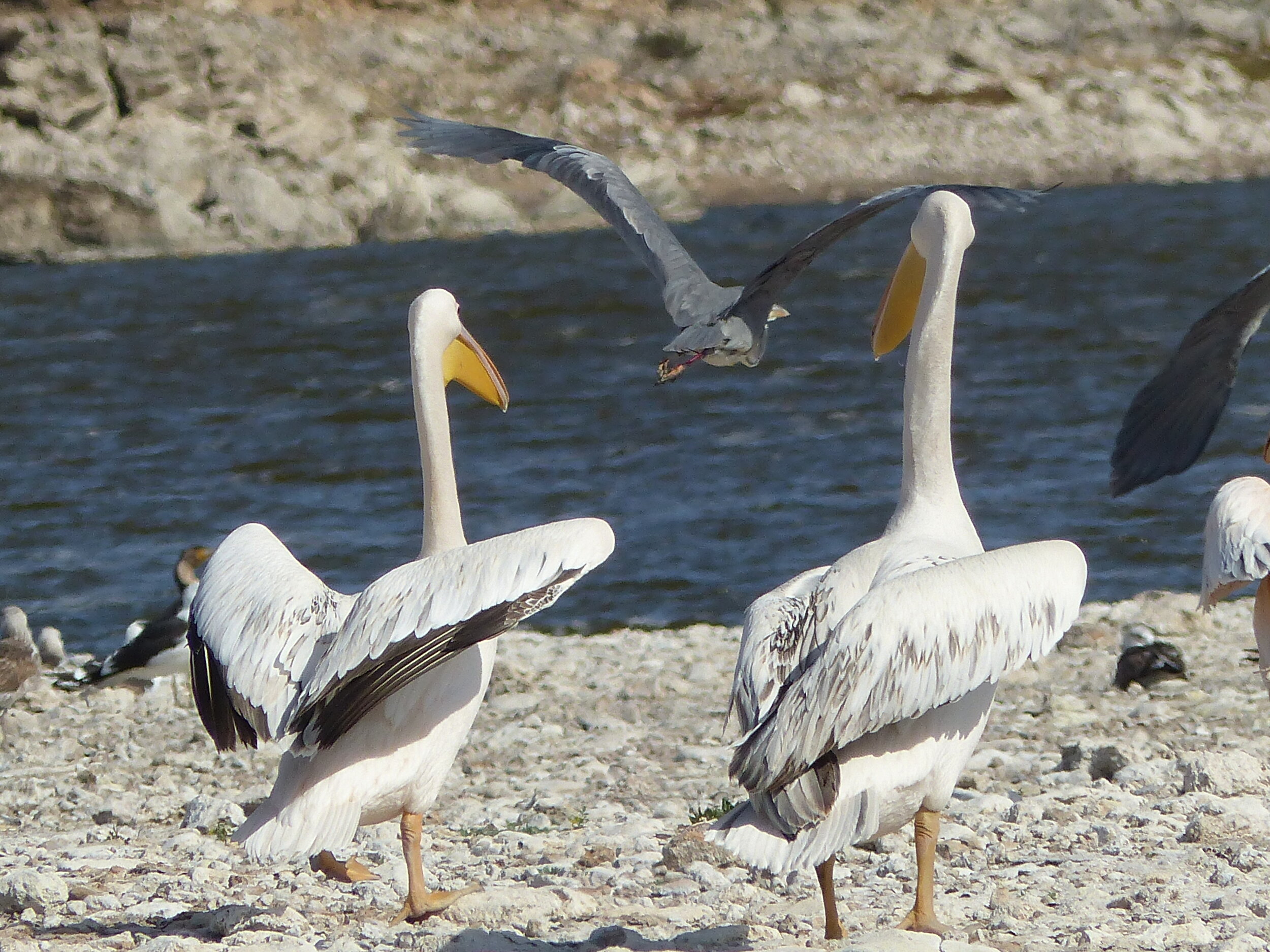
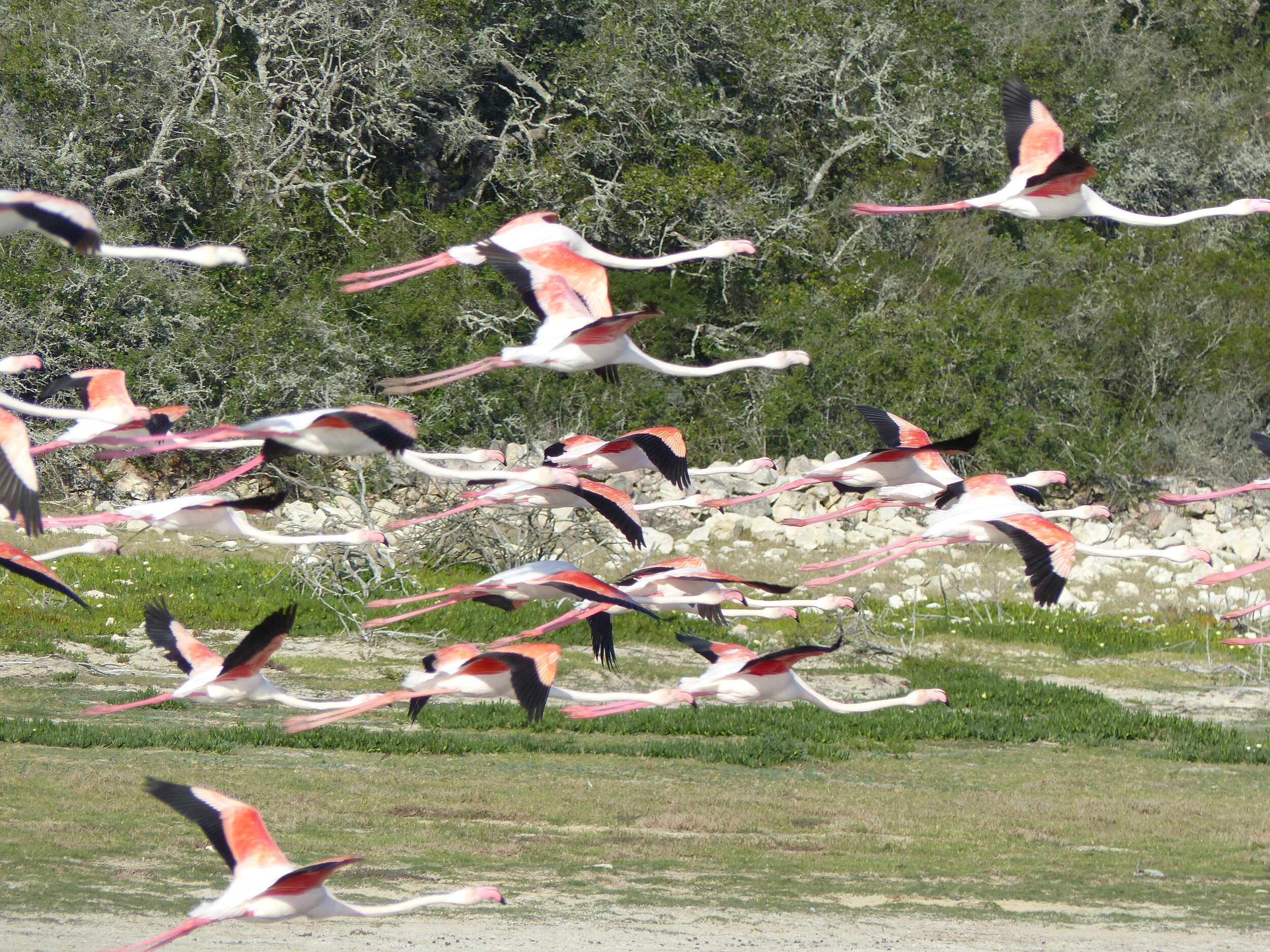
A few birds captured on camera by CWBR volunteers over the last few years

Unity of Communities through Feeding Schemes

Freedom Day, 27th April 2020

This year’s theme

‘Solidarity and Triumph of the Human Spirit in these Challenging Times’

Since the nationwide lockdown in South Africa, which started on March 26th 2020, government, municipalities, many organizations, and individuals have implemented Nutritional Feeding schemes. 

The CWBR, in collaboration with Athénée Action Humanitaire, is working with local partners, who assist local organizations and individual Nutritional Food Programmes and Health and Sanitation Awareness in the Cape Winelands that reach out and aids communities.

The worldwide pandemic caused by COVID-19, with its obvious challenges, has also created a space for growth in unity, amongst all communities.

The challenging yet interesting times we are in has revealed many selfless individuals within communities, who together, with a common interest, have existing initiatives to feed children, single parents, elderly, and the disabled. Now also feed recently unemployed, whether temporarily or permanently.

Each individual drawing from their own strength contribute in different ways such as donating cooking facilities, items, groceries, cooking the meals, or hand out the food and run the feeding points. 

The CWBR Food Garden is looked after by the core team and local volunteers. Thousands of seeds and seedlings planted in the last months will contribute to the Nutritional Food Programme as we are in it for the long-haul. Among these are kale, cabbage, carrots, tomatoes, beans, spinach, root vegetables, and herbs.   

Through the Feeding Schemes, with all the different elements involved and ego put aside, working together for a good cause toward the common good has shown to be a great initiative in uniting communities. 

A Trip Remembered

This time last year, CWBR welcomed the 2019 class students from Lycée Athénée de Luxembourg for the schools fourth annual trip to the Western Cape, South Africa. The purpose, a cultural exchange and to part-take in the educational projects in the Winelands that the schools NGO, Athénée Action Humanitaire (AAH), funds in partnership with Cape Winelands Biosphere Reserve.

Two weeks packed with activities, landscapes, and meeting people from all backgrounds to enrich not only the Luxies experience but the locals as well. A sharing of life experiences, exchange of knowledge, laughs, and culture.

The trip gives opportunity for the Luxembourg students, who have studied South African history, fauna and flora, ecology, and culture for a year, a chance to experience what they have learned first-hand.

It is also an opportunity for the students and teachers to see the projects and meet the people who have changed their own lives through the opportunities given by the AAH Edulink project. Seeing the effect of the collaboration first-hand.

Though the trip could not take place this year, due to the situation the world finds itself in because of COVID-19, here are some of the memorable moments captured by the students and teachers while travelling through the Western Cape in 2019, to be enjoyed from your couch at home.  

When asked to describe South Africa in one word.

Amazing. Beautiful. Breath-taking. Crazy. Complicated. Diverse. Enriching. Extraordinary. Fun. Impressive. Overwhelming. The different landscapes.

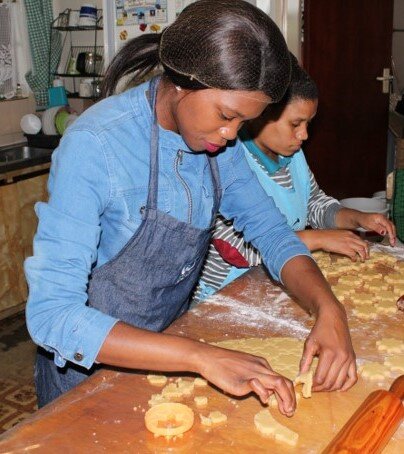
A day at Care Career Connection

Kitchen Workshop

Kitchen Workshop

Horticultural Garden

Horticultural Garden

Artisan Workshop

Artisan Workshop

Education through Project Engagement

FGASA & Life Skills students

FGASA & Life Skills students

The Data Collection Project

The Data Collection Project

Adventure

Pontoon moved by hand

Pontoon moved by hand

Ancient Landscapes

Ancient Landscapes

Kayaking

Kayaking

Zip-lining

Zip-lining

Experience Different Landscapes

Franschhoek Valley

Franschhoek Valley

Table Mountain Cape Town

Table Mountain Cape Town

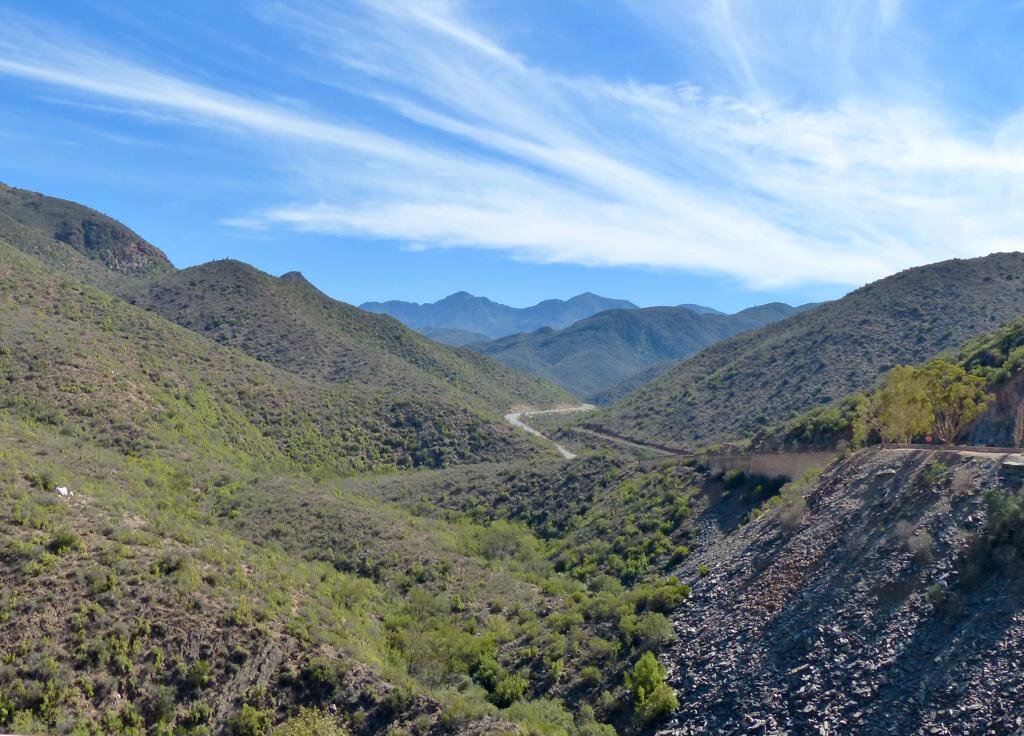
Vast Landscapes Garden Route

Vast Landscapes Garden Route

Biodiversity and Knowledge about Conservation

King Protea

King Protea

Alien & Indigenous Vegetation

Alien & Indigenous Vegetation

Protea

Protea

Cultural Exchange

Tour of Mandela’s House

Tour of Mandela’s House

Four individuals who had a big impact on history

Four individuals who had a big impact on history

Cultural Exchange Point of Human Origin

Cultural Exchange Point of Human Origin

Animals and Conservation Efforts

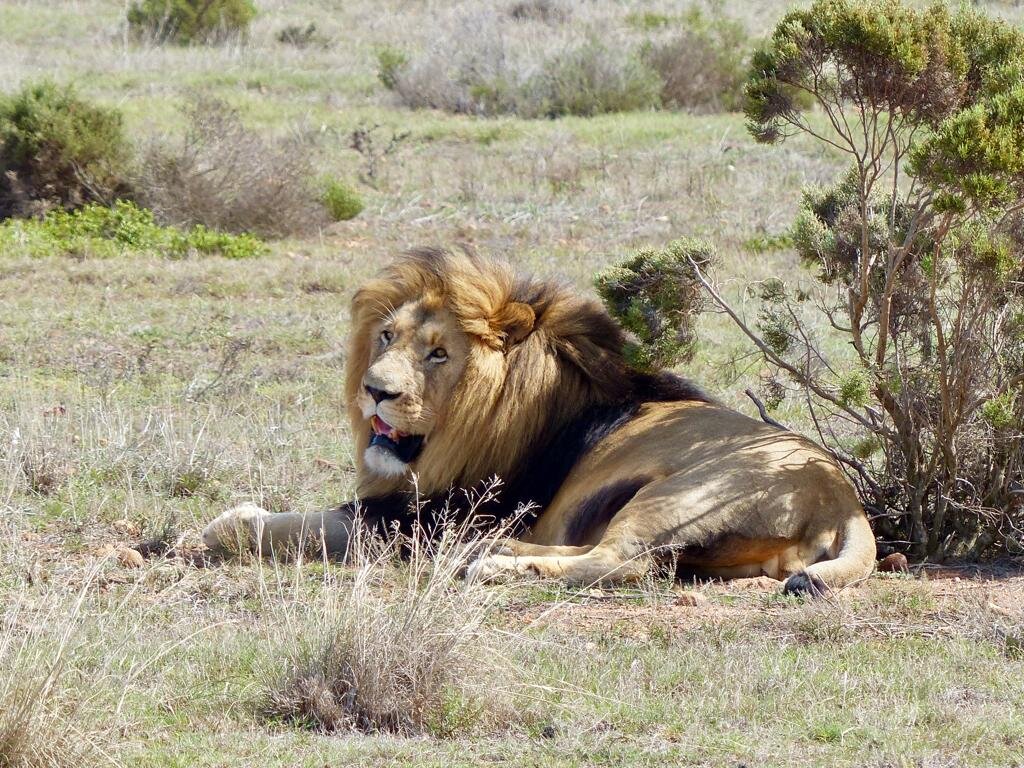
Lion

Lion

Lioness

Lioness

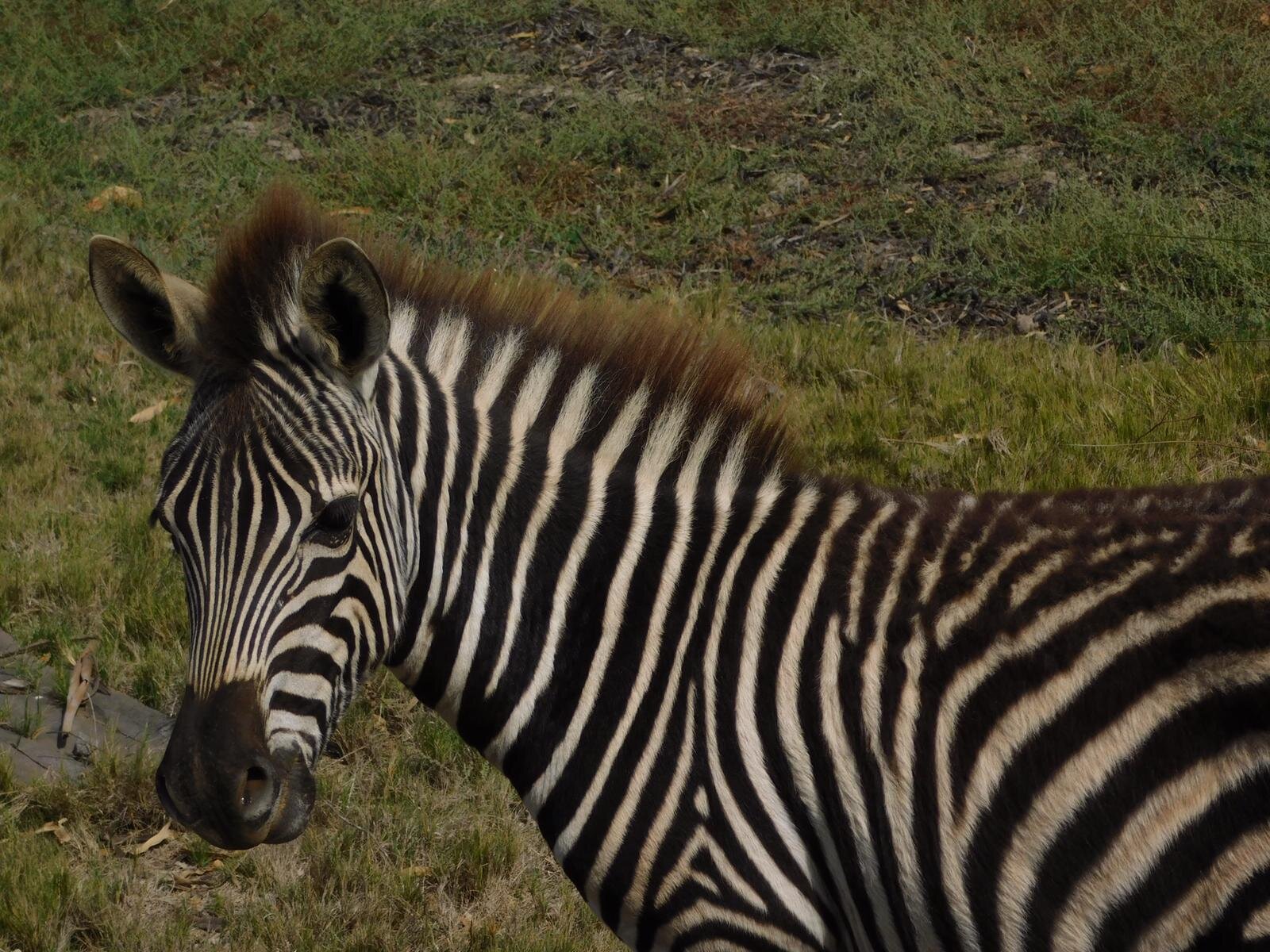
Zebra

Zebra

South African Penguin

South African Penguin

The setting sun over Cape Town seen from the airplane window on the way back to Europe

IMG-20190417-WA0021.jpg
Article on COVID-19

Though posted before the national 21-day lockdown, this article, written by Dr Anthony Allwood has advice on how to approach the current situation we all find ourselves in. The article has useful links to websites with up to date information and can be listened to via an audio recording.

Click title to read article:

‘Covid-19: A doctor’s personal reflection on a global pandemic and what we in South Africa can do’

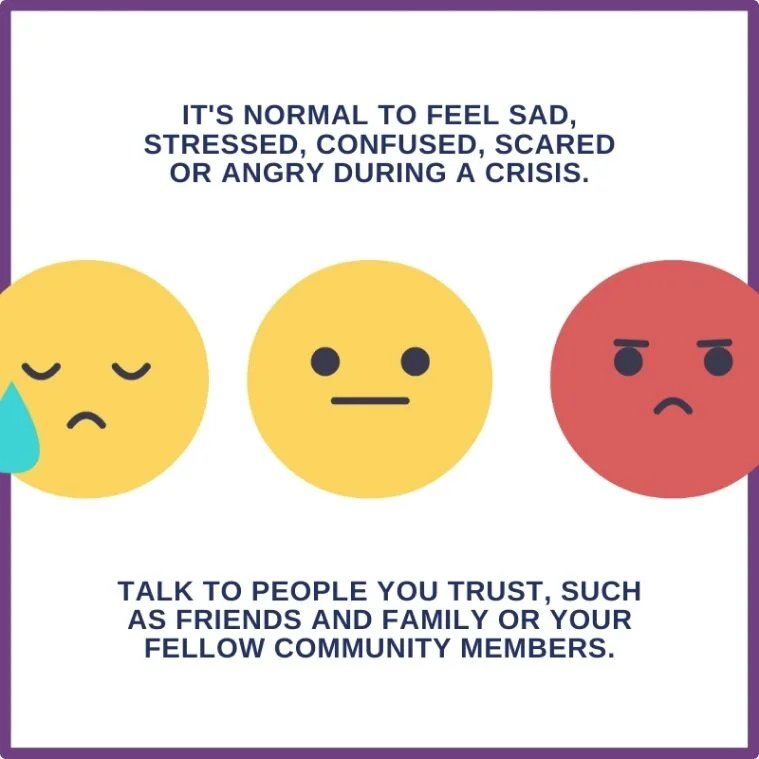
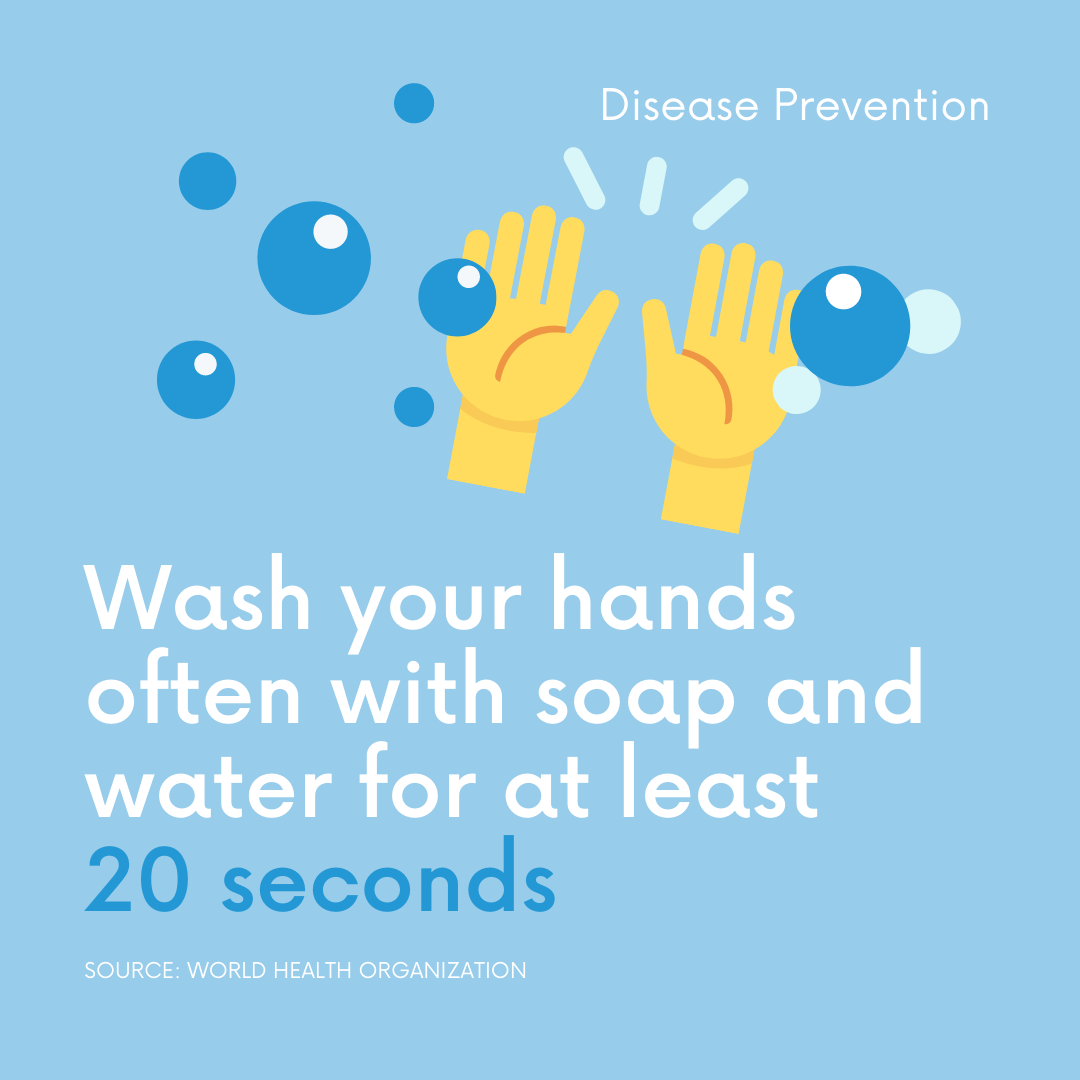
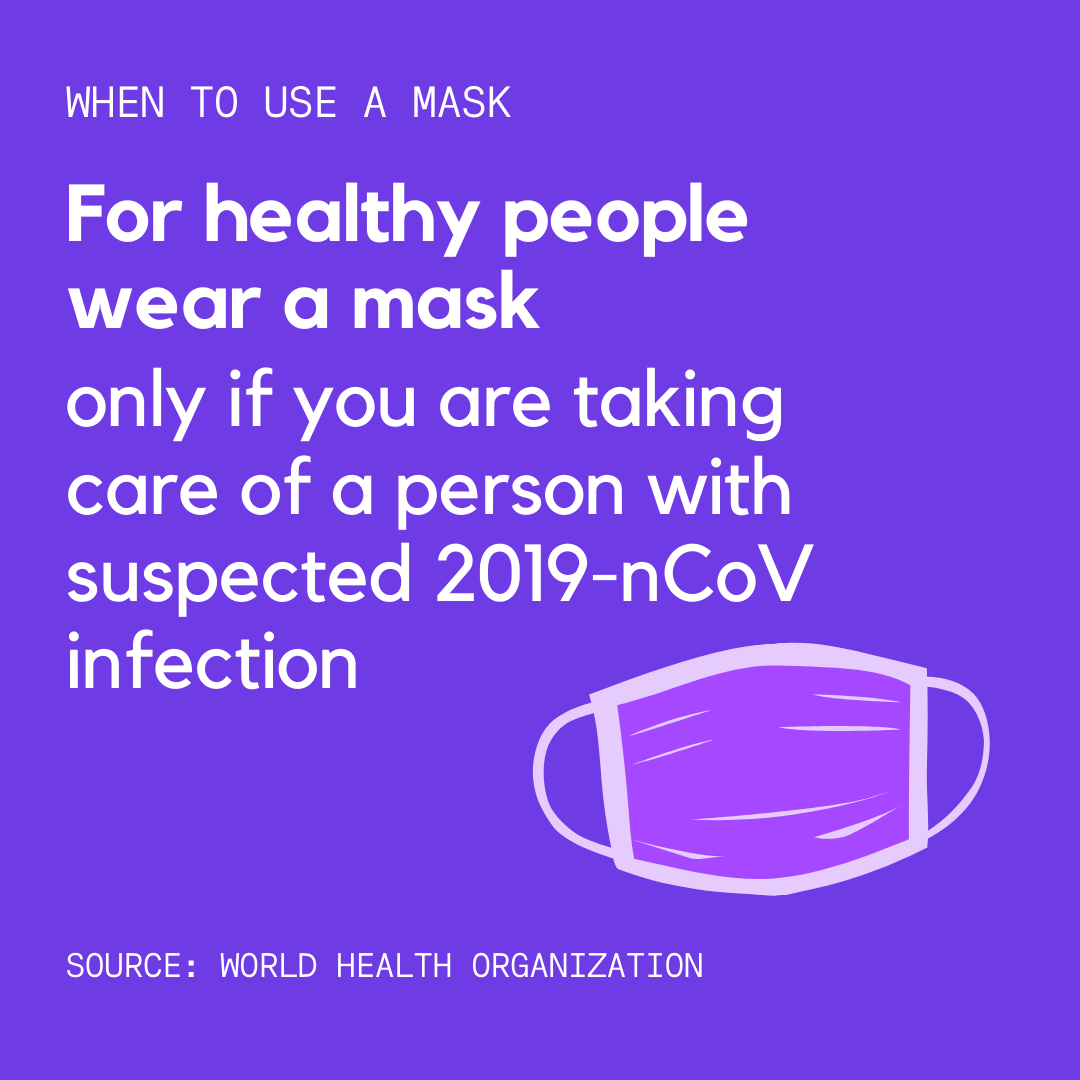
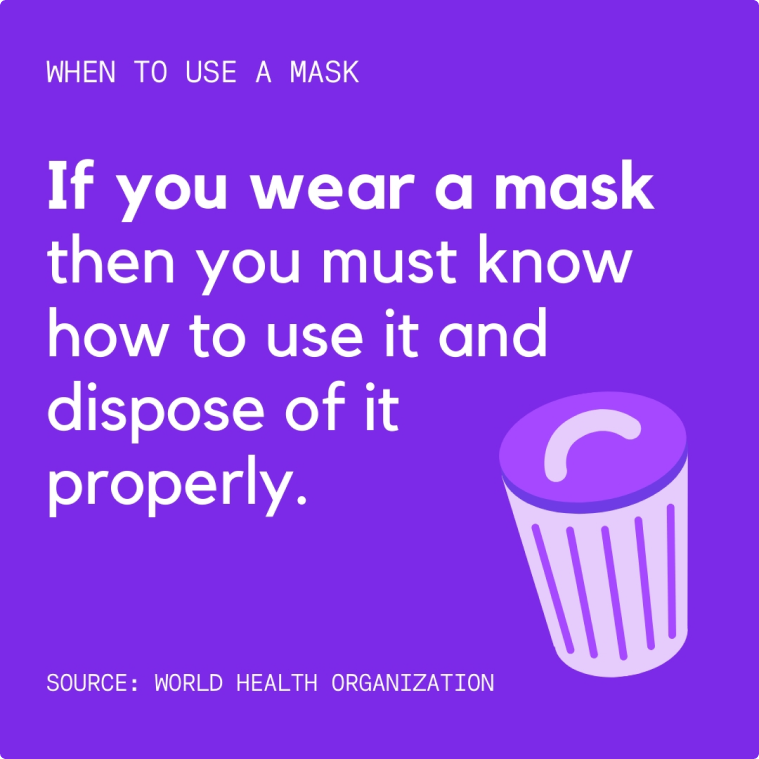
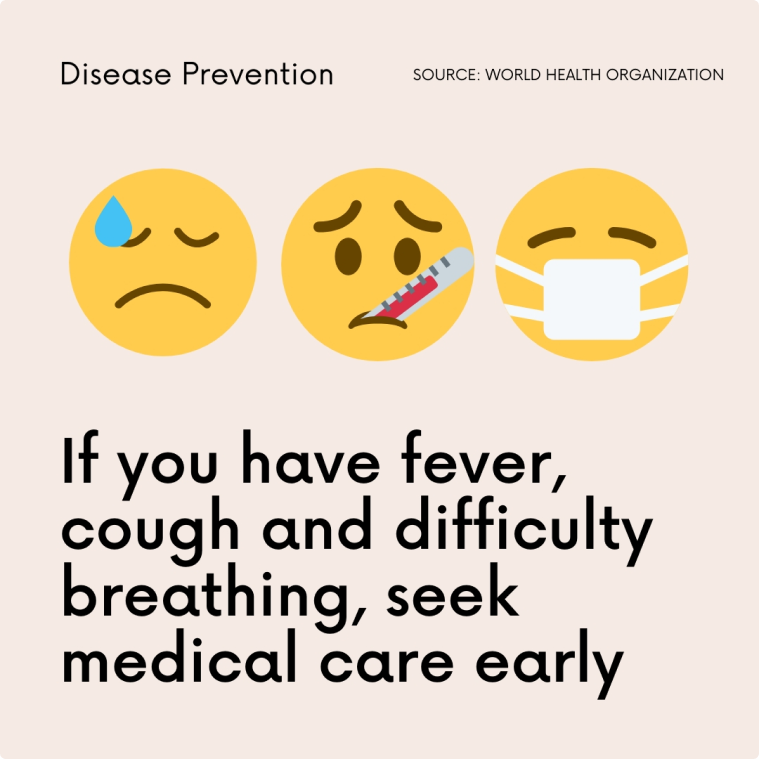
Global Shapers, in collaboration with CANVA, with information from the World Health Organization have created posters with advice:

IMG-5894.PNG