Posts tagged CulturalExchange
Learning Exchange in Biosphere Reserves

As part of their protected landscapes and community sustainable course, 13 students alongside two professors from Paul Smiths College, New York, based in the Champlain Adirondack Biosphere Network (CABN), visited South Africa for a 10-day biosphere to biosphere learning exchange to develop a comparative analysis of sustainable development strategies and actions in both countries.

To further understand the sustainable community perspective in South Africa, the students also examined cultural and socioeconomic dynamics, challenges, and opportunities in the region.

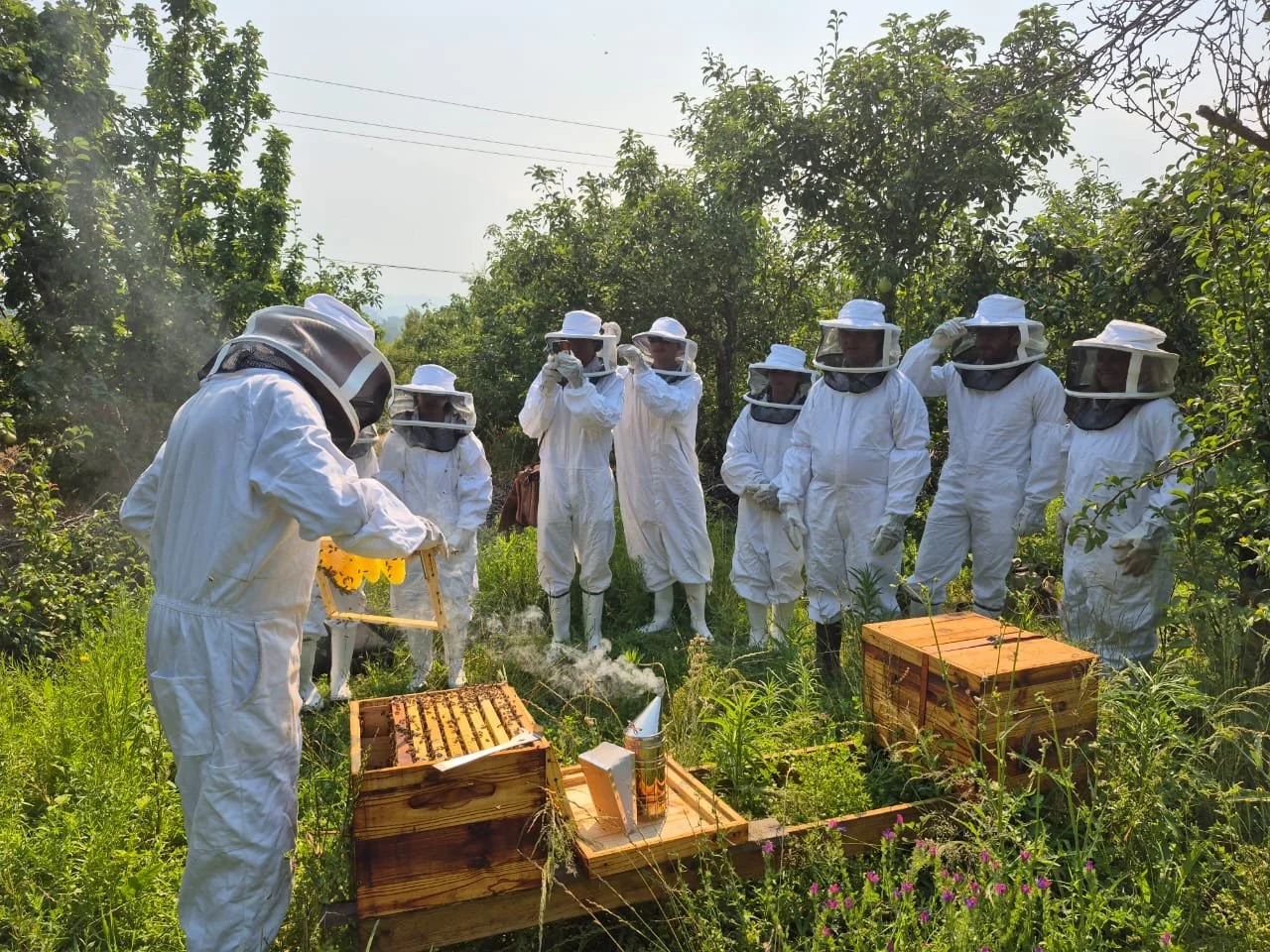
While at Cape Winelands Biosphere Reserve, the group were introduced to the Young Mother Support Programme in Villiersdorp. They also met with a local community entrepreneur, who is spearheading the Micro-business Bee Keeping project. A new initiative based at the Cape Winelands Biosphere Reserve Hub.

Delving in…

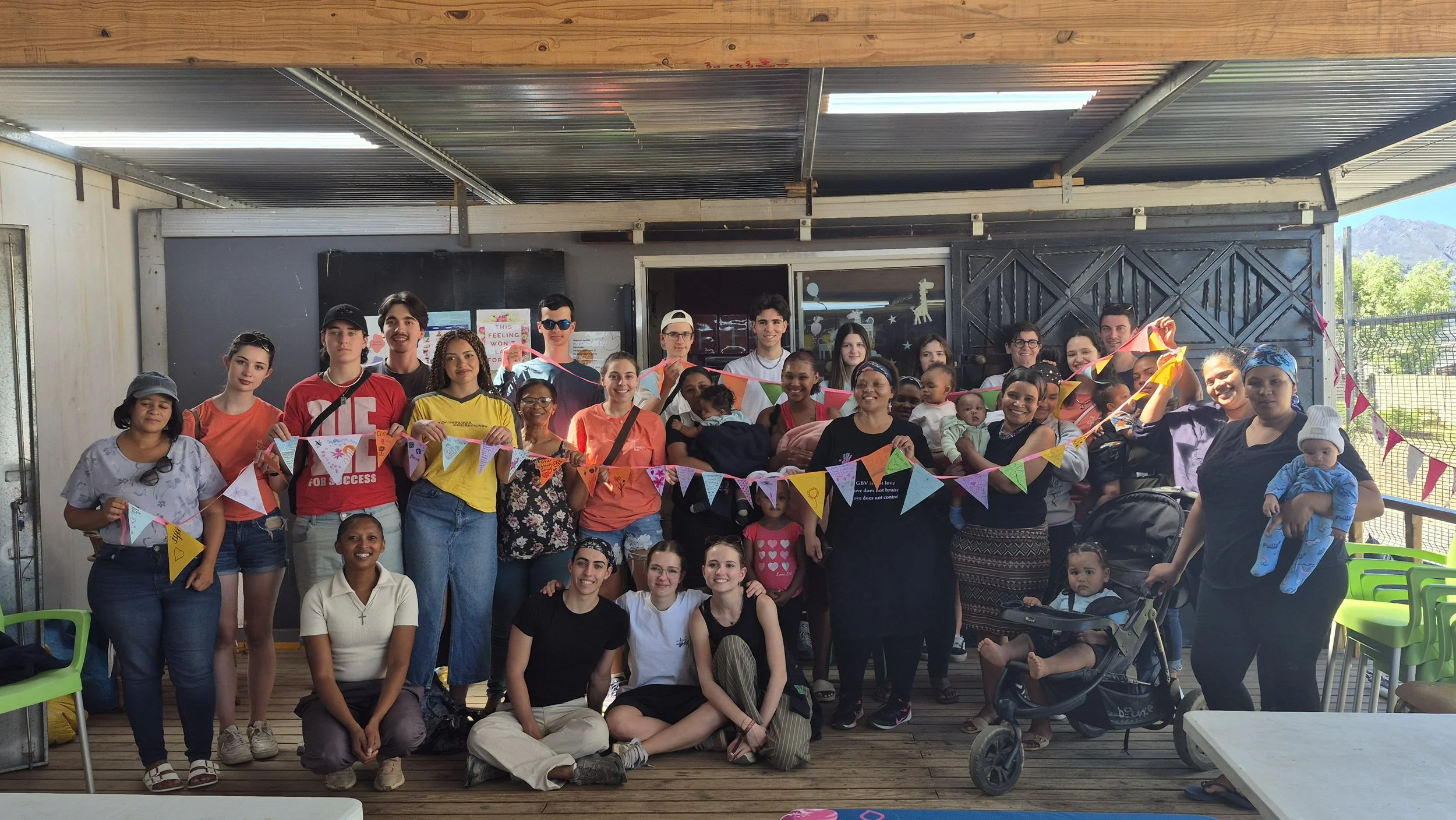
The Young Mother Support Programme is a Cape Winelands Biosphere Reserve initiative that further capacitates an already established programme in Villiersdorp, facilitated by a community member trained as a *Flourish host.

The programme supports pregnant women, as well as their children after they give birth, in addition to young pregnant girls and girl at risk. Classes are held in the township, and online, for the mothers living in nearby towns with limited travel, or in farm communities in the area. It is a safe space for young women to learn valuable life skills, and to provide them with other needed resources, such as trauma counselling and community support. To the visiting Paul Smith College students, talking to the women in the community and hearing the positive impact this program has was incredible inspiring to them. It also gave the group insight to the cultural dynamics in different communities. The group were treated to freshly made roosterkoek, jam, and cheese, a traditional South African meal.

Engaging in the Entrepreneur Microbusiness Bee Project back at the CWBR Hub, was a highlight for the group. Economically, the project offers business training and bee-keeping practices to 20 local women to start their own business in a sustainable fashion. The project aims to drive economic growth in the local community while supporting sustainable practices. Socially, women from different regions and different ethnicities can connect, fostering positive relationships and communication within the community. Keeping bees has a positive ecological impact in pollination, as well as practicing self-sustainable actions by producing honey. A student reflects, “Personally, I enjoyed this activity, as the class was able to work with important species in the environment”.

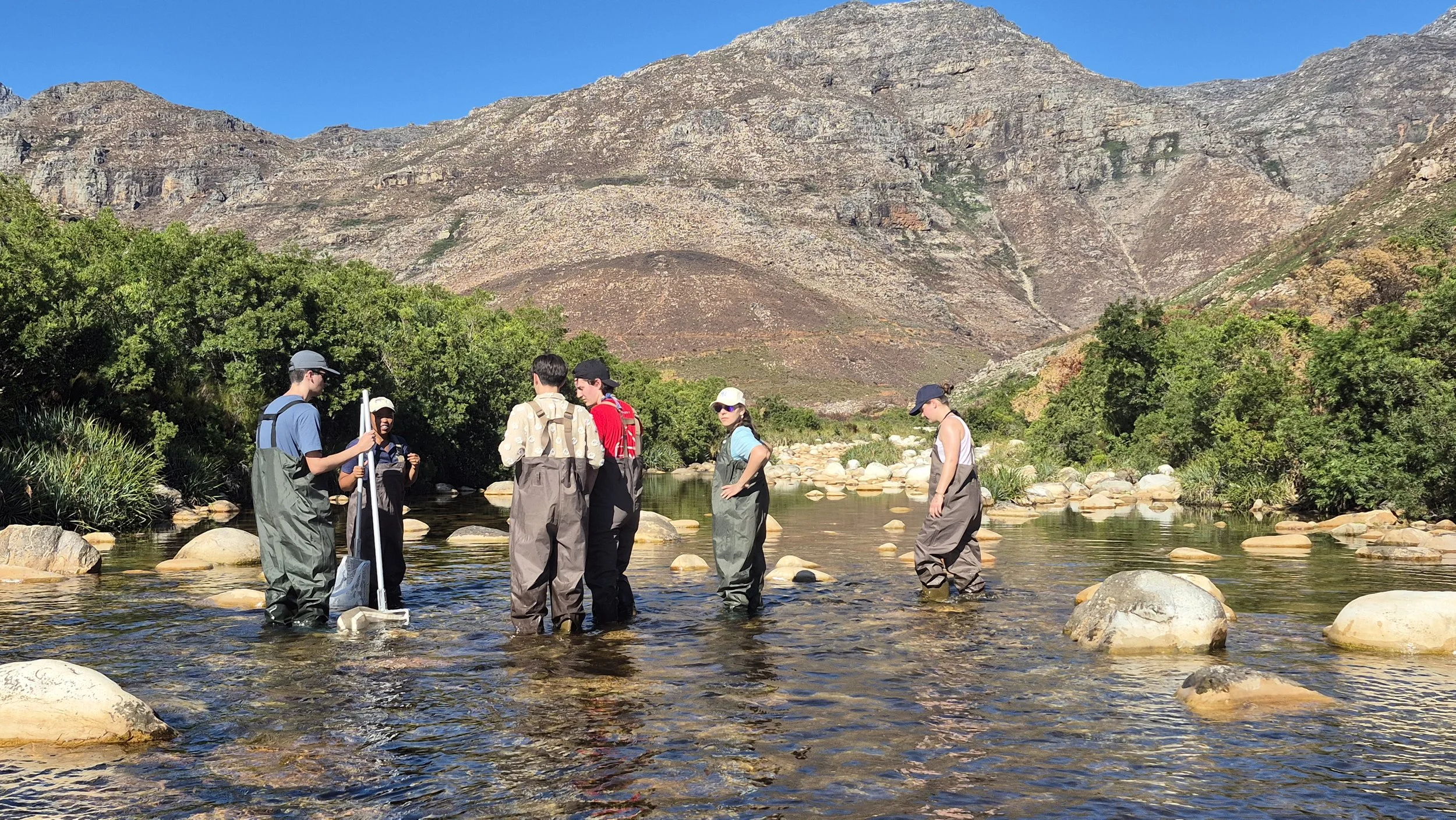
After three days with the CWBR, the group then headed onto Gouritz Cluster Biosphere Reserve. Some examples at Gouritz Cluster Biosphere Reserve (GCBR) included Gouritz Resilient Rivers Project, and the Inheems Art initiative that spearhead the sustainable efforts to foster human and nature connection.

A student reflects “So far, this trip has enlightened me with projects and actions being taken in biosphere reserves across the globe. This enables me to create a comparative analysis between CWBR, GCBR, and CABN, as well as bring back ideas to share with the board on how we can connect with our community. The mountainous landscape and vast among of biodiversity have made this trip incredible!”

Learn more, check out Gouritz Cluster Biosphere Reserve here and Champlain Adirondack Biosphere Reserve here

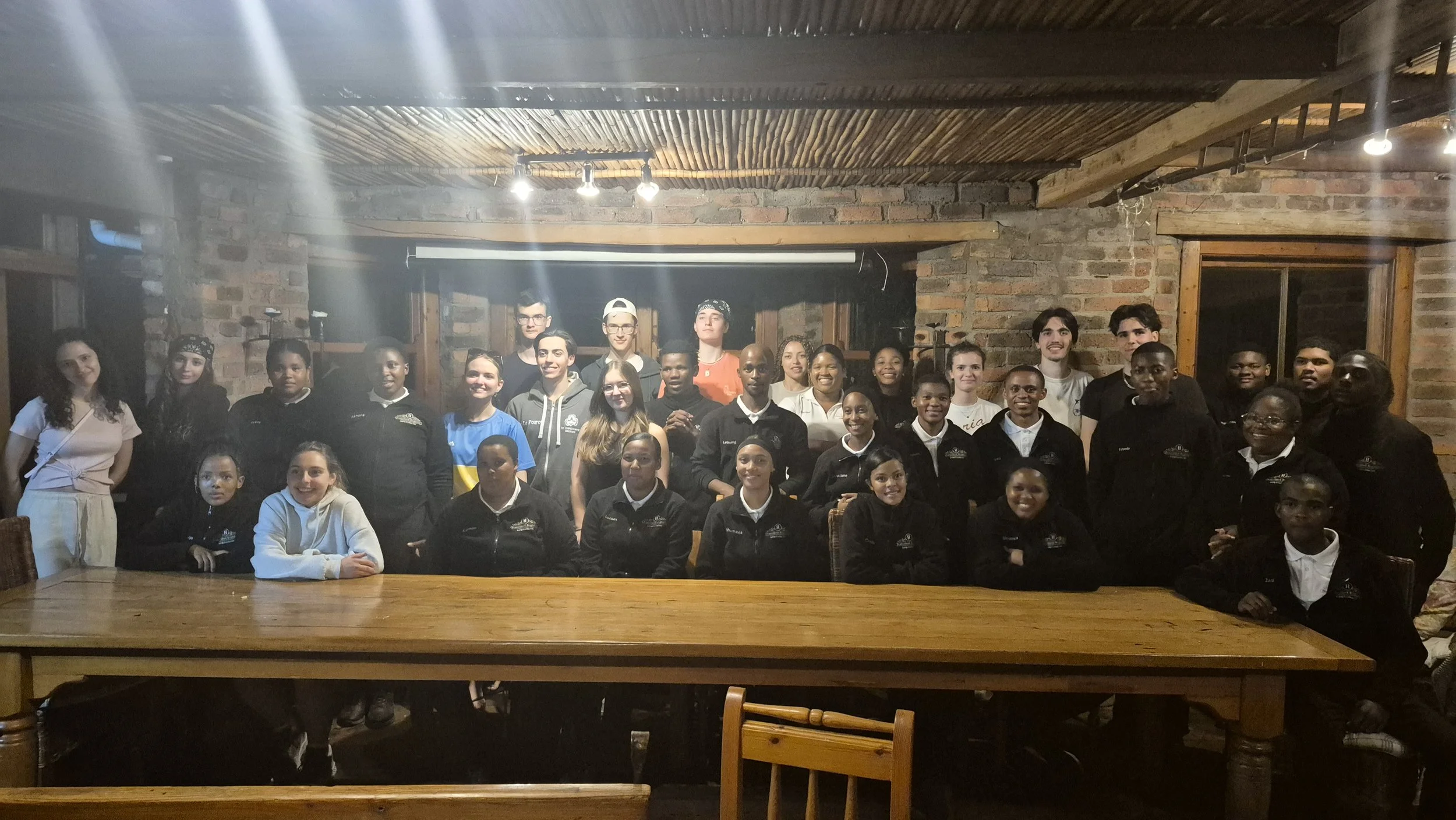
Paul Smith’s College students and professors with CWBR facilitator

A Trip Remembered

This time last year, CWBR welcomed the 2019 class students from Lycée Athénée de Luxembourg for the schools fourth annual trip to the Western Cape, South Africa. The purpose, a cultural exchange and to part-take in the educational projects in the Winelands that the schools NGO, Athénée Action Humanitaire (AAH), funds in partnership with Cape Winelands Biosphere Reserve.

Two weeks packed with activities, landscapes, and meeting people from all backgrounds to enrich not only the Luxies experience but the locals as well. A sharing of life experiences, exchange of knowledge, laughs, and culture.

The trip gives opportunity for the Luxembourg students, who have studied South African history, fauna and flora, ecology, and culture for a year, a chance to experience what they have learned first-hand.

It is also an opportunity for the students and teachers to see the projects and meet the people who have changed their own lives through the opportunities given by the AAH Edulink project. Seeing the effect of the collaboration first-hand.

Though the trip could not take place this year, due to the situation the world finds itself in because of COVID-19, here are some of the memorable moments captured by the students and teachers while travelling through the Western Cape in 2019, to be enjoyed from your couch at home.  

When asked to describe South Africa in one word.

Amazing. Beautiful. Breath-taking. Crazy. Complicated. Diverse. Enriching. Extraordinary. Fun. Impressive. Overwhelming. The different landscapes.

A day at Care Career Connection

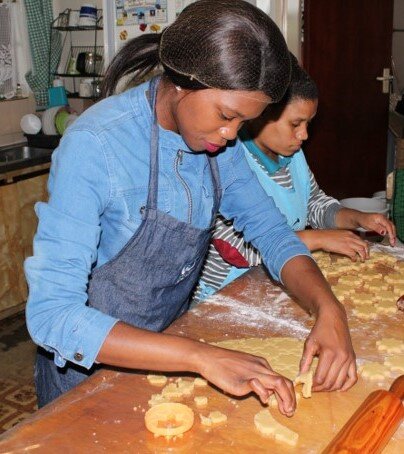
Kitchen Workshop

Kitchen Workshop

Horticultural Garden

Horticultural Garden

Artisan Workshop

Artisan Workshop

Education through Project Engagement

FGASA & Life Skills students

FGASA & Life Skills students

The Data Collection Project

The Data Collection Project

Adventure

Pontoon moved by hand

Pontoon moved by hand

Ancient Landscapes

Ancient Landscapes

Kayaking

Kayaking

Zip-lining

Zip-lining

Experience Different Landscapes

Franschhoek Valley

Franschhoek Valley

Table Mountain Cape Town

Table Mountain Cape Town

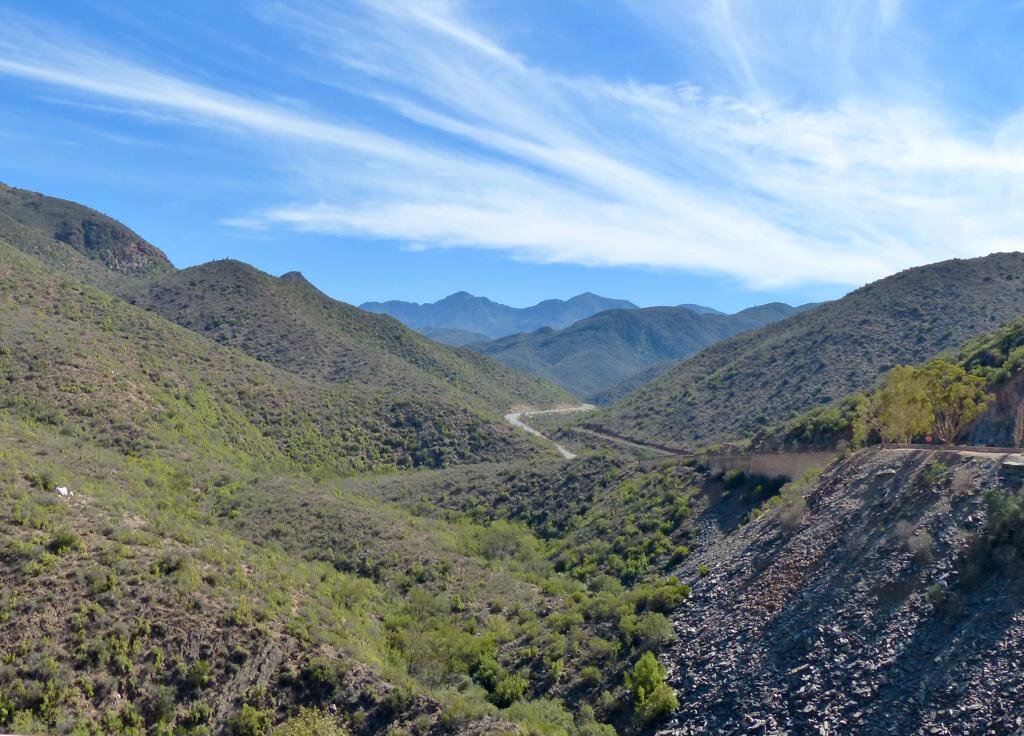
Vast Landscapes Garden Route

Vast Landscapes Garden Route

Biodiversity and Knowledge about Conservation

King Protea

King Protea

Alien & Indigenous Vegetation

Alien & Indigenous Vegetation

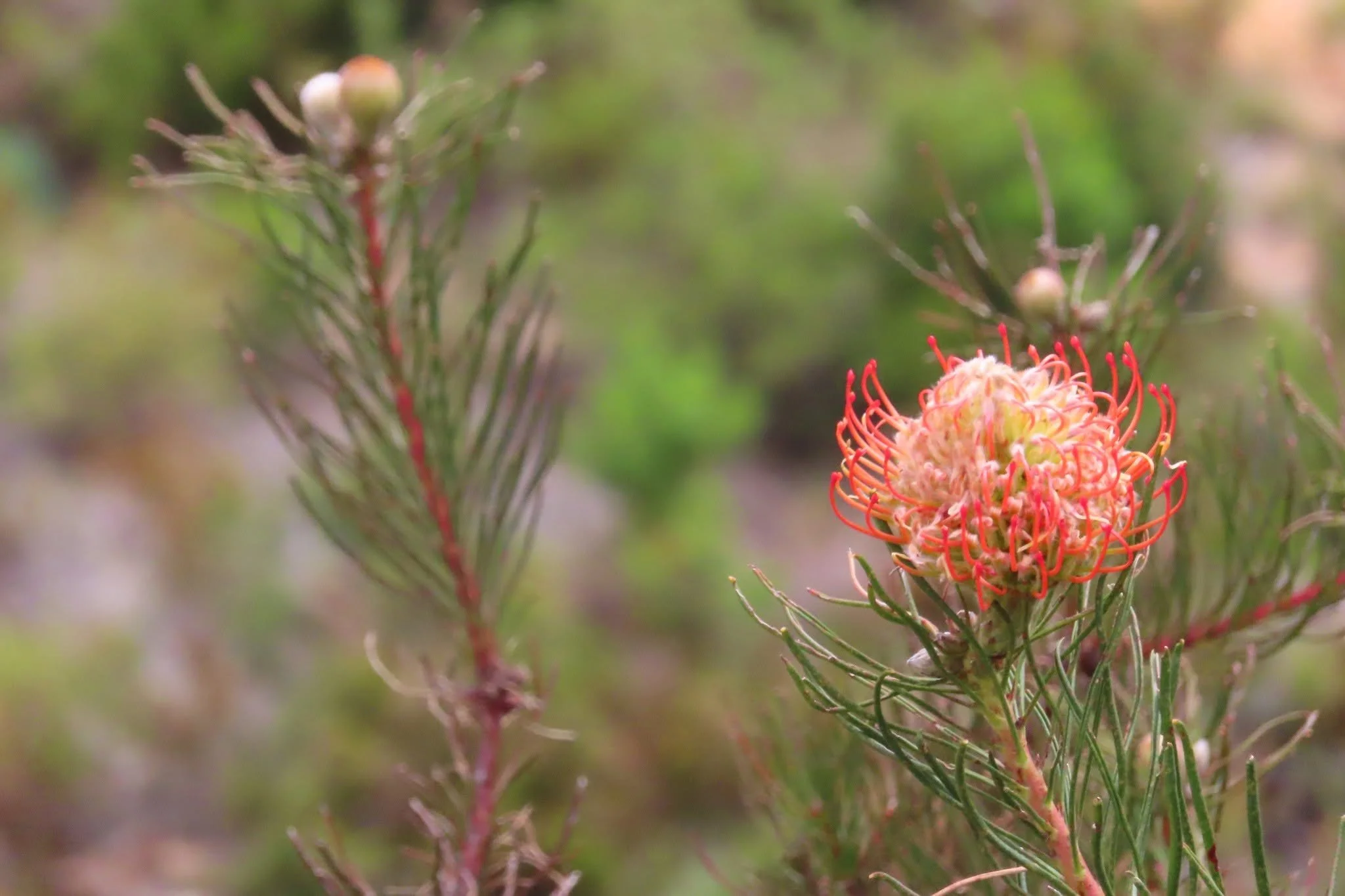
Protea

Protea

Cultural Exchange

Tour of Mandela’s House

Tour of Mandela’s House

Four individuals who had a big impact on history

Four individuals who had a big impact on history

Cultural Exchange Point of Human Origin

Cultural Exchange Point of Human Origin

Animals and Conservation Efforts

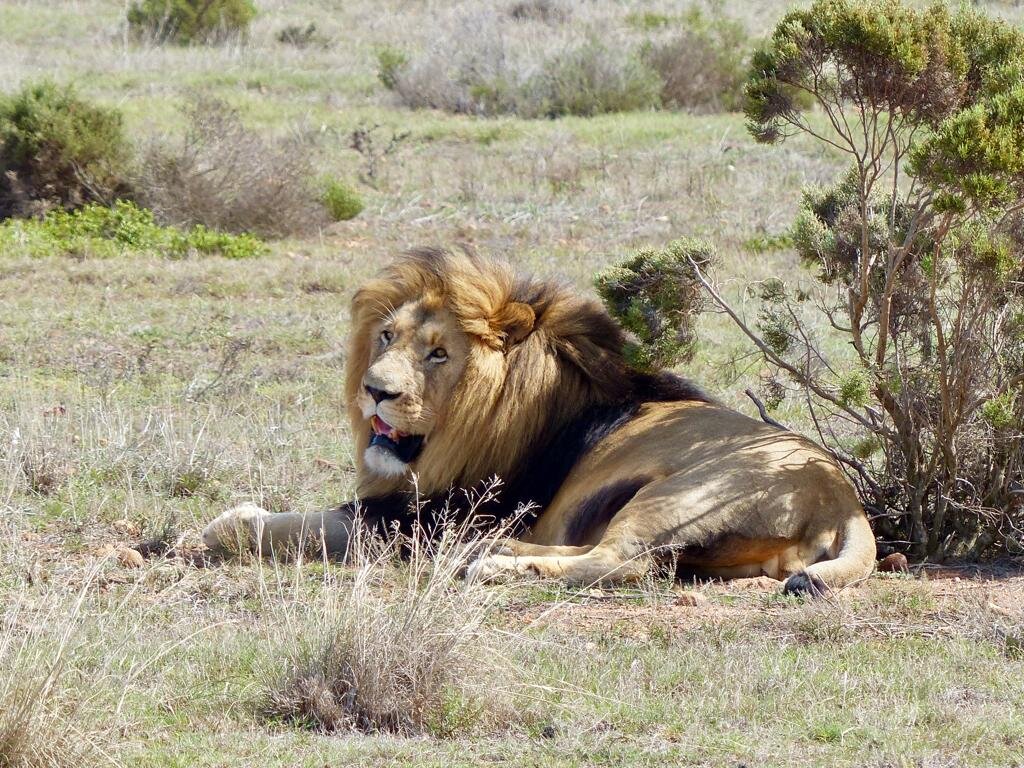
Lion

Lion

Lioness

Lioness

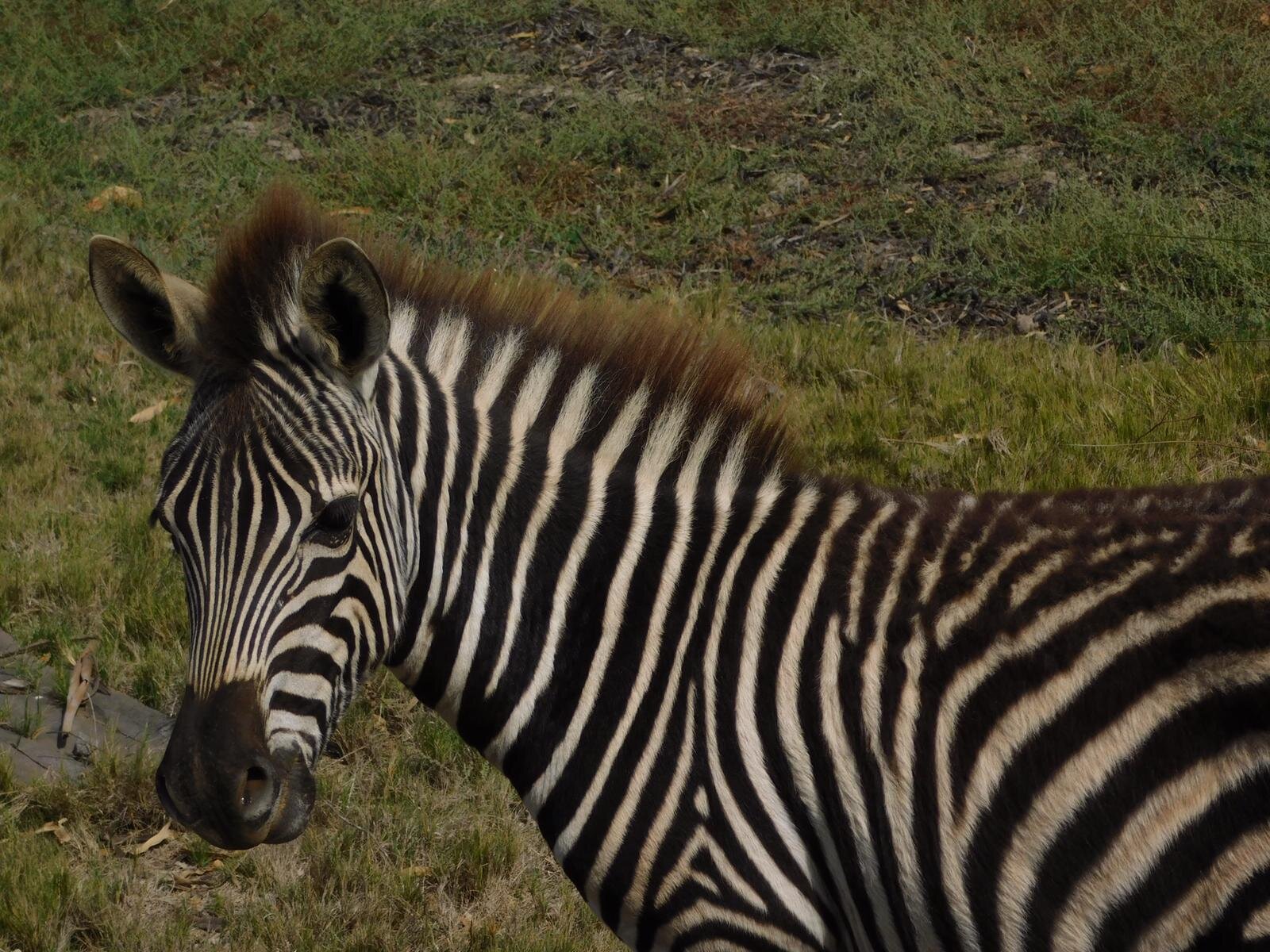
Zebra

Zebra

South African Penguin

South African Penguin

The setting sun over Cape Town seen from the airplane window on the way back to Europe

IMG-20190417-WA0021.jpg
Catching up with volunteers

Two volunteers from a University in the Netherlands joined the CWBR a couple of years ago, for an internship. Dirk and Elina studied Environmental Science for Sustainable Energy and Technology, and contributed to several projects at the CWBR.

They have now graduated, and we want to congratulate them both for their great success!

Elina: “Our course prepared us to find solutions for different sectors to become more sustainable. The aim of each project is to find financially feasible solutions, considering future developments, techniques, and local policies. The course qualified us as environmental engineers, who could for example work in an environmental consultancy, as an Environment, Health and Safety advisor, or as a government policy developer.

My project at CWBR was to design and analyse a circular wastewater purification system (Aquatron) that could be used under the effects of South African climate conditions. The installations were mainly focused on squatter camps and townships, where hygiene and safety are big issues. As awesome and innovative, as the team at CWBR is, we also built a house to mimic these squatter camp living conditions to give visitors a more concrete idea of the research.

I have now moved back to my origins, and I am currently looking for my first job in an environmental field. Issues like global warming and biodiversity loss interest me. I have focused my studies on solutions such as carbon neutrality for different entities and circular economy’s, which I would like to continue working with. 

As far as I am concerned, our planet is craving problem-solvers, and I am more motivated than ever to act upon it. I also hope that our cooperation with CWBR will continue, and together we can work towards our common goal.”

Dirk: -“I am still deciding what career path to take. During my graduation project the hands-on experience I gained in SA helped me quite a bit. For my final University project, I designed, built, and tested a physical model where the effects of ecosystems on a dyke breach can be tested. I very much enjoy field work.

During my time in South Africa, I spent a lot of time in the workshop, building an evaporation, solar power fridge. This sparked something in me and made me realize I enjoy working with my hands. “

A few moments looking back at Elina’s project, the centrifugal toilet, and her time with CWBR

A few moments looking back at Dirk’s time with CWBR and his project: a coal fridge which became a weather station at Jan Marais Park Eco Centre