Fire and Fynbos

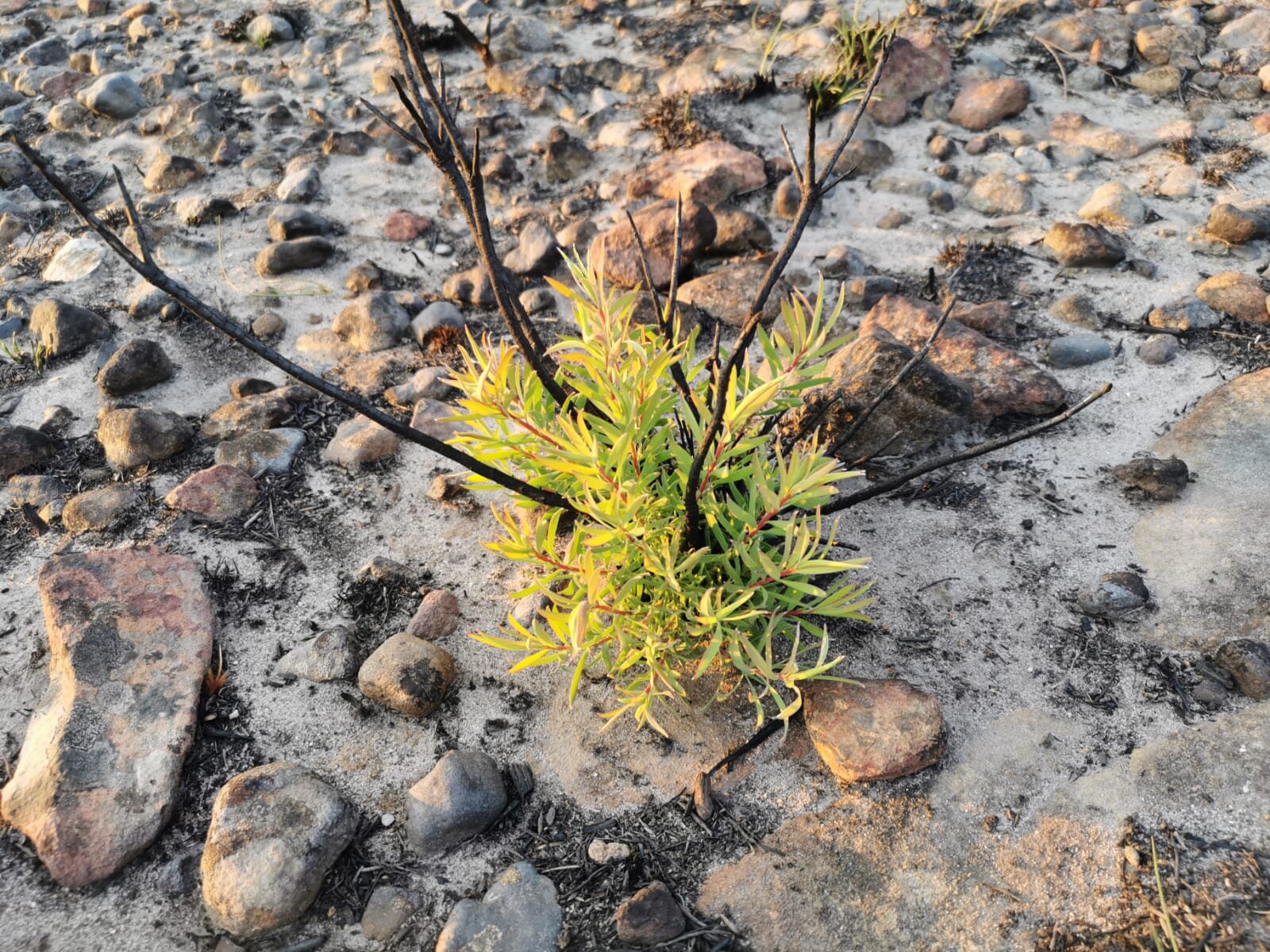
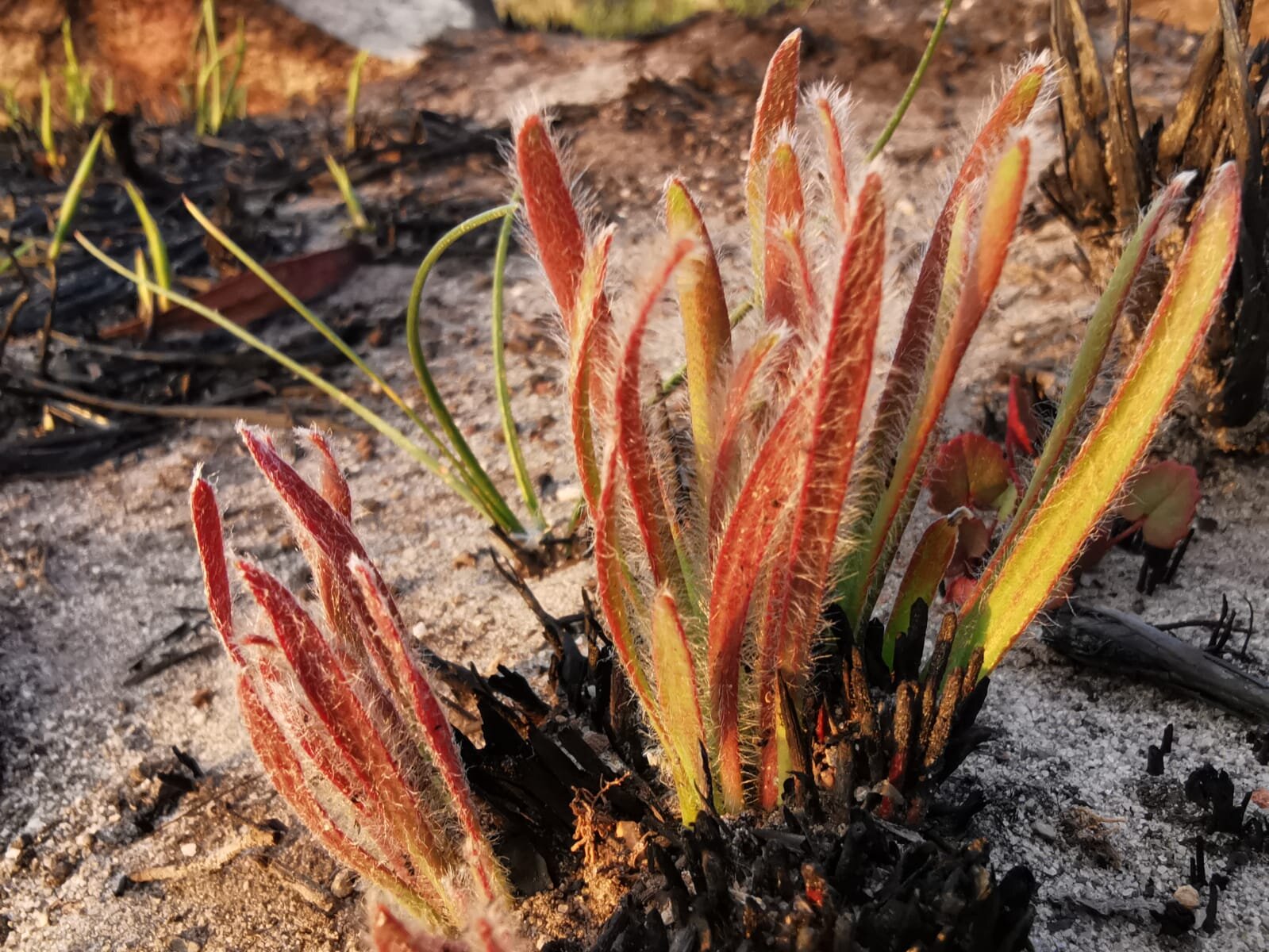
The Fynbos has evolved over millions of years in the presence of fire and through natural selection has developed numerous strategies to persist in this winter rainfall, nutrient poor environment. One of these strategies is serotiny, the retention of seed in the flower head which is only released on death of the plant, usually as a result of fire. These seeds then give rise to the next generation. This is found in several of the proteas such as the sugarbush, Protea repens, however others such as the King Protea, Protea cynaroides, resprout after fire.

So although the Fynbos has evolved mechanisms to survive fire, this should not happen too frequent, 10 to 15 years generally but in arid areas the appropriate interval can be as much as 30 years. This is to allow the slow maturing, reseeding species of protea in particular, to have flowered several times in order to produce enough seed to ensure the next generation.

Too frequent and fires cause the decline in species that have the reseeding strategy for persistence. It also results in a predominance of re-sprouting species.

The season of the fire is also important and should, from an ecological point of view, be towards the end of summer and before the first "winter" rains. One of the many reasons is so that the released seeds are not exposed to seed "predation" by birds, rodents etc for too long.

A relatively recent problem that has complicated this system is the invasion of many Fynbos areas by invasive alien plants. These are generally large woody trees that grow very much more quickly and become larger than the local indigenous vegetation and radically alter the fuel load. This results in fires that are much hotter than would be the case normally. This has a severely negative impact in the indigenous biota which has not evolved with this heat intensity. It also on occasions alters the physical properties of the soil which can lead to accelerated erosion.
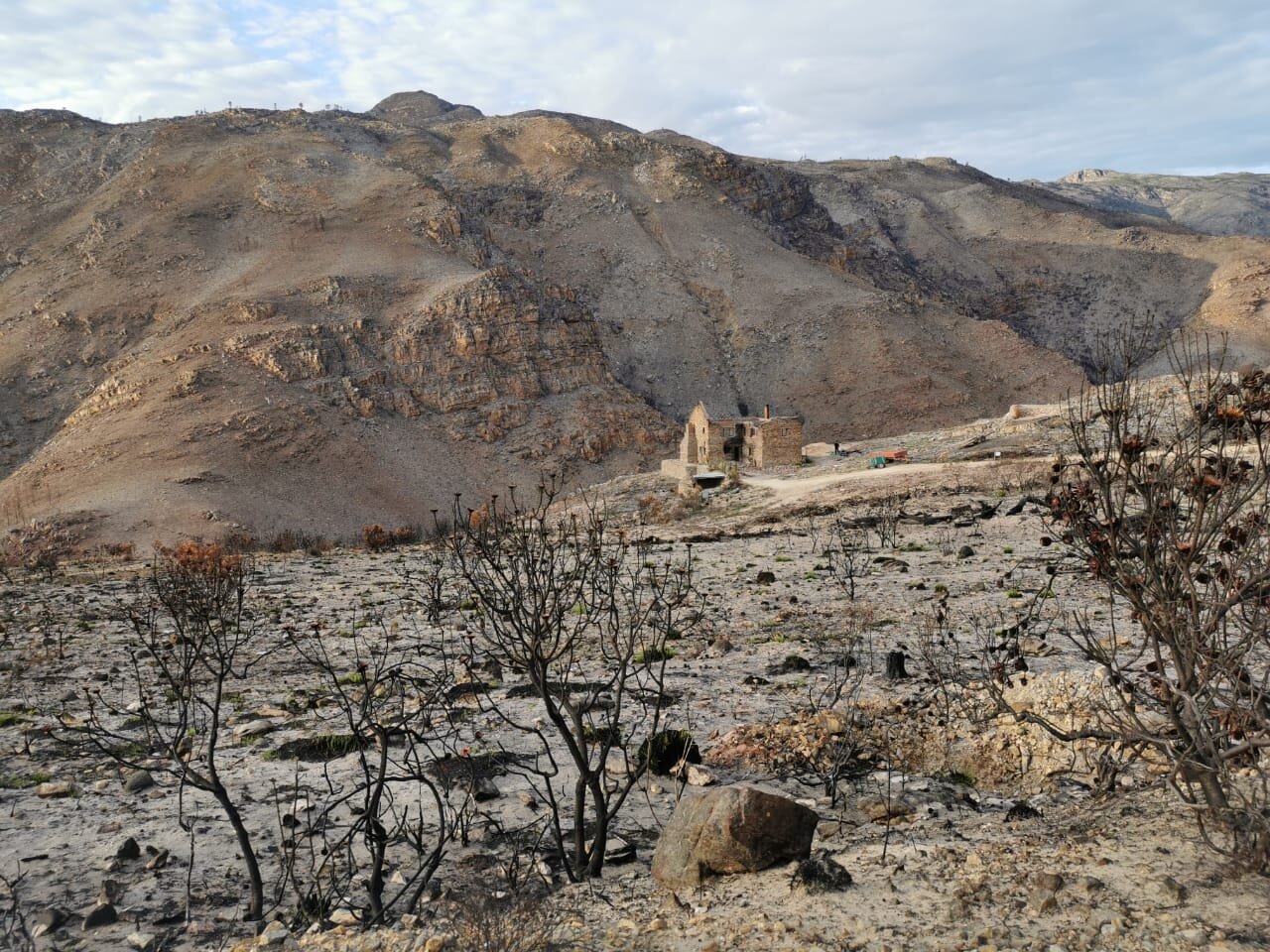
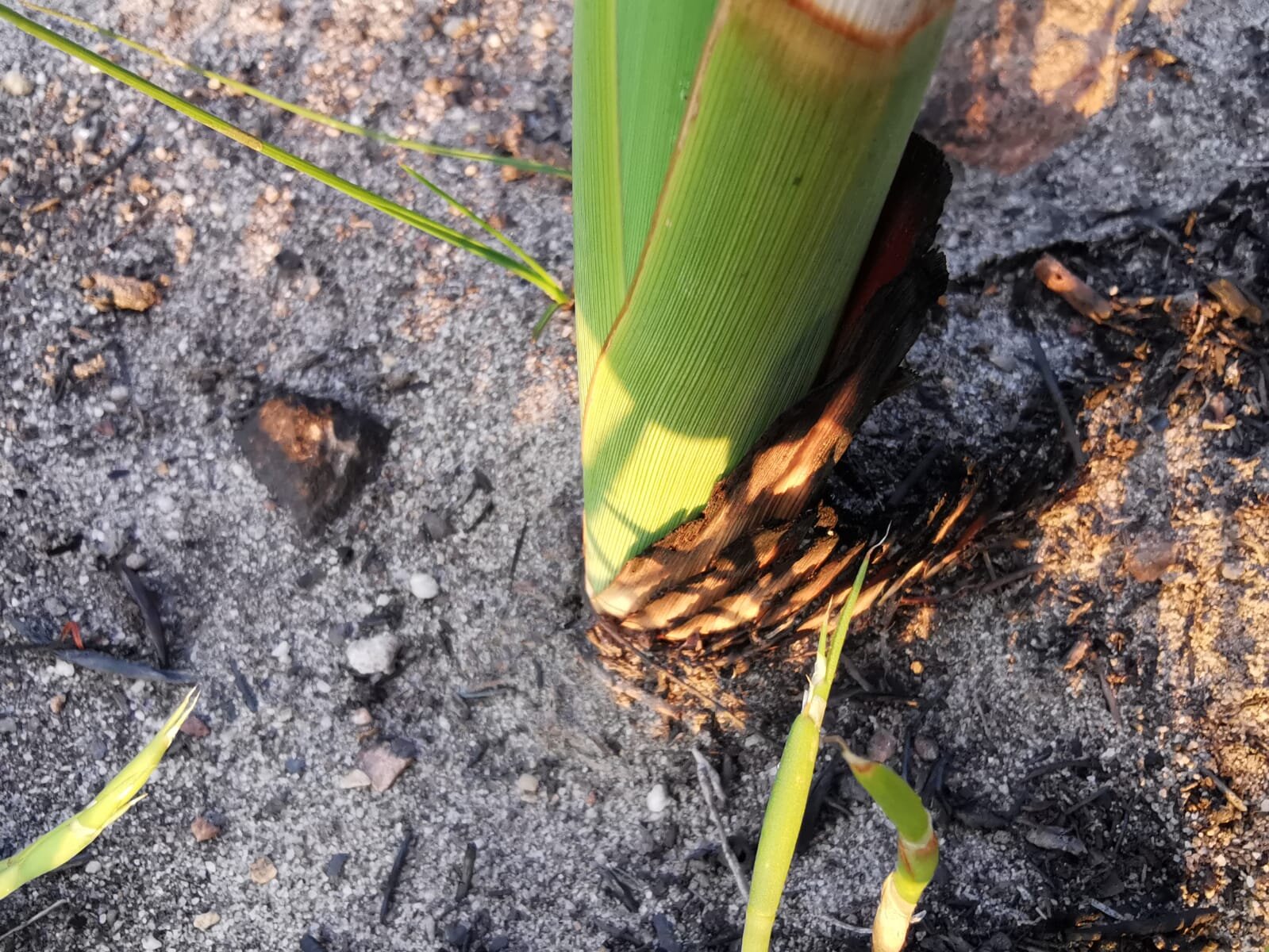
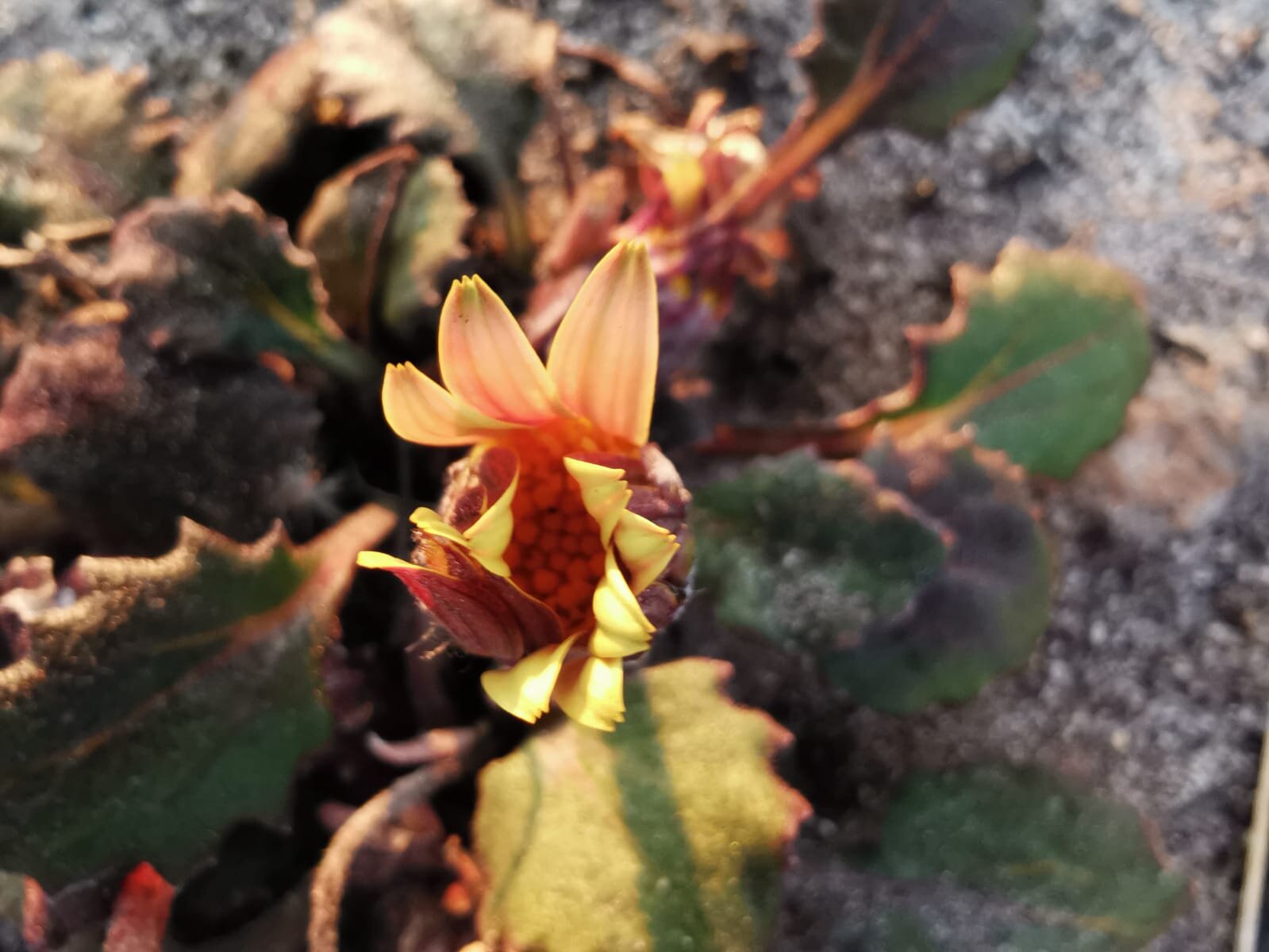
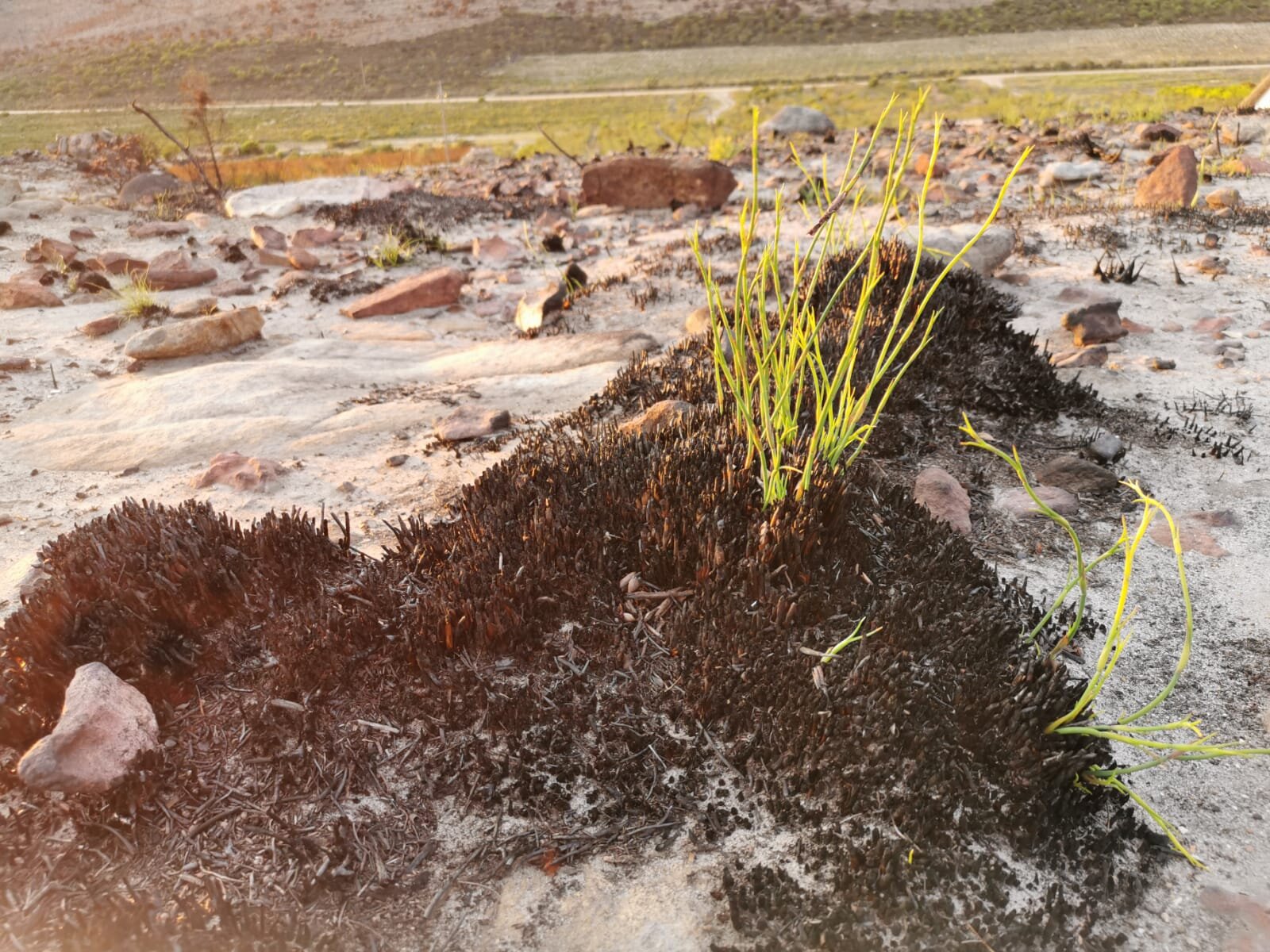
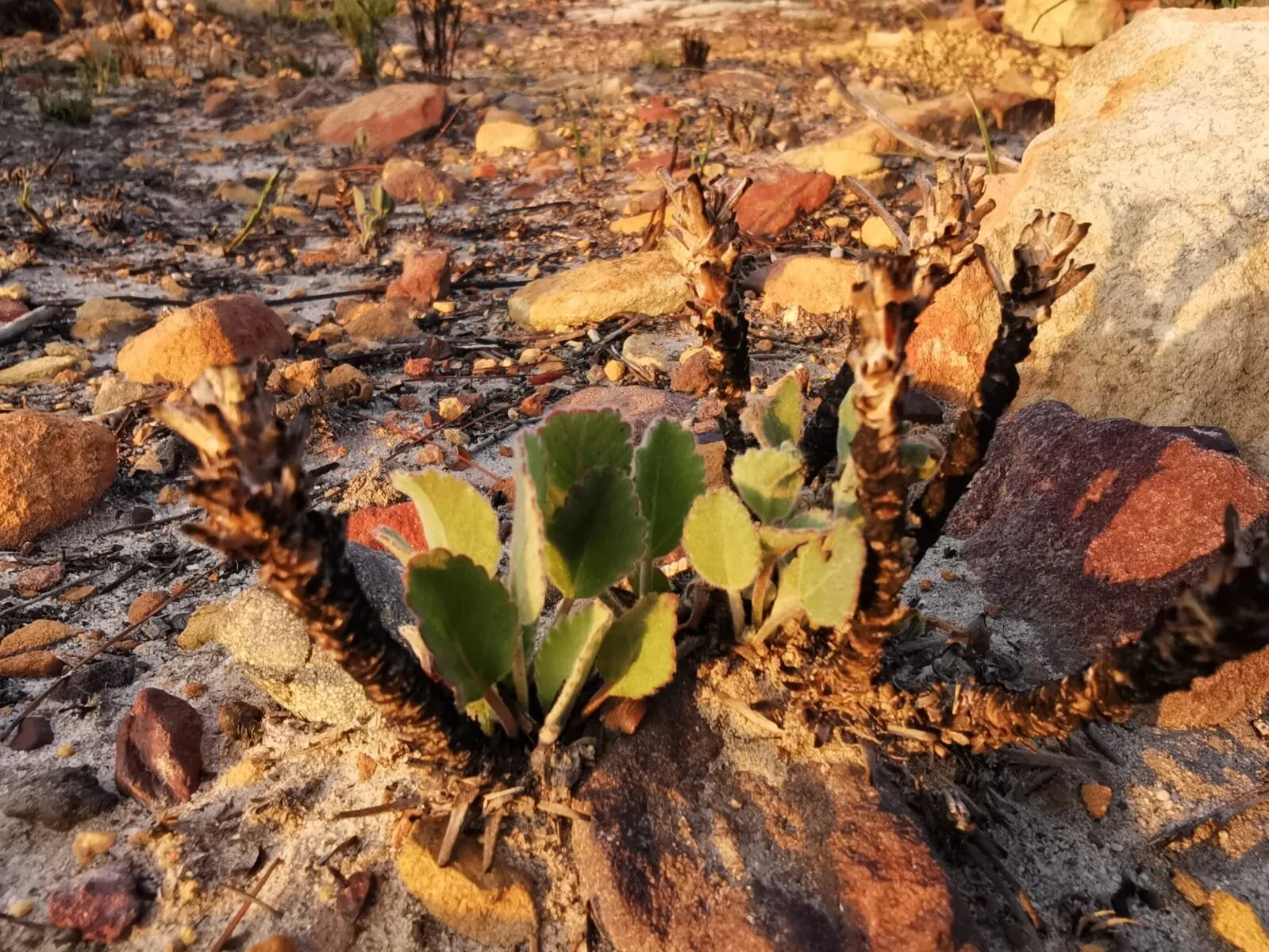
After the tragic fire at Boesmanskloof
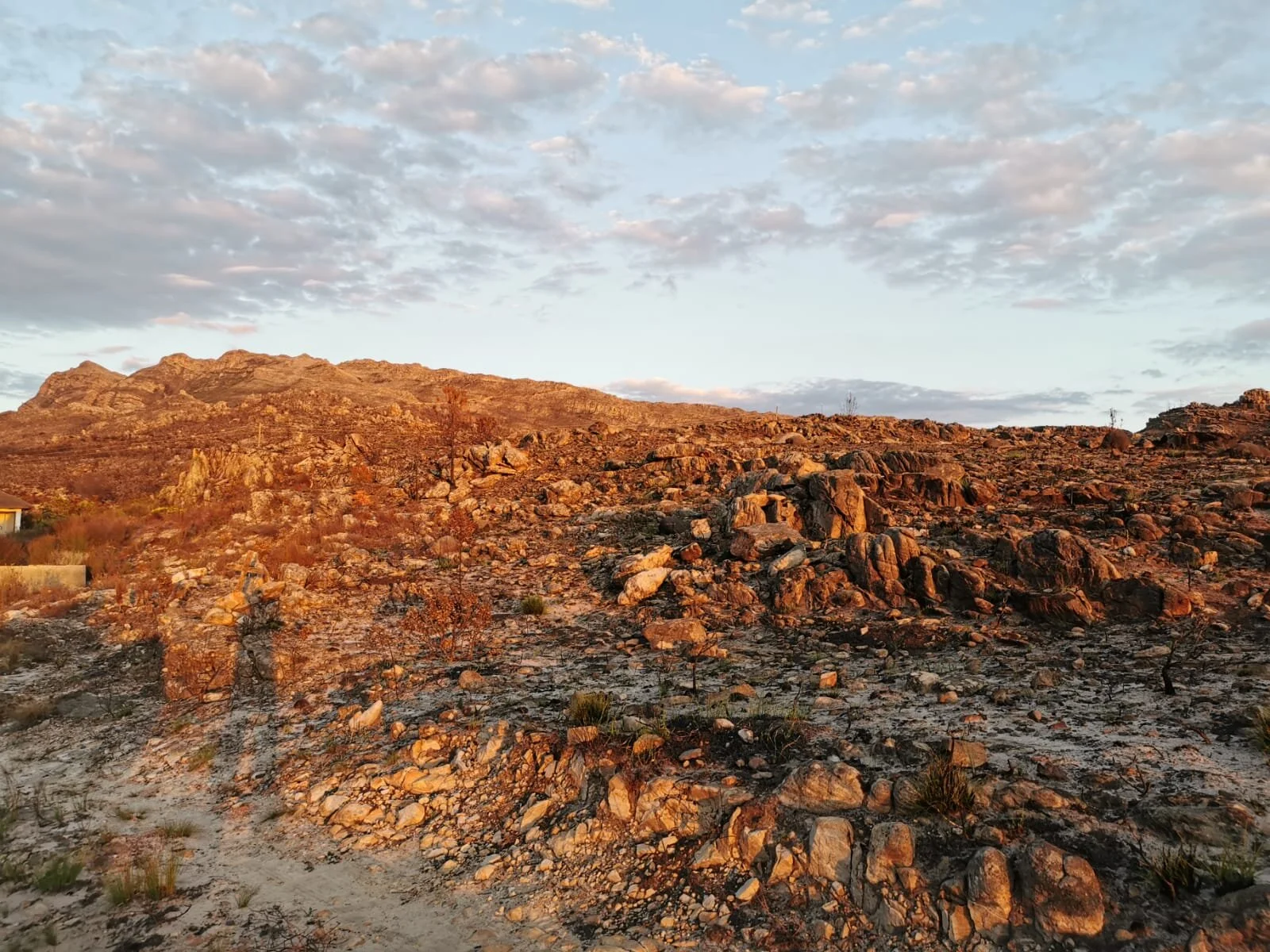
After the tragic fire at Boesmanskloof

IMG-20200304-WA0036.jpg

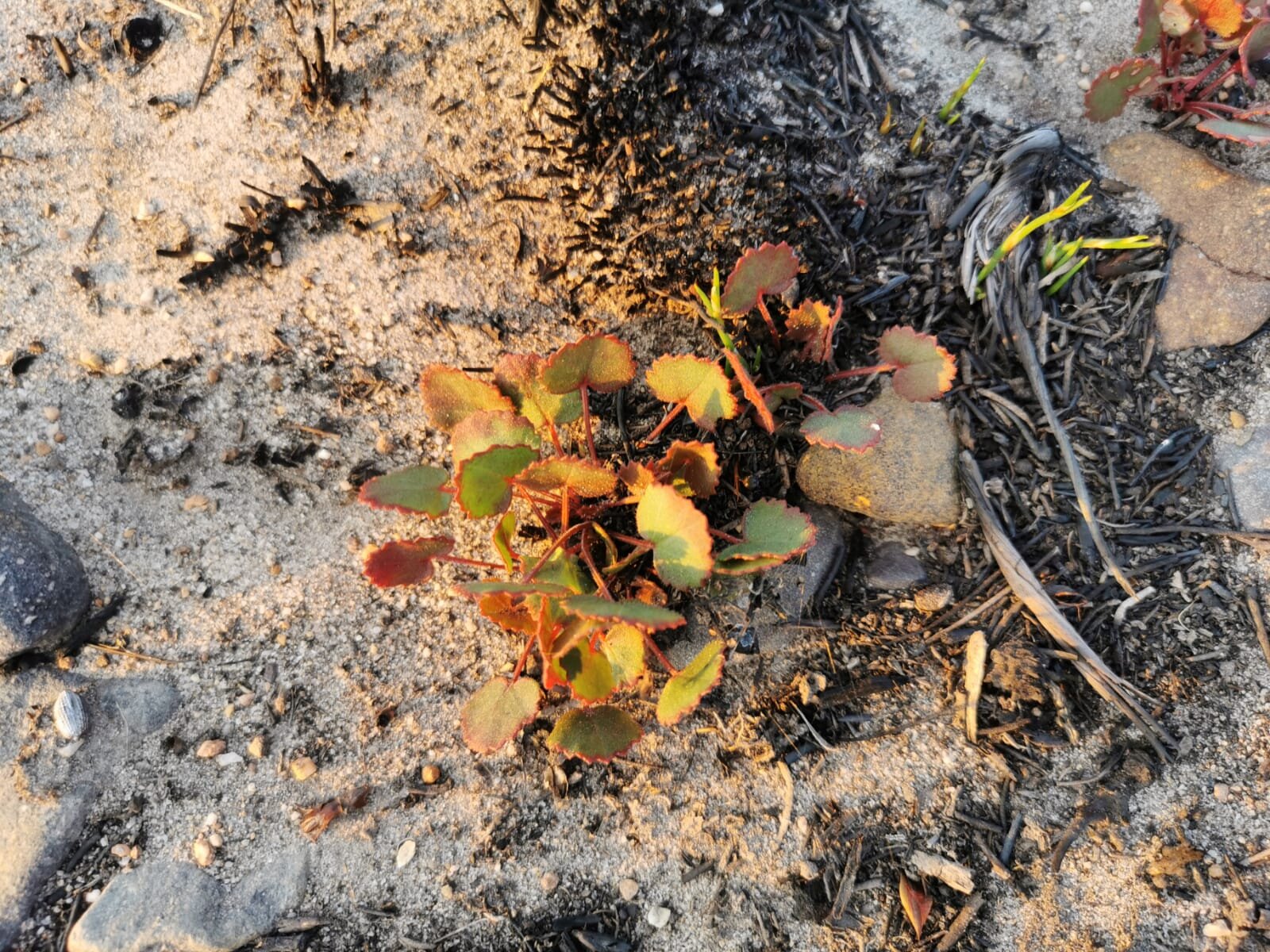
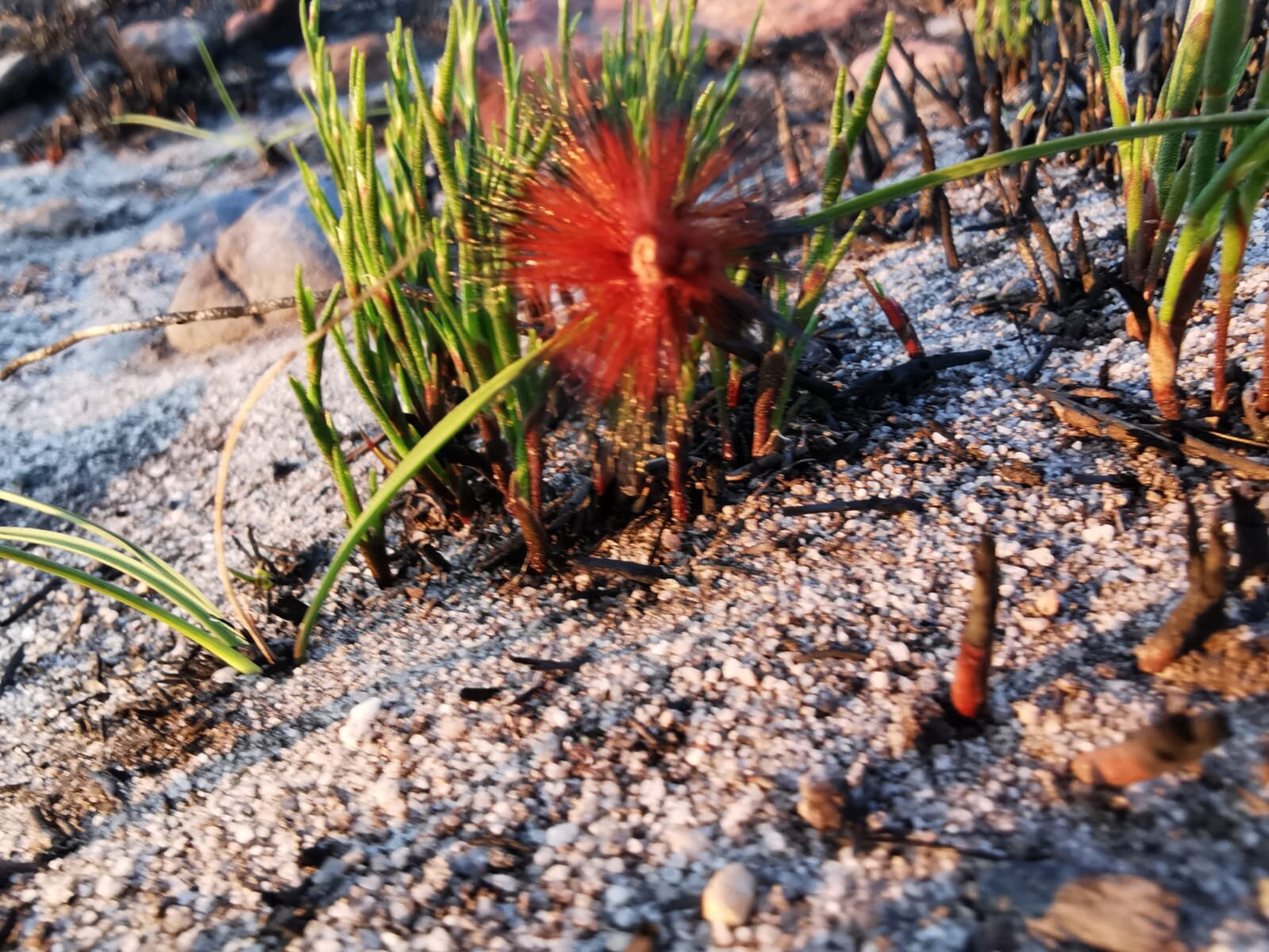
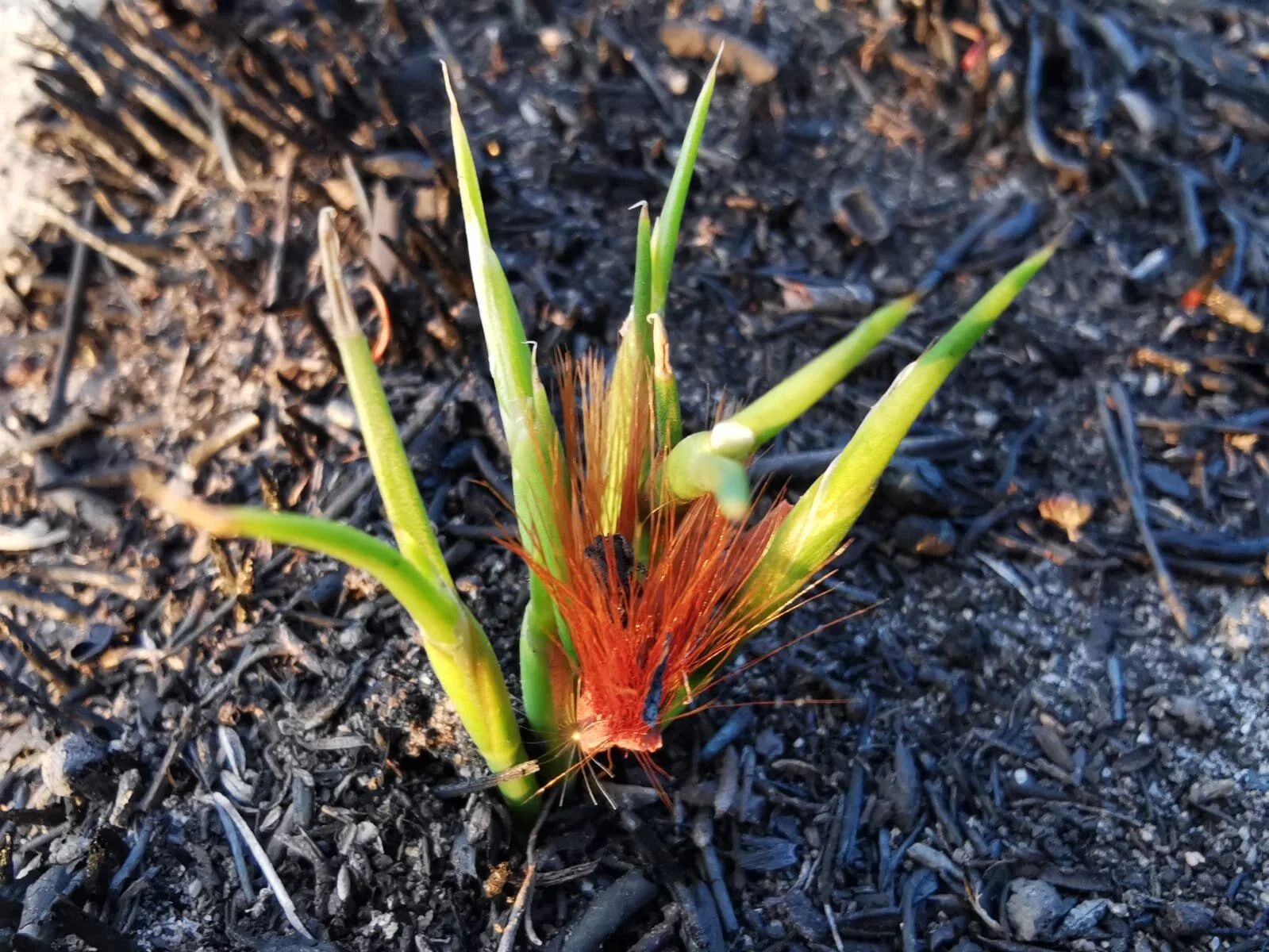
Sightings of the mountain springing back to life
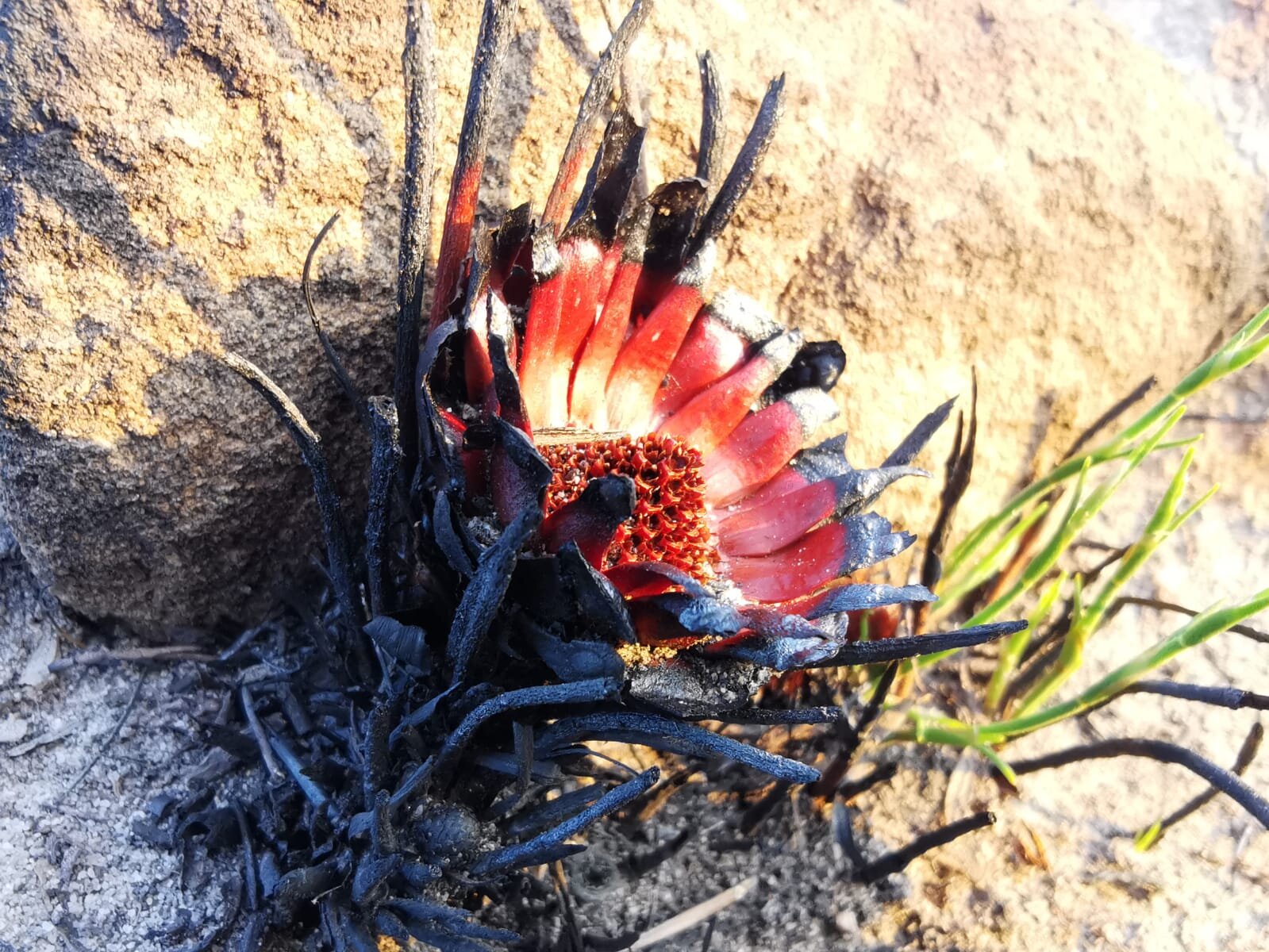
IMG-20200304-WA0051.jpg
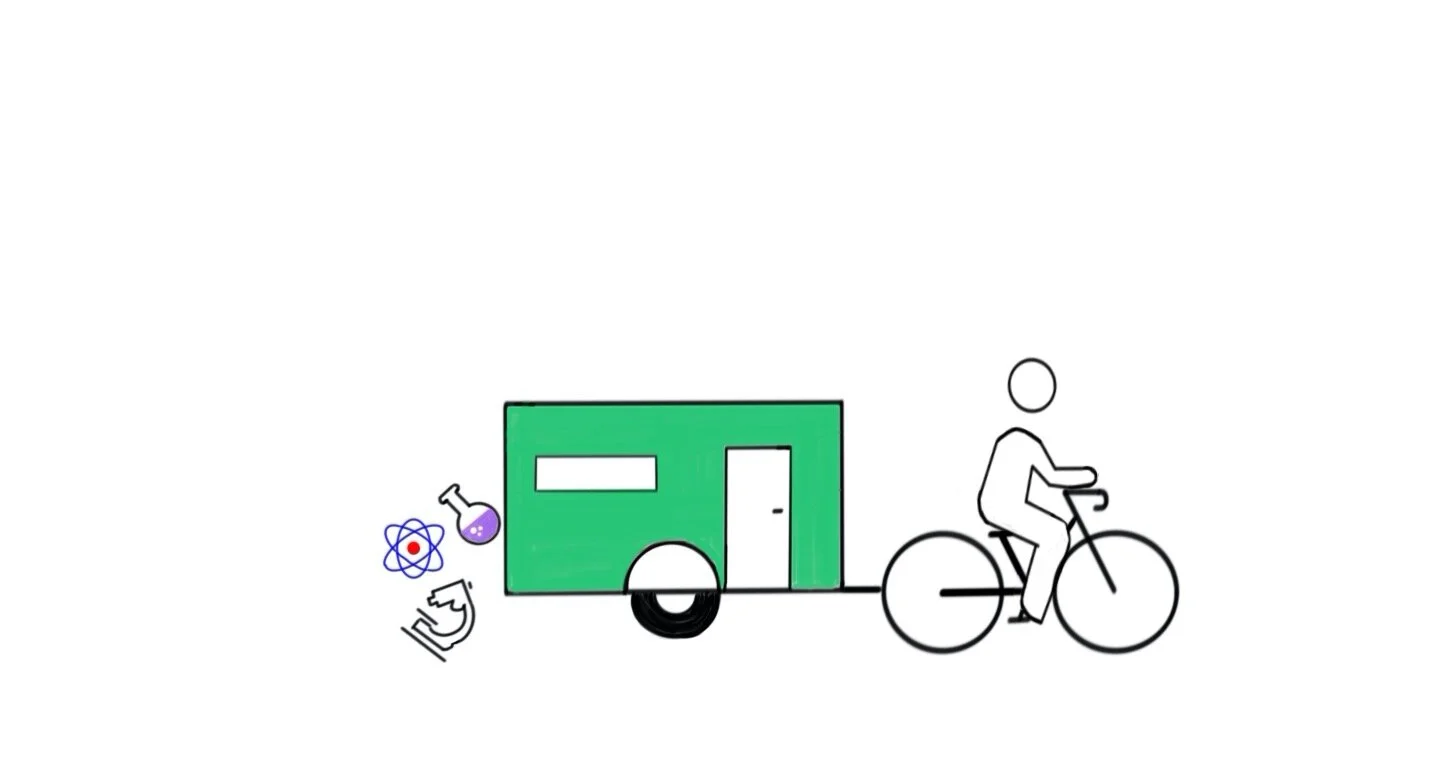
Cycling for education. Join us on this fundraiser initiative!
20200308_080134.jpg

As part of the Science Bus 2020 project, the local CWBR team, a FGASA & Life Skills graduate (and passionate cyclist!), are joined by international volunteers from seven countries around the world, to part-take in a 109 km cycle tour. 

What is the Science Bus?

The mobile classroom that helps to initiate and develop innovative training programmes to support teachers and facilitators combine a practical hands-on experience to theoretical learning.

To excite children and young adults about math and sciences.
The classroom and children can be transported to pristine areas for activities. Subjects can be taught in a natural environment, which allows those activities not only to be fun and informative but to develop their seven senses.

Why are we riding the Cycle Tour

To raise: R 100 000 toward educational equipment for the mobile classroom

Participants: A team of 9 dedicated locals and internationals

Challenge: To complete the 109 km cycle tour in seven hours or less. (Easier said than done! But we have all trained hard)     

When: 8th March 2020

Our slot in the cycle tour: Start 8h00 Finish 17h00

Where: The route circles the Cape Point Peninsula, with start and finish in central Cape Town, near the Castle of Good Hope. Check out the route map

Follow live updates on the day on our Facebook page

Read more about the Science Bus Project and follow the progress.

If you want to join us from your couch

Please sponsor a rider on the day. Donate locally or through our partners to help us reach R 100 000

Please quote: Cycle for Education

All proceeds go toward the educational equipment and we will keep you updated on expenditure through our website

THANK YOU FOR YOUR SUPPORT!

thumbnail_LOgo+for+Website.jpg
Biodiversity Conservation through Awareness

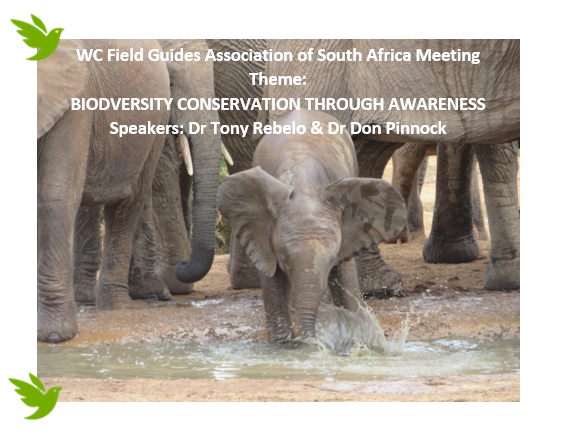
             On the 8th of February 2020, CWBR facilitated its fifth Western Cape Field Guides Association of South Africa meeting, this time at Tygerberg Nature Reserve, with guest speaker’s Dr Don Pinnock and Dr Tony Rebelo.

The day was filled with both new and familiar faces. Many not only attend for the informative talks but also have an opportunity to catch up and network with old friends.

Dr Tony Rebelo, through interactive use of the iNaturalist app, engaged the audience, shared the fundamentals of how to best utilize it as a tool. Not only to learn about different species through identification but how it can also be used to generate educational guidebooks of species; plants, animals, and reptiles of the area visited when guiding. In collecting observations through photography or sound recording, it is a virtual library of quality data that is shared with scientists, researchers, conservationists, and the general public who are working to better understand and protect nature.

How it works. The app can be downloaded onto a phone. Take a photo and upload to the iNaturalist app. Through the data already available and GPS pinpointing the location of where the photo is taken, the app identifies the subject in the picture almost immediately. Then displays several options with distinctive features and in-depth information to choose from. If the species is rare or Red Listed, the location pin can be displayed as a 25 km radius. The account can have followers who can assist to identify and contribute valuable information about the subject in the photo. The iNaturalist account is also accessible online with more features to further explore.

iNaturalist is a joint initiative by the California Academy of Sciences and the National Geographic Society and in southern Africa by the South African National Biodiversity Institute

Join the fun in April!

City Nature Challenge 24th – 27th April 2020

A worldwide competition between cities to record which city has the greatest biodiversity of species

iNaturalist is used to gather the information

Sign up and download the iNaturalist app

Don Pinnock shared his experience of writing the book The Last Elephants in collaboration with Collin Bell. The book was inspired by the devastating news from the Great Elephant Census of 2016. It was compiled by collecting wisdom from over 40 experts, researchers, writers, conservationists, poets and park rangers throughout Africa.

It highlights the plights that elephants face.

The book is supported by stunning photos by internationally renowned wildlife photographers.
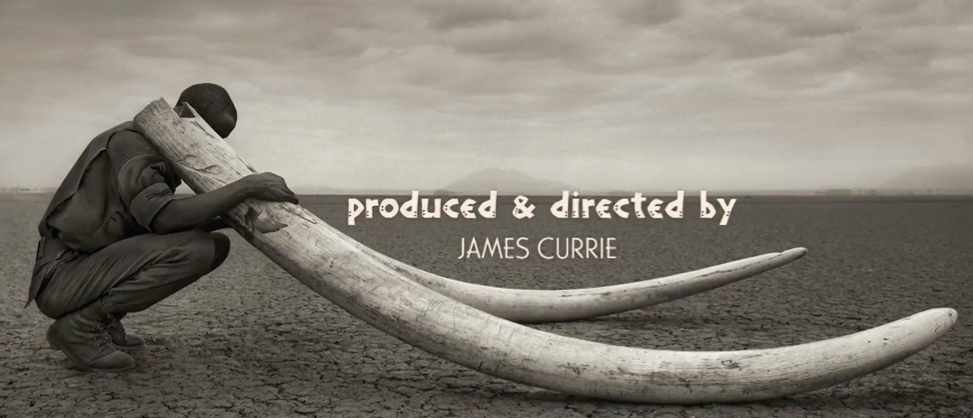
A compilation of clips from the film Last of the Big Tuskers by James Carrie was shown to the audience to give an understanding of how important it is to preserve the strong genes of elephants for their survival.   

Above video contains clips compiled from the movie Last of the big Tuskers. Produced and directed by James currie

Above video contains clips compiled from the movie Last of the big Tuskers. Produced and directed by James currie

Thank you to Care Career Connection for supplying a delicious meal mostly made from their organic garden.

The fantastic venue at Tygerberg Nature Reserve

The fantastic venue at Tygerberg Nature Reserve

One of the great dished supplied by CCC

One of the great dished supplied by CCC

2020 ArchiveCeline Macdonald
CWBR features in Franschhoek Tatler

This month, Cape Winelands Biosphere Reserve (CWBR) features in The Franschhoek Tatler. A local newspaper in Franschhoek. To create awareness of CWBR, inform on the current projects, and how to get involved. Pick up a copy at your local shop or click on the logo below to read the full article online.

2020 ArchiveCeline Macdonald
Everything starts within the ground

The Biosphere Greenhouse and Food Garden host a multitude of practices in growing vegetables, herbs, and flowers as well as compost production. It is a hands-on educational environment for young and old alike. CWBR facilitates workshops at the Biosphere Hub, installs, and assist in existing vegetable gardens at visited locations. Taking into consideration the positive aspects and limitations of each individual space utilizing it to a fullest potential. The practice of growing one’s own food is learned through practical involvement from getting the soil ready, planting, and shared knowledge in caring for the garden.

The Biosphere Hub garden is looked after by visiting volunteers and is overseen by the Biosphere core team.

“We as volunteers are working in different areas in the garden. From planting seeds in the green house to replanting the seedling on the patches around the garden. During the summer month, the garden comes to a point where we can start harvesting the vegetables.” #foodlovers

A brief summary of some practices in the CWBR Food Garden

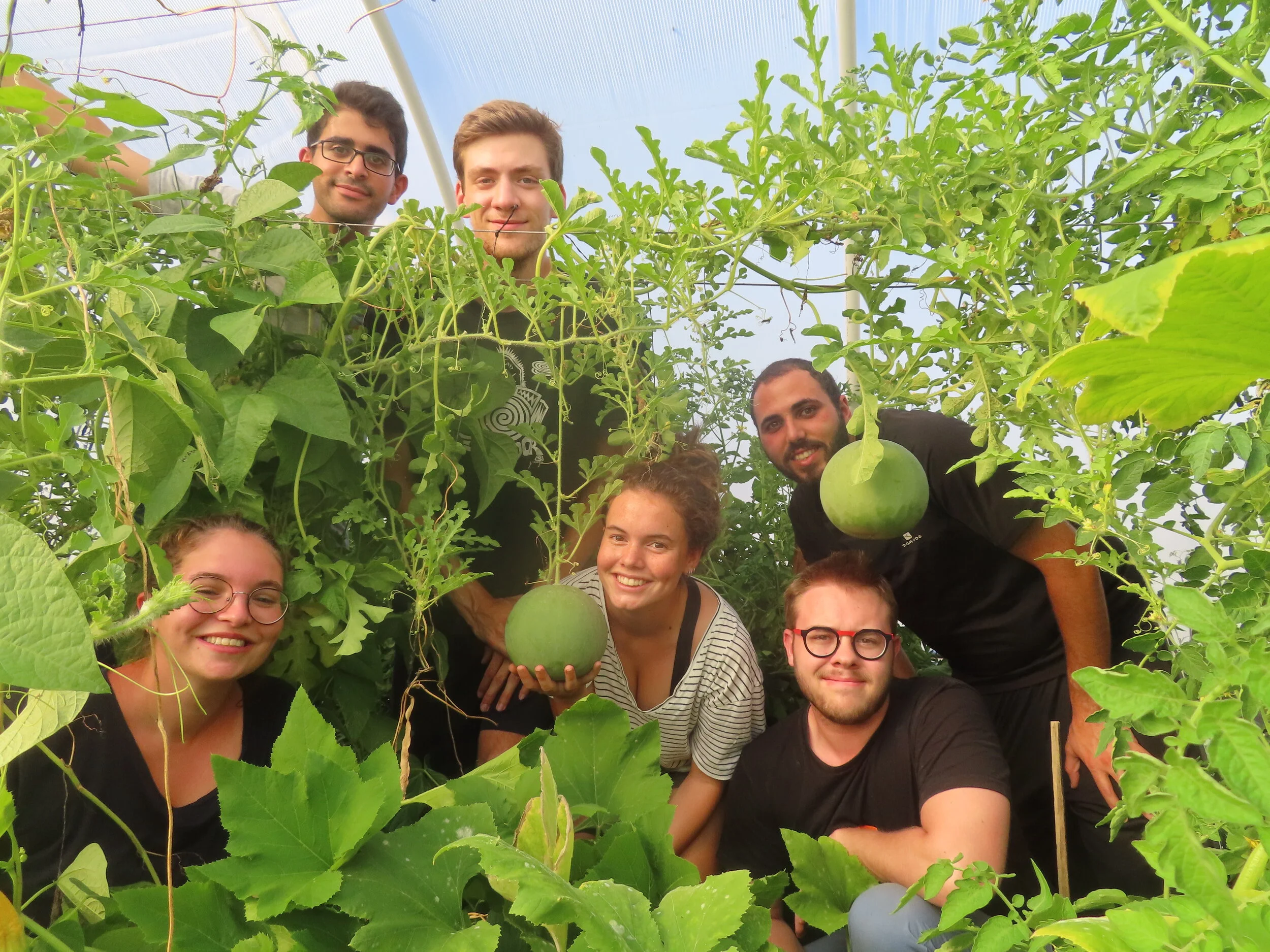
The Greenhouse. The infrastructure and design of the greenhouse provides an ideal space to produce a vast amount of seedlings throughout the year with a semi-controlled environment. Currently, the space is also housing a jungle of vegetables and herbs that flourish due to the conditions. At the moment the CWBR greenhouse is bursting with spinach, cucumbers, melons, tomatoes, corn, and herbs. 

Wormery for fertilizer. Selected food waste, hay, horse dung, and lots of worms covered in cardboard in an enclosed environment (such as a wooden crate) creates an environment where worms can reproduce and break down the waste to fertile soil. Installing a tap in the worm box to collect a liquid from the worms brings great benefits to the garden. Organic produce. The bi-product, worm leachate or worm juice, is full of good microbes that increase growth in vegetables – especially pumpkins, is a natural insect repellent, and can stop root rot. The spray mixture is diluted 1 juice/10 water.

The seedlings once large enough to be moved outside are planted in Huglekultur raised garden beds. These beds are long lasting compost heaps that regenerate themselves, created from twigs, branches, and reeds. They are ideal for areas with hot weather and do not require much irrigation. When planted, the seedlings are covered in hay and cardboard for mulch and to retain moisture as well as be protected from the strong sun.

Companion planting, a practice as old as time used by people worldwide. Companion planting has benefits such as growing healthier plants with higher crop yields, making the most out of the space in your garden, pest control, and attracting pollinators.  The natural chemicals exuded from the root networks of the plants create a thriving environment. The opposite is also true, certain plants planted together will stunt each other’s growth, reduce crop yield, and make the growing plant more susceptible to diseases and insects.

Collecting seeds for the next harvest. Some vegetables and herbs are left behind to collect seeds or beans, for example, for the next season. When herbs and vegetable plants produce flowers, it is an indication that seed collection can be done soon from the flowers themselves. Vegetables are full of seeds that can be collected for planting.

Anything is possible. Whether in a small or big space, food gardens with the right care can flourish almost anywhere.

The CWBR Hub showcases examples of a keyhole garden, hanging garden, permaculture gardens, and always expanding with new methodologies and introduction systems to add to the cycle of food production encouraging self-sufficiency.

No limitations in imagination. The produce from the garden is shared with many and used for CWBR projects. Recipes shared, new recipes created, vegetables pickled, and herbs dried.   

The greenhouse

Seeds are planted individually in trays and labelled.

Seeds are planted individually in trays and labelled.

Seedlings ready for planting

Seedlings ready for planting

A closeup look in the the thriving wormery

A closeup look in the the thriving wormery

Beans harvested for planting next season

Beans harvested for planting next season

From the greenhouse to the garden

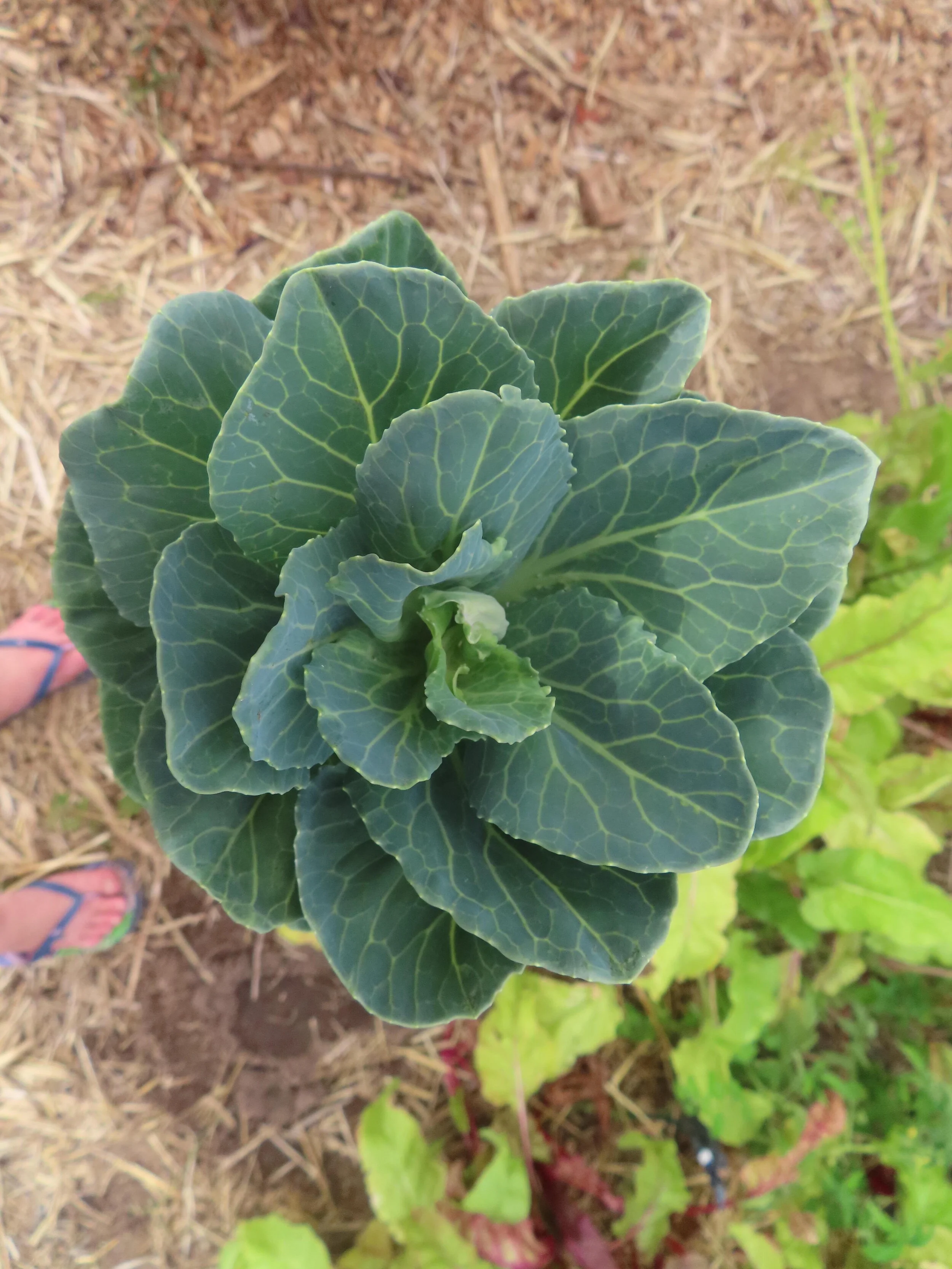
Kale

Kale

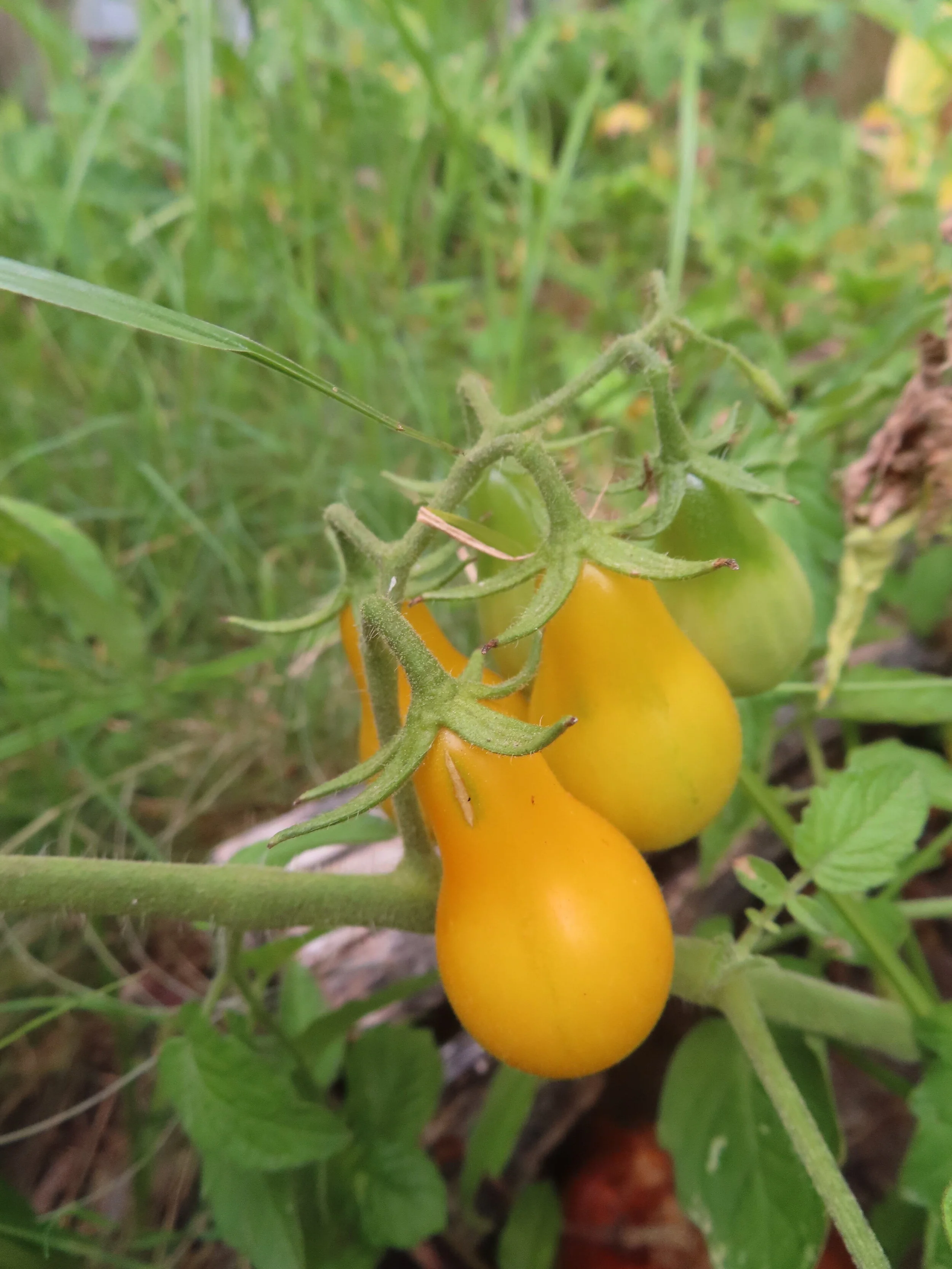
Yellow pear tomatoes

Yellow pear tomatoes

Mustard spinach & kale

Mustard spinach & kale

Pomegranates

Pomegranates

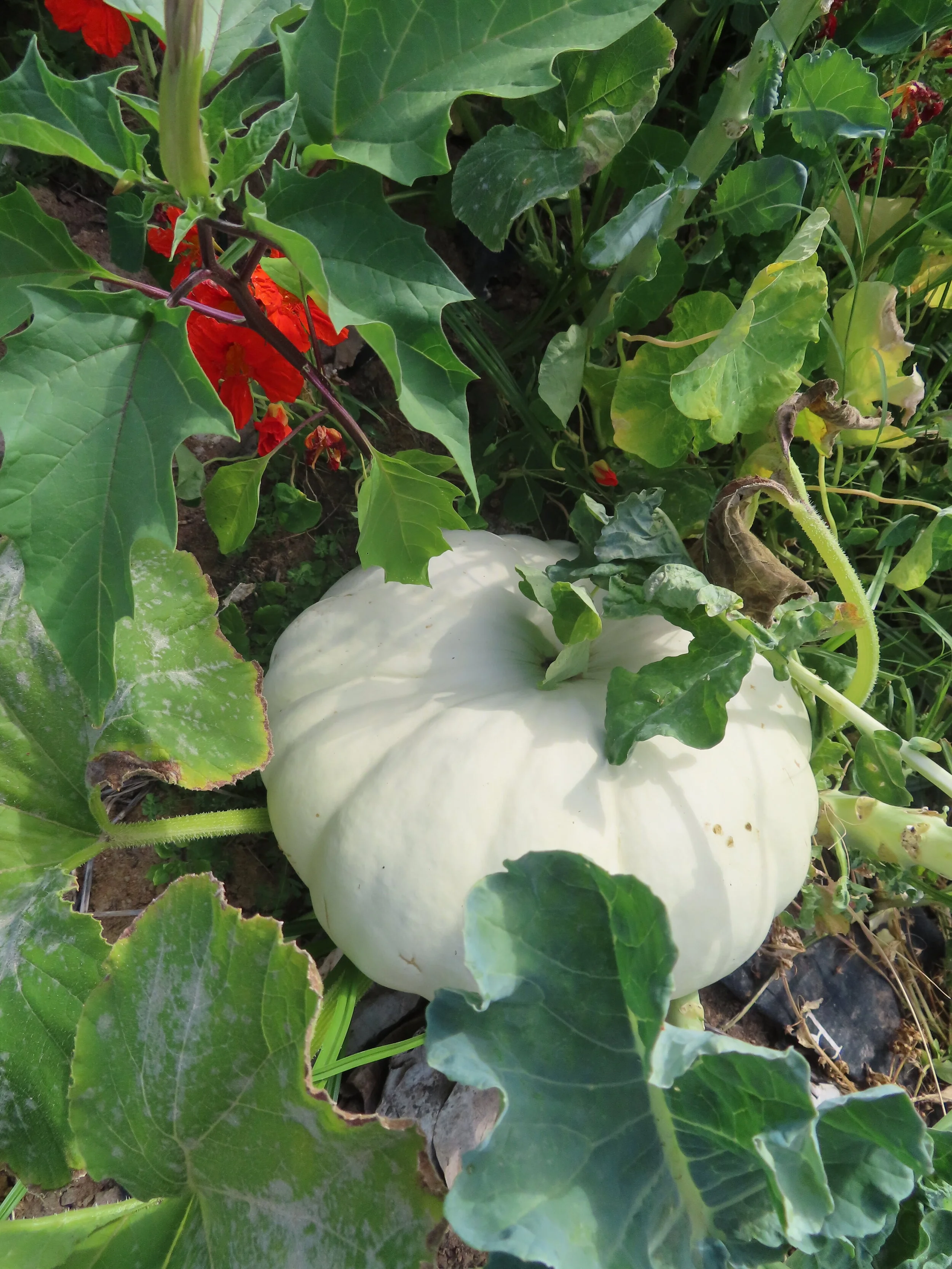
Flat white pumpkins

Flat white pumpkins

Pickling Cucumber

Pickling Cucumber

Row of flowering leeks

Row of flowering leeks

Cherry tomatoes

Cherry tomatoes

Rainbow spinach

Rainbow spinach

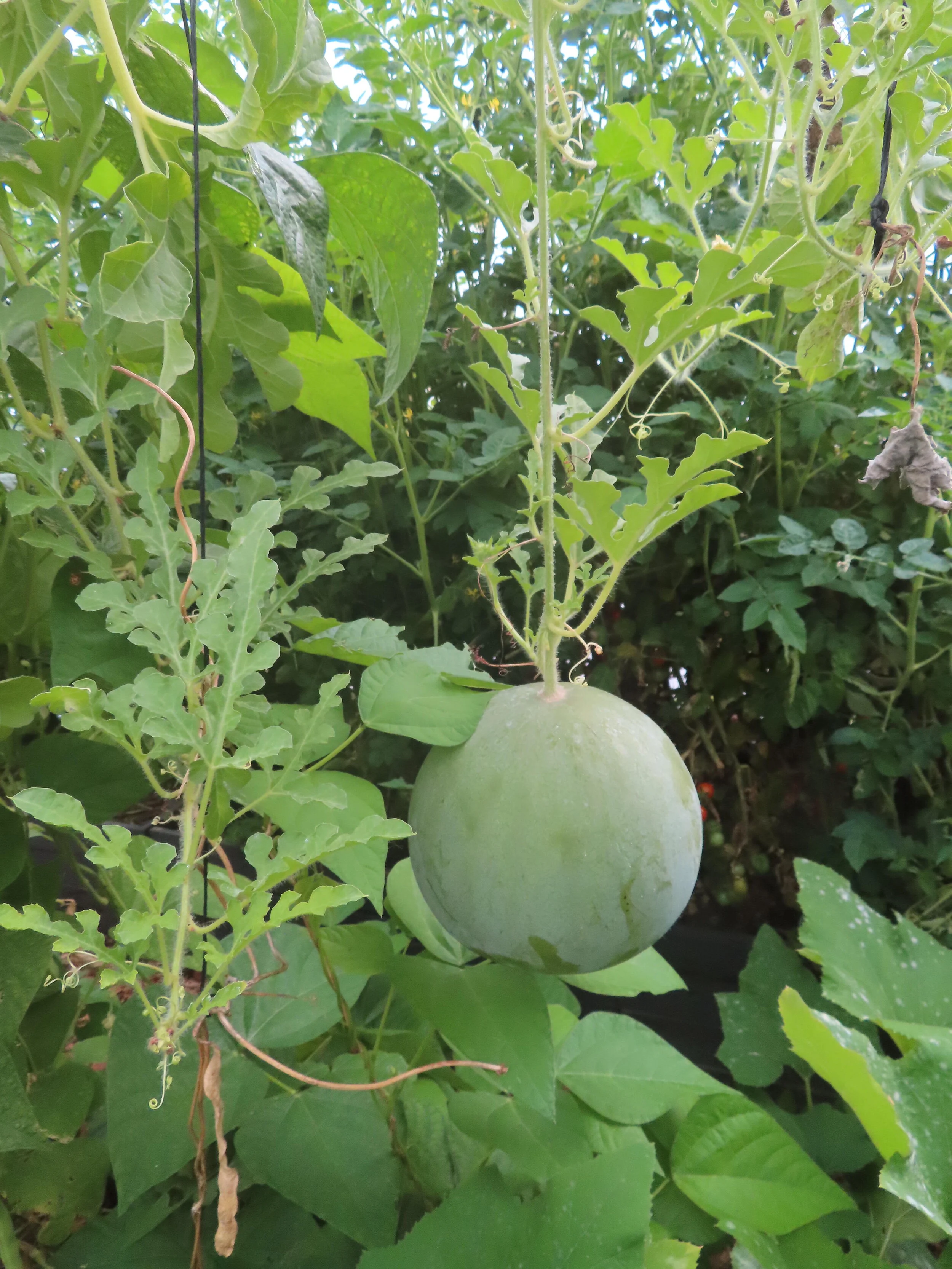
Melon

Melon

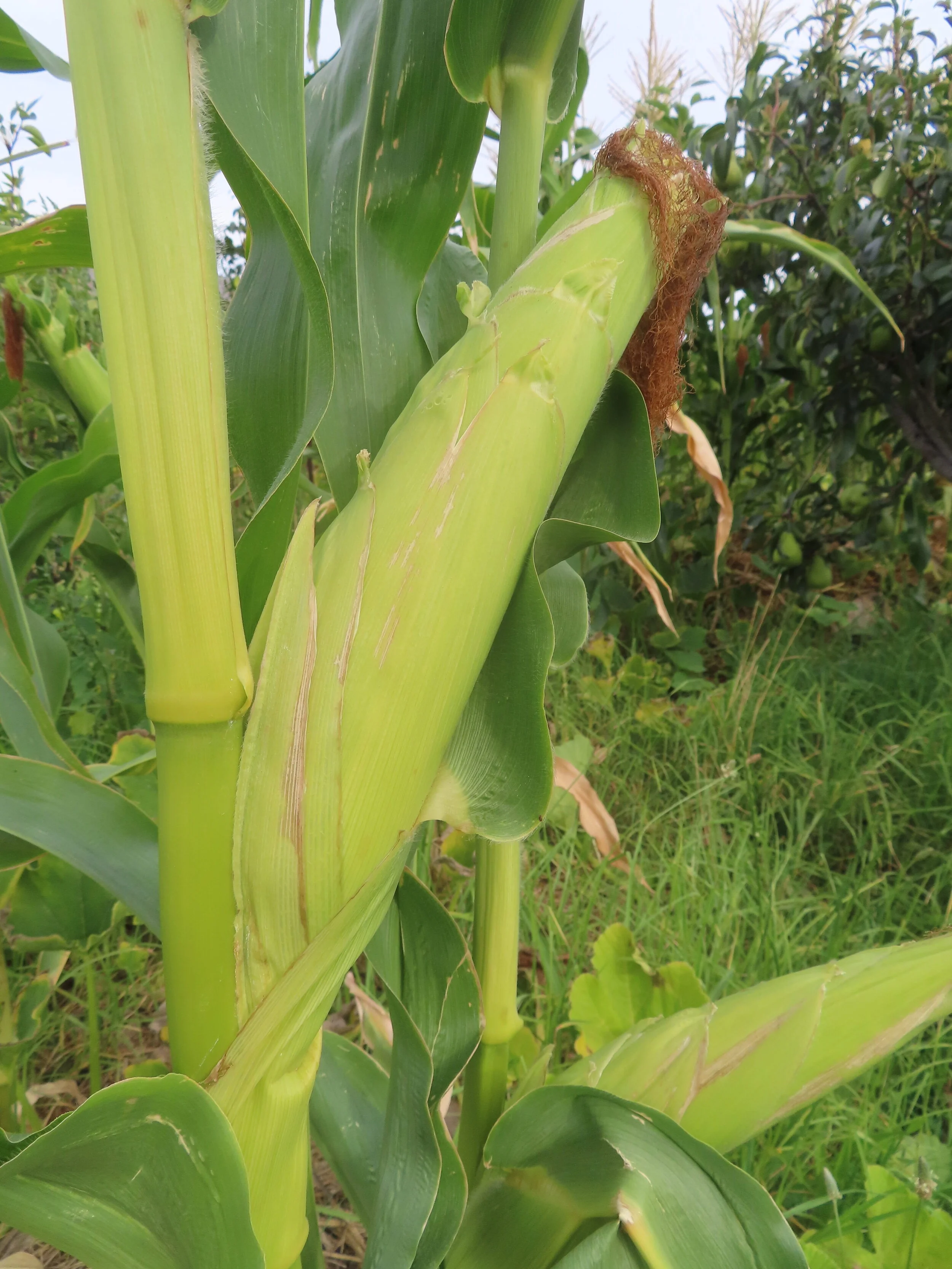
Corn

Corn

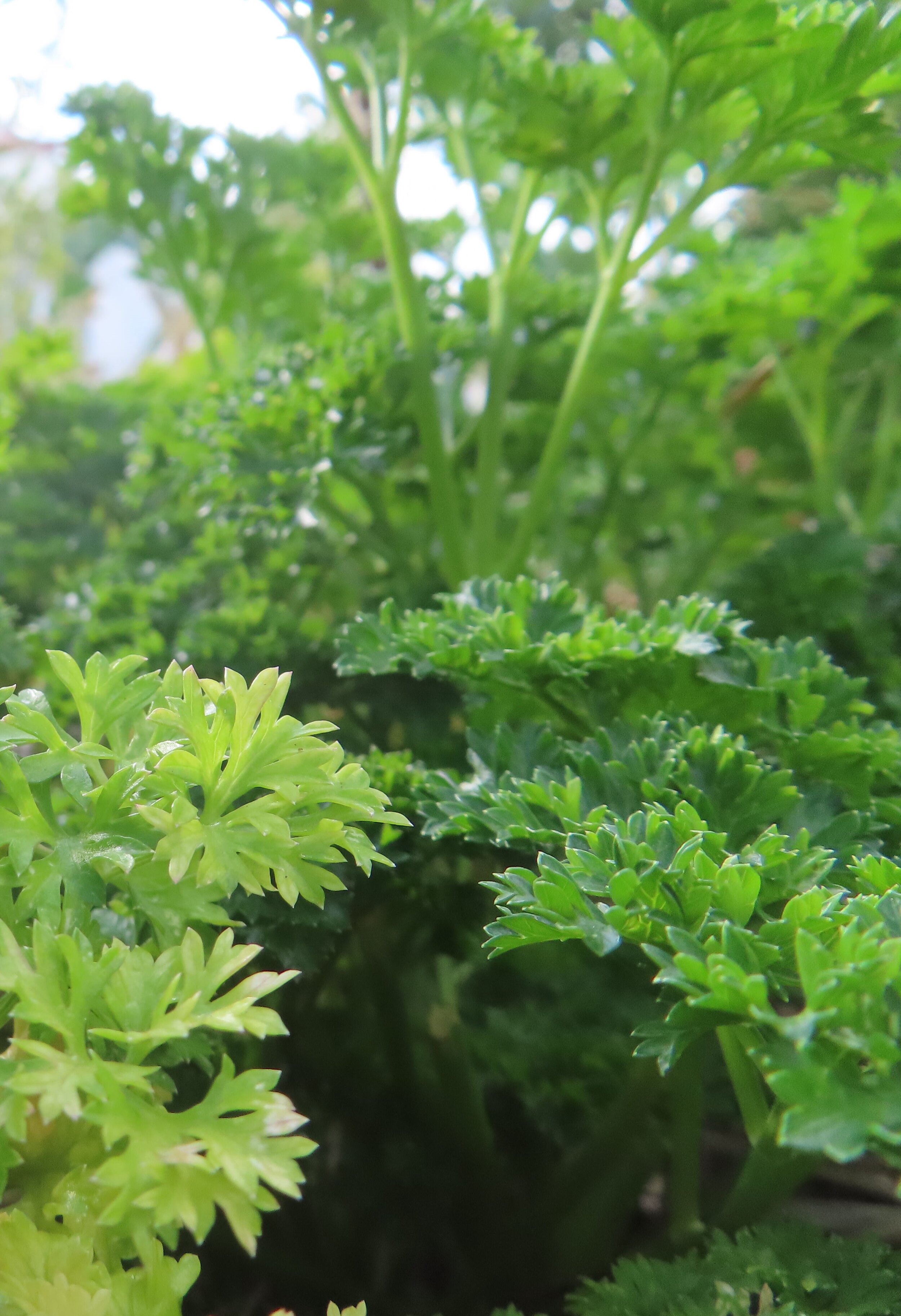
Parsley

Parsley

Thyme

Thyme

Basil

Basil

Rosemary

Rosemary

Edible Flowers

Volunteer luncheon with edible flowers to bring extra colour and decorate the dish

Volunteer luncheon with edible flowers to bring extra colour and decorate the dish

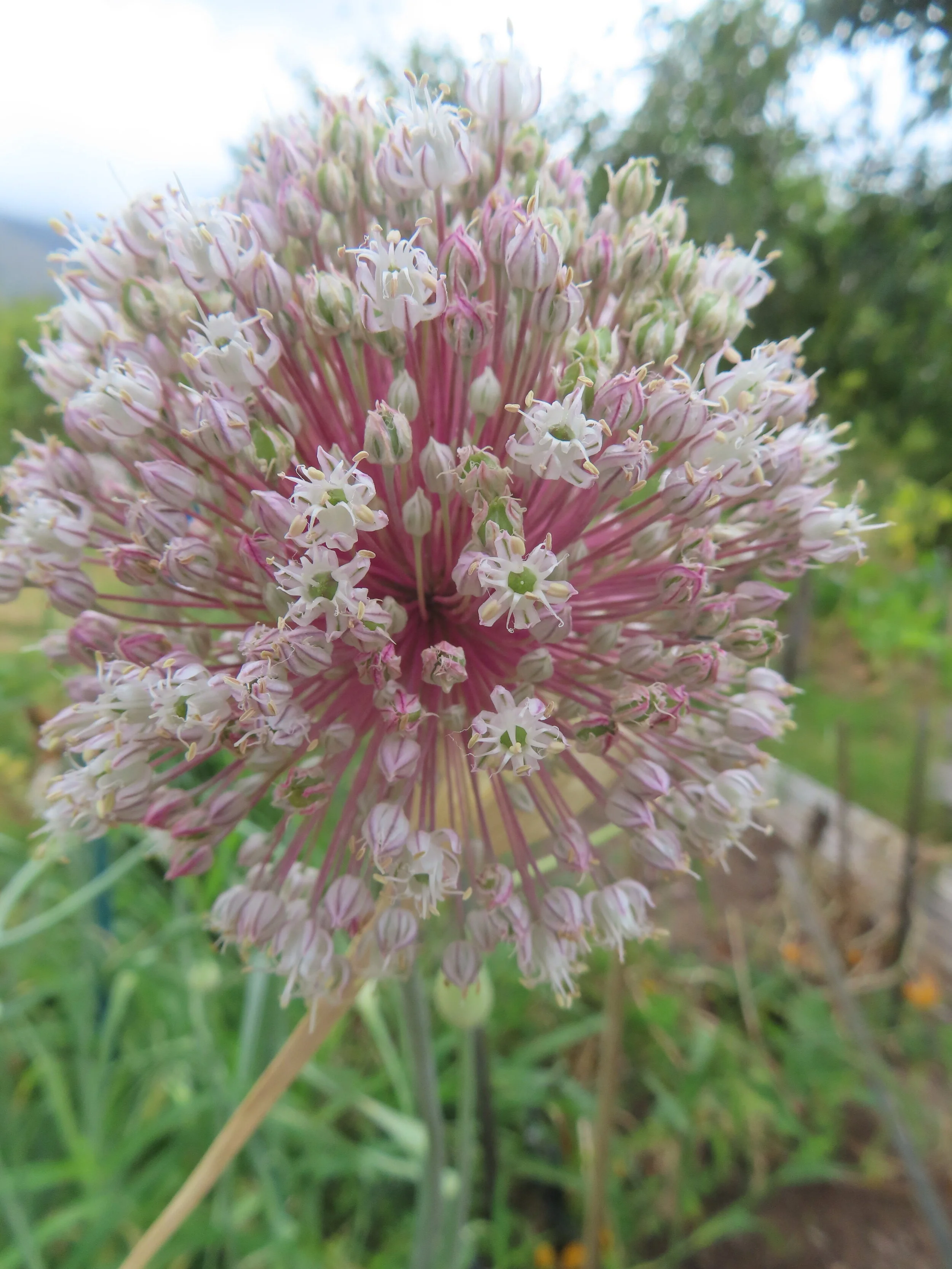
Flowers from leeks

Flowers from leeks

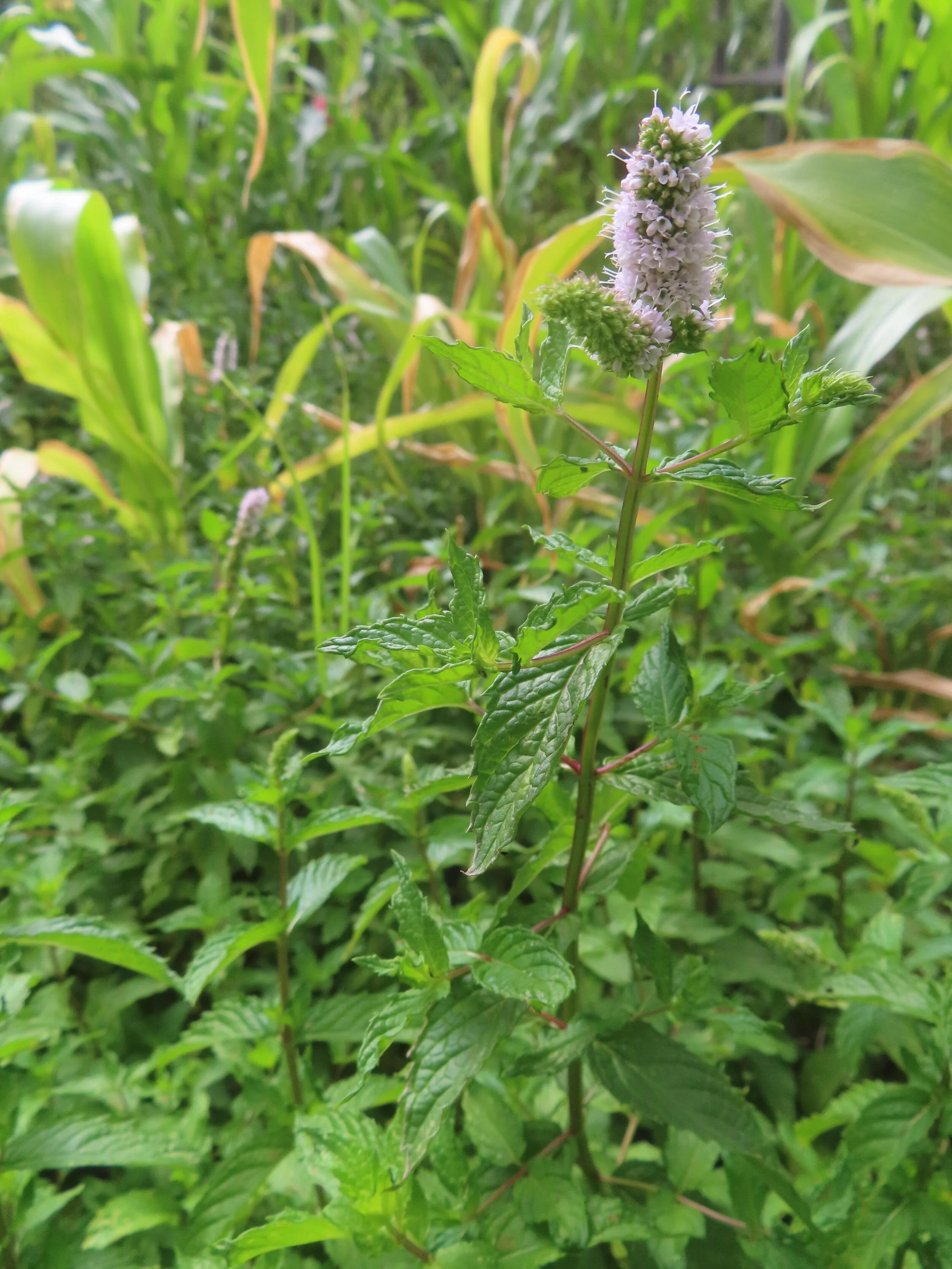
Flowers from mint

Flowers from mint

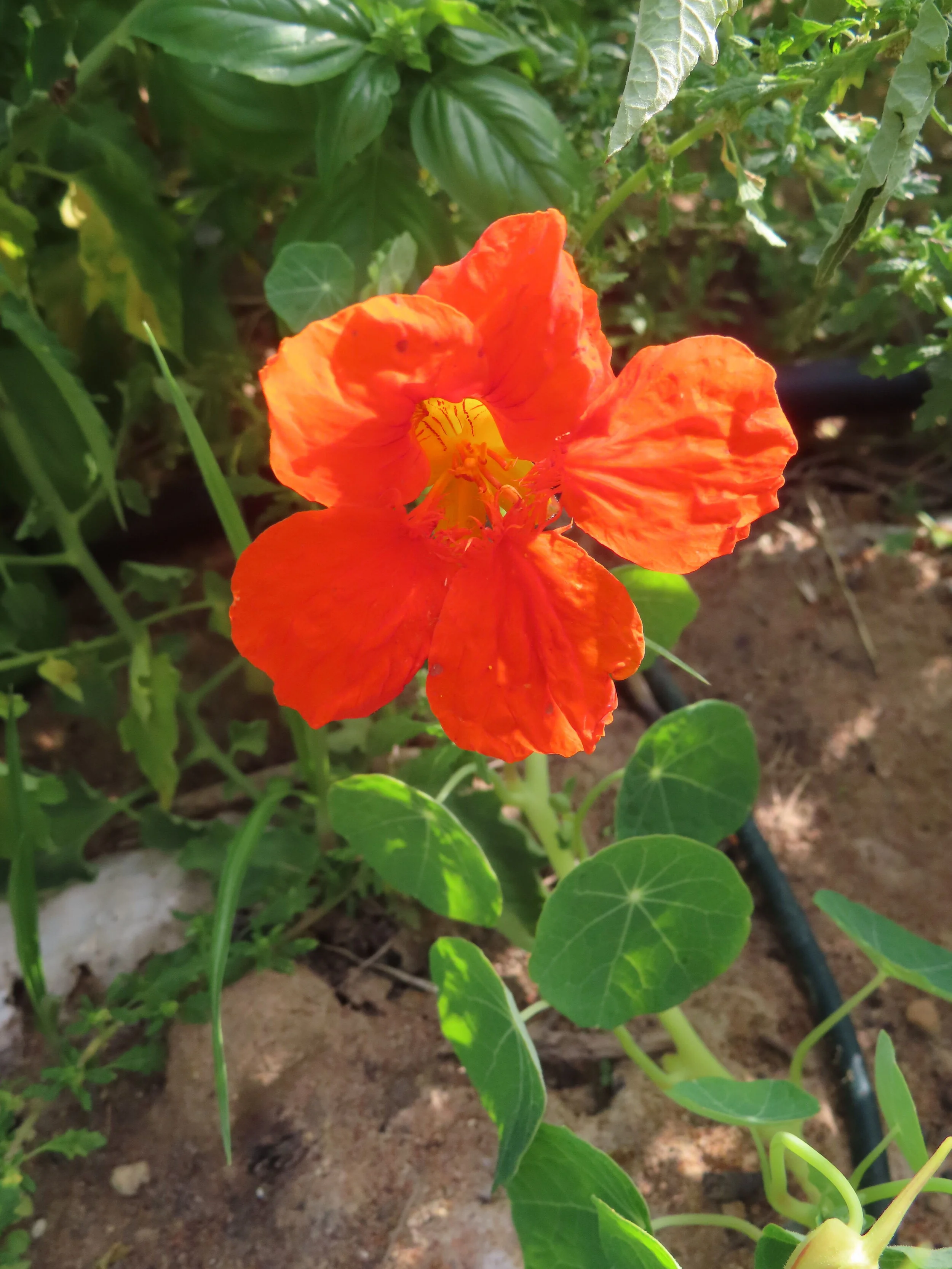
Nasturtiums have a peppery spicy flavor

Nasturtiums have a peppery spicy flavor

Tulbaghia violacea, Wild garlic

Tulbaghia violacea, Wild garlic

The Importance of pollinators

Pollinators are an essential part of seed production. Organic food gardens create a symbiotic relationship between plants and insects.

Pollinators are an essential part of seed production. Organic food gardens create a symbiotic relationship between plants and insects.

Conservation and farming can go hand-in-hand

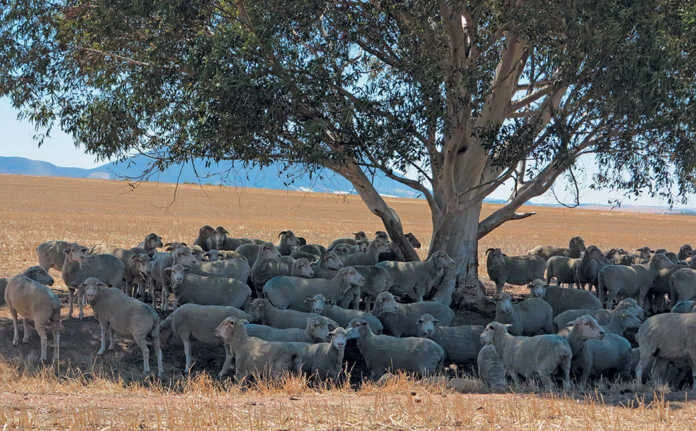
“The farm breeds ‘a balanced Merino with medium-grade long wool and a bigger build that is suitable for the meat market’, according to sheep manager Abraham Cloet” Extract from article

“The farm breeds ‘a balanced Merino with medium-grade long wool and a bigger build that is suitable for the meat market’, according to sheep manager Abraham Cloet” Extract from article

Farmer’s Weekly published an article in 2018 explaining the diverse enterprise at a farm in Swartland. This article is still relevant today, as it show-cases a space where farming and conservation go hand-in-hand through multiple practices.

The land, comprising of three combined farms, is 6 500ha total. Out of which 4 000ha is a fynbos reserve, called The Elandsberg Nature Reserve, and was established in 2008. The farm has signed up with Cape Nature’s stewardship programme to safeguard the reserve in perpetuality and implements several conservation projects. A multitude of game live in the nature reserve.

Cattle, sheep, and crops are farmed on the remaining 2 500ha. Through methodically thought out crop rotation and taking the soil, mainly Malmesbury shale and Klipheuwel gravel, into account the farm utilizes its resources to the fullest.

The farm highly values its employee’s personal growth and development through development programmes.

Read the full article: Farming & conservation go hand-in-hand on Swartland farm