Being a Citizen Scientist

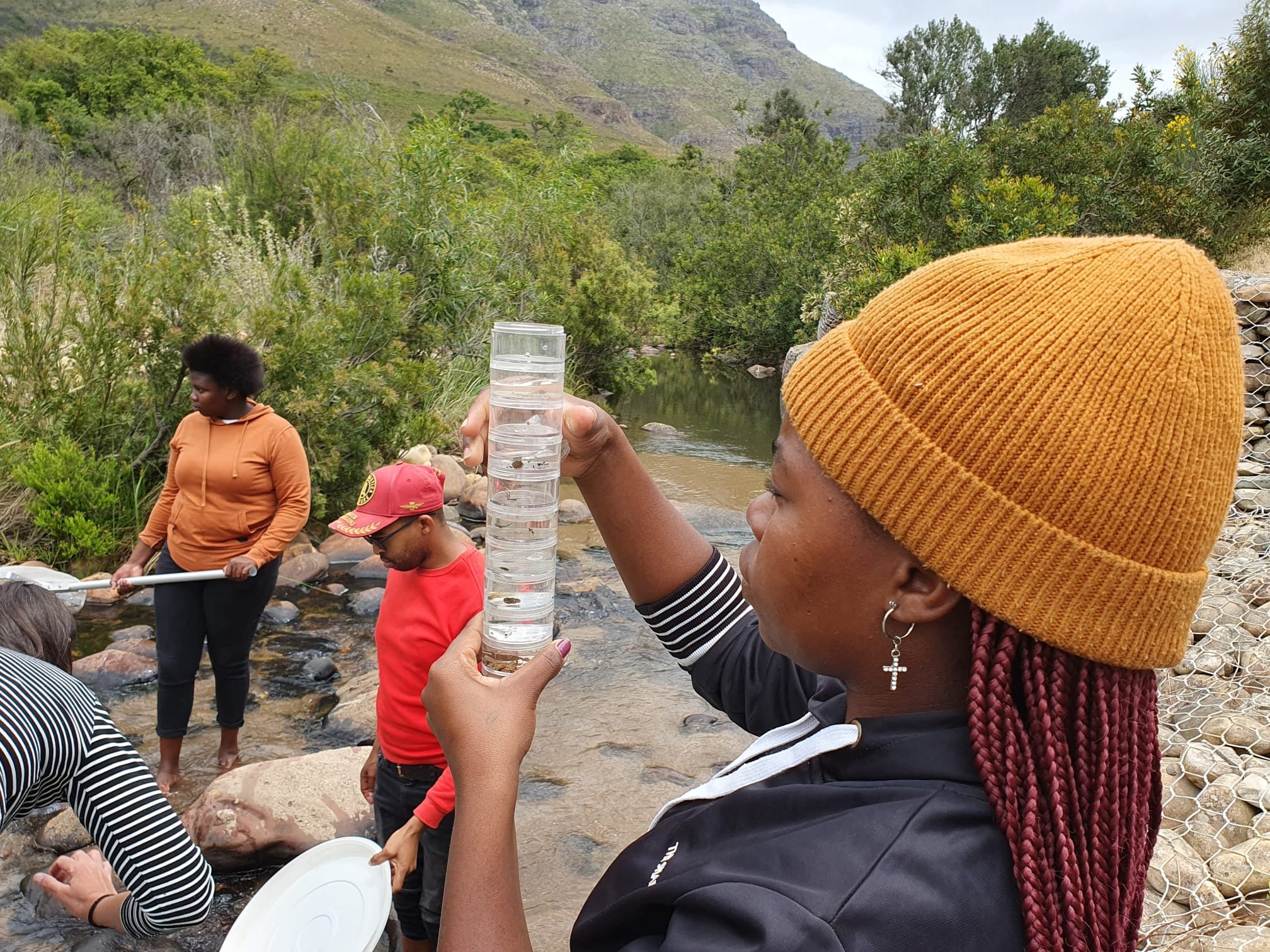
Meet one of the river monitors, who is part of the UNESCO Be Resilient South Africa project.  She has weekly monitored and gathered data on the river health at one of the selected sites along the lower reaches of the Eerste river since 26th January 2023.

Cailin Mentoor

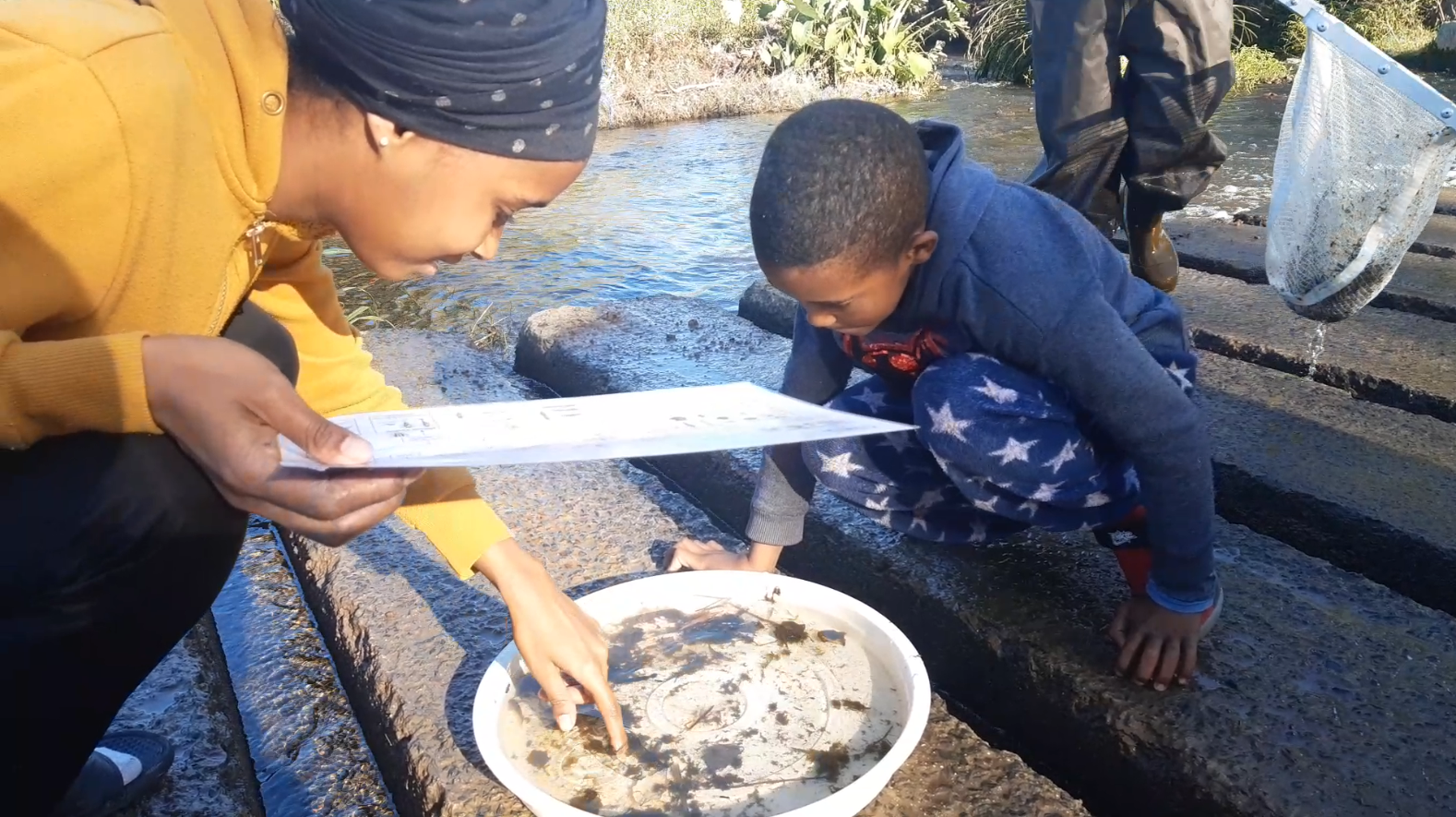
While out on a river monitoring day, Cailin Mentoor from the Faure farm community shared “Being part of the biosphere project is interesting and wonderful because we always find something new and stuff we never thought would live here.” Since the start of the initiative, she has enjoyed connecting with people from other communities along the river. Learning how they are different and what they have in common. She continues, “And I love communicating with other people, it’s fun for me actually because I love to get to know who people are, what they like, what they don’t like, and whatsoever…” When asked what the relationship to water has become to her and what she hopes for her community, she comments: “We all need to stand together. Keep the rivers clean. Not littering. That’s one of the important [things] because we harm the animals that live in the water.”

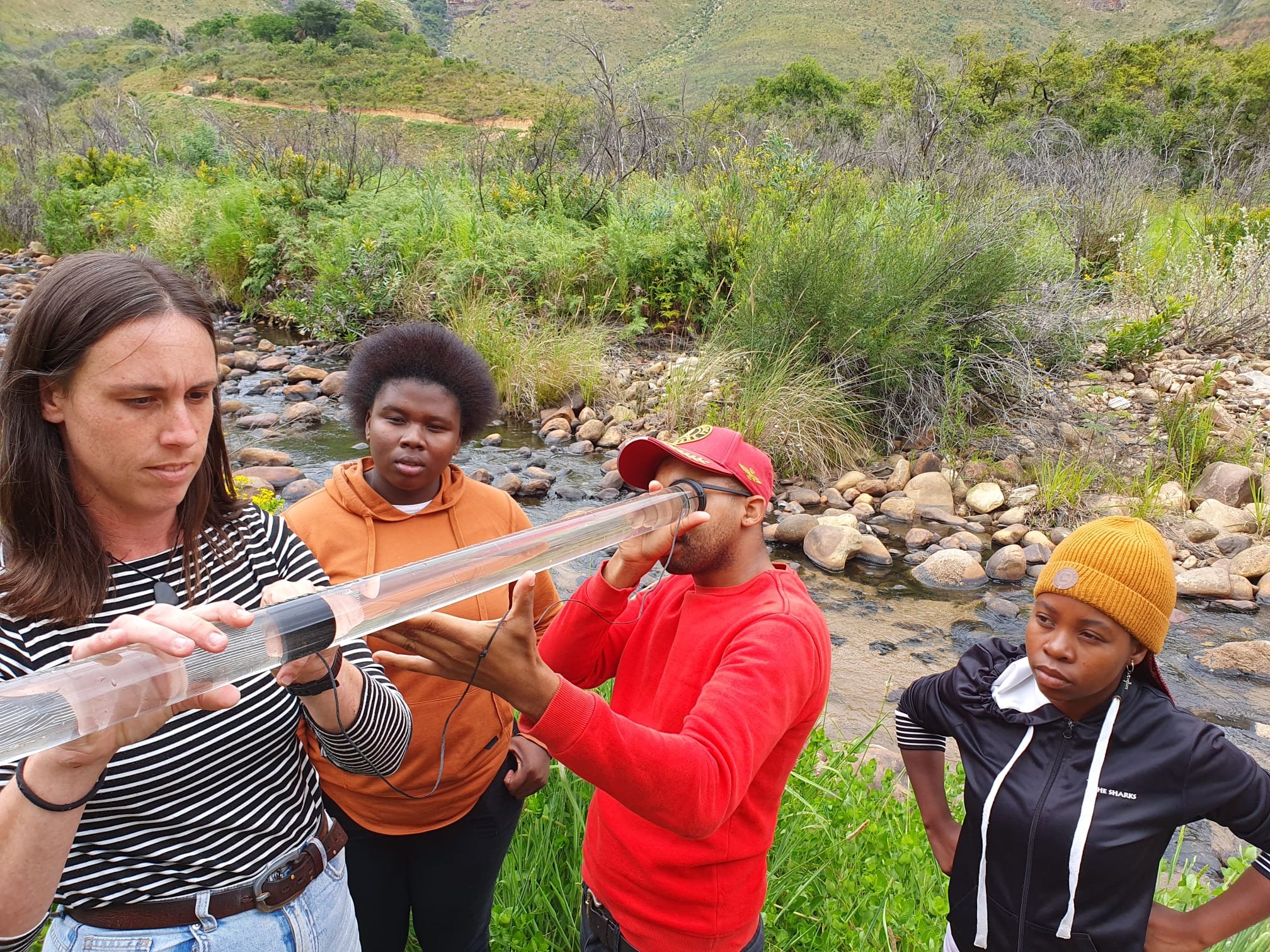
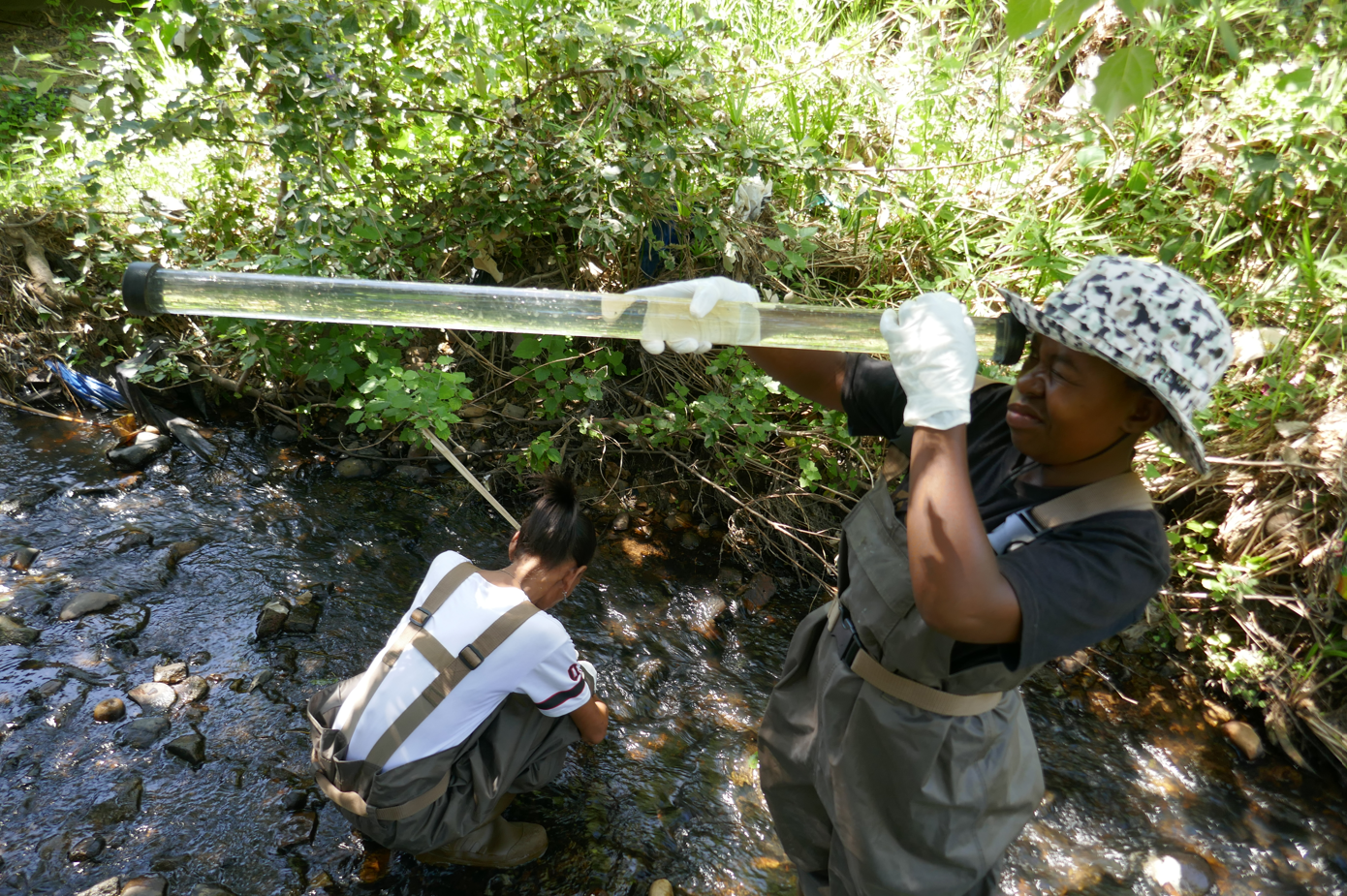
Up until recent heavy rains, once a week, the community citizen scientists, accompanied by a CWBR facilitator, headed to the different selected sites to collect data. The PH, turbidity, dissolved oxygen, and macro-invertebrates (miniSASS) present are measured and noted down. Later, to be fed onto an app, which will become open-source with the aim to encourage inclusive adaptation management strategies between community, government, decision-makers, public and private stakeholders.

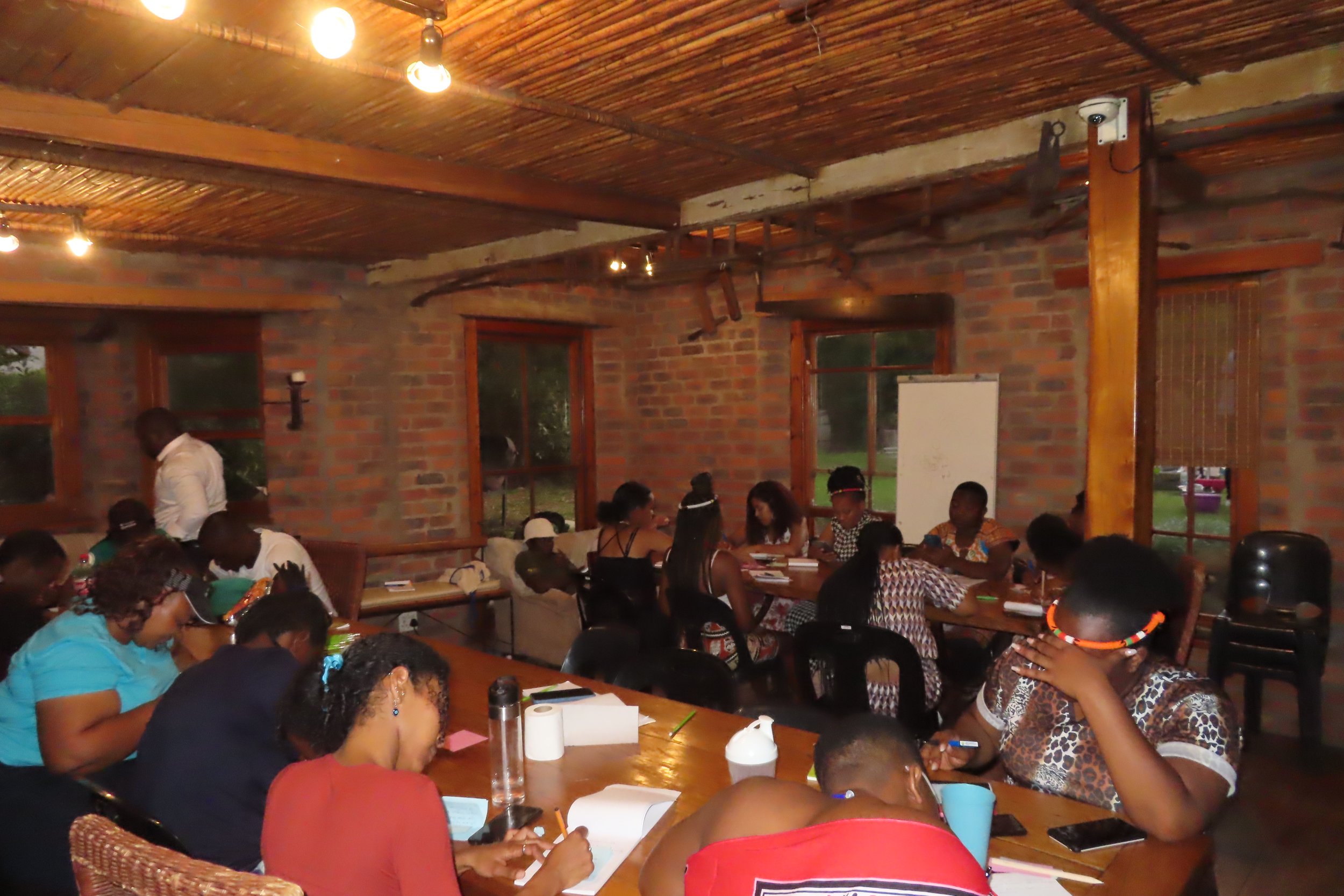
Shy to share amongst each other about how the river monitoring has impacted them, an anonymous survey was done with the group to share what they have achieved from their involvement thus far.

I gained more knowledge and experience. I've benefited in many ways in the project, not only did I get to know how to be a citizen scientist but also to learn how to be myself.”

Stepping out of the river and into the wider community, the CWBR team together with the group will identify ways to share what has been learned and to convey positive messages around the relationship between people and nature, looking after the natural environment, and why keeping rivers clean is important.

When asked for ideas on how to reach their broader community, inspiration has been drawn for planning collaborative events.

“Let's talk to them about the importance of the river and its cleanliness.” And “Get them to the river and working with us on monitoring.”

“Gather youth to learn about water and the environment showing how important water [is] in our lives, how can we save it. Raising awareness to schools talking about water/environment. Gather elders of the community to be aware [of] what is going on in [the] water that we have, how to save, and keep the environment clean”.

To teach the kids about the importance of keeping the rivers clean. To organise a talk of the people.

And what continues to motivate them to be involved and participate in the project, one replied: “Because I want to gain knowledge and I also want to teach other children and if I go to their places they must say to their mom or dad or friend ‘Look, there goes Keira’.”

The citizen scientists have also been involved in co-creating and brainstorming skills development courses for further opportunity and knowledge. The aim is to capacitate them as community ambassadors for change and give them tools to best further their career and entrepreneurial opportunities which they have been exposed to in the course of this initiative.     

Check out the Cape Winelands Biosphere Reserve contribution, about the launch of the Citizen Science initiative, as well as the project partner biosphere reserves updates, in the first UNESCO Regional Office for Southern Africa (ROSA) Be Resilient South Africa newsletter. As part of the UNESCO Be Resilient South Africa project - Biosphere Reserves as Observatories for Climate Change Adaptation in South Africa.
Link: Be-Resilient, South Africa, 2022 newsletter

Celine Macdonald
Ocean Decade 2021 – 2030

“The marine realm is the largest component of the Earth’s system that stabilizes climate and support life on Earth and human well-being”. UNESCO 

Decade of Ocean Science for Sustainable Development (2021-2030) was proclaimed by the United Nations in 2017, after the First World Ocean Assessment released in 2016. The assessment presented that large areas of the ocean are now seriously degraded: affecting not only marine life, but function and benefits from marine systems for human health and wellbeing.

The Ocean Decade initiative is necessary to create an accessible common framework to inform the stakeholders and global community. To foster knowledge in Ocean Literacy which can be transformed into tangible actions for the conservation and sustainability of the ocean. This is where biosphere reserves can play a role in education and awareness. The Ocean Decade highlights the critical role that the ocean has in the survival of the planet’s ecosystem, its impact on ones’ everyday life, and humans’ impact on the ocean. 

Considering the pressing challenges that the ocean is facing, including pollution (often originating from land), over-exploitation of resources, and climate change, awareness in Ocean Literacy addresses the need to foster vital behavioural change in attitudes and values towards the ocean.

The UN Ocean Decade envisages a future where Ocean Literacy is part of formal and non-formal education creating more awareness amongst youth, a motivated empowered global community whose knowledge will result in positive actions to address the most urgent threats to ocean health. Inform and change in behaviour, strategic planning and decision making of governments, businesses, and industries. 

Ultimately fostering the connection between humans and the ocean to ensure its continued biodiverse presence, responsible use, and conservation for future generations.

Delve deeper: https://oceandecade.org/

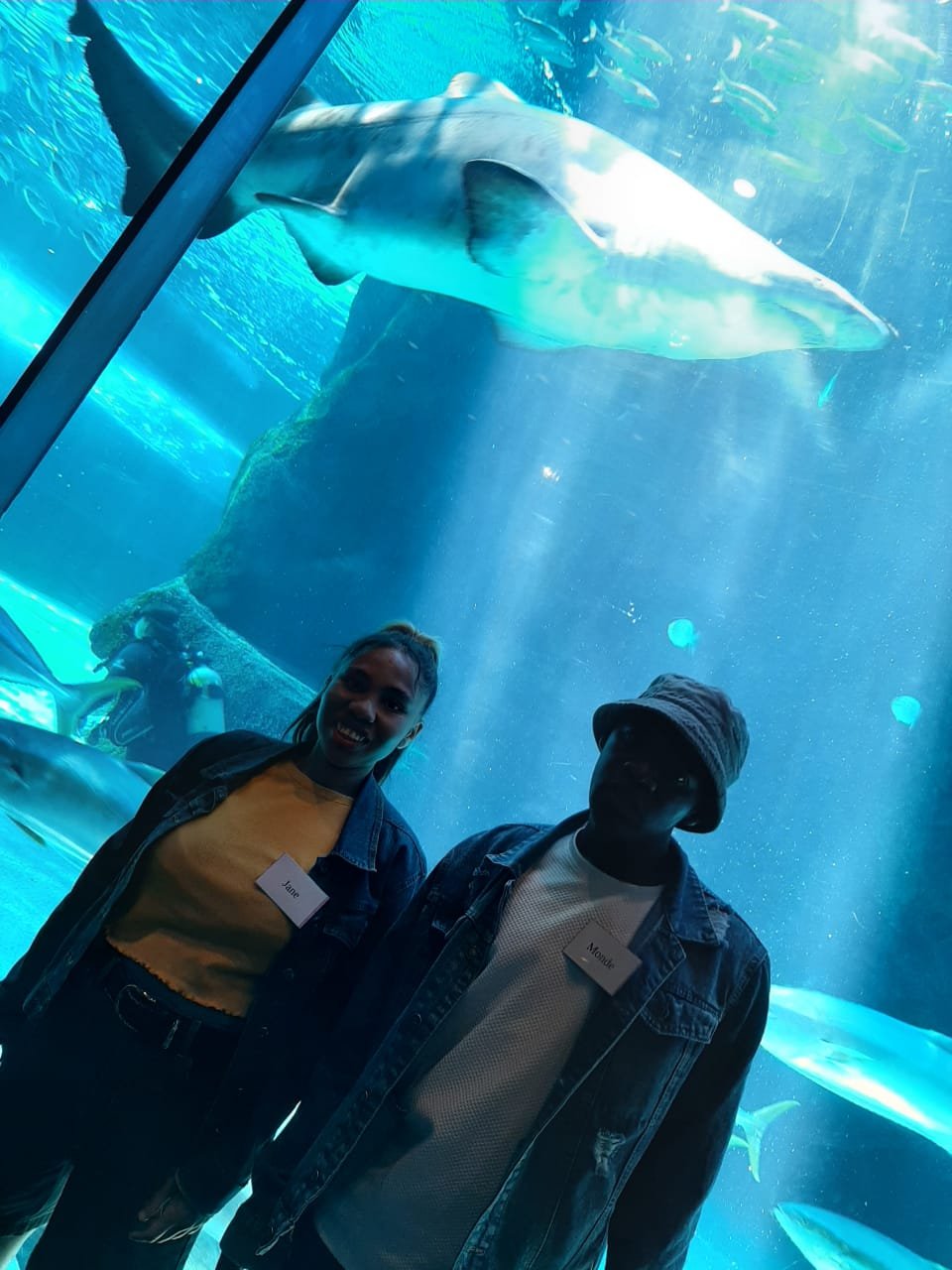
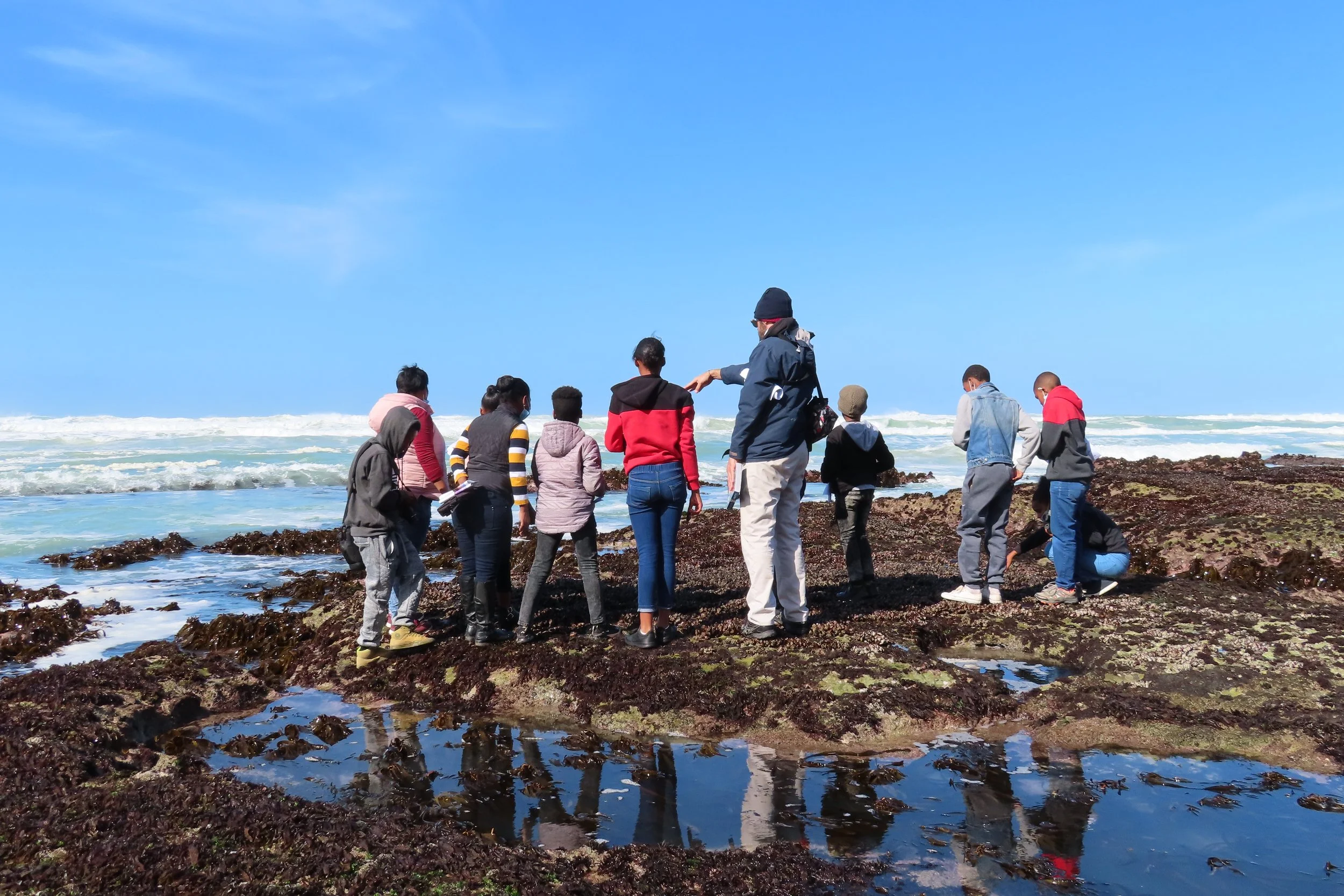
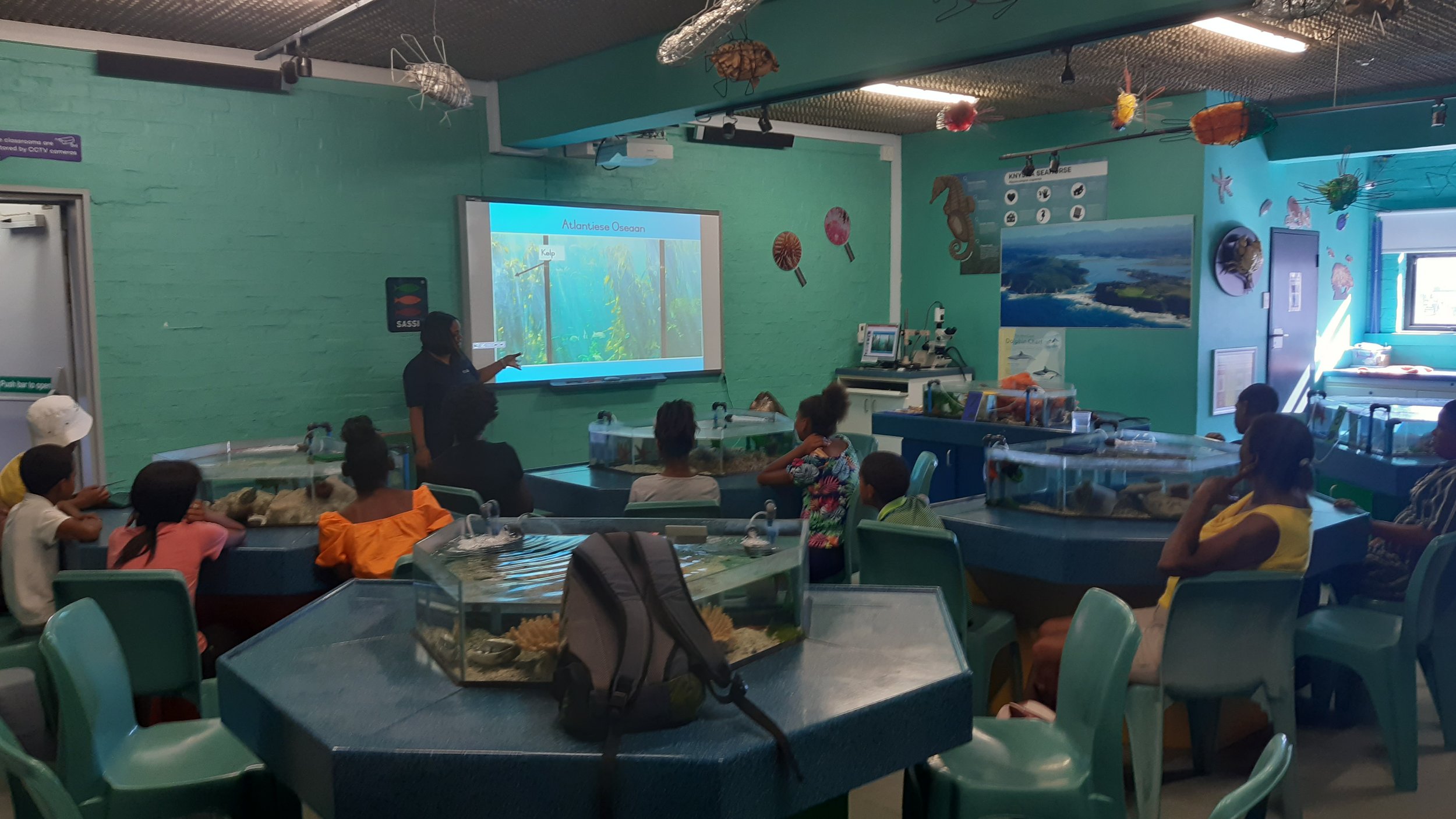
As part of Logistical Support, one of three pillars of biosphere reserves, Cape Winelands Biosphere Reserve (CWBR), in partnerships, facilitate events by the sea and outings to an aquarium for youth and adults to inspire inquisitiveness and excitement for the ocean and its marine life, create awareness, and introduces participants to marine education and careers in the ocean sciences.

A few highlights from the last year till now:    

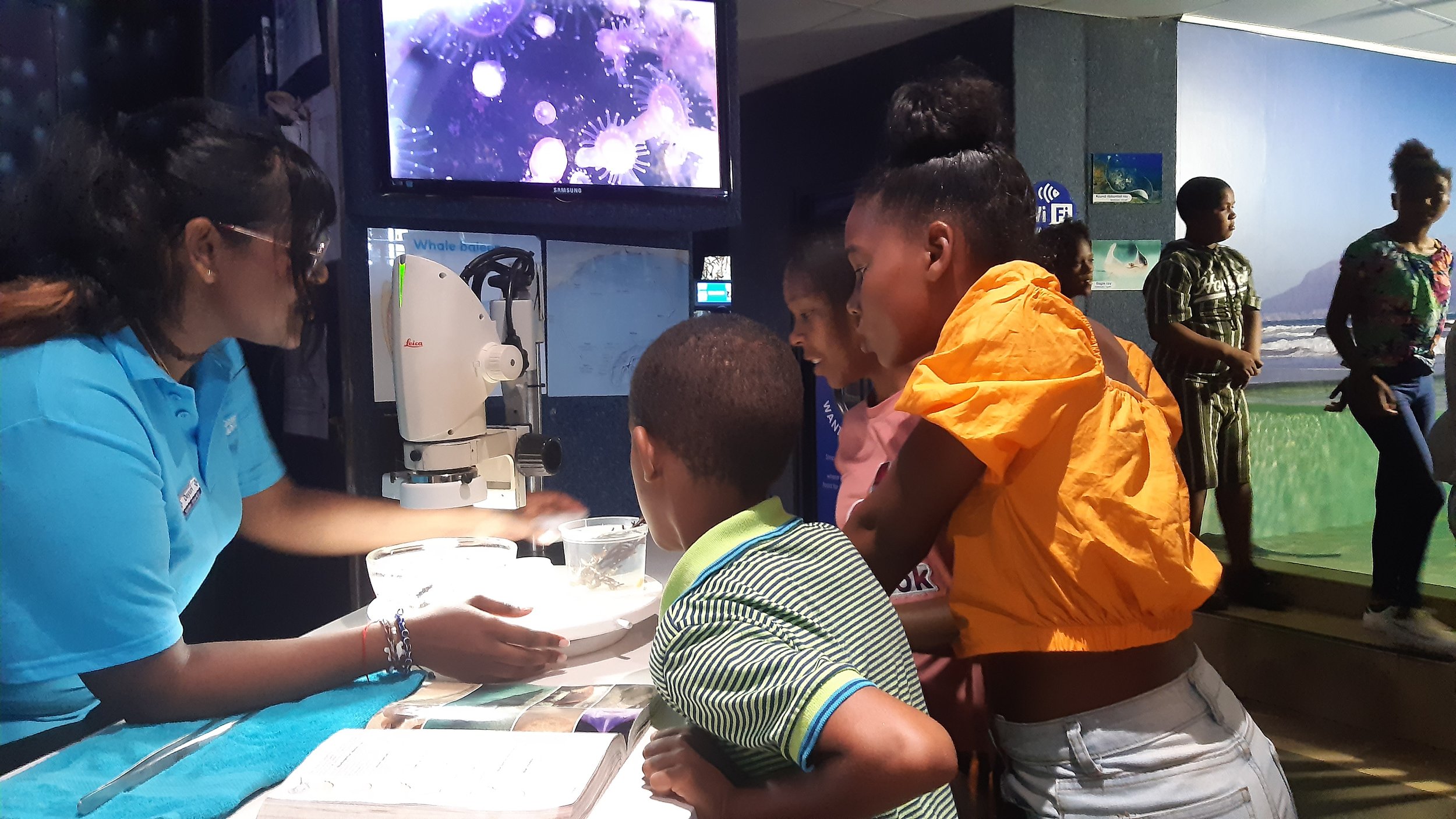
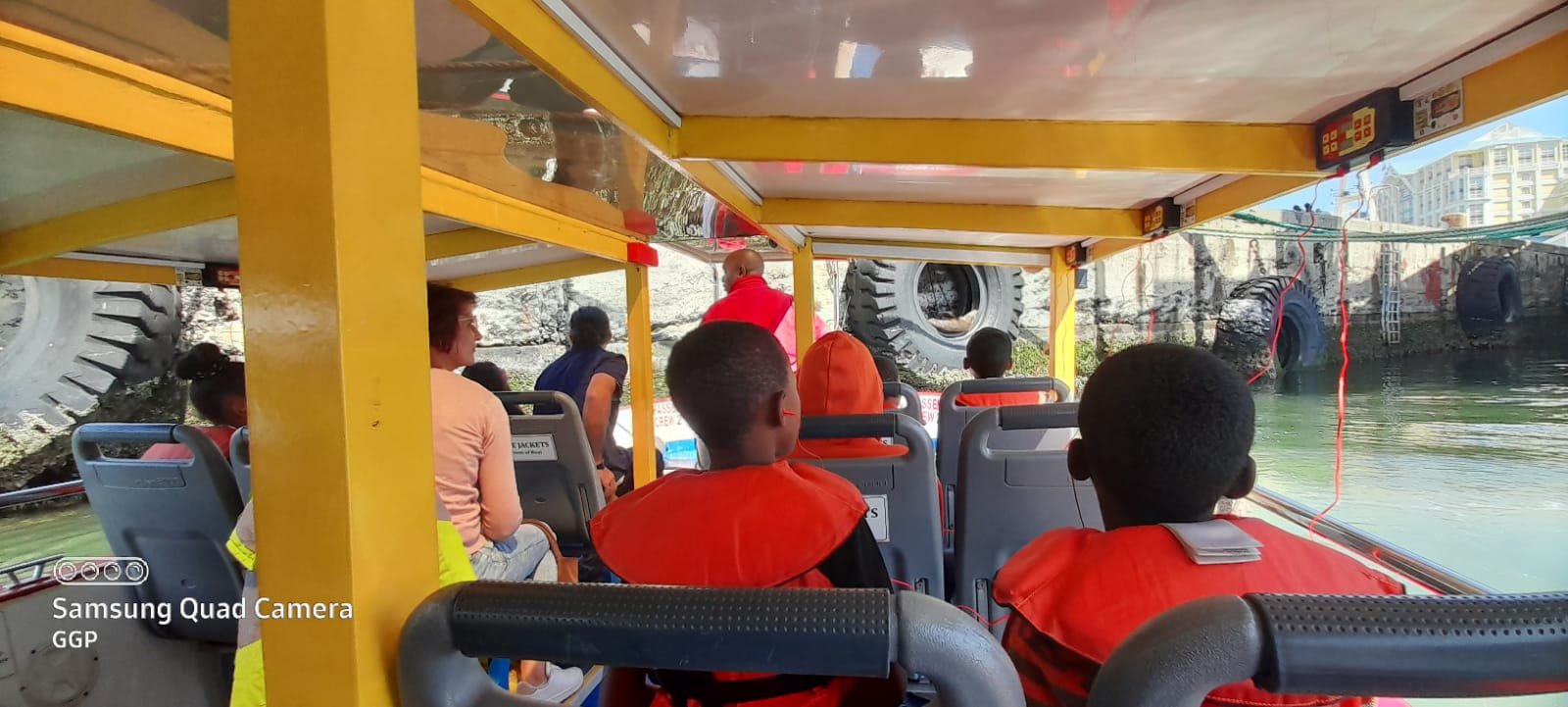
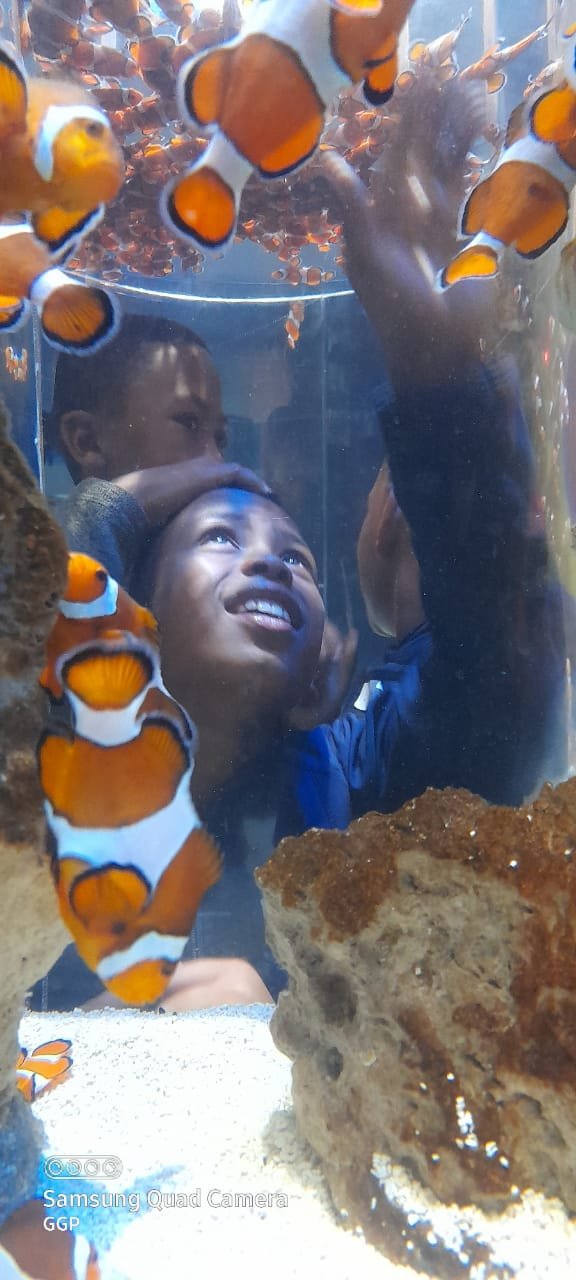
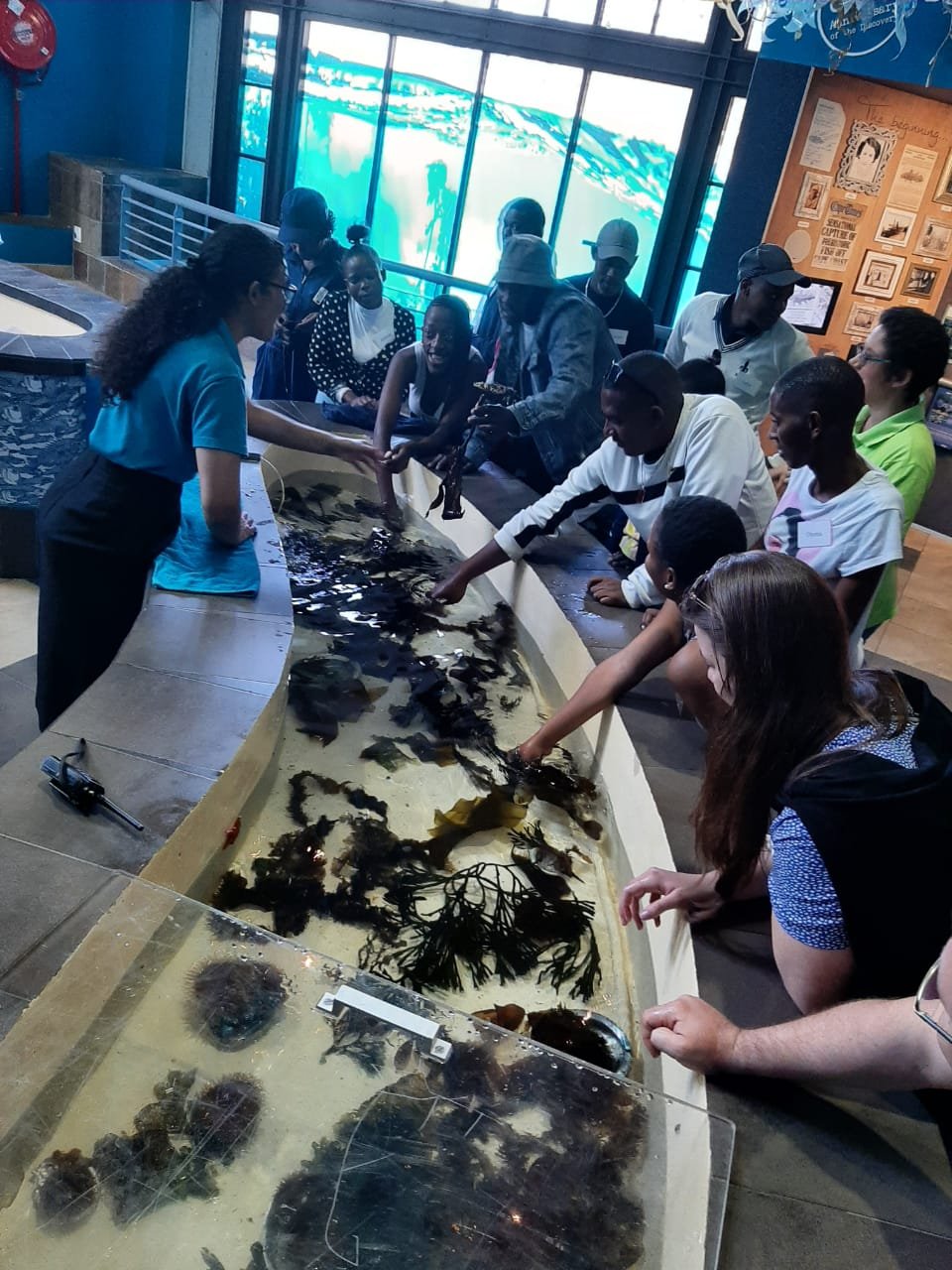
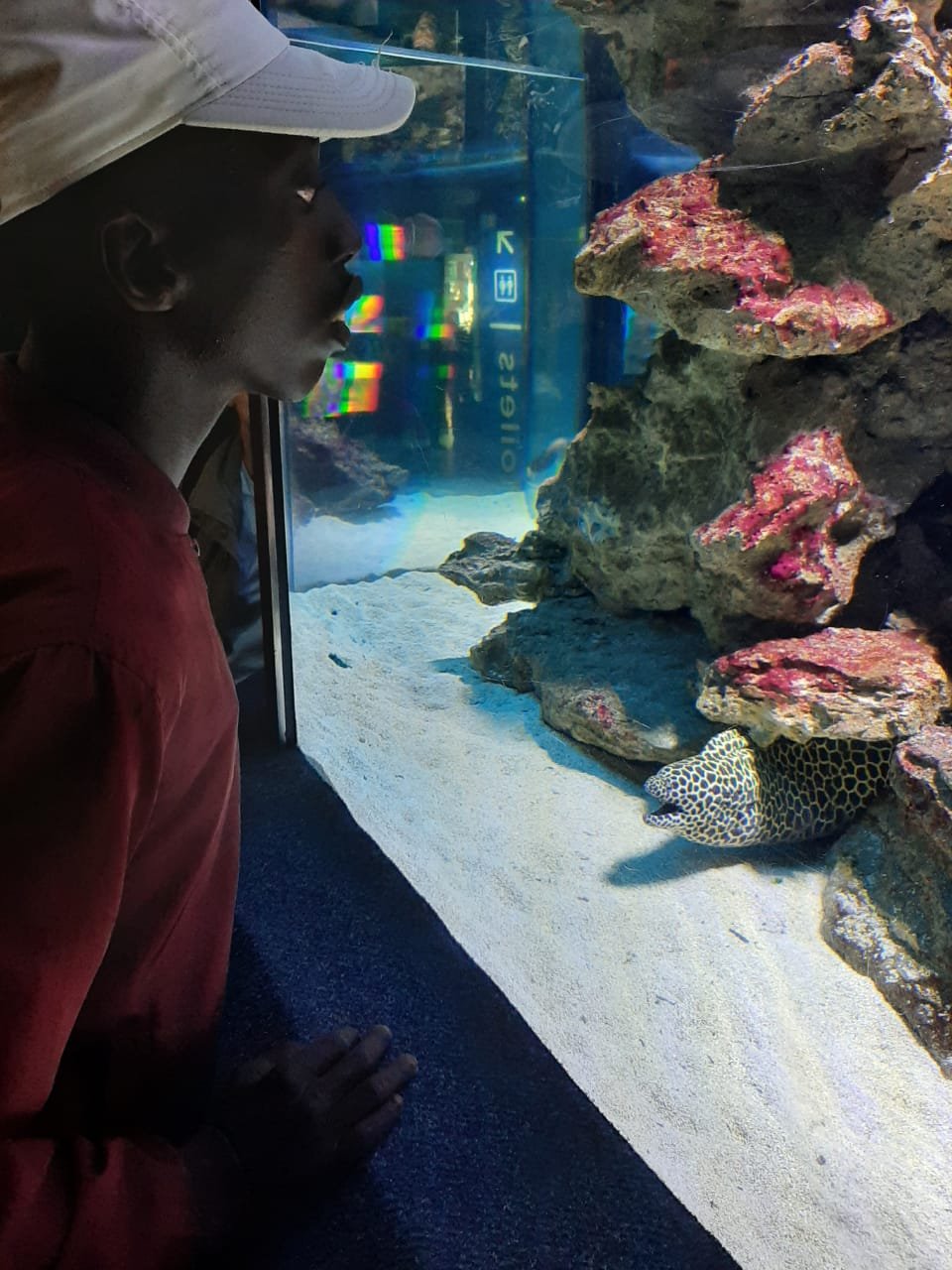
Through the UNESCO Be Resilient Project, the CWBR team has built a strong relationship with community members in Faure. In partnership with the Pearl Project, the CWBR has facilitated three outings in February and March 2023 to Two Oceans Aquarium for fifty-four youth. The activities include a classroom workshop, guided tour of the Aquarium, an educational Puppet Show, and a boat ride along the famous Cape Town Waterfront. Introducing, and exciting youth in the importance of preserving the water cycle, as an essential natural service providing for all living things. 

Two Oceans Aquarium

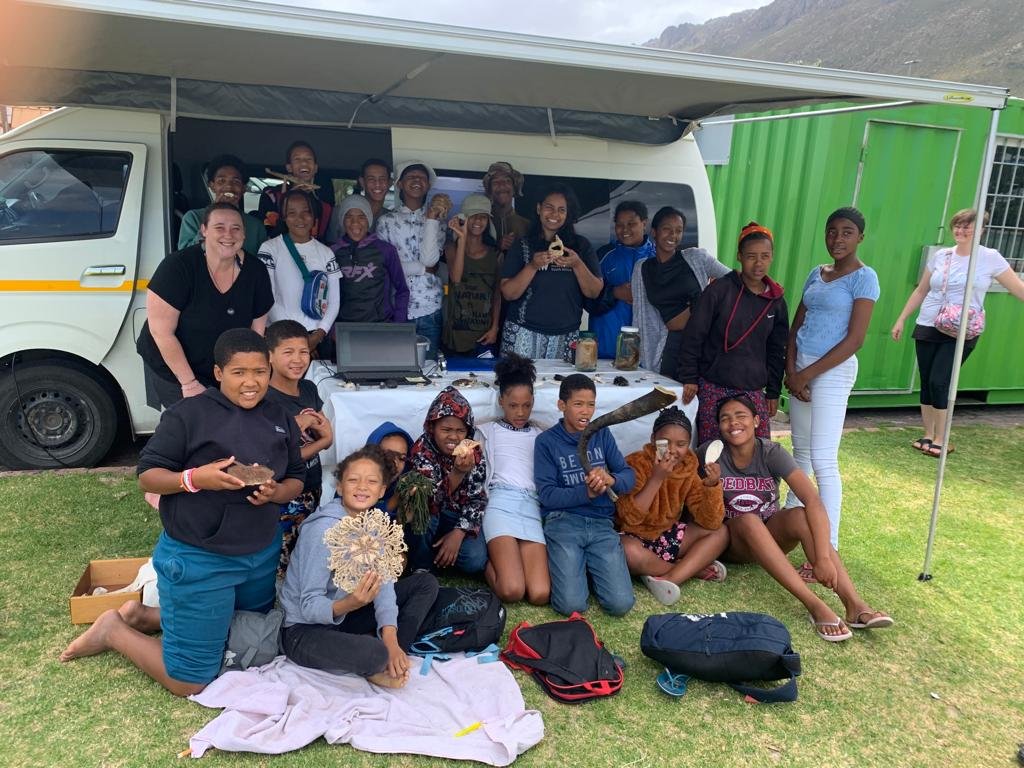
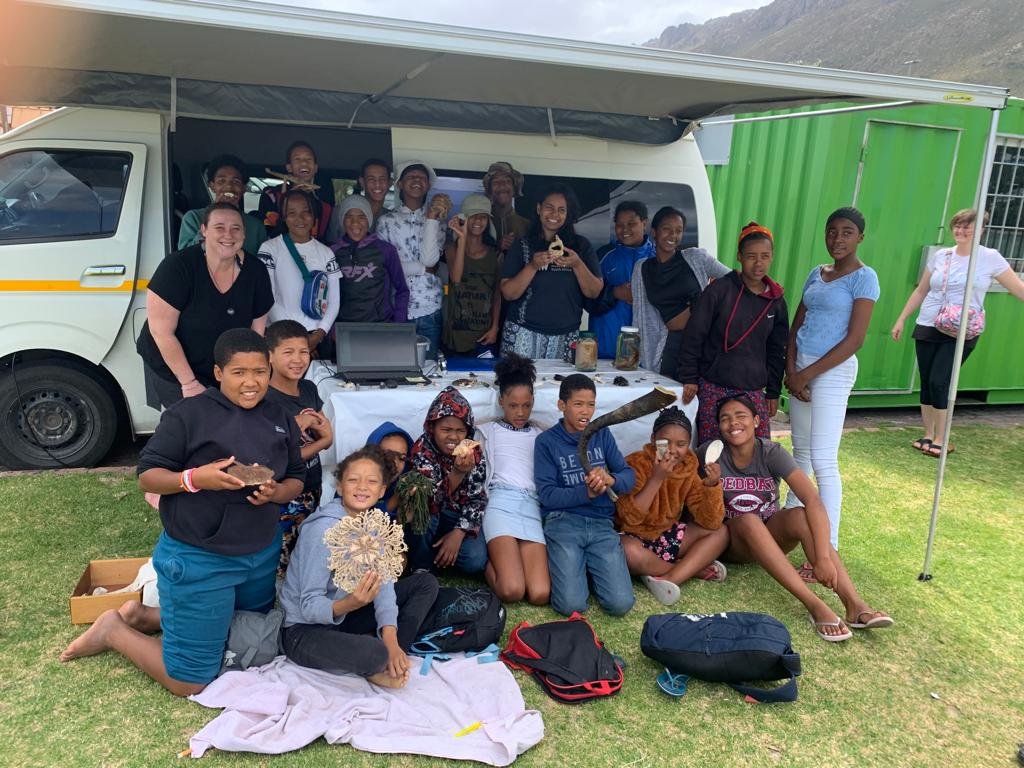
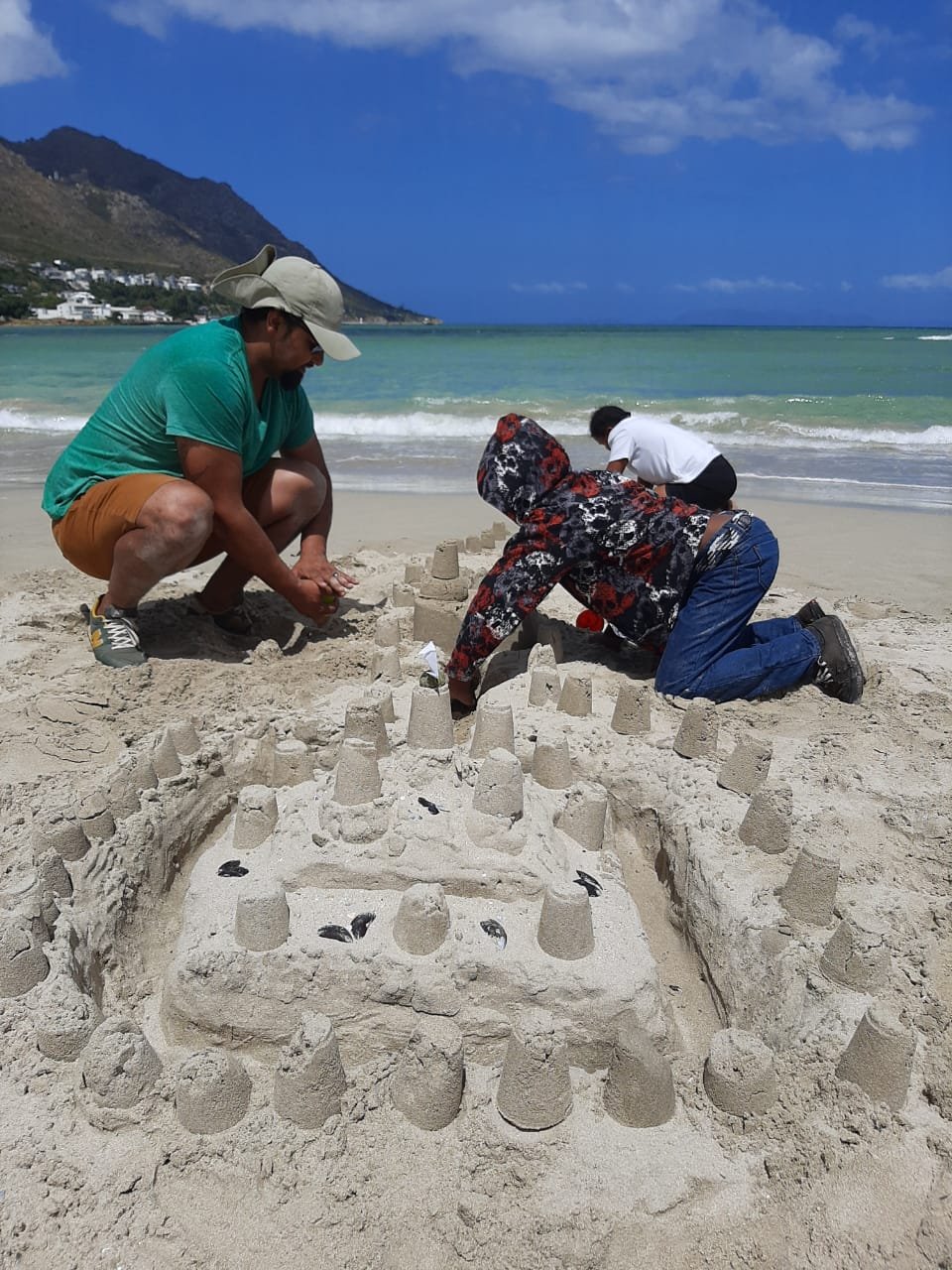
The CWBR facilitated a Marine Science outing for 24 youth from a community in Franschhoek last year at the start of December. The educational component was facilitated by Dr M Boonzaaier-Davids (marine biologist from Iziko Museums of South Africa), and CWBR facilitators. The outing took place at Gordons Bay and the group learned about marine research and museum collections with some teaching specimens from the Iziko South African Museum. These included jars with baby sharks and rays, fish, starfish, octopus and other marine invertebrates the group was able to view up close. There was also a sandcastle competition.

Dr M Boonzaaier-Davids teaching the youth

The group posting with marine specimens

The outing concluded the National Geographic Marine Science Engagements as part of Dr M Boonzaaier-Davids Early Career Grant to perform research on micro-invertebrates.  Her research focused on Filling in the gaps: Investigating benthic faunal diversity of South Africa’s understudied coastal regions. Explore her profile on National Geographic: Dr M Boonzaaier-Davids.

The CWBR facilitated a relaxed day at Gordons Bay beach for fifteen mums and their babies who have attended the December 2023 Flourish classes. For many of the mothers, and all the babies, it was their first time by the ocean. After a short talk about the location, the ocean, tides and the rocky shore organisms, mums were free to enjoy the beach with their babes and some even ventured into the shore break.

An unforgetable day for the whole group, the mums thoroughly enjoyed the excusion to Gordons Bay

As part of end-of-year celebrations, a CWBR partner Care Career Connection who work with people with mental and physical disabilities, were funded a day outing to Two Oceans Aquarium. It was a first-time experience for all beneficiaries who thoroughly enjoyed it.

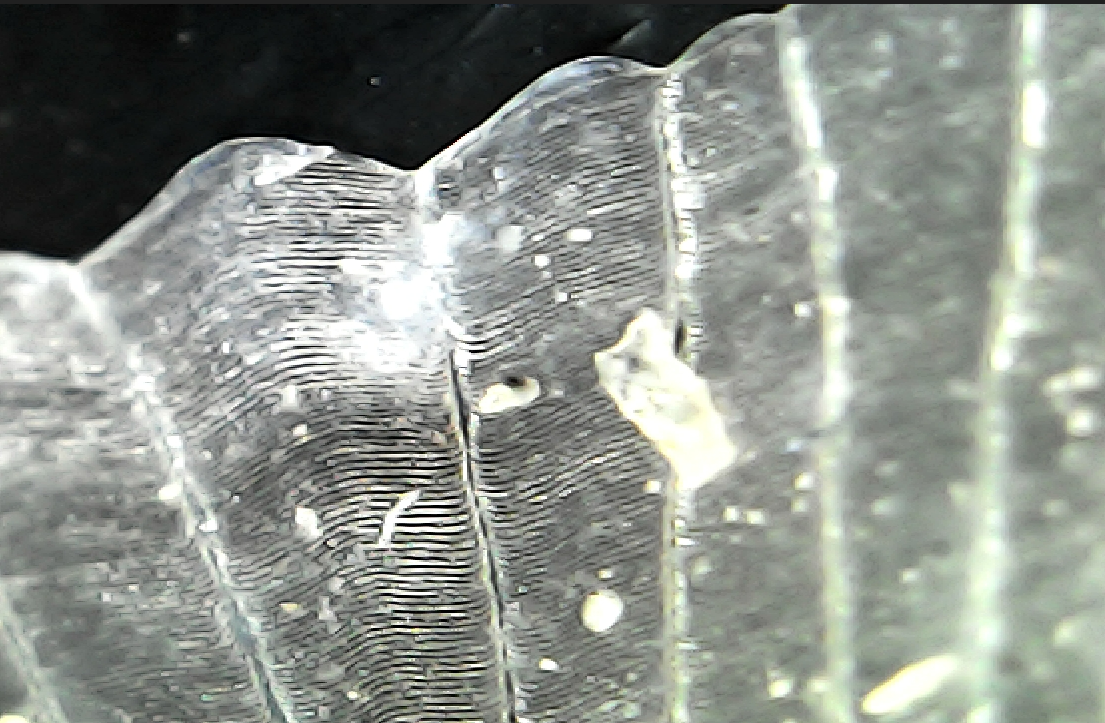
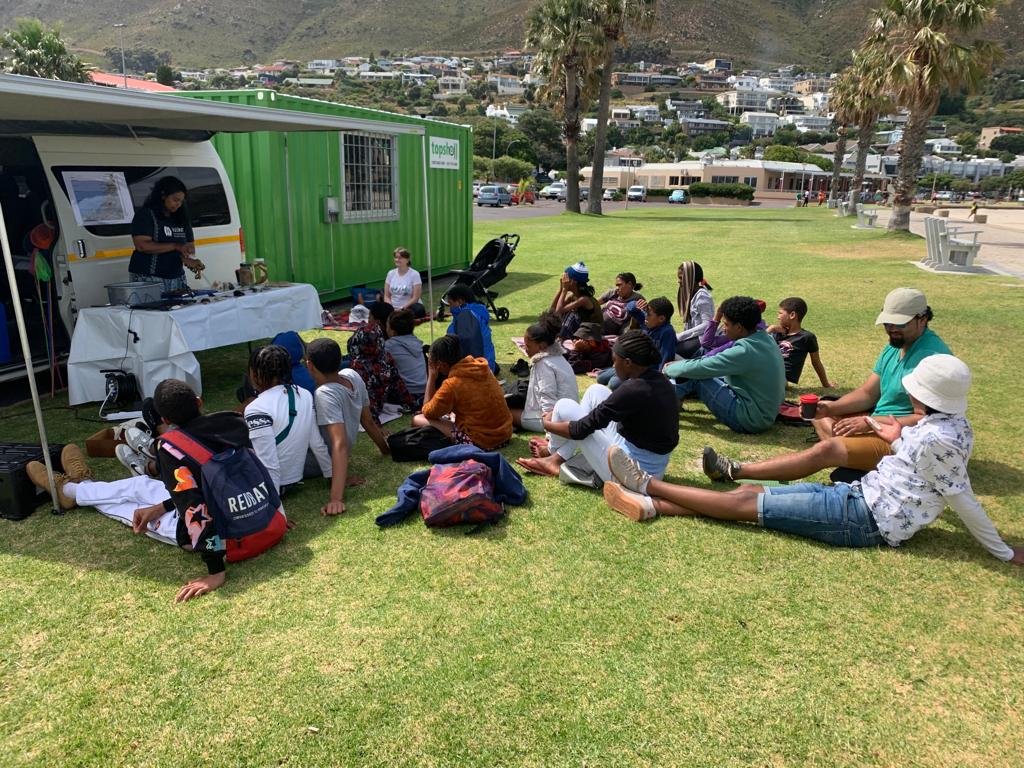
The CWBR team was invited to host a lesson on Fish, utilizing the mobile educational unit STEAM-Y for the Grade 2’s at Bridge House as part of their lesson plan, to add a hands-on component to what they are learning in the classroom. The pupils had a basic knowledge of fish but were excited to be able to see inside a fresh fish as many of them had never been fishing before. The focus was on what makes it possible for fish to live in water. Together with the CWBR team, the students were able to locate the various organs, including the swim bladder, spinal cord, lateral line, gills, ovaries etc. The digital microscope was used to magnify scales. The students saw the lines on the scales that are used to age a fish.

Outdoor classroom

Fish Scales - Digital Microscope

Learning fish anatomy

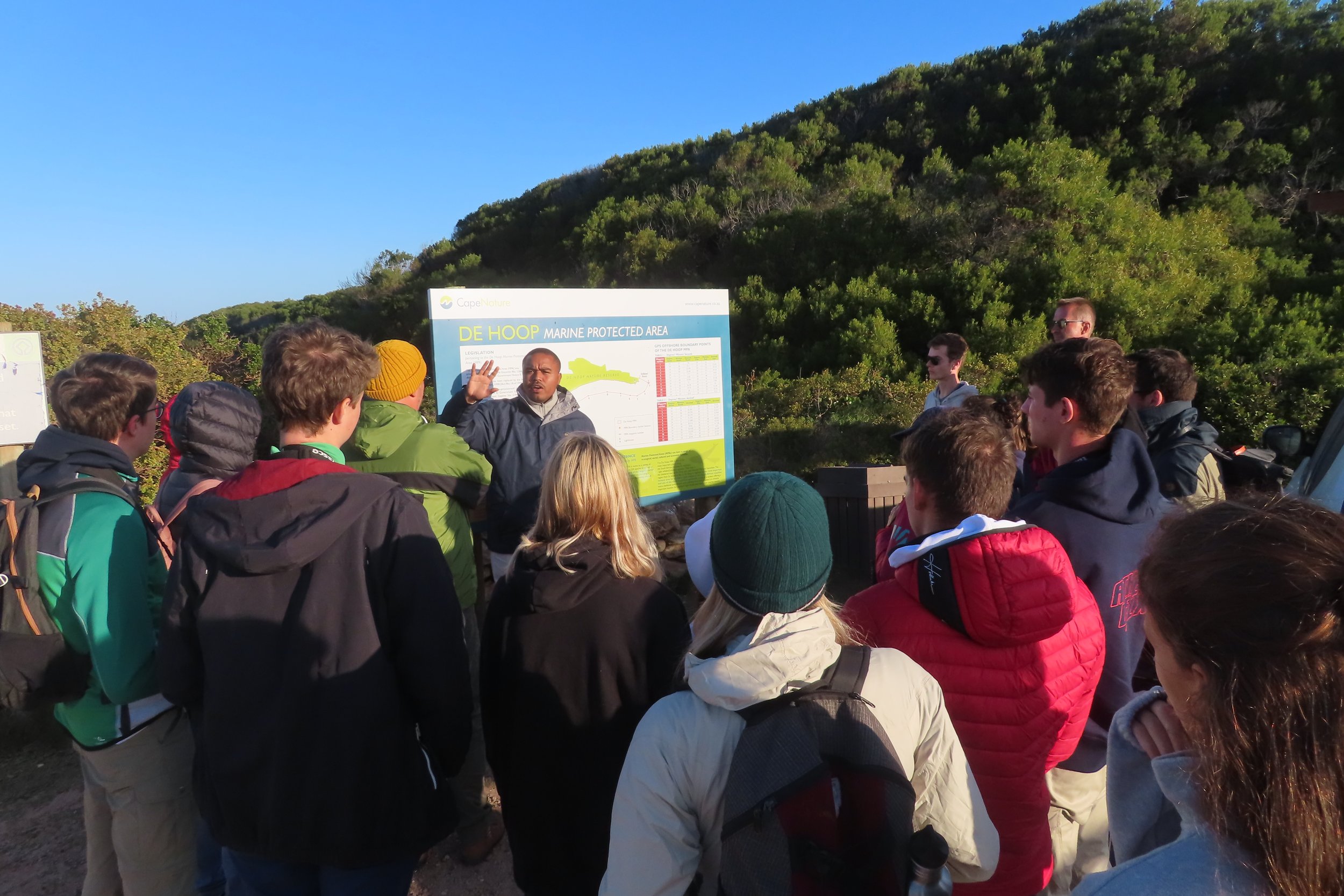
The CWBR also assists De Hoop with their yearly Social Outreach Programme, bringing youth who have never seen the ocean to the pristine area to experience camping under the stars, a marine guided walk along the Rocky Shore, and a safari drive.  Several of the marine guides were trained through the CWBR facilitated FGASA and Life Skills Programme. Now giving back through the De Hoop Social Outreach Programme.

The CWBR is also a member in the World Network of Island and Coastal Biosphere Reserves, a forum of cooperation and networking to exchange knowledge and share possible solutions.

Celine Macdonald
Stakeholder Workshop

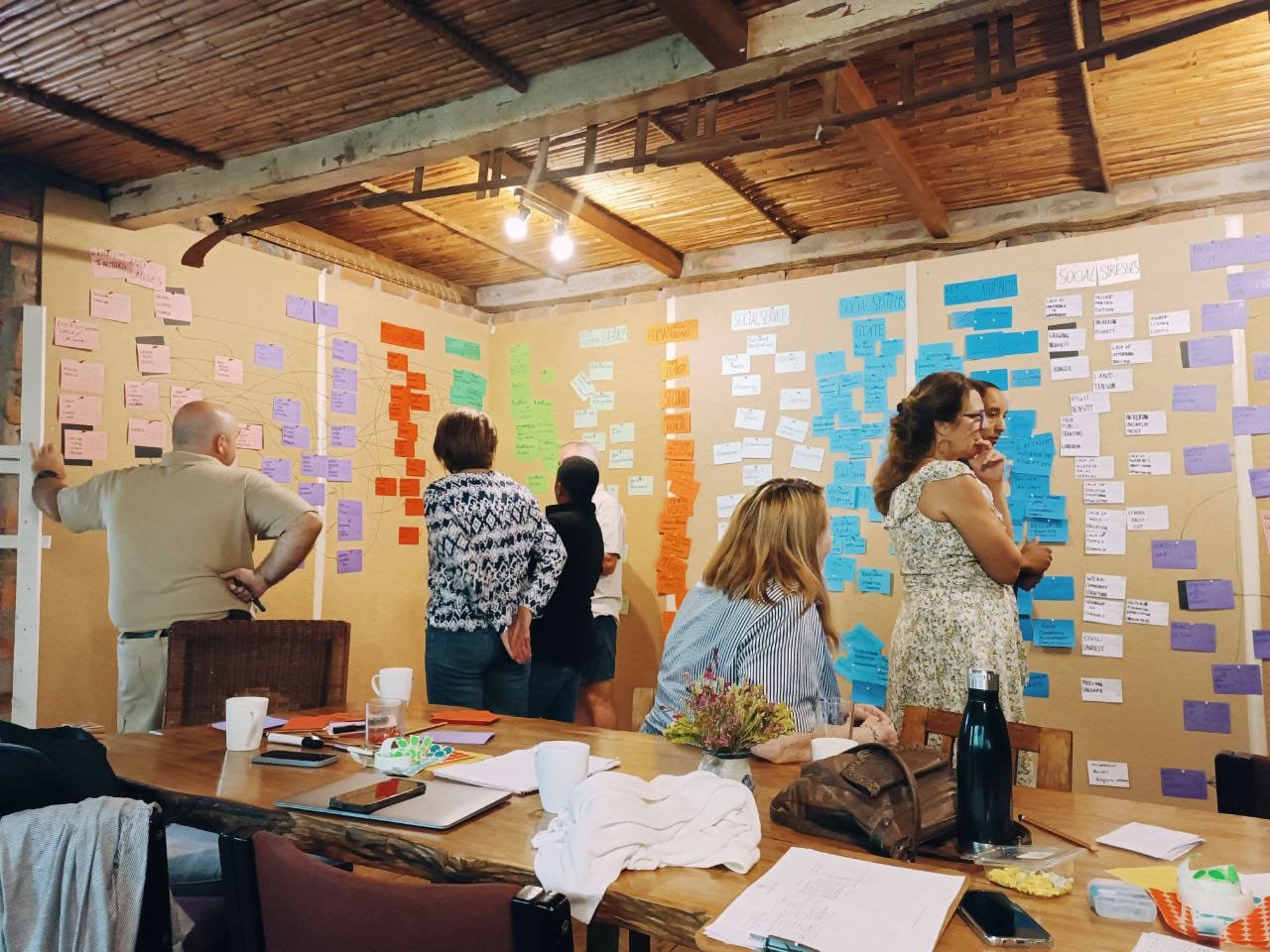
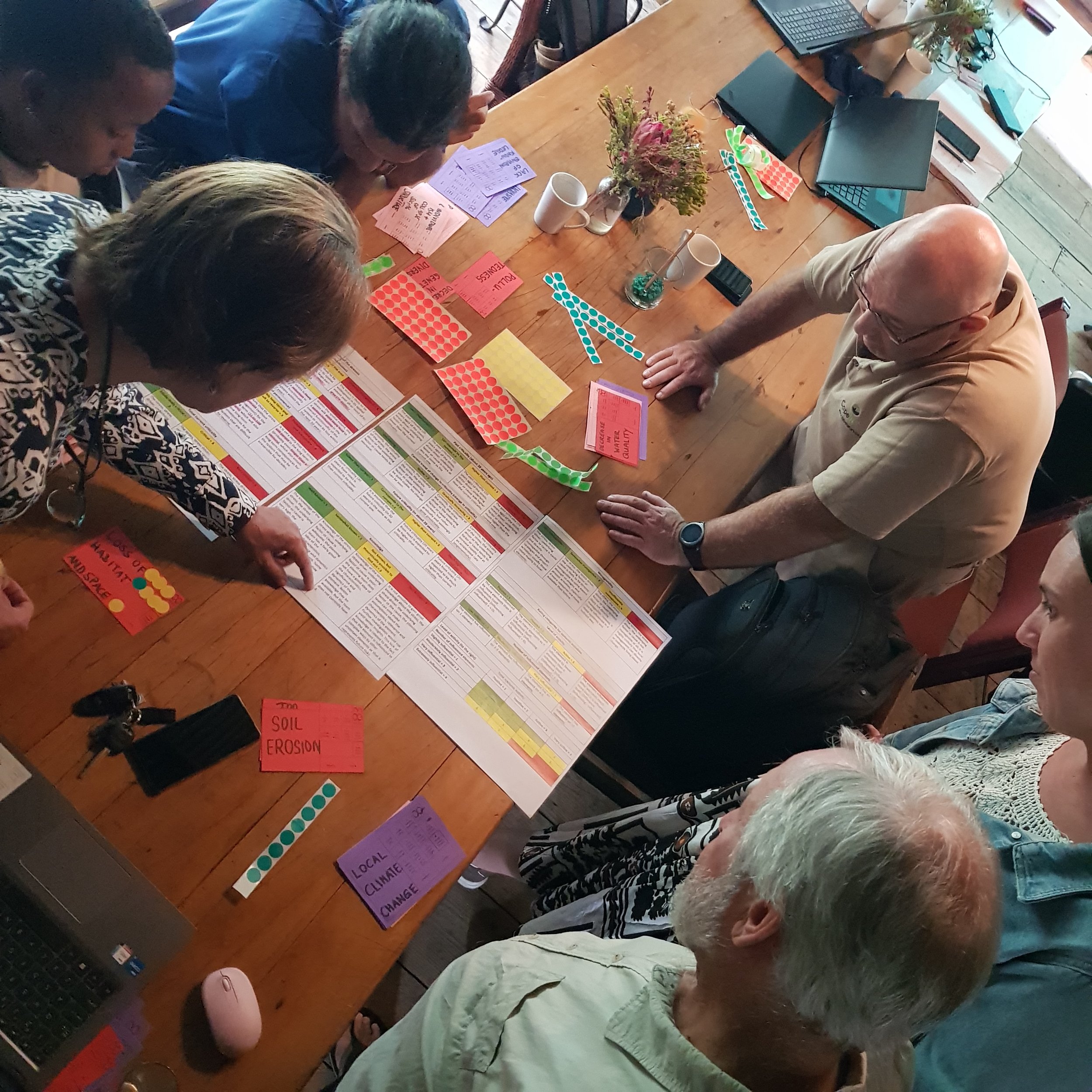
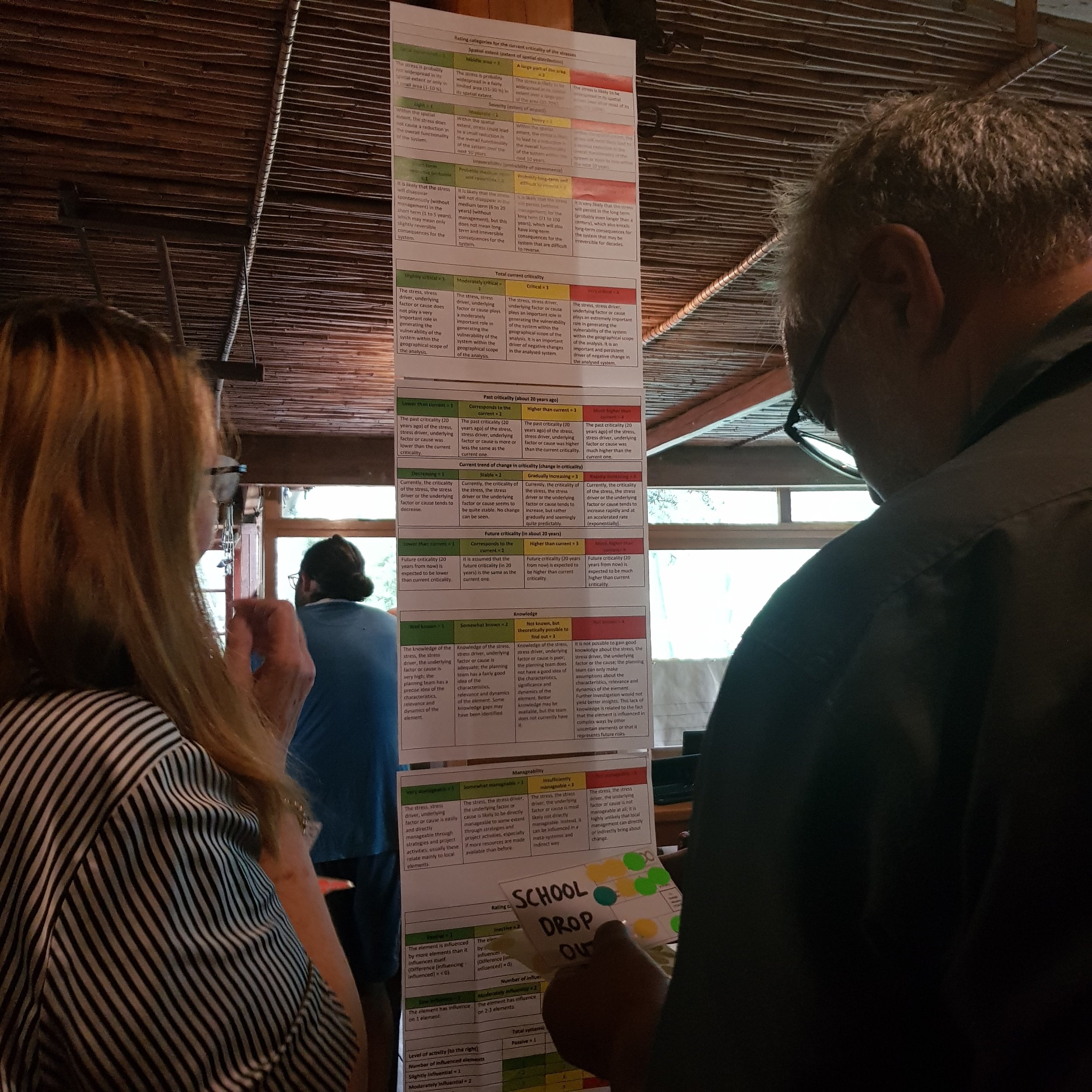
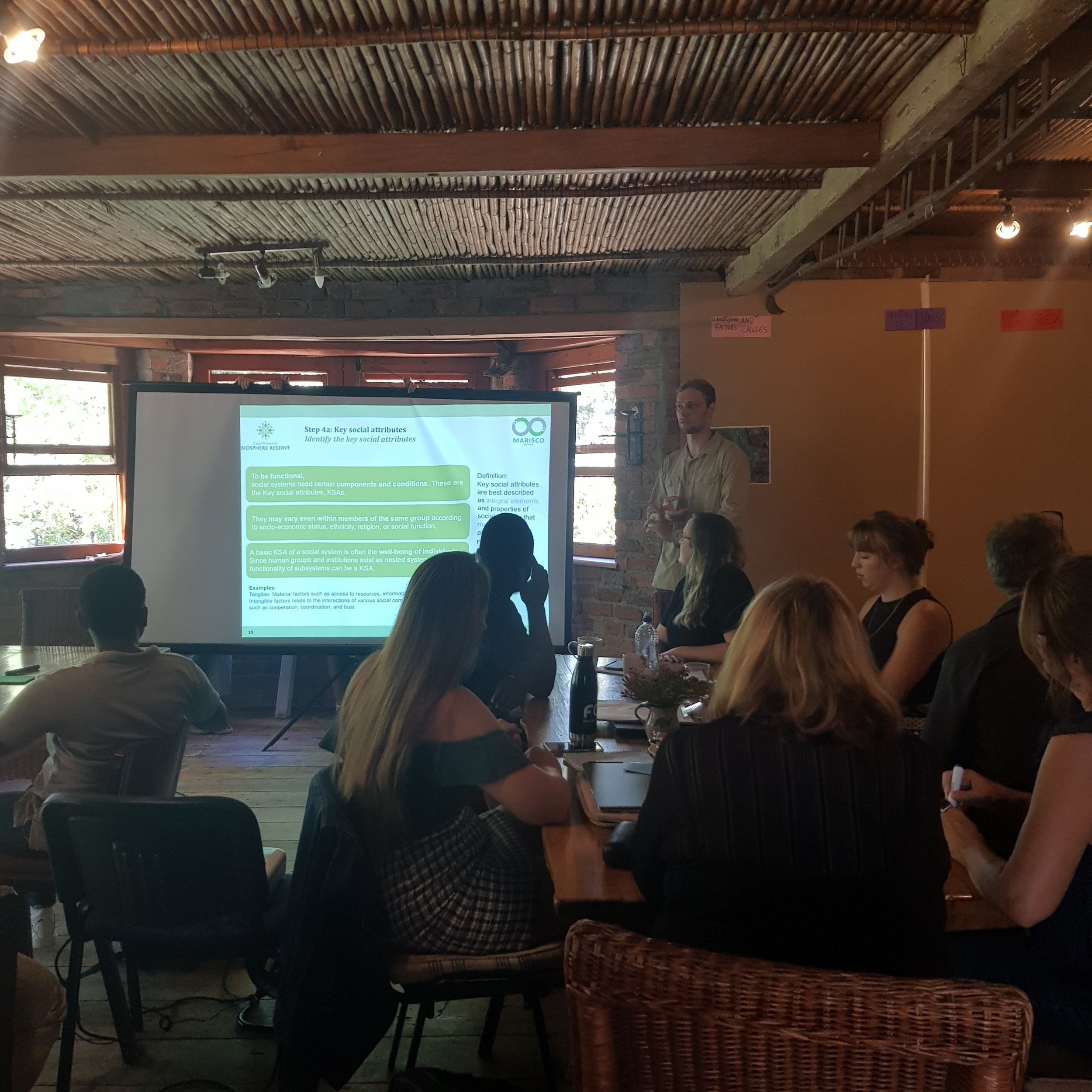
Over the last two days, two of our interns from Eberswalde university, hosted an introductory workshop on the MARISCO method. The workshop was combined with CRIDA, and the information gained will feed into the Be Resilient Project.

The MARISCO method is an approach to adaptive ecosystem-based management which was developed at the University for Sustainable Development in Eberswalde in Germany. The method brings together different stakeholders from the Biosphere Reserve, which are then developing in a joint effort a systemic model of the region. Highlighting current and future risks, threats and stresses, we will generate a shared understanding of the ecosystem around us and its vulnerabilities, enabling us to work on sustainable solutions and strategies for the future.

Find out more:

MARISCO https://www.marisco.training/             

CRIDA https://en.unesco.org/crida

Full document: https://unesdoc.unesco.org/ark:/48223/pf0000265895

Celine Macdonald
The first camp of 2023

The Cape Winelands Biosphere Reserve team has hosted its first two-day camp of 2023 in January, bringing together local youth from two different communities in Franschhoek. Just in time for starting school, the camp focused on helping them set positive intentional goals for the new year.

The first day started with spending time at the back of the Berg Dam. The youth were asked to close their eyes and listen to the silence surrounding them in the nature reserve – far away from the usual sounds that surrounds the everyday life in their community. They then explored the area and enjoyed a refreshing swim in the pristine river. Then a group activity - reflecting on what dreams they have for themselves and what they would like to achieve.

Spilt into four groups, each team read the Dream about Bees Life Goals Story, taking the group on a journey with girl their age who wants to become a beekeeper. The story had a personal touch, as it’s based on real life and created by one of our current interns, who wrote it specifically for the camp. The youth were encouraged to write down their own goals and dreams, and for those who felt comfortable, to share what they wrote with the group. Together, they looked first at the bigger picture, then breaking it down to yearly goals and planning, that can then lead to daily actions.

The evening pursued with a reflection session about first impressions of the camp and fun games, integrating youth from two communities who usually do not get along.

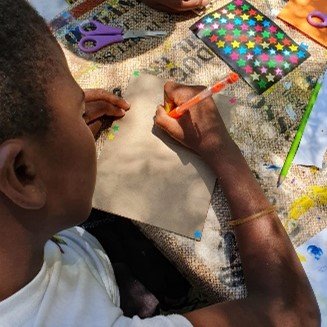
The following day they were tasked with creating individualized books for themselves to keep with them as reminders for their goals and dreams they want to accomplish. The group particularly enjoyed this activity, working together, and helped each other create the books.

In the last reflecting session, before returning home, the participants were asked to choose a person and share what they have learned from them. The group who initially did not get along, could share and appreciate each other at the end of the camp.

Celine Macdonald
December Wrap Up

As 2022 draws to a close, the Cape Winelands Biosphere Reserve (CWBR) team could not have asked for a better way to finish the year. A BIG thank you to all our supporters, partners, old and new CWBR team members, current and previous interns and volunteers: the extended Cape Winelands Biosphere reserve family near and far. All of what we do would not be possible without you.  

We were honoured to join the graduation and celebrate the 16 teachers who have gained their Certified NFQ Level 4 Teachers Qualification in December 2022, made possible through a Rotary Global Grant ‘The Early Childhood Development (ECD) Legacy Project’ led by Rotary Club of Franschhoek and Drakenstein Valley.

The CWBR team started our journey alongside the ECD carers offering them bi-monthly teach-the-teacher outings since April 2021 until the commencement of their course in February 2022. In addition, transport was funded by the CWBR for eco-educational outings for the Legacy Project ECD’s who raised funds for entrance fees. The CWBR reached 218 children and 39 adults through this initiative. The teach-the-teacher project inspired further educational outings for teachers in other areas, and upon request from the Bonnie Peoples Project, the CWBR hosted a weekend programme for Bonnie Vale teachers earlier this year. Additionally, welcomed the Bonnie People Aftercare Youth and five teachers to the Cape Winelands in early December 2022 for a three-day educational programme. A total of 448 children and 94 teachers were reached since January 2022 through eco-educational outings and workshops for ECD Centres. 

In November, the CWBR team also hosted a three-day Anti-Poaching Snare Sweeps training facilitated by three ladies from the Global Conservation Force (GCF). 31 youth from several communities in the Cape Winelands area joined the three-day workshops. The group conducted Snare Sweeps in Idas Valley Reserve, Papagaaiberg Reserve, and Berg Dam Reserve, learning practical hands-on knowledge to take back to their communities. The event was instigated through and followed a weekend workshop which took place in October, ‘Introduction to Snares and Emergency Wildlife Response,’ arranged by Cape Leopard Trust and facilitated by GCF. Attended by a CWBR facilitator.

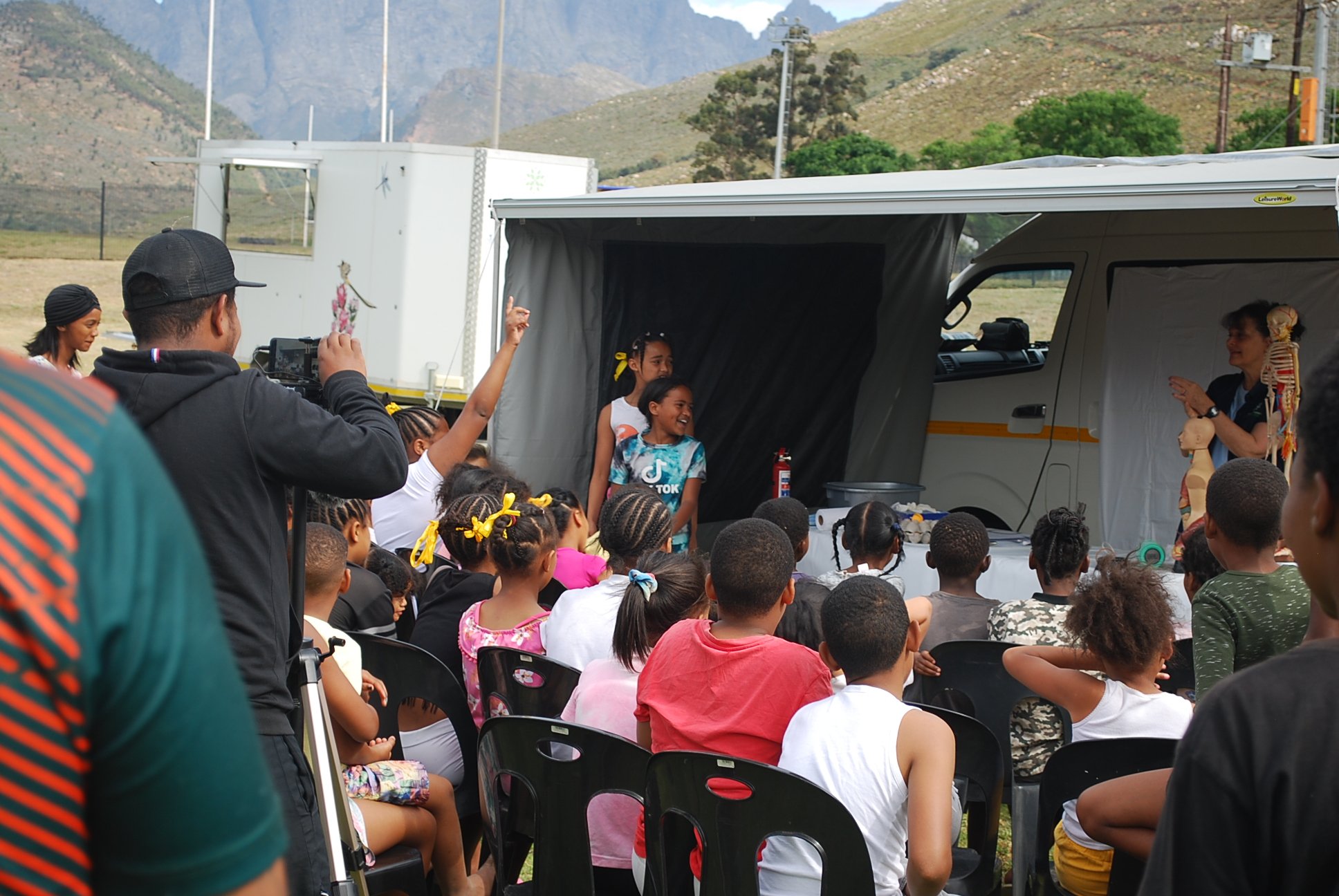
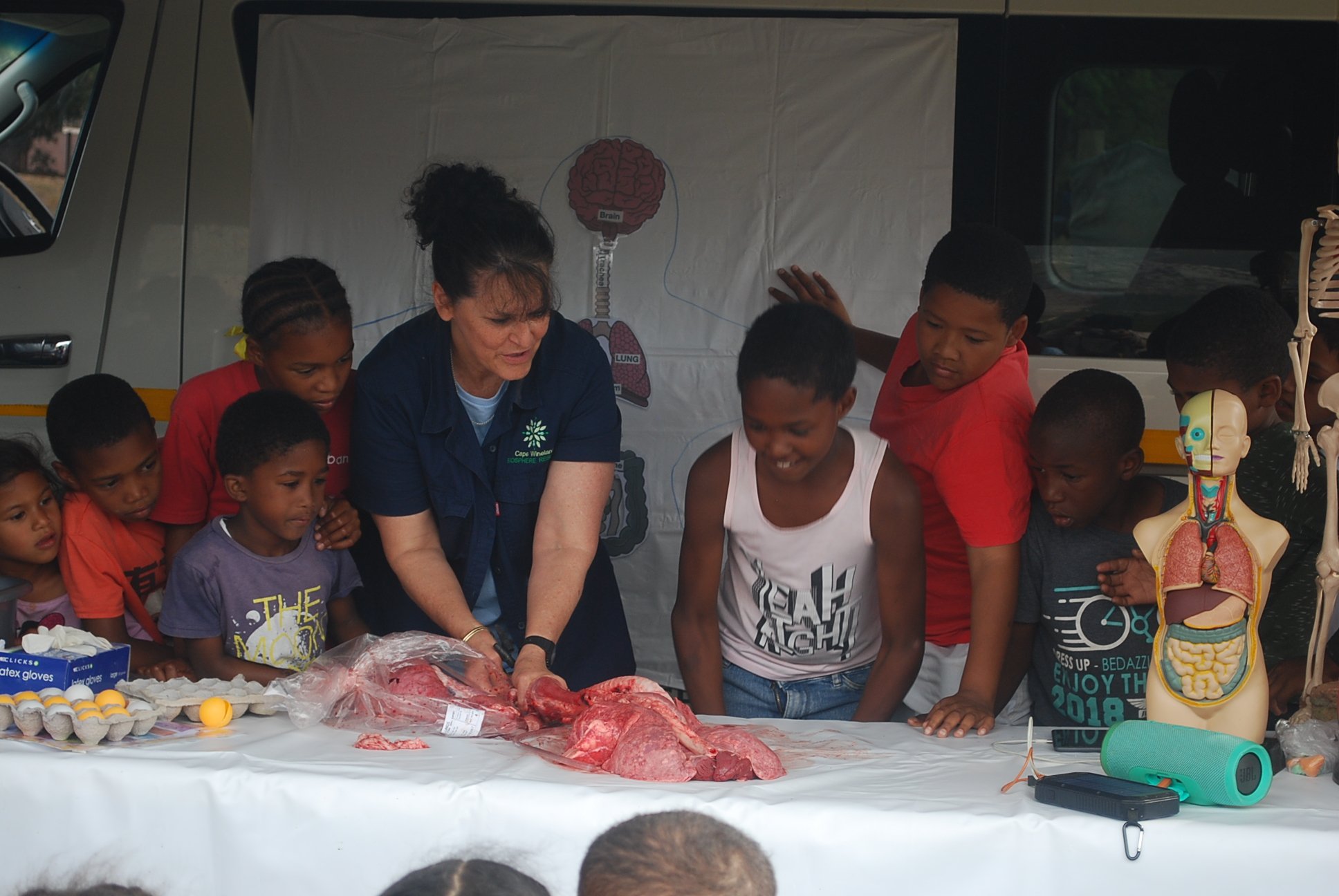
A very proud moment on the 3rd of November 2022, the International Day for Biosphere Reserves became official! As part of the week’s celebratory activities, an outing to the source of the Berg Dam was facilitated for 60 children and youth from a community in Franschhoek. While walking into the catchment, the group explored their surroundings, fostering their connection with and learning about the importance of nature. An educational day was also facilitated using the CWBR mobile educational unit STEAM-Y (Science, technology, engineering, art, and mathematics for youth). Check out a video HERE

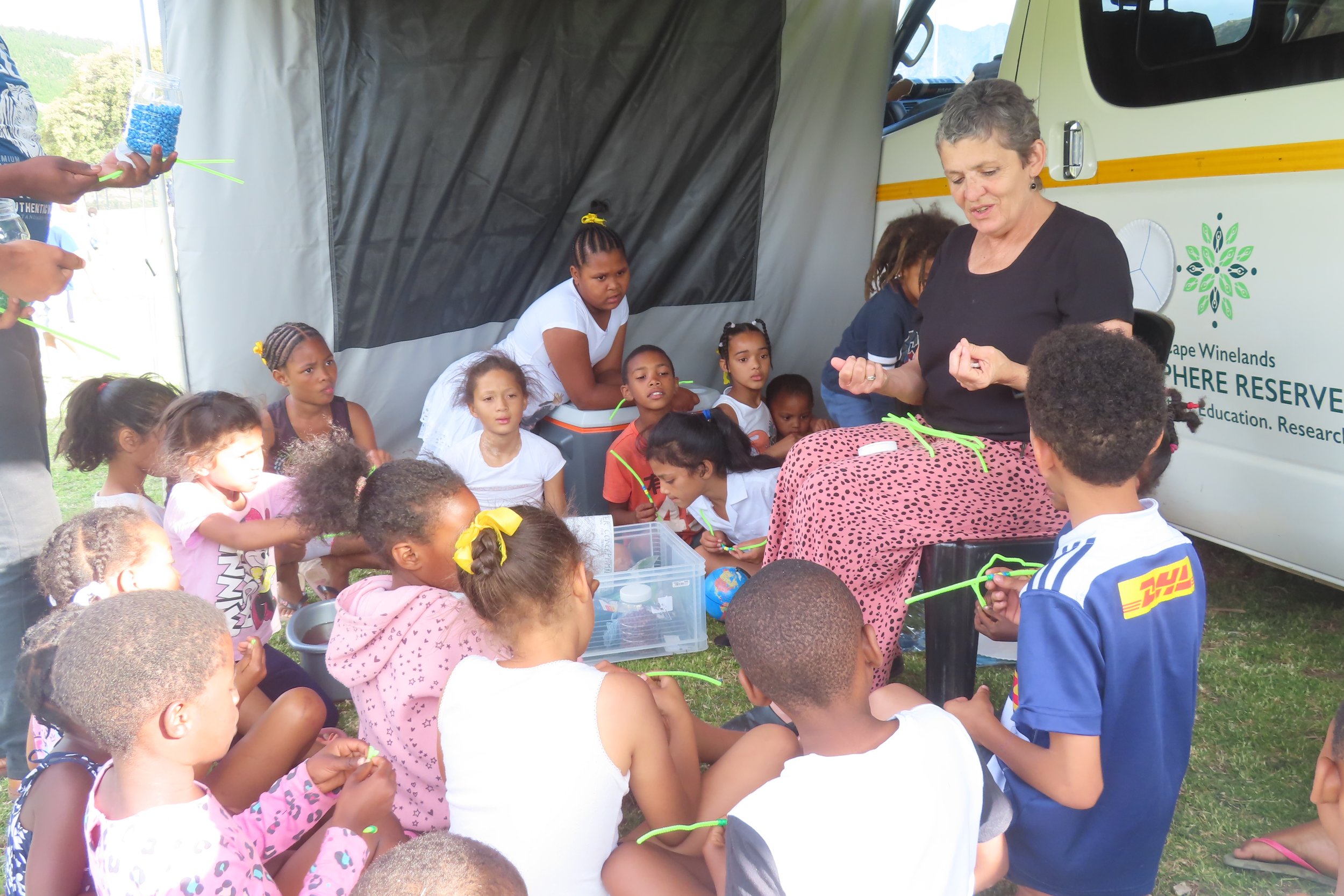
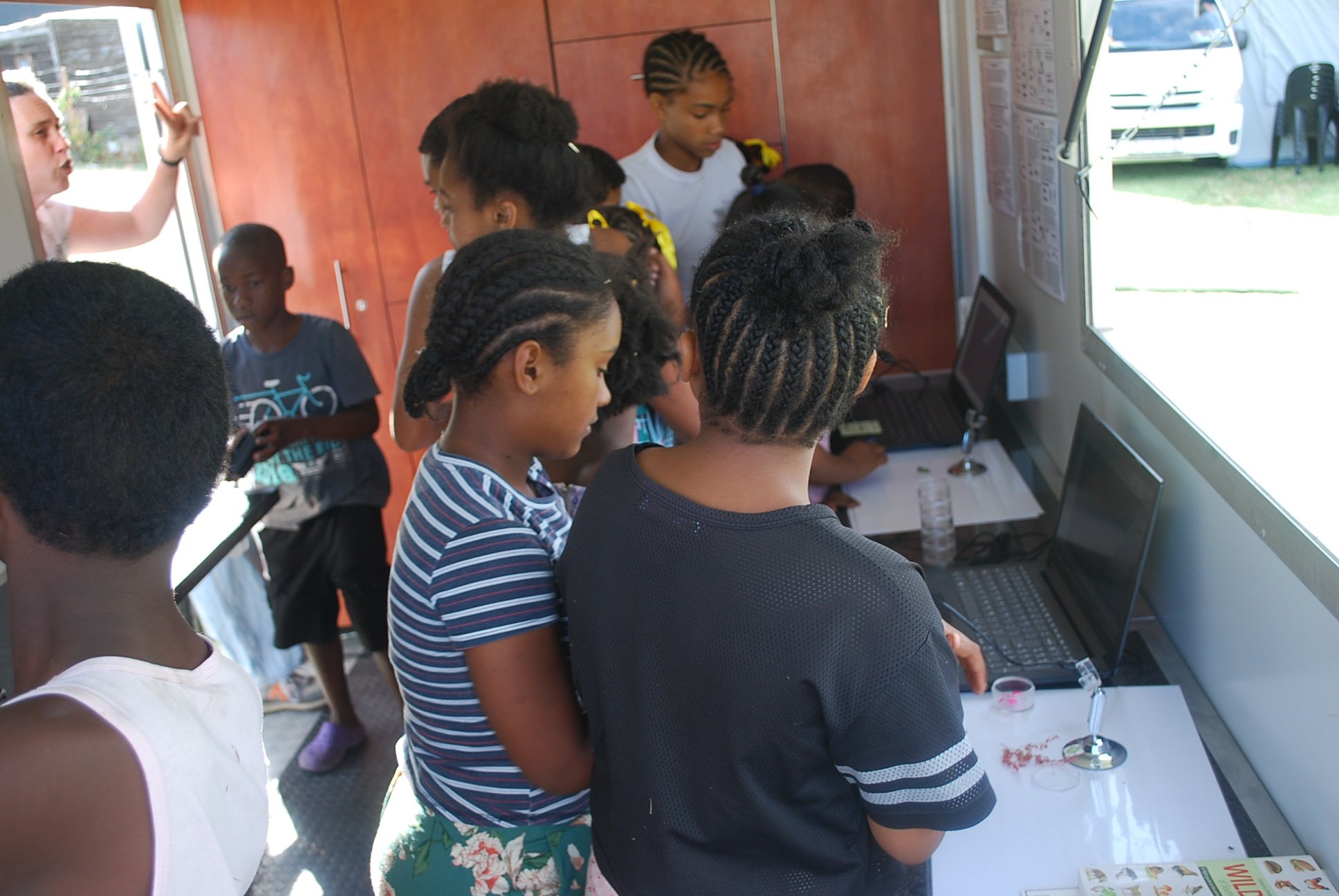
STEAM-Y has grown beyond its original vision and is still evolving. The CWBR, in partnership with like-minded organizations has reached 1926 individuals since January this year. Impactful initiatives including the Mobile Career Café, the Blossom Café, and ongoing holiday programmes have been established.

The same week in November, the other half of the CWBR team and 10 Youth Citizen Scientists travelled to Kruger to Canyons Biosphere Region to part-take in the 3rd National Catchment Ecological Infrastructure Indaba, in Hoedspruit. The Citizen Scientists are part of the UNESCO Be Resilient South Africa Project led by the UNESCO Regional Office for South Africa (ROSA). The CWBR team, together with UNESCO staff, launched the Citizen Science Community Engagement component in September this year. 

Since the launch, through various engagements, the participants have grown and learned more about themselves, their community, and grasped the opportunities with a thirst for more knowledge.

For many of them, they have come to understand the natural environment that surrounds them in a whole different way. In a curious driven scientific approach, they have been trained to use equipment such a water clarity tube (measuring turbidity and suspended solids), miniSASS kits (carefully capturing, then recording and scoring macro-invertebrates living in rivers to evaluate the health of a river), and PH strips, temperature, and dissolved Oxygen tests. Learning accessible skills through practical implementation, they previously thought were not within reach.

Four of the participants, along with four CWBR members, are enrolled in a Participatory Course for Activating Ecological Infrastructure for Water Security Learning networks.  The course takes place over three months from November 2022 – January 2023 with three two-day contact sessions and assignments that encourage collaborative implementation: combining science with work on the ground.

The group also attended a three—day course with Kartoza in December 2022, to learn about the field data capture tool which can be used to empower Citizen Scientists to collect data in the field using Mergin maps with the possibility to visualize it on the web. Gaining insight to the app they will be utilizing to collect data to be shared open source. The training also included QGIS training to have a deeper understanding of mapping and how the information will be used and distributed.

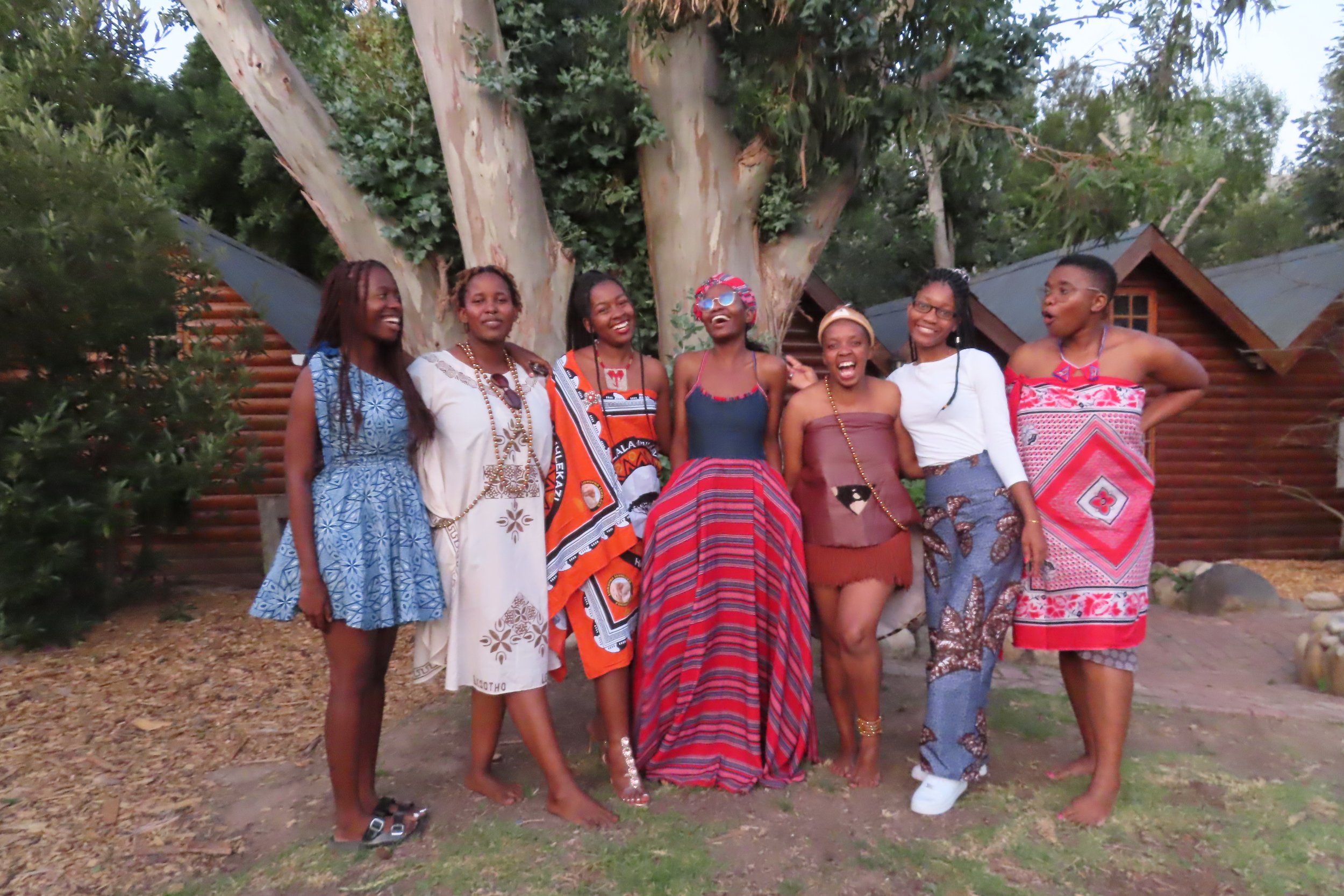
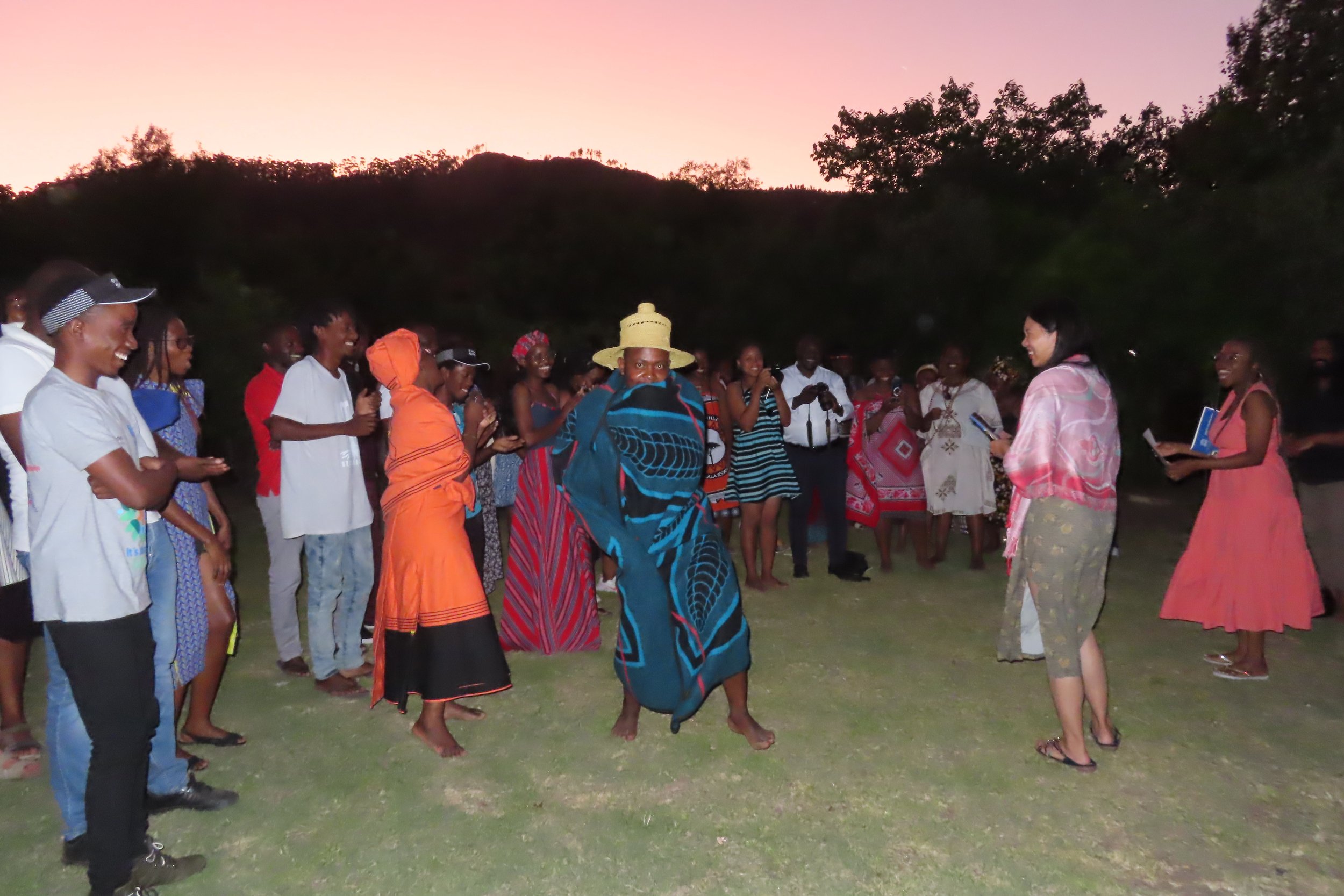
The CWBR team hosted the youth who attended the ROSA Youth Science Forum for two days in December. The group of 43 youth from biosphere reserves, heritage sites, and geoparks all over South Africa, together with 3 South African regional UNESCO office staff, were taken to the top of Franschhoek Pass. From a viewpoint, the group learned about the Watershed, different Catchment areas, as well as the geological location of the other four biosphere reserves in the Western Cape. A visit to the Franschhoek Water Hub was also done, where they met Dr Kevin Winter who explained the background, function, and what research is taking place there in how to biologically purify water. The evening followed with festivities, each participant wearing a traditional cultural dress from their region. With a backdrop of the Boland mountains and under a stary sky, UNESCO Certificates of Participation and Facilitation at the Youth Science Forum were handed out. 

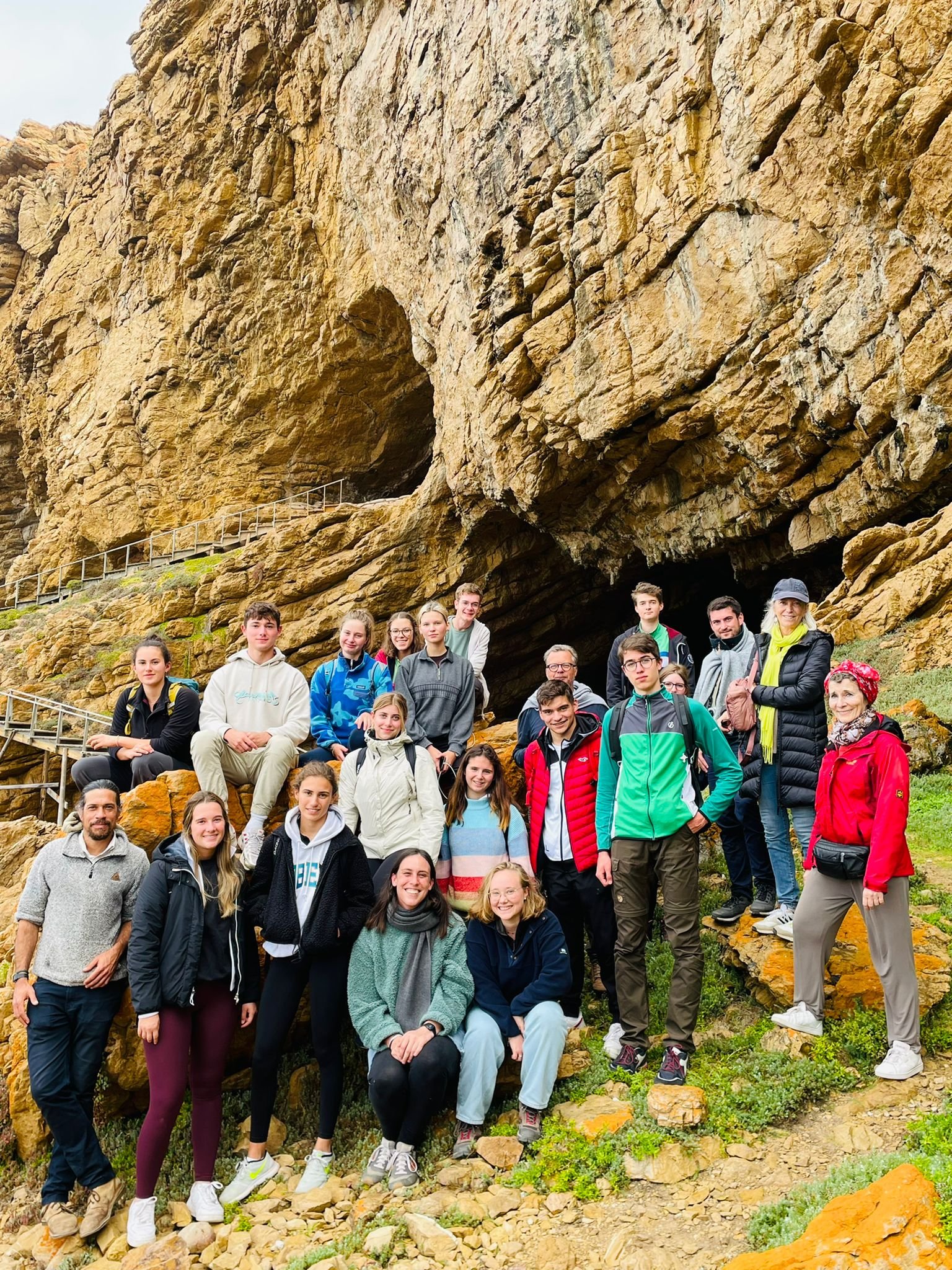
For the first time since the pandemic, in September, the CWBR team also welcomed back 21 students and teachers from Athénée Action Humanitaire school - NGO. The group spent two weeks with the CWBR team, part-taking in the Edulink projects, learning about biosphere reserves first hand, part-taking in a Photography Workshop with five students from Athlone High, and journeying on a cultural exchange exploring the different landscapes and cultures in South Africa.
A Marine Science Engagement took place in Gordon’s Bay with 24 youth from a community in Franschhoek. The event was facilitated by the CWBR team and a marine biologist, in collaboration with CWBR Board member Dr Melissa Boonzaaier-Davids. The ecological outing was initiated as part of her National Geographic Early Career Grant to perform research on the marine invertebrate communities of the rocky shores of South Africa’s understudied coastal regions.
In this last week before Christmas day, the CWBR team will be gathering with the mothers currently attending the last cycle of Flourish classes in Villiersdorp for their baby shower. A CWBR facilitator regularly contributes to the programme, through lesson plans including ‘Eating Solids,’ facilitating Pre and Postnatal Yoga, supply of fresh vegies from the CWBR Hub Food Garden, and general support to the Flourish host.

The Be Resilient participants are also busy this week, engaging with their communities in Climate Risk Informed Decision Analysis (CRIDA)Workshops. A CWBR facilitator, with an accompanying CWBR intern, has taken STEAM-Y educational equipment and camping gear to Twee Du Toll for a five-day holiday programme in collaboration with CapeNature. Youth from communities in and around Ceres as well as Franschhoek communities has joined the event.

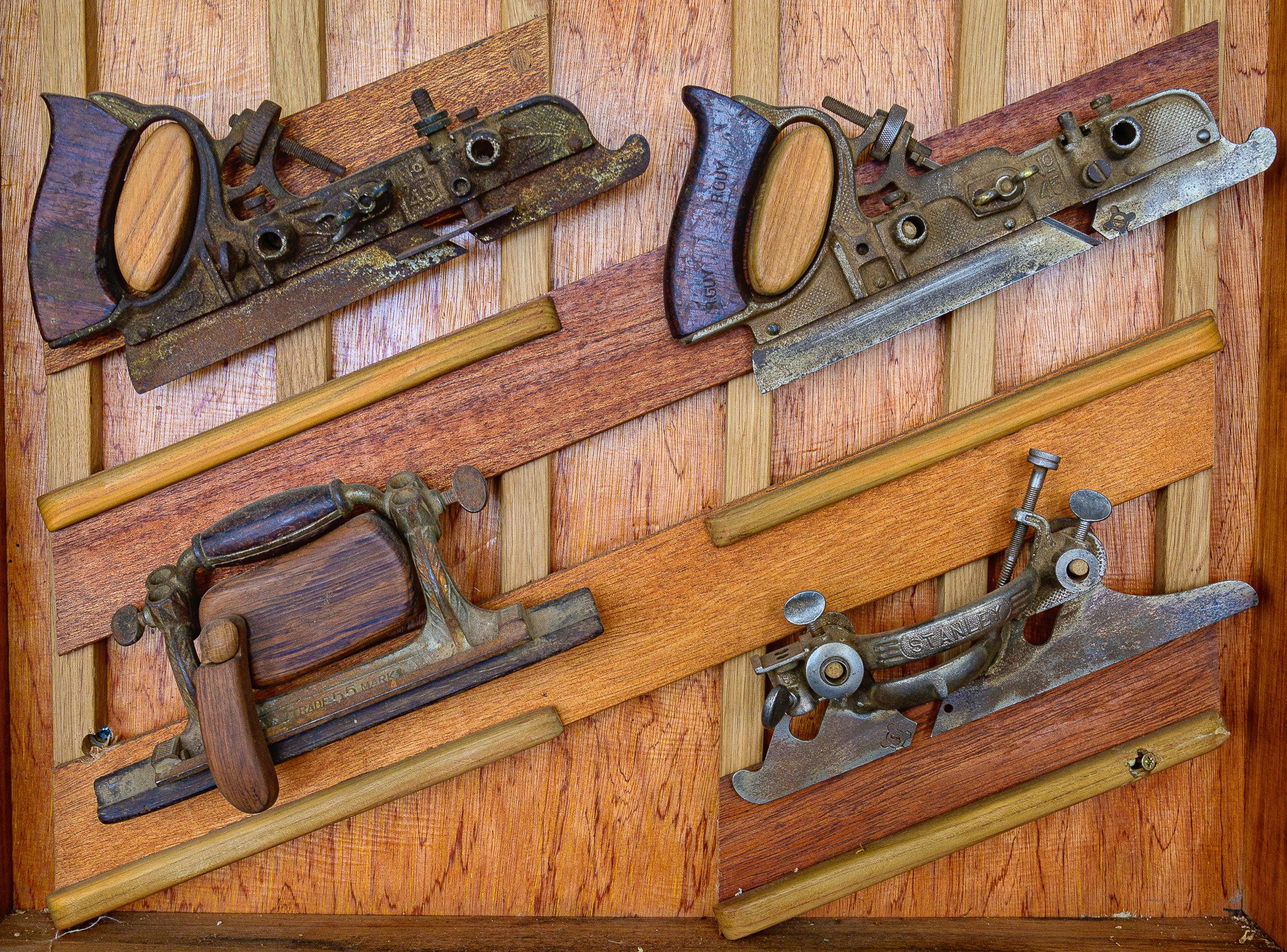
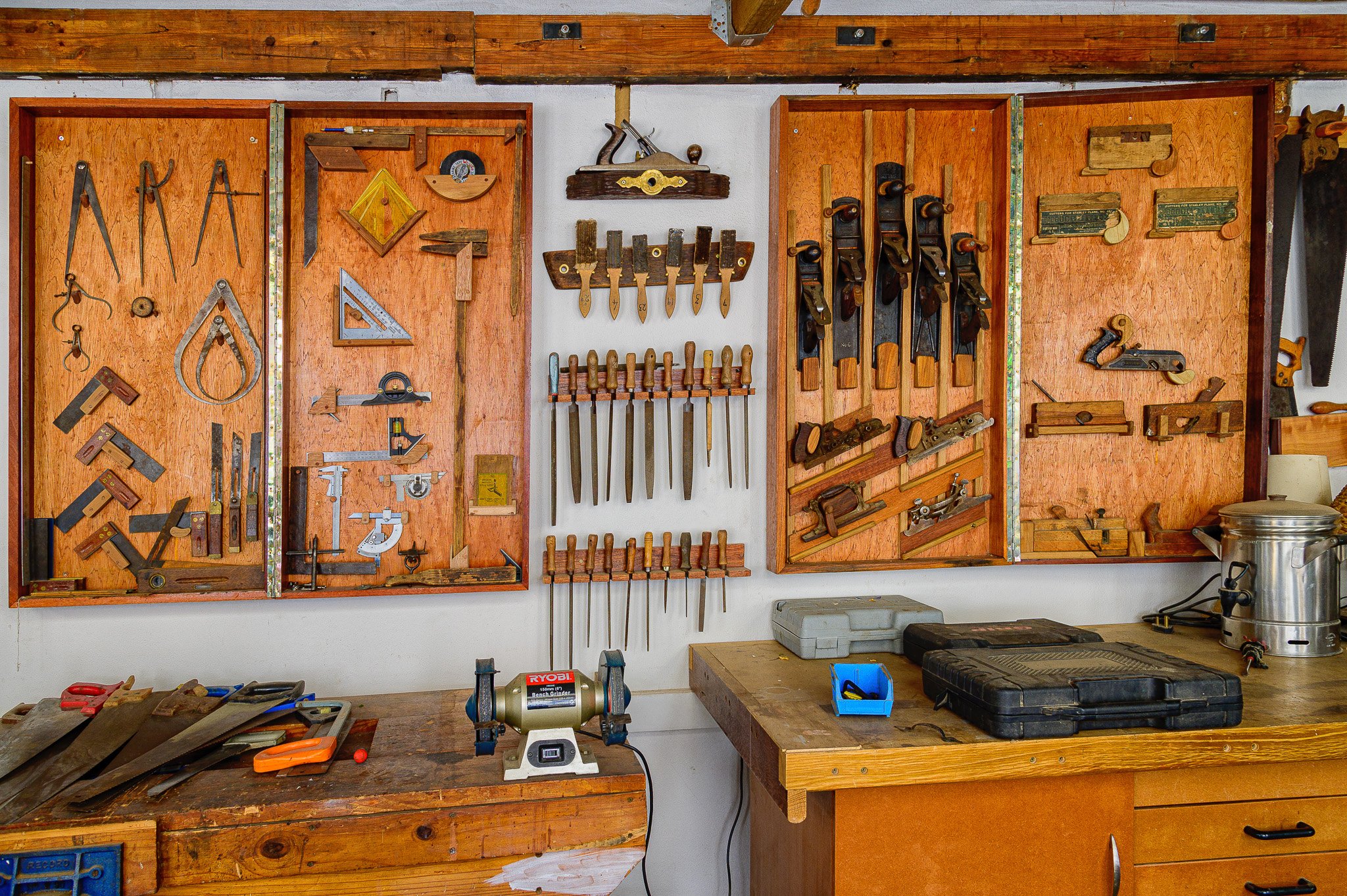
At the CWBR Hub in Franschhoek, the CWBR Wood Workshop, a space to learn the artistry and skill of Woodworking, is fully equipped and ready to welcome the first group of students in 2023.

This year, in addition to three international volunteers from Luxembourg, the CWBR has also welcomed three interns from Eberswalde University in Germany for a three-month internship and research project as part of completing their studies in sustainable tourism, nature conservation and regional development.

One of the interns has taken on researching Biosphere Reserve to Biosphere Reserve tourism. In line with the SADC-UNESCO flagship programme “UNESCO journeys in Southern Africa,” the vision is to create a holistic tourist experience that has a positive impact on the sustainable economic development of the Biosphere Reserves and their surroundings. All five Biosphere Reserves in the Western Cape will be joined by a tourism route giving tourist's the option to choose responsible accommodation, food and activities. The aim with this unique venture is to provide equitable career opportunities to local communities while contributing to nature conservation projects at the same time. 

A fantastic busy end to a very eventful year. A BIG thank you again to all involved!

Wishing a happy festive and adventurous season,

The CWBR team

A Heritage Day Never to be Forgotten

Introduction:

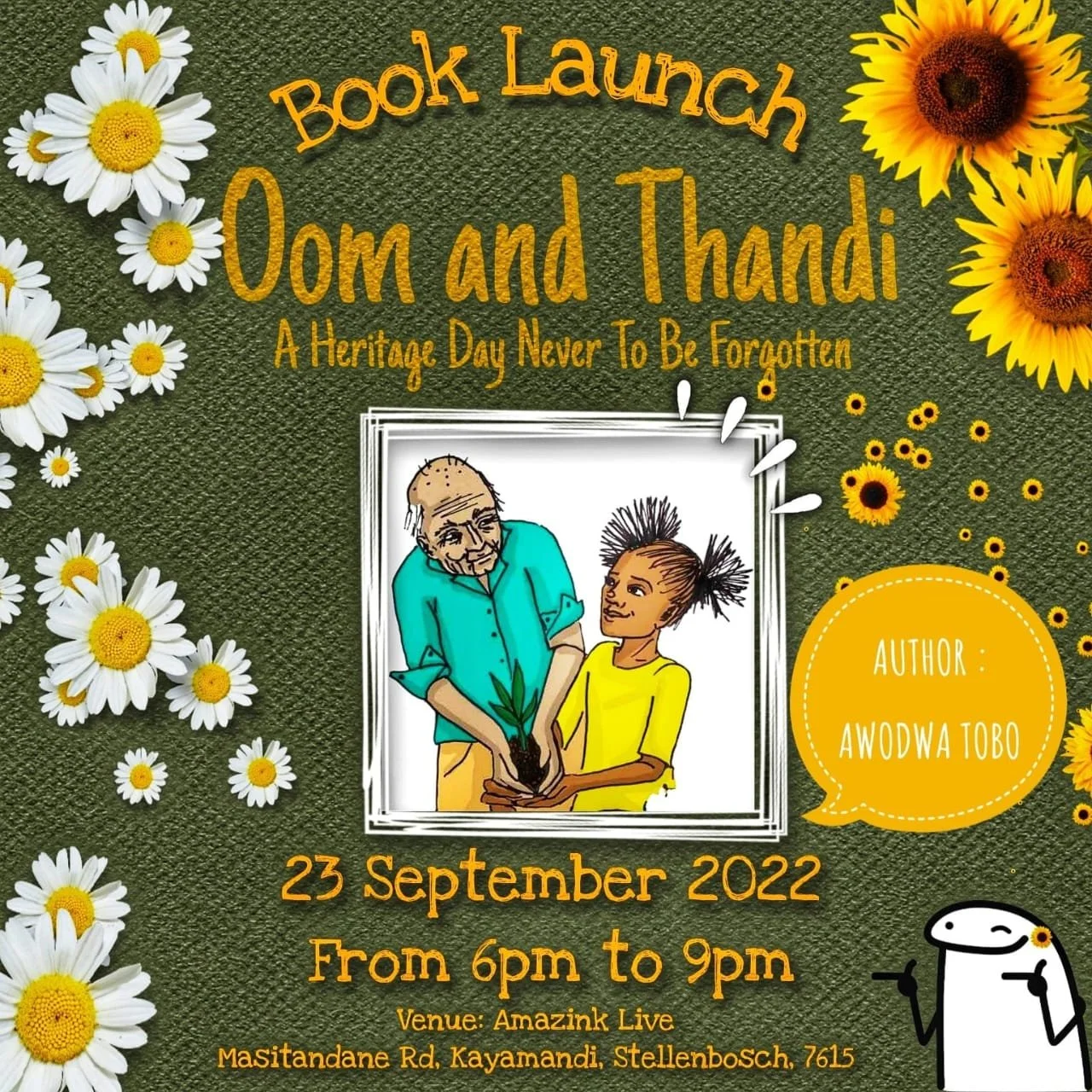
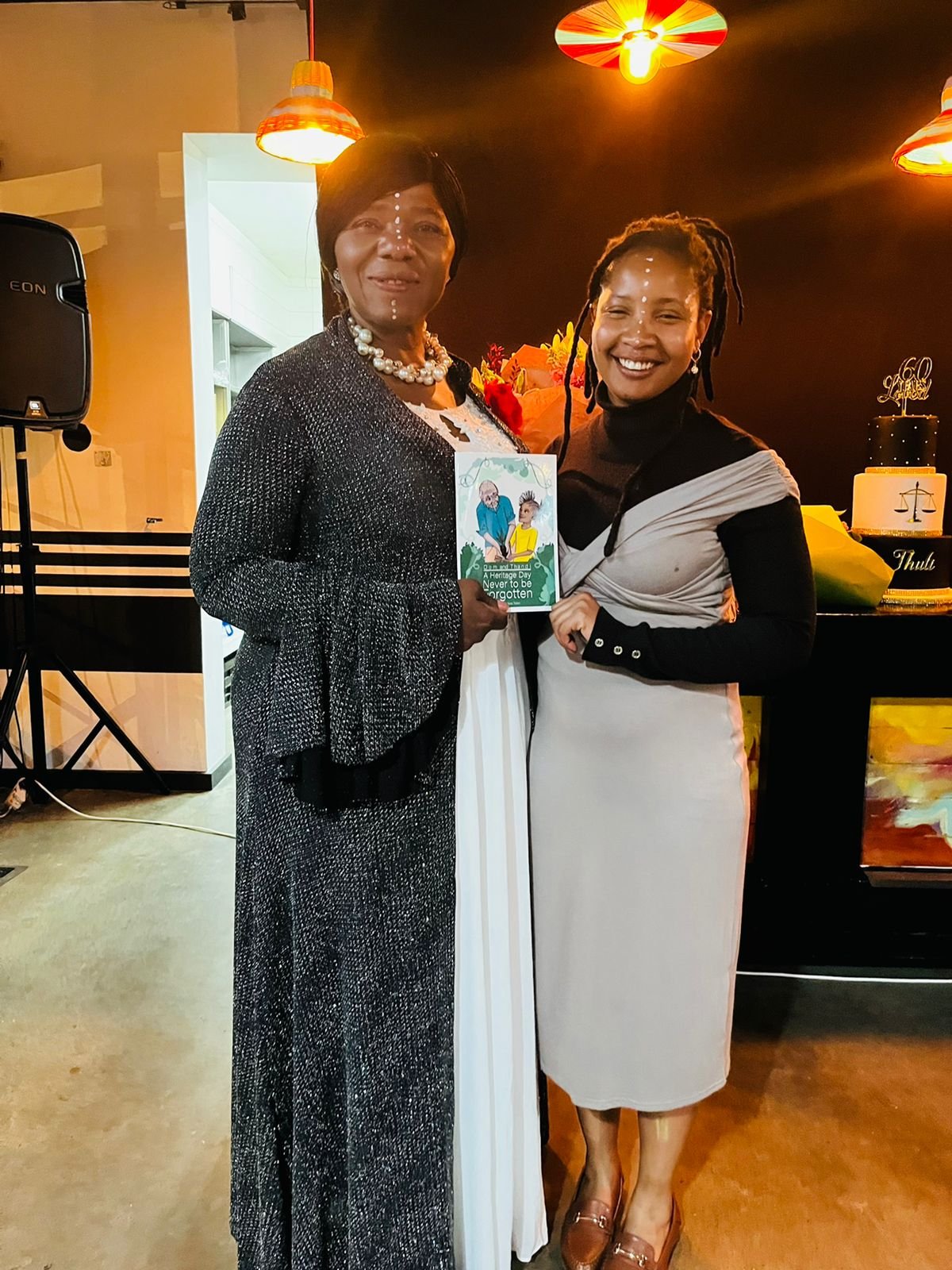
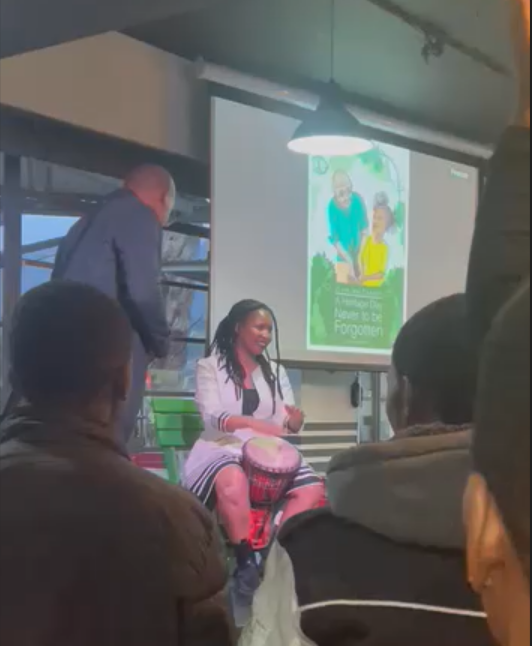
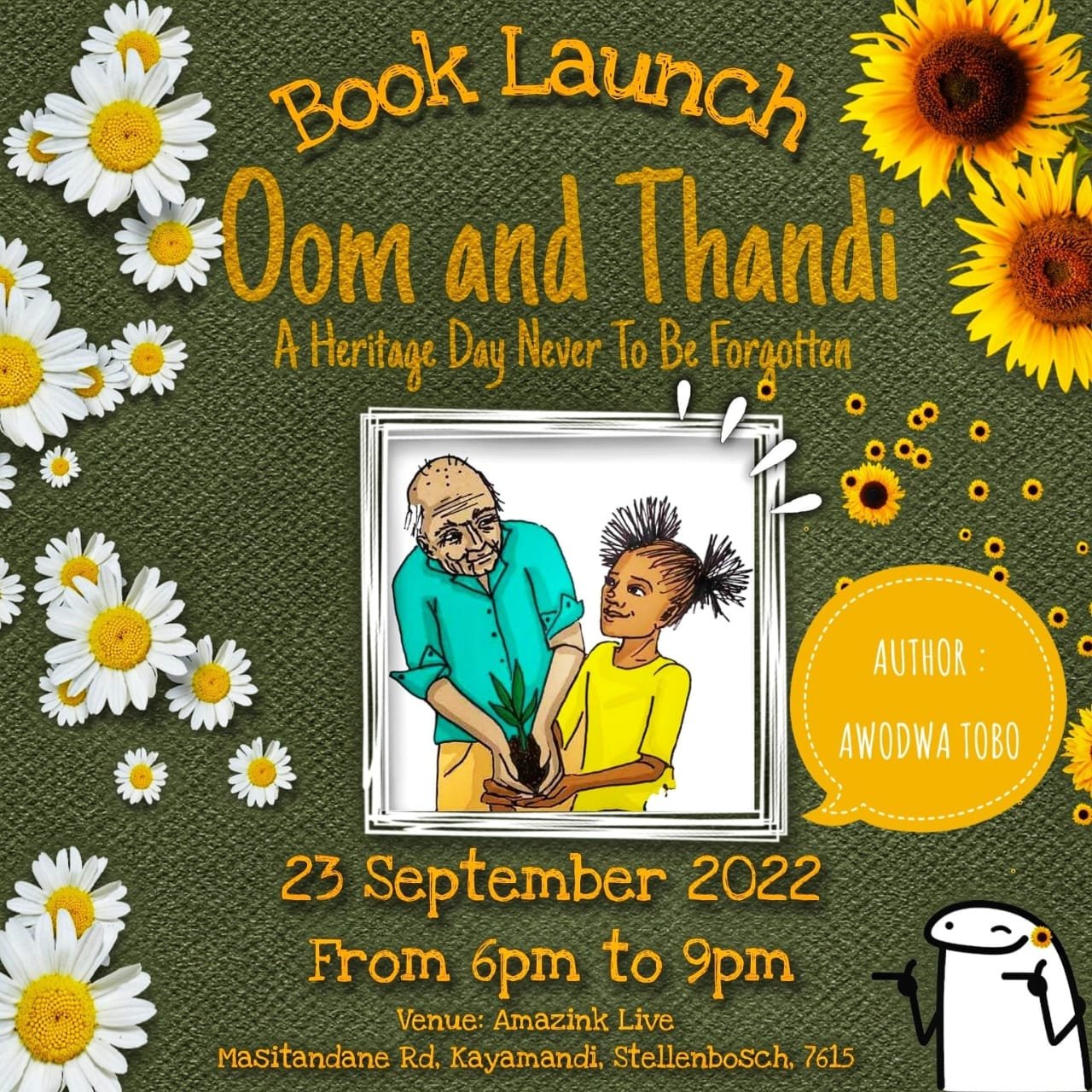
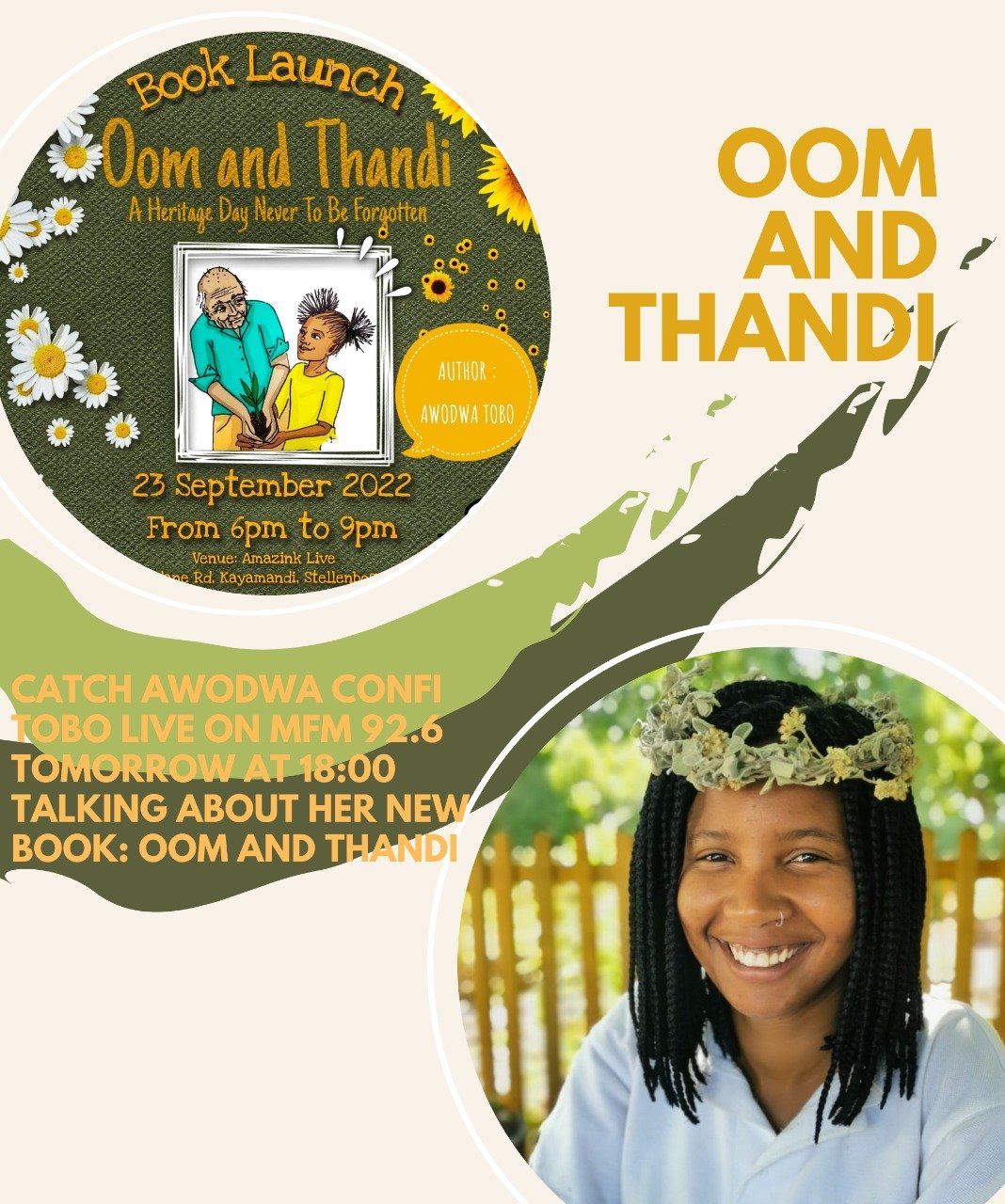
Awodwa Confidence Tobo, one of our Cape Winelands Biosphere Reserve Youth Board members, shares a very special occasion for this year’s Heritage month. On the 23rd of September, she hosted a launch in Khayamandi of her recently published book ‘Oom and Thandi: A Heritage Day Never to be Forgotten.’

The Book Launch

Oom and Thandi: A Heritage Day Never to be Forgotten is based on true life events. I learnt about Oom’s passing after a spiritual trip I embarked on in Nepal in 2017. After a year of mourning him, I believed that it was time to honour the memories we shared together. And that is how and Oom and Thandi was birthed.

The book highlights themes such as race, prejudice, discrimination, and power dynamics between Oom and Thandi and the community they live in. They face a lot of scrutiny because one is old and white, and the other, young and black. Both were born in two different places, Oom from Germany and Thandi a township in South Africa, however they meet at a neighbourhood called Lovely Valley where they become friends. It is where they showcase, their friendship and ultimately, teach other about reconciliation and building bridges.

The book emphasizes how the two overcome obstacles of being judged by the colour of their skin instead of the kindness they show to each other. They help people in their community understand that friendships are about empathy, appreciation and understanding one another which soon becomes a success as their planned event that brings people together.

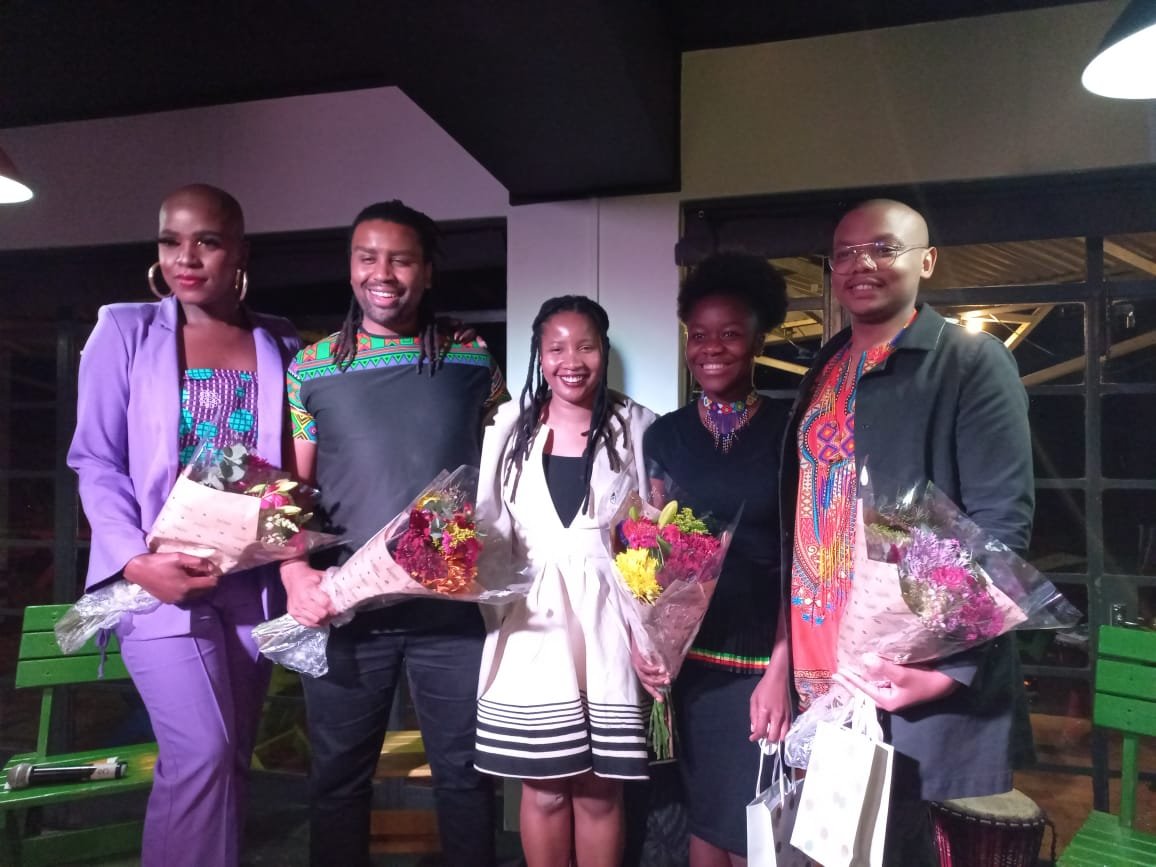
The book launch on the 23rd of September emphasized these topics, discussed amongst a panel and the audience, while we celebrated and dressed for Heritage Day. A meal was shared together, and the night finished with a drumming circle.

Stephen Smuts