‘Seeing the Unseen: The Value of Water’
Launch of Citizen Science programme and Climate Risk Informed Decision Analysis (CRIDA) stakeholder engagements
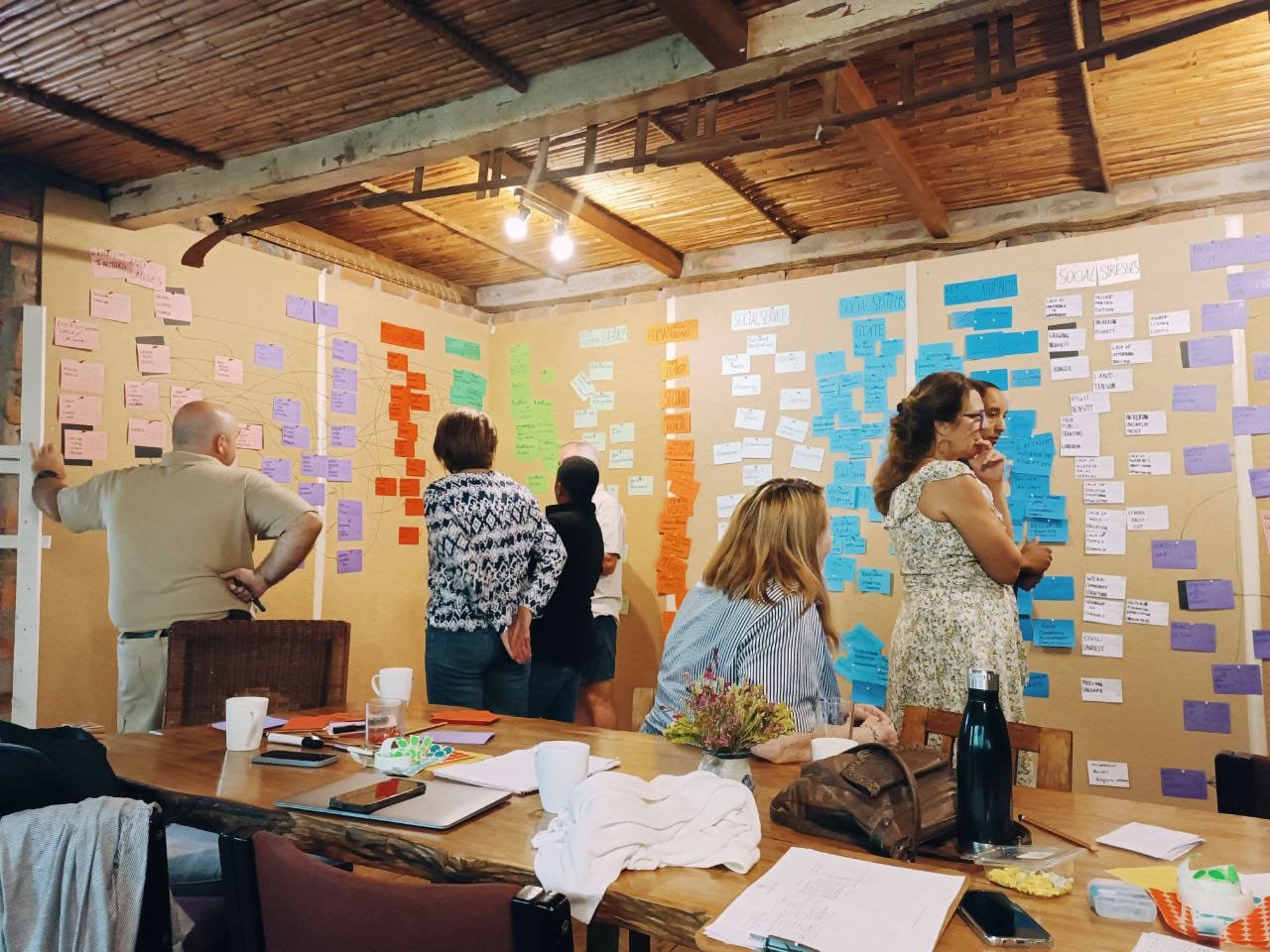
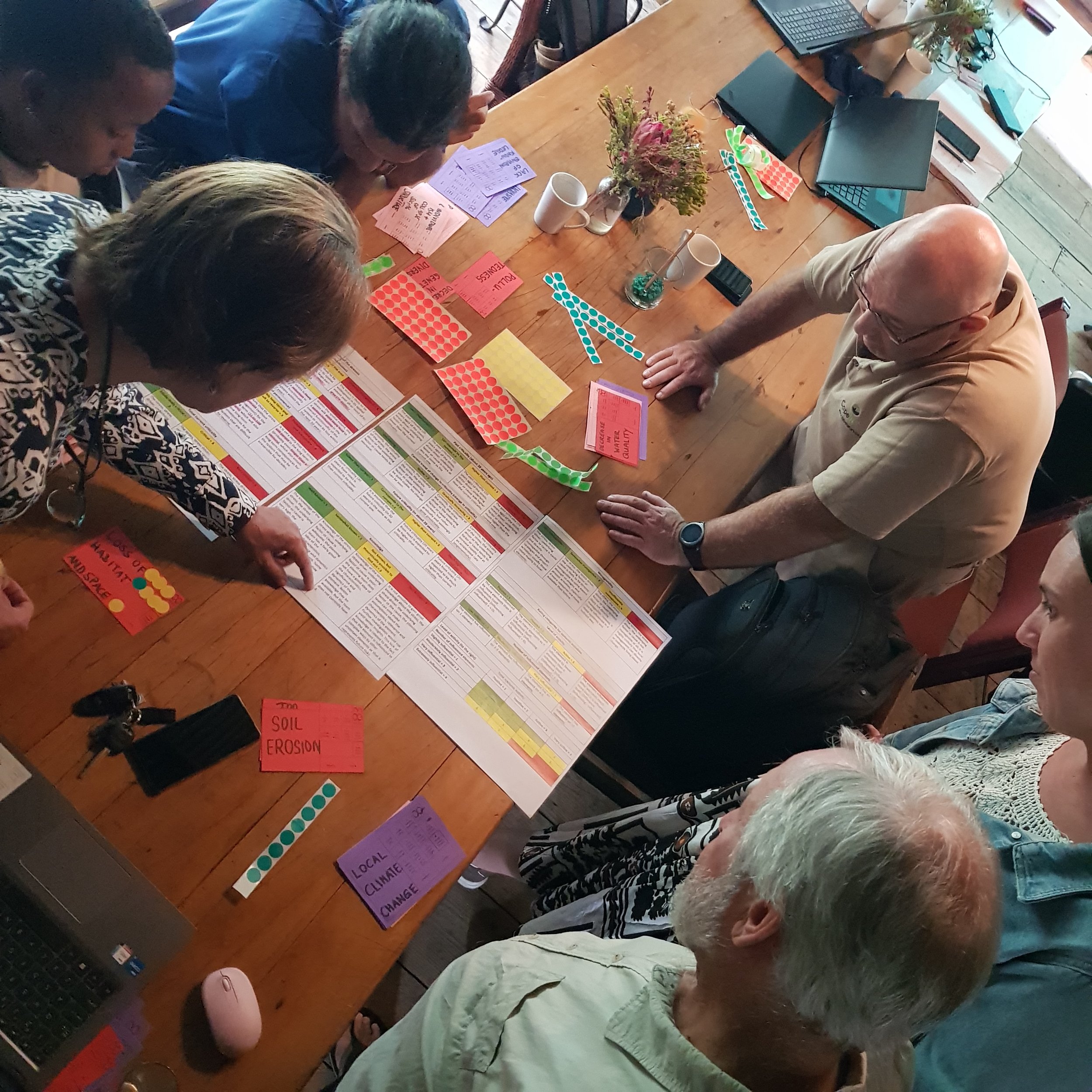
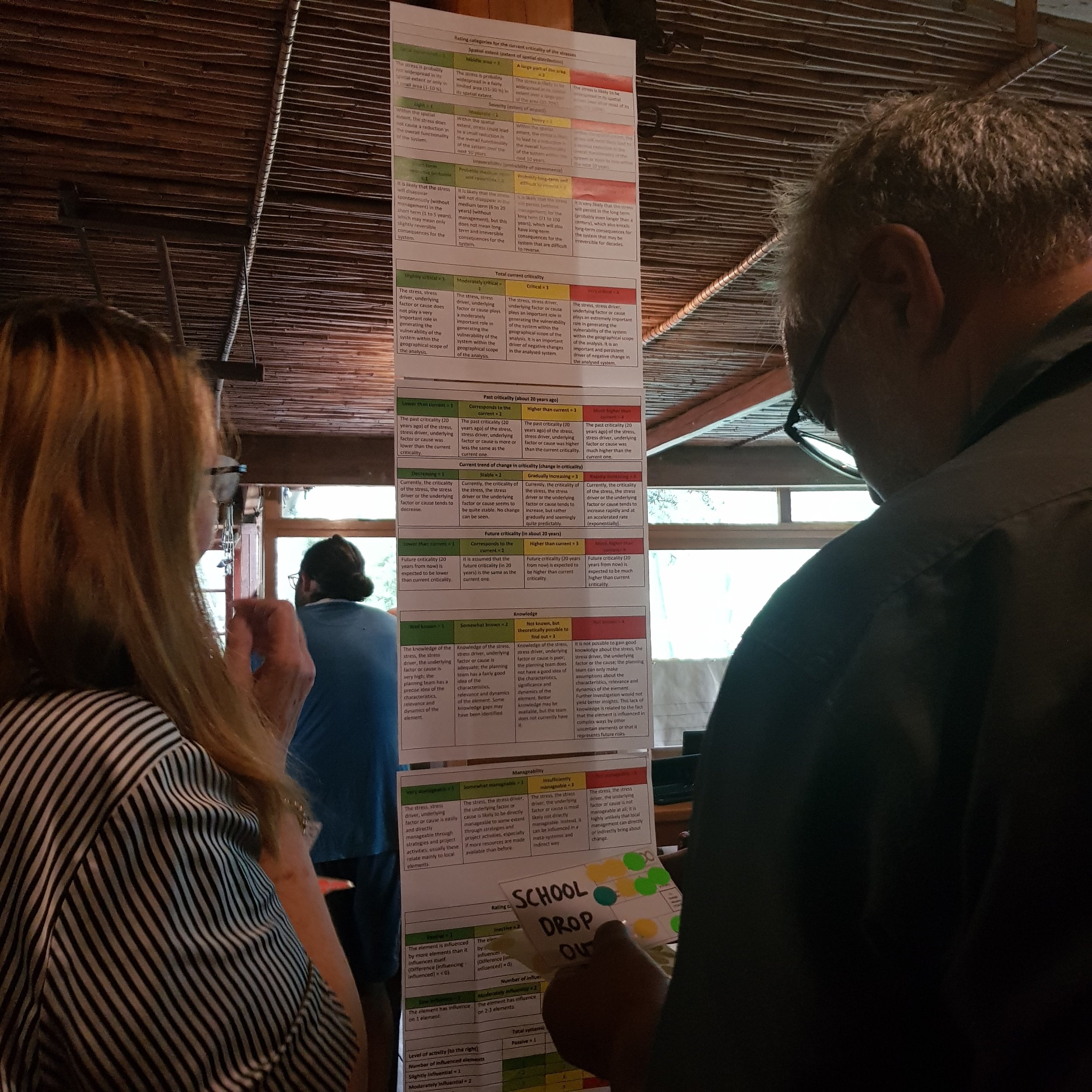
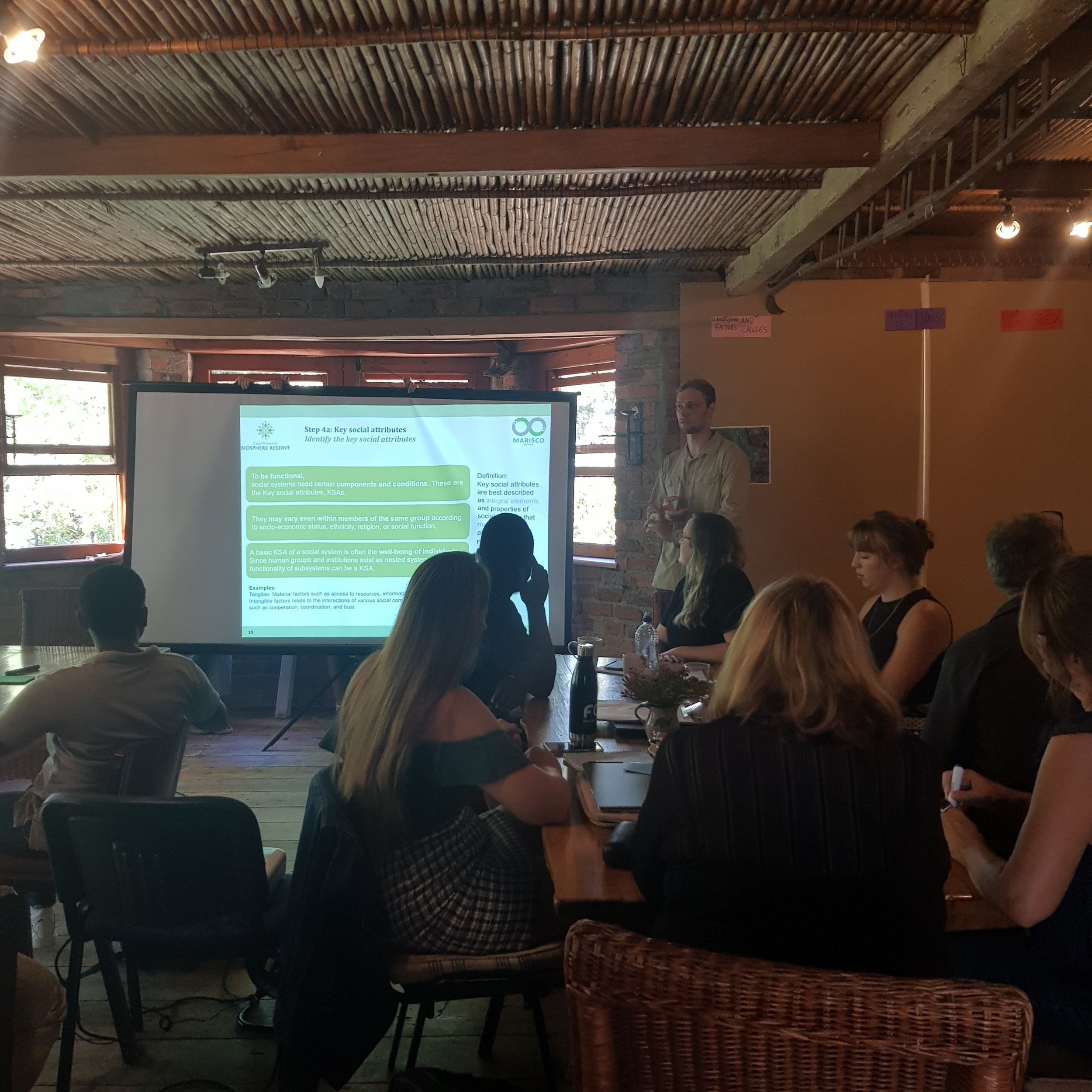
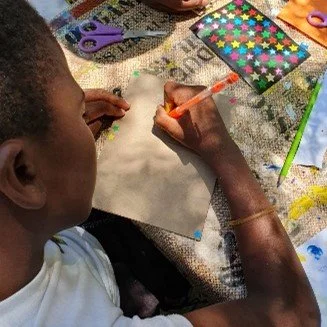
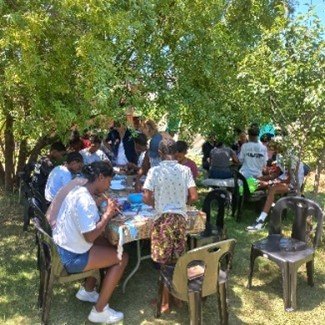
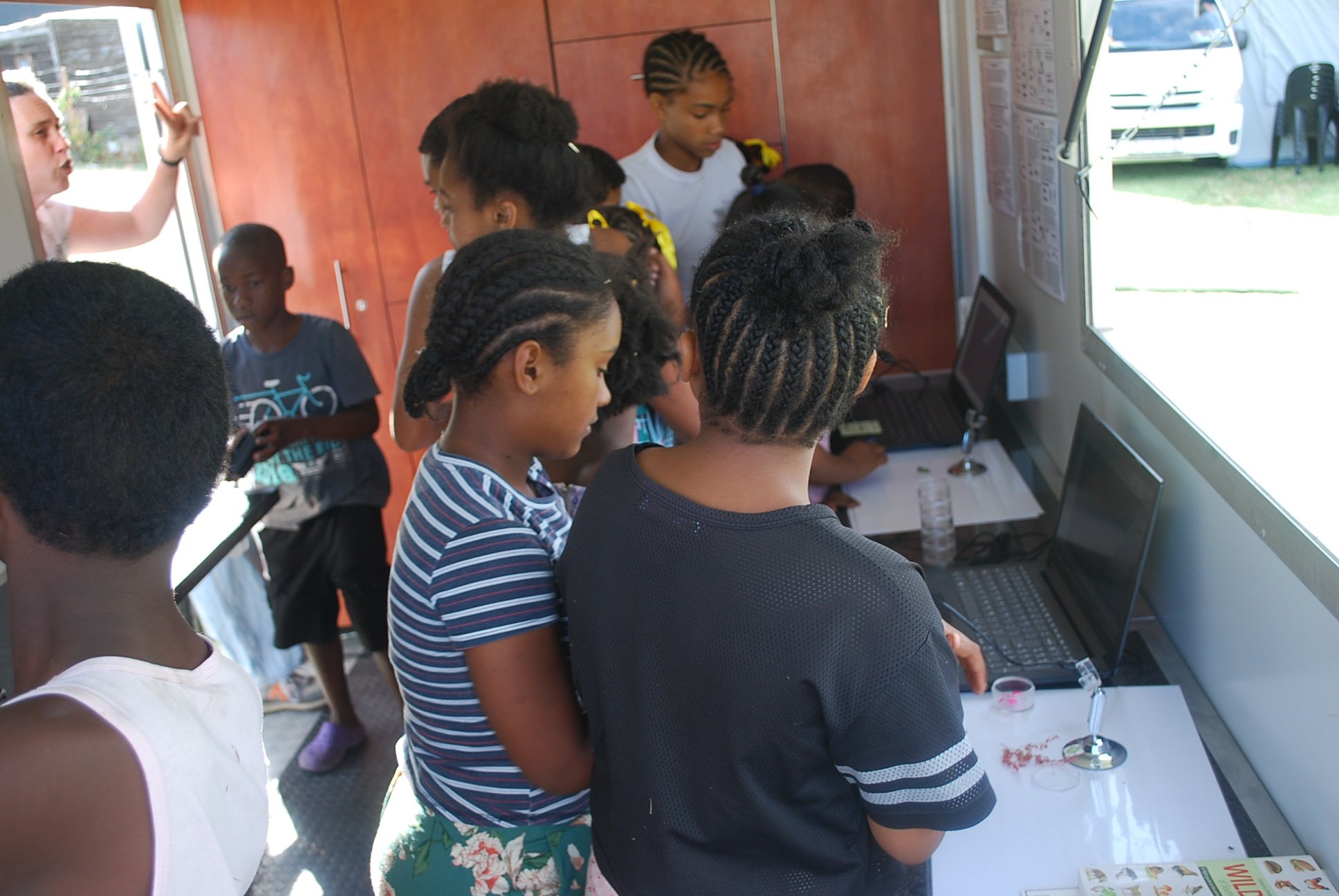
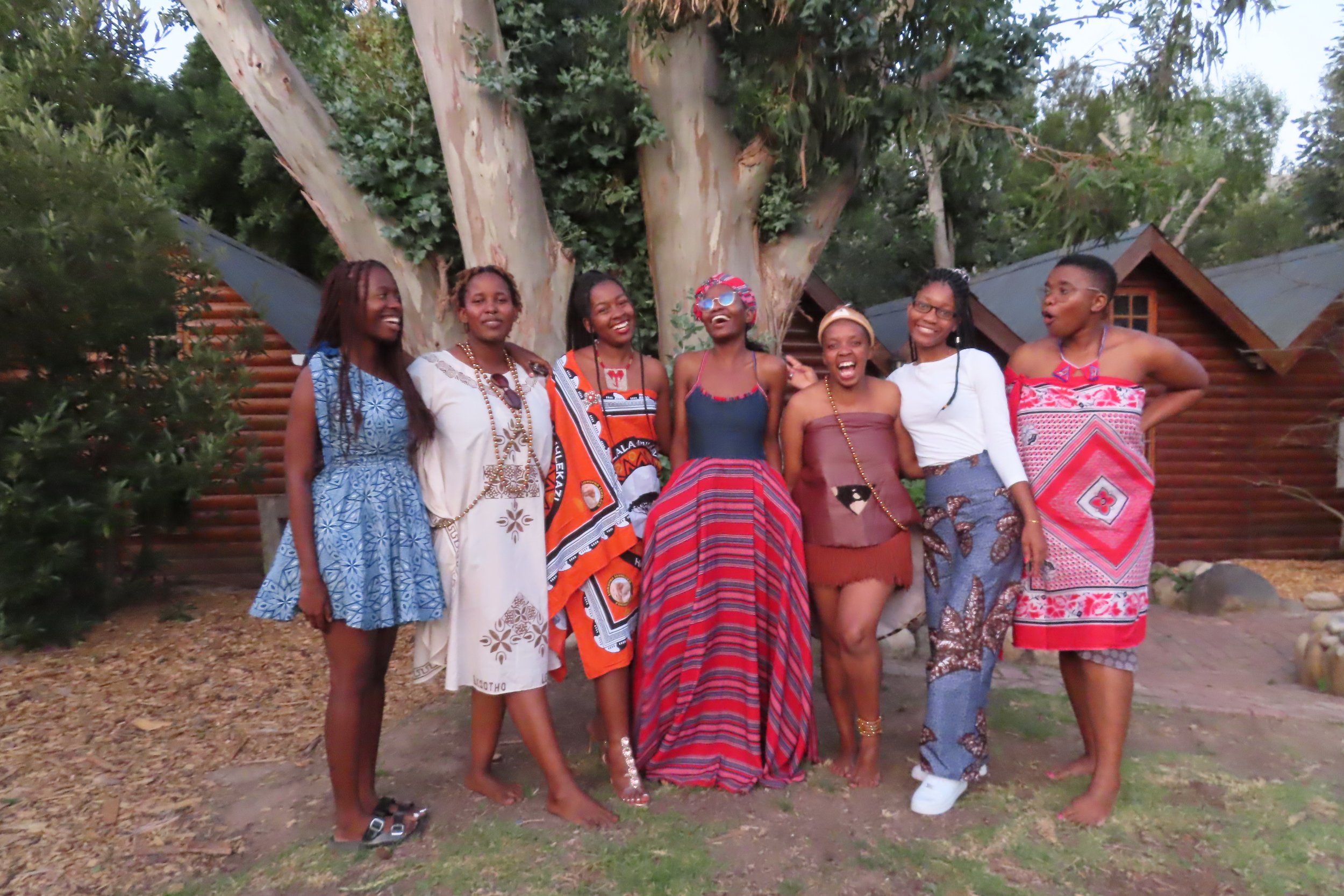
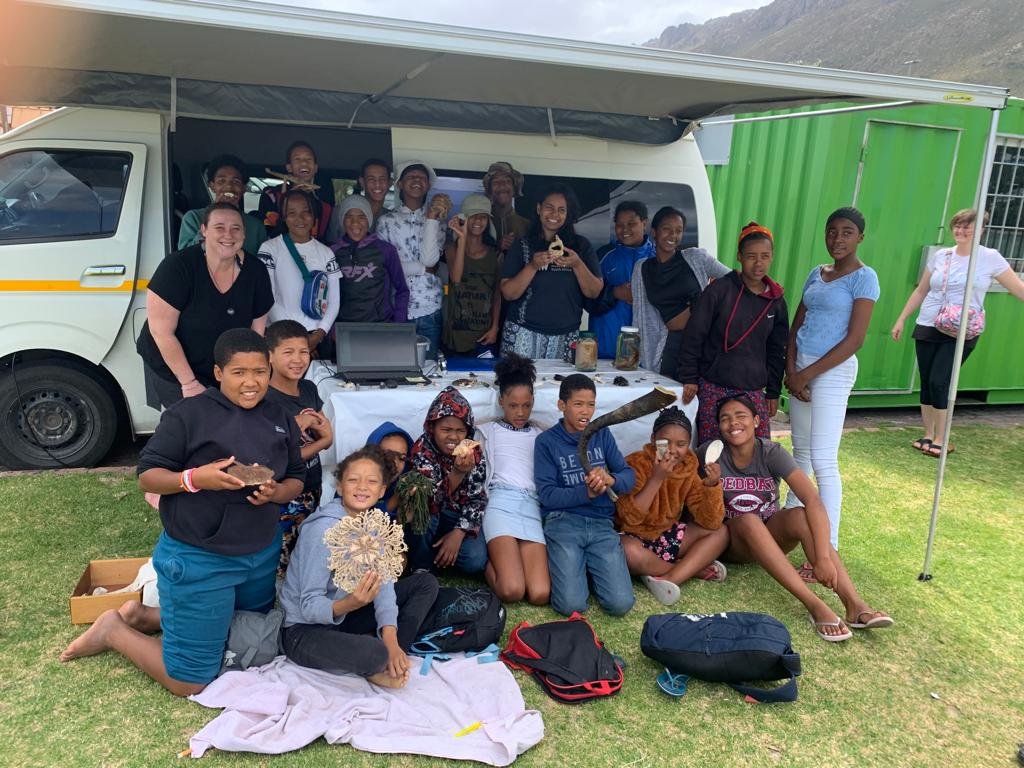
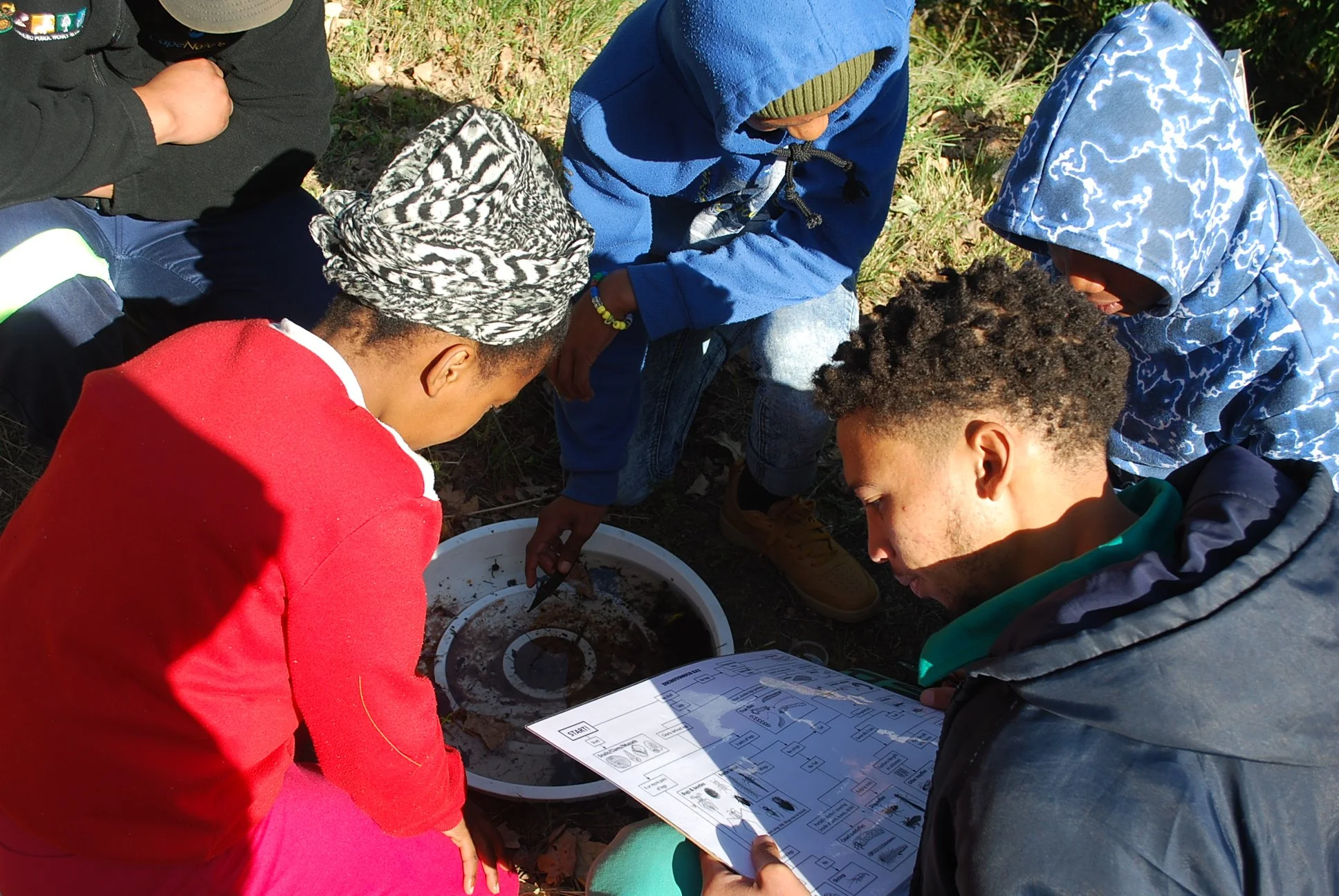
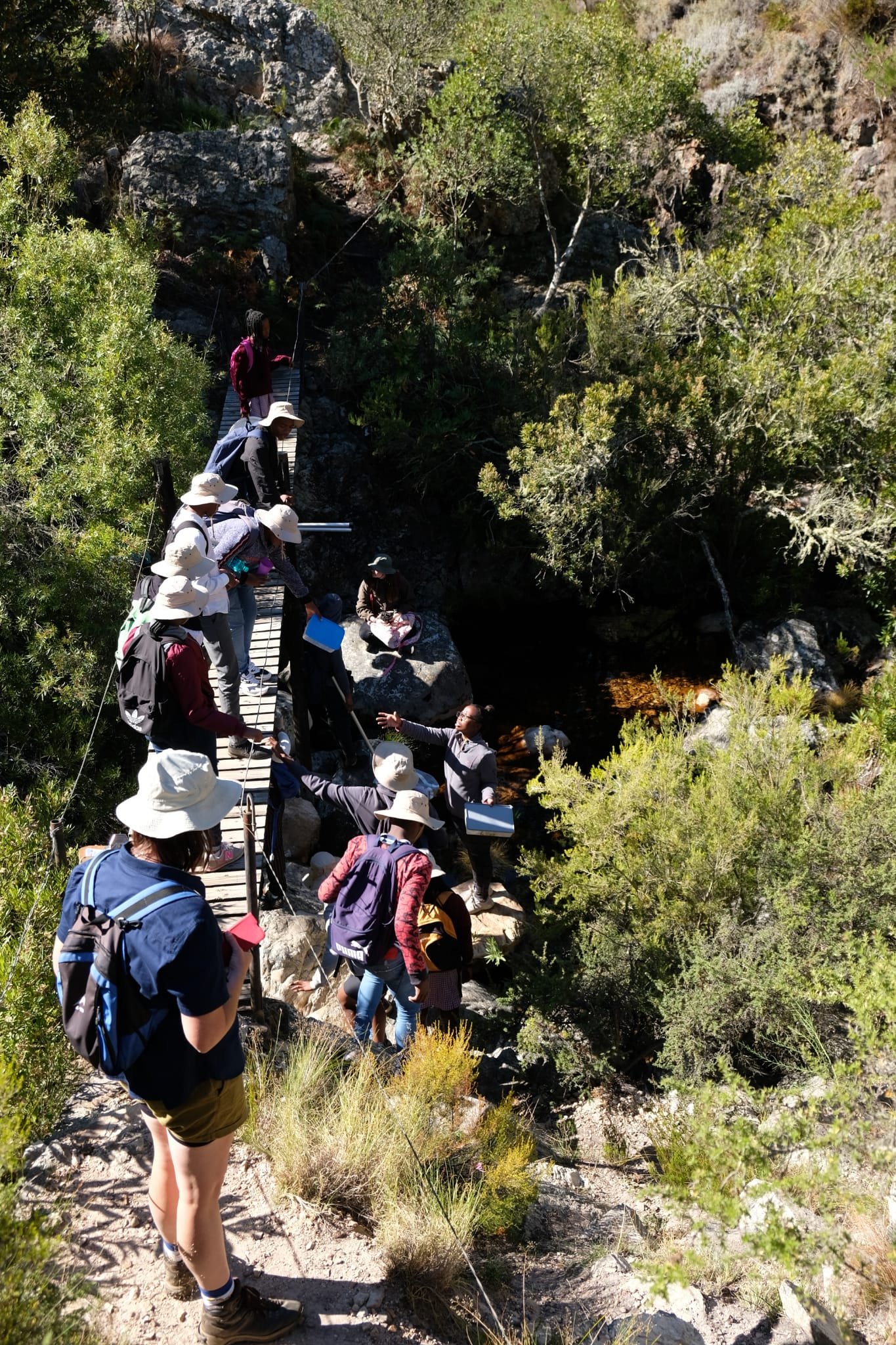
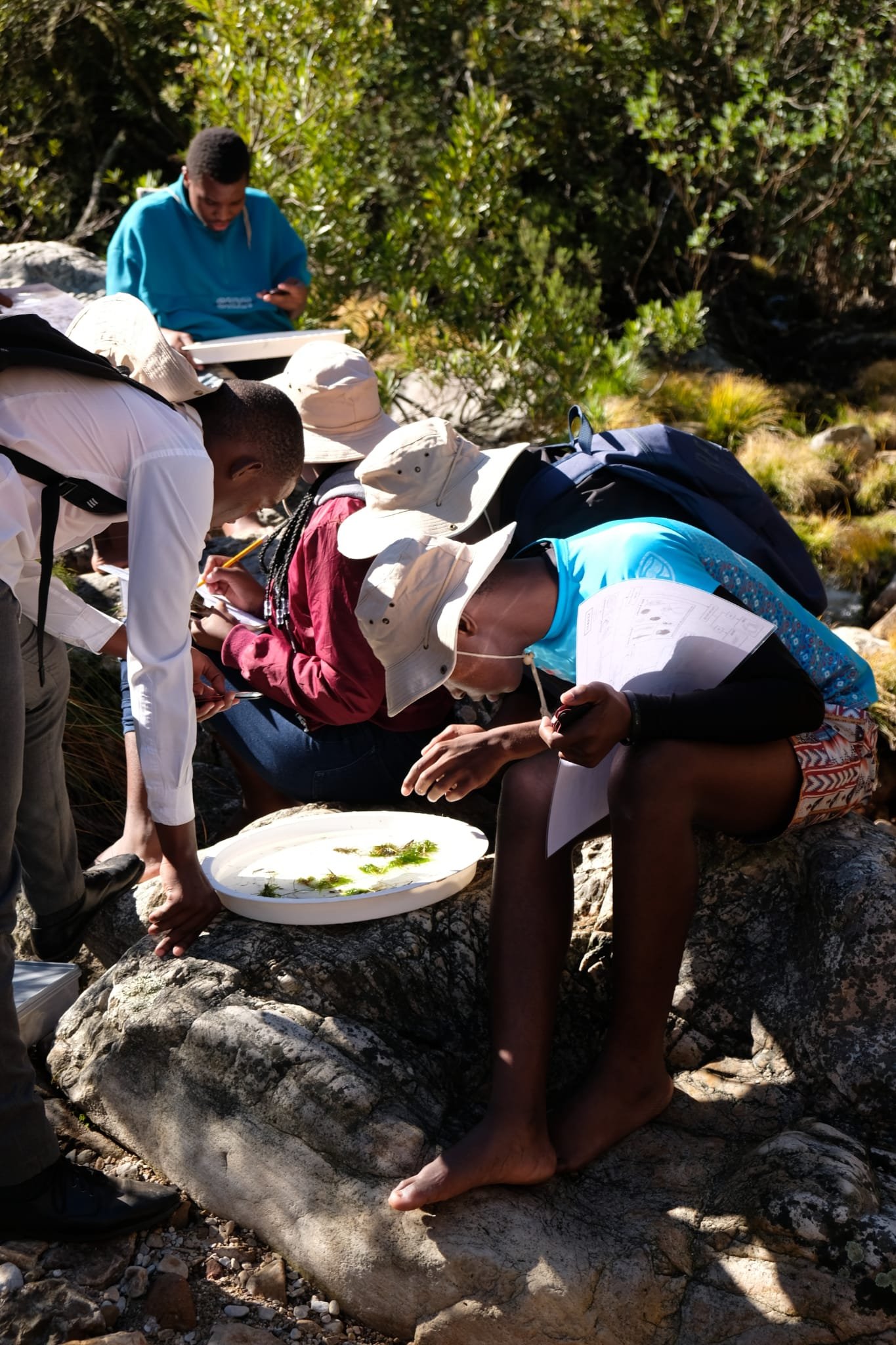
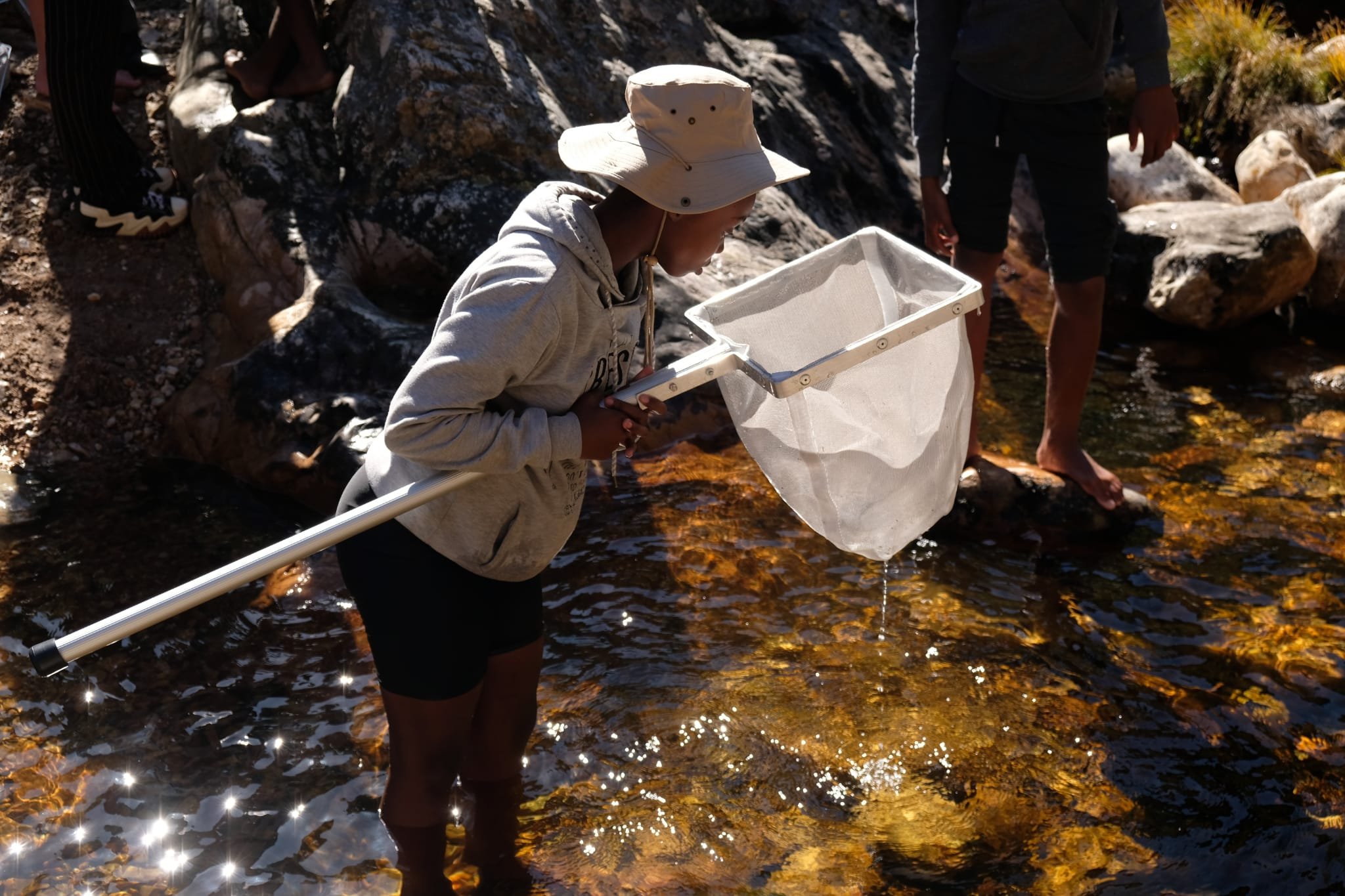
Meet our Be Resilient Citizen Scientists! The team, from different communities along the Eerste River, are currently being trained in water monitoring methods as part of an exciting research project. UNESCO Be Resilient South Africa in partnership with Cape Winelands Biosphere Reserve (CWBR) is implementing Citizen Science and Climate Risk Informed Decision Analysis (CRIDA) engagements involving communities in the Eerste River catchment.
The launch coincided with World Water Week 2022 - the theme of which was “Seeing the Unseen: The Value of Water” – building on the need to see, understand and, more importantly, value water. These new ways of encouraging communities’ involvement in the management of water to tackle challenges such as food security, health, agriculture, biodiversity, and climate, lead to an inclusive 21st century approach to sustainable water management.
There are two methodologies explored in this project: community engagement in discussion and learning of their local resources through development of community scientists, and participatory development of climate change adaptation plans for water security.
Led by Cape Winelands Biosphere Reserve, together with three UNESCO Be Resilient South Africa project representatives, the launch of both the implementations of the Citizen Science program and CRIDA engagements took place from the 29th of August to the 1st of September 2022, as part of celebrating World Water Week 2022 (Originally began as the Stockholm Water Symposium in 1991).
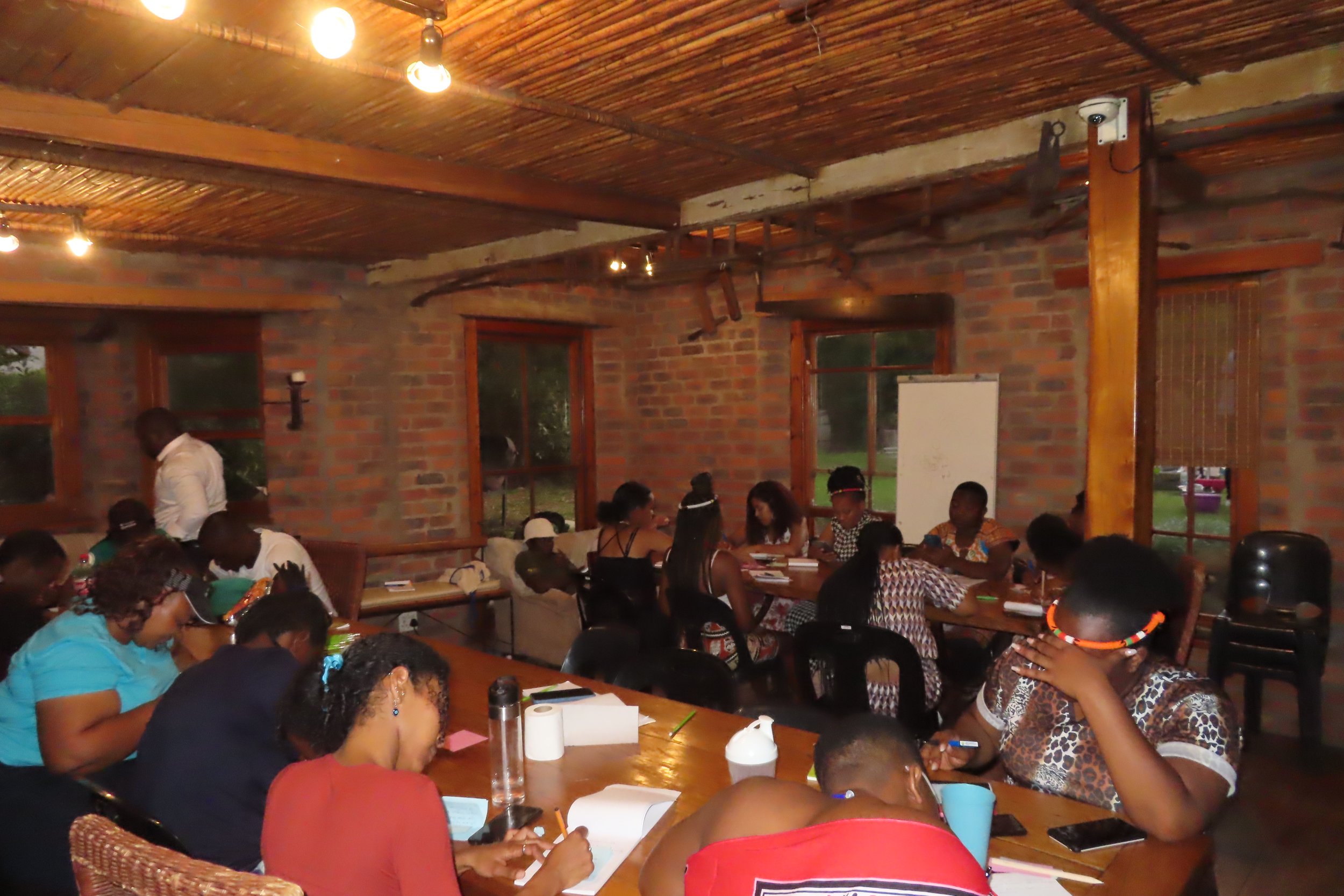
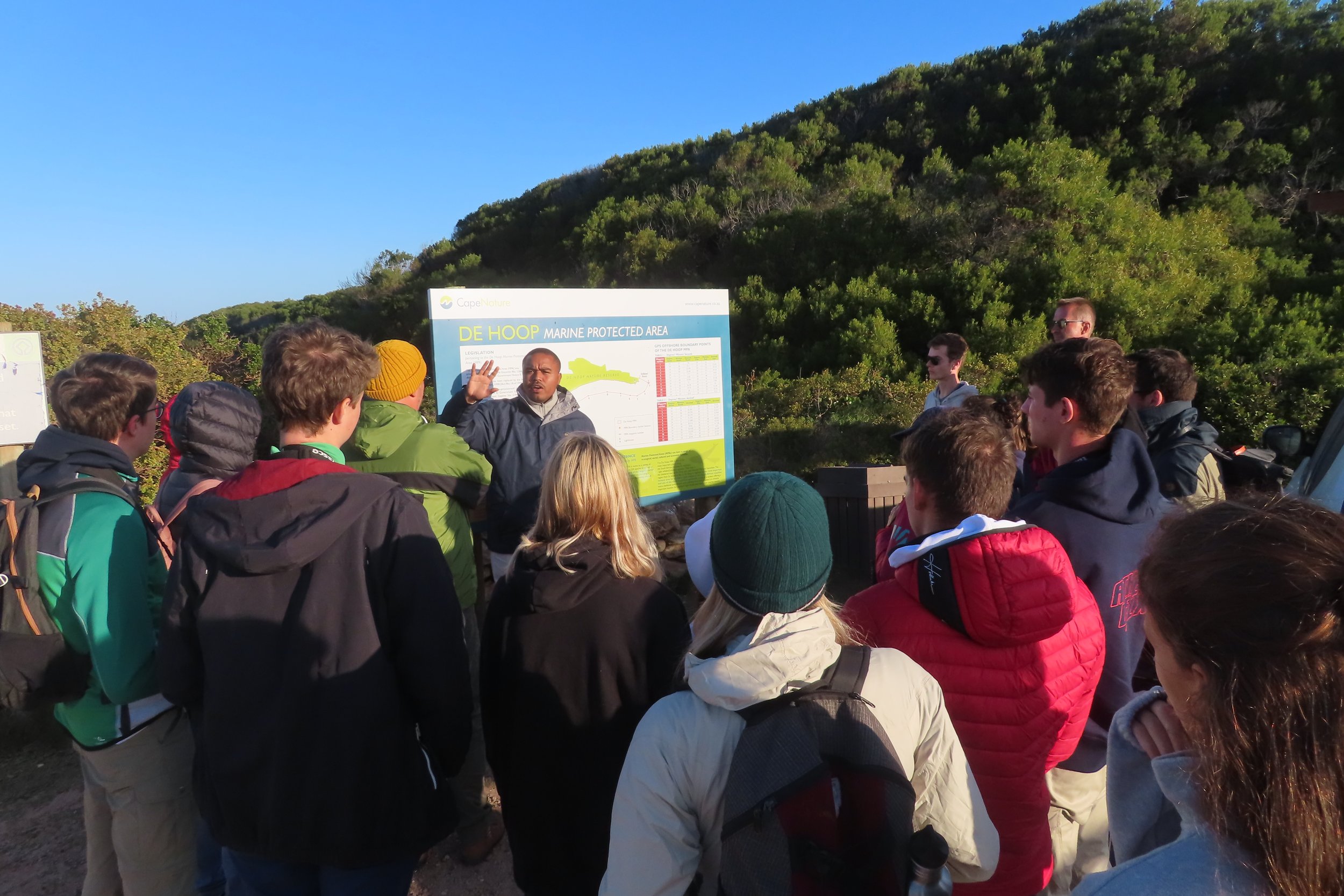
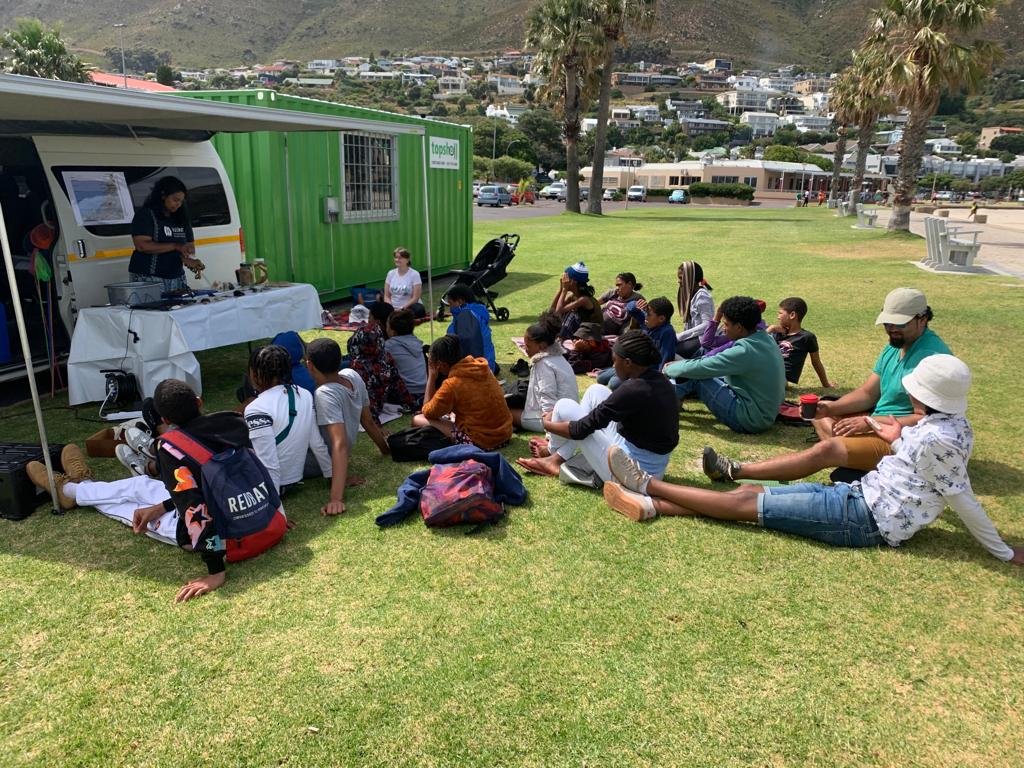
On the first day of the launch, the Department of Water and Sanitation (DWS) presented, and together with the CWBR lead, led a discussion on why water quality is important. The participants were trained on a wide range of indicators of river health, including images to convey pollution stories. The 17 Sustainable Goals were presented as a way to show the connection between local and global challenges, highlighting the importance of a multi-stakeholder approach from the ground up, alongside top-down implementation of solutions.
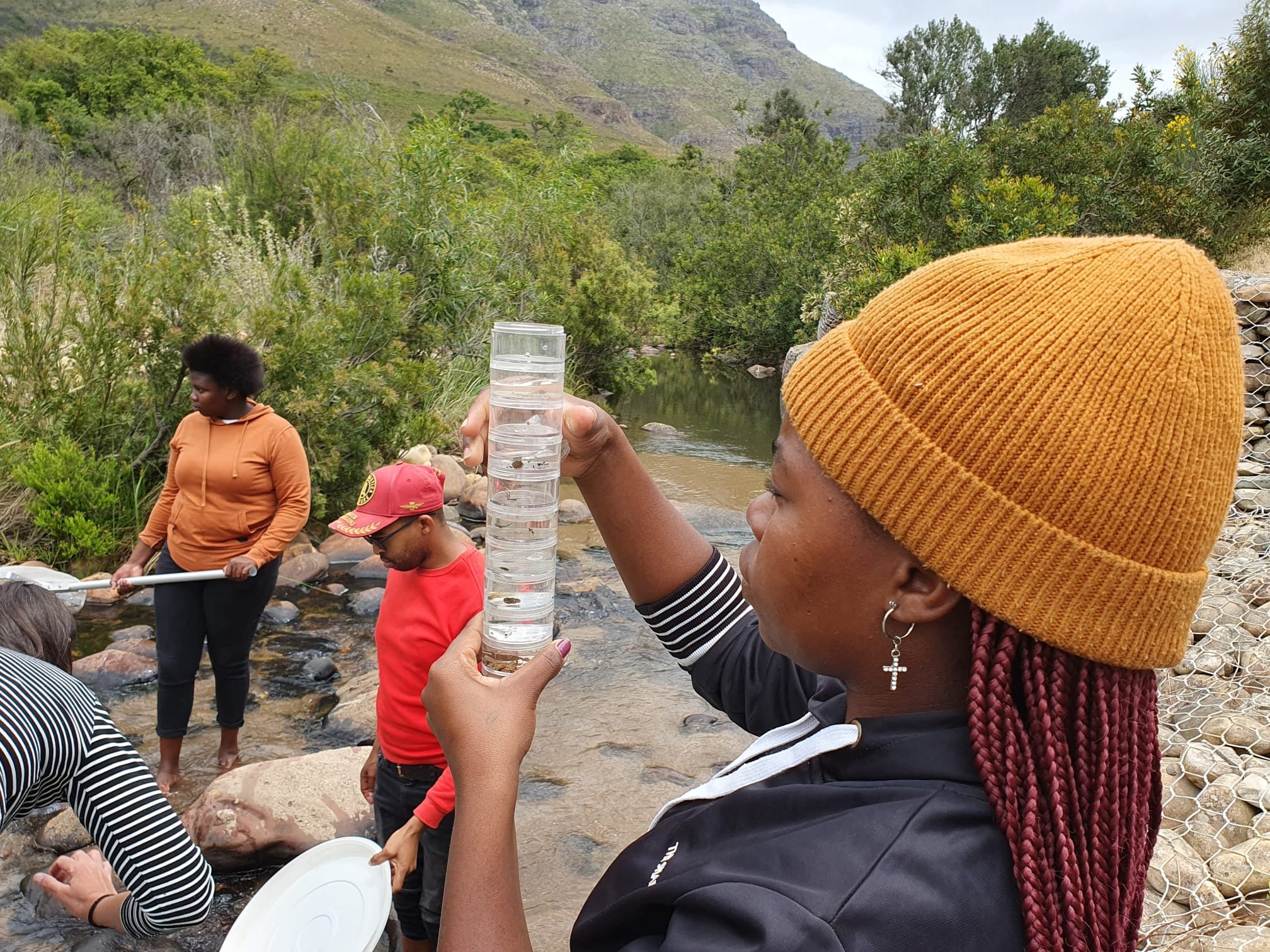
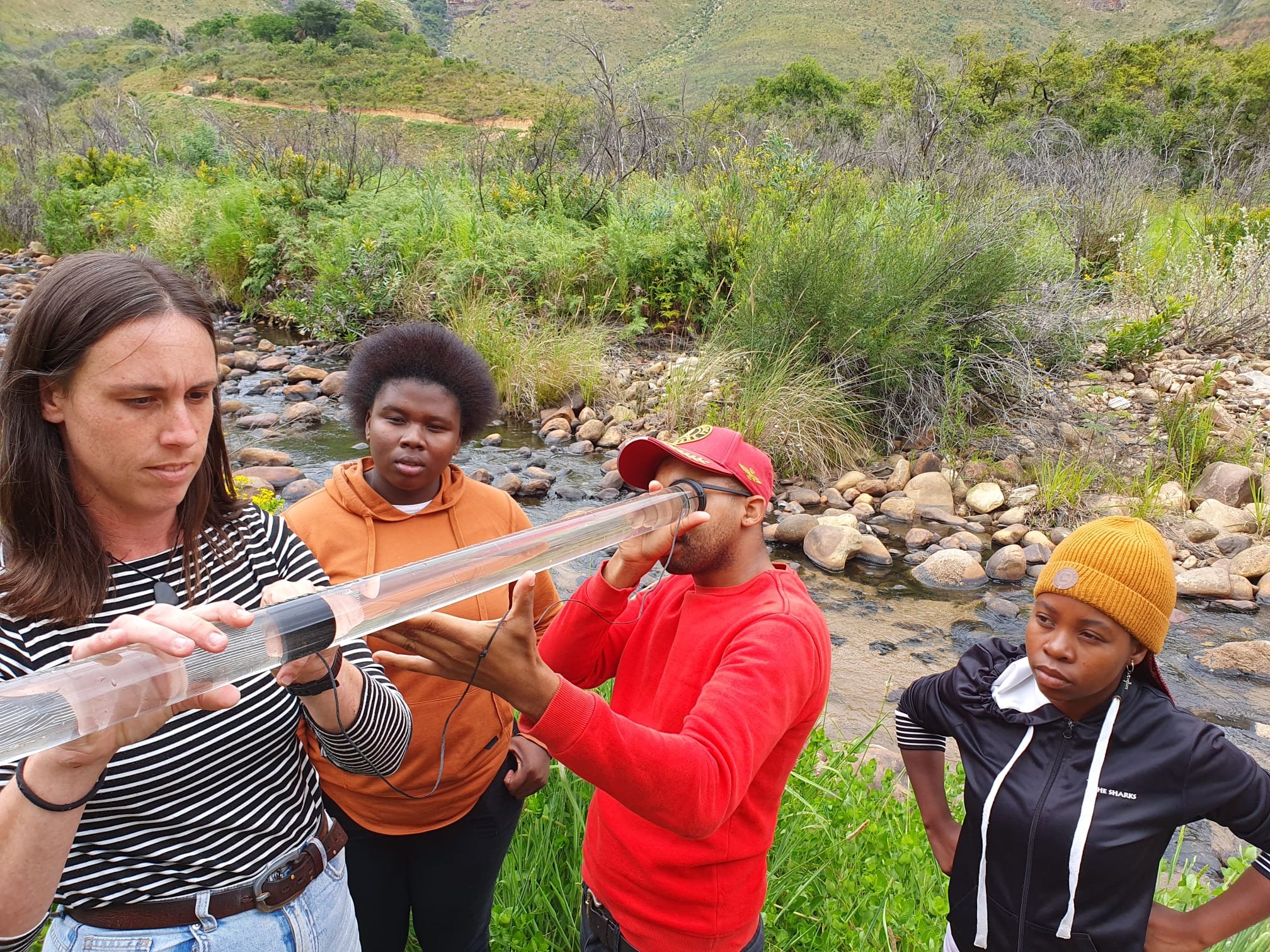
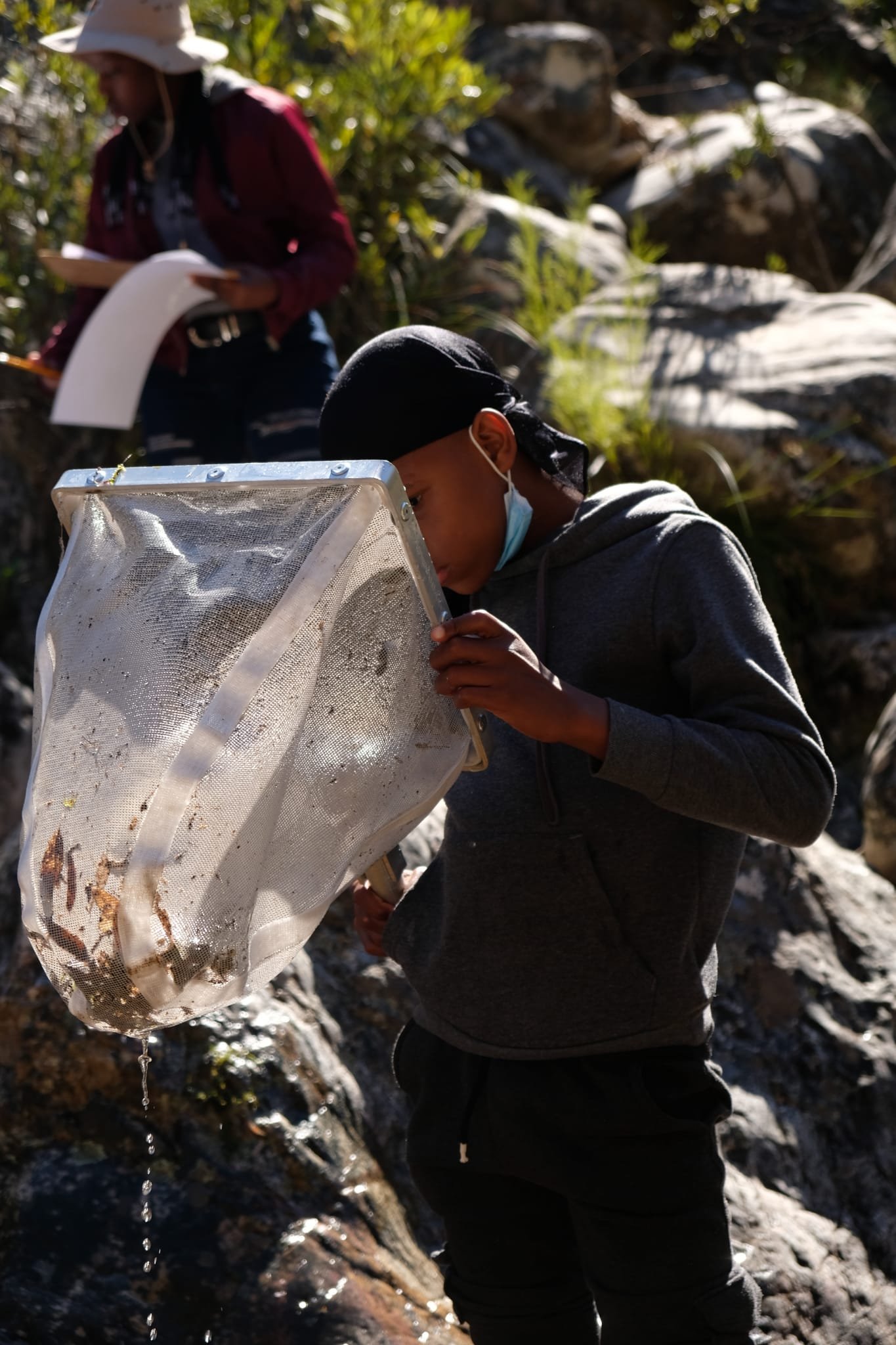
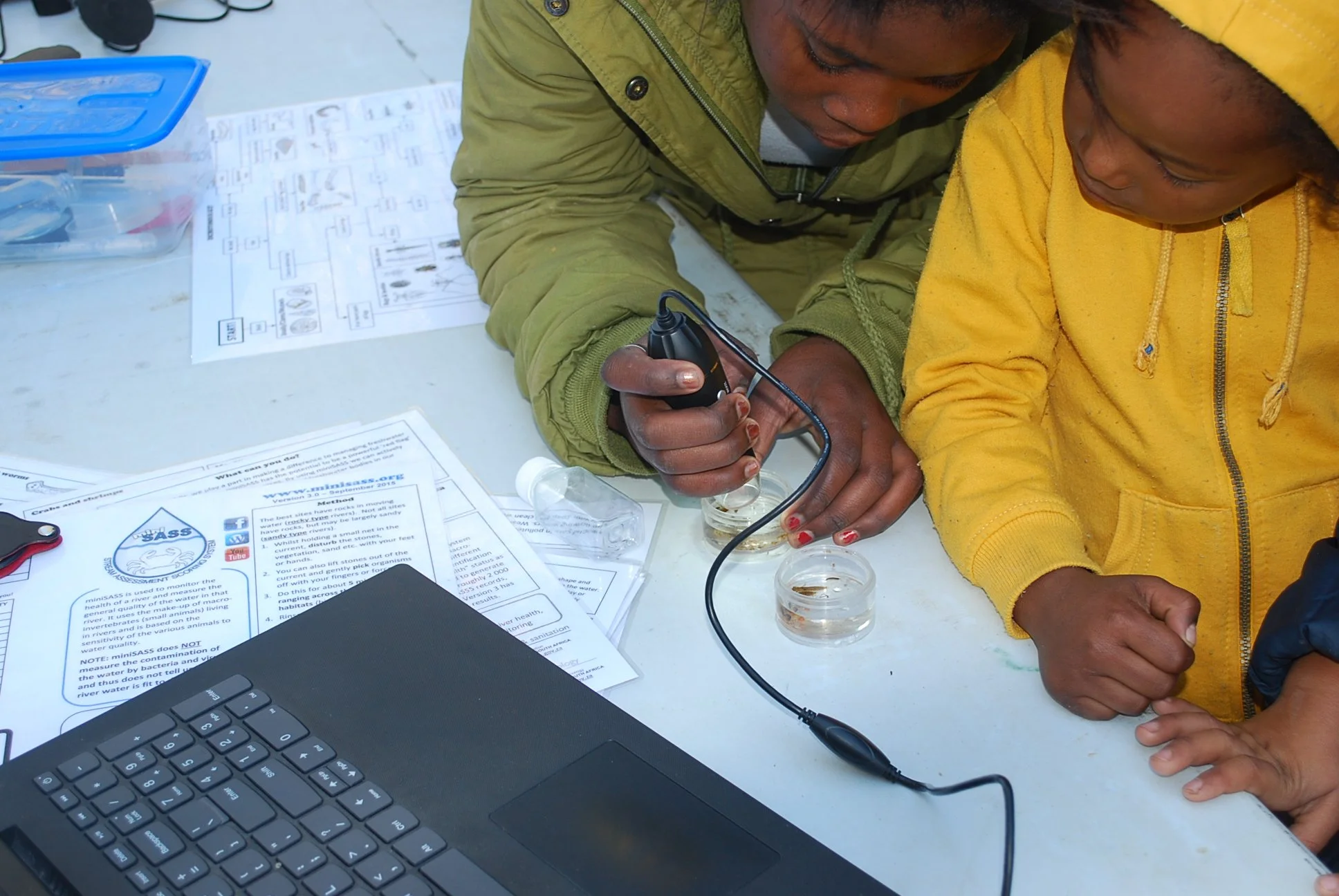
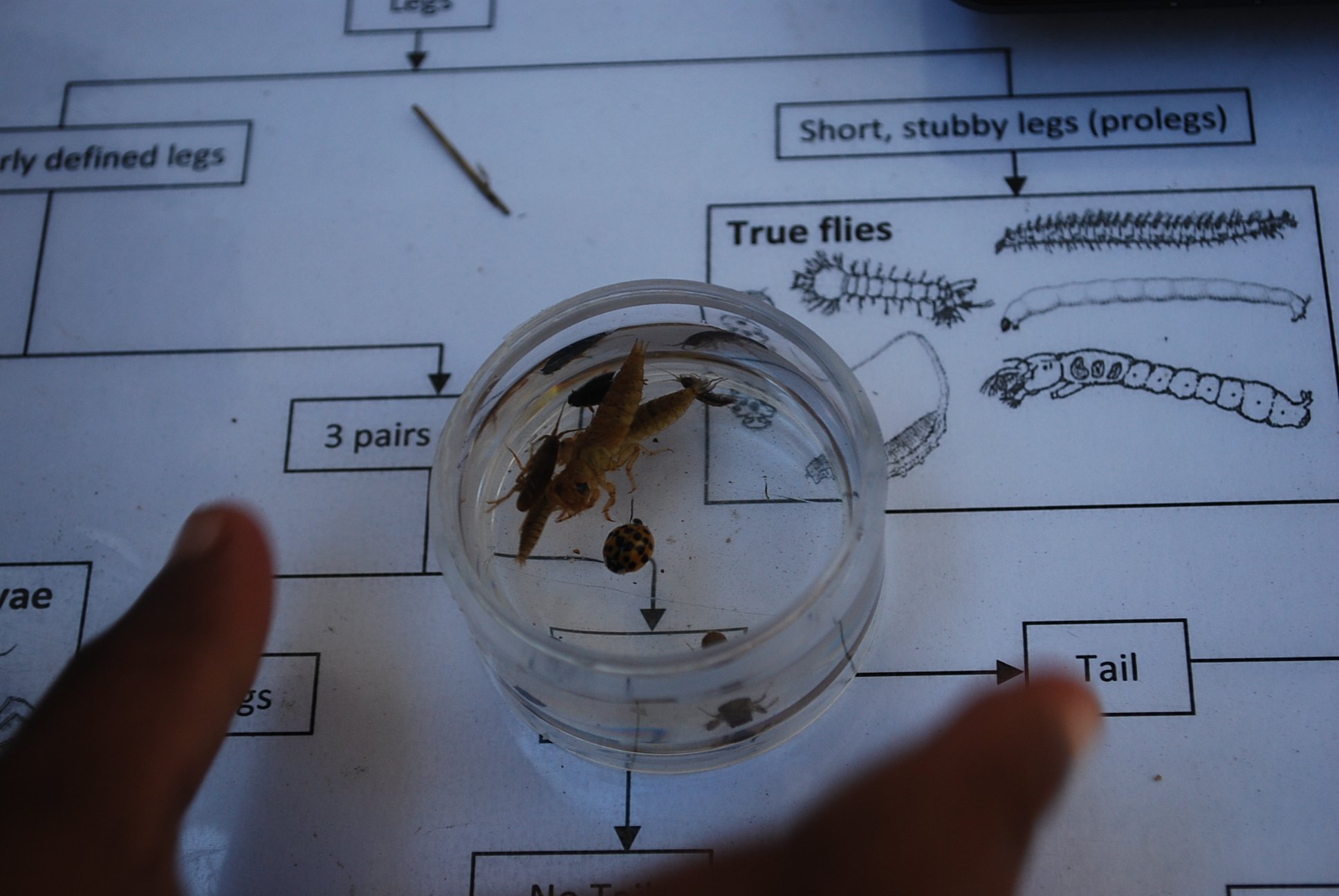
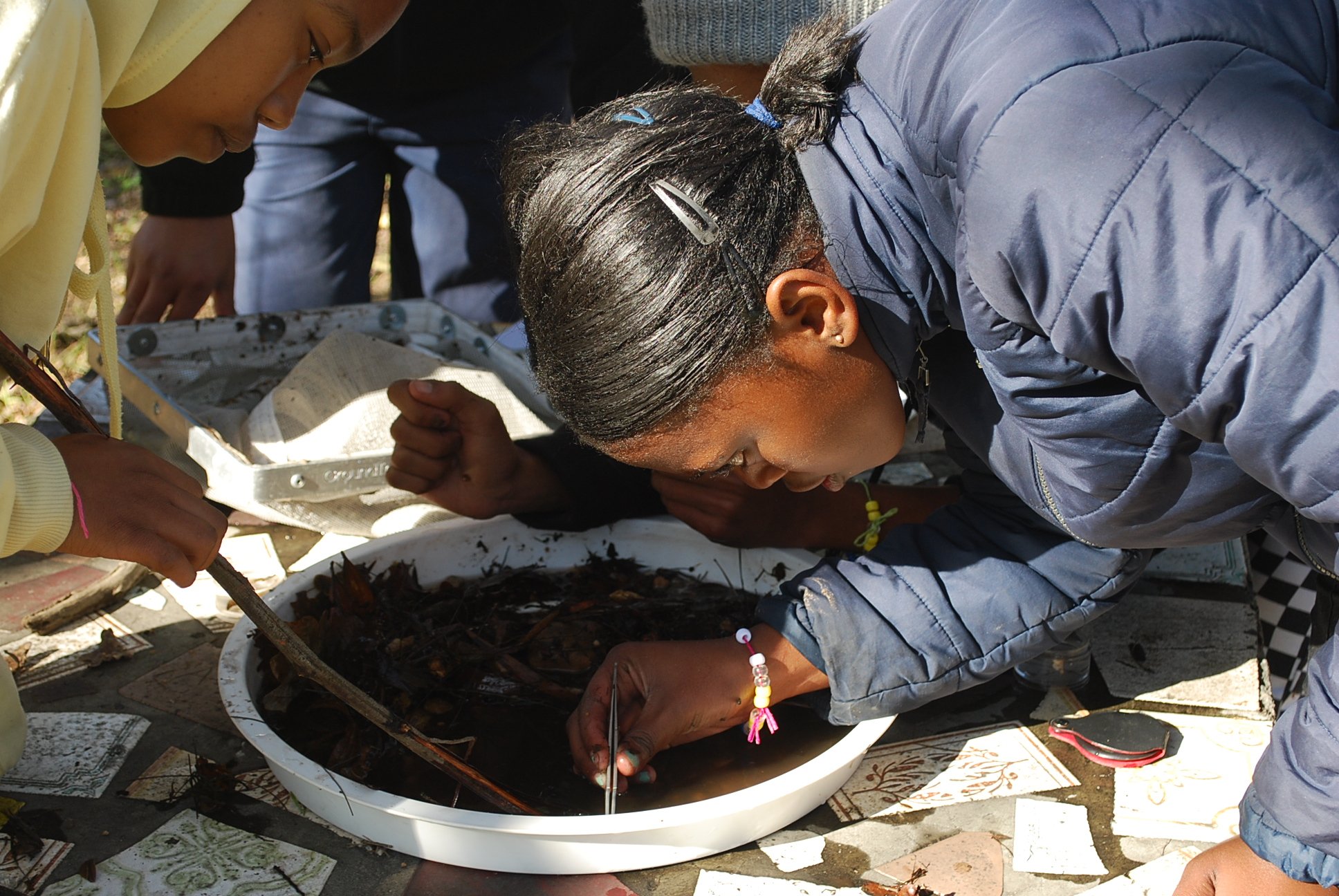
Following the theoretical portion of the day, the participants part-took in practical MiniSASS activities by the river. They gained insight into one of the ways in which they, as Citizen Scientists, will collect data.
On the second day, scholars from Stellenbosch University and University of Western cape introduced the citizen scientists to the importance of building community scientists and on the concept of a catchment scale water management. The importance of how invested communities and ongoing participation in Citizen Science is crucial in ground-up data collection that contributes to developing new approaches in research was highlighted.