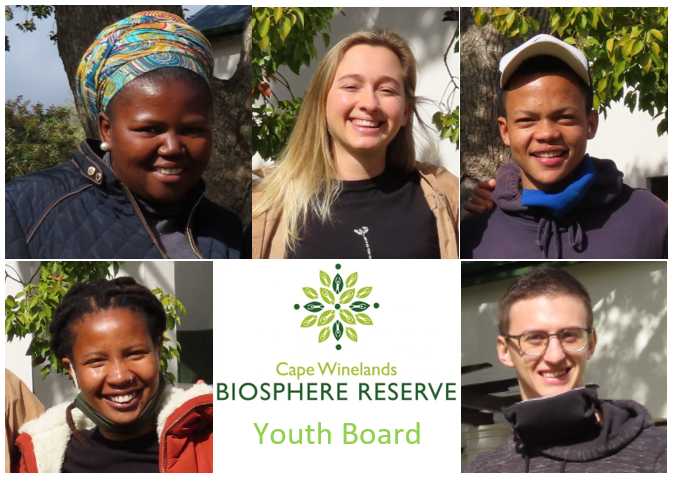
Introducing the CWBR Youth Board

“Youth have the creativity, the potential and the capacity to make change happen – for themselves, for their communities, and for the rest of the world”.

 ~ UNESCO Website

In alignment with this UNESCO vision the CWBR has created a Youth Board represented by an enthusiastic and vibrant team … Watch this space!

CWBR Youth Board.PNG
Know Your Biome

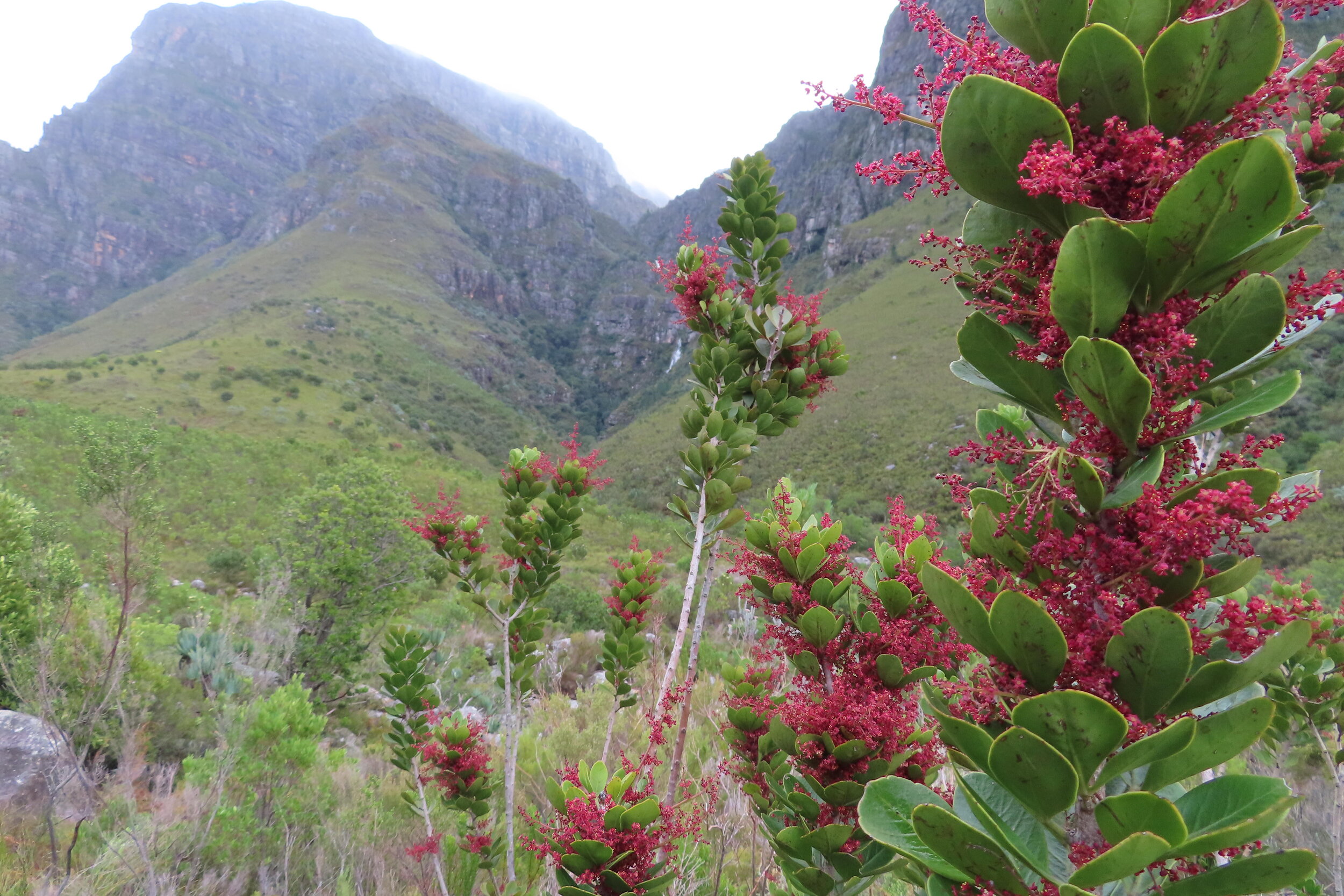
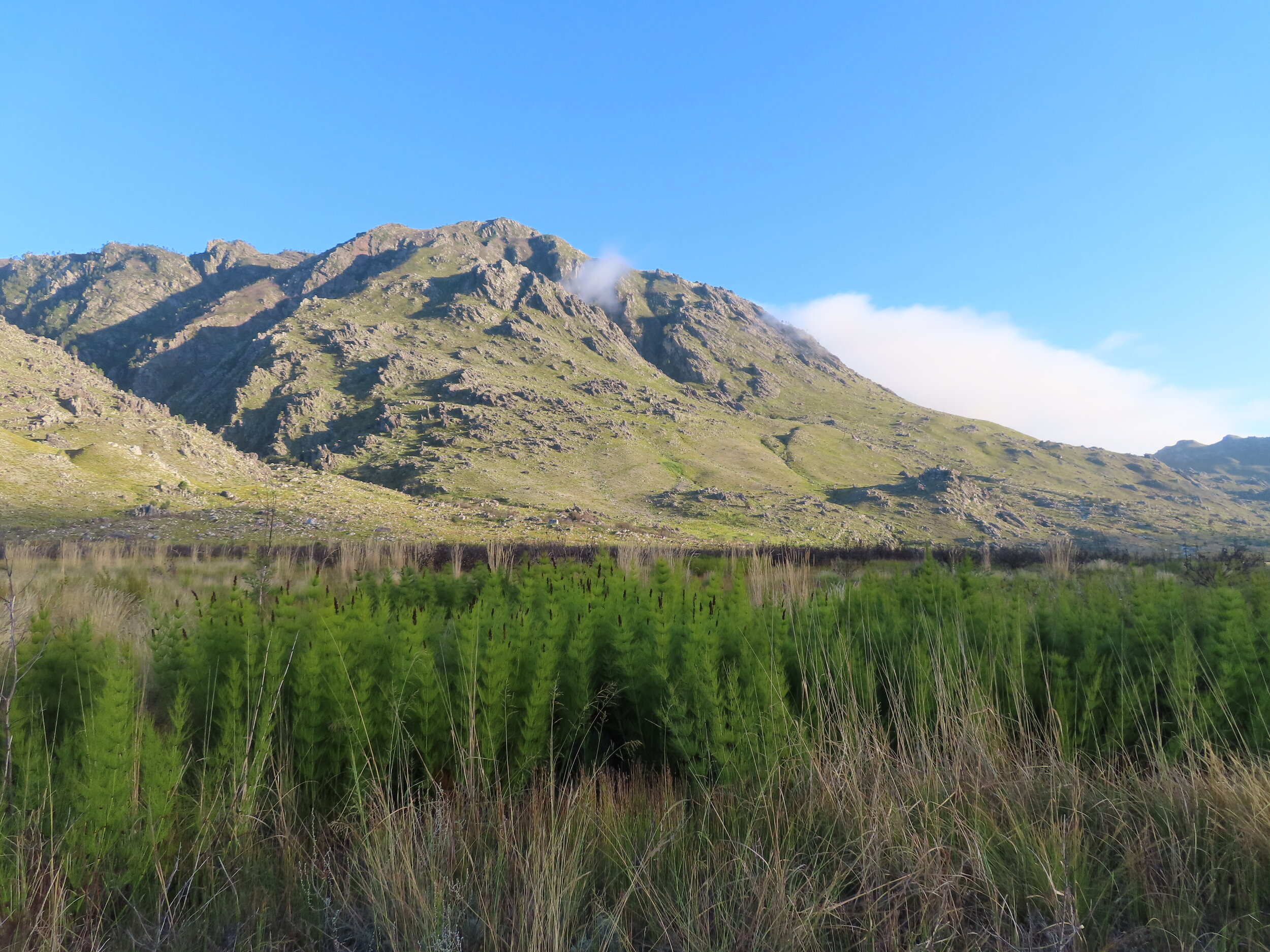
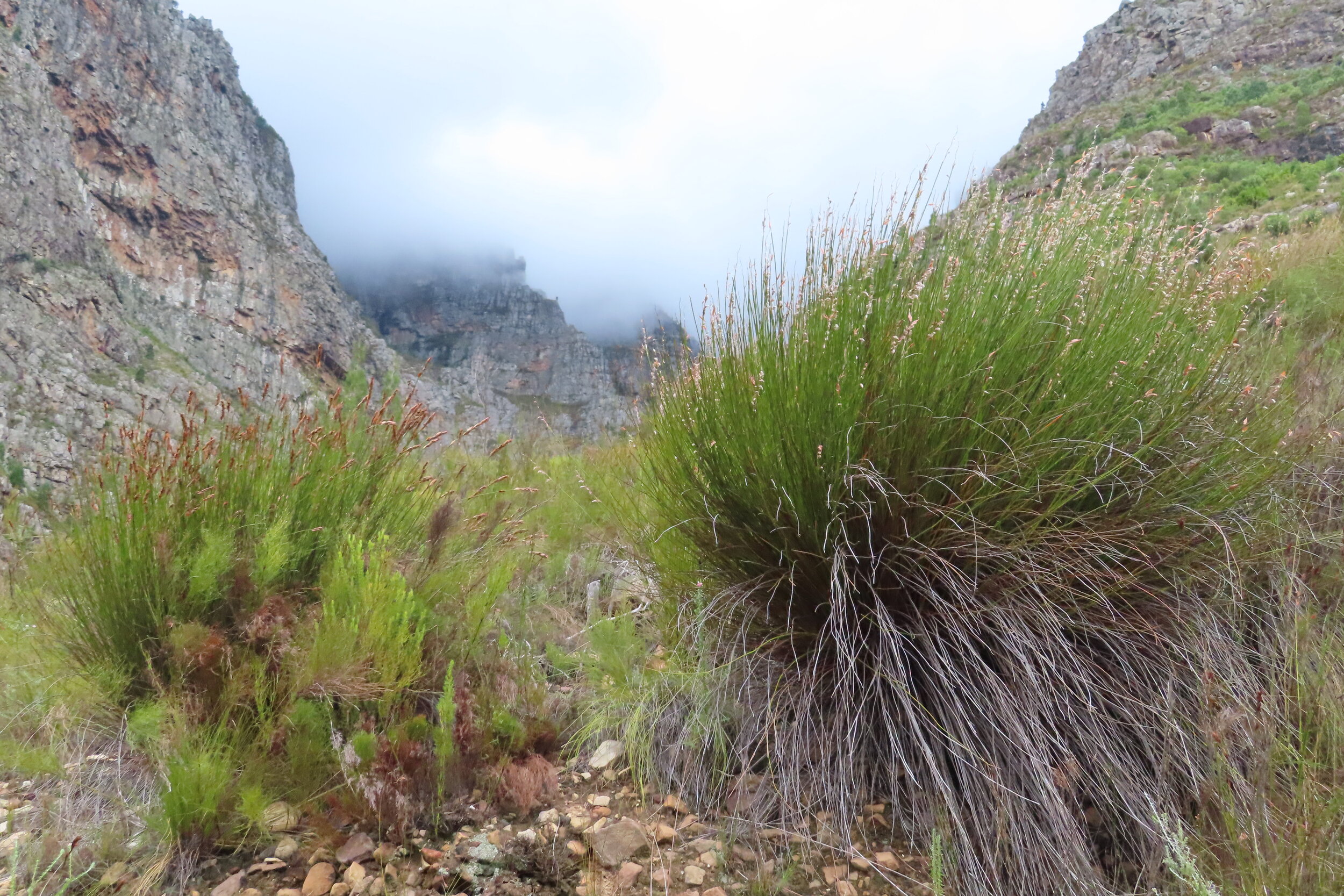
The Cape Floristic Region is located near the southern tip of and entirely within the borders of South Africa. It is the only floristic region of the Cape Floristic Kingdom.. The Region covers the Mediterranean climatic region of South Africa in the Western Cape in the southwestern corner of the country, and extends eastward into the Eastern CapeThe Cape Floristic Region, the smallest of the six recognised floral kingdoms of the world and is an area of extraordinarily high diversity and endemism and is home to over 9,000 vascular plant species, of which 69 percent are endemic (occur nowhere else on earth). Much of this diversity is associated with the fynbos biome, a Mediterranean-type, fire-adapted shrubland.

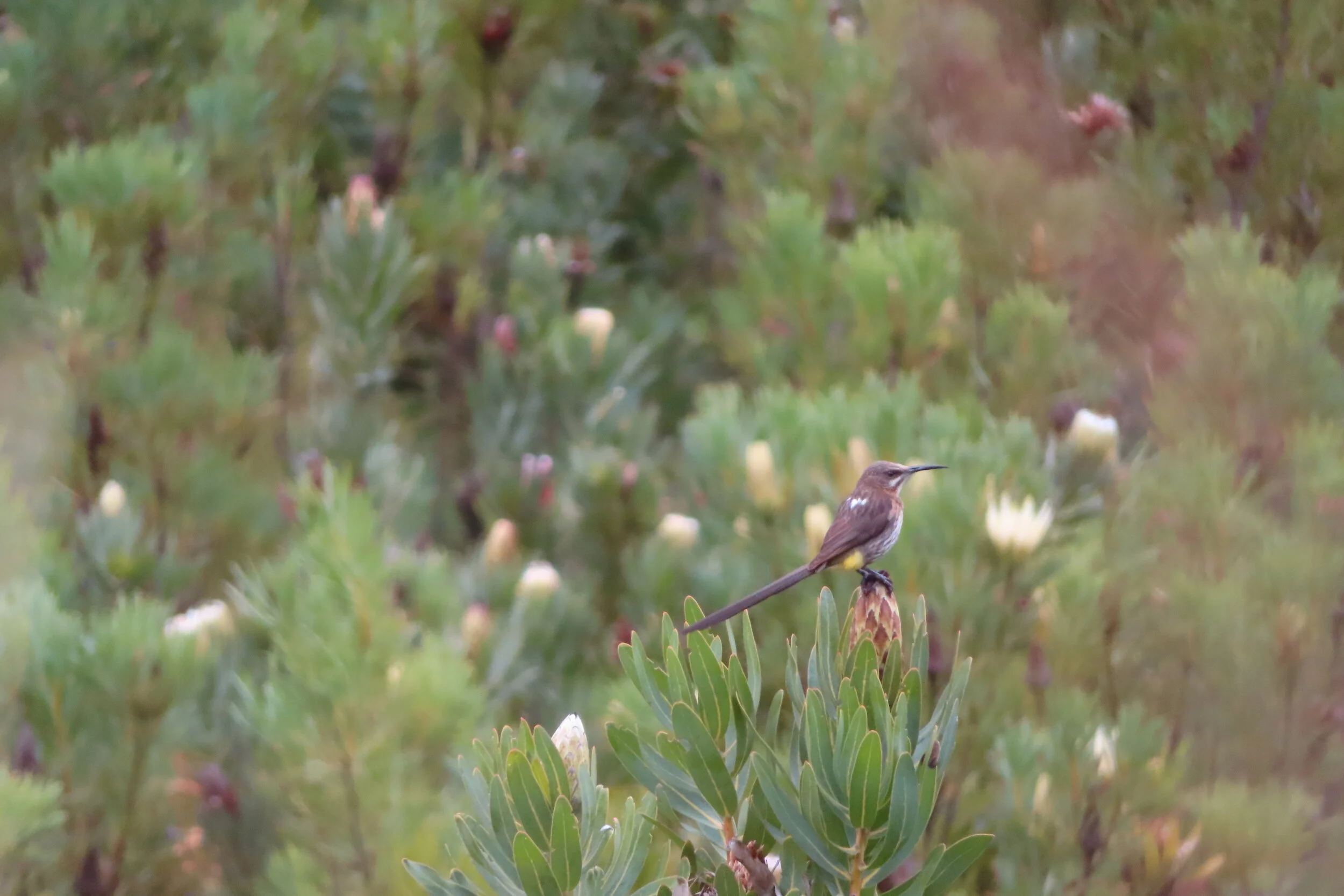
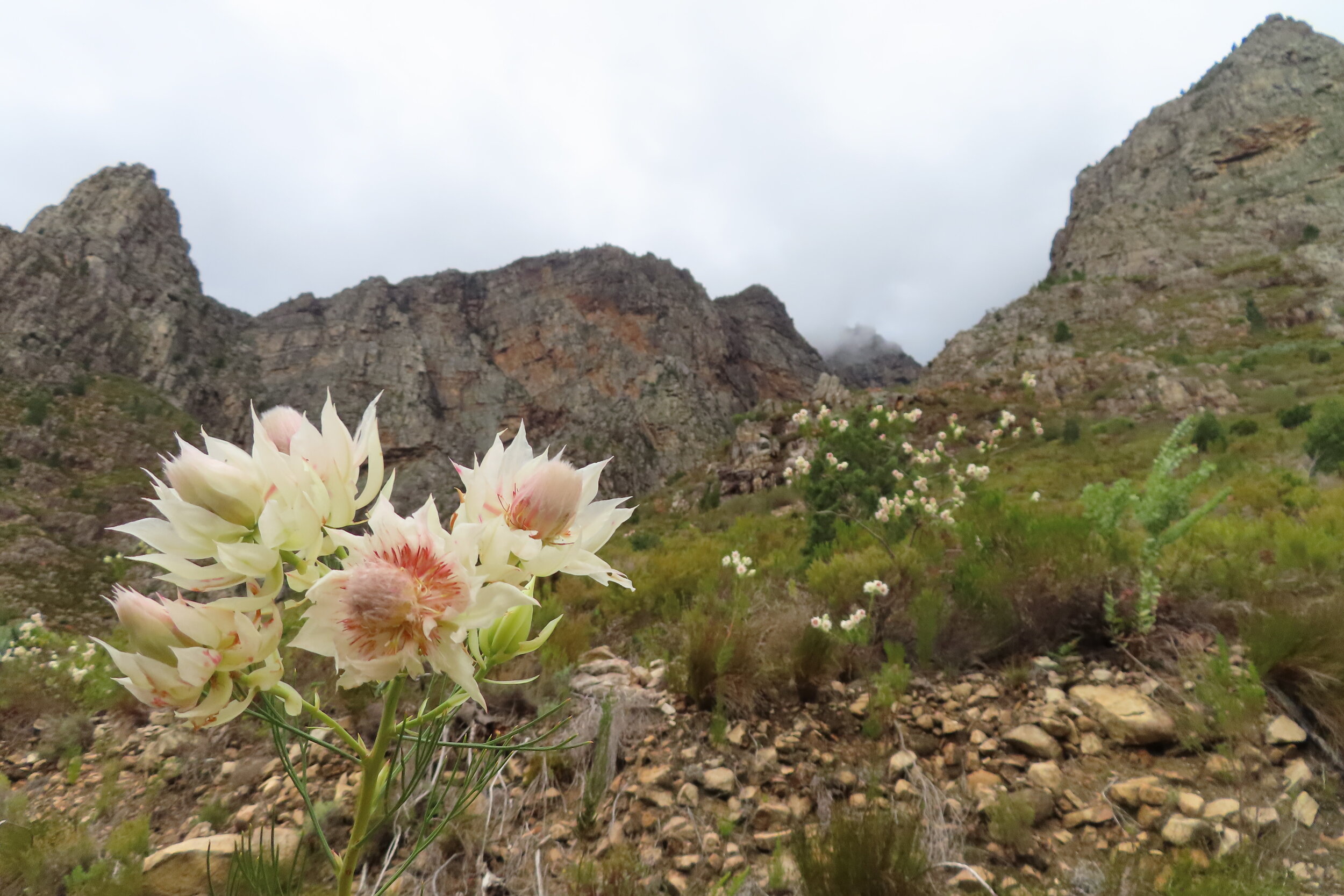
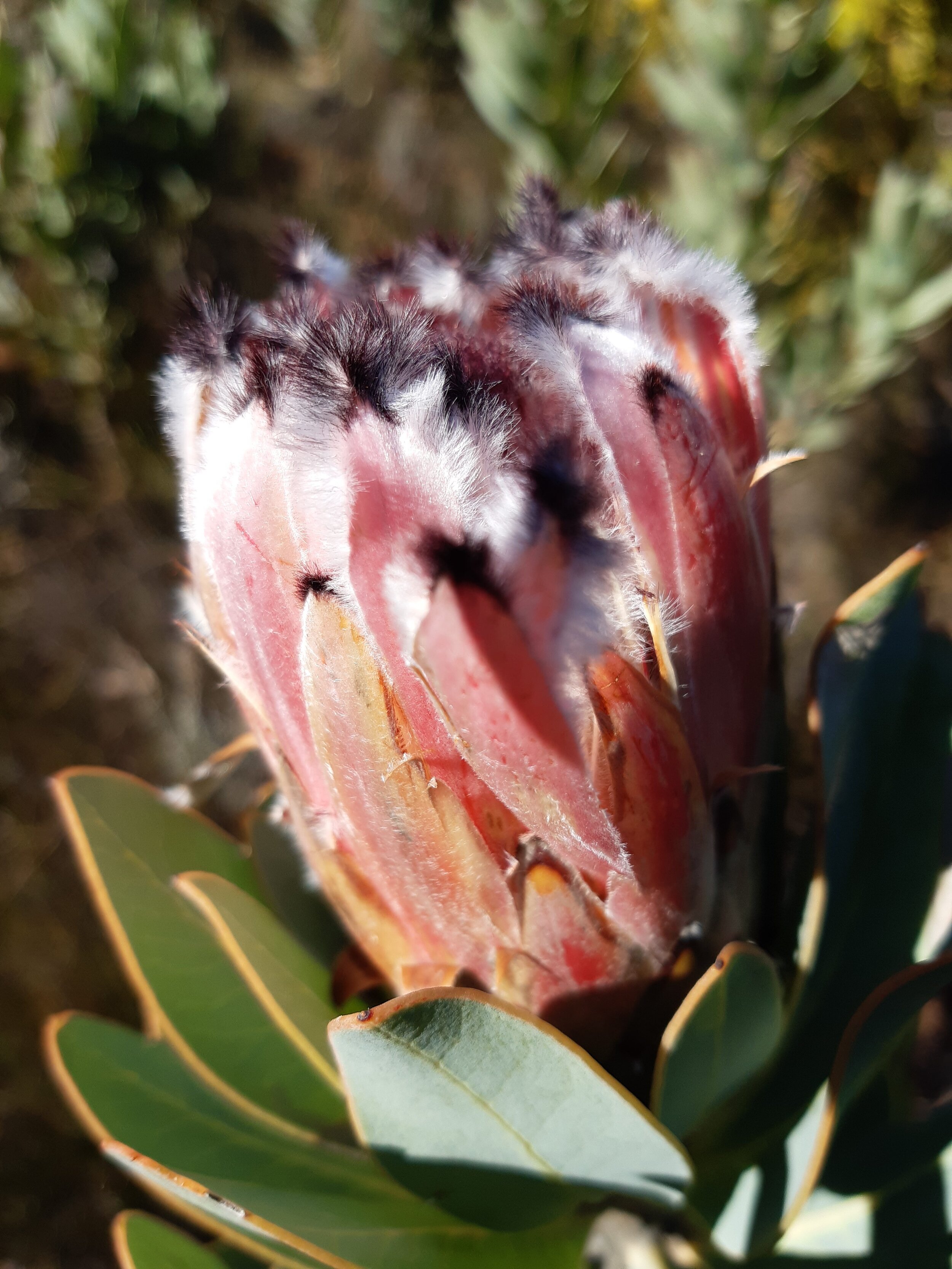
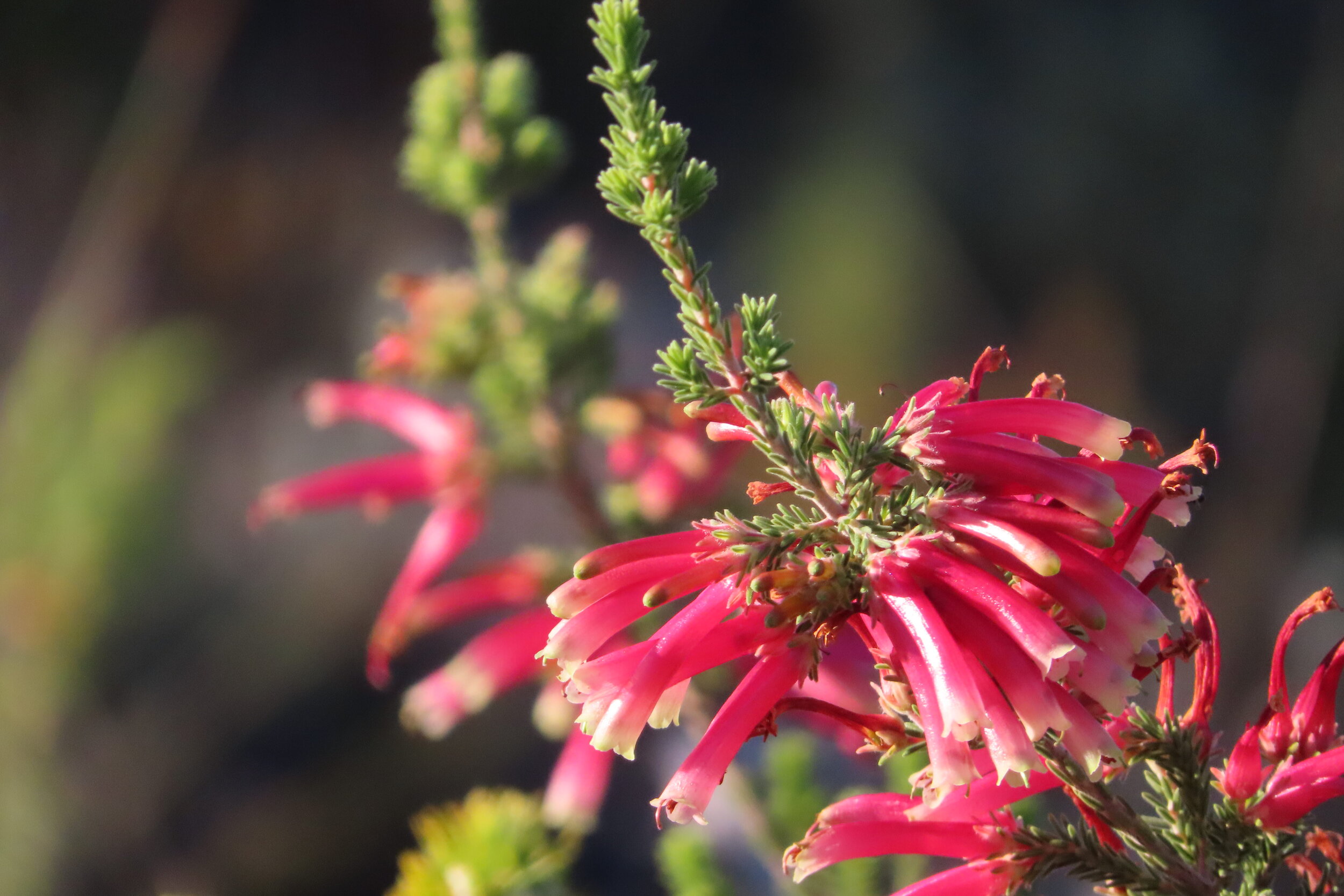
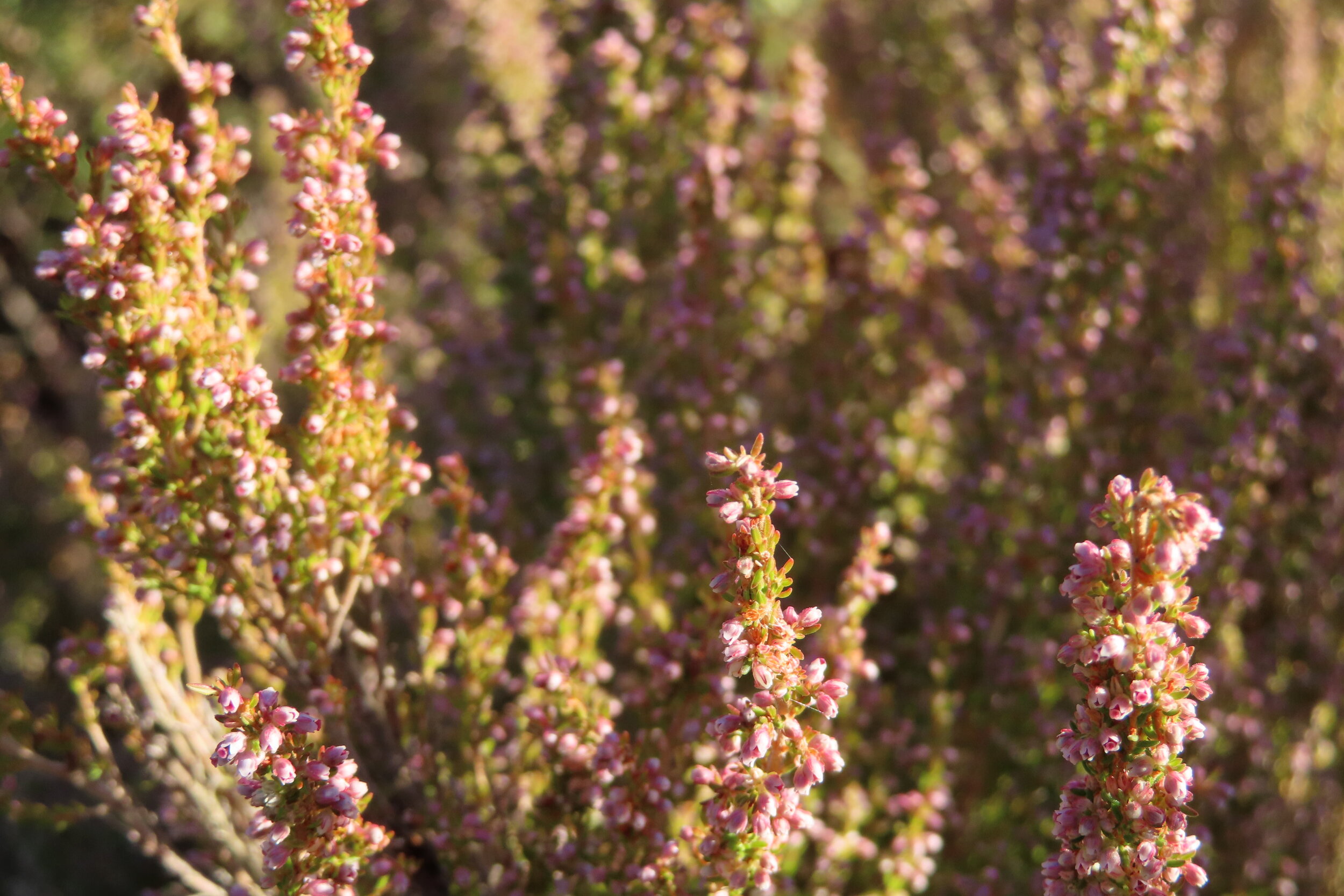
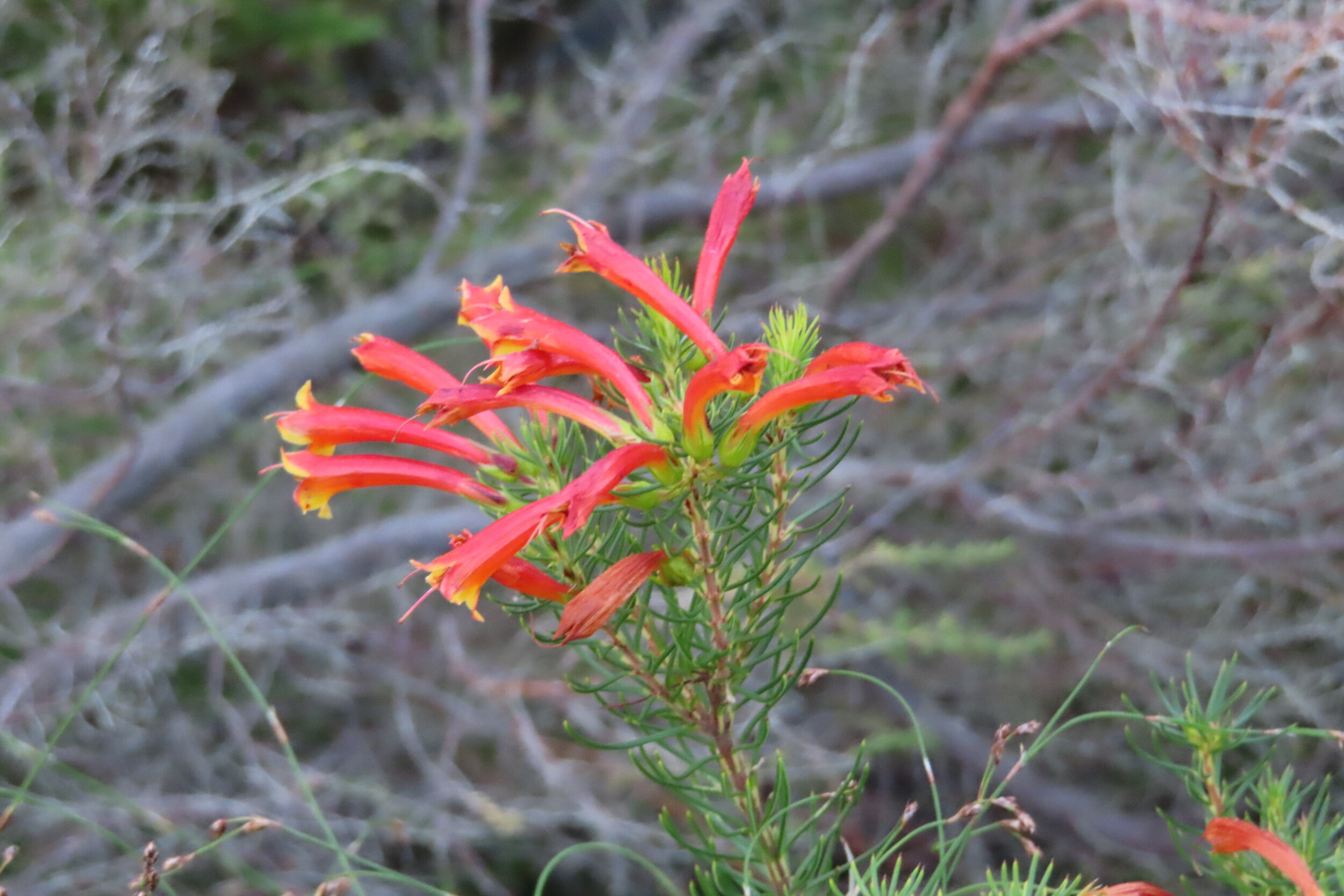
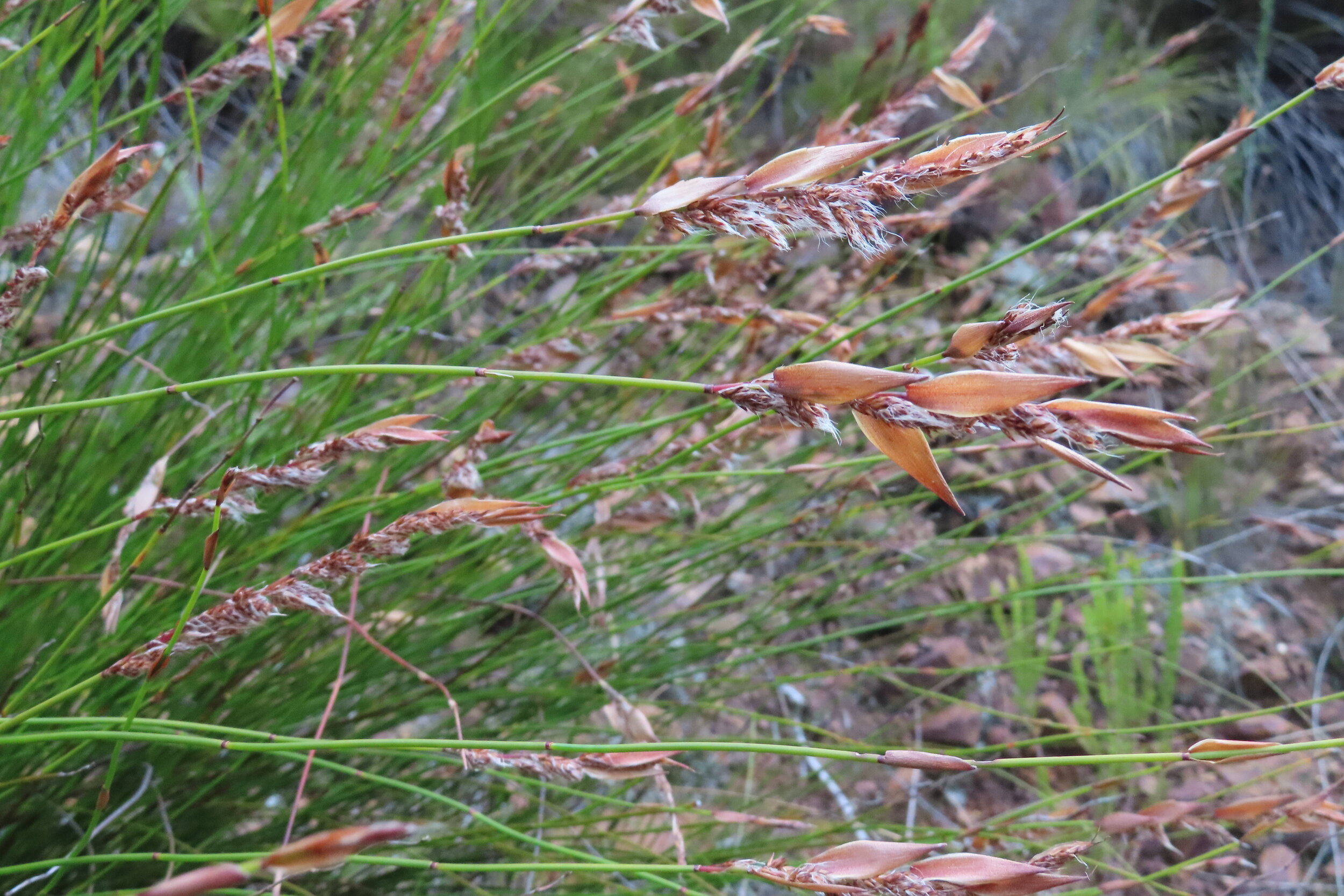
Most of the region is covered with fynbos, a sclerophyllous shrubland occurring on acid sands or nutrient-poor soils derived from Table Mountain sandstones (Cape Supergroup). Fynbos is home to a diverse plethora of plant species including many members of the protea family (Proteaceae), heath family (Ericaceae), and reed family of restios (Restionaceae).

Currently the main threats to this area are the transformation of natural habitat, through urbanisation, agriculture and mining, the invasion by alien plant species and the occurrence of too frequent wild fires. (Fynbos needs burn regularly but the interval must not be shorter that the slowest maturing proteas in order for them to produce sufficient seed. This interval can vary depending on the rainfall and the species of protea occurring in the area but is generally accepted to be in the region of 15 years). This situation is made worse by Global Climate Change which appears to benefit the invasive alien plants due to higher Co2 levels, thus creating a very high fuel load in a relatively short period of time. This then creates opportunity for too frequent and more intense wild fires. This higher intensity has several negative impacts including the destruction of the fynbos soil stored seed, leading to local extinction of species relying on this method of propagation. The extreme heat can also change the soils water absorbency properties and lead to accelerated erosion.

Protea Family

Erica Family

Restio Family

Proud to Share video launched

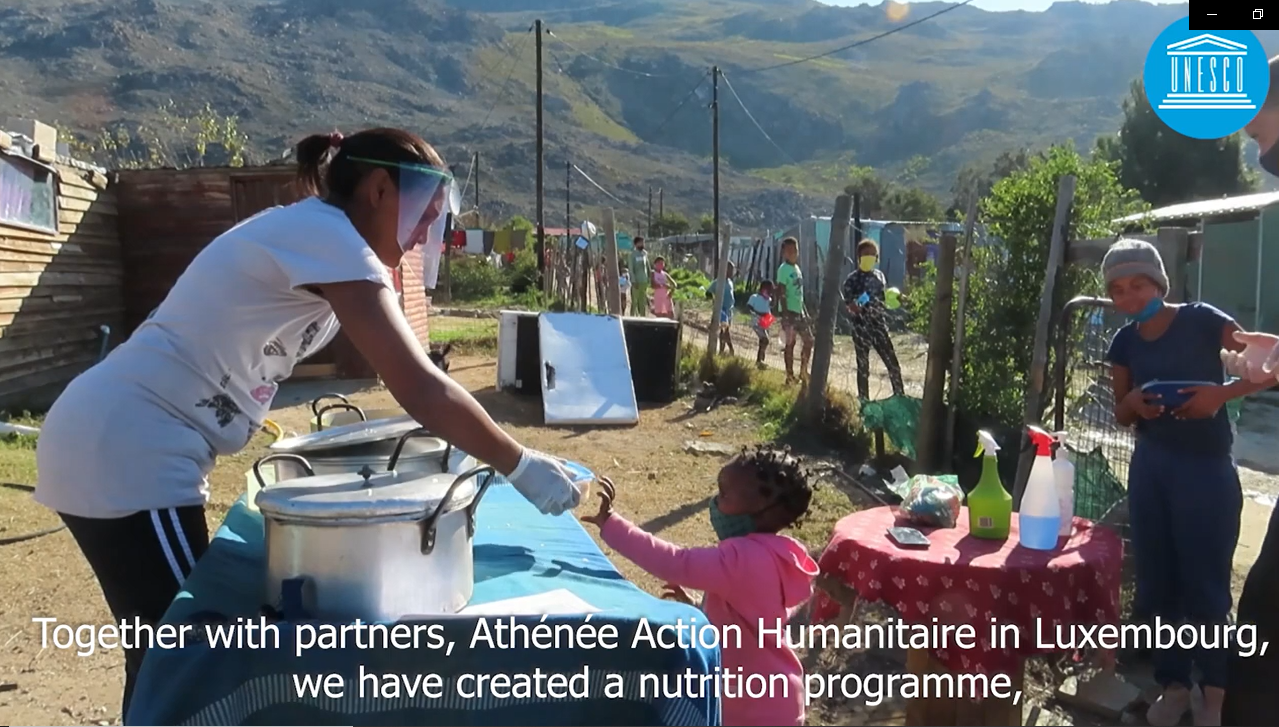
The CWBR has created a short film, on The Health and Nutrition Programme, which has been featured as part of UNESCO’s Proud to Share campaign. The video has been published on the UNESCO website and available to view on several social media platforms.

Links to featured video:

UNESCO Facebook Youtube Twitter

All around the world, incredible people are working to achieve the Sustainable Development Goals. The #ProudToShare campaign by UNESCO's Man and the Biosphere Programme (MAB) aims to share their stories and show how communities are making a difference in Biosphere Reserves.

Green Fingers in Arid Karoo

The CWBR is joining McGregor Magic this year which takes place on Heritage weekend in September 2020. This year the festival will be streamed online, hosting online guided garden tours, floral workshops, panel discussions, and talks by local and internationally recognized experts in fauna, flora, and conservation. The festival celebrates nature’s magic in springtime when the indigenous splendor of flora in McGregor blooms.

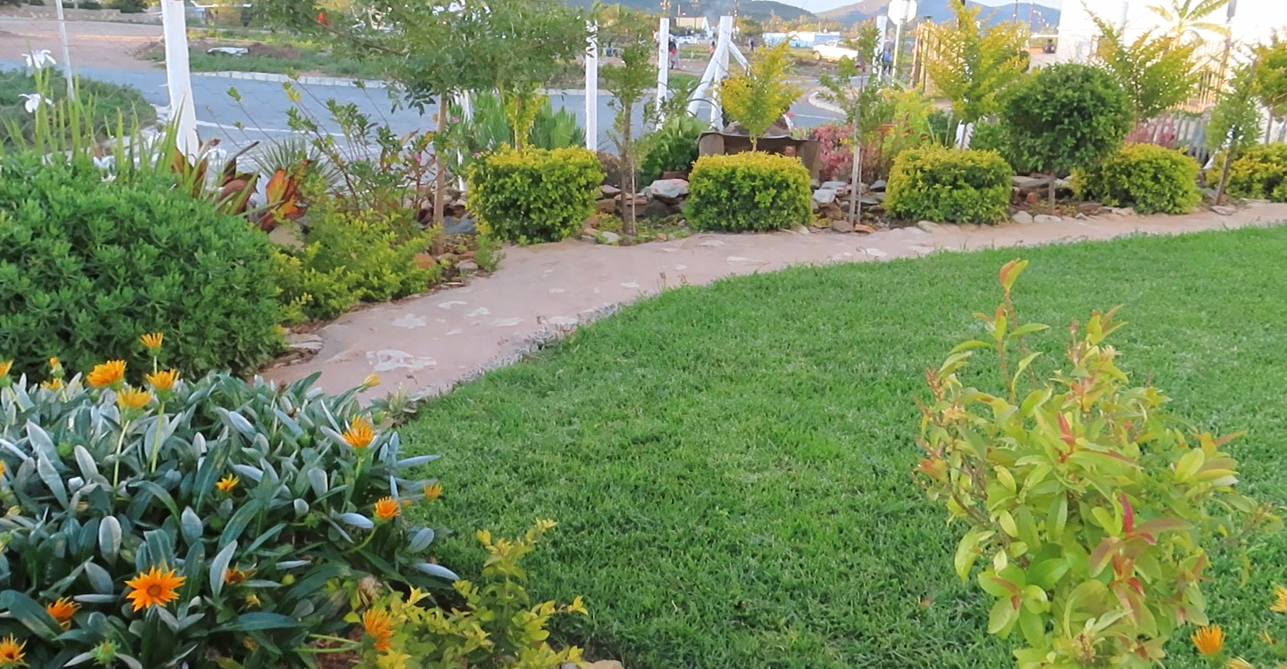
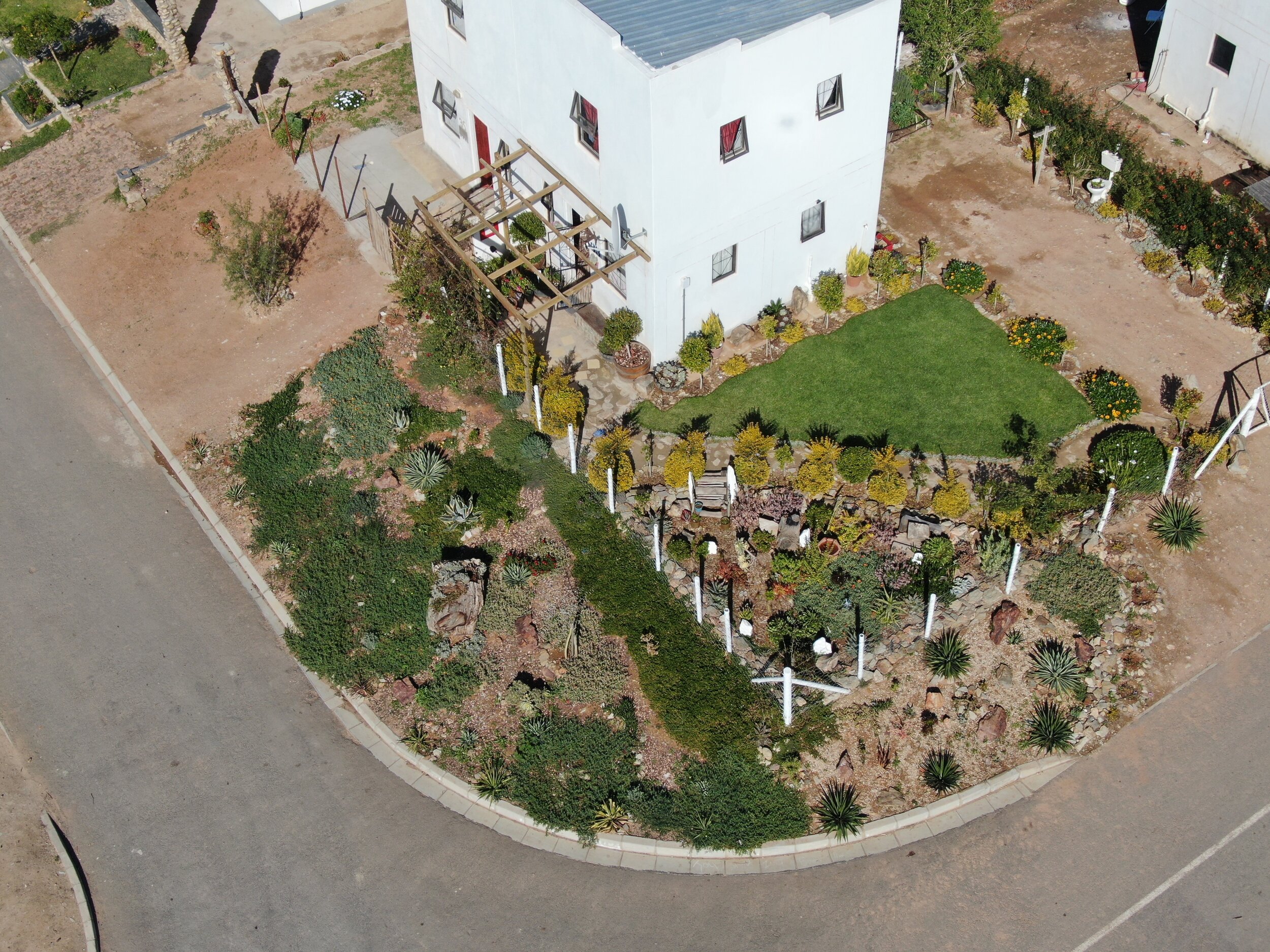
Every year, a garden competition is launched in the newly built community to support the greening of their spaces and provide infrastructure for self-sufficiency. A thought-provoking and challenging task to take on, as McGregor is in a succulent Karoo, an arid area in a rain shadow.

As part of the Health and Nutrition Programme, the CWBR will supply thirty gardens with 8000 vegetable seedlings that include broccoli, cabbage, and kale to help realize the greening and food security.

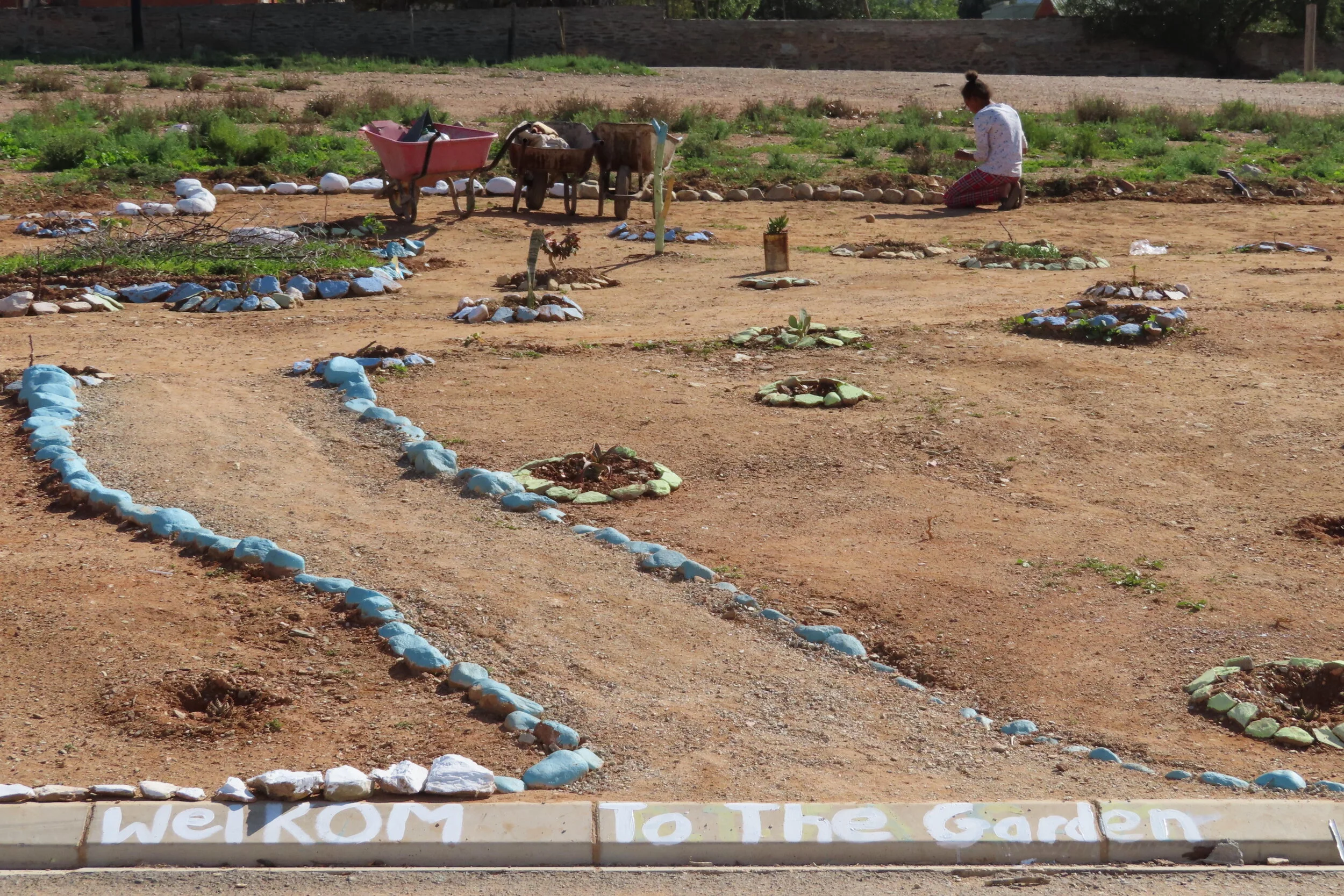
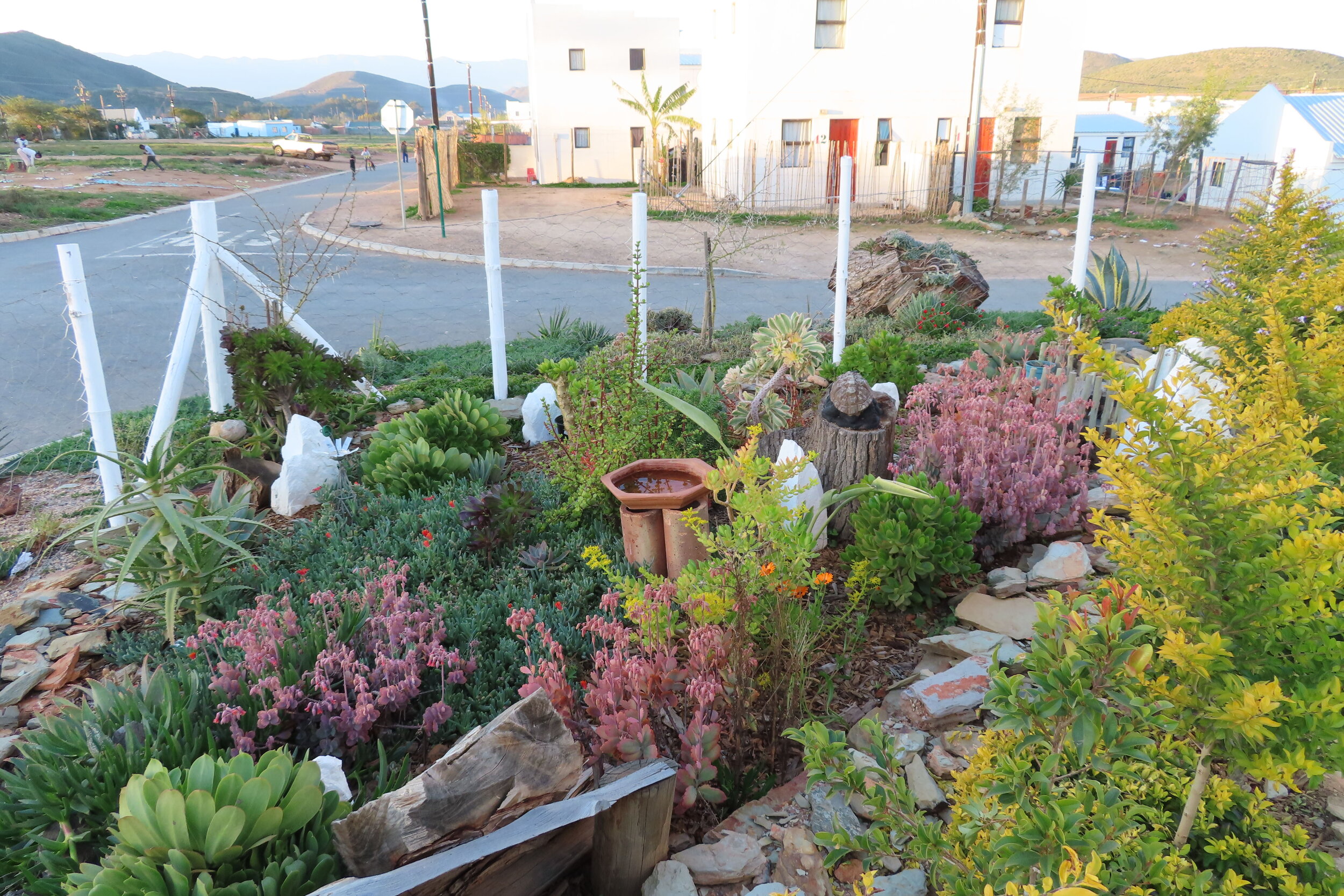
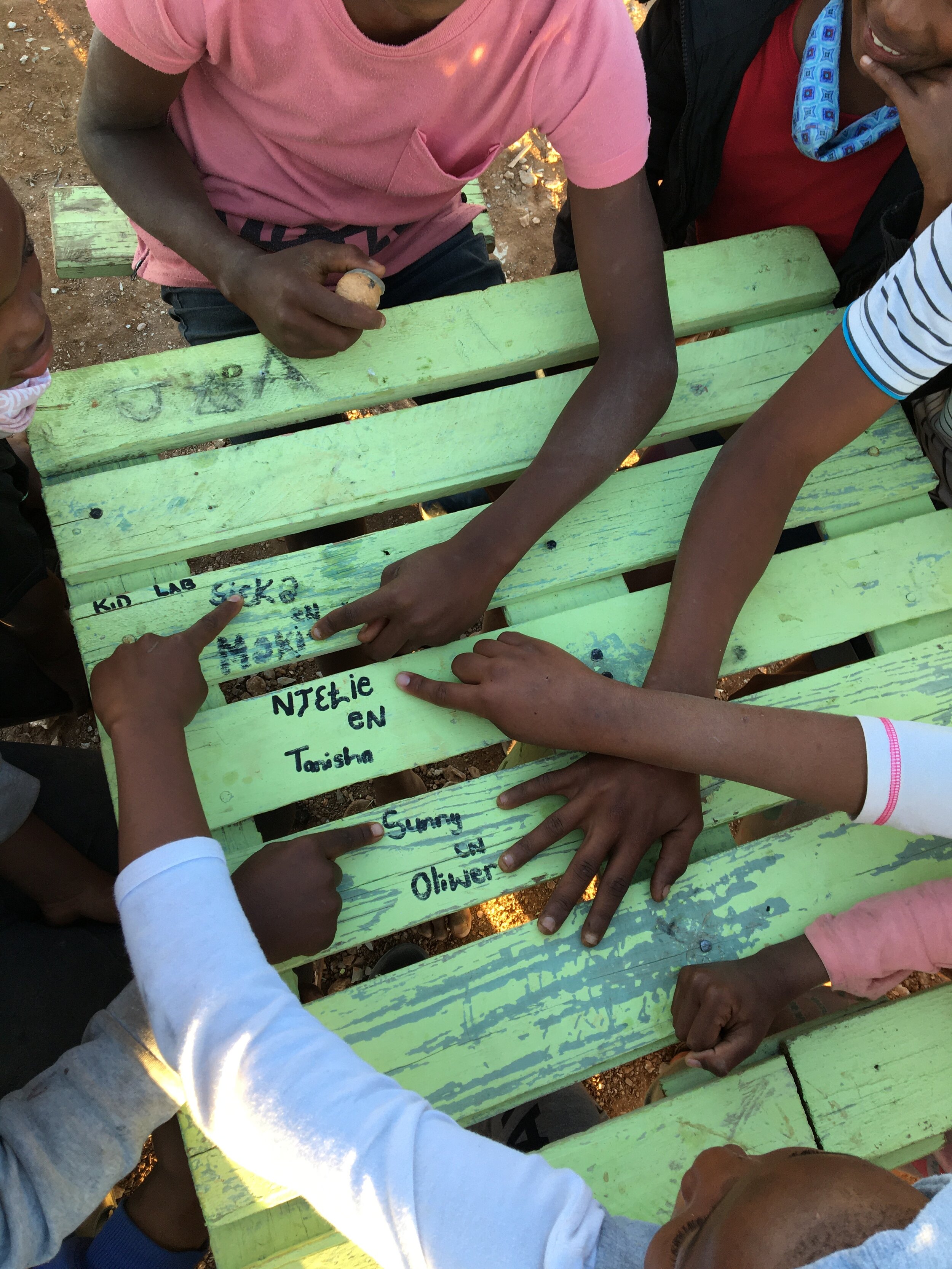
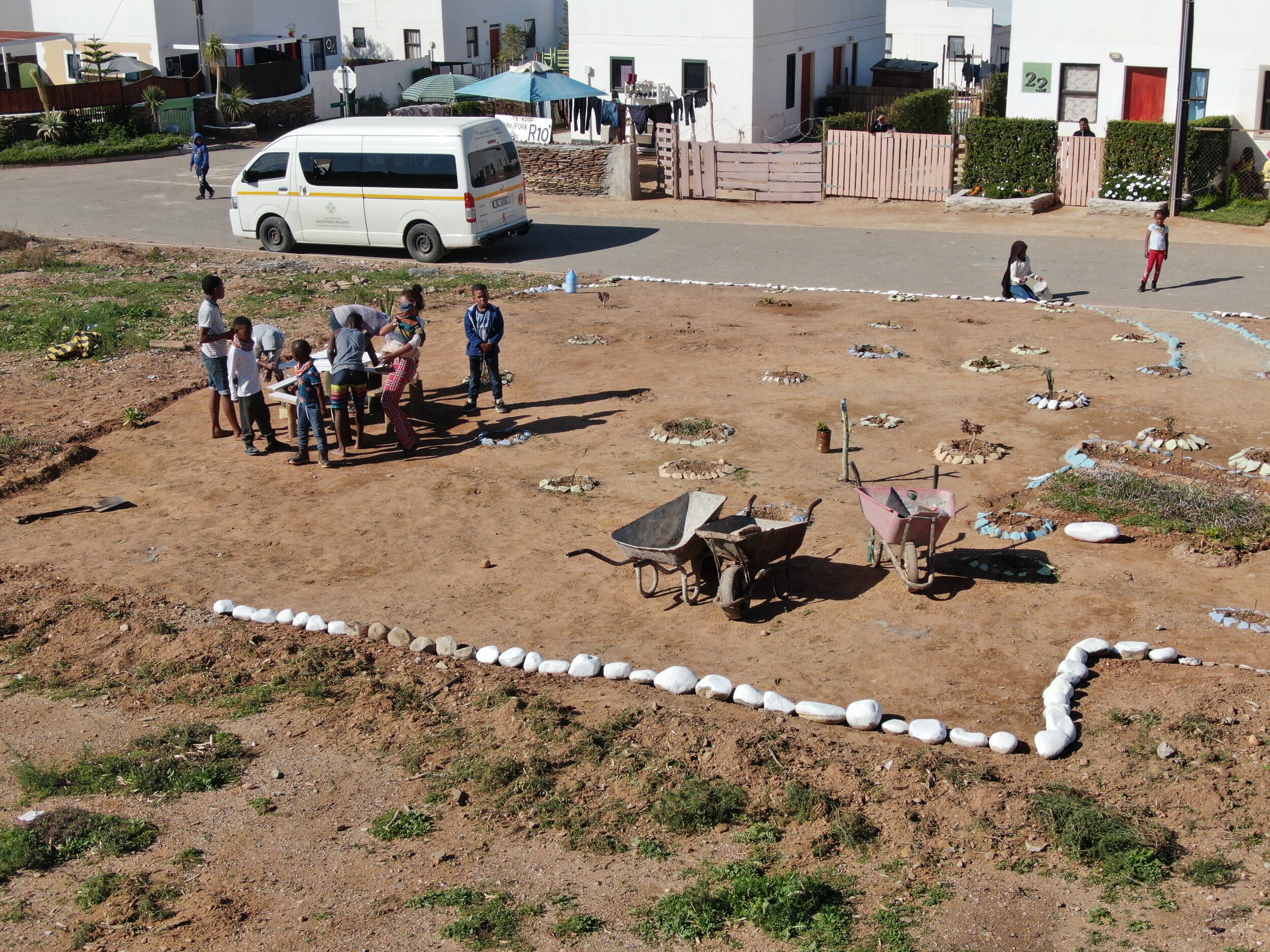
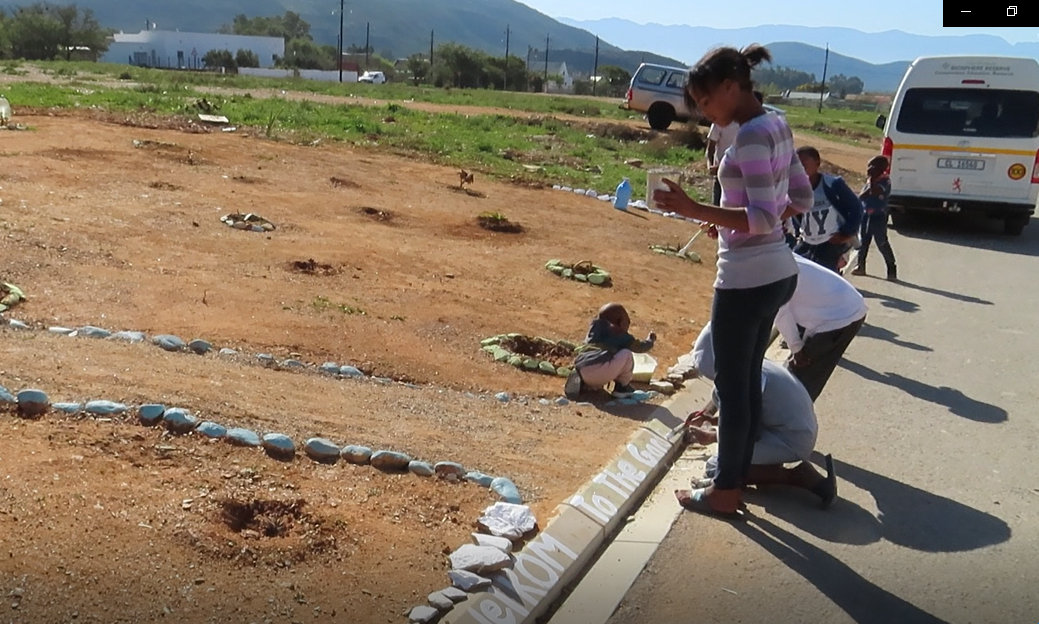
During the stay in McGregor this week, the CWBR team were introduced to an inspiring garden created by a group of children who started their own project to keep busy while schools are closed.

The space, which they named Kids Farm, has succulents, and rose cuttings given to them by people in the community. Together, the children designed the garden, collected materials to realize their vision and prepared the space. Turning the dusty earth and digging into the ground (as hard as concrete) to establish a table where they can sit and socialize in daytime. The children, taking great pride in their garden, water the plants every day, and continue to add to the space together.

Proving that anything can be possible, with determination and vision.

Follow McGregor Magic on Facebook to see updates on the programme.

Across the street, an initiate by the children, who have beautified the neighborhood with their own vision of a garden

Across the street, an initiate by the children, who have beautified the neighborhood with their own vision of a garden

Be Resilient Project

Cape Winelands Biosphere Reserve is part of a new UNESCO, Man and Biosphere Programme, initiative.

Biosphere Reserves as Observatories for Climate Change Adaption in South Africa

Background

Climate change impacts are being observed across the Southern African region, with water-related hazards causing massive flooding, landslides and severe droughts, significantly affecting natural resources and posing a direct threat to human security. While climate change is driven by global processes, the solutions to offset the negative effects of climate risks are particularly dependent on local conditions. In this respect, UNESCO biosphere reserves have the potential to become global observatories for climate change adaptation and mitigation. The BE-RESILIENT project aims to strengthen biosphere reserves and their communities to address climate change challenges and associated water-related hazards. The project will engage a set of established and proposed biosphere reserves in the region to pilot effective pathways towards climate change adaptation, using a multidisciplinary approach around four main components.

~ Extract from UNESCO Website

Further reading about the project: UNESCO Website

Be Resilient Brochure

Be Resilient1.png
Beautiful News

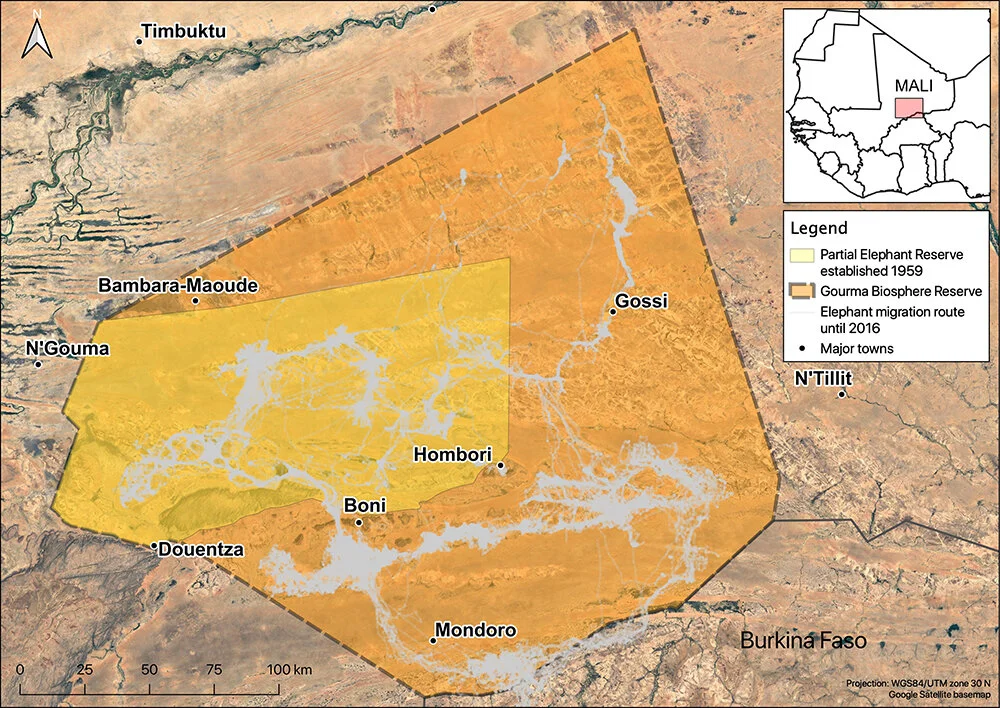
The importance of Biosphere Reserves is sustaining and developing a percentage of the earth’s surface to ensure a healthy co-existence on earth. Read the article linked below to find out about a new Biosphere, the largest protected area in the world, showcasing the importance of collaboration.

Link to article

New Biosphere Reserve in Mali Becomes one of the Largest Protected Areas in the World

by Vance G.Martin (Wild Foundation)

‘It is an example of how legislation can both set society’s norms (e.g. wildlife protection) and also enable the development of workable solutions that are adapted to local circumstances. In this case decentralization legislation empowered local communities to develop governance systems that protect elephants and their habitat through regulating natural resource use, preventing degradation and promoting ecosystem restoration and resilience.

This exciting and much needed new protected area expansion and legislation in Mali fits into an important global picture of the need for intact natural areas that has been made more evident by the COVID-19 pandemic. The pandemic has raised awareness of the direct links between degraded ecosystems and increased vulnerability to catastrophic events’

Extract from article ‘New Biosphere Reserve in Mali Becomes one of the Largest Protected Areas in the World‘

Extract from article ‘New Biosphere Reserve in Mali Becomes one of the Largest Protected Areas in the World‘