A Look Behind the Scenes

“I have always been captivated by storytelling. The past week has been so inspiring and reignited that spark. Connecting with such incredible youth from various communities, and seeing the potential in them and the difference they are already making, has been truly amazing.” - Janique Oliver, Youth Board Member

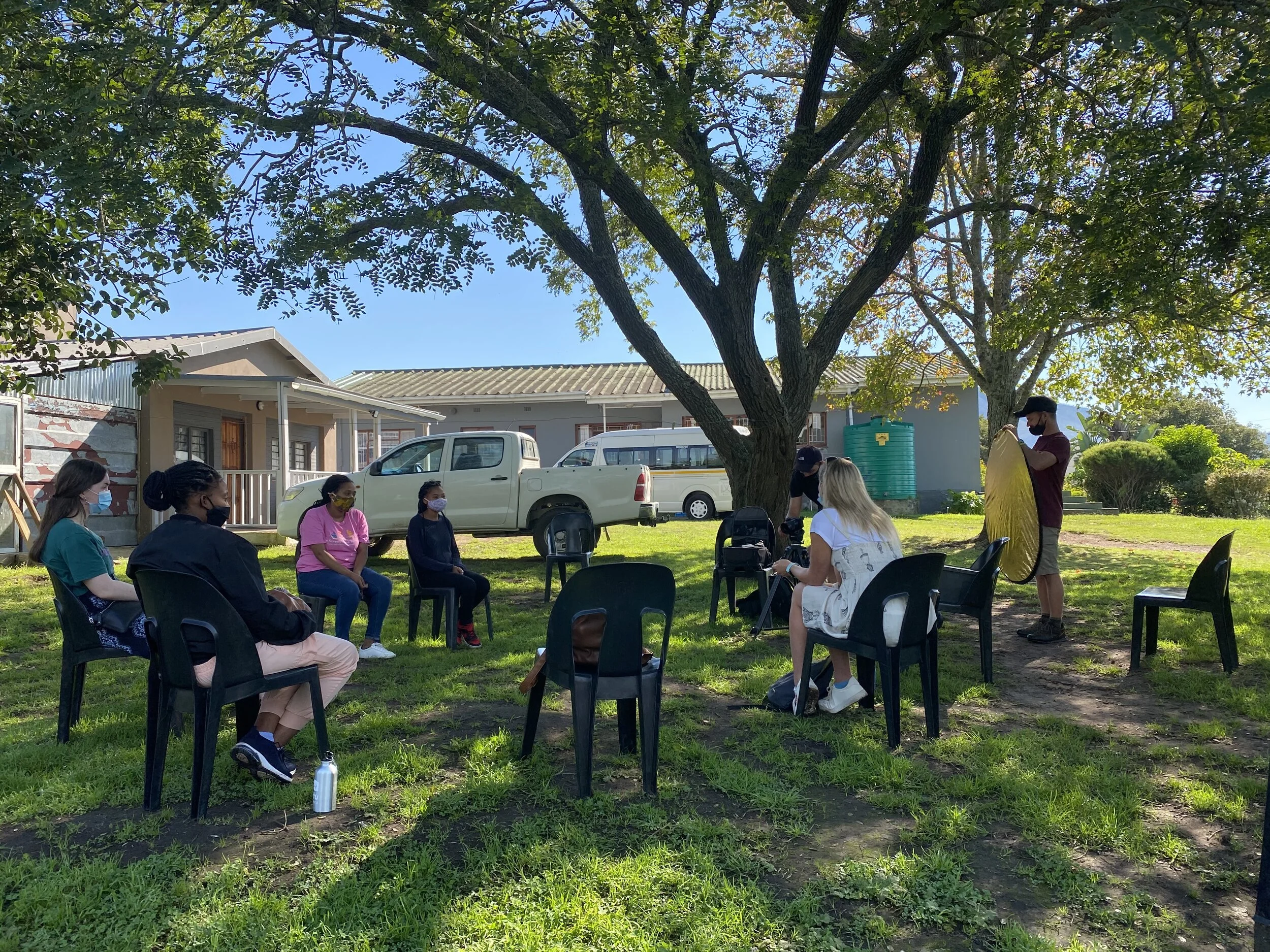
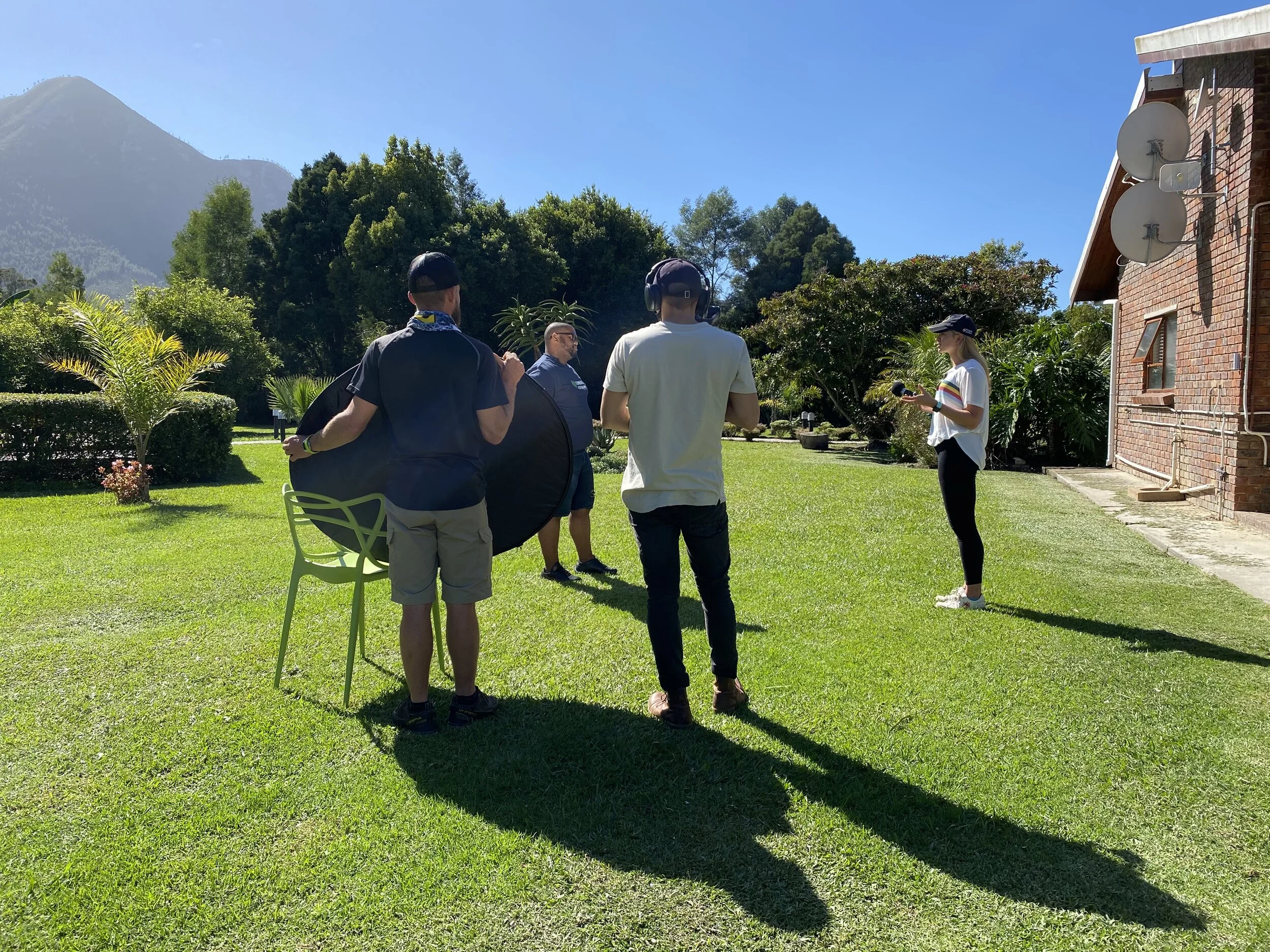
We set off late Sunday morning with a quantum packed to the brim with filming equipment, camping gear and a considerable amount of padkos. Garden Route bound, there was much trepidation and excitement for the journey ahead. Our goal as the “Doccie Team” was to find willing participants and interview them for our Youth Documentary, to be filmed at various intervals throughout the year. The concept behind the documentary is to interview inspiring young people (under the age of 35) instigating positive change in their local communities, located within the five biosphere reserves of the Western Cape. We, as a Youth Board, aim to use the documentary as a means to celebrate the 50th anniversary of UNESCO’s MAB as well as encourage youth involvement within biosphere reserves.

Having zero filming experience, it’s safe to say I felt rather out of my depth when tasked with leading the Team. However little faith I had in myself, however, I had incredible confidence in the abilities of the rest of my team which consisted of two of the newest Youth Board members: Dean Jorgensen and Janique Oliver. Dean, our videographer, works as a videographer, photographer and website developer in both the tourism and social media sectors. Janique, our social media queen, has experience in content development and graphic design and currently works as the PR & Communications coordinator for our project partners, USIKO Stellenbosch. Between us, our little trio were eager to utilise our diverse skill sets to capture the optimism, fearlessness and resourcefulness of the young people living in our country’s biosphere reserves. Armed with back up SD cards, back up-back up SD cards, coffee and nervous-excitement, we ventured out to find our first stories.

The interviews took us to a wide variety of places and spaces in the Garden Route Biosphere, starting in George, moving on to the small villages of Great Brak River and Touwsranten and finally, spending some time in Stormsriver. While reflecting back on the day spent with our interviewees during the car trips home to our campsite, we would often come back to familiar thoughts and feelings. Although, physically drained from a long day shooting there was a deeper energy gained from every interaction we encountered. Each individual and their associated networks seemed to ooze an infectious passion, drive and hope for not only their own future but that of their communities and country too. As young people ourselves, we could also relate to the frustration and disillusionment felt at times since the outbreak of the pandemic. Despite our vastly different backgrounds, we shared similar anxieties but at the same time a greater optimism for our collective future.

We feel immensely privileged to have connected with these young people and look forward to linking up with youth located in the West Coast Biosphere Reserve, very soon. If you are a young person living in this area and would like to connect with us or have a recommendation, please do not hesitate to contact us on youth@capewinelands.co.za.

To find out more about the documentary visit our social media platforms on Instagram and Facebook where you can follow more behind the scene developments as they unfold over the coming months.

Capturing Footage

Capturing Footage

Interview in George

Interview in George

Team meeting

Team meeting

Tsitsikamma

Tsitsikamma

Interviewing youth in Touwsranten
Interviewing youth in Touwsranten
2021 ArchiveKim Parker
CWBR joins the WNICBR

We are excited to announce that Cape Winelands Biosphere Reserve (CWBR) has joined the World Network of Island and Coastal Biosphere Reserves.

The Network was established in 2009 by UNESCO MAB Programme to foster sustainable development and promote adaption and mitigation strategies on climate change.

Though the CWBR is an inland biosphere reserve, it is recognized for being the source of seven rivers, all of which are vital sources of water and provide a keystone ecosystem service for several towns, agriculture and industry, as well as ensuring the survival of biodiversity from the source to the sea.

The CWBR is also made up of several protected areas, and well-known for forming part of the Cape Floral Region Protected Areas World Heritage Site originally declared in 2004. Hosting over 9300 species, of which 68% are endemic to South Africa.

The Network functions as a platform for island and coastal biosphere reserves that are existing within different contexts however with shared characteristics and therefore some common challenges. It is a forum of cooperation to exchange knowledge and share possible solutions.

The CWBR attended the ninth WNICBR World Network Workshop held in our neighbouring Biosphere Reserve, the Gouritz Cluster Biosphere Reserve, in 2019. The theme: Coastlines in Balance, “with the aim of strengthening cooperation among partners and advance in mutual learning and networking in coastal management” [WNICBR Website].

A presentation was given by a CWBR facilitator sharing the hands-on facilitated educational activities by the CWBR in partnership with Athénée Action Humanitaire. As well as our involvement in drone research in partnership African Climate and Development Initiative (ACDI) and Socio-Economic Benefits of Ecological Infrastructure (SEBEI). The programme, CWBR presentation, and other members presentations are available on the WNICBR IX MEETING page .

To learn more about the Network visit the WNICBR Website, and visit the WNICBR CWBR Page

Insights from UNESCO’s Biodiversity Forum

2021 is considered a monumental year for biodiversity with important commitments and targets being set at several major global environmental conferences, including the World Conservation Congress and COP 15. Leading up to these important decisions, UNESCO’s Biodiversity Forum was held online on the 24th of March, bringing together high-level stakeholders and actors to discuss current global environmental challenges and possible ways forward.

Many distinguished guest speakers from around the world gathered to speak about topics ranging from biodiversity loss, the health of our oceans and how to bring about transformational change. Throughout the discussion sessions, four recurring themes emerged: 1.) rethinking our relationship with nature 2.) the need for collective global action 3.) Science as a tool for change and 3.) involving youth in discussion and decision-making. 

  1. Rethinking our relationship with nature

Dr. Jane Goodall, the nominated spokesperson of the 50th anniversary of the Man and Biosphere (MAB) Programme said during the Forum, “It’s very clear, we need to develop a new relationship with the natural world… a new, respectful relationship with nature and a new, greener and more sustainable economy.”

Scientists and those in the environmental sphere have long since acknowledged the importance of the interdependence between people and nature. In fact, this was one of the founding principles that UNESCO’s MAB was founded on, five decades ago. However, the global pandemic has once again highlighted the importance of this relationship to mainstream society. Therefore, an active global effort must be made, across all sectors of society, to find new ways of living in harmony with nature.

  1. The need for collective global action

Pope Francis passed on an important message about claiming responsibility for our environmental challenges stating, “Climate change should be seen as much more of a moral than a technical issue”.

We should recognise the twin challenges of biodiversity loss and climate change as universal issues. Too often the finger is pointed at developed nations or big corporations to answer for their wrongdoings. There is the expectation that these entities must be solely responsible for cleaning up this mess, however, it is far too late for this mindset. Instead, all nations and sectors of society must work in partnership to reach global targets.

This includes action taken at the individual level too as we all have a role to play and individual choices have the power to instigate positive change. It is also crucial that we stop thinking in silos and encourage collaboration amongst multiple stakeholder groups, across scales in order to produce meaningful solutions.

  1. The Importance of Science in creating change

Several speakers noted that Science should be used as a tool to develop more sustainable solutions and drive better policy. We first need to understand the scale and complexity of global threats in order to know how to go about tackling them. Therefore it is crucial that we develop widely-accepted, science-driven policy as “science and scientists supported by policymakers and industry can offer solutions from the very local level to systemic and global arenas.”

Furthermore, humankind’s incredible capacity to innovate means that we have the ability to address and reverse the negative impacts we have brought about to our planet. UNESCO’s World Network of Biosphere Reserves (WNBR) should be increasingly looked at in this case as they serve as hubs for interdisciplinary scientific research and a means to connect different actors.

  1. The Importance of Youth

Finally, The importance of youth involvement in discussions surrounding biodiversity conservation and the climate crisis was echoed throughout the Forum. The Closing statement was given by Xiaoge Ping, a MAB Youth Spokesperson from China, who noted that “nowadays, the voices of young people are more valued by decision-makers given that youth have the ability to reshape our future and the motion to change.” 

This once again highlights MAB’s intention of paying special attention to youth and encouraging them to become actors of change within their communities.

These four themes serve as key steps needed to be taken to enact the change necessary to reach global biodiversity targets in years to come. UNESCO’s WNBR will surely play a crucial role in helping to carry them out on the ground level. The CWBR looks forward to assisting in these endeavours!

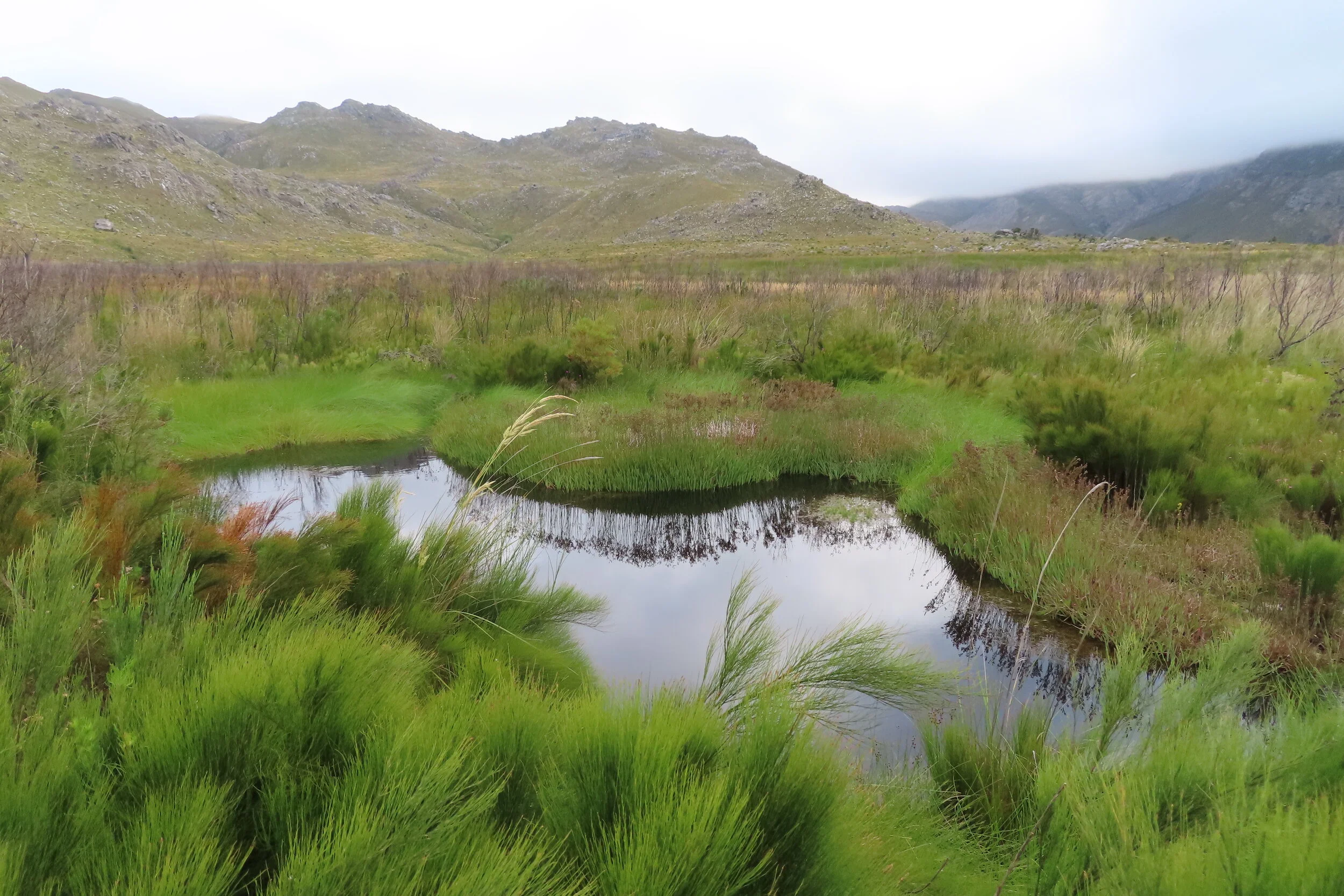
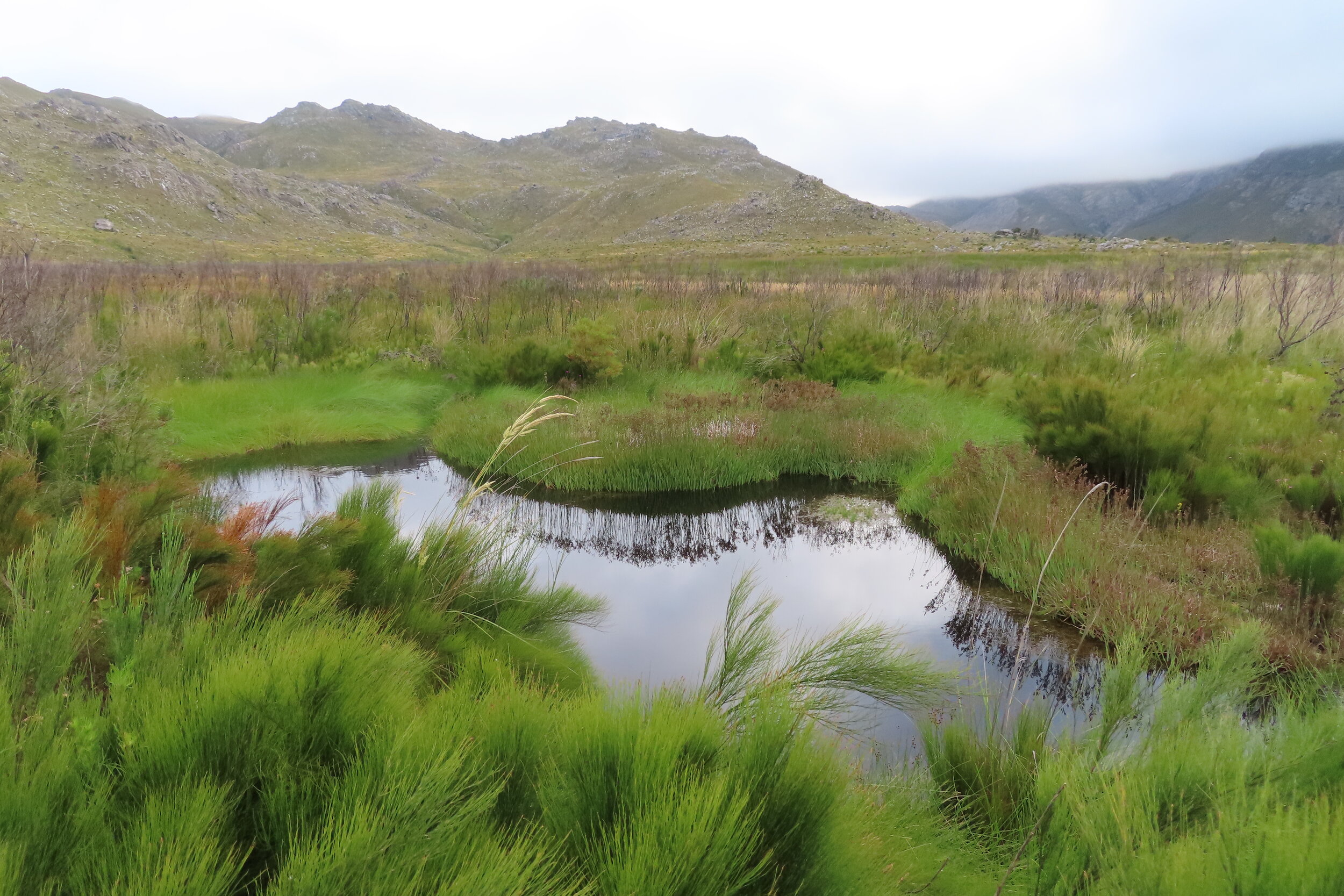
Theewaters Kloof. Photo by C Macdonald

Theewaters Kloof. Photo by C Macdonald

UNESCO Forum on Biodiversity 2021

On the 24th of March we tuned in to the UNESCO Forum on Biodiversity which saw high-level stakeholders coming together to discuss environmental challenges and how to address them in ways that are ethical and peaceful. Dr. Jane Goodall, the nominated spokesperson of the 50th anniversary of Man and Biosphere (MAB), highlighted the importance of establishing new relationships with our natural world.

“It’s very clear, we need to develop a new relationship with the natural world… we need to find a new, respectful relationship with nature and a new, greener and more sustainable economy.” She went on to congratulate UNESCO’s MAB on the important work it is doing in helping to develop and implement these new relationships all over the world. Highlighting the importance of the role of young people in the future of Biosphere Reserves, six young MAB representatives spoke at the forum.

The First Planting of the Season

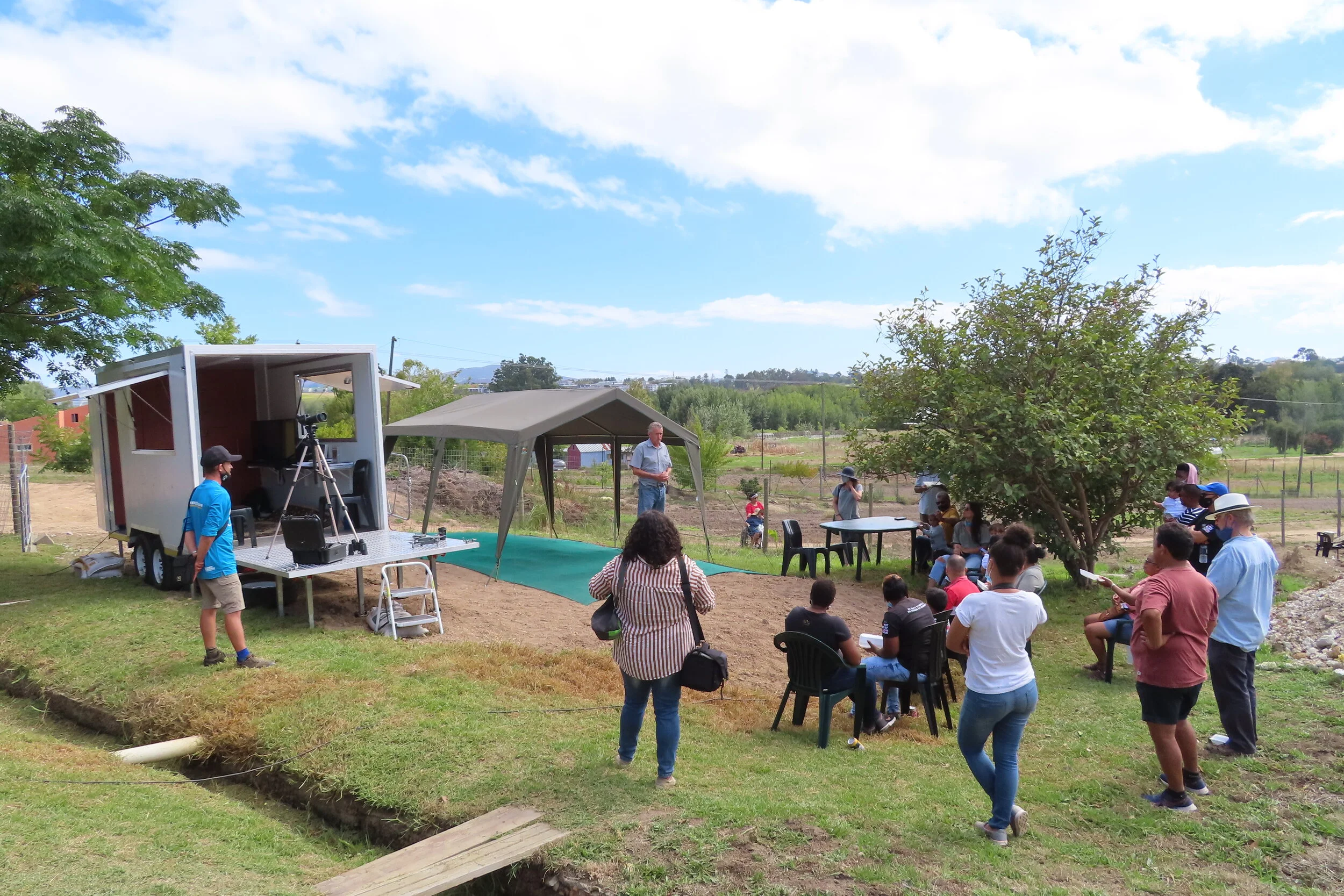
The Science Bus Trailer made its first appearance on an outing this month at a Community Farm Day in Jamestown. USIKO, our joint project partners, invited us to attend and participate in their event which was held in celebration of their 20th anniversary.

The day was jam packed with a host of exciting workshops and activities for local community members to partake in. The event was also open to the public who were encouraged to drop in, get involved and learn more about USIKO Stellenbosch, Cape Winelands Biosphere Reserve (CWBR), and be introduced to new educational possibilities and activities taught using the Science Bus Trailer. As well as find out more about USIKO and CWBR’s joint project, Mobile Minds.

A BRIEF TOUR

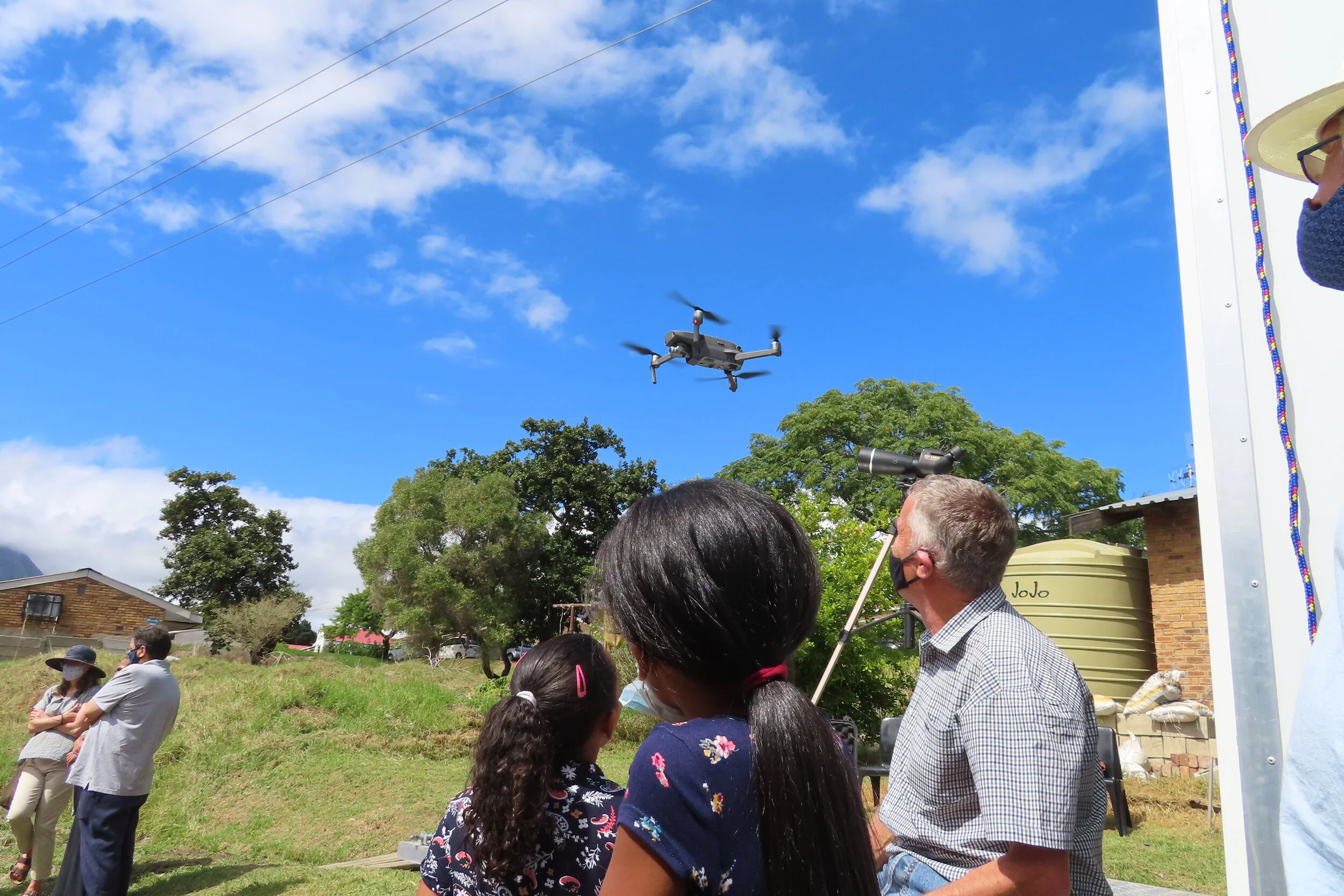
As people arrived, they first came upon the Science Bus Trailer, affectionately known as STEAMY (Science, Technology, Engineering, Arts, and maths). The Trailer was used to assist in several activities throughout the day including presentations about the CWBR, teaching kids from the local Jamestown community how to fly a drone as well as taking a closer look at the beauty of the Simonsberg Mountains and surrounds through binoculars and a telescope.

As they walked further on in the USIKO Hub, they came across B Thomas, a CWBR facilitator, who taught them about propagation and seedlings, the correct way to plant seeds and how to upcycle rubbish in ways that can used in one’s food garden.

Since it was first launched, 8 months ago, the USIKO Hub has developed into a versatile space for learning and skills development. The space features a large Food Garden where seedlings were planted on the day to commemorate the anniversary and welcome in the new planting season. Z Lager facilitated the planting.

L De Jager, a current FGASA and Life Skills Culture guide student [and CWBR facilitator since 2015], taught children and adults how to evaluate the quality and health of a river system by observing and identifying the invertebrate species inhabiting them. Using the Minisass Method (Mini - Stream Assessment Scoring System). The participants tried out the minisass practice on the swales surrounding the rows of vegetable beds. And found tilapia and water skeeters.

Down by the river, the rhythmic sound of drumming could be heard. USIKO facilitators encouraged members of the public to participate in a drumming circle and later lit a ceremonial fire aiming to reconnect people with nature.

We would like to thank USIKO for hosting such a great event and allowing us to be part of the day’s festivities. We will be collaborating with them on future events this year in celebration of the 50th anniversary of the Man and Biosphere Programme, and UNESCO’s 75th.

M Heistein, CWBR CEO, sharing insight of the Science Bus Trailer and the CWBR

M Heistein, CWBR CEO, sharing insight of the Science Bus Trailer and the CWBR

With a hand full of spinach, freshly picked from the garden, enjoying binoculars and a telescope

With a hand full of spinach, freshly picked from the garden, enjoying binoculars and a telescope

A lesson on soil mix, and how to plant seeds correctly in trays

A lesson on soil mix, and how to plant seeds correctly in trays

Observing the invertebrate from the river with a magnifying glass

Observing the invertebrate from the river with a magnifying glass

The Science Bus trailer goes on its first road trip!

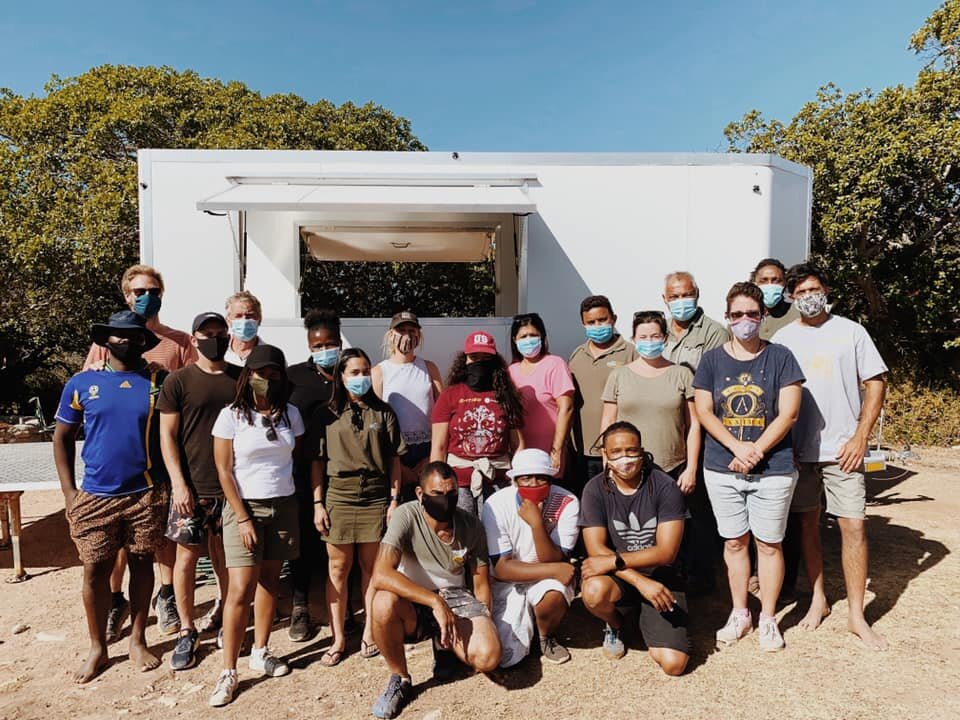
During the last week of February, nine team members from the CWBR joined ten from USIKO Stellenbosch at De Hoop Nature Reserve in a four-day team building workshop. USIKO have partnered up with the CWBR on the Science Bus Project and will use the trailer as a tool to facilitate youth empowerment and outdoor education workshops. Therefore, this trip was organised to gain better insight into each organisation, exchange knowledge, brainstorm ideas for workshop content and ultimately strengthen bonds between the two organisations.

The CWBR, together with De Hoop Collection guide Lizo Msululu [graduate of the FGASA & Life Skills Course run through the CWBR], guided the team on an exploration of the Rocky Shores.

Lizo presented a captivating, guided tour of the Rocky Shore, bringing the seemingly stagnant pools to life. Pointing out several threatened species, how certain species have adapted to this often unfavorable, harsh environment and explaining how the iconic white sand dunes form and reform over time. Although no whales were spotted during the trip – for which De Hoop is famed for- the team was treated to few dolphins playing in the waves below. 

Inland we were introduced and afforded the opportunity to walk along the RAMSAR protected Vlei, its significance is that thousands of birds species. Such as flamingos and pelicans visit this site yearly, having made seasonal stops at other such wetlands all over the world.

The experience left all participants in awe of the incredible wildlife and beauty of the marine reserve and inland wildlife. Highlighting the importance of a good guide and hands-on guiding experience to excite, spark curiosity and create a lasting memory to encourage further knowledge and skills seeking.   

L Willemse, who mentors and facilitates the CWBR run FGASA course spent the afternoon with the group spurring stimulating conversation and discussion about motivation, personal development, and how to transfer skills and share knowledge. More importunately, asking ‘who are we’ and ‘where are we going’, a question not so often asked by us as individuals as we get caught up in the mere doing of daily life.

The day ended with a short presentation given by L De Jager on her experience working with individuals with mental and physical disabilities through Care Career Connections (CCC), an organisation dedicated to equipping those with disabilities in the Cape Winelands area with the skills, training and support necessary to secure work in a profession the individual enjoys.  This amazing organisation was created and run by her mother, Ingrid De Jager. Her talk sparked interesting discussions surrounding the place of those with disabilities in society and the need for society to change in ways that are inclusive of disabilities.

On the third day the CWBR was given first-hand insight into the youth empowerment workshops run by USIKO when they demonstrated what a typical workshop would entail and look like. With focus on the four elements earth, air, water, fire, and time spent in nature individually to reflect on questions posed throughout the workshop. The CWBR’s participation in the activities gave insight to what USIKO offer to youth that often are misled and have few positive role models. An opportunity to be away from their norm and come out with a fresh perspective of who they are, where they are going, and possible opportunities. As well as the positive effect of stillness and quiet that comes with spending time in the natural environment, which is often an experience never had by many youths.

Since the development of the CWBR Science Bus Project in 2018, in collaboration with Athénée Action Humanitaire, the concept of the Science Bus has changed significantly over time. Originally, it aimed to educate disadvantaged youth living in remote local communities lacking access to sufficient resources and education, in STEM subjects. Since then, a whole global pandemic has hit and the way education and knowledge is shared with youth has had to change. The concept of the Science Bus has now evolved into a mobile educational space used to inform, inspire, and excite individuals and communities through hands-on learning experiences and empower them to navigate through the 21st century. The trailer is a highly multi-functional tool and along with serving and educational purpose will also be used to host CWBR-based events and capacitate income generating activities for the CWBR to become independent and self-sustainable.

We thoroughly enjoyed our time with USIKO Stellenbosch and are excited to be working alongside them in making the Science Bus Project a reality. Stay tuned and follow us on this journey to creating better opportunities for youth to learn and be empowered.

Trailer Team.jpg