Education and Development
Early Childhood Development (ECD)
Area of intervention: Franschhoek and surrounding areas, Cape Winelands Biosphere Reserve
Timeline: January 2016 – November 2024
Main Funding partner: Athénée Action Humanitaire NGO, Luxembourg
About the project
Children growing up in vulnerable communities are often exposed to violence, environmental pollution, food insecurity, and extreme stress. These factors can significantly hinder healthy development in early childhood. Limited access to adequate nutrition, safe learning spaces, and early educational stimulation can have long-term effects on children’s well-being and learning outcomes as adults.
At the same time, many practitioners at Educare Centres (pre-schools) operate with limited infrastructure and without access to qualified teacher training or professional skills development opportunities. This results in informal learning environments that struggle to meet the developmental needs of young children and can perpetuate cycles of poverty across generations.
Objectives
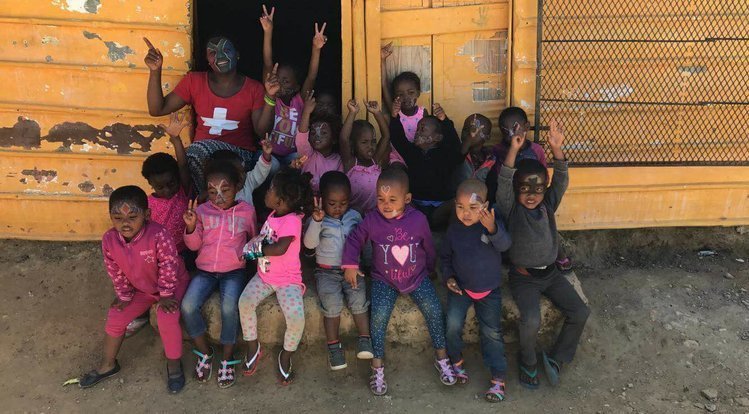
To contribute to the positive and holistic development of children aged 6 months to 6 years, by ensuring access to a safe, nurturing learning environment and age-appropriate early education. Also, to strengthen the capacity and confidence of Educare practitioners through access to qualified teacher training, ongoing upskilling, and exposure to innovative, nature-based learning approaches. The project sought to complement formal early childhood education by introducing eco-educational activities and new professional perspectives that support educators in responding to the developmental, emotional and educational needs of children in vulnerable contexts.
Project activities
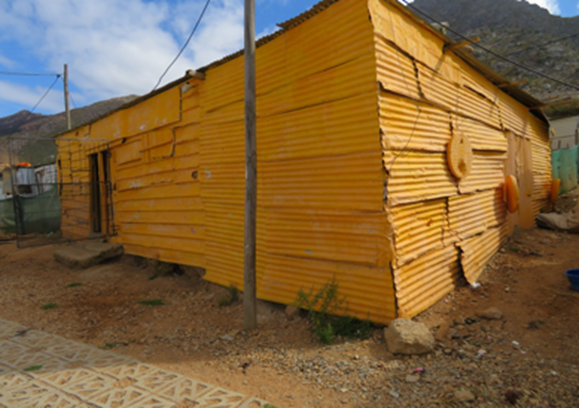
Upgrading a severely overcrowded Educare Centre identified in 2014, which was operating from a shack with no windows and only one door, serving 80 children.
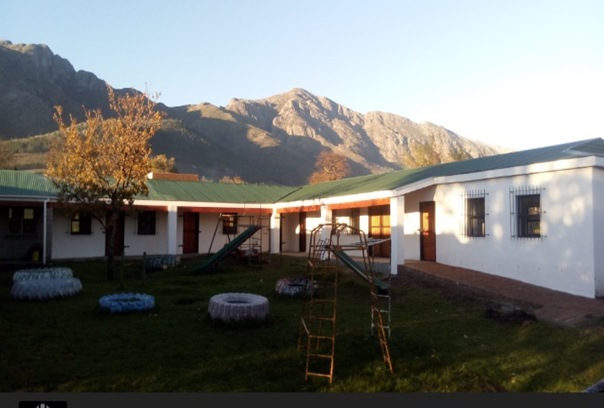
Construction of an Educare Centre in Franschhoek (2018), offering a safe and stimulating learning environment for 80 children aged 6 months to 6 years. The building is fully equipped with electricity, running water, separate classrooms, kitchen facilities, bathrooms, and an outdoor play area.
Ongoing mentorship and support provided to the Educare principal and staff, including complementary educational engagements from volunteers and access to qualified training opportunities.
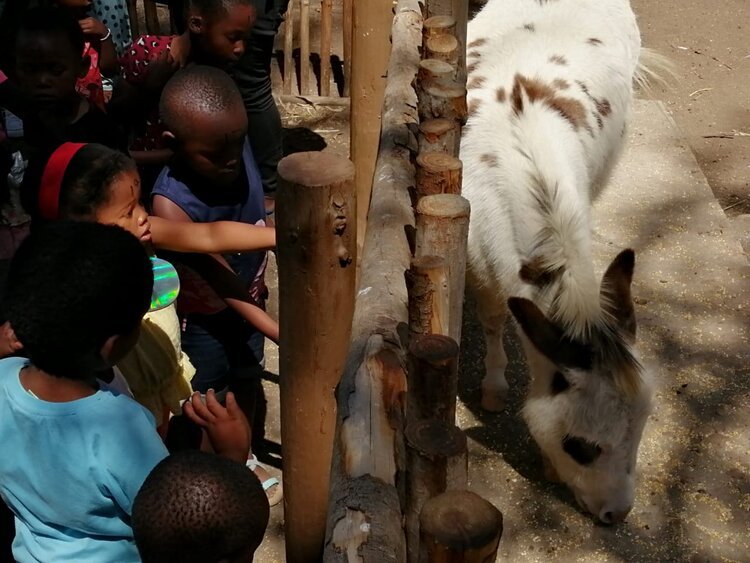
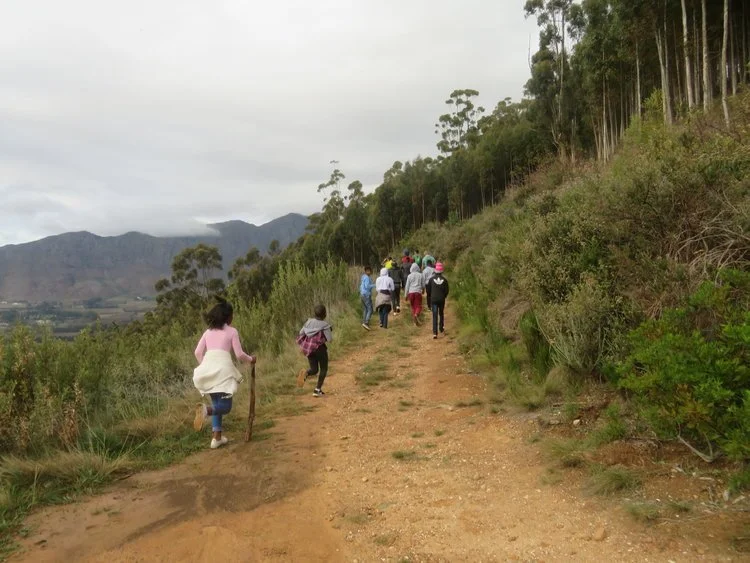
Yearly eco-educational outings, enabling children and educators to engage with nature and learn beyond the classroom setting.
Strengthening long-term impact
Support for Educare practitioners and principal to obtain certified ECD qualifications, formalising classroom practice while valuing traditional knowledge and cultural context.
Facilitation of eco-educational outings for Educare Centres showing initiative in raising additional funds, encouraging ownership and sustainability.
Teach-the-teacher outings to various educational institutions, equipping Educare practitioners with hands-on, nature-based teaching methods that can be integrated into daily classroom practice.